








Construction site hoarding is an indispensable temporary facility in construction projects. Below is a detailed introduction to construction site hoarding:
I. Definition and Function
Construction site hoarding refers to a temporary and secure protective structure set up at the construction site, primarily used to protect the worksite, prevent unauthorized personnel from entering, and ensure construction safety. It also serves to beautify the environment, reduce noise, and prevent dust from rising. Specifically, the functions of the construction site hoarding mainly include:
Isolated Construction Site: The construction area is enclosed to isolate it from the outside, preventing unauthorized personnel from entering and to avoid safety accidents. Additionally, the enclosure protects the materials and equipment on the site from theft or damage.
Maintain city appearance: The design of hoarding often harmonizes with the surrounding environment, effectively masking the chaos of construction sites, thus preserving the city's cleanliness and aesthetics.
Reduce noise and dust pollution: Hoarding can effectively minimize the impact of noise and dust from construction sites on the outside environment, thereby protecting the quality of life for residents in the surrounding area.
II. Types and Features
There are various types of construction hoarding, which can be categorized by material, structure, and application. Below are some common types of construction hoarding and their characteristics:
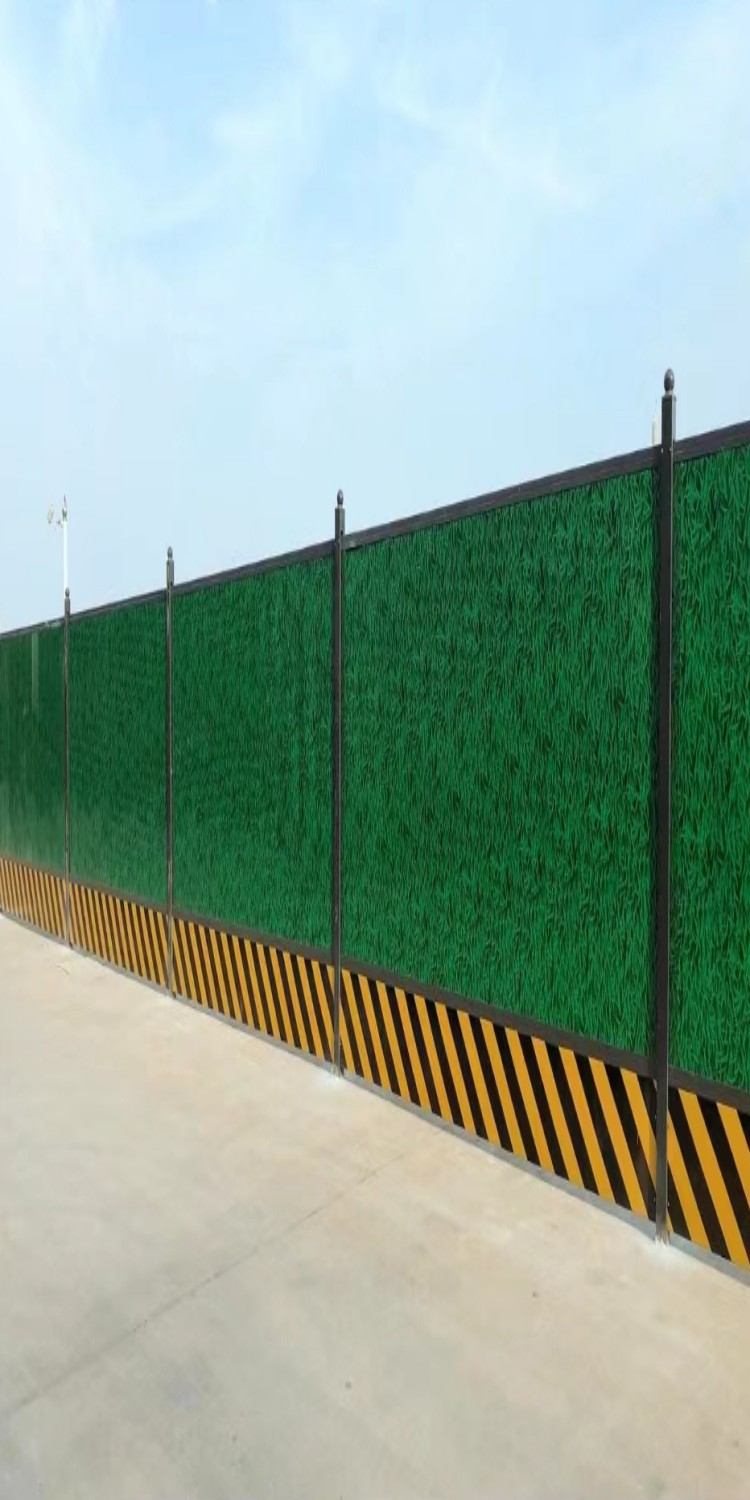
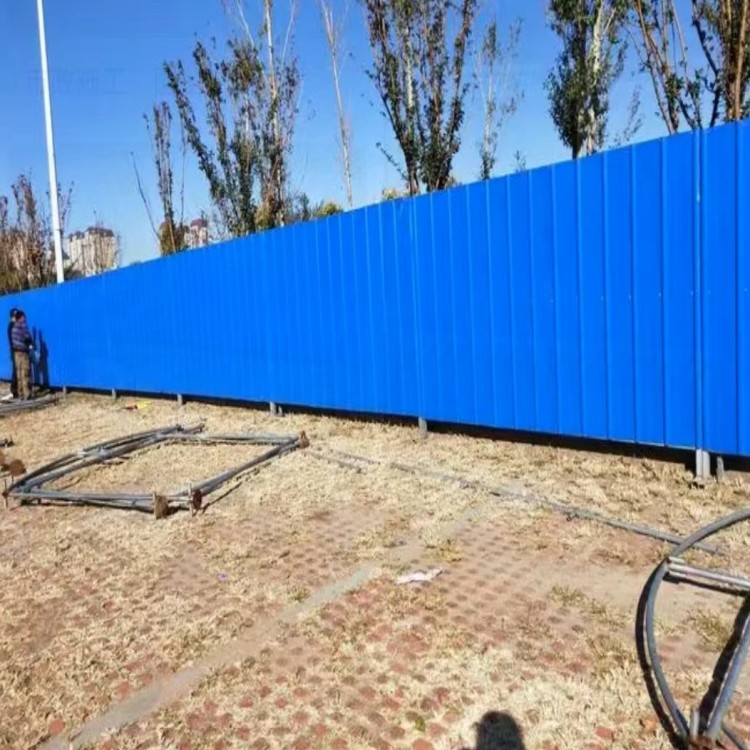
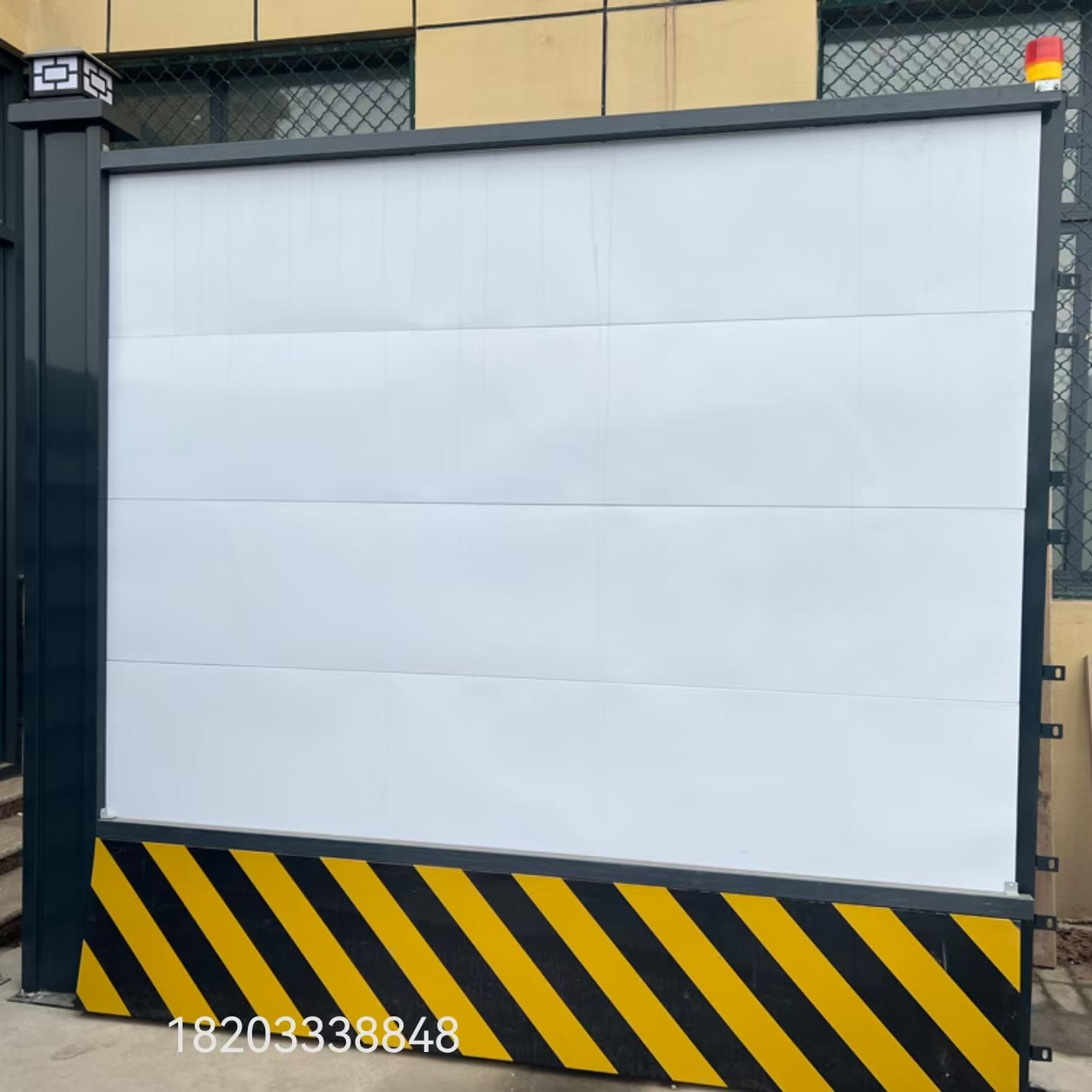
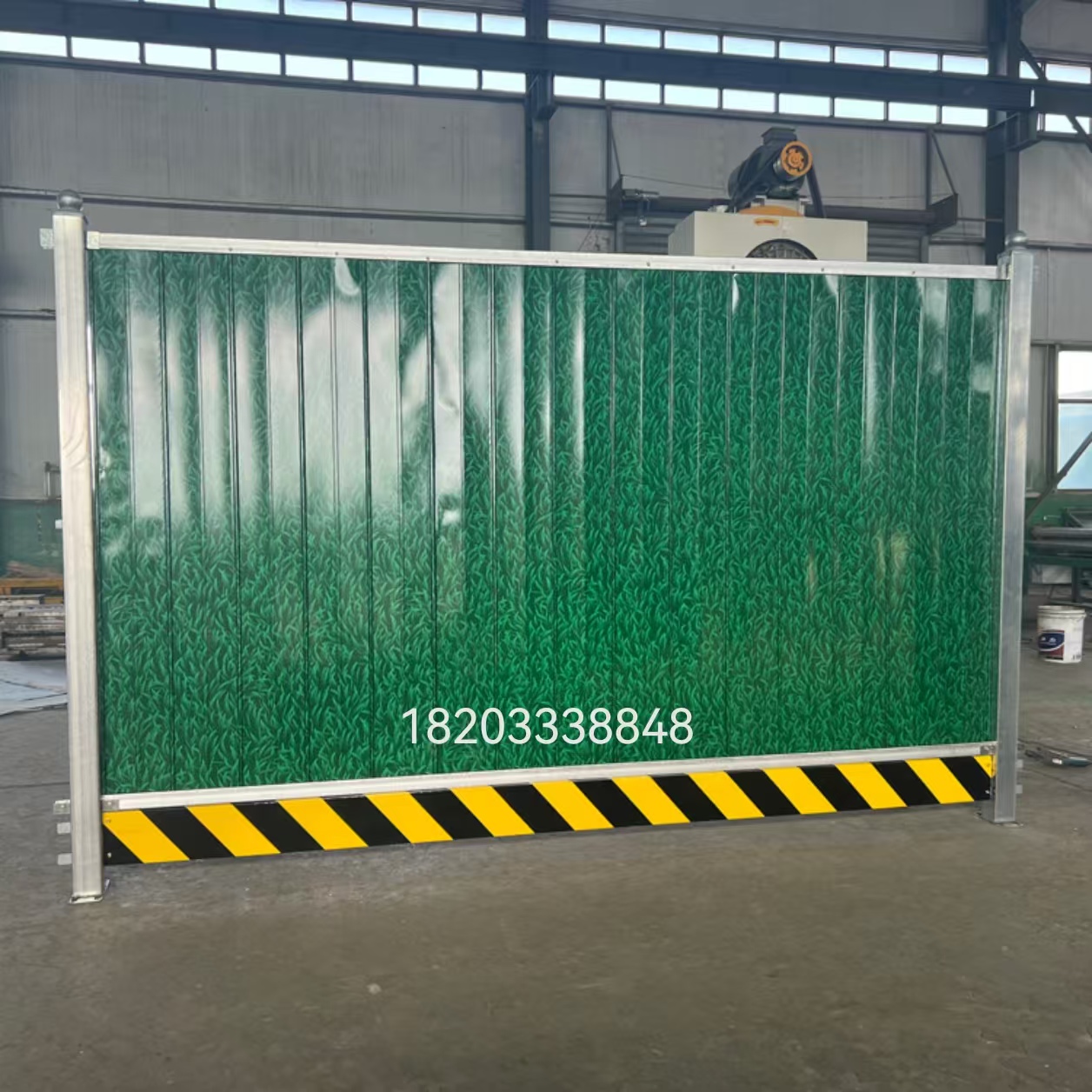
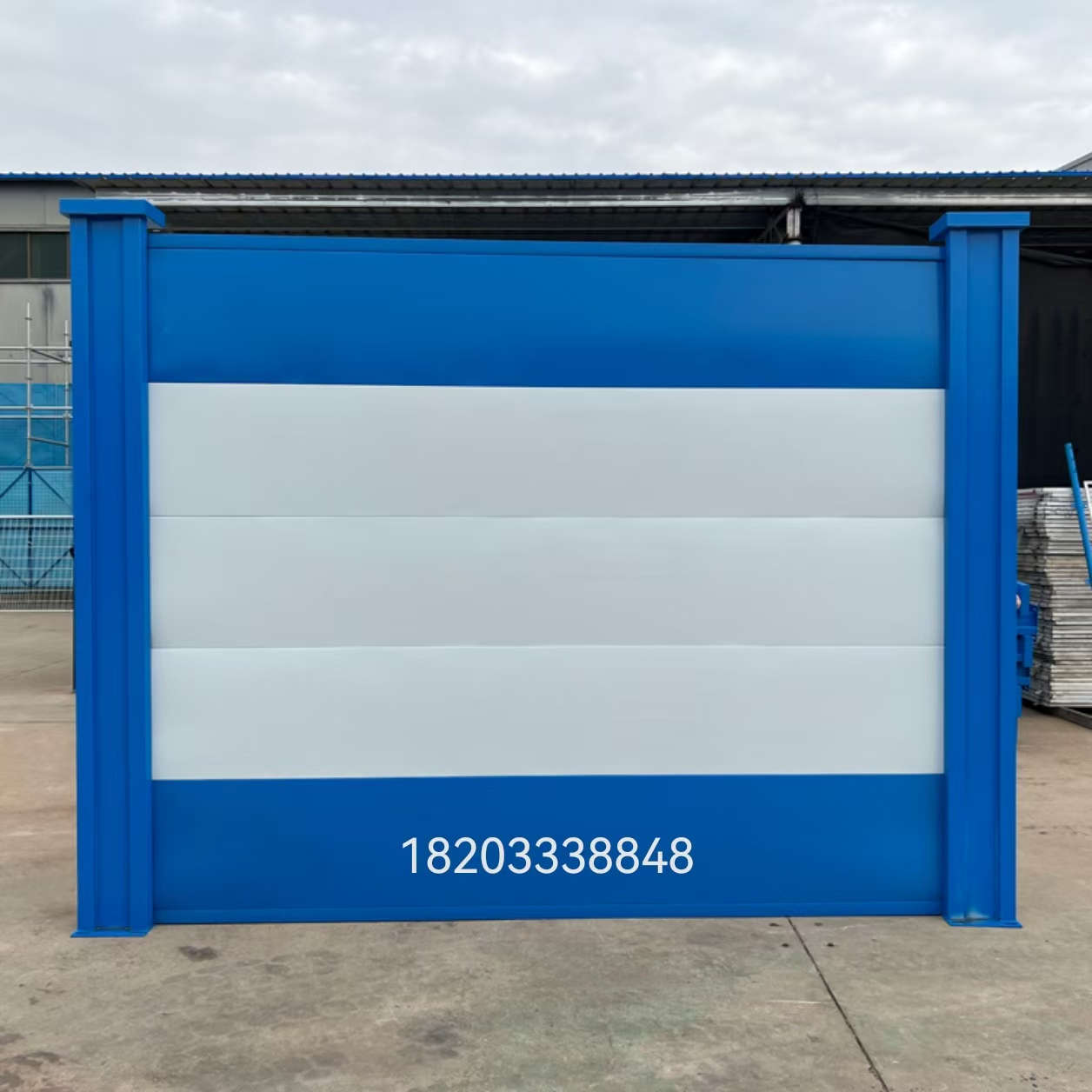
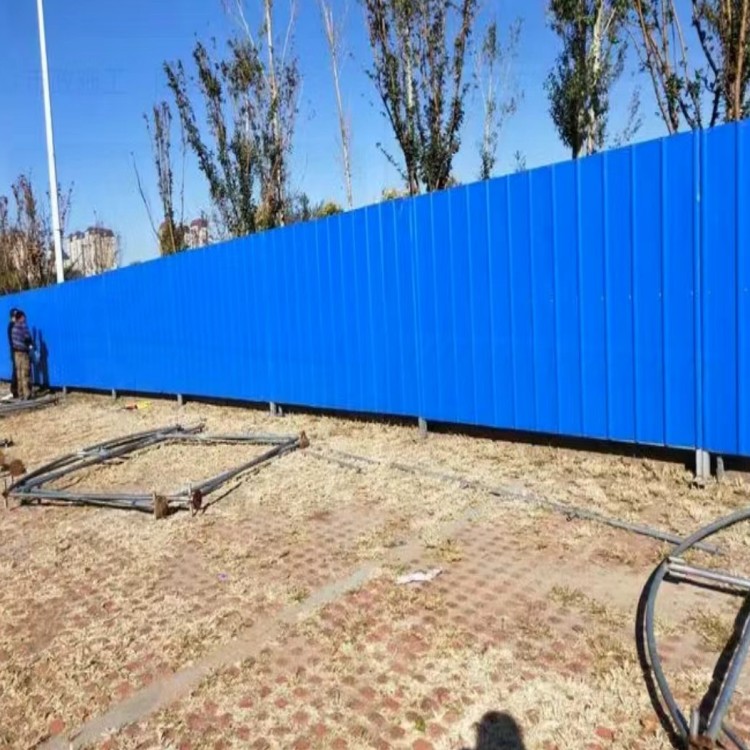
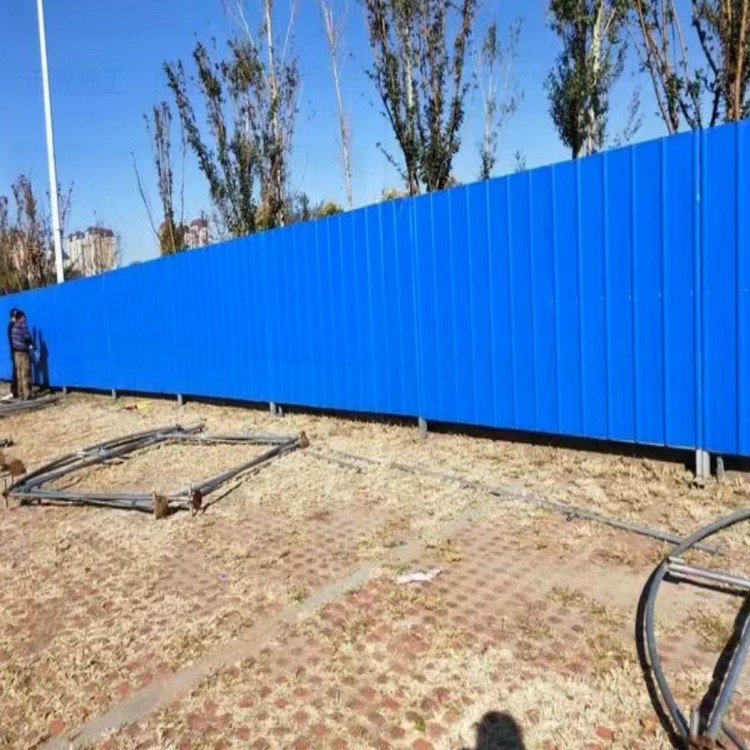
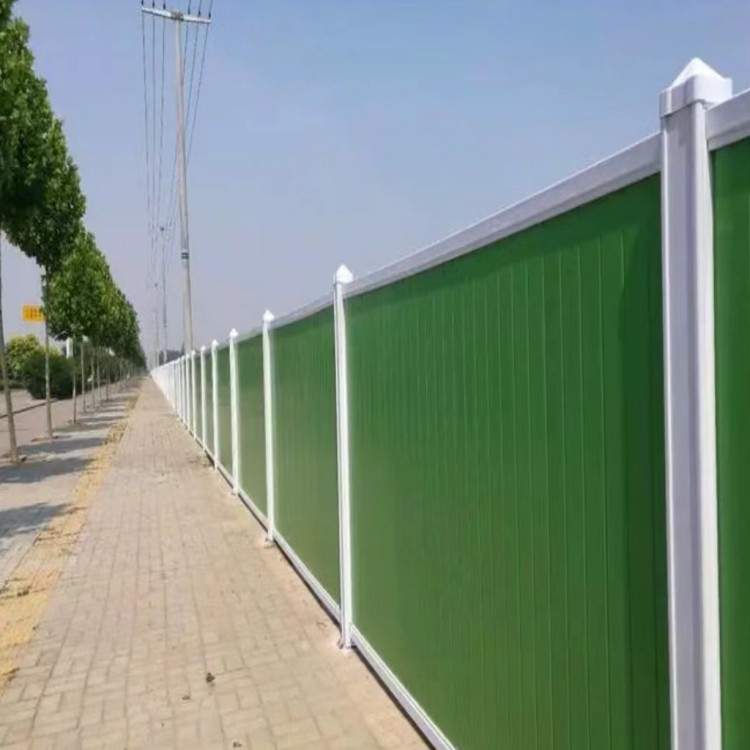
Color-steel hoarding: Primarily made of color steel plates, featuring easy installation, flexible disassembly, lightweight, and corrosion resistance. Suitable for short-term or frequently relocatable construction projects such as roadwork and bridge construction.
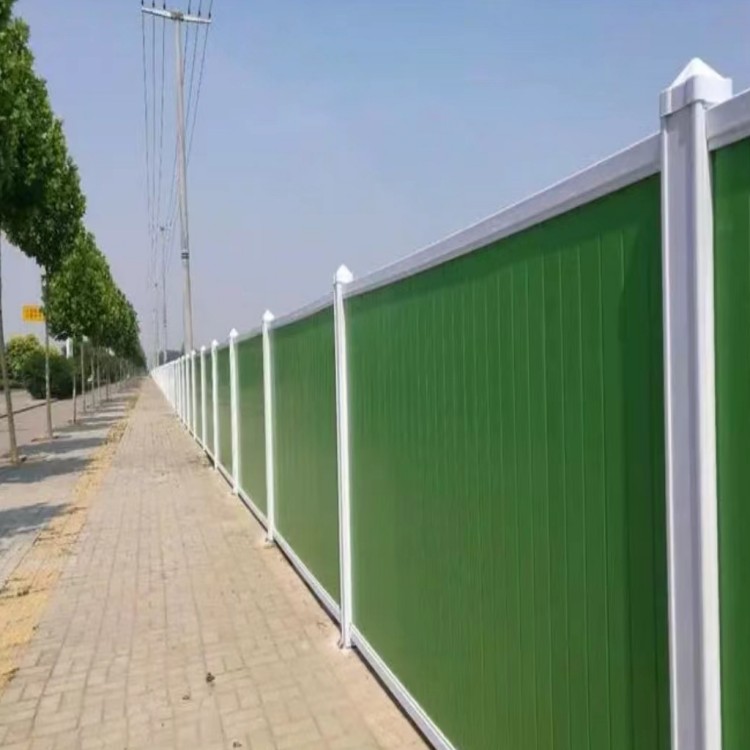
PVC Fencing: Made from a blend of polyethylene and calcium powder, it boasts excellent flexibility, resistance to cracking, high gloss and aesthetics, as well as ease of cleaning. It has a long service life, but installation is somewhat cumbersome, and there's a loss when disassembled and reused. Available in a variety of colors, it can be selected and matched according to the construction environment to beautify the job site.
Metal Retaining Wall: Primarily made of steel plate, it features high strength, resistance to deformation, good aesthetics and luster, with a service life of over 3 years. However, it is prone to rust, so maintenance and care are necessary during installation and use. Suitable for important construction sites such as highway construction and bridge construction.
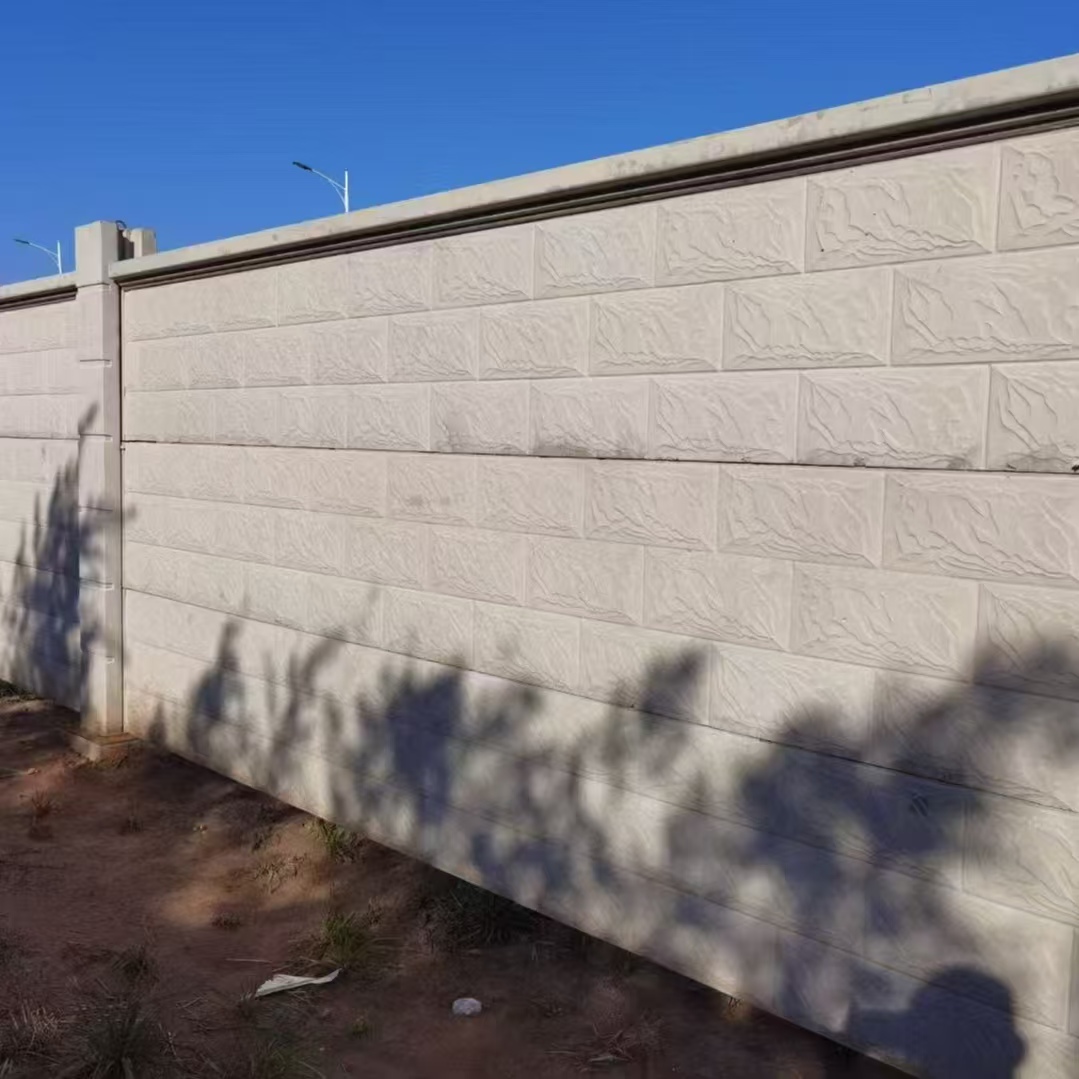
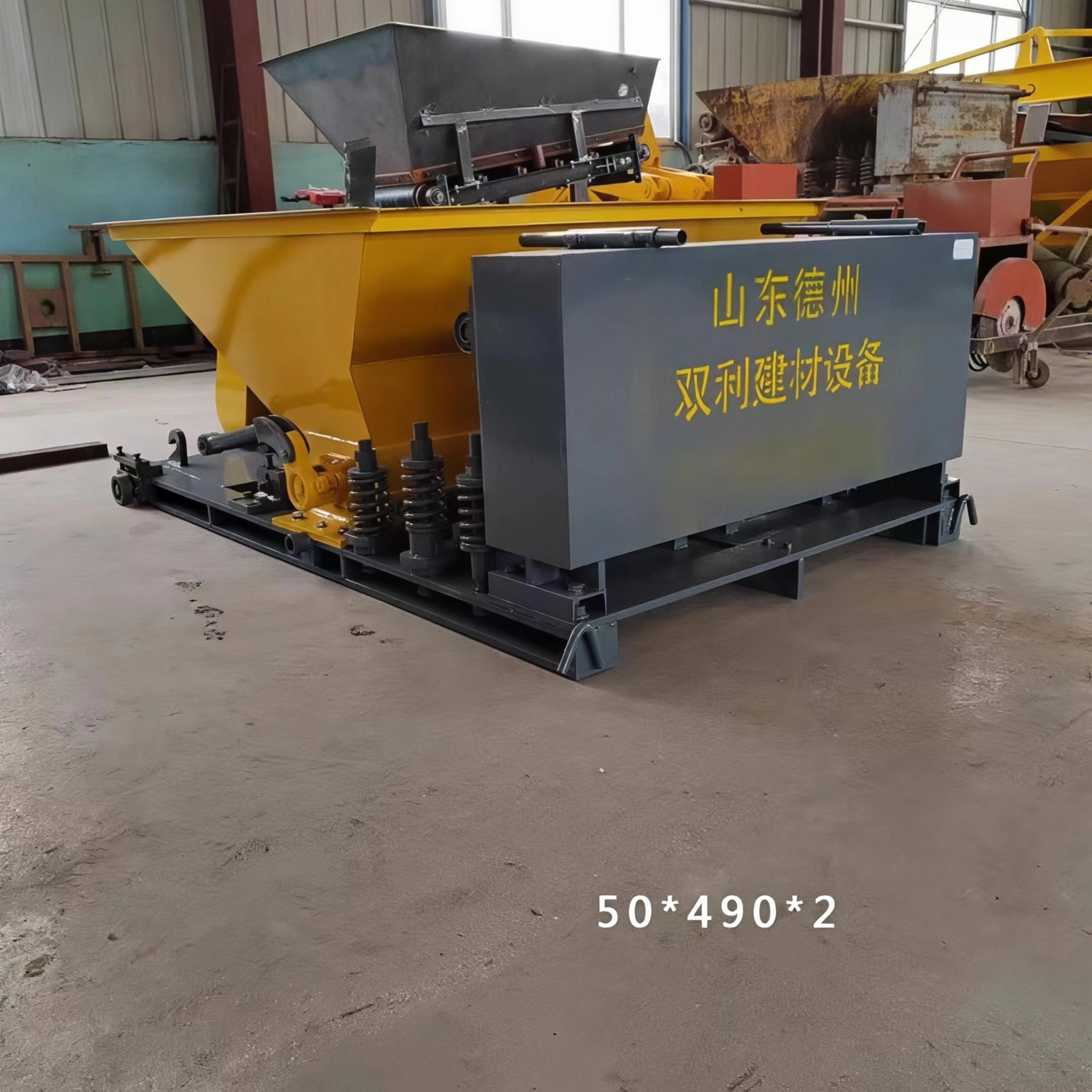
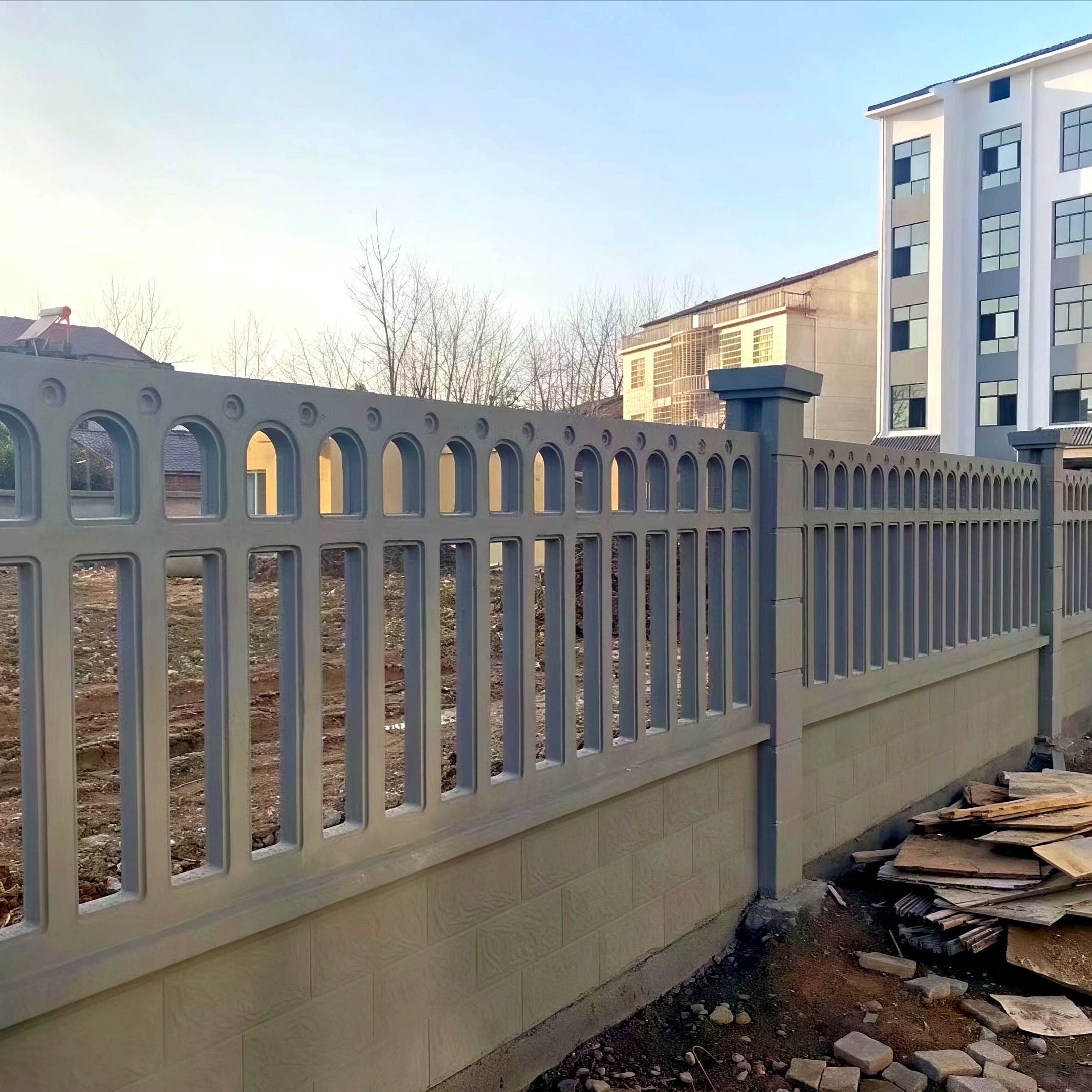
Modular hoarding: Composed of prefabricated components, it allows for quick installation and dismantling, suitable for projects with short construction periods. This type of hoarding usually features standardized design for easy transportation and storage, and can be rapidly assembled and disassembled as needed.
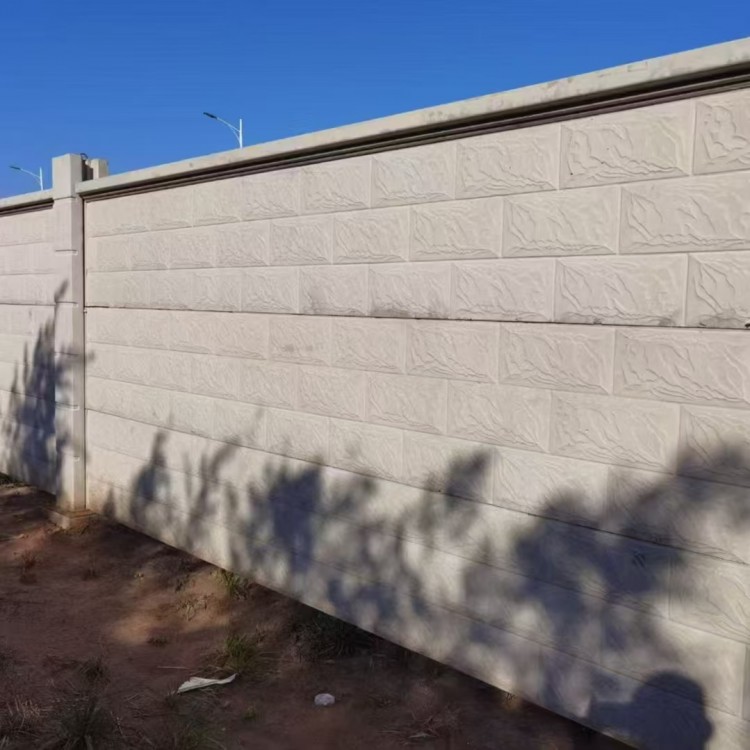
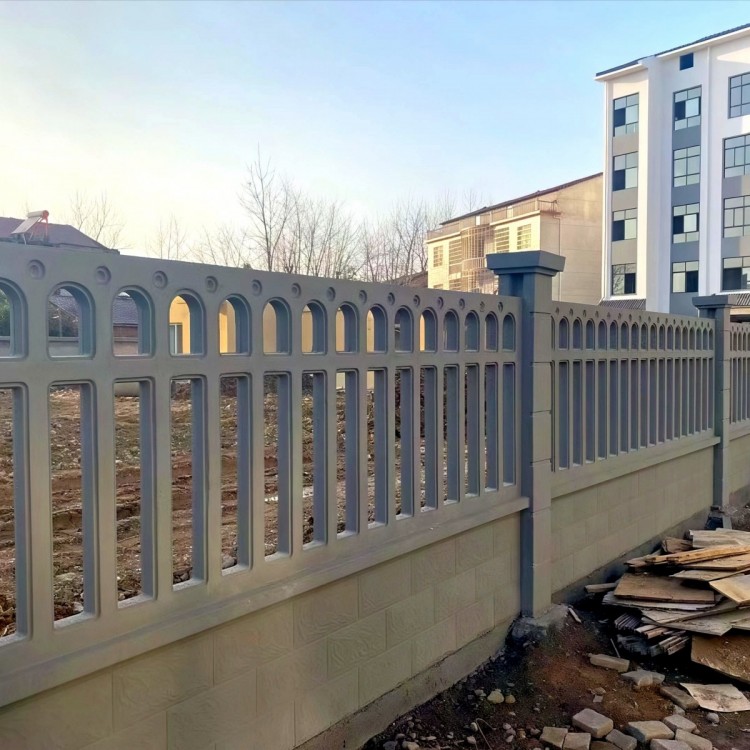
Retaining Wall: Constructed with hollow bricks and cement mortar, it boasts high wind resistance and durability. The structure is stable, suitable for long-term construction projects, though its installation and dismantling process is more complex and time-consuming compared to other retaining materials. Ideal for main structure construction barriers at special locations with extended construction periods (such as airports, train stations).
Mobile Barrier: Includes water-filled blocks and iron barriers, easy for rapid setup and movement, suitable for temporary or short-term construction projects. This barrier is lightweight, easy to operate, and can be quickly adjusted according to the progress and requirements of the project. Suitable for pipeline relocation construction barriers with a duration of 15 days or less.
Additionally, there are special types of hoarding such as landscaping project hoarding and emergency rescue project fencing, which are specifically designed for use in landscaping projects and emergency rescue operations, respectively.
III. Construction Requirements and Standards
Construction of construction site hoarding must adhere to certain requirements and standards to ensure safety, stability, and aesthetics. The following are some common construction requirements and standards:
Fence Height: Generally not less than 1.8 meters to ensure effective isolation of the construction site.
Material Selection: Choose qualified hoarding materials such as color steel plates, PVC boards, metal sheets, etc. Additionally, the materials should possess characteristics like corrosion resistance and weather resistance to accommodate various construction environments.
Foundation Construction: The foundation of the fence should be robust and reliable, typically involving excavation of a foundation trench, laying gravel and concrete. The depth and width of the foundation trench should be determined by soil conditions to ensure the stability of the fence.
Installation Requirements: The fence should be installed vertically and securely, with even spacing between posts. Additionally, the fence panels must be tightly fastened to the crossbeams to ensure overall stability. During installation, care should be taken to protect the vegetation and facilities on the construction site.
Closed materials: Install closed materials at the bottom of the enclosure, such as wire mesh, plastic mesh, etc., to prevent unauthorized personnel from climbing over the enclosure.
Strengthening Measures: Reinforcement materials such as rebar and wire should be installed at appropriate positions on the perimeter fence to enhance its stability.
Construction Acceptance: Upon completion of the hoarding construction, an acceptance inspection should be conducted. The inspection criteria include the height, materials, color, and stability of the hoarding. Ensure that the hoarding meets design requirements and poses no safety hazards.
Four: Maintenance and Care
To extend the lifespan and maintain the aesthetic appeal of construction hoarding, regular maintenance and care are required. The following are some common maintenance and care measures:
Regular Inspections: Conduct regular checks on the perimeter fence. Promptly repair any issues found. Replace or adjust the fence panels if they are damaged or if the posts are leaning.
Cleaning and Maintenance: Regularly clean the barrier surface to keep it clean and tidy. Avoid dust and graffiti causing damage to the barrier. Use a high-pressure water jet or cleaning agents for cleaning.
Safety Management: Enhance the security management of the perimeter fence to prevent unauthorized personnel from entering the construction site. Install clear signage and warning messages on the fence to remind people to stay safe.
V. Trending Developments
As technology advances and environmental awareness grows, construction hoarding is also evolving and changing. In the future, construction hoarding may trend towards being more environmentally friendly, aesthetically pleasing, and practical. For instance, hoardings made from recyclable materials and those managed through smart technology will become the future trends. These new hoardings will better meet construction needs, enhance efficiency, and simultaneously minimize environmental impact.
In summary, construction site hoarding plays a crucial role in the construction process. By selecting the appropriate type of hoarding, adhering to construction requirements and standards, conducting regular maintenance and care, and keeping abreast of trends, the safety, stability, aesthetics, and practicality of the site hoarding can be ensured.