

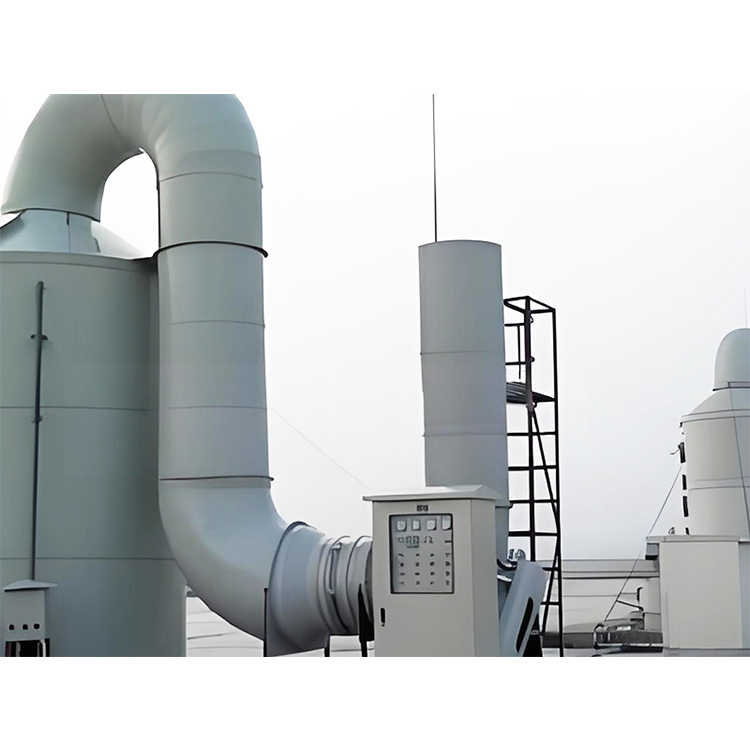
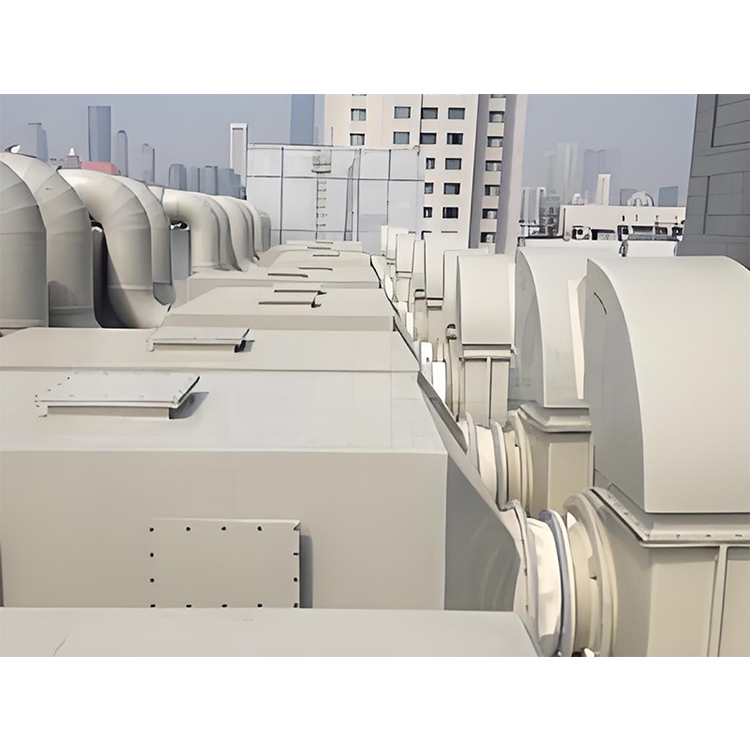
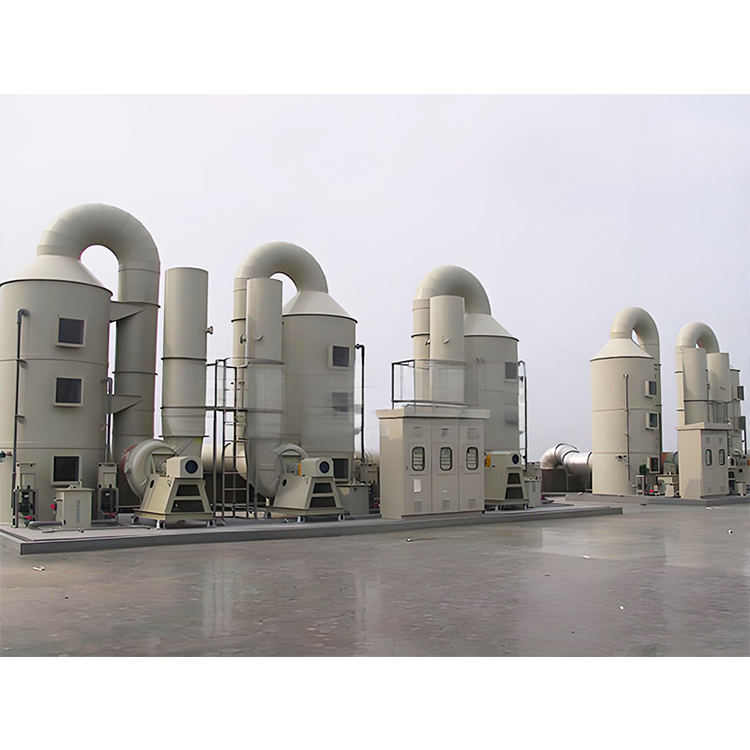
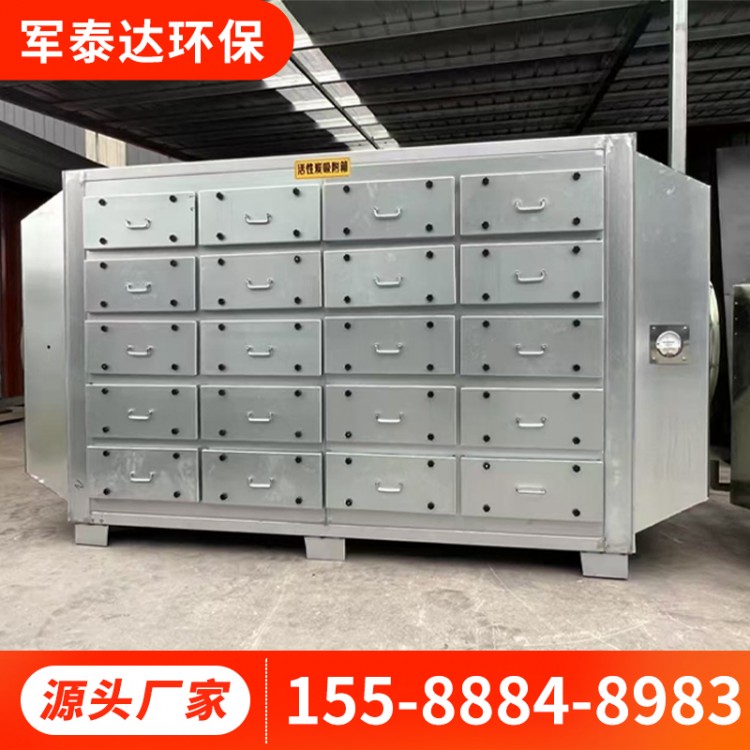





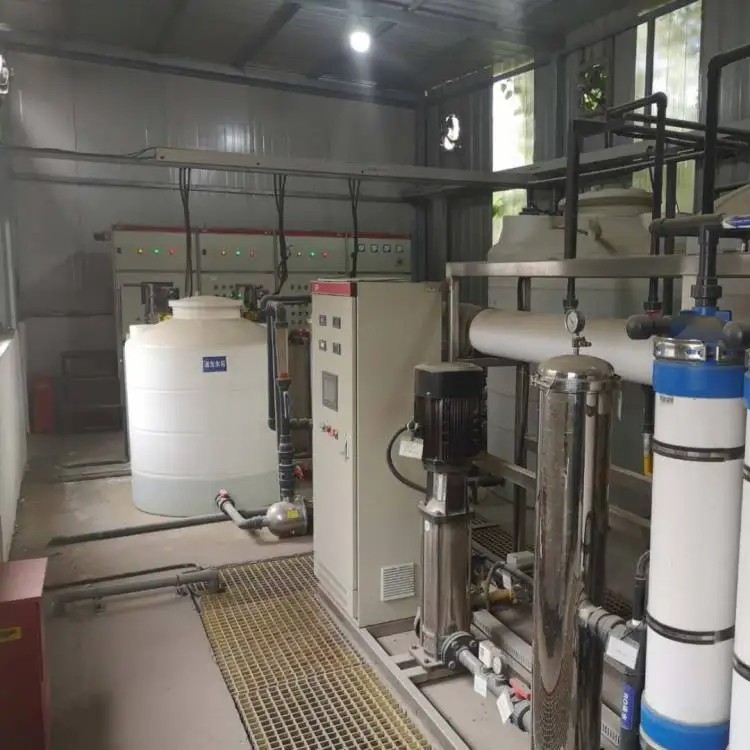
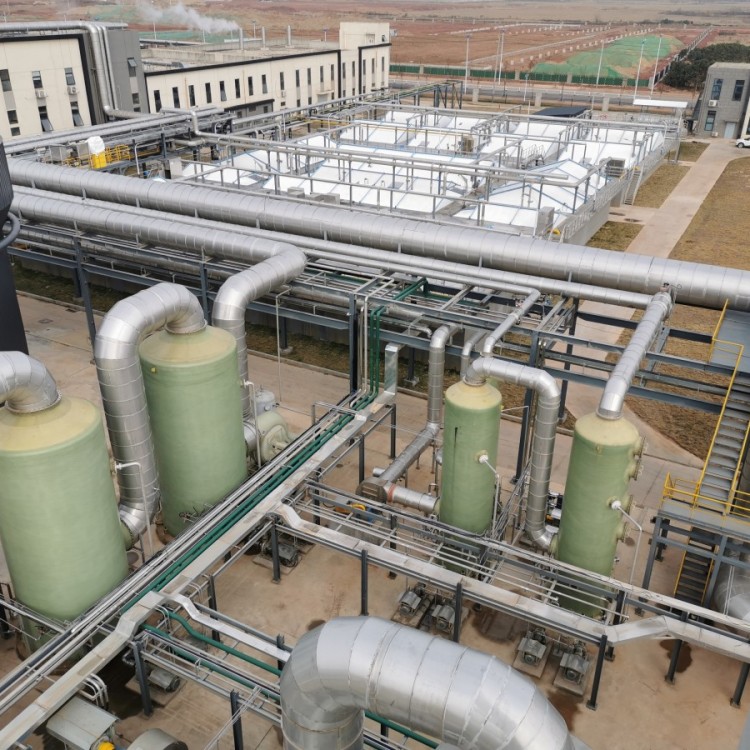
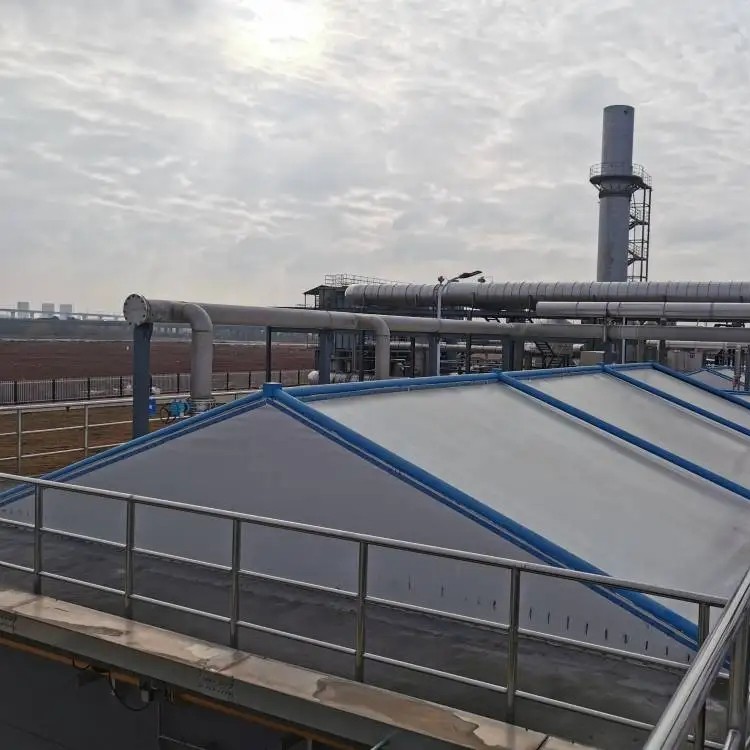

Zhejiang Ningbo Spray Painting Workshop Exhaust Treatment, Organic Waste Gas Treatment, Spray Tower, Adsorption Box, RTO Unit, Professional Organic Waste Gas Treatment, Spray Painting Workshop Spray Tower, High Adsorption Efficiency
Spray Booth Exhaust Treatment Tower, High-Efficiency Adsorption Box RTO, Odor Removal Purification, Professional Organic Waste Gas Treatment, Spray Booth Spray Tower, High Adsorption Efficiency, Eco-friendly Spray Tower Equipment, Strong Adsorption Box RTO, Exhaust Purification, Spray Booth Exhaust Treatment Expert, Spray Tower Adsorption Box RTO, Eco-friendly Management, High-Efficiency Spray Tower Exhaust Treatment, Adsorption Box RTO Organic Waste Gas Purification, Special Spray Booth Spray Tower, Adsorption Box RTO Odor Removal High-Efficiency Treatment, Eco-friendly Spray Tower Adsorption Box RTO, Spray Booth Exhaust Treatment Purification Expert, Spray Booth Exhaust Purification Spray Tower Adsorption Box RTO, Eco-friendly Equipment, High-Performance Spray Tower RTO Adsorption Box, Odor Removal Exhaust Treatment, Eco-friendly Management, Professional Spray Booth Exhaust Treatment, Spray Tower Adsorption Box RTO, Eco-efficient
The VOC-producing stage in the automotive manufacturing process is the painting process. The automotive body coating process mainly includes primer, intermediate coat, topcoat, and the final curing process. Organic volatile organic compounds (VOCs) are primarily emitted during the spraying and curing of electrocoat primer, intermediate coat, and topcoat, as well as during the painting of plastic parts. Approximately 80% to 90% of VOCs are emitted in the spray booth and leveling room during the intermediate and topcoat painting process, while 10% to 20% are emitted in the curing room with the vehicle coating. The waste gas composition, in order of emission volume, is benzene, alcohols, esters, and ketones. Due to the different types of paint used, as well as variations in production processes among different vehicles and manufacturers, the composition of VOCs in the emitted waste gases also varies.

Automotive Paint Spraying Emission Characteristics: 1. Large air volume, typically ranging from tens to hundreds of thousands of cubic meters per hour, with multiple exhaust outlets. 2. Low waste gas concentration, with organic matter concentration usually between 100-200 mg/m3, but with a large total emission volume. At a rate of 100,000 m3/h and 150 mg/m3, the hourly emission can reach 150 Kg/h or 3.6 tons/day. 3. Contains paint mist. The paint mist content in the waste gas of the spraying process is generally between 100 to several hundred milligrams per cubic meter, usually removed by water curtain filtration (which generates a large amount of organic paint sludge), but with low removal efficiency. Mechanical filtration is usually required before adsorption treatment. 4. Room temperature. 5. High humidity. The exhaust gas after water curtain filtration contains some water mist, increasing relative humidity, which is不利于 the subsequent adsorption purification.
End-of-pipe treatment technology
The end-of-pipe treatment process involves water curtain filtration followed by dehumidification, and then adsorption concentration-catalytic combustion treatment.
Water curtain filtration: The water curtain filtration technology for paint spray rooms is mature, with relevant design specifications in place. The paint residue generated by the water curtain filtration, due to its high content of organic matter, requires regular cleaning and is then disposed of as solid waste.
Filter and Dehumidify: Generally, a two-step process using a coarse filter and a medium-efficiency filter is employed. Two separate filters can be used, or the two steps can be combined into one filter. The coarse filter uses fibrous felt as the filtering material, while the medium-efficiency filter uses bag filtration. If the initial water curtain filter's effectiveness is poor, a metal wire mesh filter may be added before the coarse filter to further remove paint mist. After passing through the medium-efficiency filter at the end, the particulate matter content in the exhaust gas is reduced to below 0.1 mg/m³. For spray exhaust gas treatment, the key, regardless of the technology used, lies in the effectiveness of the paint mist filtration.
Adsorption Concentration-Catalytic Combustion Technology: For automotive paint spray exhaust, due to its characteristics of low concentration and high air volume, and without causing...
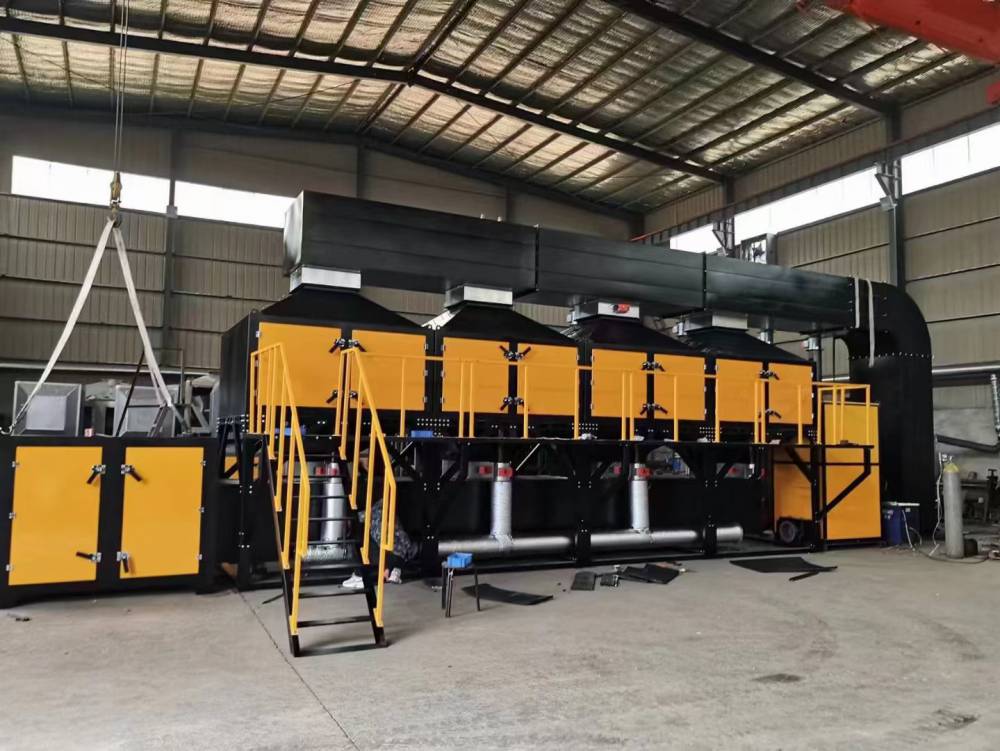
The most commonly used method for treating catalyst poisoning substances is the Adsorption Concentration + Catalytic Combustion (AC+CC) technology. Depending on the adsorption material and method, it can be categorized into Zeolite Wheel (or Drum) Adsorption Concentration + Regenerative Catalytic Oxidation (RCO) technology and Packed Bed Adsorption Concentration + Catalytic Combustion technology. The Zeolite Wheel (or Drum) Adsorption Concentration + RCO technology is widely used internationally, offering stable operation, good safety, but with higher equipment costs.