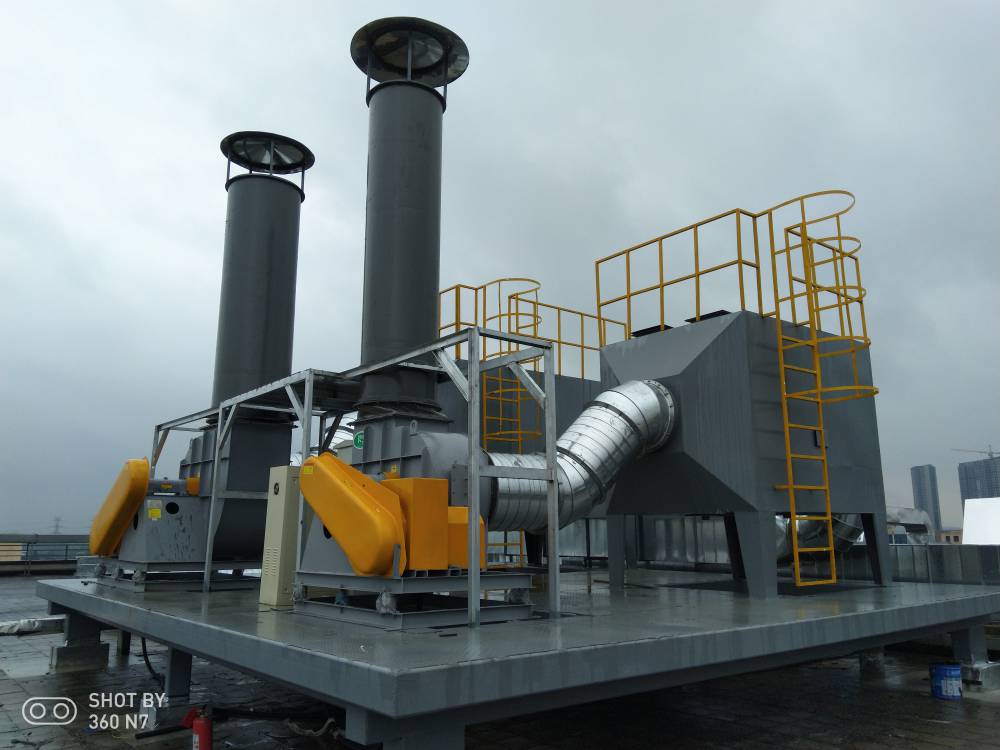
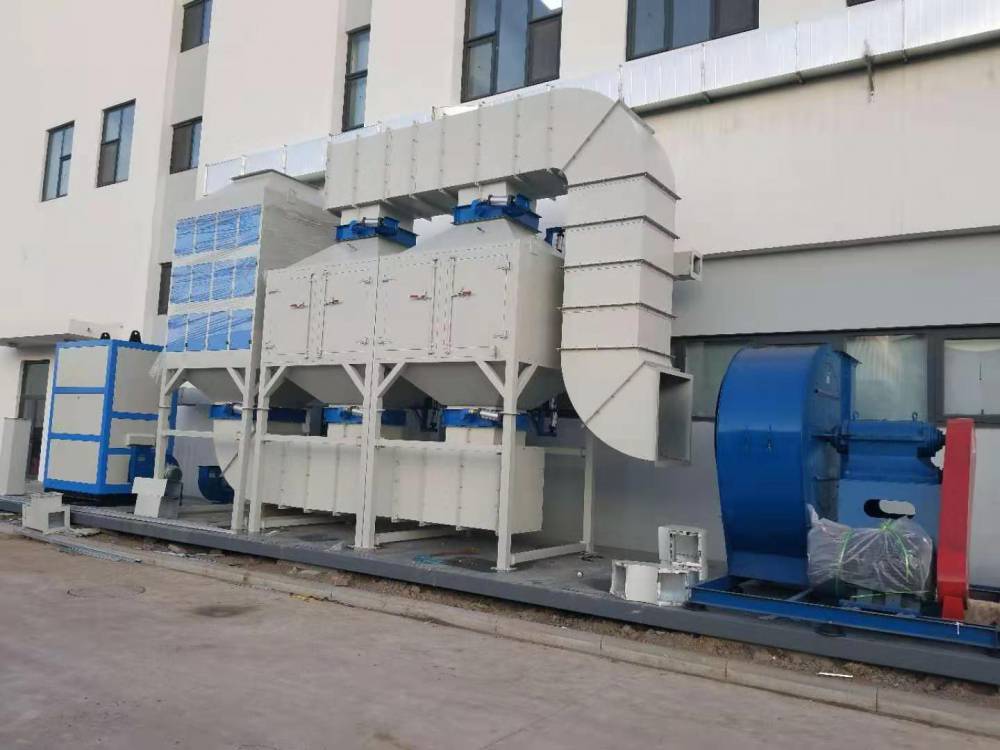


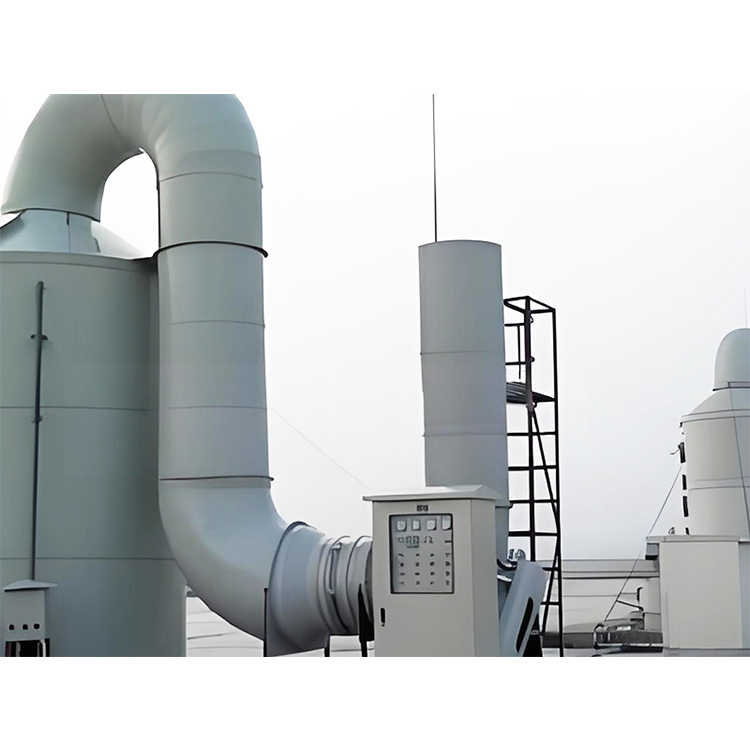
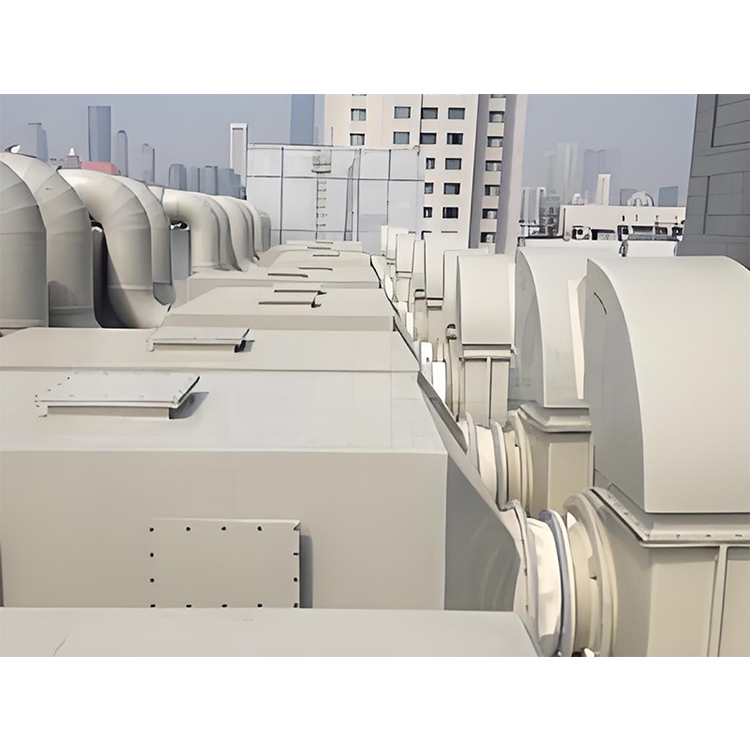
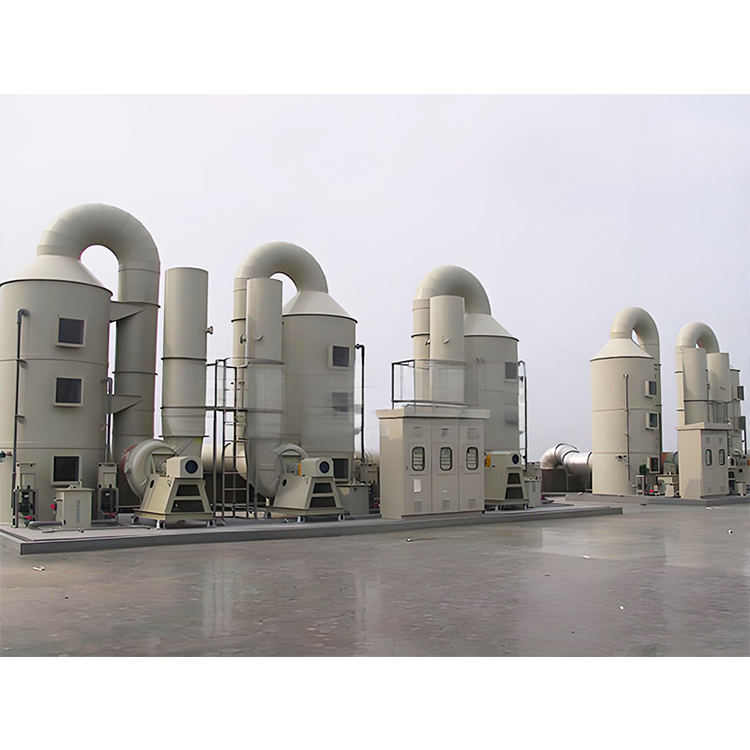
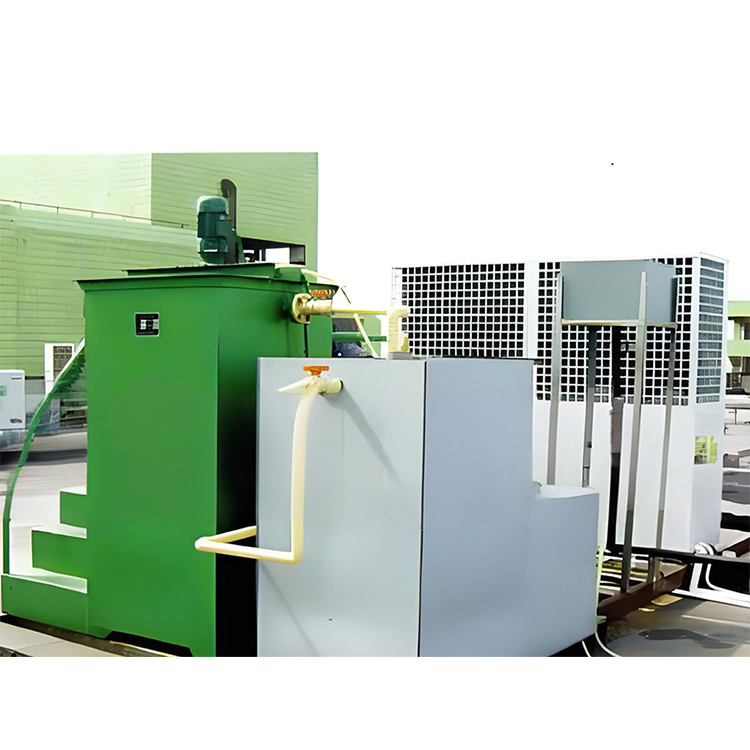






Anhui Hefei Activated Carbon Adsorption Box VOC Waste Gas Treatment, Odor Removal, Regeneration Adsorption, Catalytic Combustion RTO Treatment Equipment, High-Efficiency Regeneration Adsorption Catalytic Combustion RTO Unit
Activated Carbon Adsorption Boxes for Professional VOC Emissions Treatment and Odor Removal, High-Efficiency Regeneration Adsorption and Catalytic Combustion RTO Units, Odor Elimination Experts, Activated Carbon Adsorption Boxes for VOC Treatment, Catalytic Combustion RTO Emissions Treatment Units, Quick Odor Removal with Activated Carbon Adsorption Boxes, Professional VOC Emissions Treatment Adsorption Boxes, Regeneration Adsorption Activated Carbon Boxes for Efficient Odor Elimination, RTO Emissions Treatment Units with Activated Carbon Adsorption, Odor Elimination Activated Carbon Adsorption Boxes with Catalytic Combustion, Professional VOC Emissions Treatment Activated Carbon Boxes
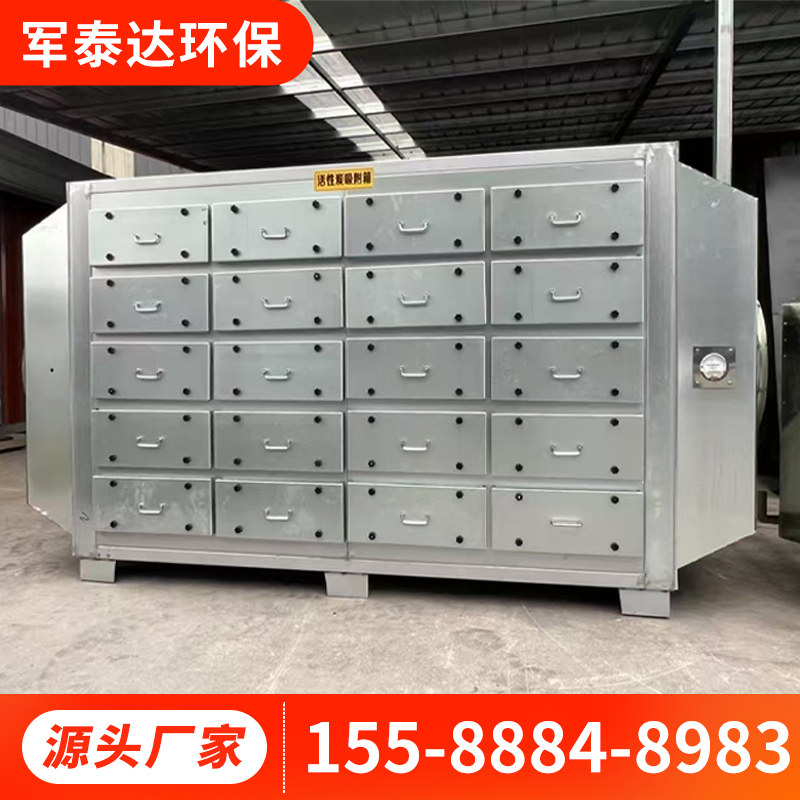
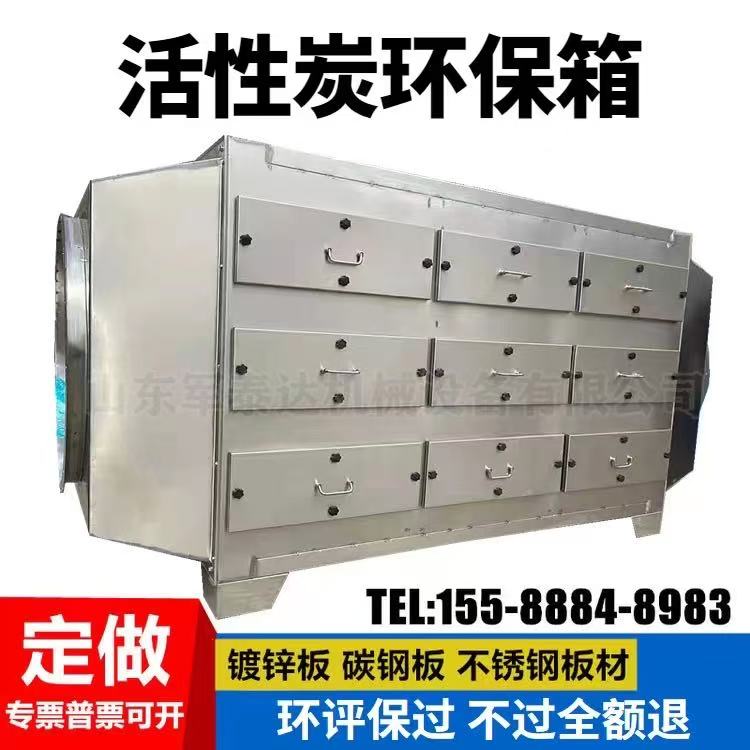
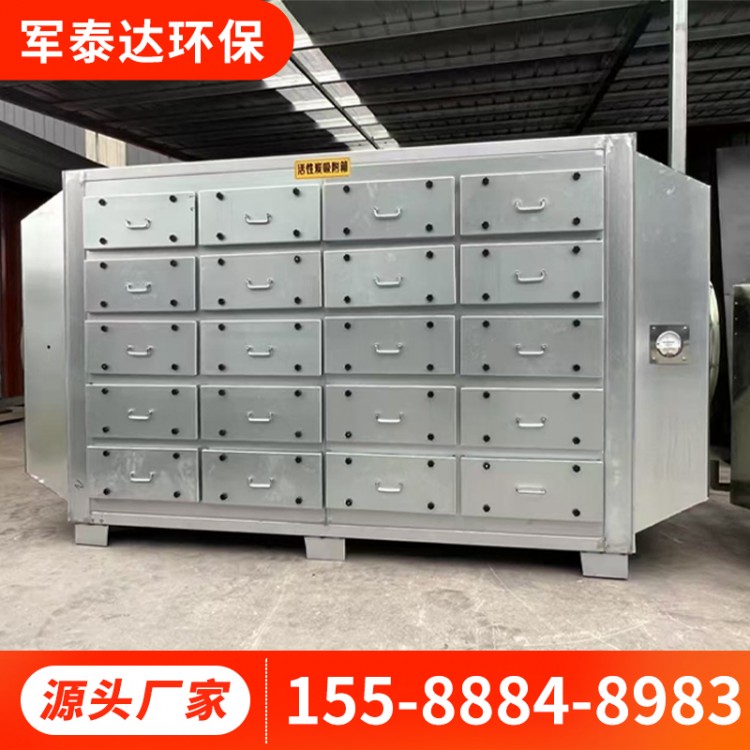
The activated carbon adsorption box produced by Hangzhou Su Tai Technology Co., Ltd. is widely used for adsorbing and removing harmful gases and odors from the air. Its principle is to utilize the microporous structure of activated carbon and the adsorption properties of the adsorbent to adsorb gas molecules.

Activated carbon is an adsorbent material with a large number of micropores and an extensive surface area. When gases pass through the activated carbon吸附 chamber, gas molecules come into contact with the surface of the activated carbon and are adsorbed into the micropores. Due to the numerous and complex microporous structure of activated carbon, it possesses a high adsorption capacity.
Adsorption boxes typically contain multiple layers of activated carbon, with other adsorbents interspersed between each layer to enhance the adsorption effect. This not only boosts the adsorption capacity of the box but also extends the service life of the activated carbon.
When harmful gases or odors are present in the air, they are adsorbed into the activated carbon adsorption box. Activated carbon adsorbs gas molecules onto its surface through physical adsorption, fixing them in the micropores, thereby purifying the air.
Once the activated carbon adsorption box becomes saturated, its adsorption capacity can be regenerated by heating or replacing the activated carbon. Heating releases the adsorbed gas molecules from the activated carbon, while replacing the activated carbon involves removing the saturated carbon and substituting it with new activated carbon.
Overall, activated carbon adsorption boxes remove harmful gases and odors by physically adsorbing them through the microporous structure of activated carbon and the adsorbent properties, thereby purifying the air.