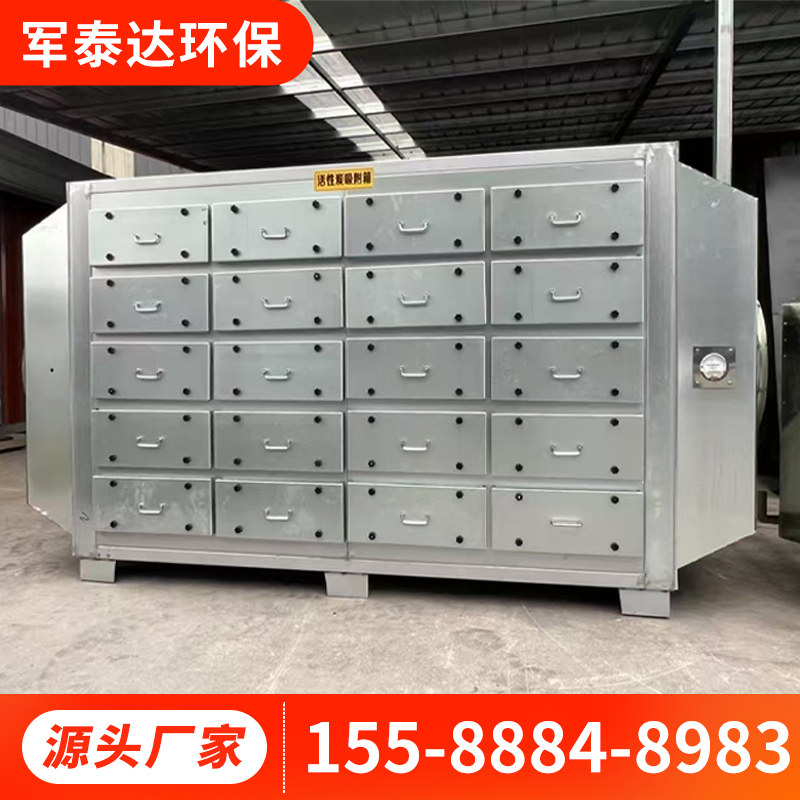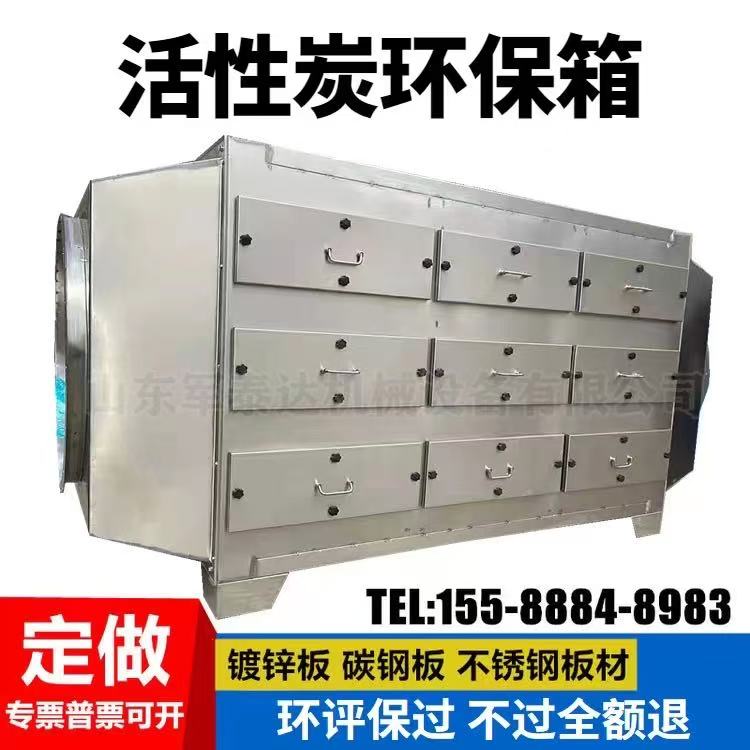


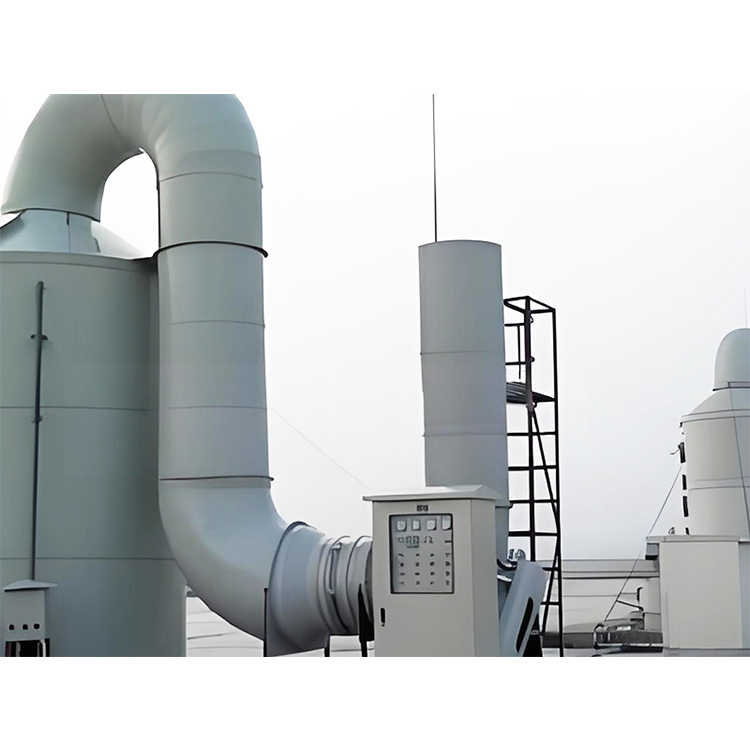
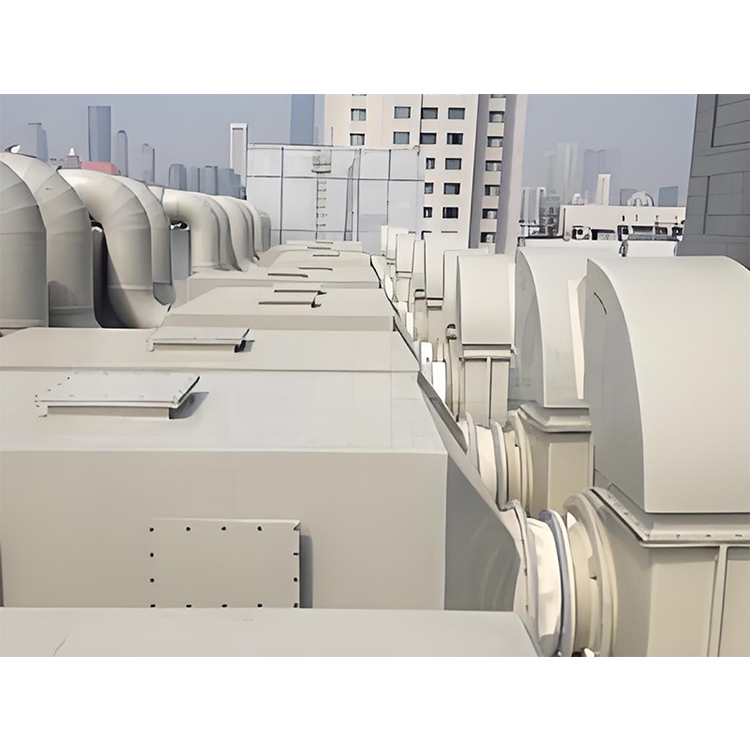
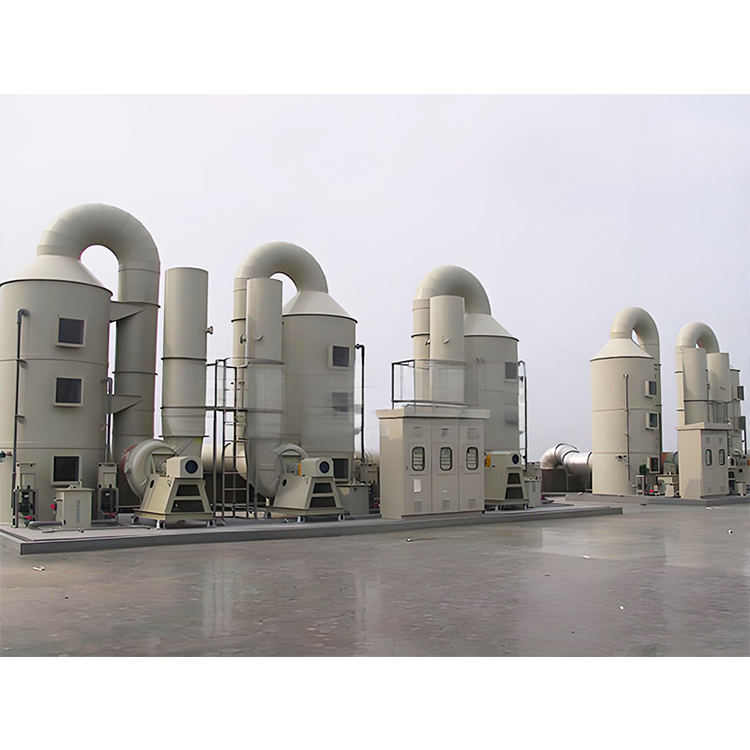
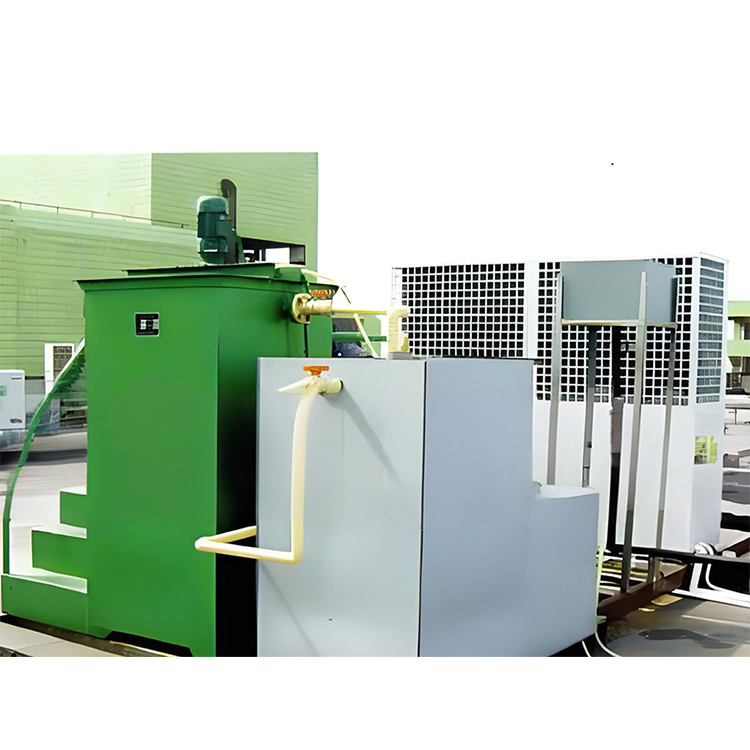






Zhejiang Jiaxing Organic Wastegas Treatment for Photoelectric Products, PCB Organic Wastegas Management, New Energy Battery Production Wastegas Treatment, Photovoltaic Workshop Wastegas Processor, Environmental Protection
Photovoltaic workshop exhaust gas treatment equipment, High-efficiency purification, PCB-specific organic exhaust treatment equipment, Essential for new energy battery production, Eco-friendly and efficient, Photovoltaic production exhaust gas treatment machine, Eco-friendly and energy-saving, PCB exhaust gas treatment, Organic exhaust processor for battery production, Precise purification, Eco-friendly, Photovoltaic exhaust gas treatment equipment, Eco-friendly and efficient, Suitable for PCB production, New energy battery exhaust gas treatment machine, Eco-friendly and energy-saving, High-quality purification effect, Photovoltaic production exhaust gas treatment machine, PCB exhaust gas treatment, High-efficiency and eco-friendly, Exhaust gas treatment equipment for battery production, Eco-friendly and energy-saving, High-quality purification solution, Photovoltaic workshop exhaust gas treatment machine, Suitable for new energy battery production, PCB exhaust gas processor, Eco-friendly and efficient, Essential for photovoltaic production
Hangzhou Su Tai Technology Co., Ltd. has accumulated years of experience in the treatment of organic waste gases in the manufacturing of optoelectronic products. The production processes of five main product categories generate organic waste gas pollution in optoelectronic products: semiconductor integrated circuits, TFT-LCD, LED, printed circuit boards (PCB), and electronic terminal products. Below, we will focus on the treatment of organic waste gases in printed circuit boards (PCB).
In the manufacturing processes of single-sided, double-sided, and multi-sided printed circuit boards, the VOCs are relatively concentrated in certain stages, primarily from processes such as film lamination, drying, copper plating, and printing. The main types of VOCs emissions include alcohols (such as isopropyl alcohol, butanol, and propyl alcohol), ketones (such as butanone), esters (such as ethyl ethanoate and ethyl butyrate), toluene, and xylene. Additionally, some VOCs are produced and emitted during the storage of organic solvents.

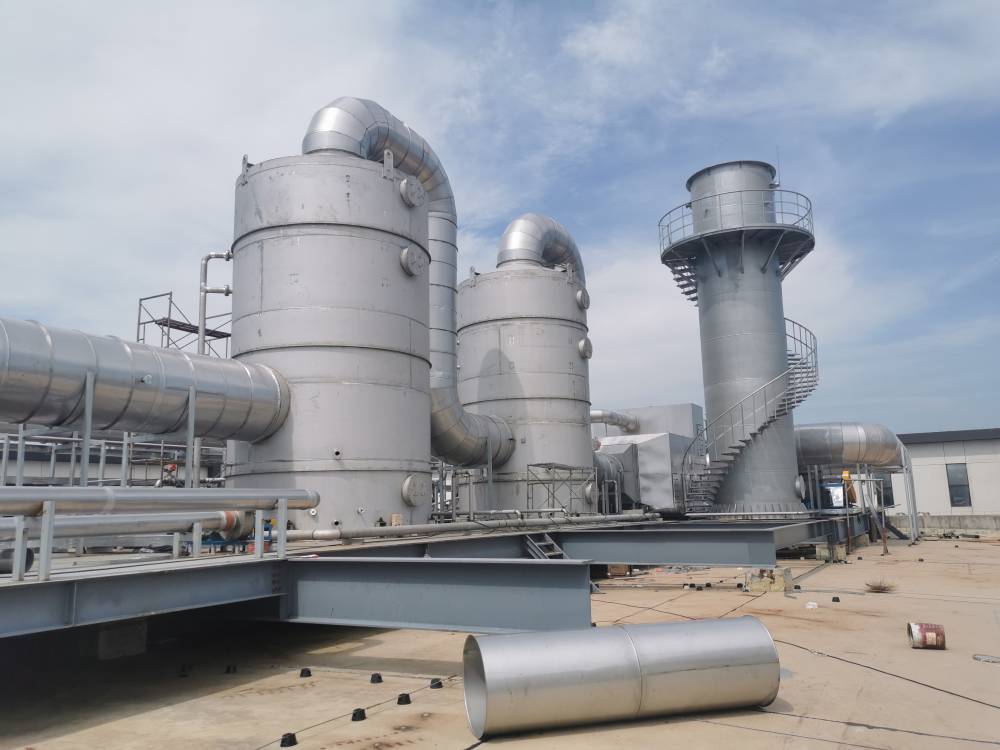
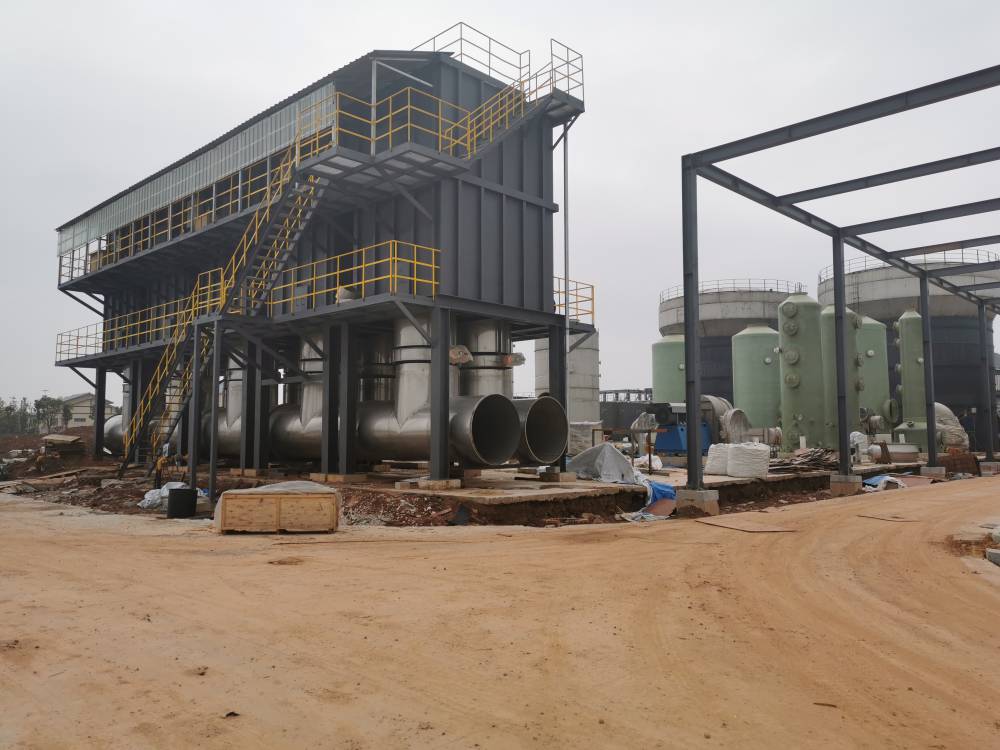
During the PCB manufacturing process, the waste gases produced, in addition to VOCs, include acidic and alkaline inorganic gases, volatile organic compounds (VOCs), and dust emissions. Due to the complex production process and the variety of raw and auxiliary materials used, the types and complexity of VOCs emitted vary among different manufacturers. However, the overall concentration of the waste gases is relatively low. The combination technology of water absorption + zeolite wheel adsorption and concentration + high-temperature incineration is commonly used for treatment. Nonetheless, the addition of an efficient dust filtration device is necessary, typically a bag filter unit.