
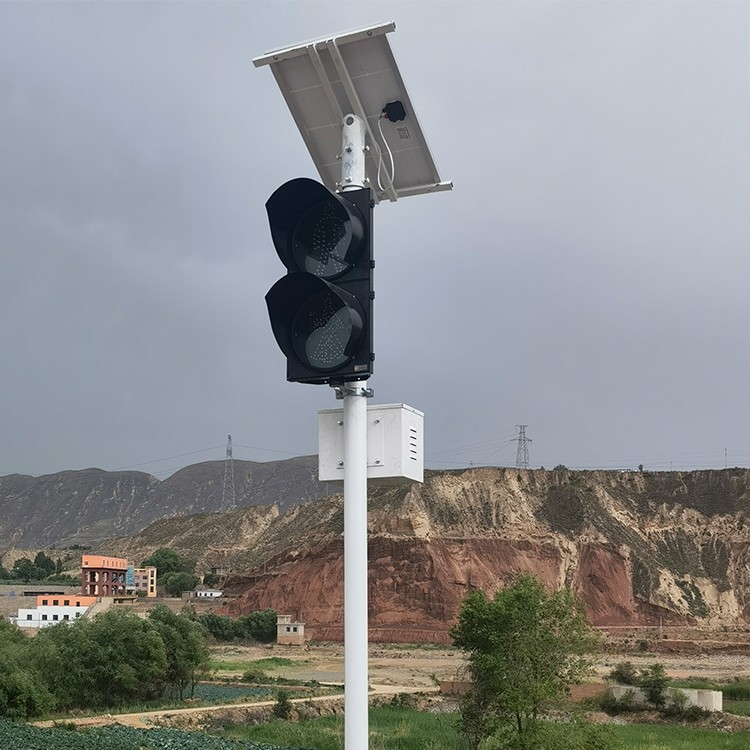


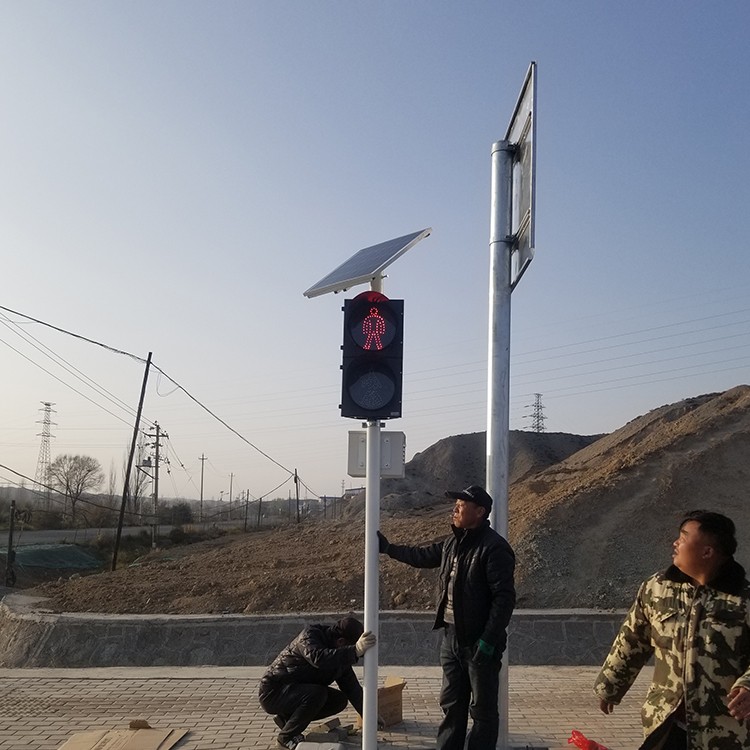











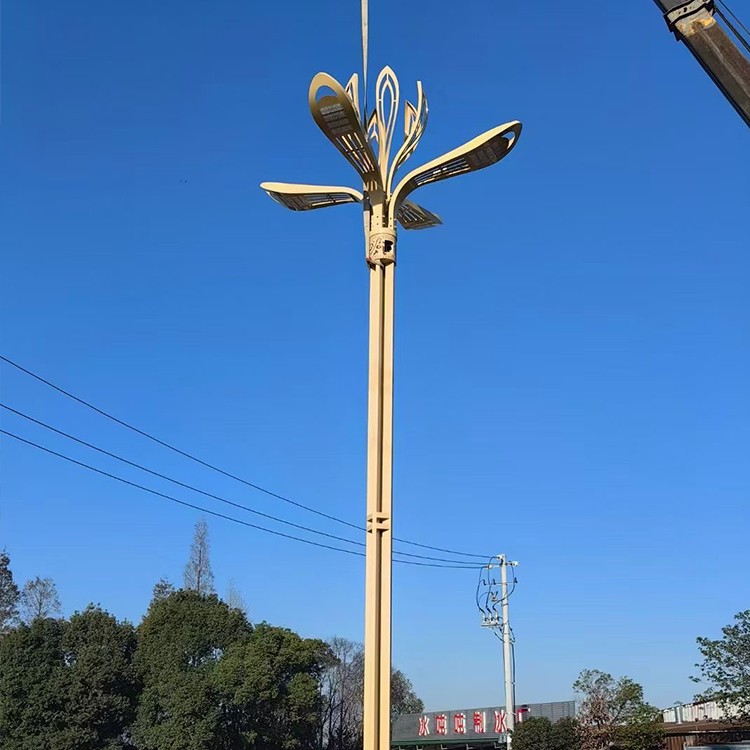


Road traffic signals are traffic control devices used to indicate when vehicles and pedestrians can proceed or stop, commonly placed at intersections, pedestrian crossings, and other key traffic points.

Road signal lights typically feature the following characteristics and functions:
Intersections Control: Road traffic signals use red, yellow, and green lights to indicate traffic conditions and movement status to drivers and pedestrians, facilitating orderly traffic flow.
Safety: Road traffic signals effectively guide traffic flow, reduce the occurrence of traffic accidents, and enhance overall traffic safety.
Flexibility: Traffic signals adjust to varying traffic flow and time changes by implementing different timing plans, catering to the fluctuations in traffic volume throughout different time periods.
Convenience: Road traffic signals provide a transparent, safe, and orderly driving environment for pedestrians and drivers, making it more convenient and secure for the passage of pedestrians and vehicles.
Visual Effects: The road signal lights are designed logically, offering clear and visible signals at different times of day and night, ensuring drivers and pedestrians can accurately obtain traffic information.
Road traffic signals must be designed and installed in accordance with relevant standards and regulations, and they require regular maintenance and inspections to ensure proper functioning and effective guidance and control of traffic.