
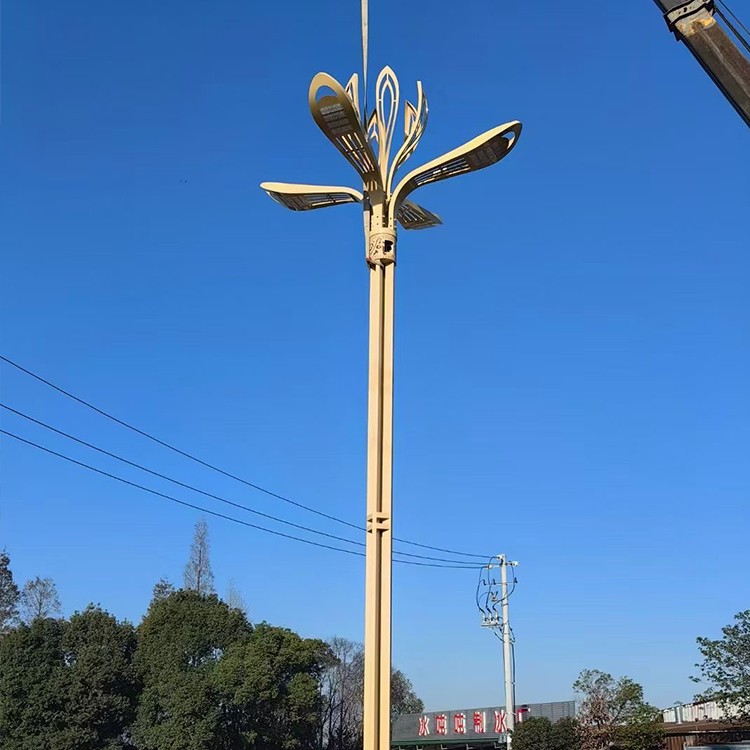

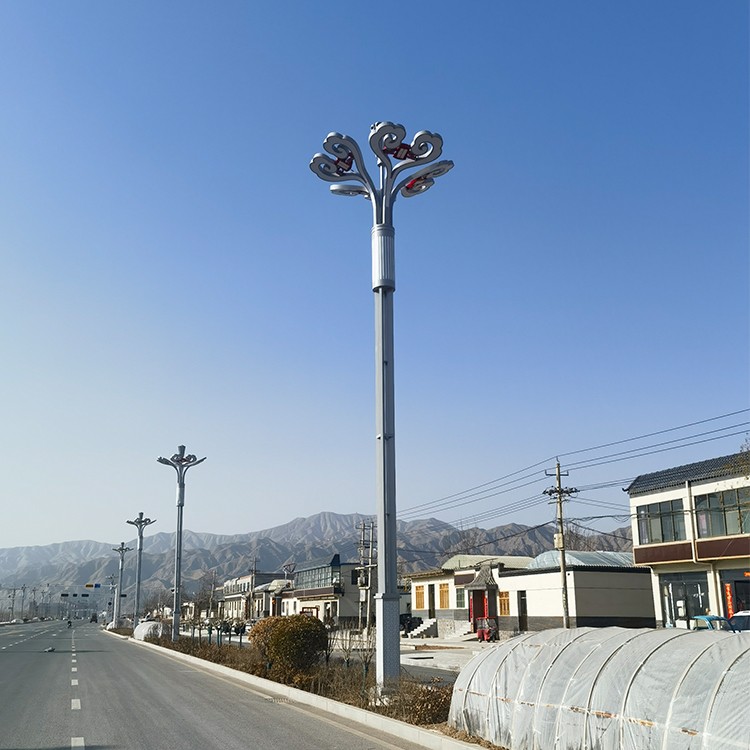



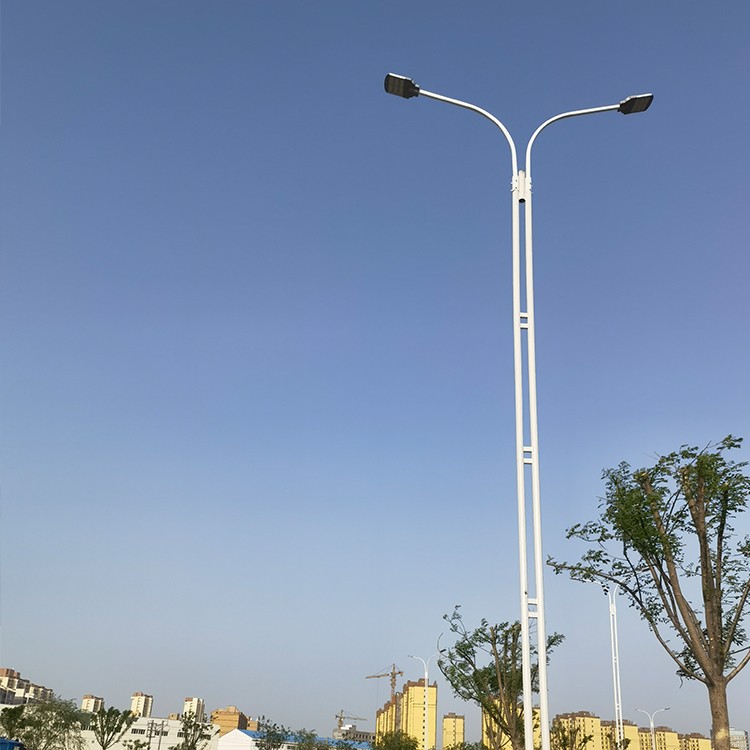












Street lamps typically refer to street lighting equipment powered by municipal electricity (AC power). These lamps are usually installed by urban planning departments on public roads, sidewalks, and urban squares to provide night lighting.

Street lighting typically features the following characteristics and functions:
Municipal Power Supply: The street lighting is directly powered from the city's power supply network, without the need for additional generators or energy storage systems.
Lighting: Utilizes high-voltage mercury lamps, sodium lamps, metal halide lamps, or LED lights, etc., to provide a wide range of bright and extensive lighting coverage.
All-weather lighting: Municipal streetlights are unaffected by weather conditions, ensuring continuous and stable illumination even during extended periods of cloudy and rainy weather.
Maintenance Costs: The maintenance cost for streetlight electricity is relatively low, as the power supply is stable and there is no need to frequently replace batteries or other energy units.
Public Management: Street lighting is typically managed and maintained by relevant departments to ensure adequate lighting services are provided throughout the city.
Despite the aforementioned advantages of streetlighting, it's worth noting that the installation, maintenance, and management of streetlighting require a certain amount of labor costs. Moreover, considering factors such as environmental protection and energy conservation, modern cities are gradually shifting towards more energy-efficient and environmentally friendly lighting technologies like LED streetlights.