



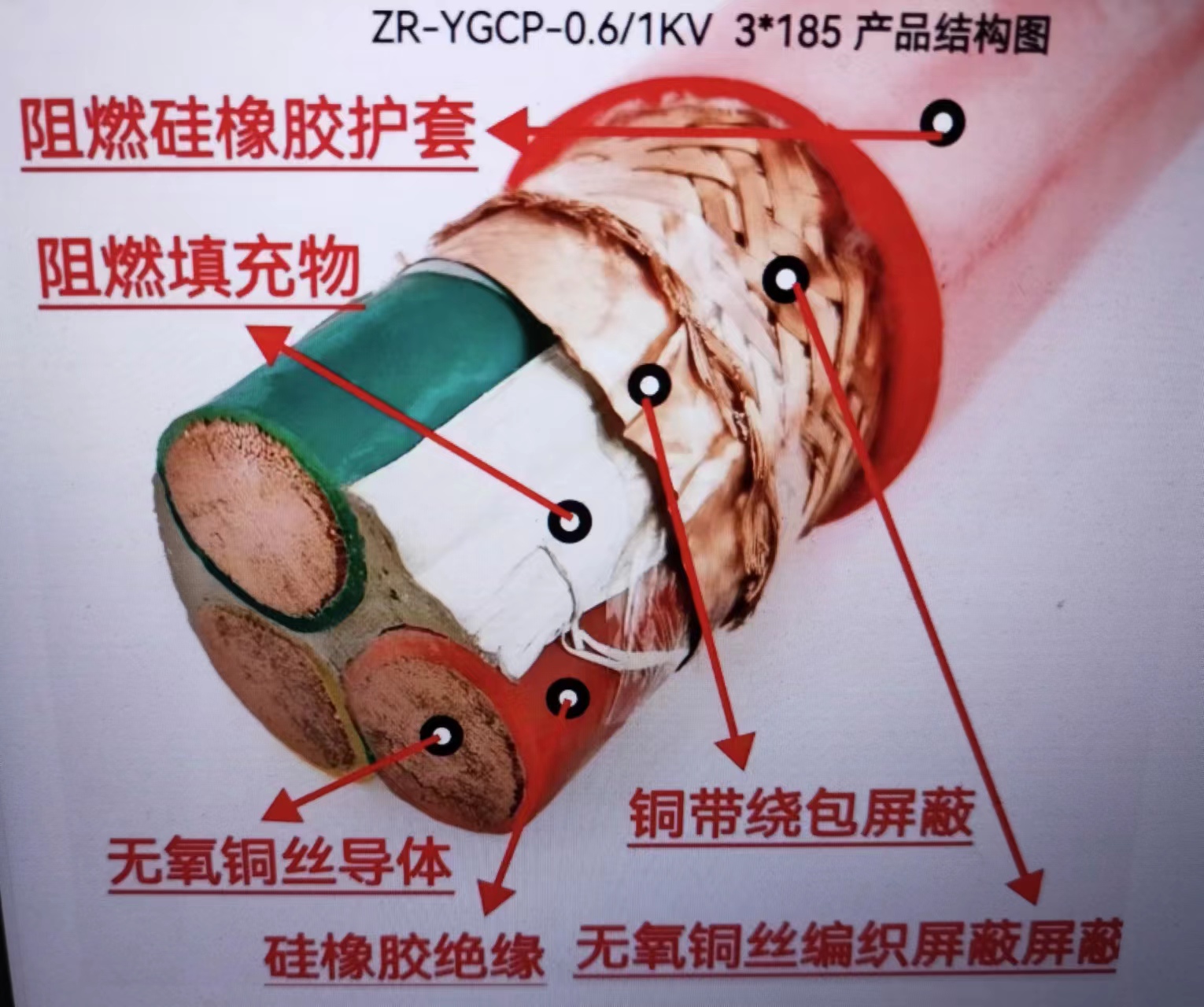
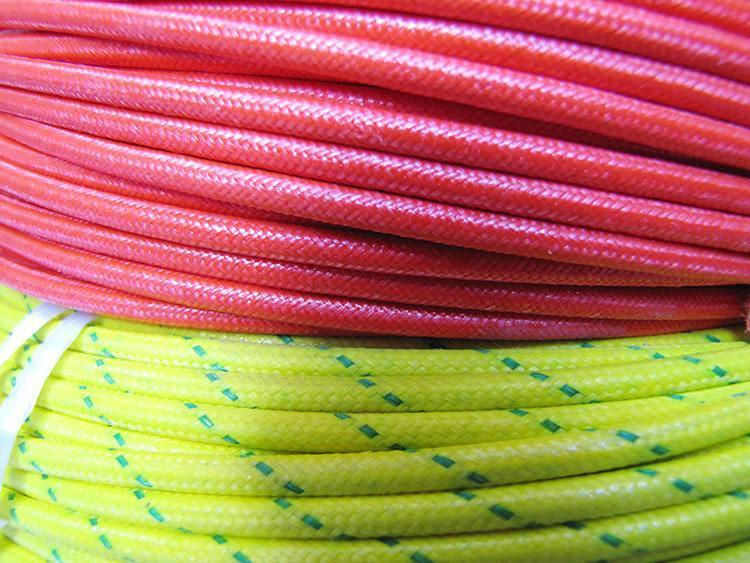













Anhui Tianming Cable Co., Ltd.'s NH-YFGRP2 fire-resistant high-temperature cable is specifically designed for operation in high-temperature environments. Its features include fire resistance, moisture resistance, and wear resistance. This cable is commonly used in environments requiring high temperatures, high humidity, or fire risks, such as metallurgy, petrochemical, and power industries.
Silicone rubber cable wires are a special type of cable with an outer sheath made of high-temperature silicone rubber material. This material boasts excellent heat resistance, cold resistance, ozone resistance, fatigue resistance, as well as good insulation and tear resistance. Consequently, silicone rubber cable wires are particularly suitable for use in high-temperature environments, such as metallurgy, petrochemical, power, marine, and construction industries.
Therefore, the fire-resistant high-temperature cable NH-YFGRP2 is suitable for high-temperature environments requiring fire resistance, moisture resistance, and wear resistance. Silicone rubber cable wires, on the other hand, are specifically designed for high-temperature conditions and boast excellent heat resistance, cold resistance, ozone resistance, fatigue resistance, and good insulation properties. Both types of cables meet the requirement of withstanding high temperatures up to 180 degrees. The NH-YFGRP2 fire-resistant high-temperature cable is a cable specifically designed for operation in high-temperature environments, featuring exceptional fire resistance and high-temperature tolerance. The core wire is made of copper, offering high flexibility, heat resistance, oil resistance, aging resistance, and wear resistance. The insulation is typically made of silicone rubber, hence the cable is often referred to as a silicone rubber cable. Silicone rubber has good heat resistance, cold resistance, aging resistance, tensile resistance, and wear and tear resistance, and can also act as a buffer against thermal expansion and contraction during temperature changes. The high-temperature-resistant silicone rubber added to the insulation layer can protect the internal wiring from mechanical damage and chemical erosion, and also has a low thermal conductivity, aiding in heat dissipation.
Additionally, the high-temperature silicone rubber insulation of this cable wire boasts a low expansion coefficient, which results in relatively minimal expansion and contraction during temperature changes, thereby reducing the potential twists and bends that may occur during use.
This cable is commonly used for connecting power and control lines in high-temperature and fire-resistant environments, offering excellent reliability and stability. Additionally, due to its flexibility and ease of installation, it is widely applied in electrical, petroleum, chemical, metallurgical, and construction fields for cable engineering.
Regarding the issue of high-temperature resistance up to 180 degrees, generally speaking, the high-temperature resistance of silicone rubber cable wires usually does not exceed 150°C. However, some special types of silicone rubber cables, such as those made from high-temperature-resistant special silicone rubber, can achieve a high-temperature resistance of 180°C, but these cables are relatively expensive. Please choose the appropriate cable type based on your actual needs. The fire-resistant high-temperature cable NH-YFGRP2 is a special cable with fire-resistant, high-temperature, and environmental-friendly features, suitable for control and monitoring line systems rated at 450/750V and below. It is particularly suitable for industries such as metallurgy, power, and petrochemicals. It also has good insulation properties, maintaining excellent insulation even in high-temperature environments. Moreover, silicone rubber cable wires, while withstanding high temperatures, also offer waterproofing, sealing, and corrosion resistance, with a long service life.
High-temperature resistant silicone rubber cable wires, capable of withstanding up to 180 degrees Celsius, are a type of cable known for their excellent heat resistance, cold resistance, oil resistance, ozone resistance, and aging resistance. They are suitable for various special environments.
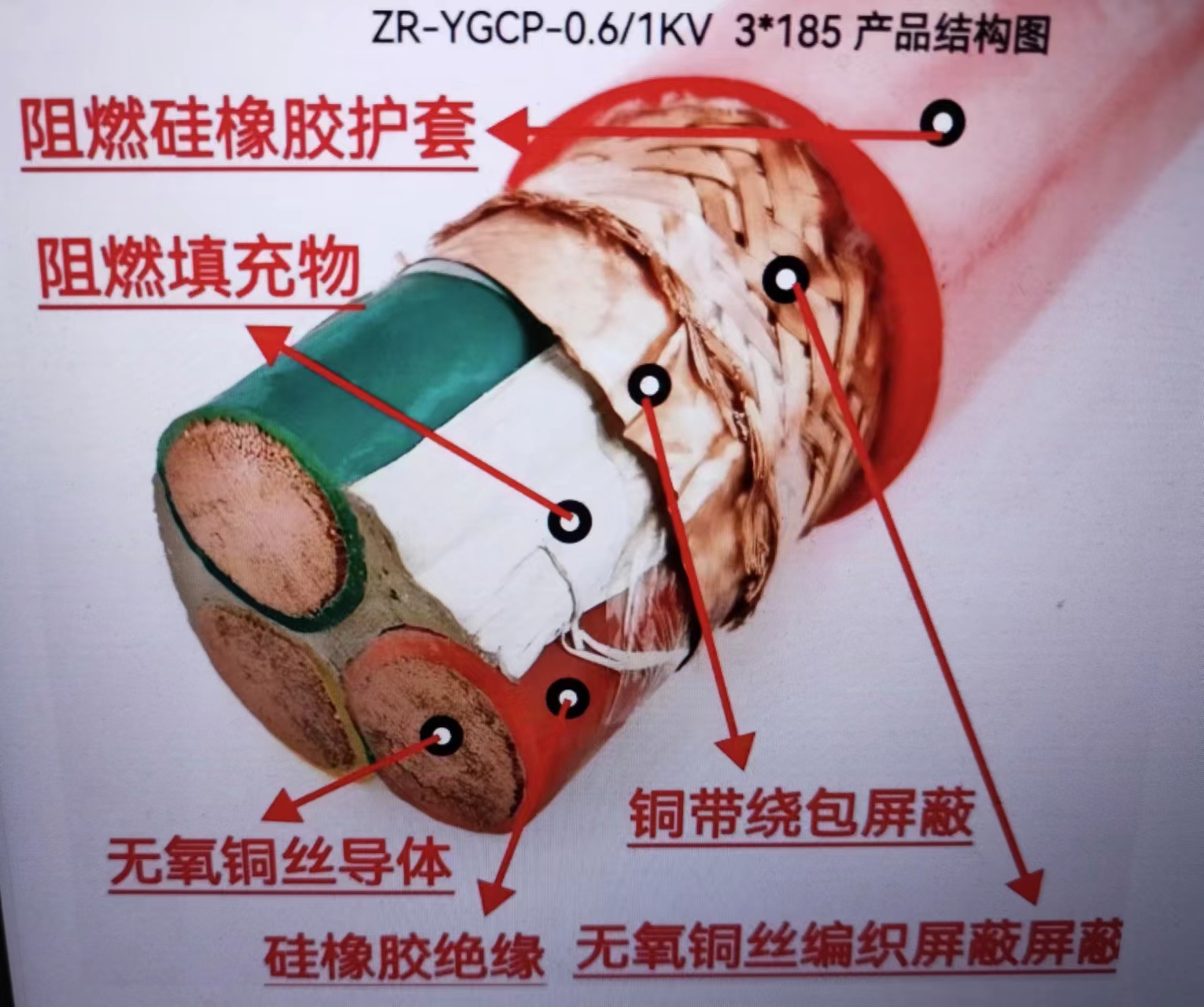
Overall, both types of cables offer high temperature and insulation performance, suitable for wiring systems in various high-temperature, high-humidity, and other special environments.




















