








I. Key Performance Features
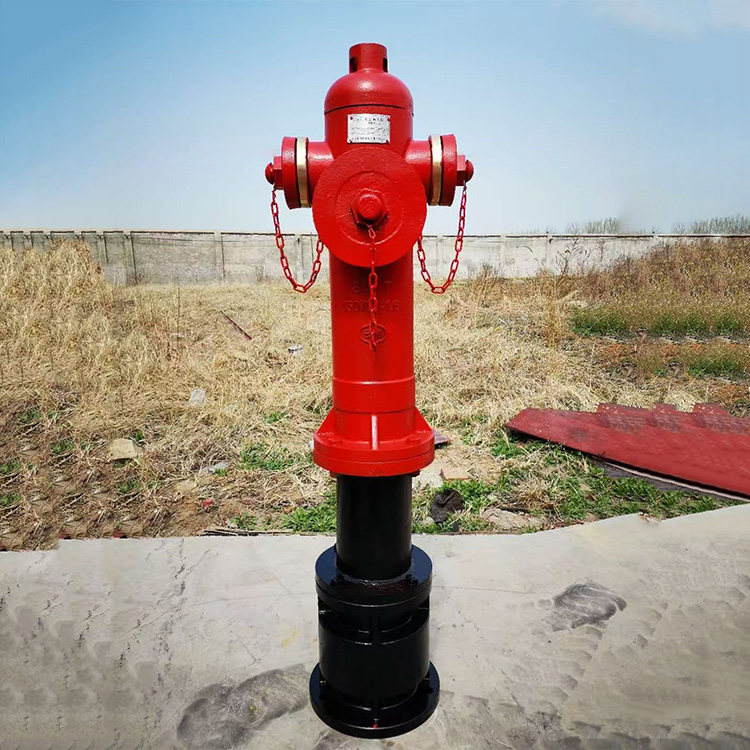
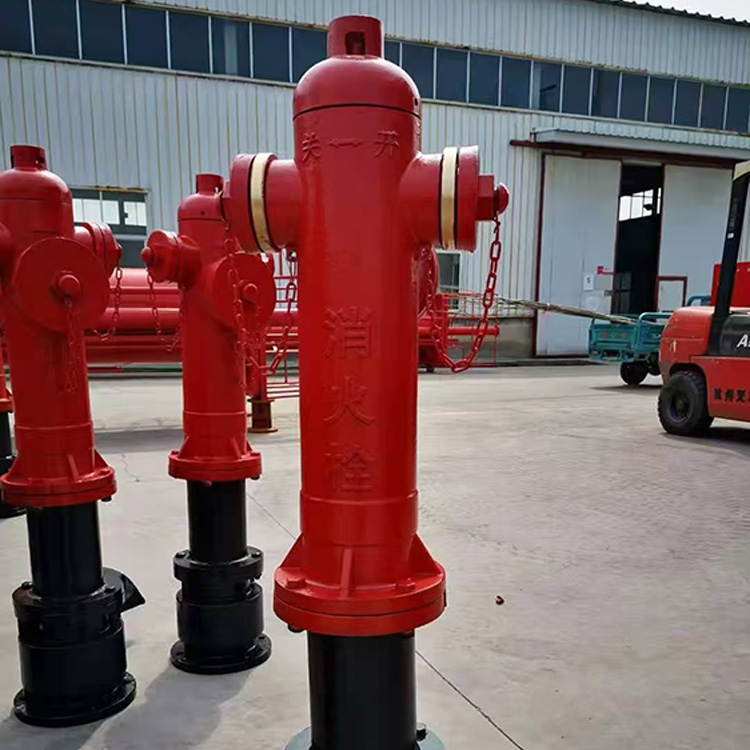
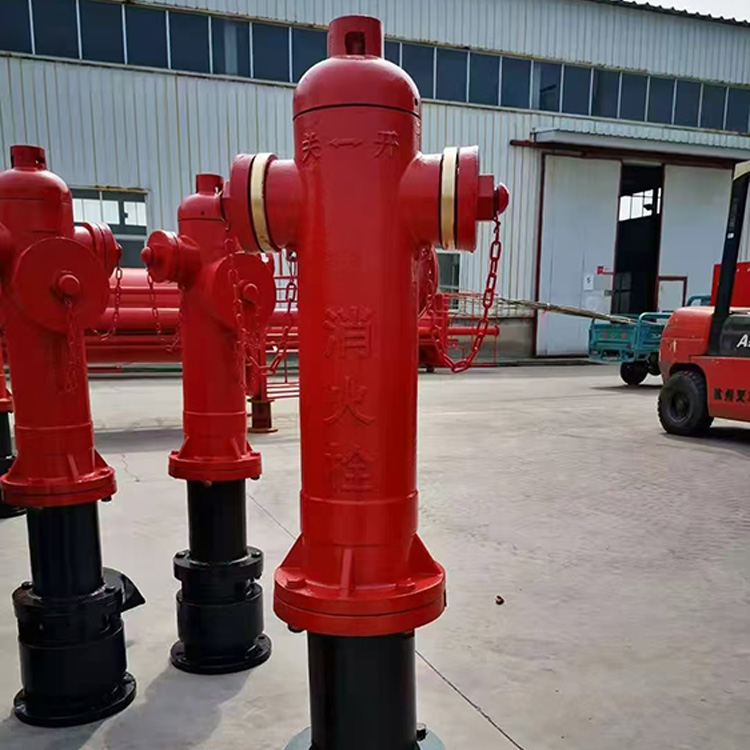
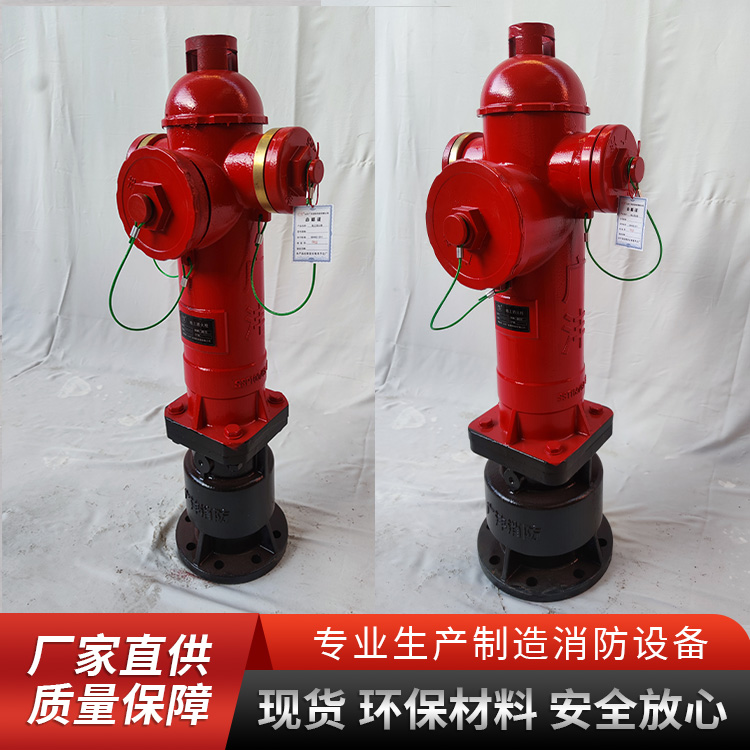
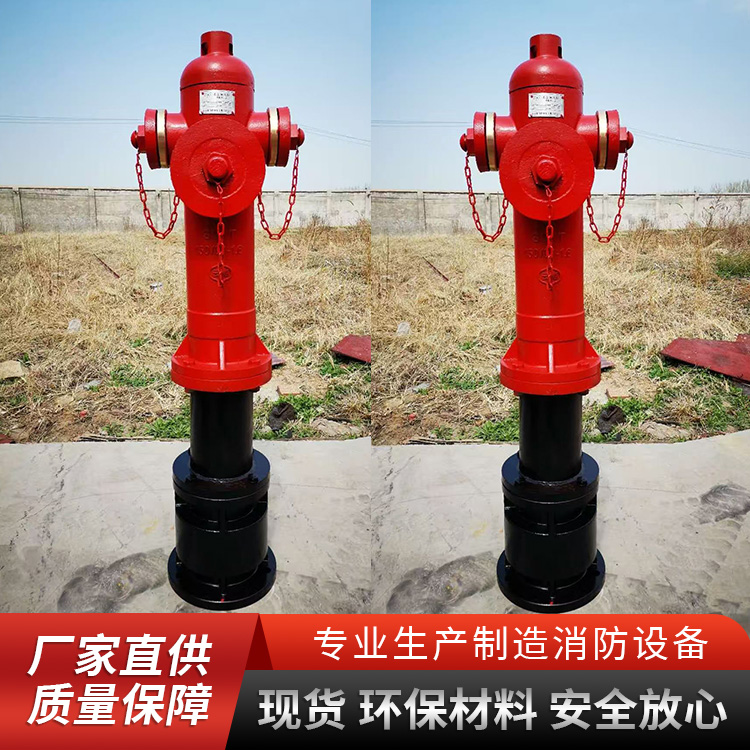
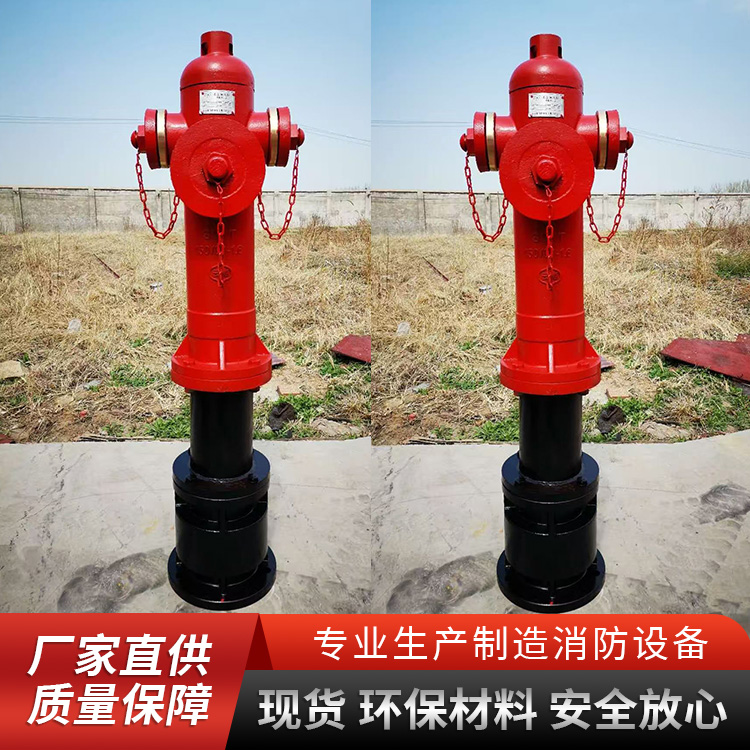
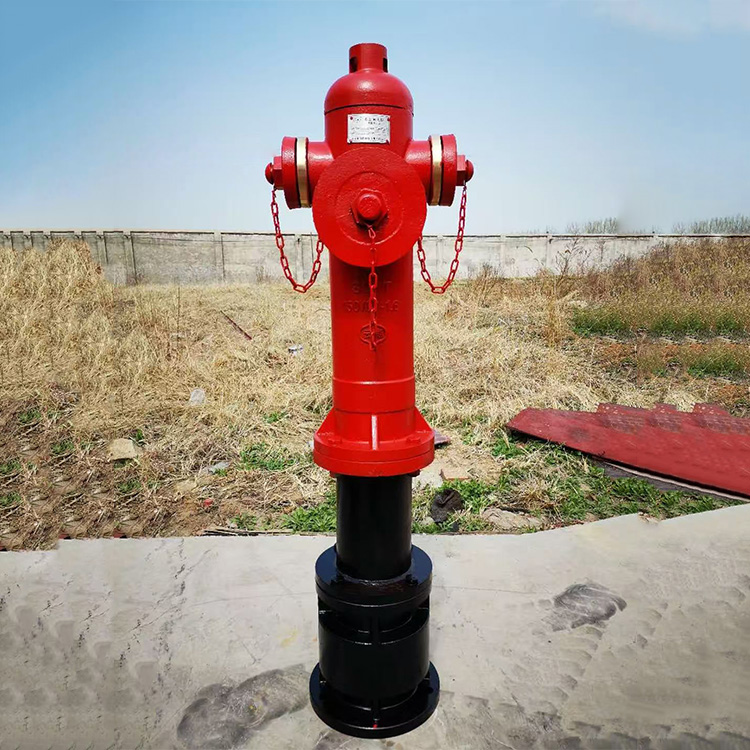
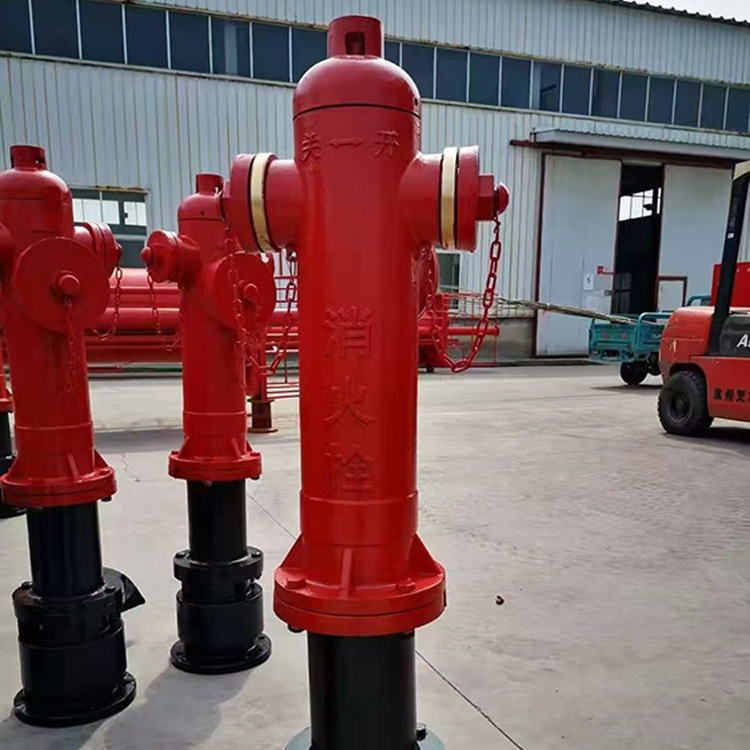
1. Antifreeze: The fire hydrant features an automatic drainage device. This device can automatically seal and drain water based on the pressure inside the hydrant. When the hydrant is opened, the drainage valve closes automatically if the water pressure is not less than 0.1 MPa; upon closing the hydrant, the drainage device activates to discharge any remaining water.
2. Collision Prevention: The fire hydrant is equipped with collision-resistant components and features a spring-closed drain outlet for positive pressure sealing. In the event of a collision, the valve head closes immediately under pipeline pressure, ensuring no leakage within the pipeline and not affecting the normal operation of other hydrants on the same pipeline. If the collision-resistant components break, the hydrant body and valve body remain undamaged. The hydrant can be repaired under pressure after being broken by a collision.
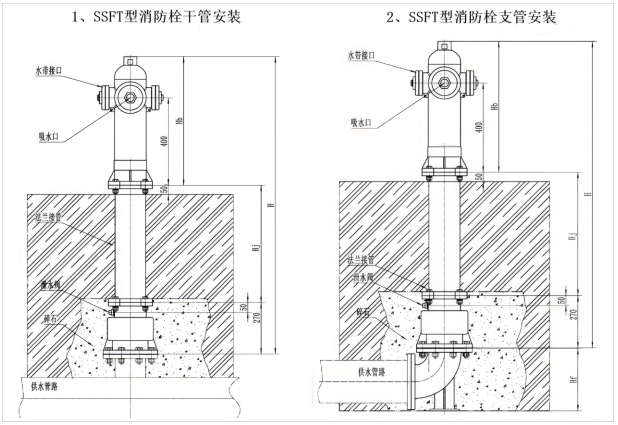
III. Main Structural Parameters

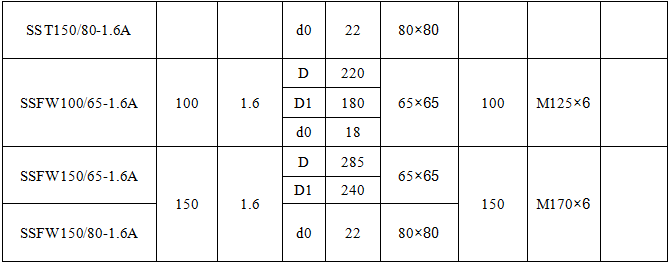
Figure 4: Outdoor Ground Fire Hydrant Installation Diagram
Five. Selection
1. Based on the design requirements and specifications of the fire protection engineering project, determine the depth of the frozen soil layer according to the different usage environments and regions. According to the fire hydrant installation diagram, specify the total height dimensions of the above-ground fire hydrants.
2. When selecting the fire hydrant design, it is crucial to fully consider the location and height of the groundwater. It must be ensured that the position of the drain valve during installation is more than 100mm above the groundwater level; otherwise, the fire hydrant may fail to operate normally. !!!
3. Install using either branch pipe or main pipe method as per actual requirements; the connection dimensions remain unchanged.