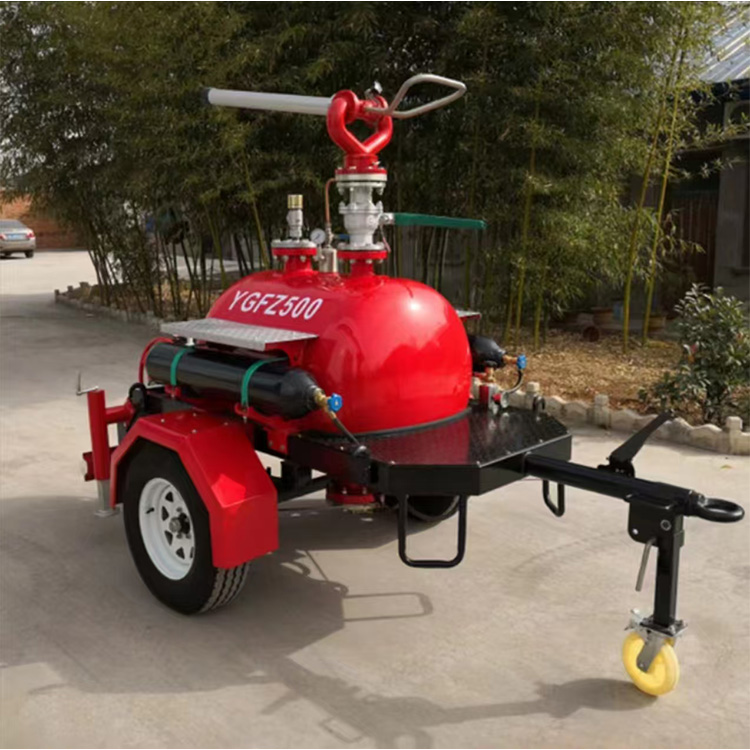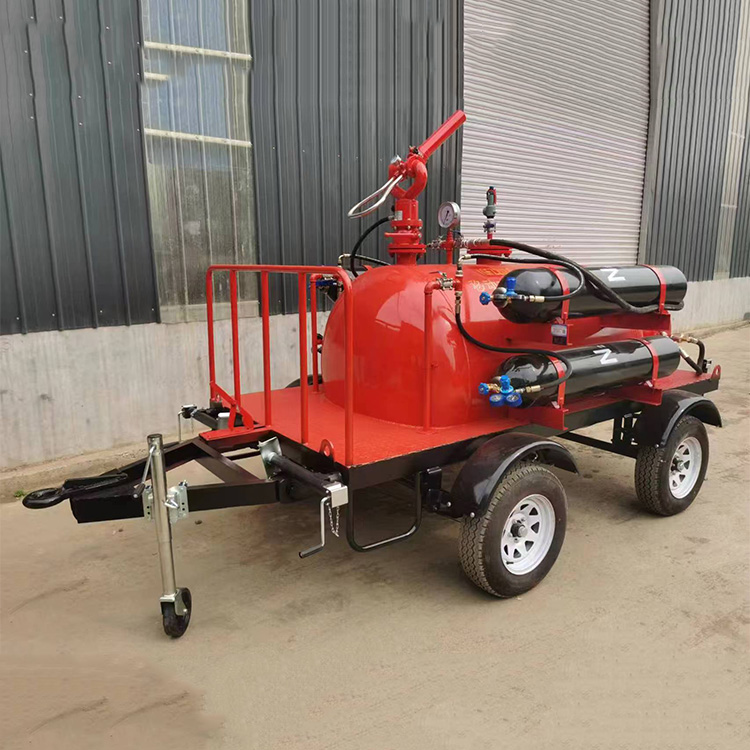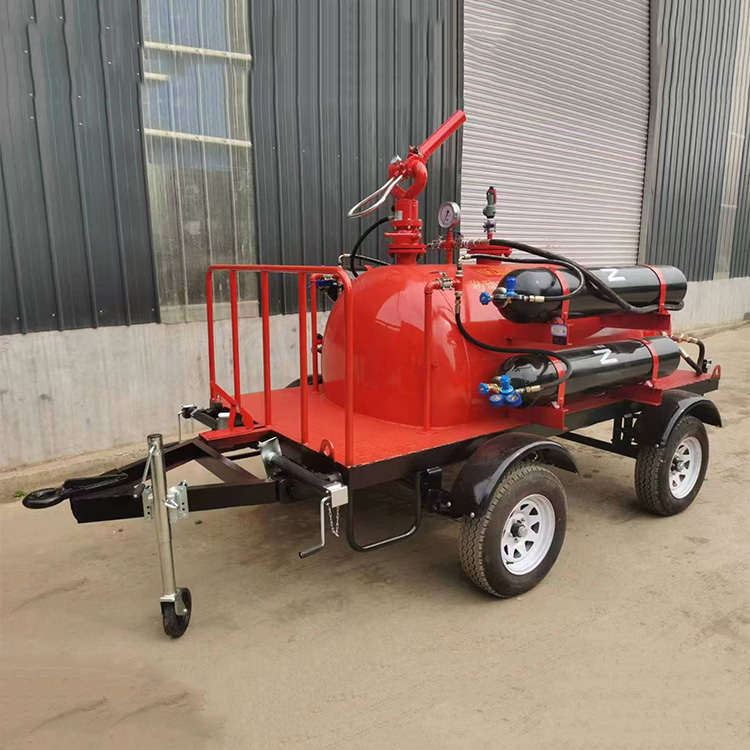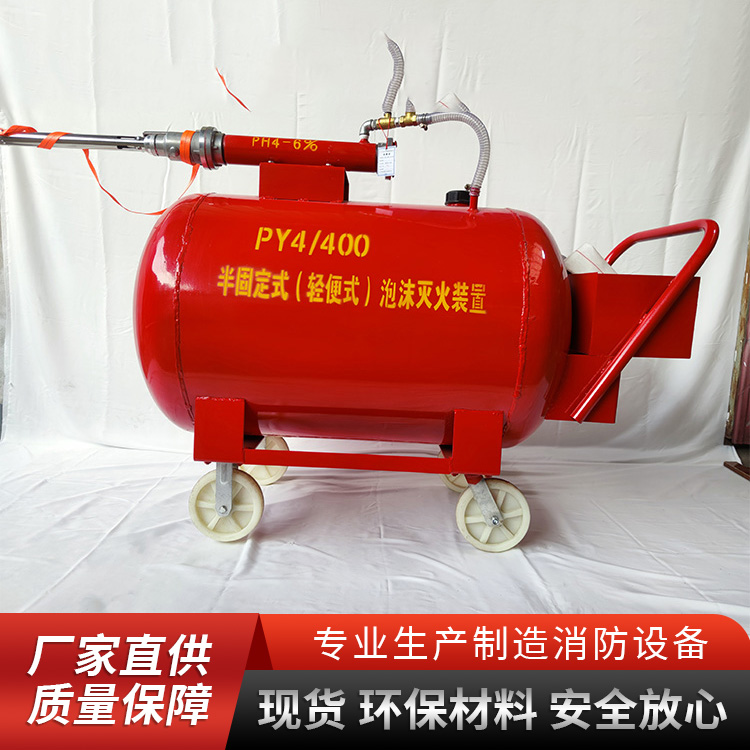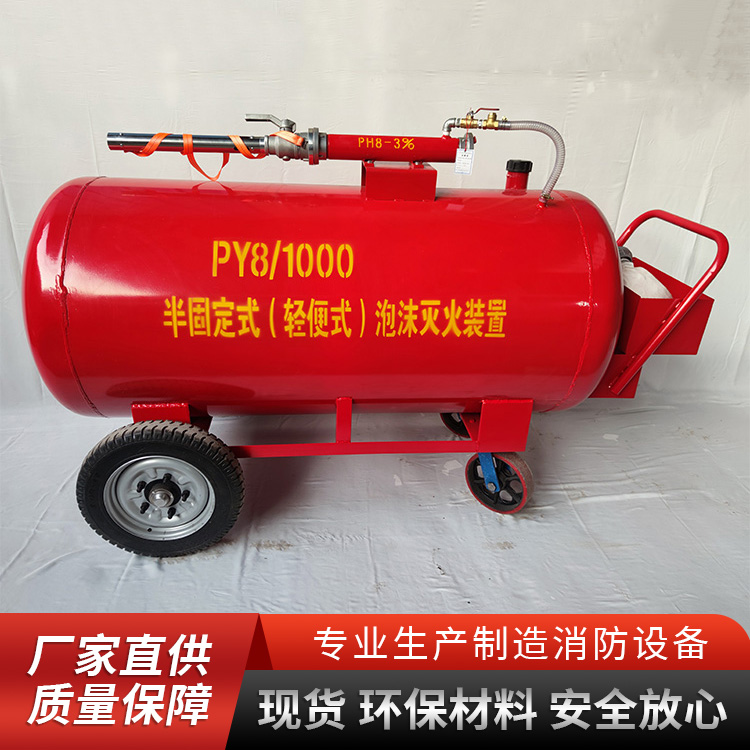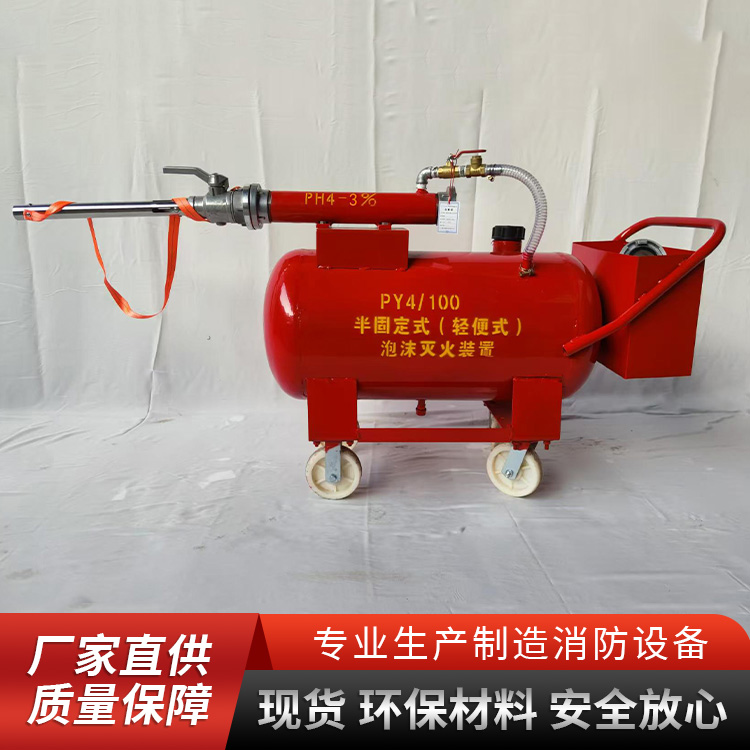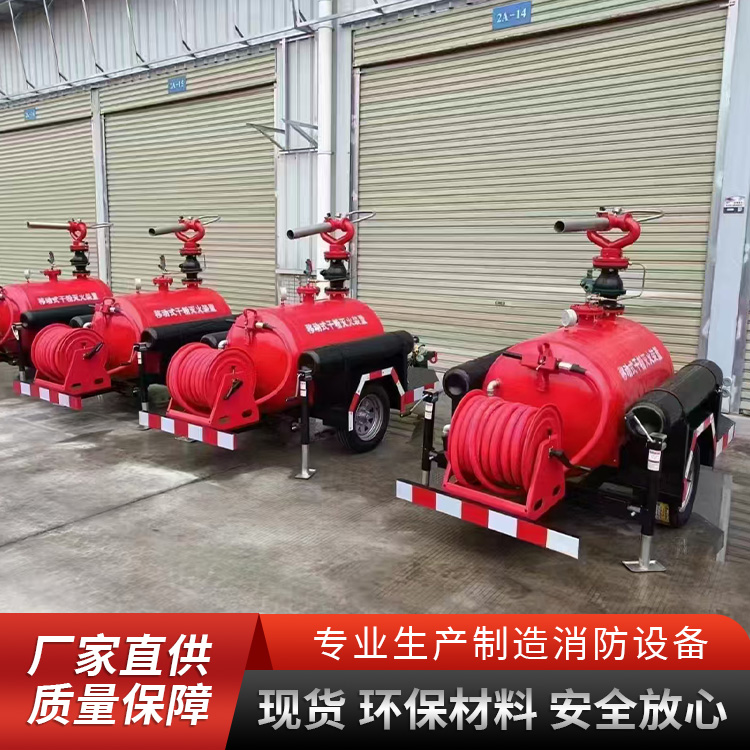

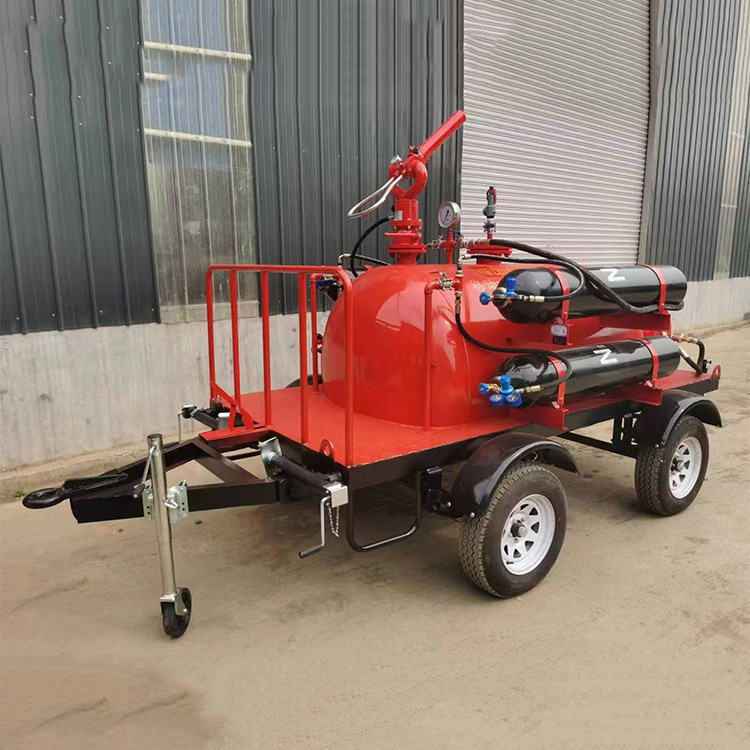


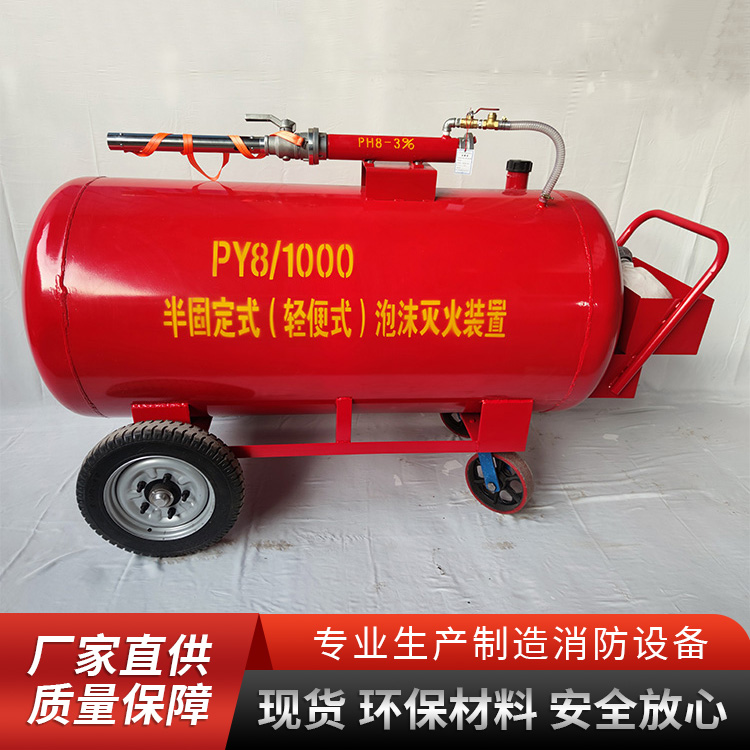





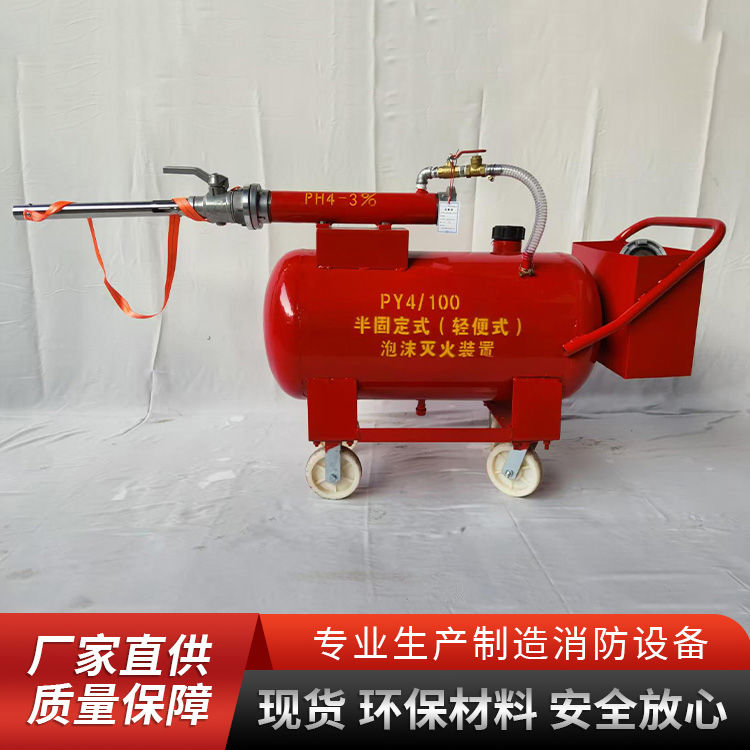
- Principle of Operation: Typically powered by high-pressure nitrogen, the dry powder fire extinguishing agent in the storage tank is propelled towards the protected object through a dry powder cannon or gun.
- Extinguishing Principle: The dry powder breaks down the original crystalline structure under the action of fire, producing new chemical substances that interrupt the chain reaction of combustion, thereby suffocating the flame. At the same time, the dry powder absorbs a large amount of heat during decomposition, causing the temperature in the burning area to drop rapidly, thus controlling and extinguishing the fire.
Structure composition
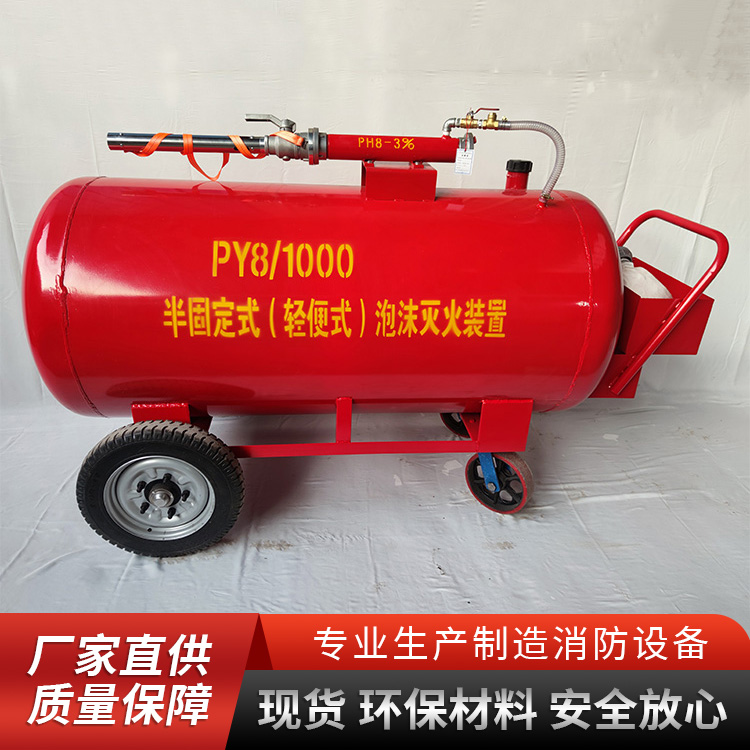
- Fire Extinguisher Storage Tanks: Designed for storing dry powder fire extinguishers, available in various capacity sizes to meet different fire suppression requirements.
- Driver Gas Bottles: Typically high-pressure nitrogen bottles, providing power for dry powder jetting.
- Spray Components: Includes dry powder cannons and guns, suitable for selection based on the distance to the fire source and the intensity of the flames.
- Control System: Includes valves, pressure gauges, etc., for controlling and monitoring the operation of the equipment.
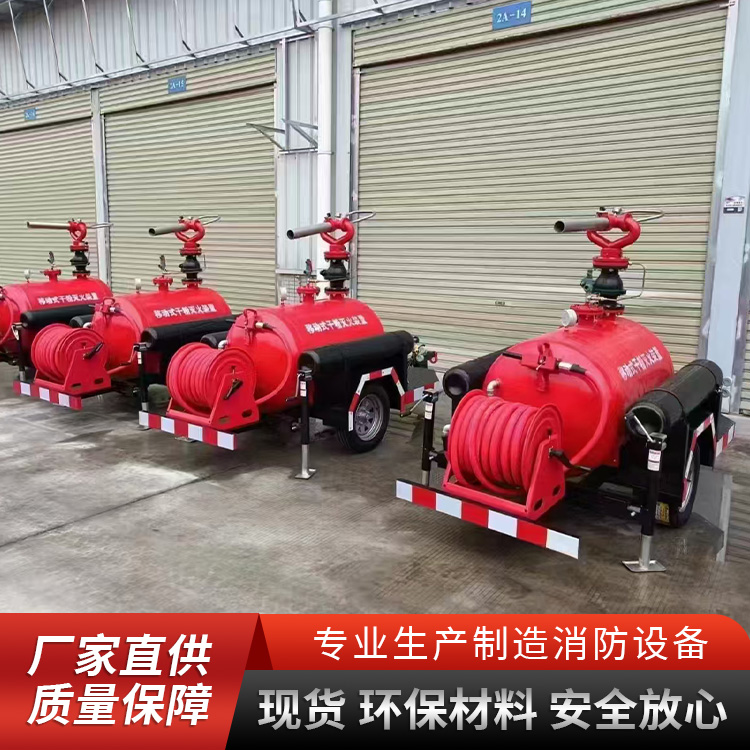
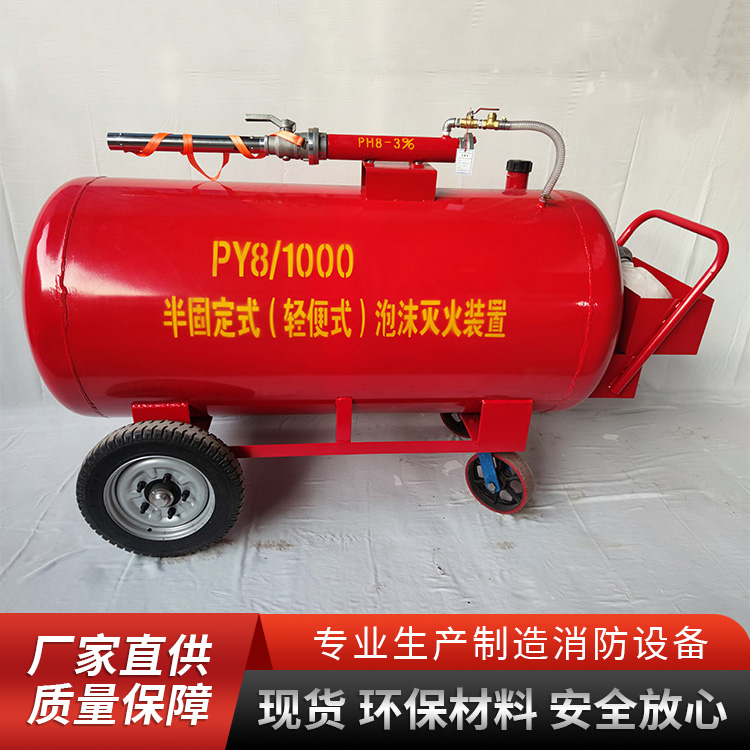
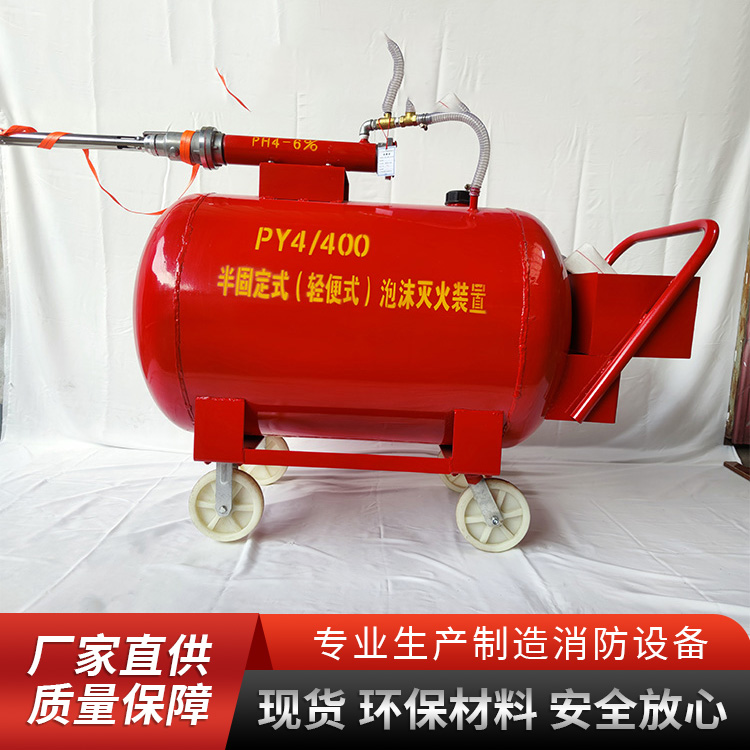
Mobile Mechanism: Equipped with wheels and handles for easy movement of the unit.
Operation Method
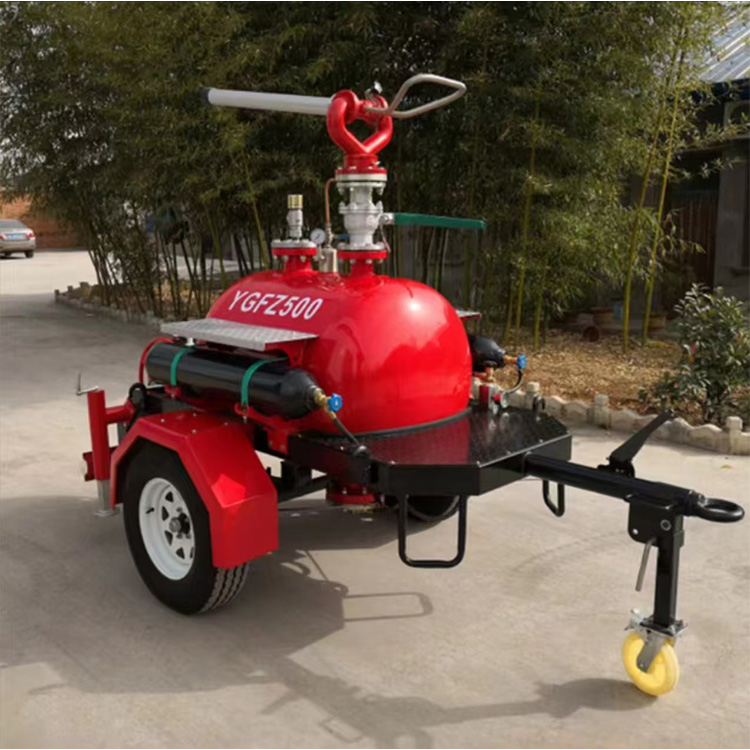
For example, with the common YGFZ series:
Open the control box door and check if the two pressure gauge pointers on the pressure relief valve are at 0 MPa.
Fully open the nitrogen bottle valves on both sides of the dry powder tank, allowing the pressure gauge on the pressure reducing valve to gradually reach the working pressure of 10MPa. Then, rotate the pressure reducing valve clockwise to increase the pressure on the 0-2.5MPa gauge to 1.4MPa.
Climb onto the operating platform, grasp the handle on the dry powder fire truck nozzle adjustment, and aim the nozzle at the fire point. Once the pressure in the dry powder tank reaches above 1.4 MPa, open the powder outlet valve on the tank to discharge dry powder for extinguishing the fire.
When the pressure in the dry powder tank falls below 0.5 MPa, close the powder outlet valve of the dry powder tank.