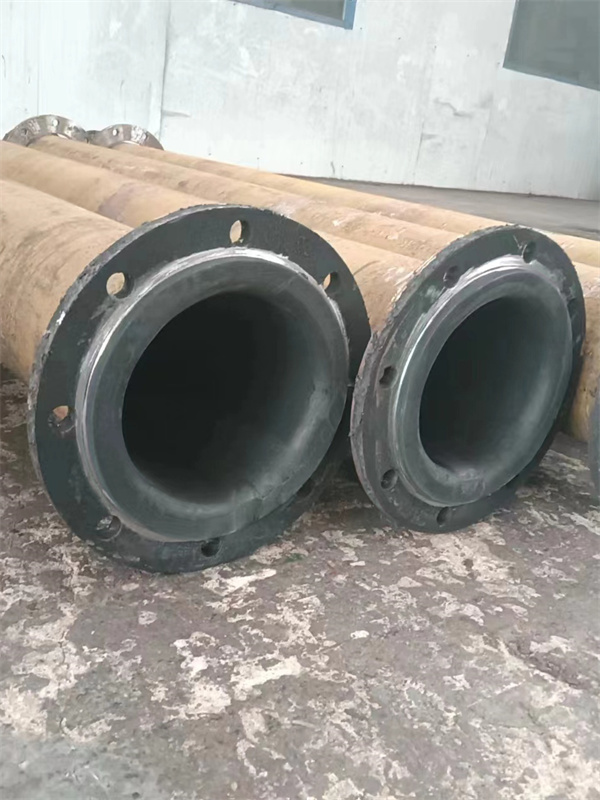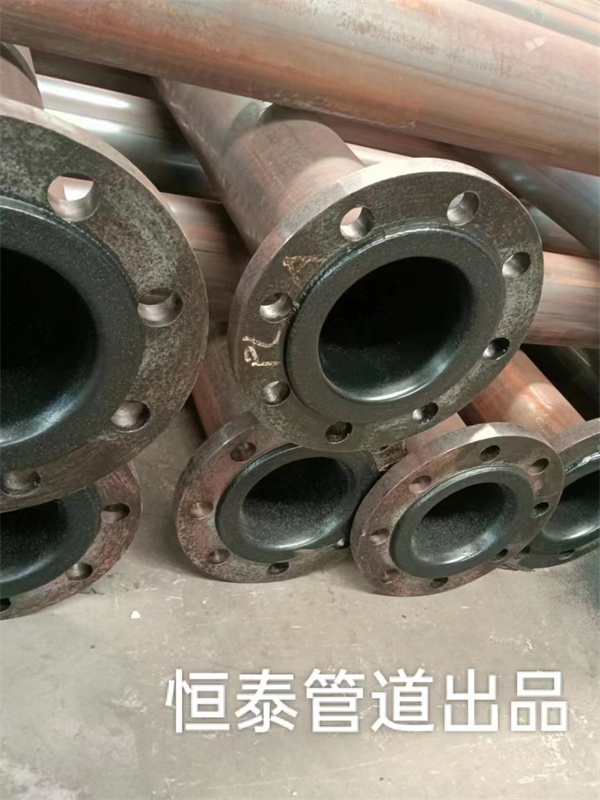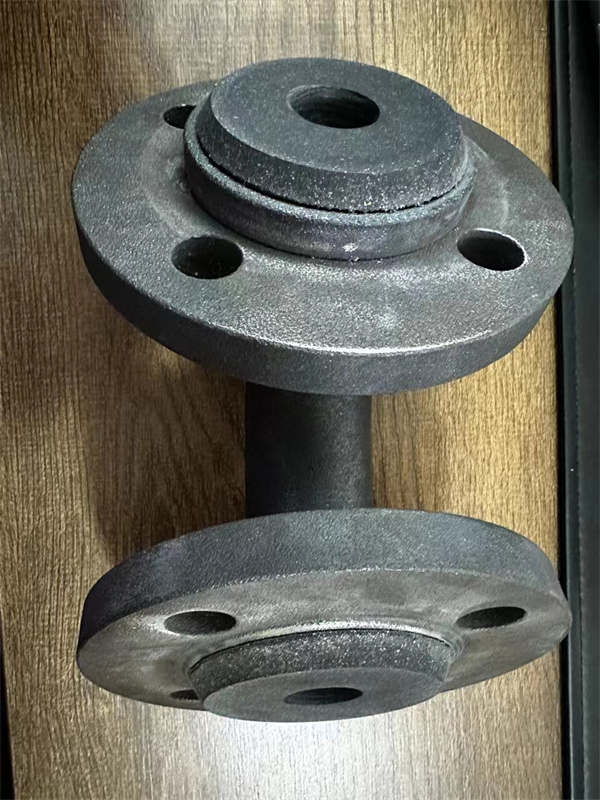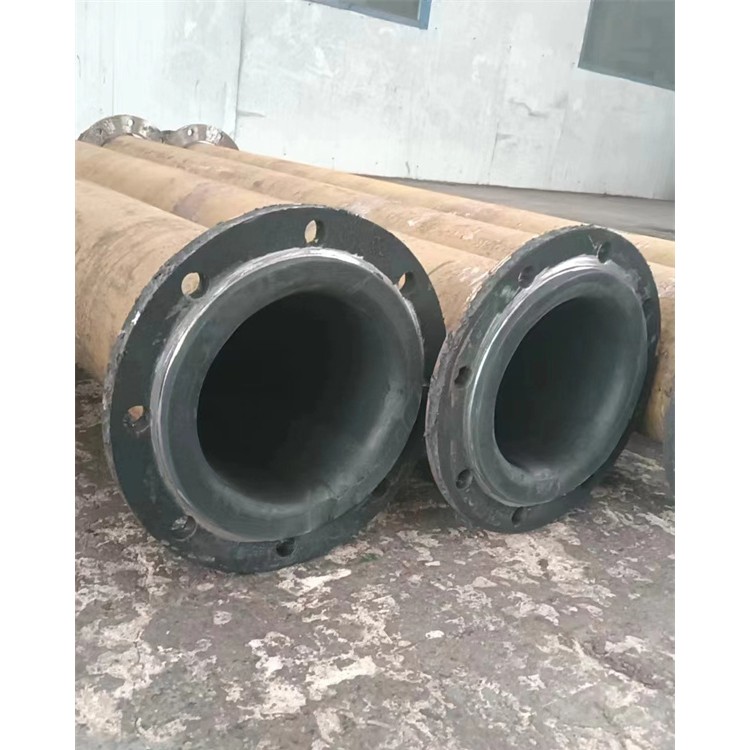

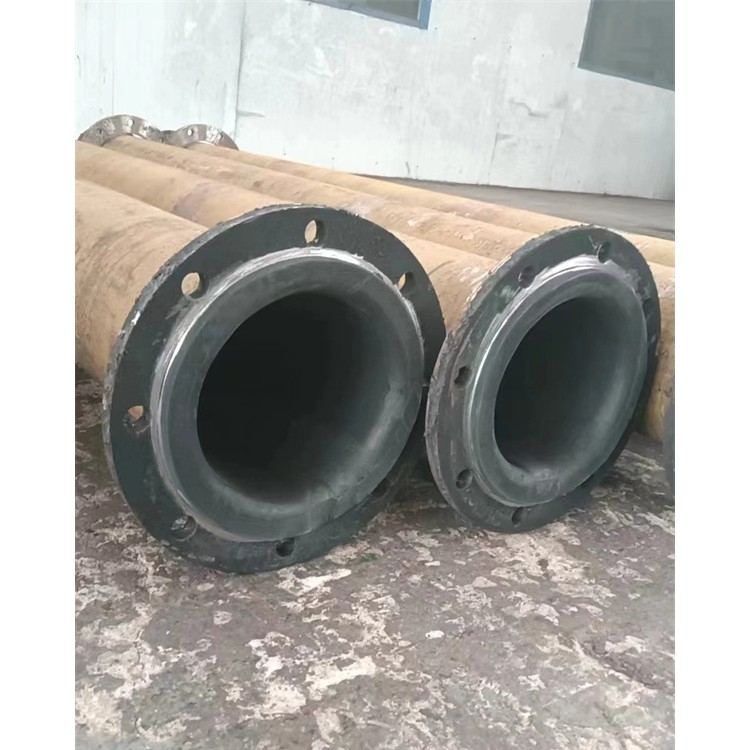

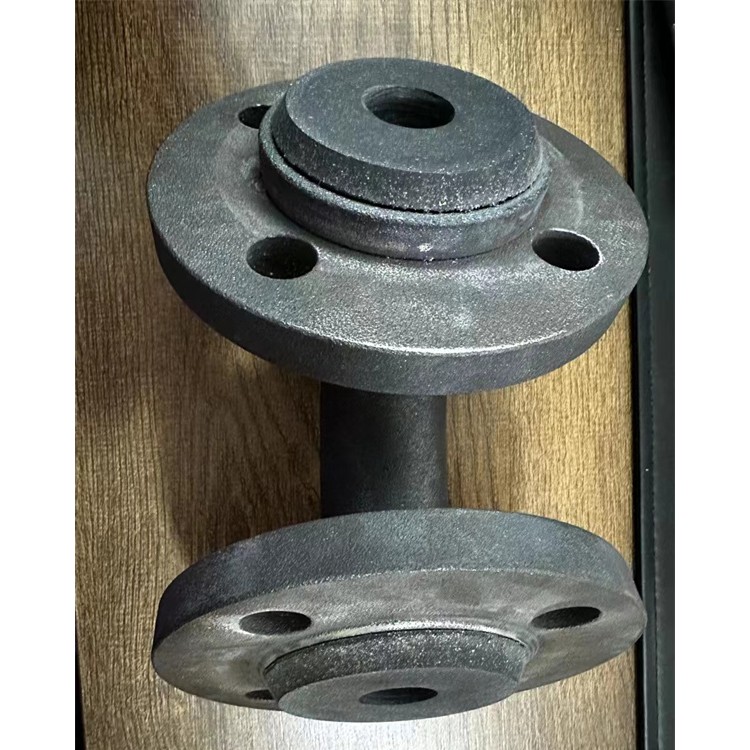







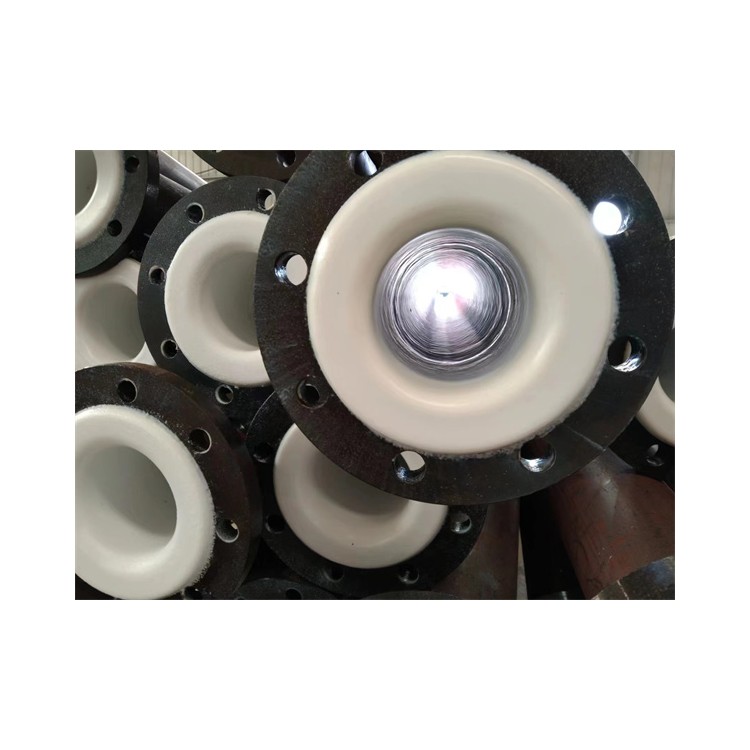
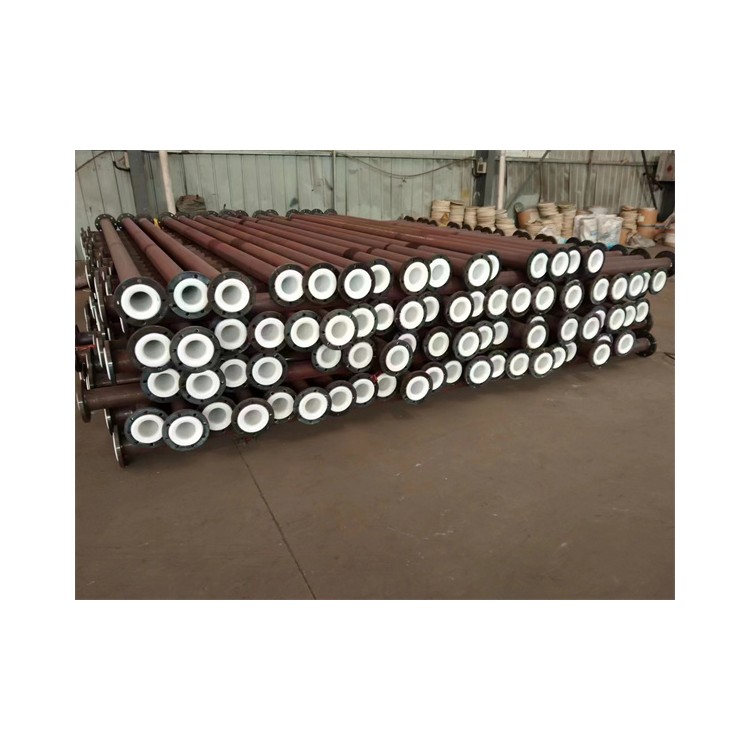
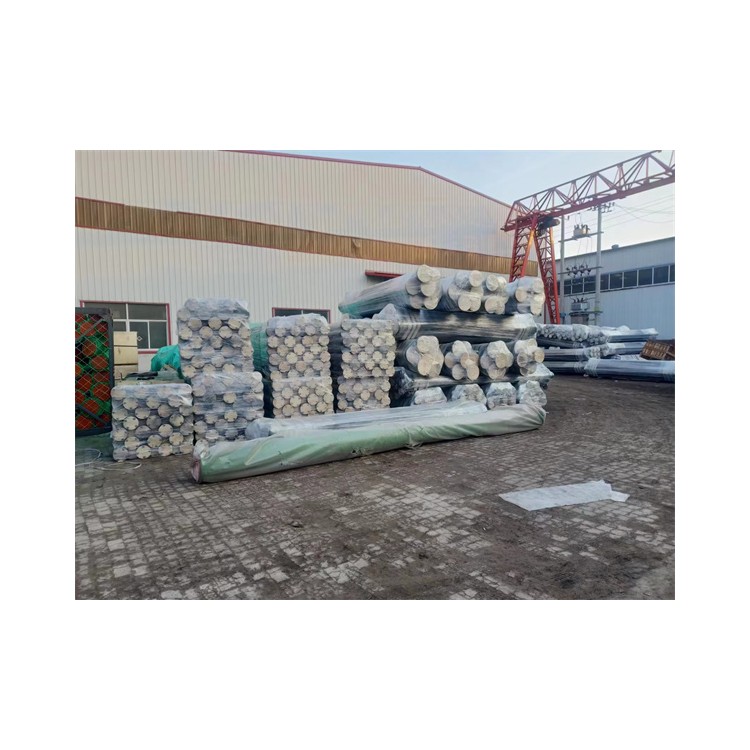
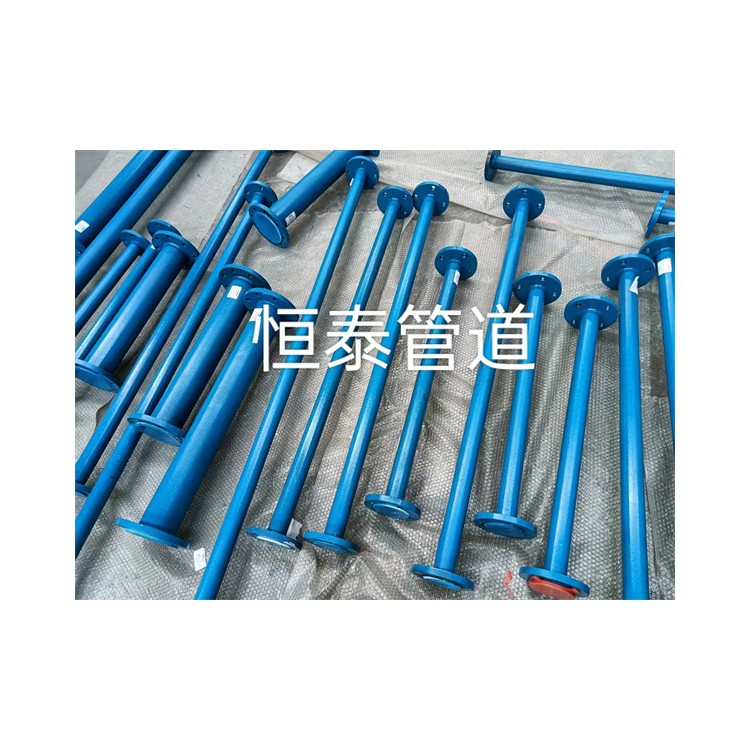
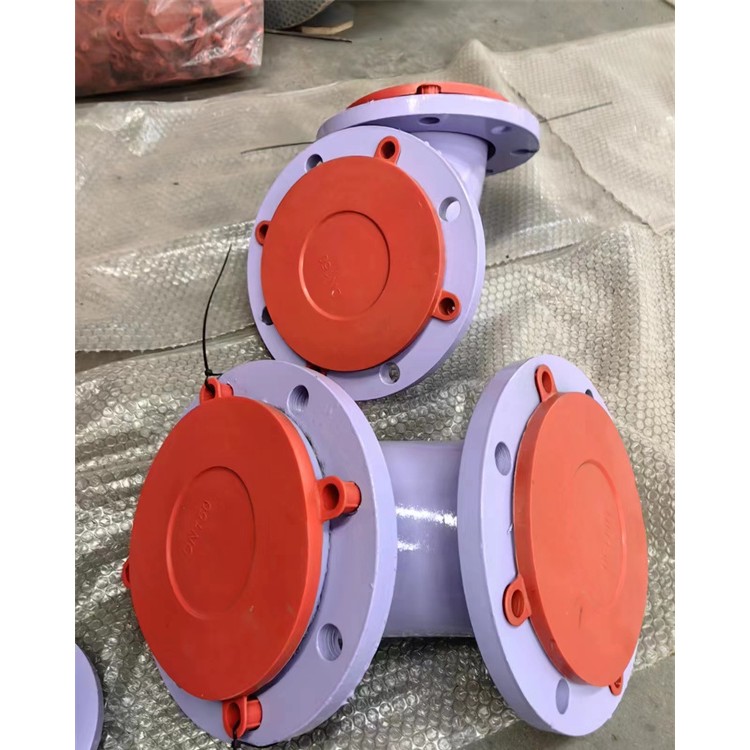
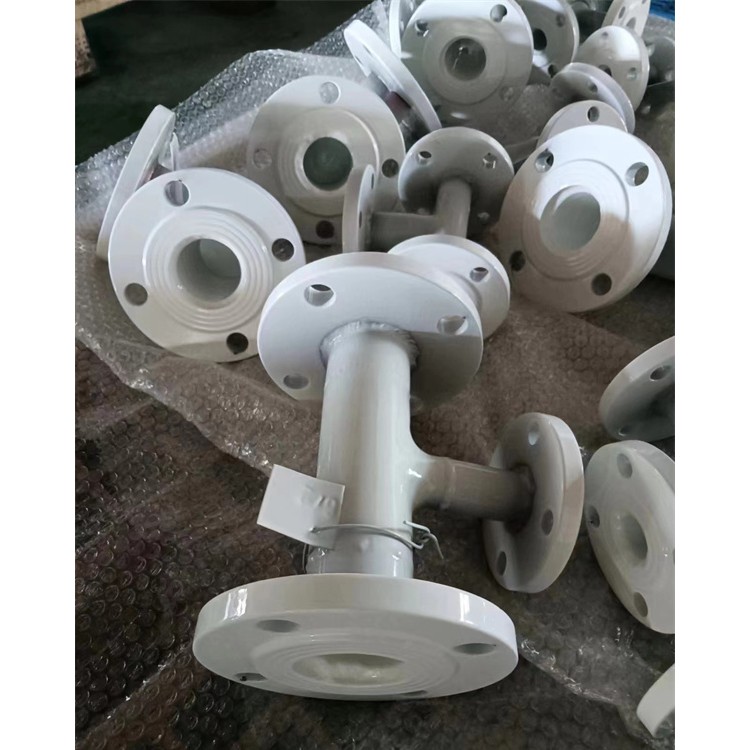
Rubber Lined Pipes are a type of pipeline with a steel or rigid structure as the outer casing, featuring a lining of wear-resistant, corrosion-resistant, and high-temperature-resistant rubber. This rubber lining reduces the impact and corrosion on the external structure by leveraging its own physical and chemical properties, significantly extending the pipeline's lifespan and lowering the user's costs due to the rubber's buffering effect.
Utilize principles
Utilize the "softness over hardness" principle of rubber to address pipeline linings primarily focused on wear resistance. The high corrosion and high-temperature resistance of rubber provide excellent protection for the conveying pipelines.
Advantages of Lined Pipe
1. Excellent structure
The reinforced steel pipes for tubing are bonded into a single unit with a rubber layer using high-performance adhesives, overcoming the drawbacks of steel pipes being pressure-resistant but not abrasion-resistant, plastics and rubbers being abrasion-resistant but not pressure-resistant, and glass-reinforced plastics having poor impact resistance. It also possesses the combined advantages of both steel pipes and abrasion-resistant rubber, offering a comprehensive cost-performance ratio.
High strength, high impact resistance
Low density, lightweight rubber elastomers offer excellent vibration absorption and superior resistance to mechanical shock, with high strength, rigidity, no creep, and strong impact, shock, and water hammer resistance. They are easy to transport, install, and maintain.
Wide temperature range adaptation
The desulfurization lined rubber pipeline can be used over a long period at temperatures ranging from -50°C to +150°C, and the lining will not separate from the steel frame due to temperature changes.
4. Energy-efficient
Good lubricity, low running resistance loss, saving operational costs. The enhanced steel pipe structure of the pipe material is bonded with the rubber layer using high-performance adhesive to form an integrated whole, overcoming the shortcomings of steel pipes being pressure-resistant but not abrasion-resistant, plastics and rubbers being abrasion-resistant but not pressure-resistant, and glass fiber reinforced plastics having poor impact resistance. It also possesses the combined advantages of steel pipes and wear-resistant rubber, offering a comprehensive cost-performance ratio.
5. Excellent aging resistance; typically has a lifespan of over 15 years under normal operating pressures and temperatures (theoretical value). Pipelines should be rotated by nearly 90 degrees every 6-8 years for extended usage. Lined pipes can be relined up to 4 times, reducing costs, shortening production cycles, and ensuring timely completion.
Service Life Factors
1. The properties of rubber
The rubber lining of the rubber-lined pipe should be selected based on the environment it will be used in. If the chosen rubber's physical and chemical properties do not match the environment, it can lead to serious consequences such as greatly reduced service life and the detachment of the rubber layer.
2. Adhesive strength of rubber to steel pipes
Non-rubber producing enterprises' adhesive strength of the gel is weak, which leads to the lining layer's inability to decompose the stress effectively, resulting in uneven local stress distribution and rapid localized corrosion of the lined pipeline.
3. Operating Conditions
The application site, corrosiveness, temperature, and usage intensity all affect the service life of lined pipes. Therefore, a reasonable analysis of the lined pipe should be made at the initial selection.
Manufacturer selection
1. Features independent rubber production and inspection equipment
2. The rubber manufacturer has a relatively comprehensive management system.
3. Silicone-lined Pipe Products Inspection Equipment
4. On-site Survey Capabilities
5. Independent After-Sales Service Team
6. Comprehensive Rubber Lining Repair System