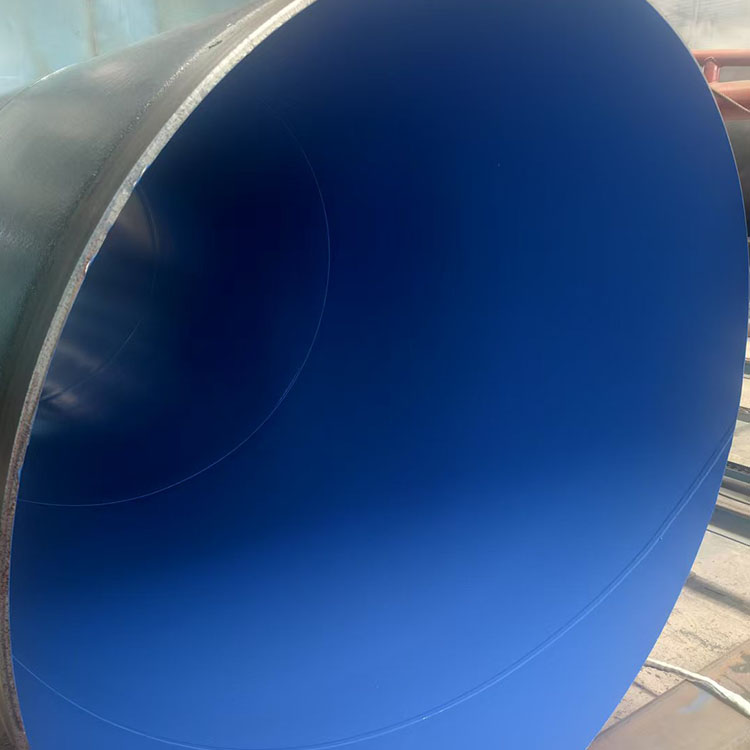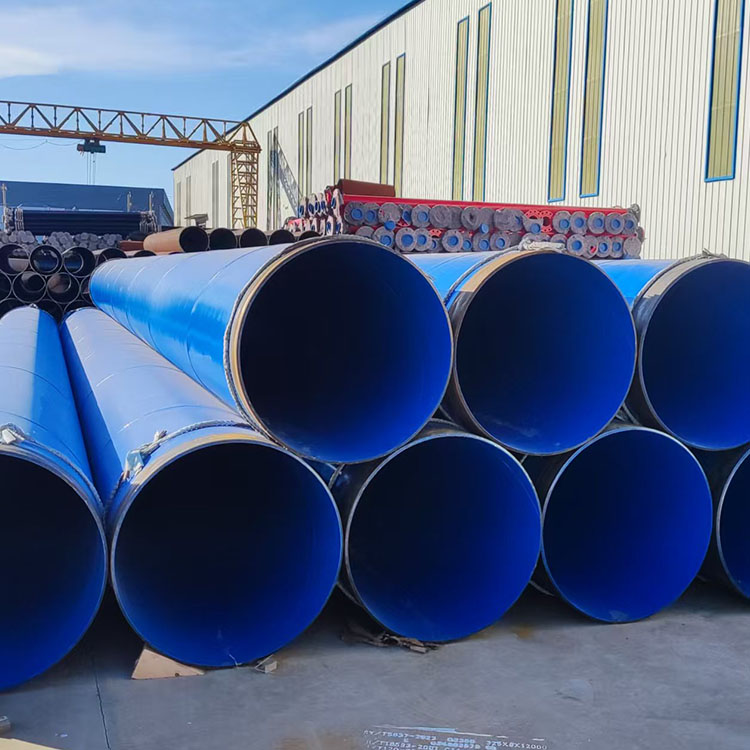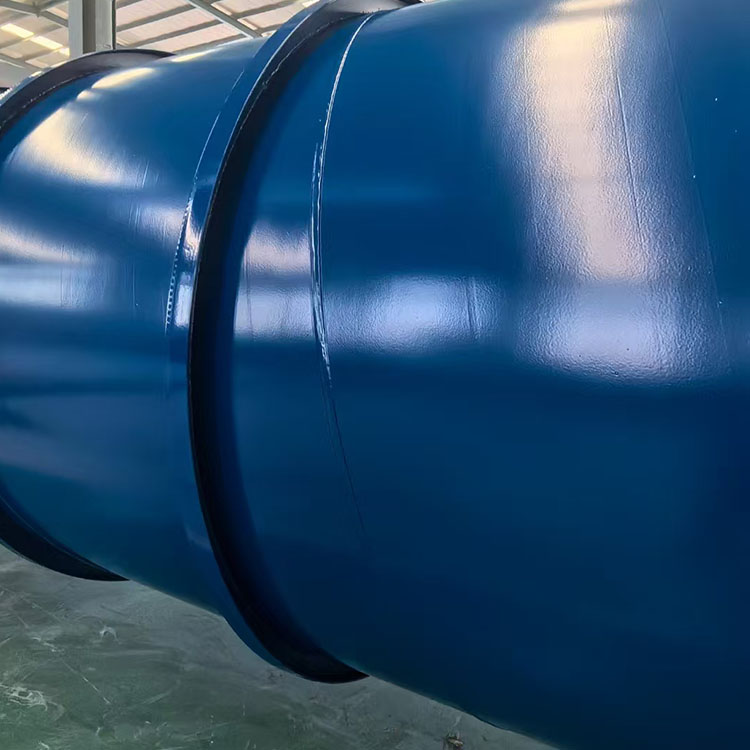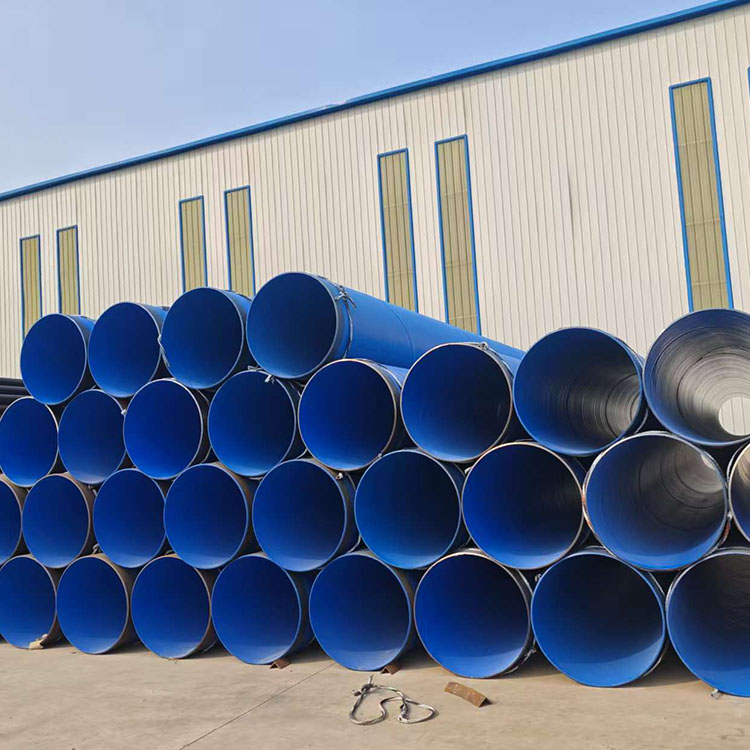

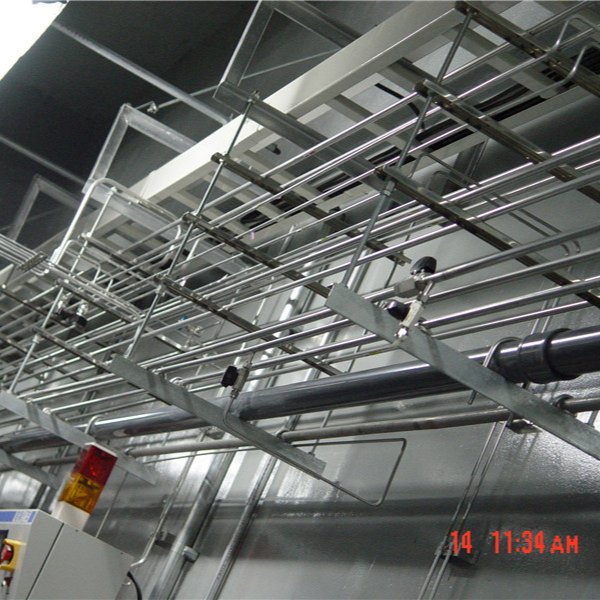

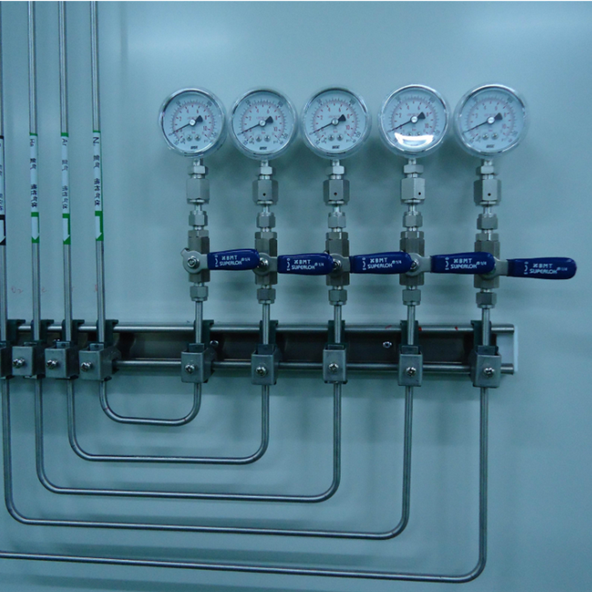


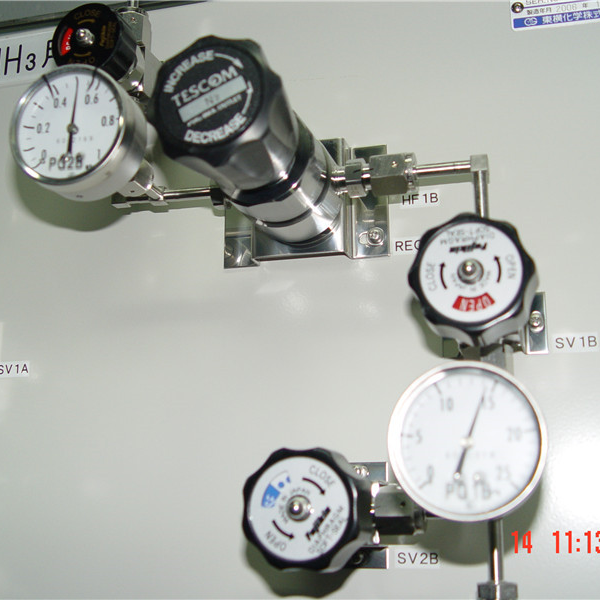
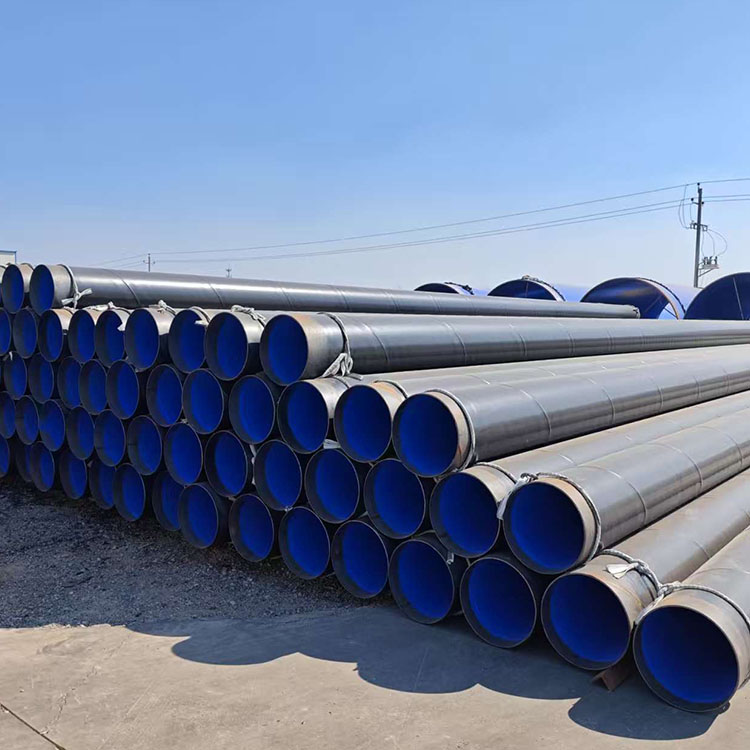
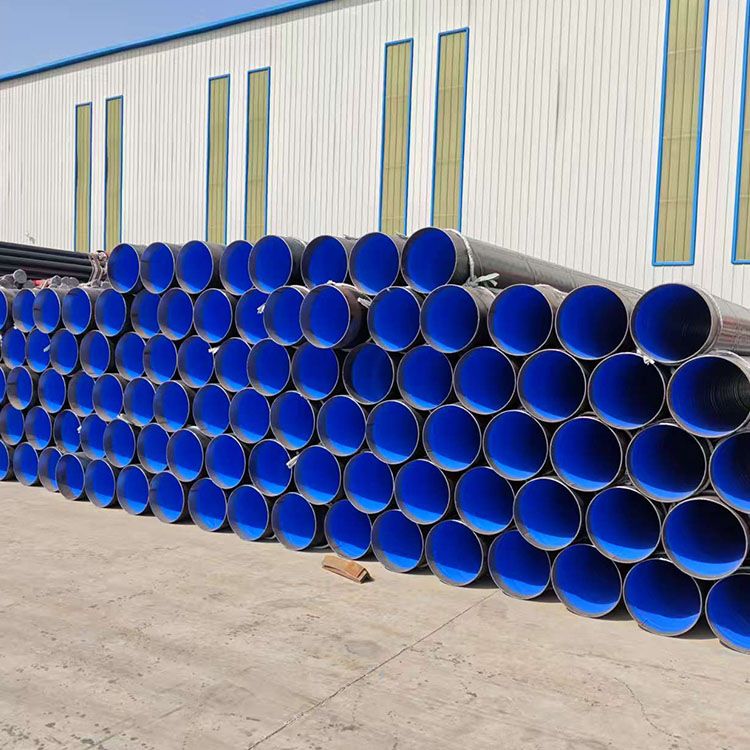









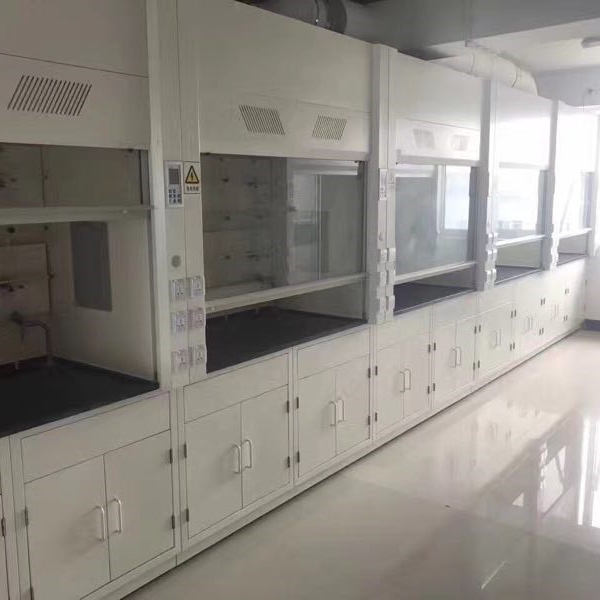
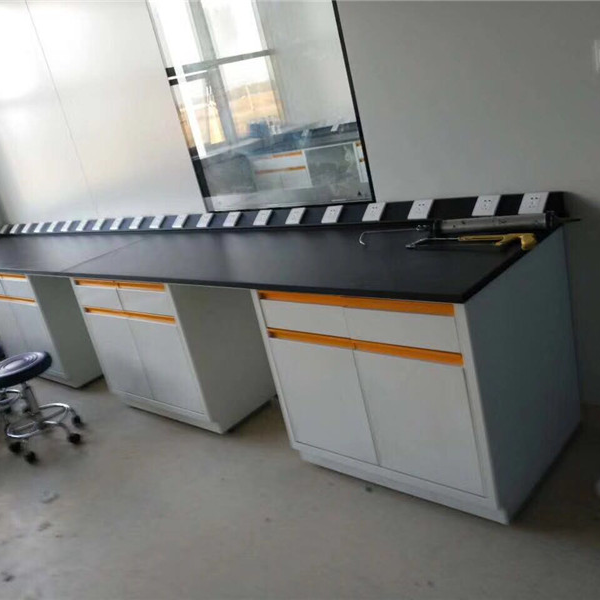
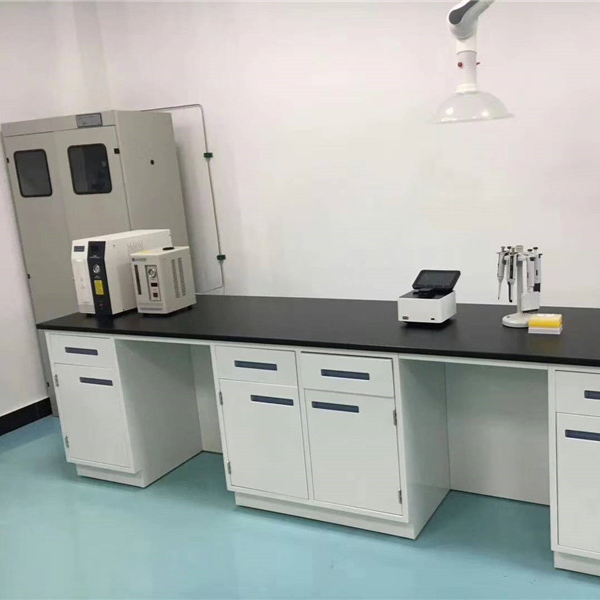
Gas pipelines are crucial facilities for transporting various gases (such as high-purity gases, special gases, industrial gases, etc.) in laboratories, industrial production, and scientific research fields. Their design, installation, and operation must strictly adhere to the principles of safety, purity, and efficiency. The following provides a detailed introduction to the classification, core requirements, system composition, design key points, application scenarios, and maintenance management of gas pipelines:
I. Gas Pipeline Classification
- By gas type:
- High purity gas pipelineUsed for conveying electronic specialty gases (such as SiH₄, NF₃), inert gases (such as Ar, He), etc., with extremely high purity requirements (typically ≥99.999%).
- Specialty Gas PipelineTransport corrosive gases (such as Cl₂, HCl), toxic gases (such as AsH₃, PH₃), or flammable and explosive gases (such as H₂, CH₄).
- Industrial gas pipelineSupply oxygen (O₂), nitrogen (N₂), compressed air, and other conventional gases.
- By application:
- Laboratory Gas PipelineConnect gas cylinders, gas generators, and laboratory equipment (such as GC, LC-MS).
- Industrial gas pipelineUsed for large-scale gas supply systems in semiconductor manufacturing, chemical production, and metal processing.
Section II: Core Requirements for Gas Pipeline
- Safety:
- Leak-proofUtilize dual socket connectors,焊接 (welding) or VCR sockets for sealing to ensure leak-free pipe connections.
- Explosion-proof designFlammable and explosive gas pipelines must be equipped with explosion-proof valves, flame arrestors, and static grounding devices.
- Pressure ControlSet safety valves and pressure-reducing valves to prevent accidents caused by overpressure.
- Purity:
- Material SelectionHigh purity gas piping is made of 316L stainless steel, EP (electro-polished) tubing, or PFA/PTFE plastic piping to prevent contamination by metal ions or organics.
- Internal processingThe inner wall of the pipeline must be degreased, pickled, passivated, or polished to reduce surface roughness (Ra≤0.4μm).
- Gas FlowDesign one-way flow to prevent cross-contamination and set up a sweep system (such as N₂ sweep) to clear residual gases.
- Efficiency:
- Pressure StabilityMaintain constant gas pressure through devices like pressure regulators and surge tanks, ensuring the continuity of experiments or production.
- Quick SwitchUtilize an automatic switching device (such as a gas cylinder cabinet) to achieve seamless gas source switching, minimizing downtime.