


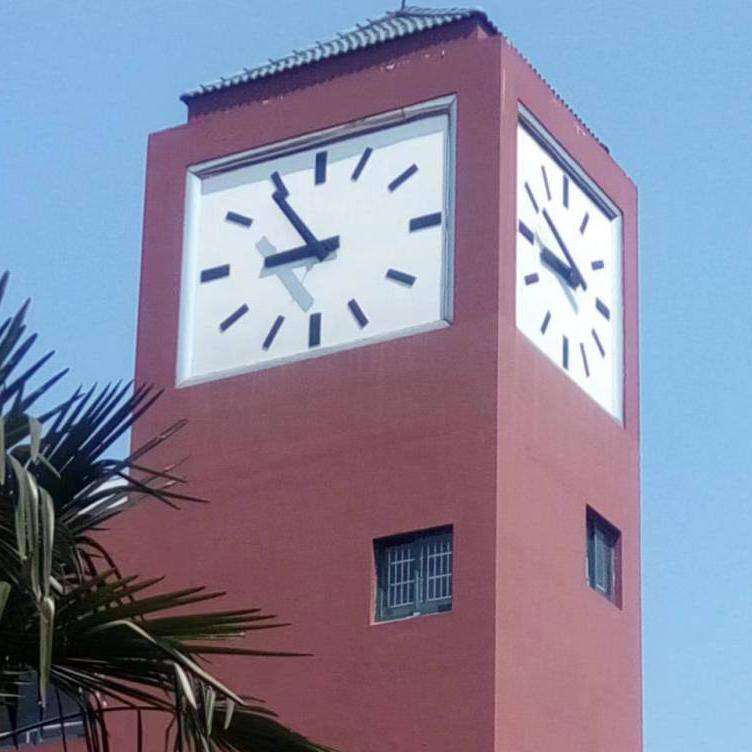


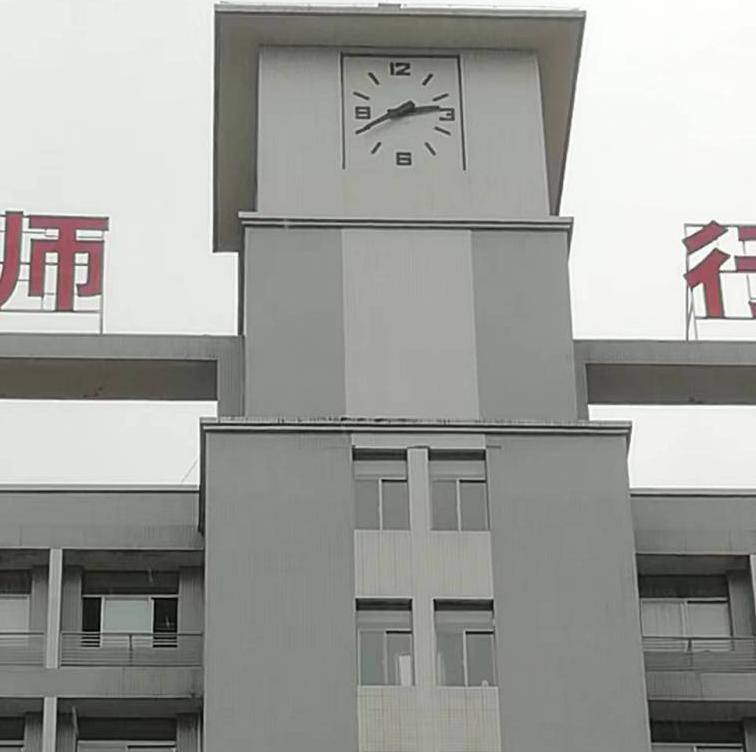















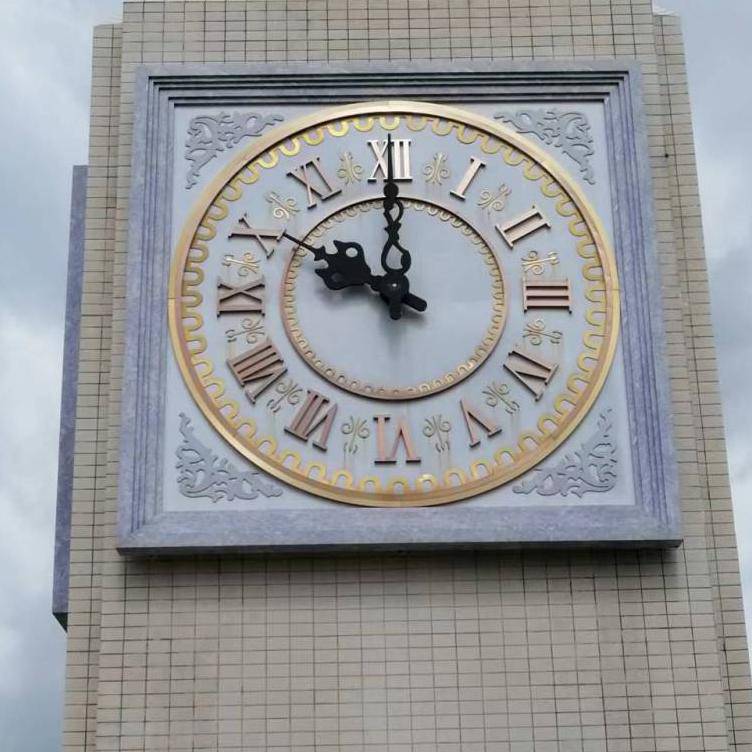

Yantai Kexin Watch Co., Ltd. produces tower clocks with precise timing and no errors, primarily relying on the following technical guarantees:
1. GPS real-time time synchronization, achieving synchronization with satellite standard time, the master control system's master clock has no cumulative error, and is accurate to the second.
2. Reliable IoT technology and feedback supervision system for sub-clocks (face clocks), ensuring synchronized operation with the master clock. Sub-clocks automatically synchronize with the master every 15 seconds. Automatic alerts for sub-clock malfunctions, along with suggested solutions.
3. Our self-manufactured movement is the core component of the tower clock, crafted from beryllium bronze for the bushings and 45-grade steel that has undergone rigorous mechanical heat treatment, significantly enhancing its wear resistance. The fully enclosed design ensures no maintenance or upkeep is required, guaranteeing a lifespan of 50 years.
4. Professional installation staff is the guarantee for the normal operation of the equipment. Our company boasts senior installation technicians and numerous well-trained高空作业 personnel. Our experience is that three parts depend on the equipment and seven parts on the installation. Our offices and service outlets across the country truly give users peace of mind in purchasing and worry-free usage.
5. With years of technical accumulation, our company is capable of repairing tower clocks from all major brands across the nation. To ensure our customers' peace of mind, we promise a 3-year free warranty on all repairs.
Tower Clock Grand Clock Production and Installation Process
Estimated Project Duration: [Number] calendar days
Including: Manufacturing Lead Time: 20 days
Transportation & Installation Lead Time: 10 Days
I. Production, guaranteed manufacturing schedule
1. Based on the signed contract. The day after the contract is signed, the company issues production plans to all production departments (each production workshop, technical department, logistics center). The plans specify the dimensions, colors, functions, and shipment times for each clock. A detailed "Material Requirement Sheet" is also attached.
2. The technical department is responsible for determining the technical solution based on the specific requirements of the bidder's tender documents, and providing it to the production workshop for production. The logistics center, based on the "Material Requirement Sheet" and the current inventory status, drafts a detailed "Procurement Plan Sheet." The procurement plan is then issued to: electronic component procurement specialist, outsourced procurement specialist, and bulk material procurement specialist. The required approximate funds are also notified to the finance department.
3. Begin procuring various materials starting from the second day, with priority given to the urgent supplies needed for production.
4. The company's existing stock materials and equipment spares, such as control systems and cores, will be immediately put into production according to contract requirements. The basic manufacturing of control systems and cores will be completed within the 3rd to 13th day. Subsequently, they will gradually enter the debugging and trial operation processes.
5. The clock face production should be basically completed between the 3rd and 13th day (the outer parts do not require adjustment).
6. All packaging materials will be in place and wooden boxes for packaging will be completed on the 8th to 11th day.
7. All debugging must be completed within the 18th day, followed by inspection prior to packaging. Fill out various documents and forms required for packaging.
8. All packaging is completed by the 19th day.
9. Notify Party A that the shipment is ready for dispatch, and confirm with Party A the specific unloading location and installation time.
10. Installation personnel will arrive at the installation site in advance, according to the mutually agreed-upon schedule, to prepare for the installation. The following day, they will inspect the goods with Party A and commence the installation.
Section II: Transportation and Installation Plan for Clock Equipment
(Part 1) Packaging, Shipment, and Transportation Solutions
1. In terms of packaging, we use cardboard boxes for general equipment like controllers and computers, fitted with shock-absorbing foam and moisture-proof plastic bags inside. For items such as dials, valuable materials (such as control boxes, clock hands, and scales), and those weighing over 20 kilograms, we add an outer wooden crate made from high-quality plywood. The wooden crate is also protected with shock-absorbing foam between it and the cardboard box. All packaging is neat, attractive, and reliable, loaded into trucks according to road transportation requirements to ensure goods arrive safely and intact.
2. Each packaging box is accompanied by a detailed product packing list, factory certification of compliance, quality inspection certificate, manual, etc. The box is sealed after being inspected and approved by the inspector.
Each packaging box is imprinted with the shipper, departure station, consignee, destination station, product name, gross/net weight, total number of pieces in this shipment, contract number, etc. Additionally, it features the "Three Protection" logo.
4. In terms of transportation, for this *** equipment, we will select the most suitable transportation method, such as road or rail, based on the requirements of the tower clock installation location and equipment transportation security. We guarantee the safe, accurate, and timely delivery of the goods to the destination. Any losses due to loss or damage will be borne by our company. Within 48 hours prior to dispatching the equipment, we will send the recipient a传真 with details including the station name, quantity, estimated installation date, contract number, material name, quantity, gross weight, volume, amount, and transportation vehicle name, as well as the equipment dispatch schedule.
5. Arrival Inspection and Handover
Upon arrival at the buyer's destination, our project manager and the buyer's representative will jointly inspect the goods in accordance with the contract. The inspection scope includes the quantity, specifications, model, quality, and performance parameters of the equipment. Both parties will sign and stamp the delivery (receiving) document, which serves as a crucial basis for operational handover. In case the goods do not meet the buyer's requirements, the buyer has the right to refuse acceptance or request a replacement, and any resulting costs will be borne by our company.
(II) On-site Inspection and Entry for Installation
1. On-site Installation Inspection
1) Upon arrival at the site, the installation personnel will check the number of packing cases and inspect for any damage or loss of items, together with the recipient, based on the "Shipment Registration Form."
2) Inspect the goods inside the packaging box with the buyer, and tally each item according to the packing list.
3) Briefly describe the names, quantities, uses, and storage requirements of various goods to facilitate the provider in securing a safe storage location.
2. Installation on-site
1) All goods will be delivered to the designated location according to the installation schedule as per the contract or mutually agreed upon by both parties. Prior to installation, the storage location for the goods will be agreed upon with Party A to ensure a safe storage area for the uninstalled items.
2) Work together with the customer to establish installation conditions, and make necessary modifications to those that do not meet the requirements to ensure a safe and smooth installation.
3) Inform the buyer of the approximate time for inspection, so they can prepare accordingly.
(3) Clock Equipment Installation
Equipment Installation Steps:
1. Assemble the clock face on the corresponding work surface.
2. Rent suitable lifting equipment and use the whole-set lifting method to weld or bolt the steel frame of the large bell with the reserved iron parts of the bell tower.
3. Reserve the pipeline between the sub-clock and the master clock, lighting cables, and the pipeline between the speaker and amplifier.
4. Accept scale lighting wire, movement lighting wire.
5. Install the speakers and connect the speaker power cables.
6. Connect the motor wire and feedback wire to the motor and feedback switch on the core.
7. Connect all motor wires, feedback wires, lighting wires, and speaker wires to the master clock system and the amplifier in the control room where the speakers are located.
8. Connect to the GPS timing system.
9. Connect the monitoring microcomputer and tune the monitoring system.
Section 3: Clock Equipment Operation and Debugging
Commissioning period: 3 calendar days; training for the client's designated operators will be conducted simultaneously during the debugging period.






















