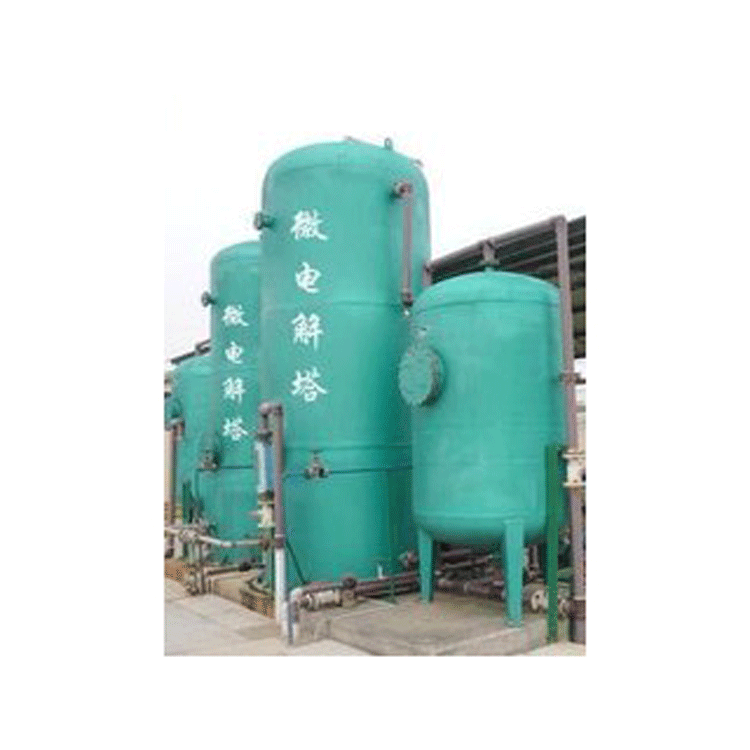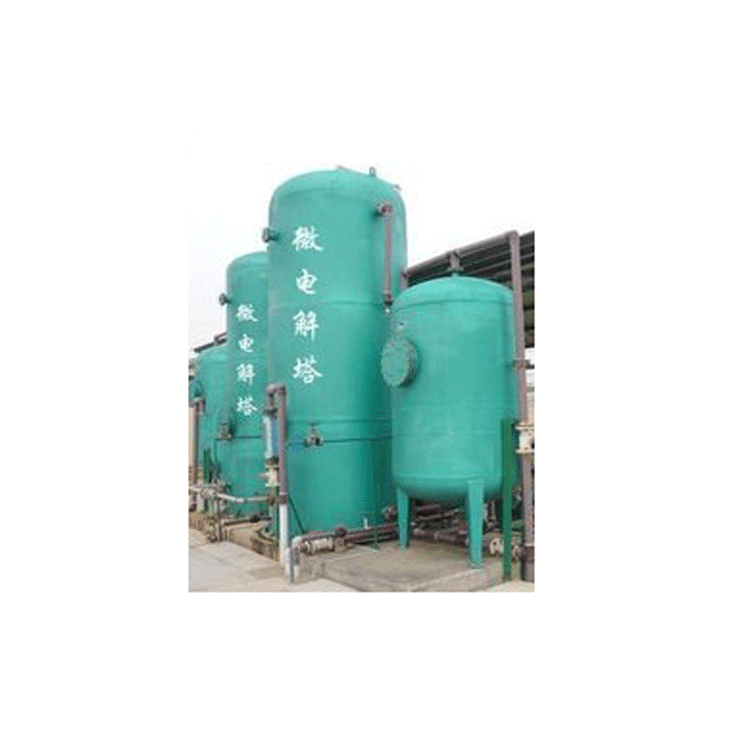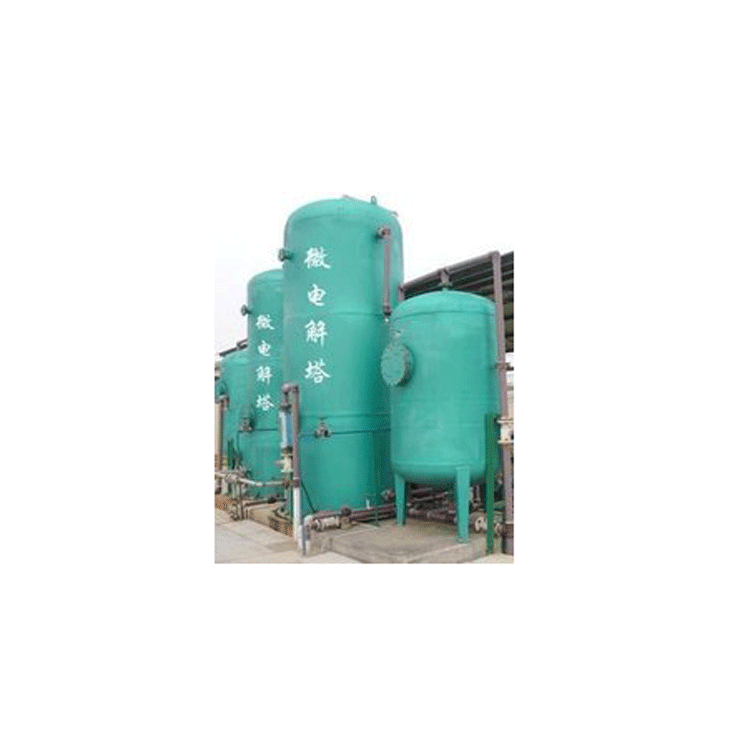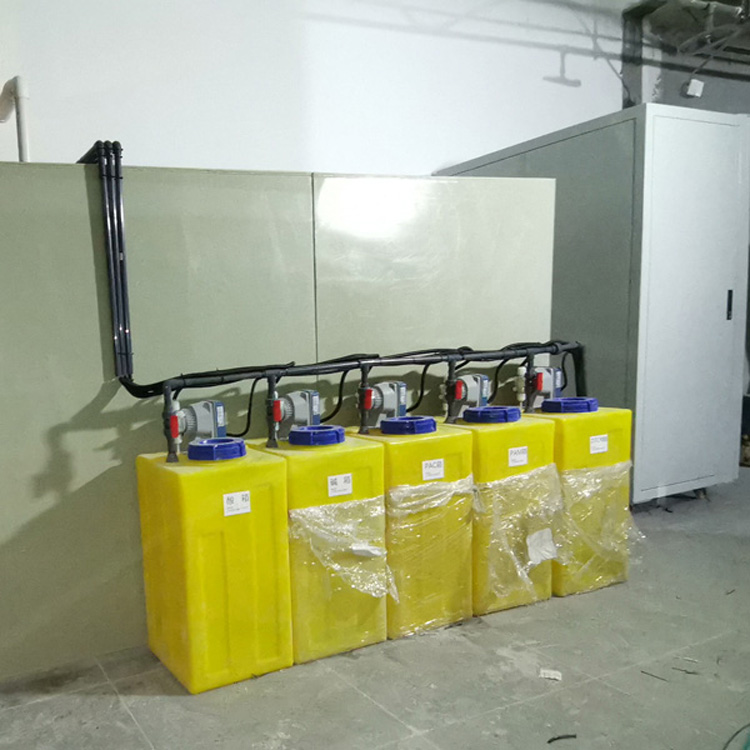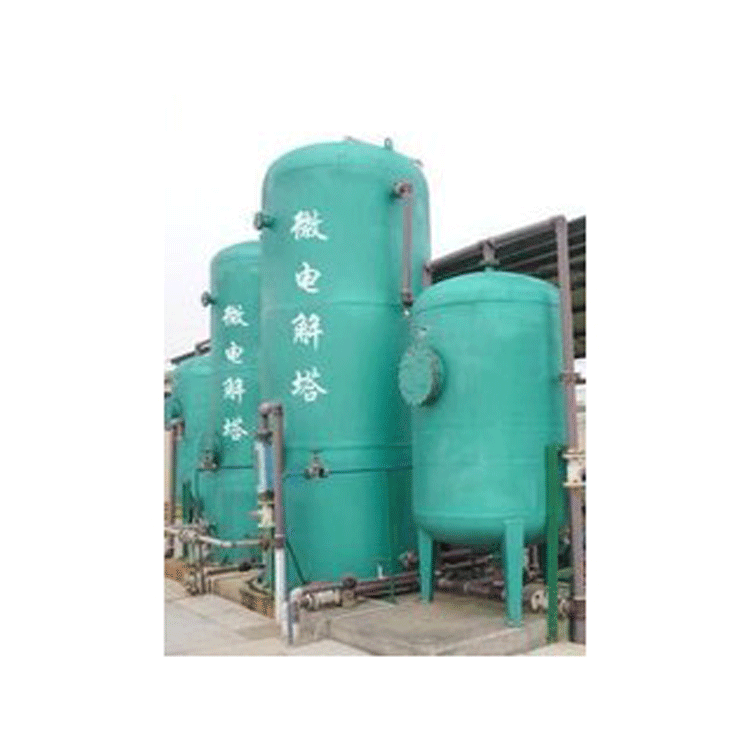

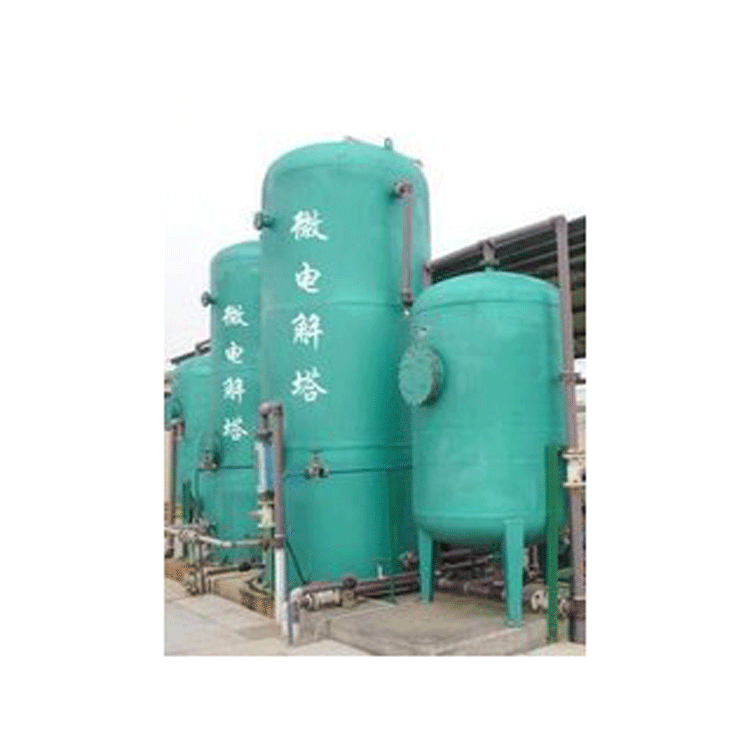


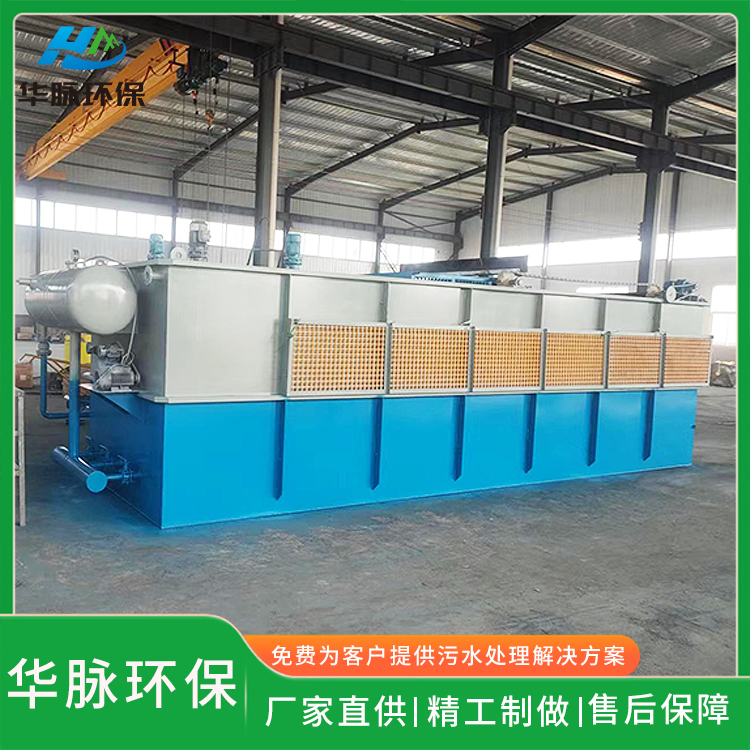





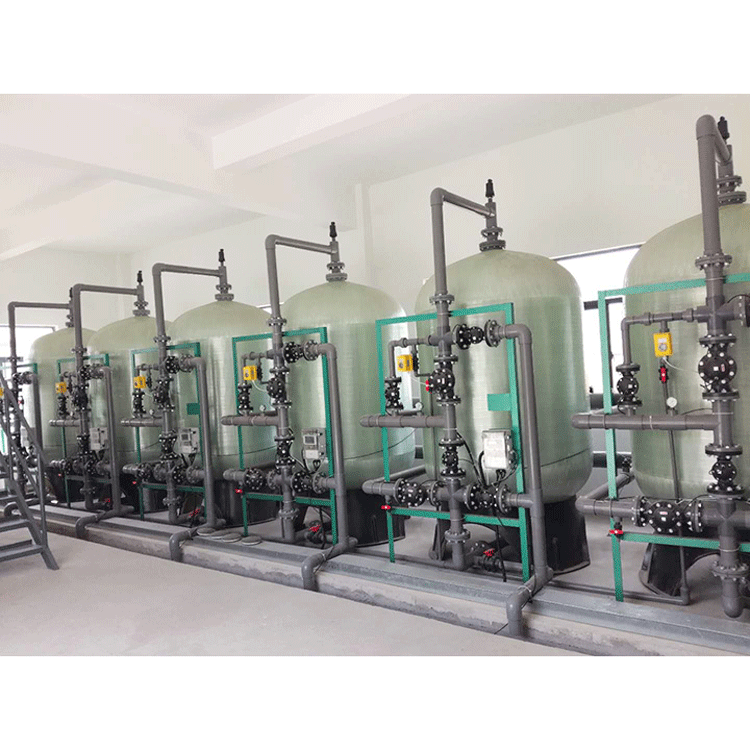
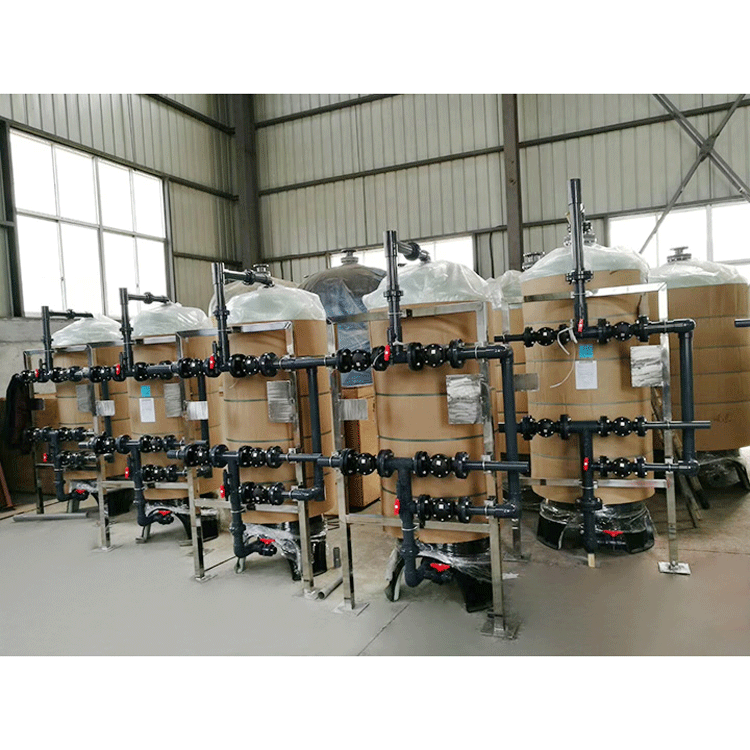
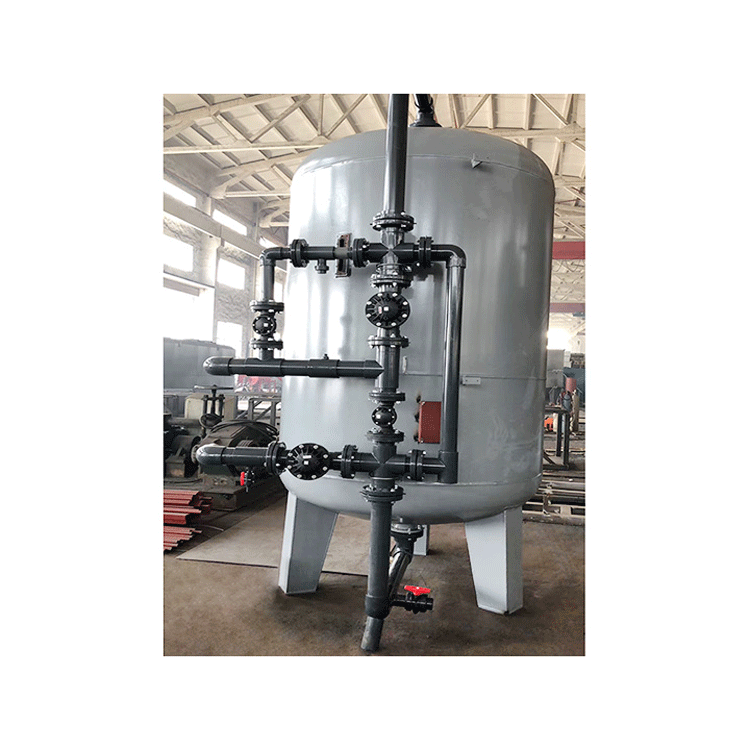

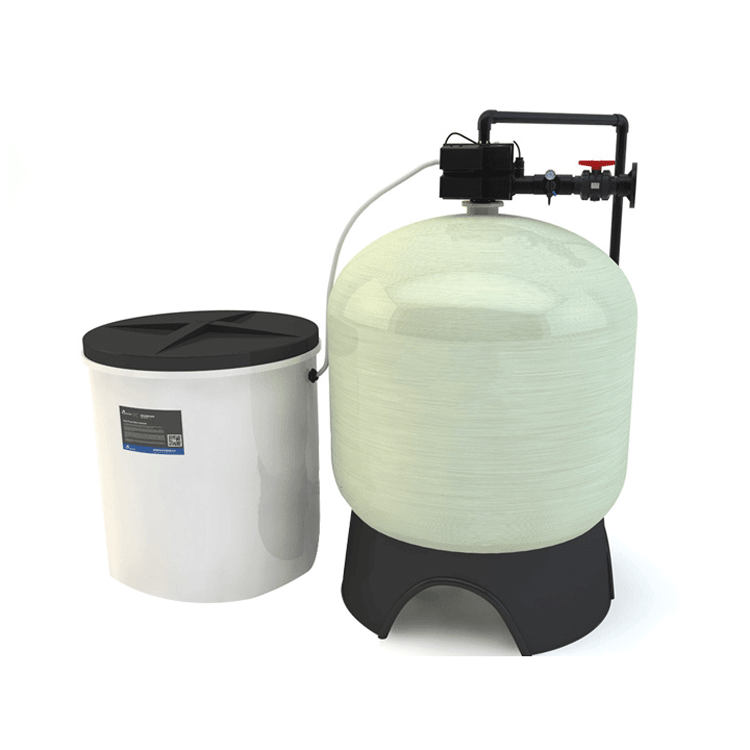

Micro-electrolytic tower
Introduction
Micro-electrolysis towers are an electrochemical technology for treating wastewater by utilizing the micro-electrolysis process formed by the corrosion of iron-carbon particulate matter in an electrolyte solution. The electrode reaction process consumes no electricity and can produce redox, electro-precipitation, and other effects; the newly formed Fe2+ produced by the electrode reaction is a coagulant with strong adsorption,包容, and complexation capabilities. The characteristics of micro-electrolysis towers include multiple mechanisms, strong synergy, comprehensive effectiveness, particularly evident decolorization effects, and the ability to improve the biodegradability of wastewater, with good compatibility with secondary biochemical treatment processes, simple operation, and low operating costs. Its COD removal rate can reach 20~60%, and the decolorization rate is 50~96%. Currently, this technology has been widely applied in the treatment of various inorganic wastewater and the pretreatment of organic refractory wastewater, with significant effects. We have applied this technology industrially in the treatment of wastewater, dye production wastewater, printing and dyeing wastewater, organic and petrochemical wastewater, and electroplating wastewater, achieving considerable success. After the wastewater undergoes micro-(internal) electrolysis pretreatment, it is then processed by the biochemical system (H/O process), and the effluent meets the corresponding discharge standards.
Currently, both domestic and international micro-electrolysis equipment are fixed beds, characterized by simple structure and good fluidization, but they face several practical issues: first, efficiency is not high, and the reaction speed is slow; second, the bed is prone to caking or blocking, leading to short circuits and dead zones, which reduces efficiency; third, the labor intensity for iron chip replenishment is high.
Product Features and Functions
Main Functions:
Filter, adsorb, and carry out electrochemical redox reactions on refractory organic matter in water and COD, thereby achieving the objectives of COD removal, color removal, odor elimination, and sterilization.
Applicable to the following scenarios:
Pre-treatment of high-concentration wastewater: Addressing the inhibition to biochemical treatment.
Direct treatment of low-concentration wastewater: meets standard discharge or reuse.
Treated wastewater that has not yet met the standard after biochemical treatment.
Treated wastewater undergoes advanced treatment for reuse.
Various types of wastewater that have been treated in experiments and engineering practices include:
Oily wastewater (including oil field produced water, refinery wastewater, fat processing wastewater, etc.)
Color wastewater (dye production wastewater, printing and dyeing wastewater, textile processing wastewater, etc.)
Chemical wastewater (organic synthesis, fragrance synthesis, xylitol production, etc.)
Metalworking Cutting Fluids (Oil-based and Water-based)
Advanced treatment of domestic wastewater, reclaimed water reuse.
Micro-removal of organic substances from drinking water.
Key Features
1. Combines the advantages of fluidized bed with the push flow characteristics of a fixed bed.
2. Its pulse expansion technology keeps the bed in a loose and uniform state, maintaining a consistent porosity of the bed, reducing resistance loss, and effectively preventing the bed from becoming solidified, blocked, short-circuited, and having dead zones.
3. Cleans micro-electrode contact surfaces and reaction surfaces, enhancing and maintaining the electrochemical reaction efficiency.
4. Mechanisms and functions for accelerating electrochemical reactions, enhancing the treatment efficiency of the bed.
5. Filler iron shavings can be replenished at any time, maintaining uniformity in the bed material, significantly reducing the labor intensity of iron supplementation, and improving the utilization rate of iron shavings (from 40% in fixed beds to over 80%), thereby extending the equipment's service life (from six months in fixed beds to 2-3 years).
The new product not only resolves the various drawbacks and issues of the original fixed bed during operation, but also maintains and enhances the excellent fluidization properties of the fixed bed, with an average efficiency 10% higher than that of the fixed bed.