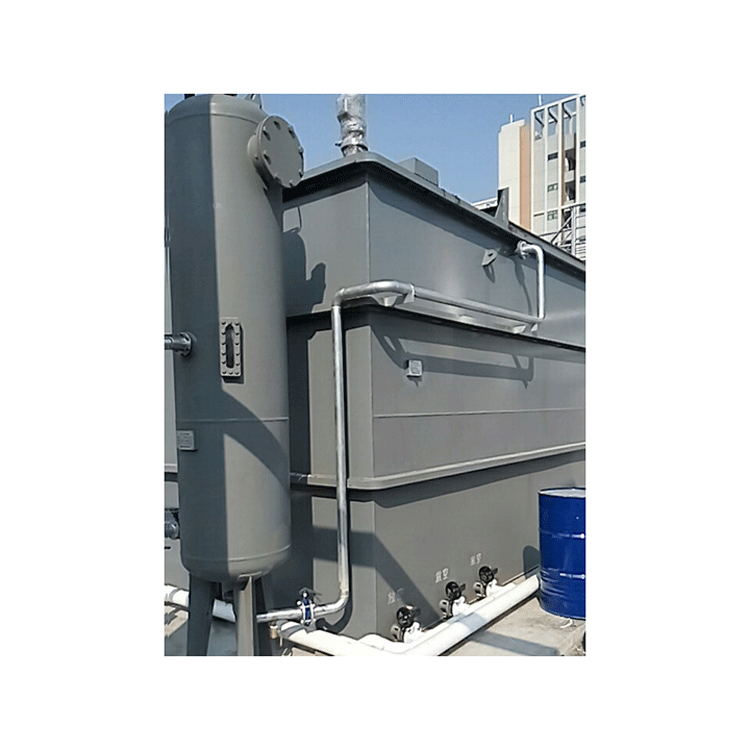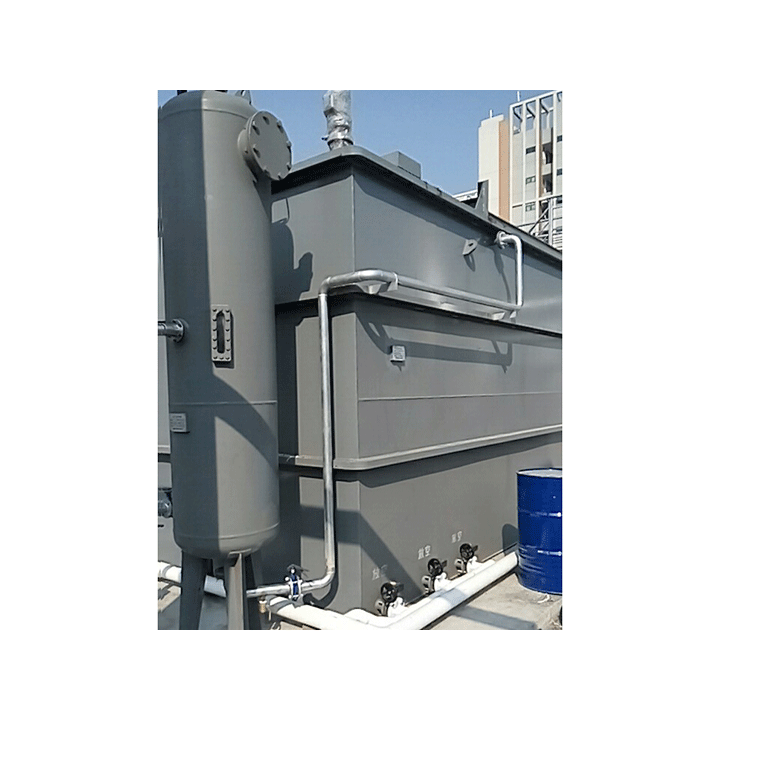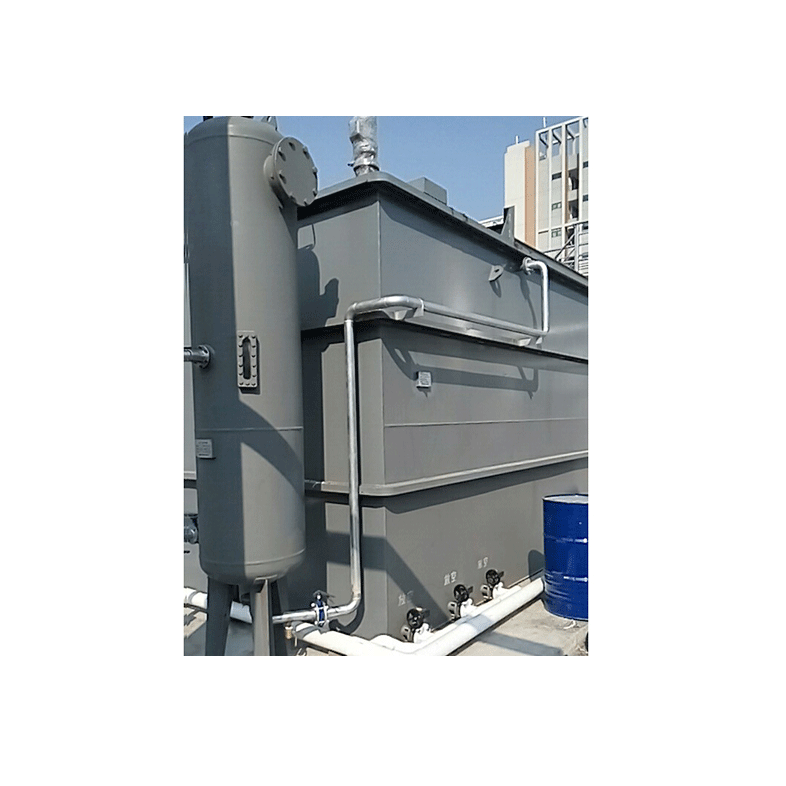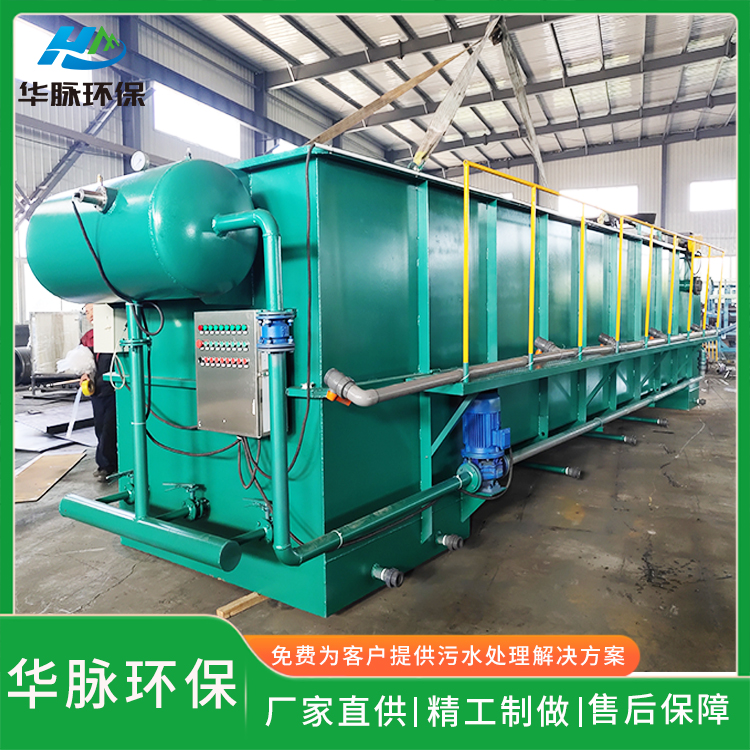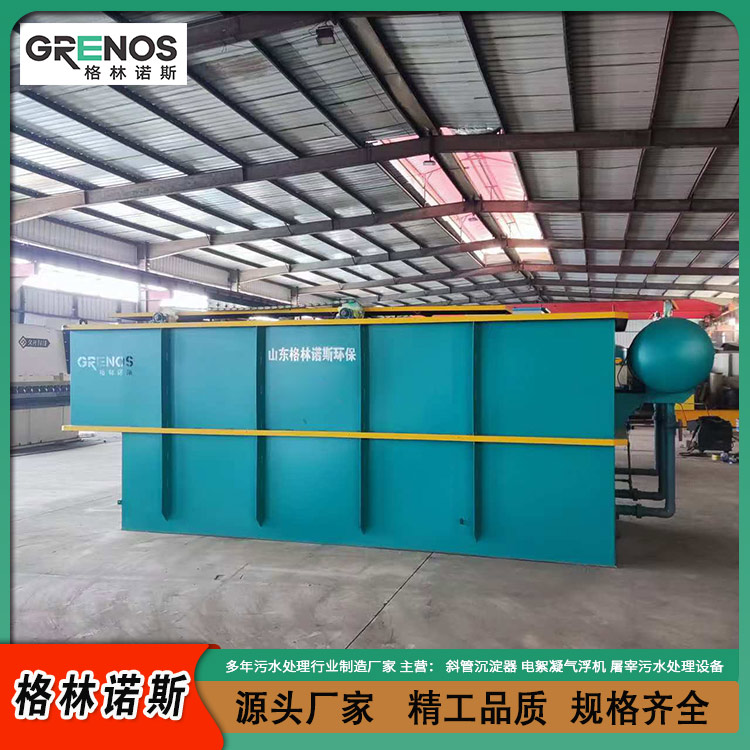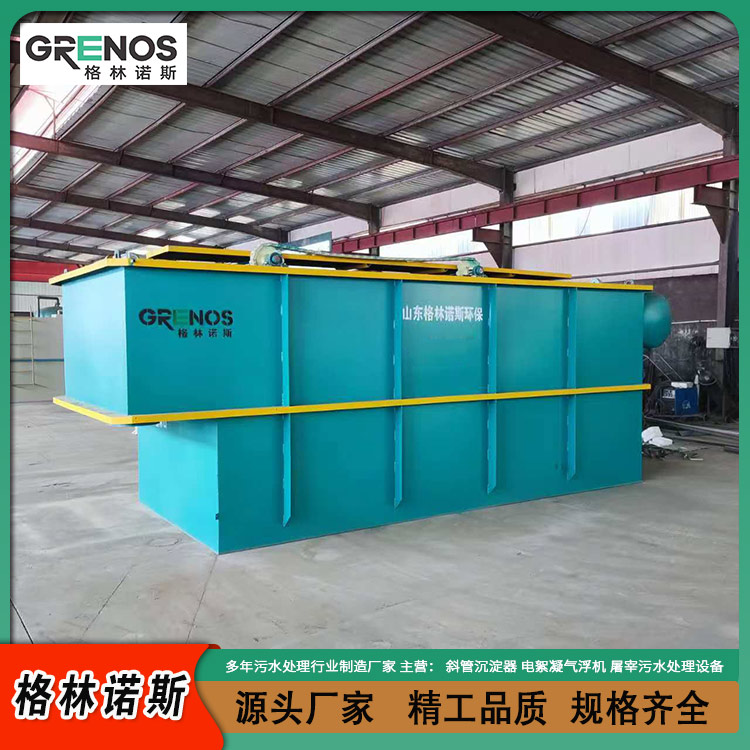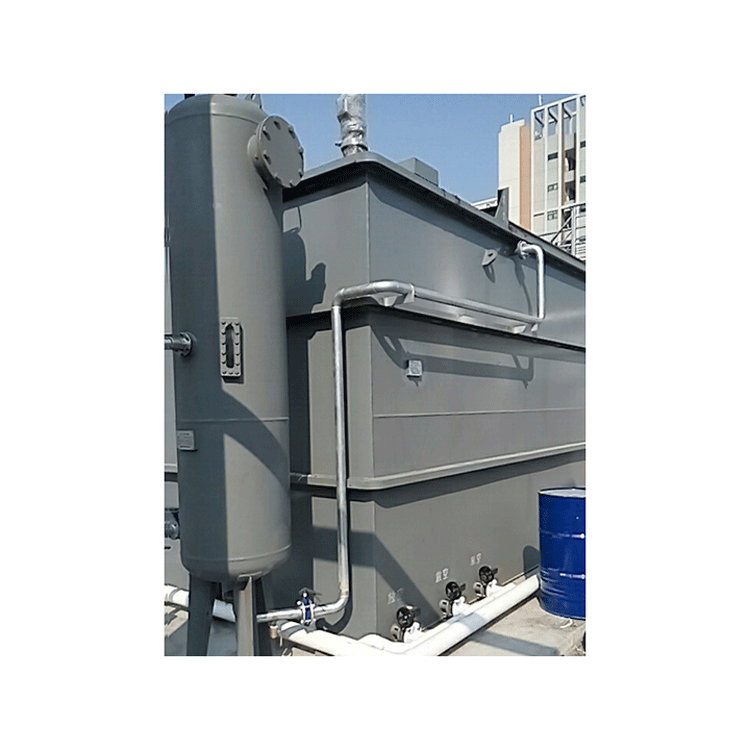

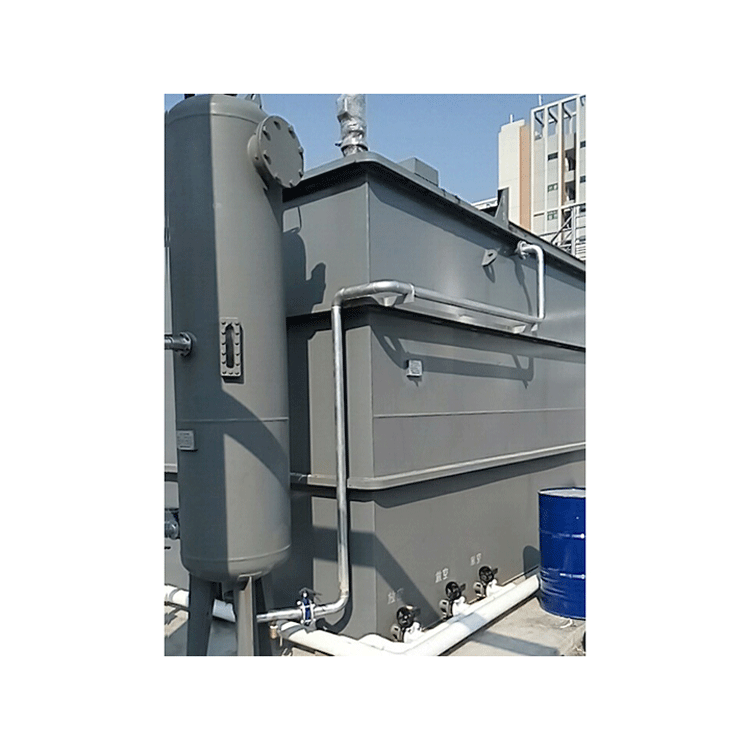
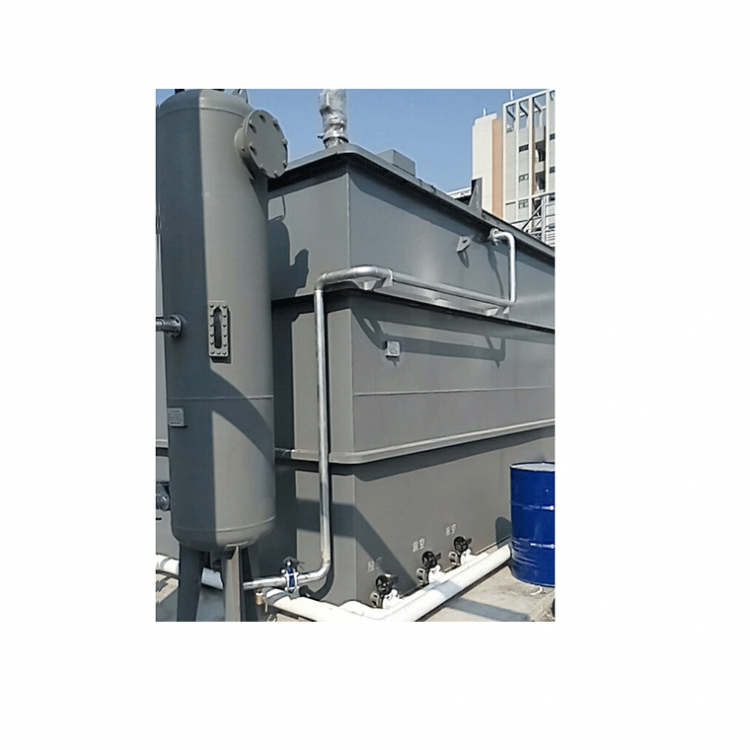
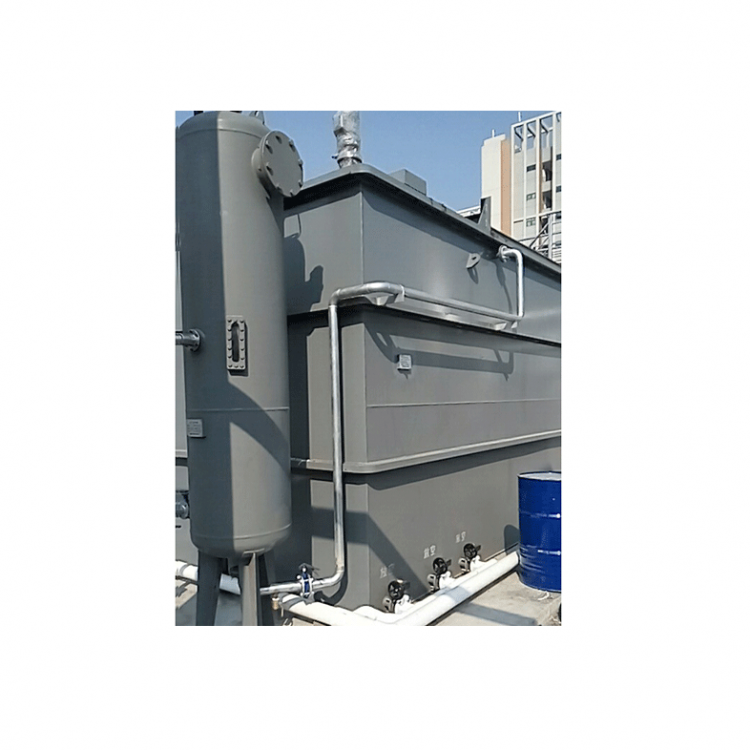


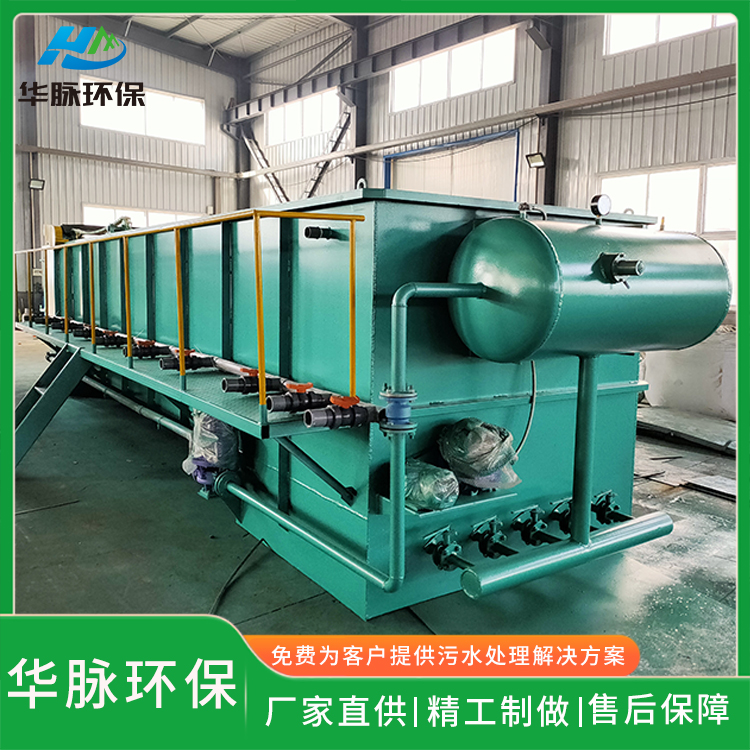
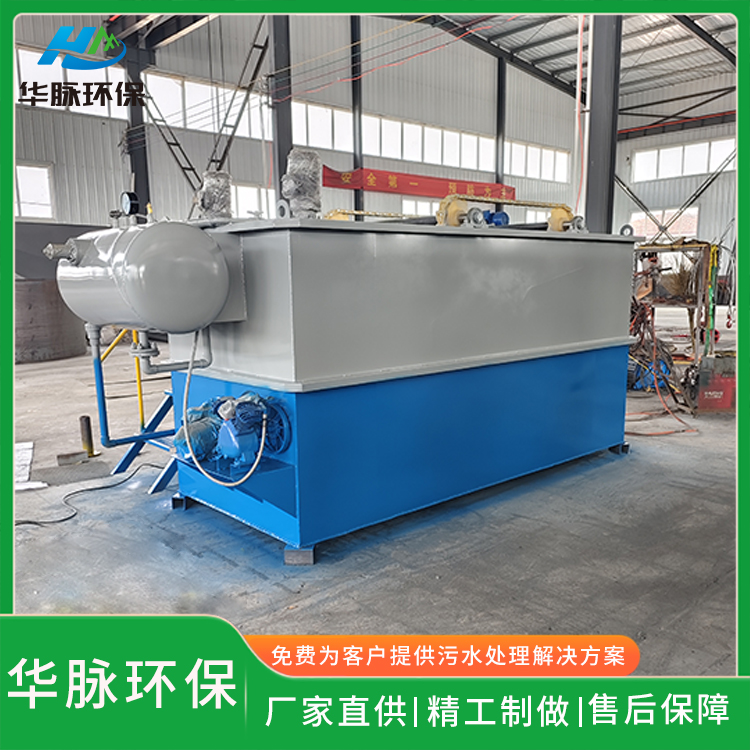
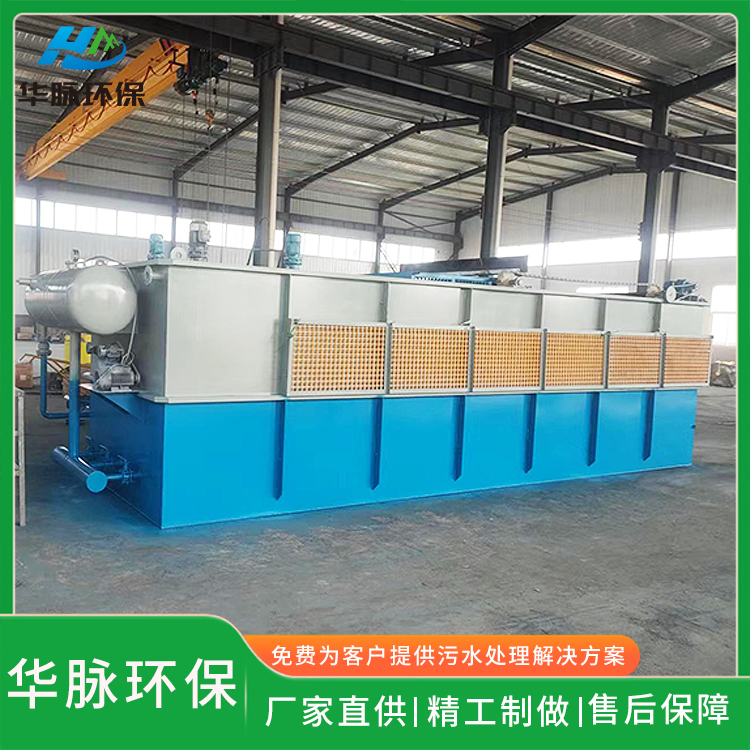





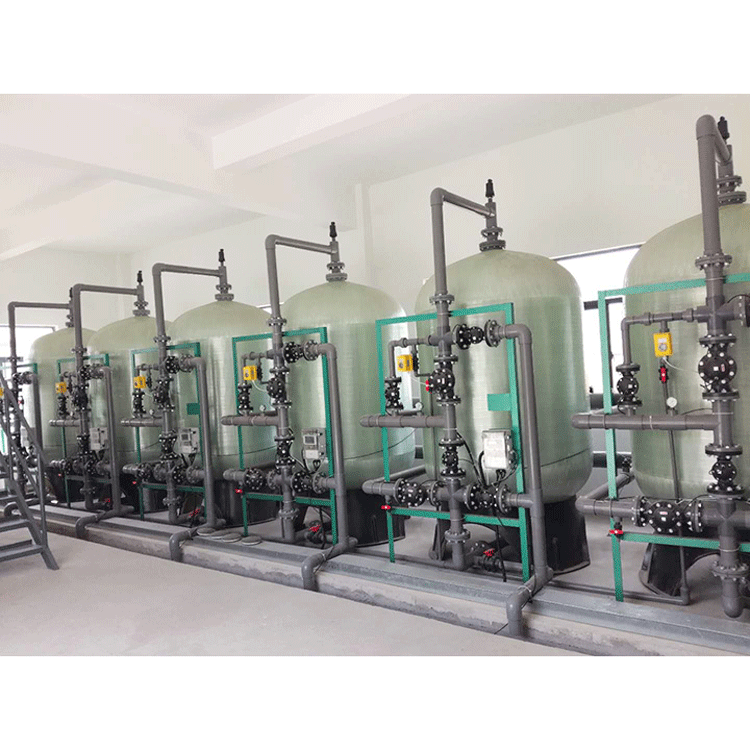
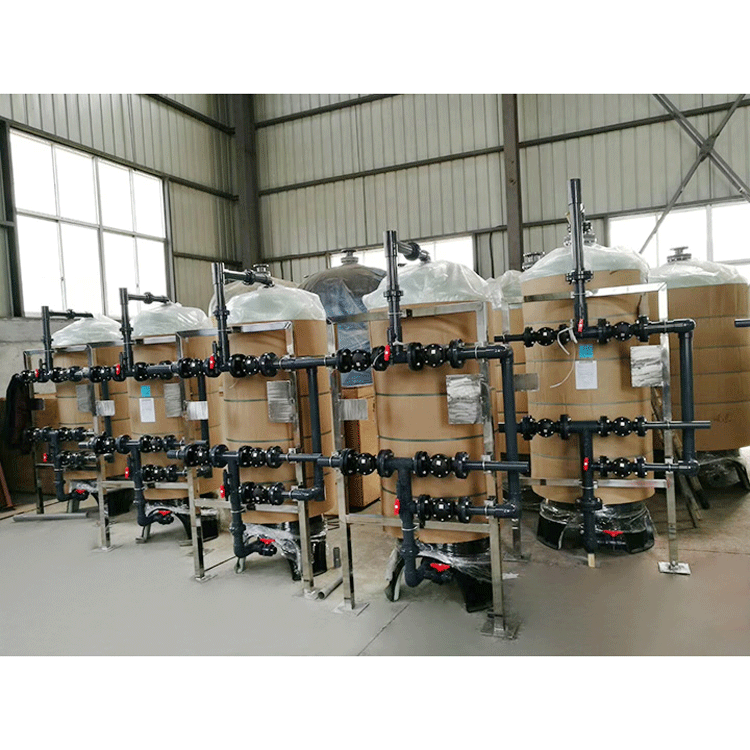
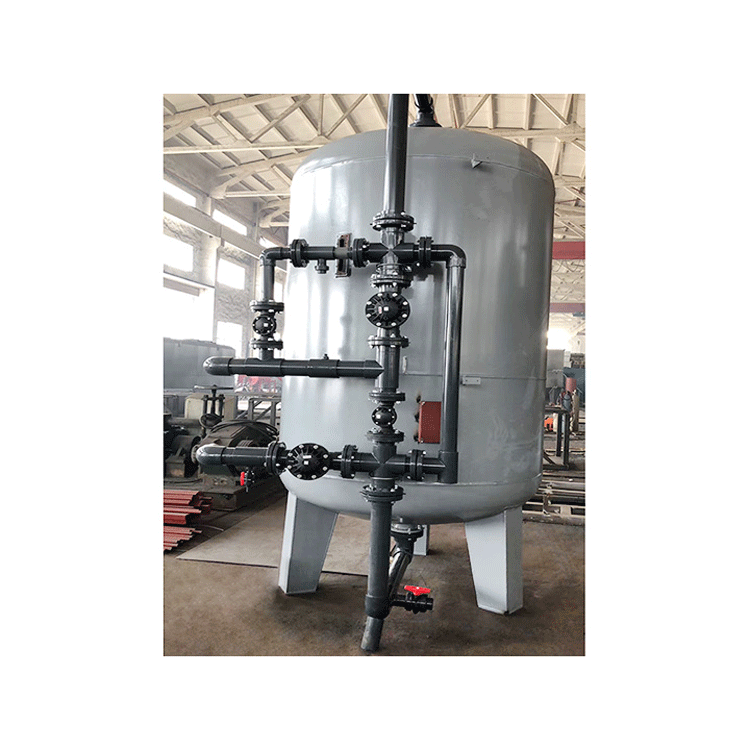

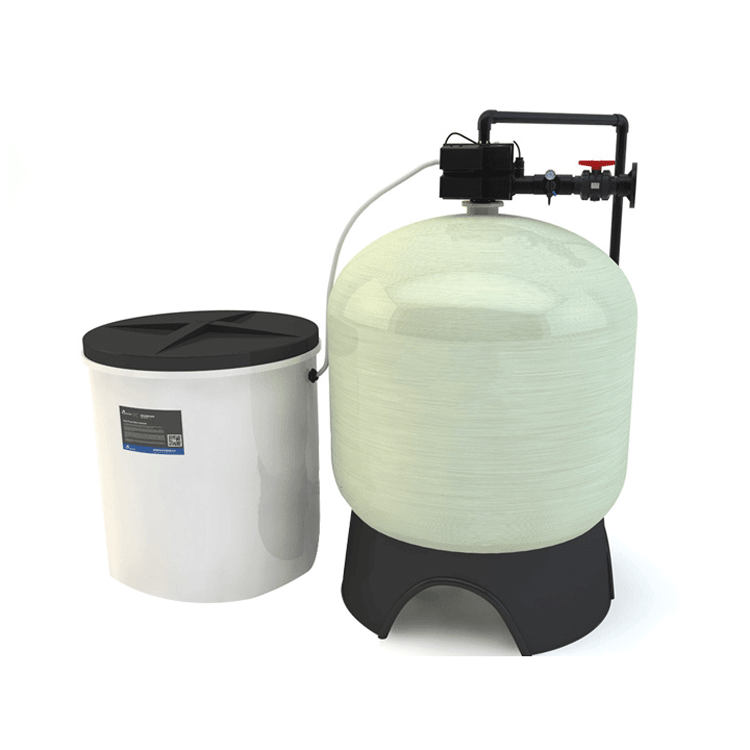

Aeration Gas Float
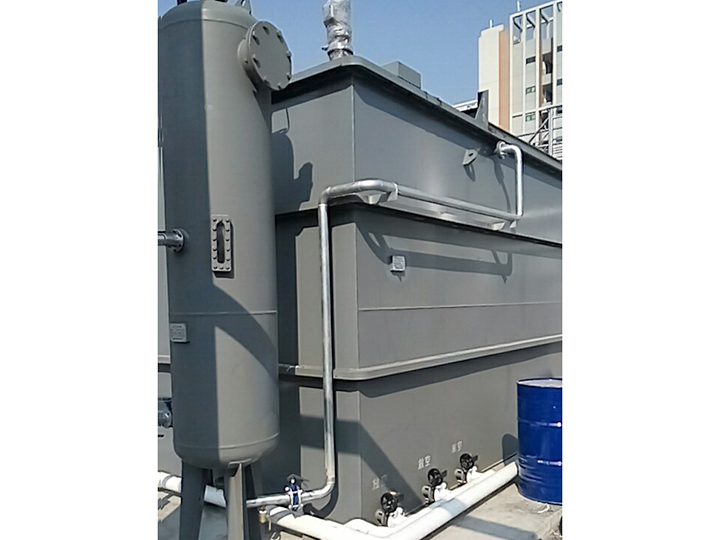
Operating Principle
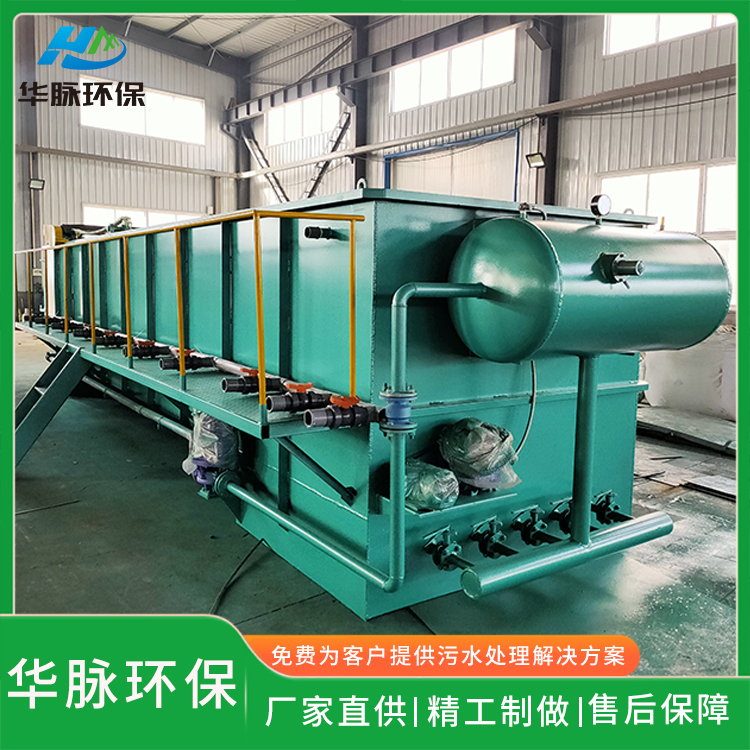
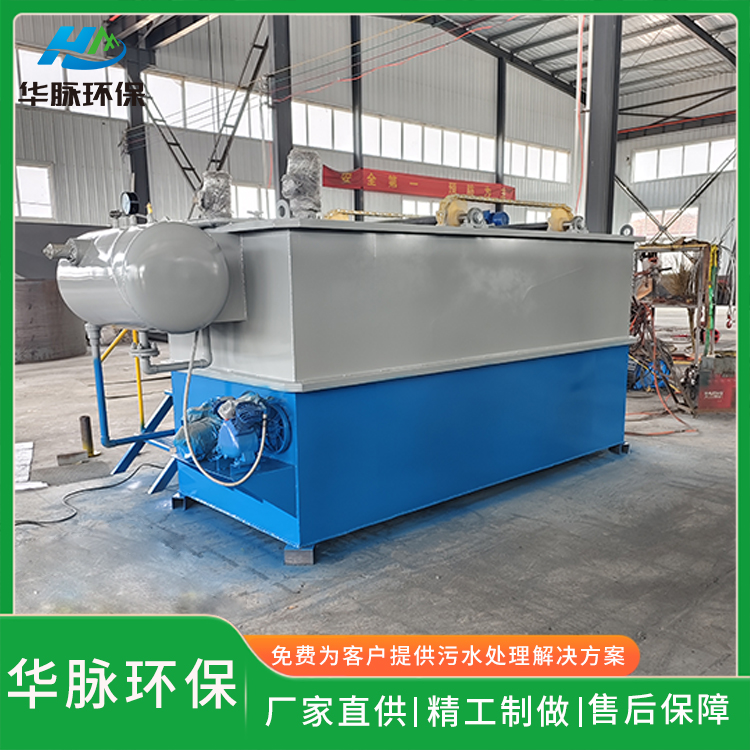
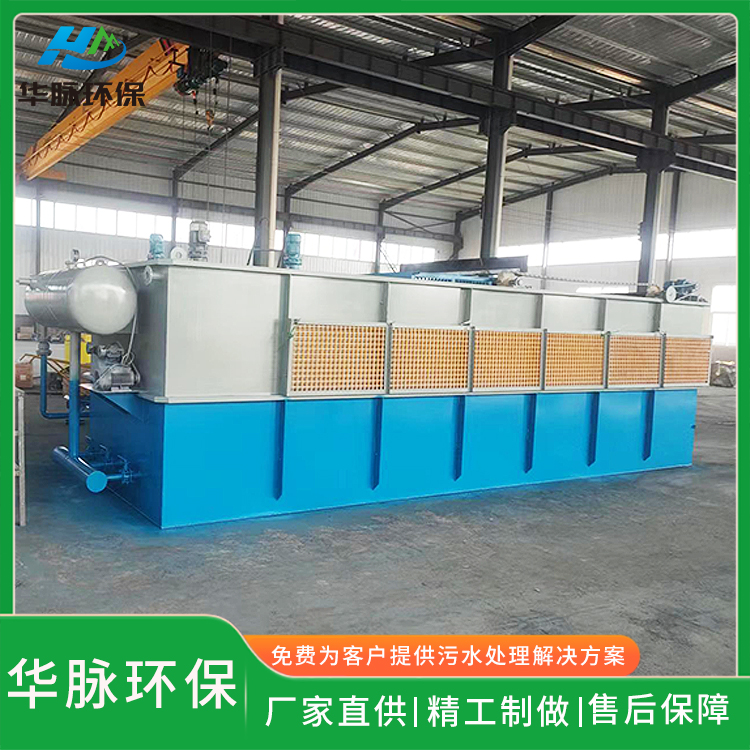
The flotation machine utilizes a new dissolved air device—the microbubble generator—to replace traditional aeration equipment for dissolving air in water. It also installs several inclined tube groups in the flotation area, which, along with the tank, scraper, and screw discharge machine, form a complete flotation water purification unit. Theoretically, the treatment effect of flotation is not directly related to the residence time but is only associated with the flotation area. If the flotation area with water depth H is reduced to H/10, both the flotation distance and residence time will be reduced by a factor of 10. The purpose of adding inclined tubes to the flotation area is to increase the flotation surface area, significantly reducing the Reynolds number, thus avoiding turbulent conditions for flotation and creating a good laminar flow state to achieve shallow flotation effects.
Similarly, when the density of the suspended matter is greater than 1, due to the installation of the inclined tube set, a shallow pond sedimentation effect is produced, allowing sedimentation to occur under turbulent conditions. Pollutants with larger particle sizes and higher specific gravities, which are not easily floated, will concentrate in the sludge collection area, achieving the purpose of water purification.
Application Fields
The flotation machine is one of the key projects in the water treatment process, particularly in solid-liquid separation technology and its equipment. For the removal of micro-fine suspended particles with specific gravity close to that of water, the flotation machine is an effective method. This equipment is widely used in water supply and drainage treatment projects.
Used for lake water source tap water to remove algae and reduce turbidity.
Used in industrial wastewater treatment projects, such as petrochemical, textile, dyeing and finishing, electroplating, leather making, and food industry sectors.
Used for the recovery of valuable substances from wastewater, such as fiber recovery in papermaking and pulp wastewater.
Equipment Advantages
Effective water depth: 400-500mm.
2. Hydraulic retention time within the pool (3~5 mins).
3. Large purification volume, meaning high surface loading.
4. Small land occupation, light unit load, fully prefabricated components assembly, no need for an operation room, equipment can be installed overhead, and can also be combined in multi-stories.
Low installation and maintenance costs, easy to clean.
High purity, with a suspended solids removal rate exceeding 90%.
7. It boasts a clever structure, with an aeration efficiency of up to 90%, and its volume is just one-fifth of a typical aeration system.
Winter Maintenance
The flotation machine is suitable for treating water with low turbidity, high chromaticity, high organic content, low oil content, low surface active substance content, or rich in algae. Compared to other flotation methods, it boasts high hydraulic load and compact pond design. However, its complex process, high energy consumption, and loud noise from the air compressor are drawbacks that limit its application.
1. Daily check the floatation machine's influent and return pumps for ice during work hours, including lubrication and oiling of the pumps, the tightness of the packing, the seal of the bottom valve, and the oil injection for the air compressor, etc.
2. Inspect if the air compressor's air filter water valve has frozen, to determine if the compressor is running normally, and if there are any noises or overheating issues.
3. Inspect the drive part and scraper of the slag removal machine; ensure they do not harden and break in cold conditions to prevent usage issues.
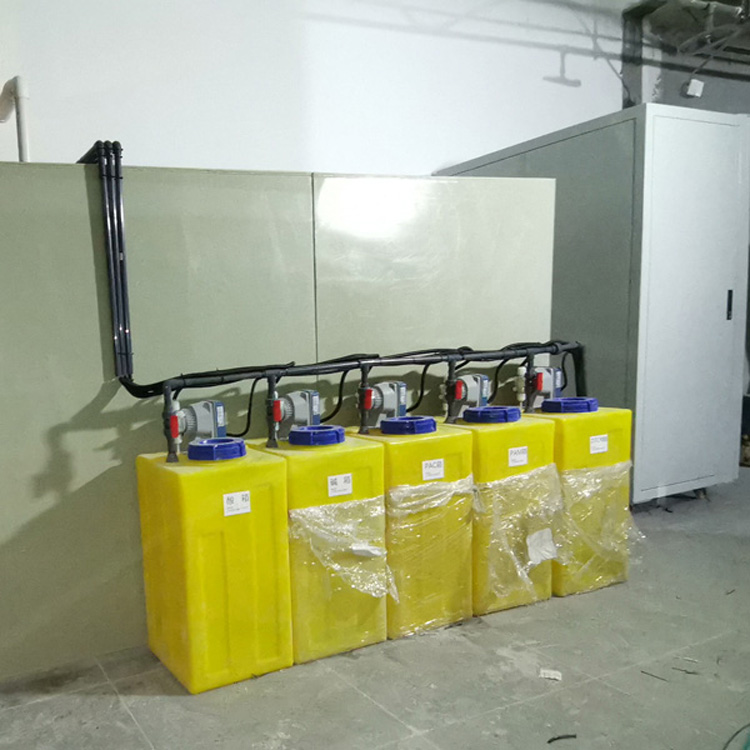
4. Be mindful to prevent the concrete admixture storage tank from freezing and conduct frequent small-scale tests.
5. Inspect all equipment valves and pipelines to ensure there are no blockages, and position them accordingly as "open" or "closed" as required.
6. Ensure all water is drained from the equipment during shutdown to prevent freezing and blockages.