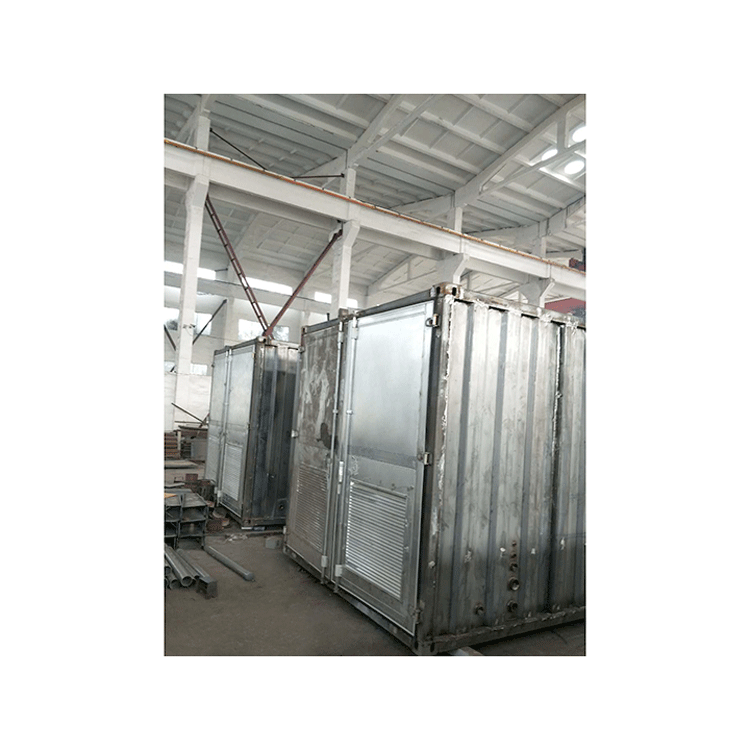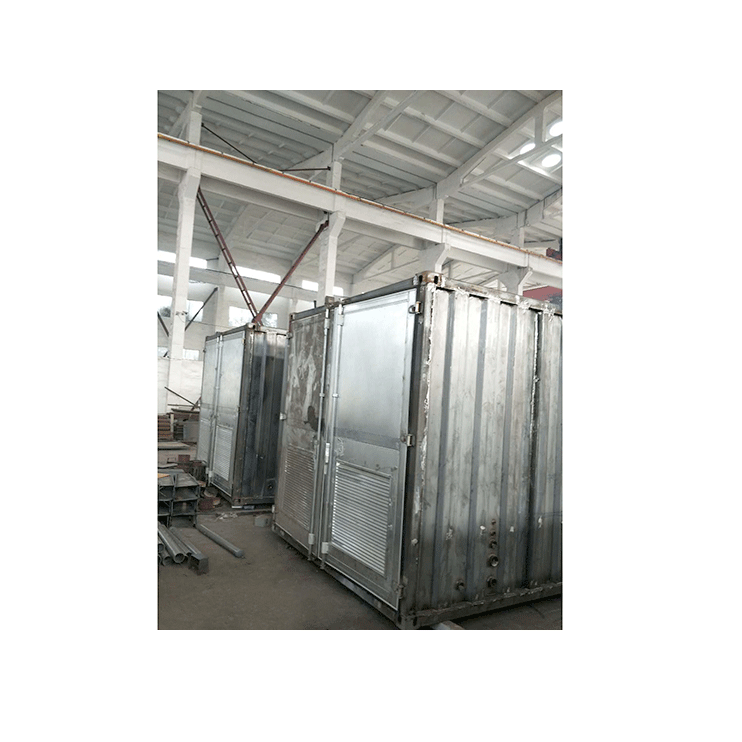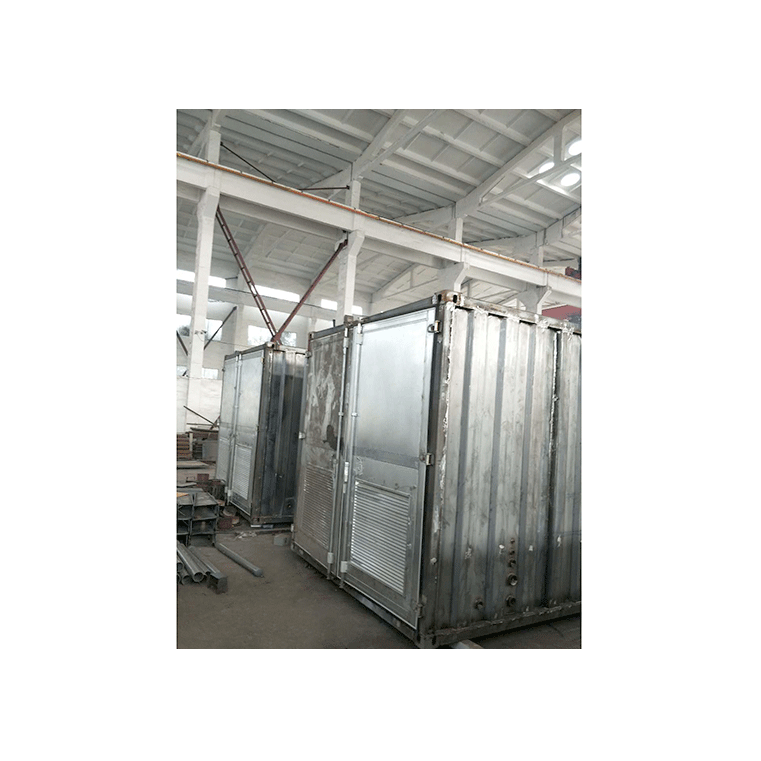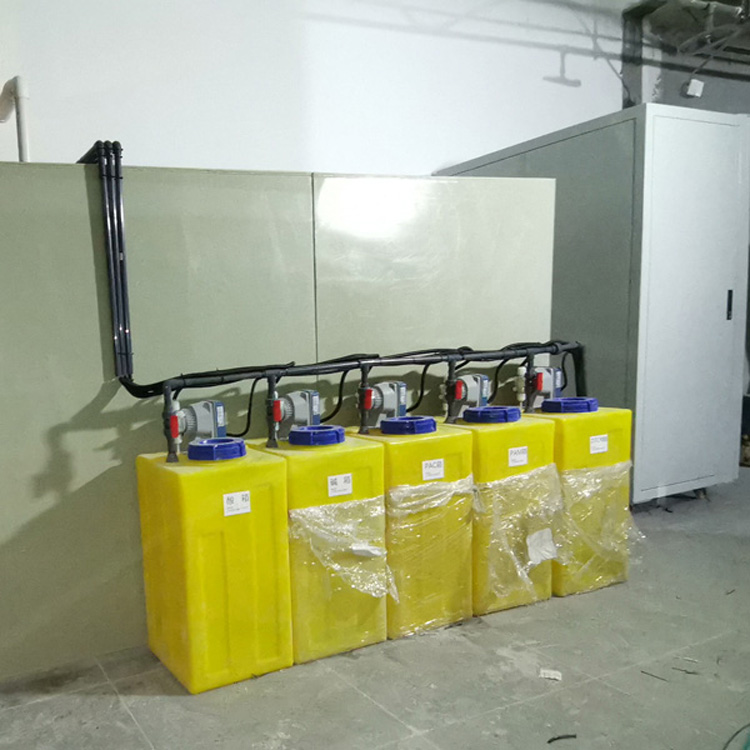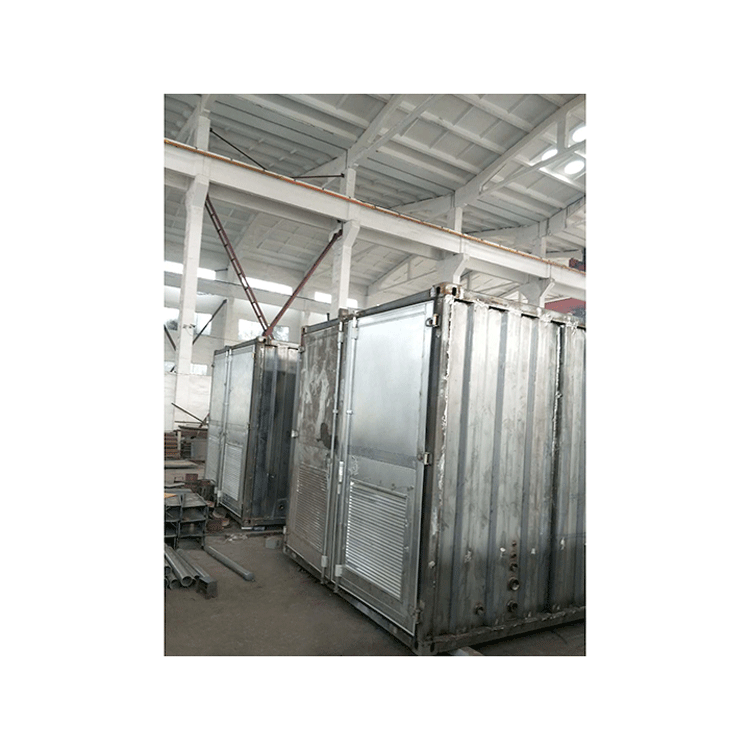

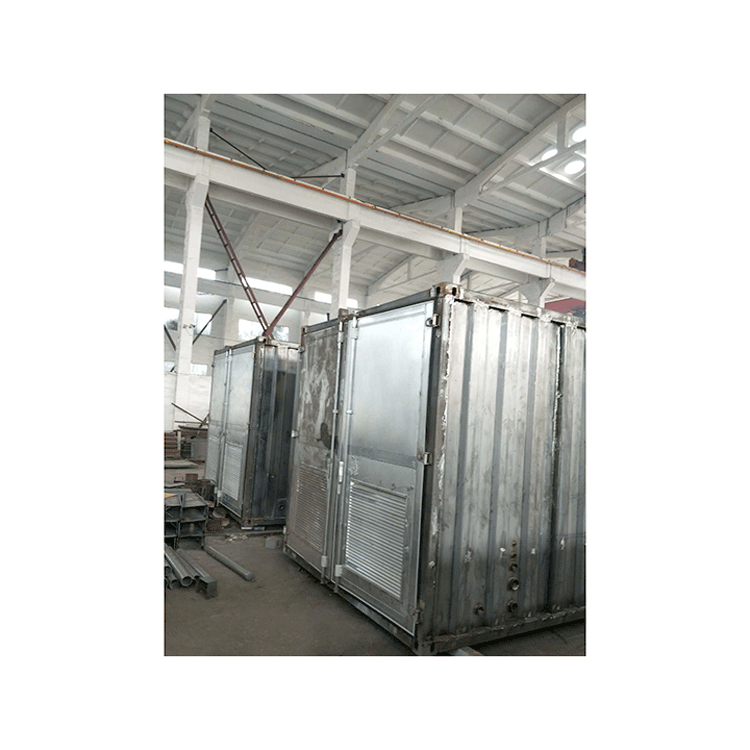
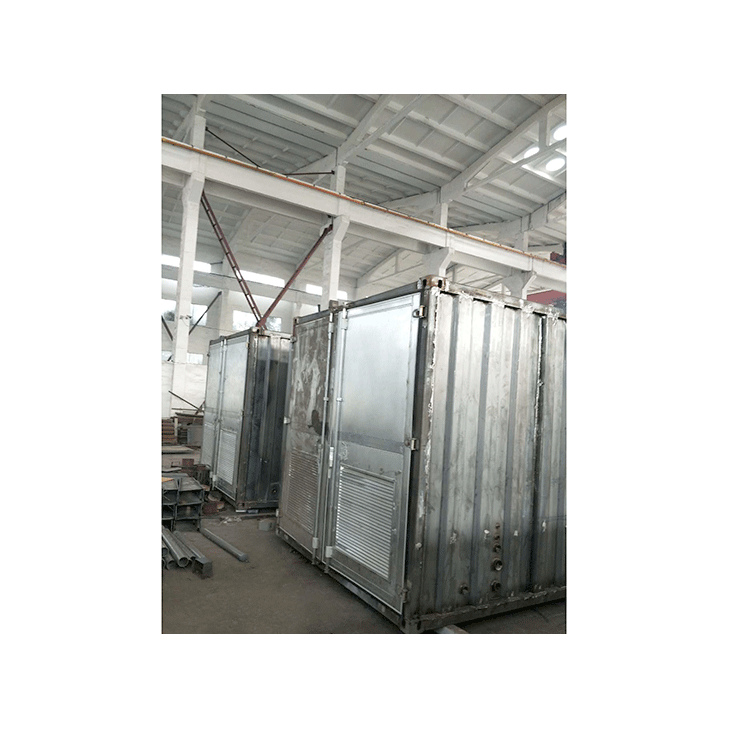
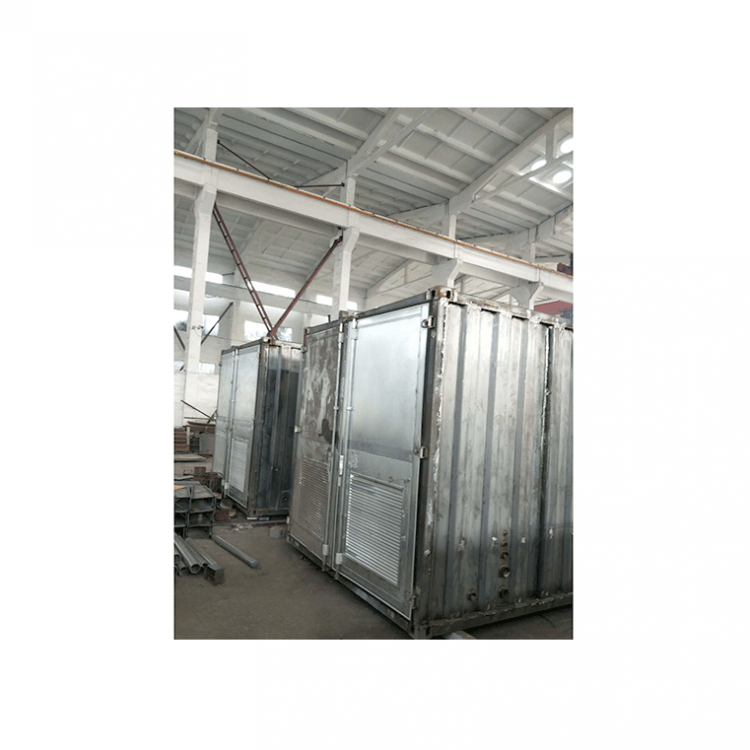








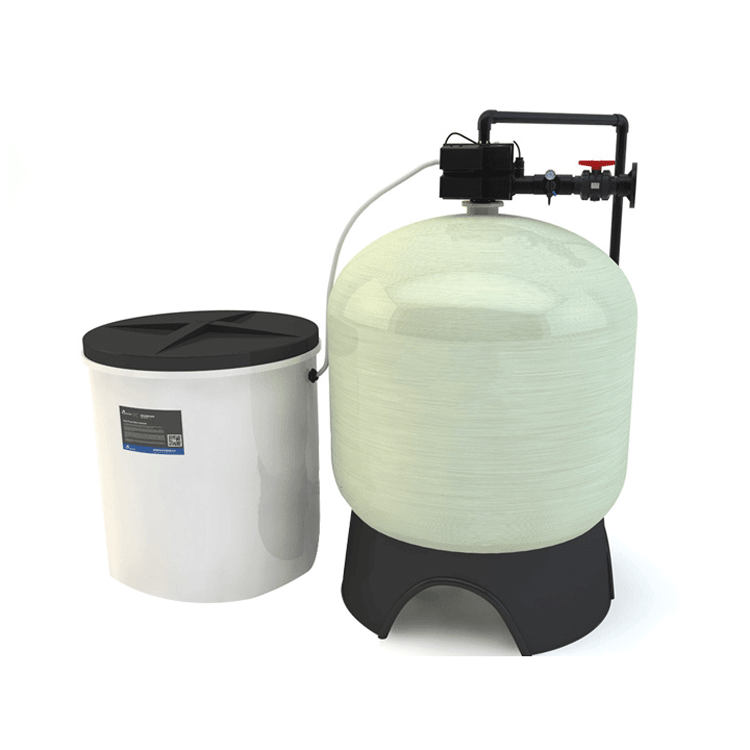

Wastewater Treatment Integrated System
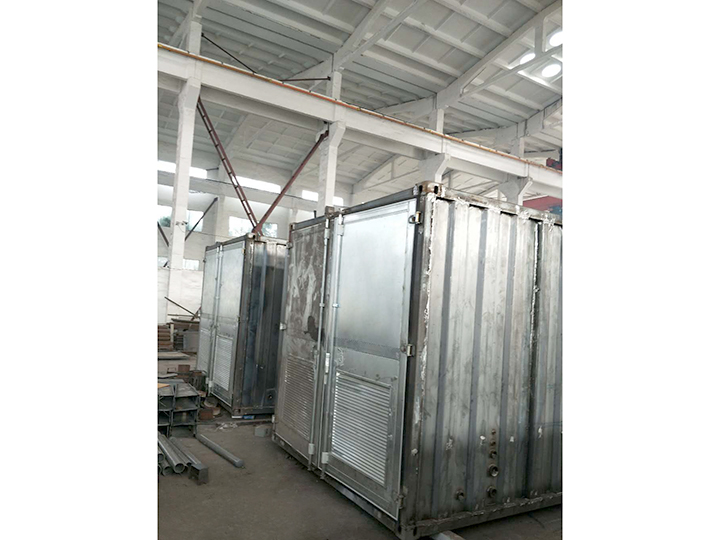
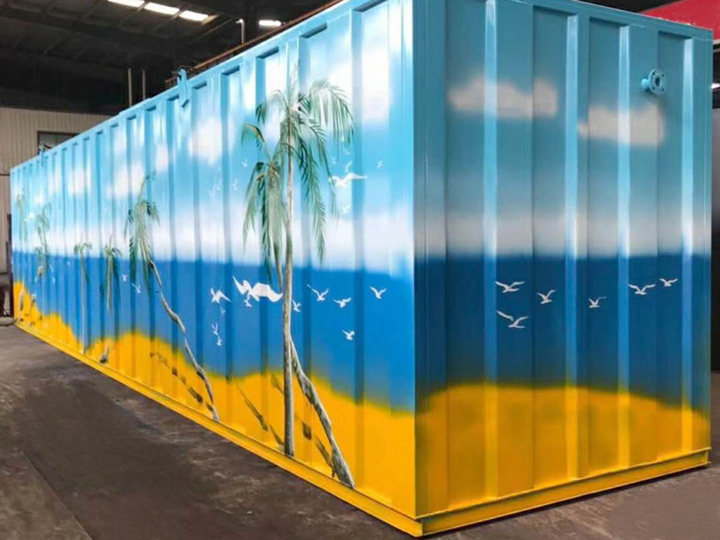
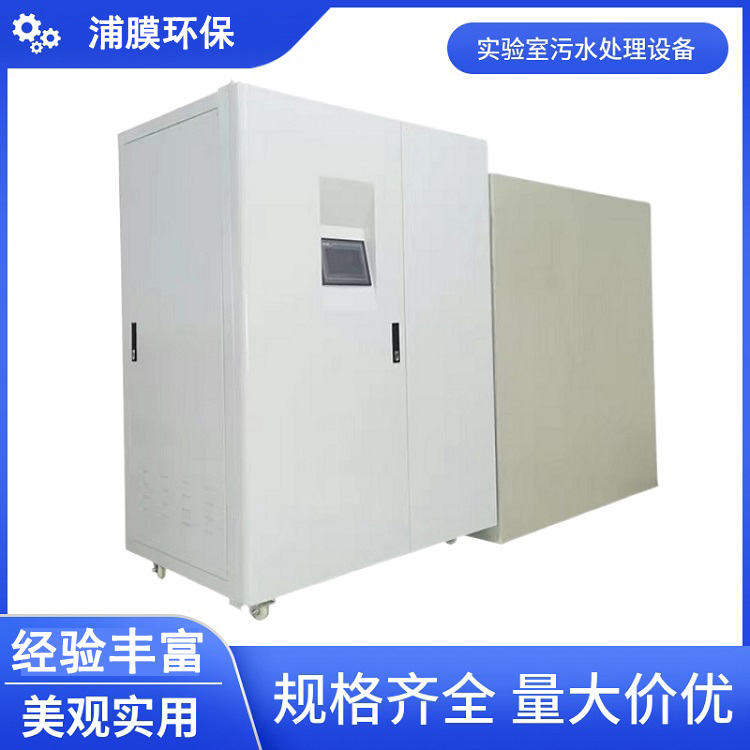
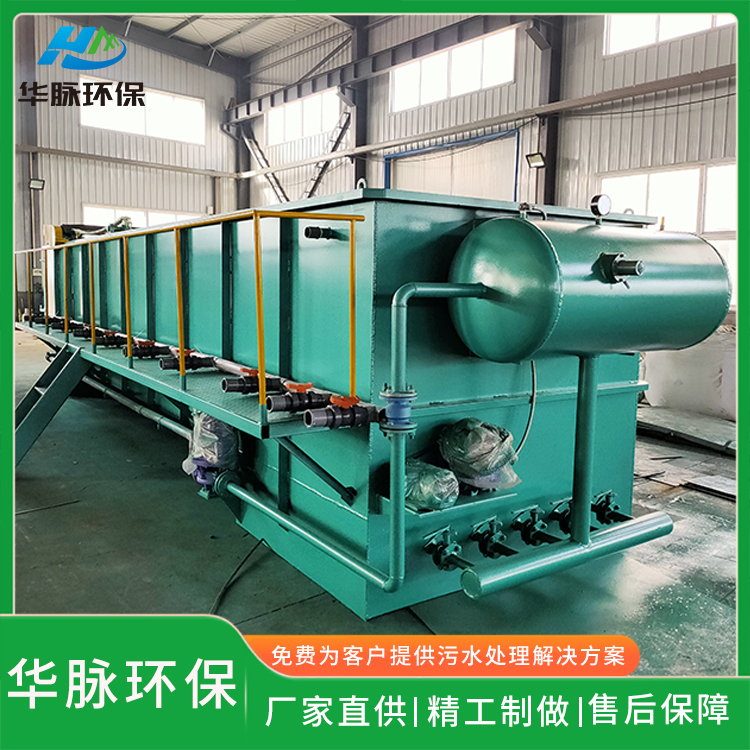
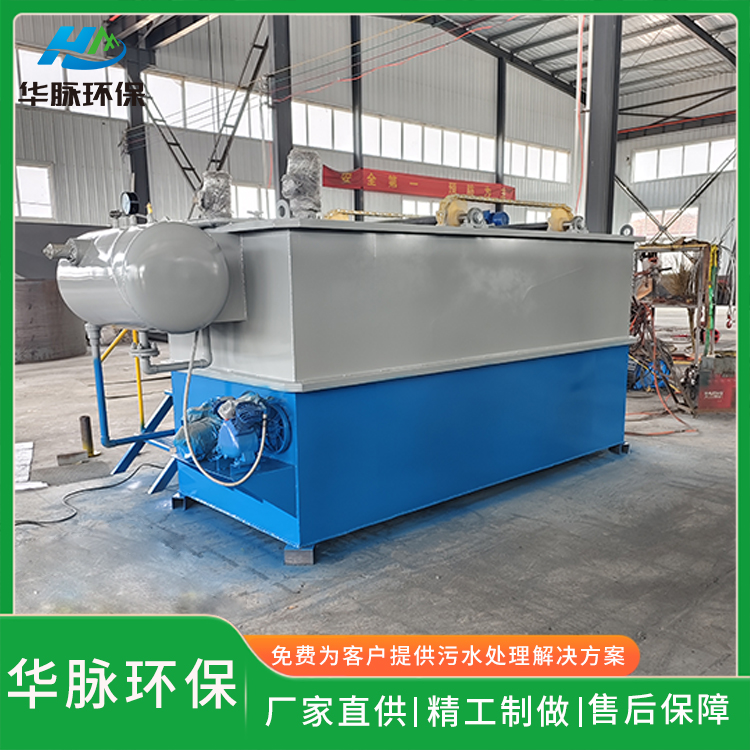
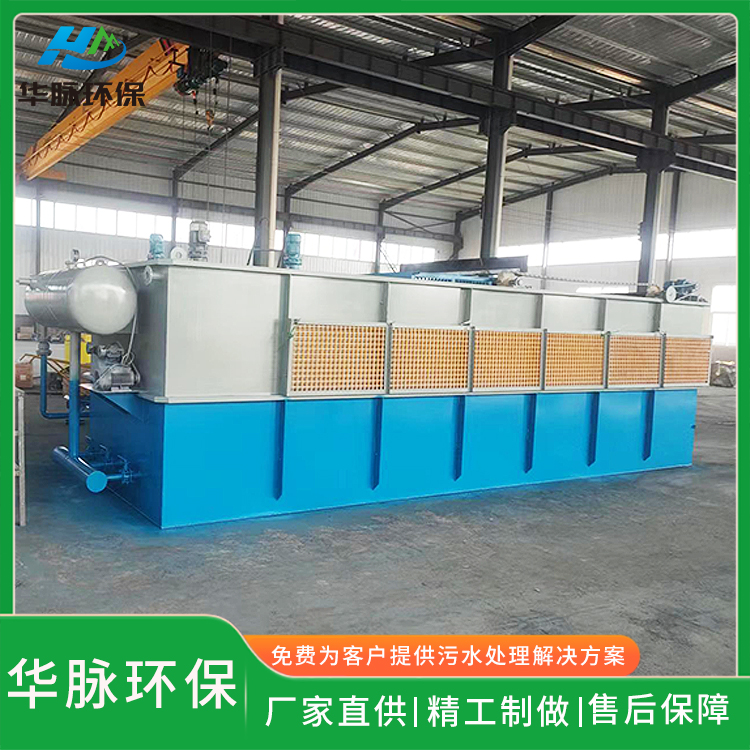
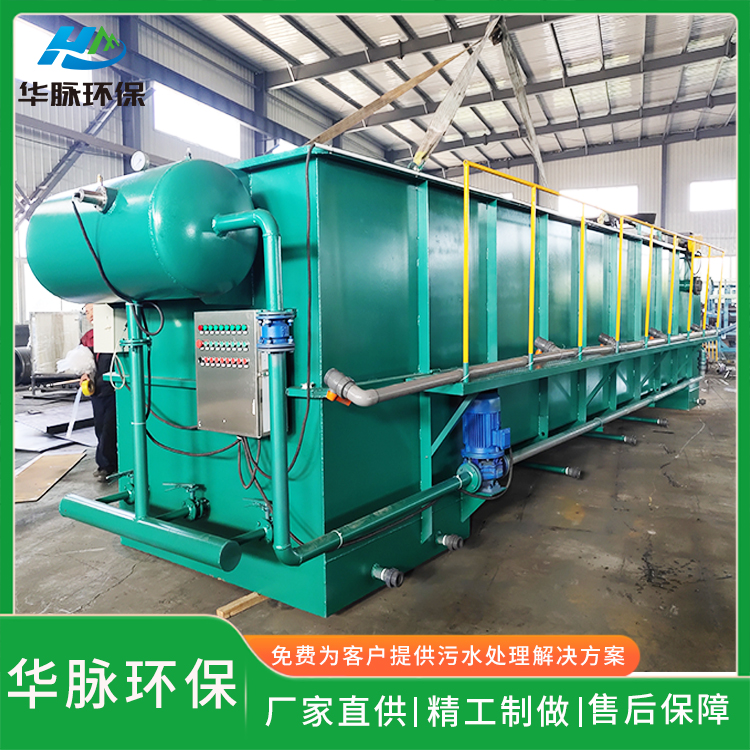
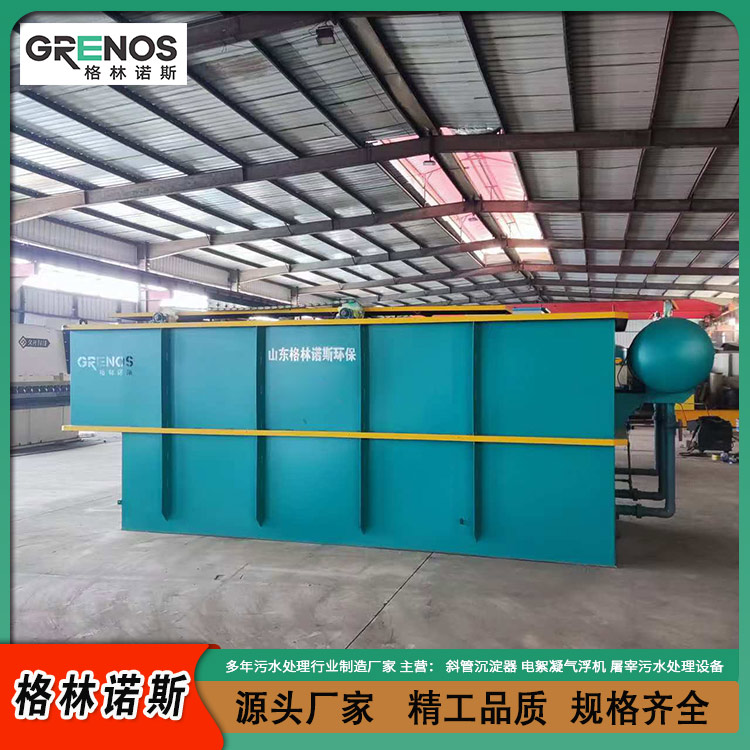
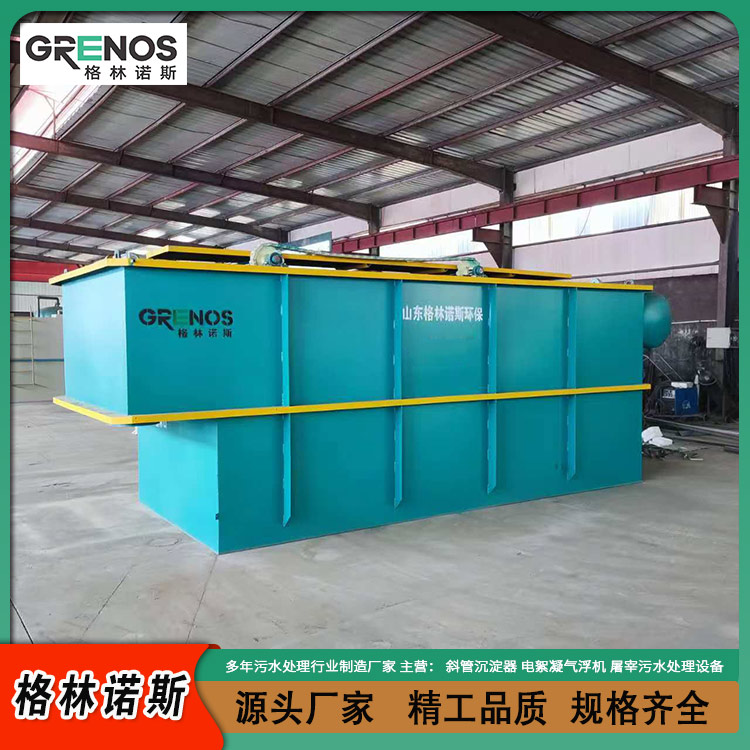
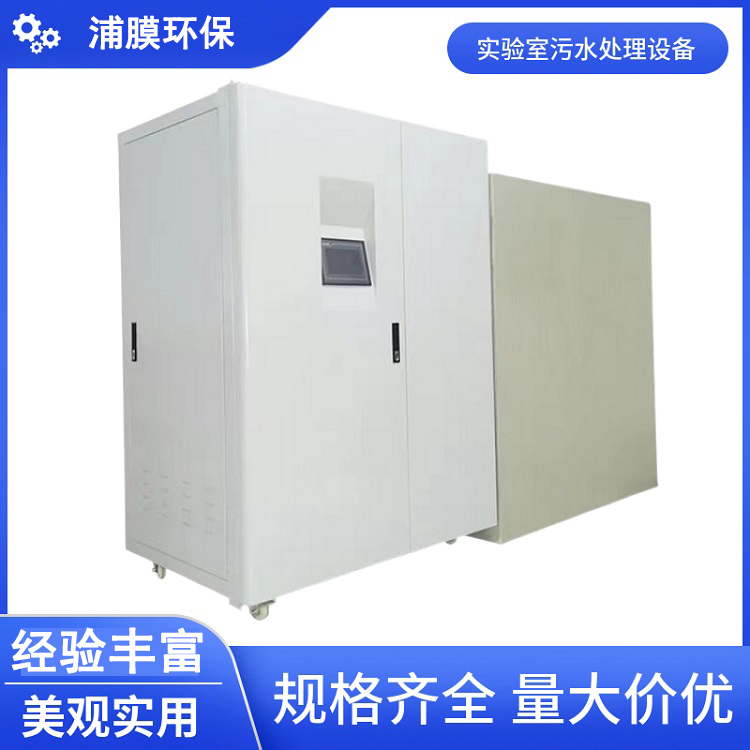
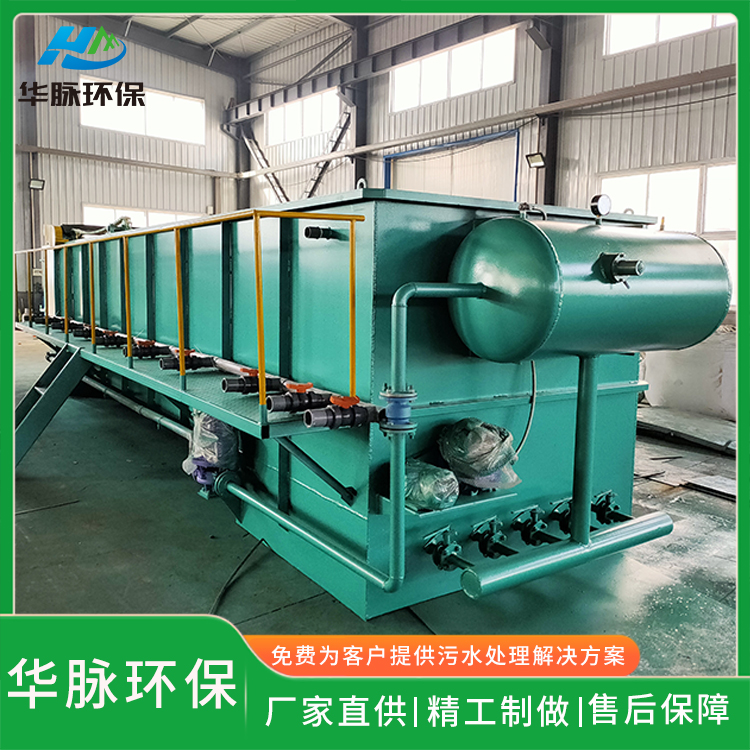
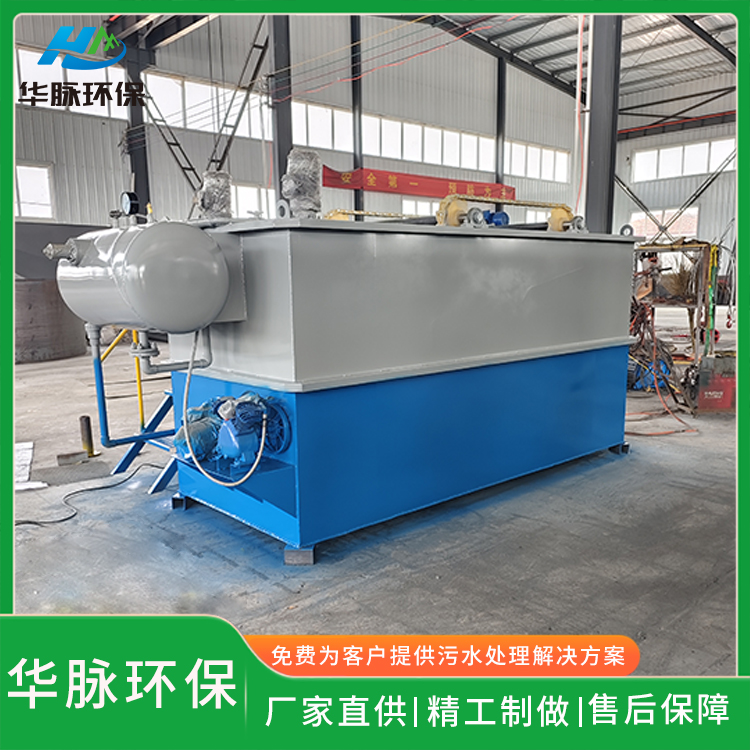
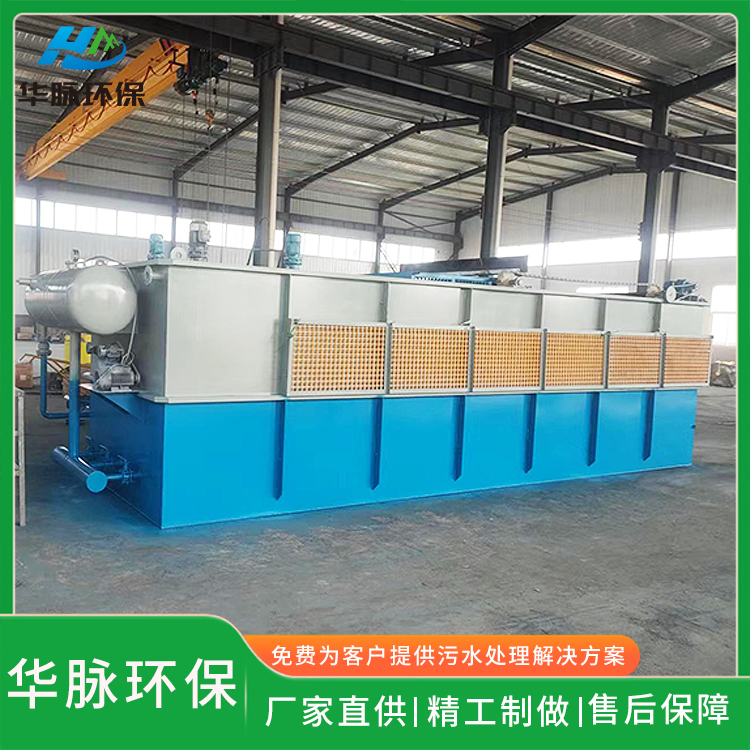
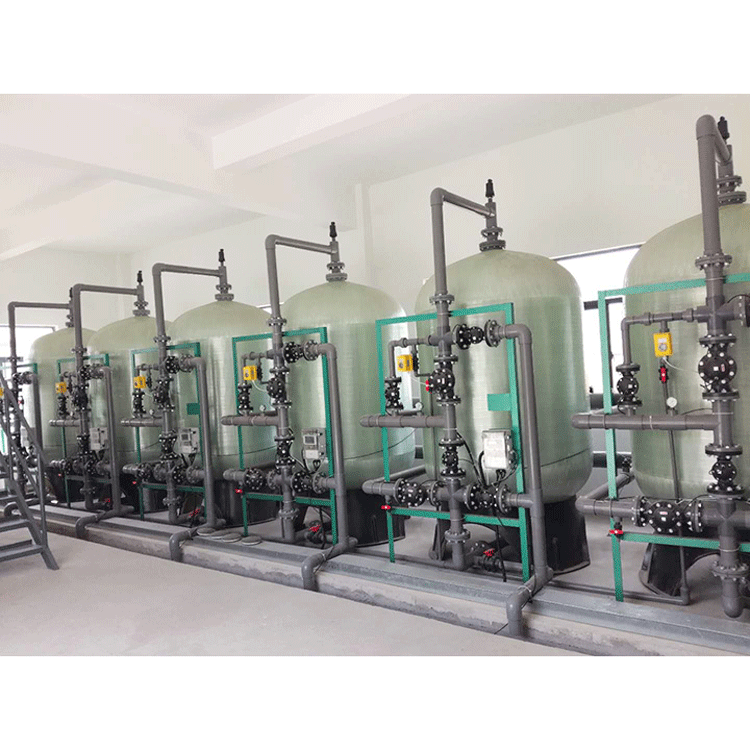
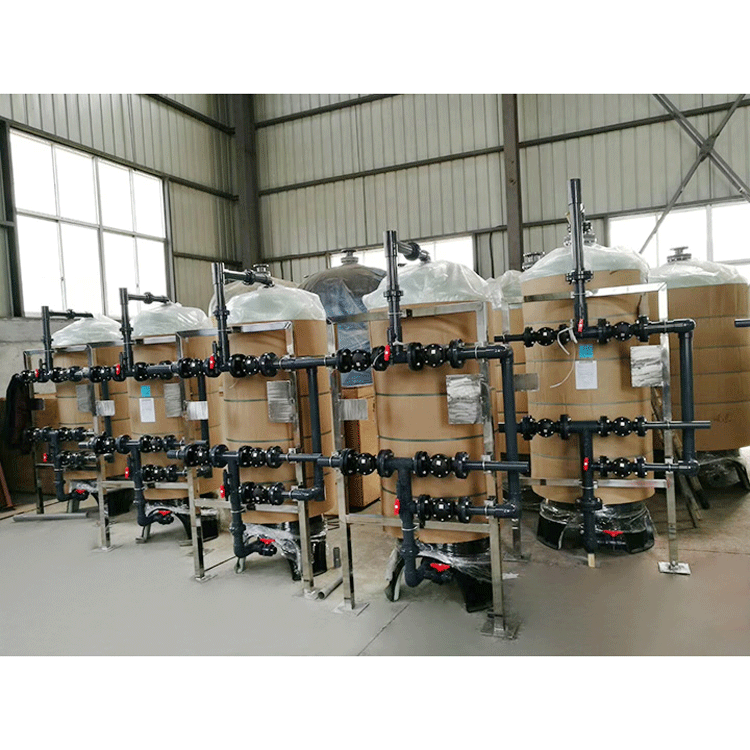
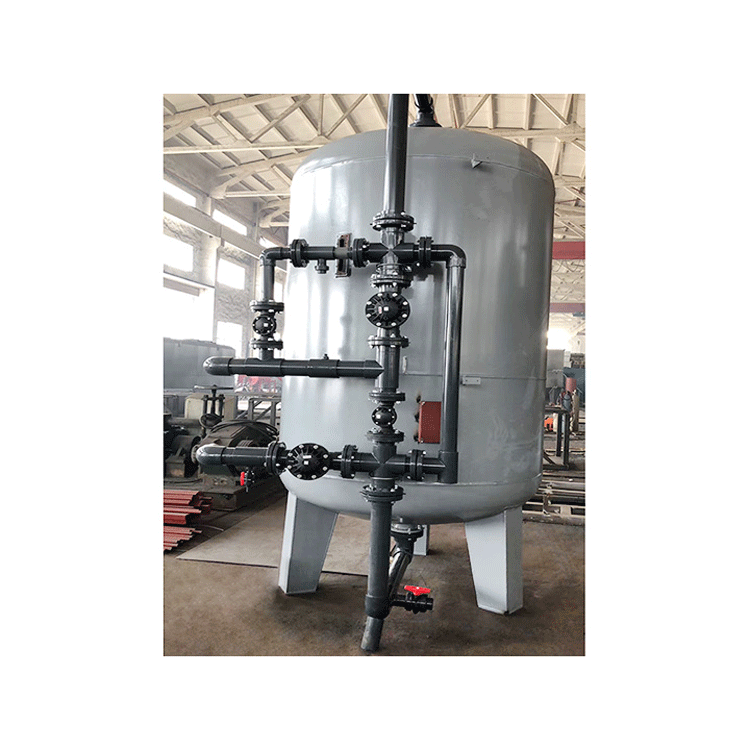
Many wastewater treatment technologies are used domestically and internationally, primarily divided into two main methods: the activated sludge process and the biofilm process. Common methods such as the conventional aeration, oxidation ditch, A/B process, and A2/O process fall under the former, while the biological rotating disk and contact oxidation process belong to the latter. An integrated wastewater treatment unit combines a primary sedimentation tank, I and II stage contact oxidation tanks, a secondary sedimentation tank, and a sludge tank into one unit. It also performs aeration in the I and II stage contact oxidation tanks, effectively integrating the contact oxidation process with the activated sludge process. This unit combines the advantages of both methods while overcoming their disadvantages, thus further enhancing the wastewater treatment level.
1. Strong impact load resistance, with an average retention time in the contact oxidation method exceeding 6 hours.
2. Capable of denitrification and phosphorus removal, and able to treat industrial wastewater, domestic wastewater, and urban wastewater by adjusting the structure of the equipment.
3. The contact oxidation pond is typically filled with composite soft media, which is lightweight, high-strength, and possesses stable physical and chemical properties. It has a large specific surface area, strong biofilm adhesion, and high efficiency of contact between wastewater and the biofilm.
4. The contact oxidation tank employs an aeration device for blowing air, causing the fiber bundles to continuously float and ensuring uniform aeration. This promotes the growth and maturation of microorganisms, exhibiting characteristics of the activated sludge process.
5. Stable effluent quality with minimal sludge production and easy handling.
6. Submersible pumps can be installed within the equipment, reducing engineering investment.
7. Equipment can be placed on the ground or buried underground. When buried, the top can be covered with vegetation, reducing the land area needed for the factory and minimizing ground structures.
8. Easy to implement automatic control with simple management operations.
9. The equipment can be mounted on a vehicle to form a mobile integrated wastewater treatment unit.