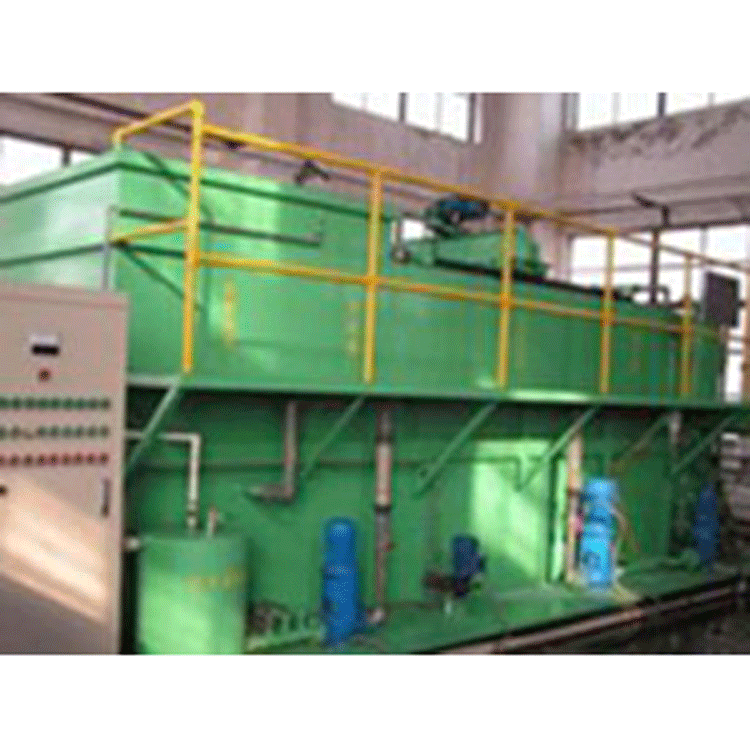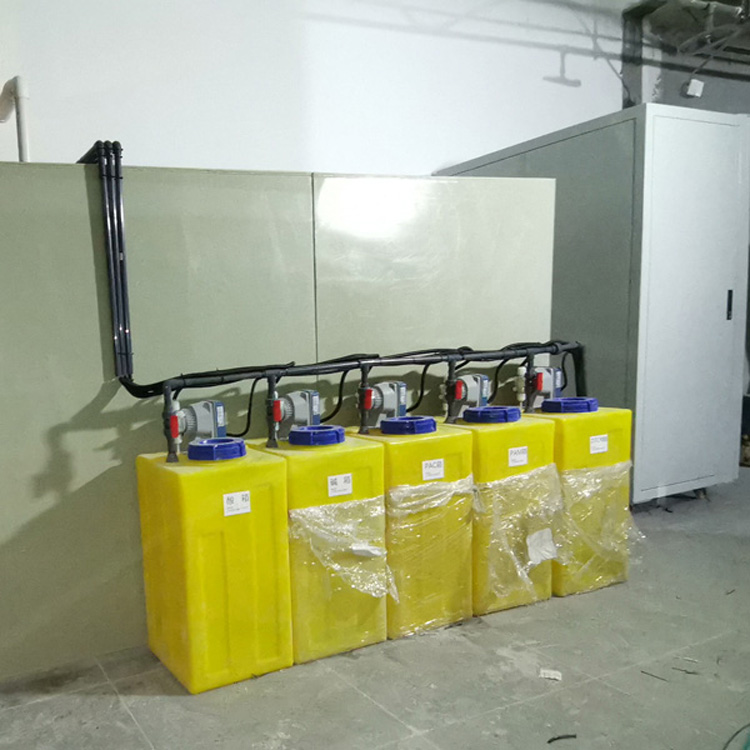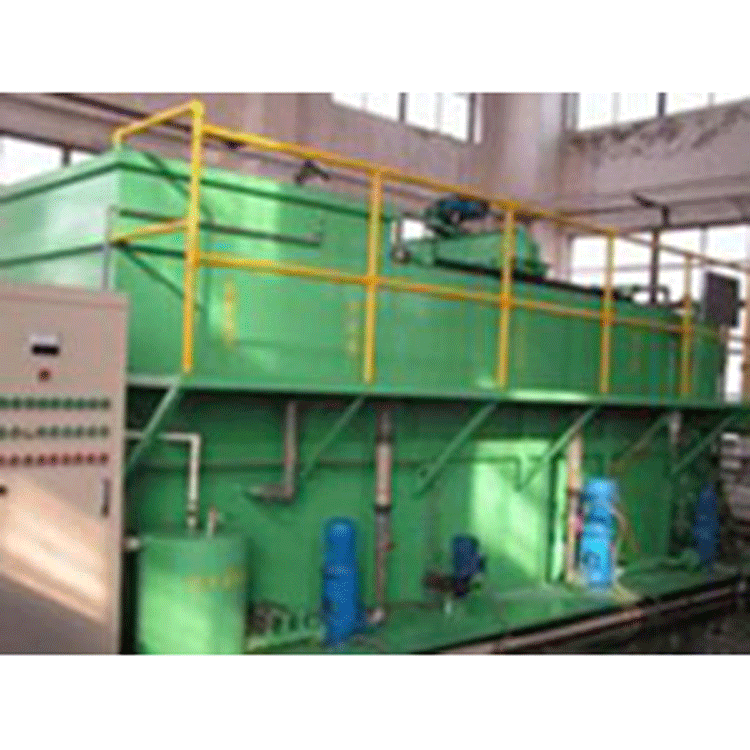









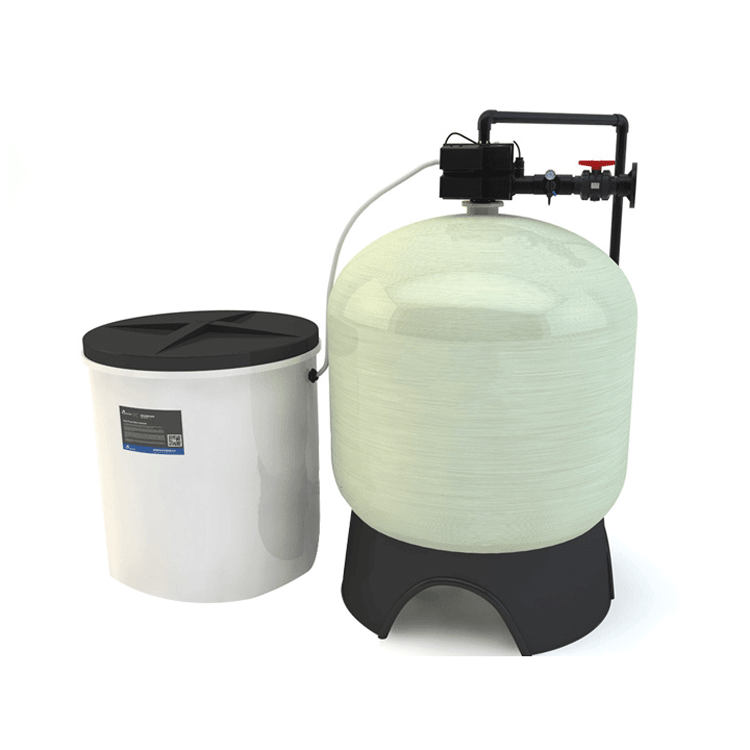

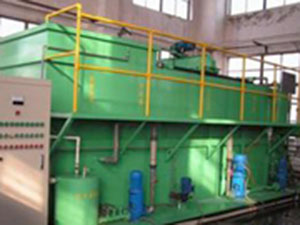
Slaughter wastewater treatment equipment
Detailed Description
The slaughter wastewater contains a large amount of suspended solids and various forms of organic pollutants, with a BOD5/COD ratio greater than 0.4. It is advisable to adopt a treatment process route primarily based on biochemical treatment.
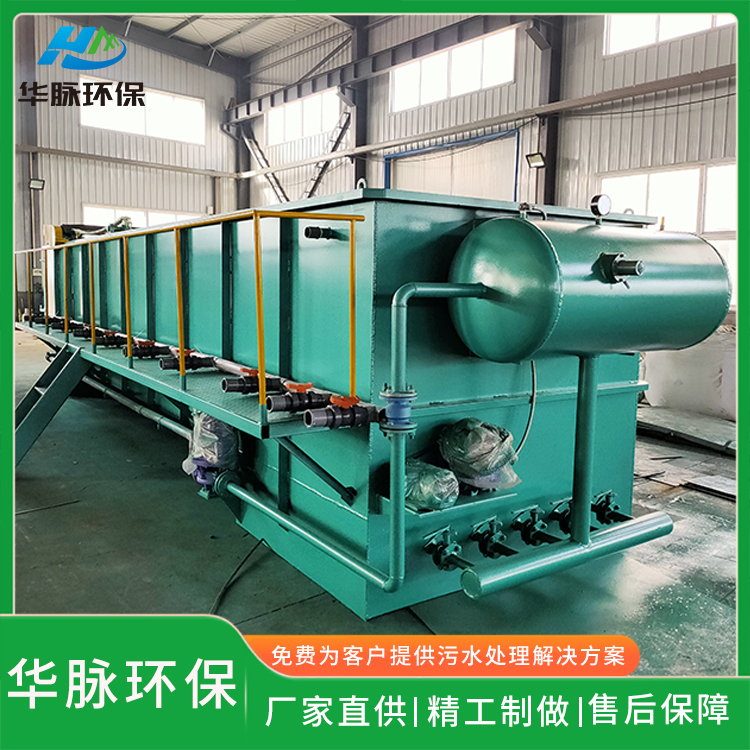
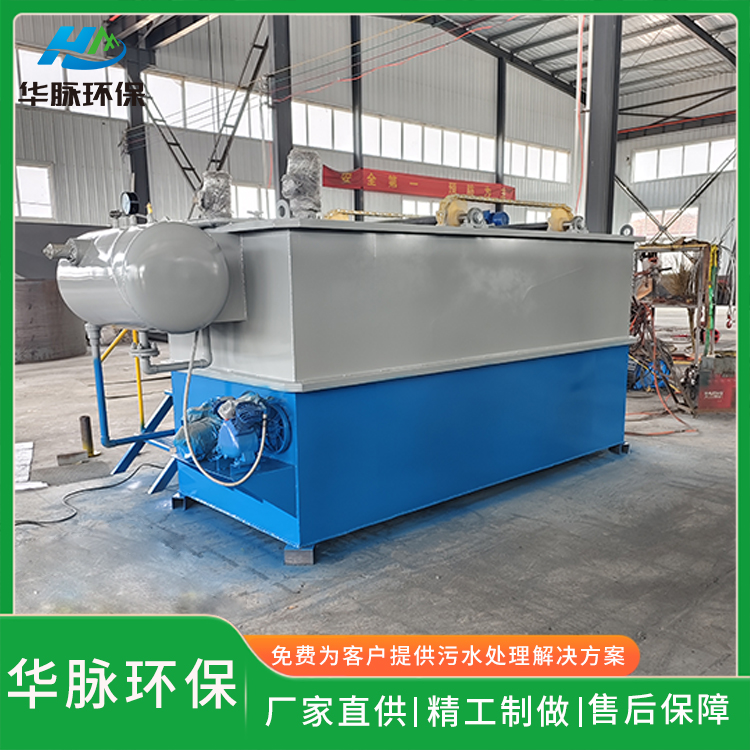
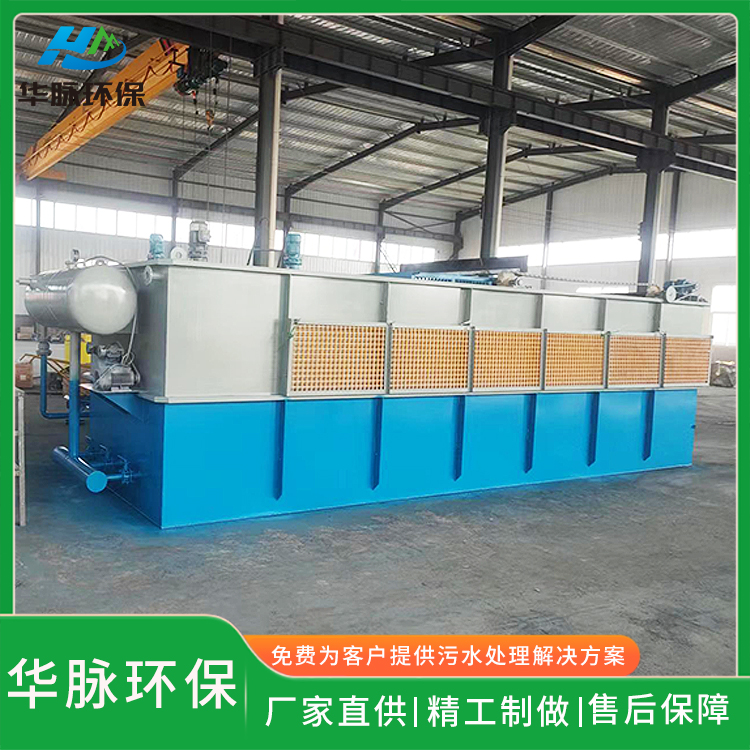
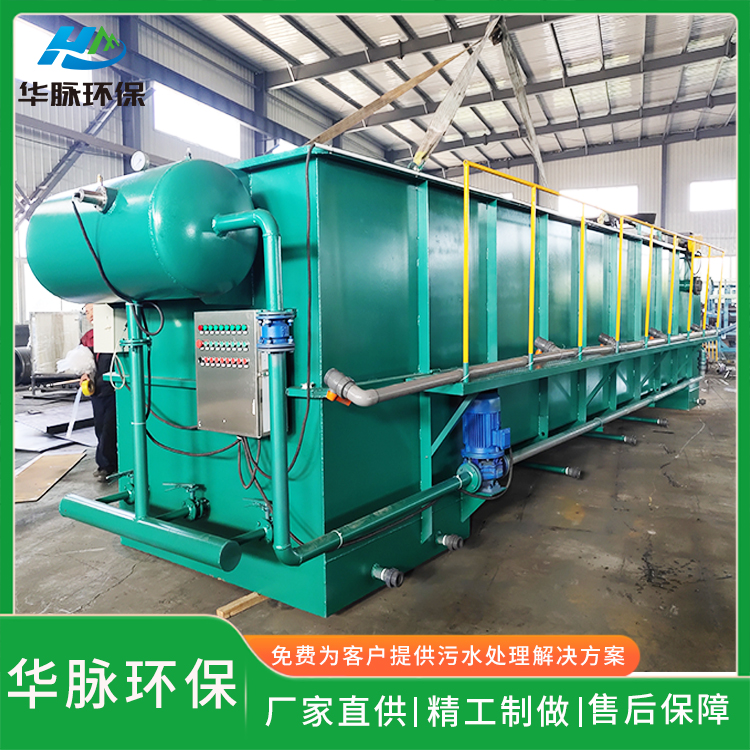
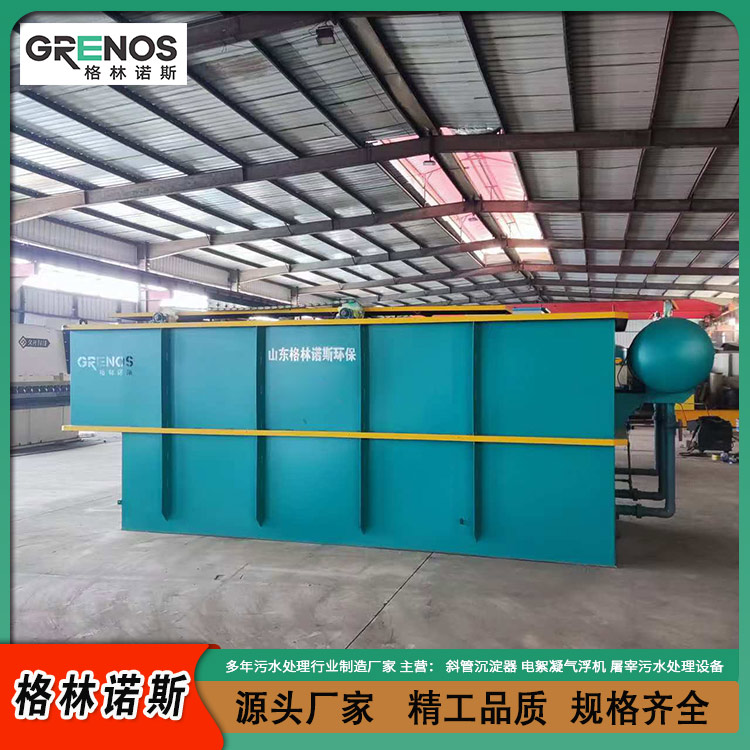
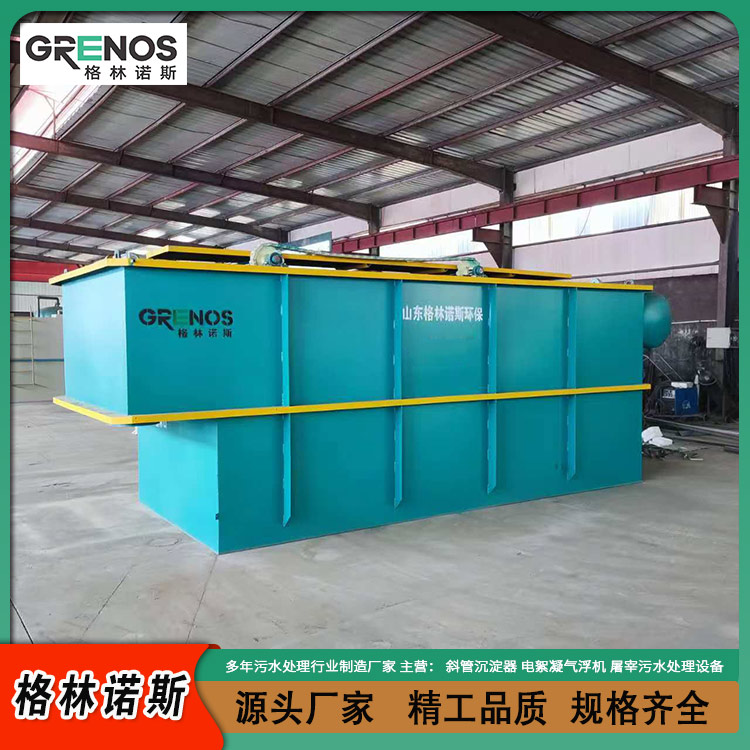
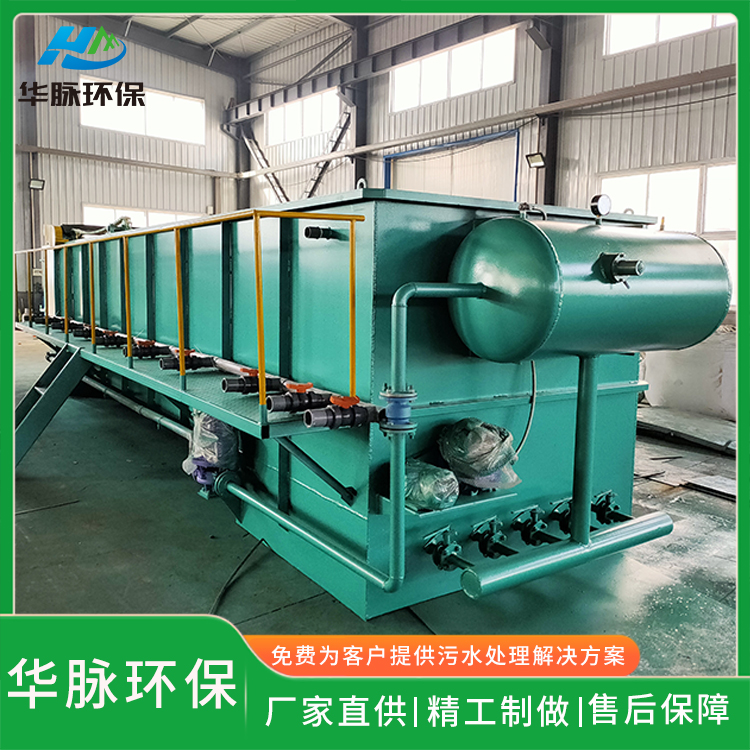
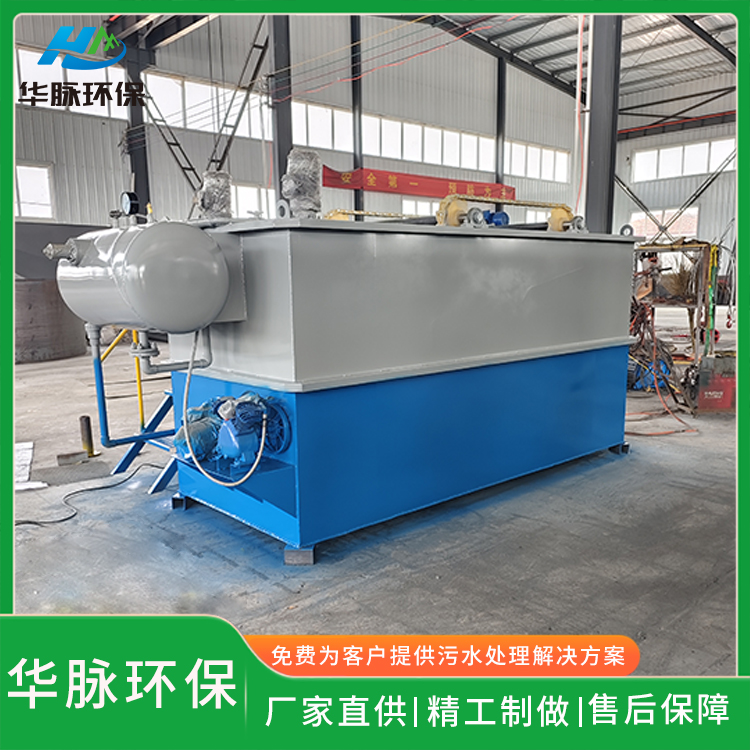
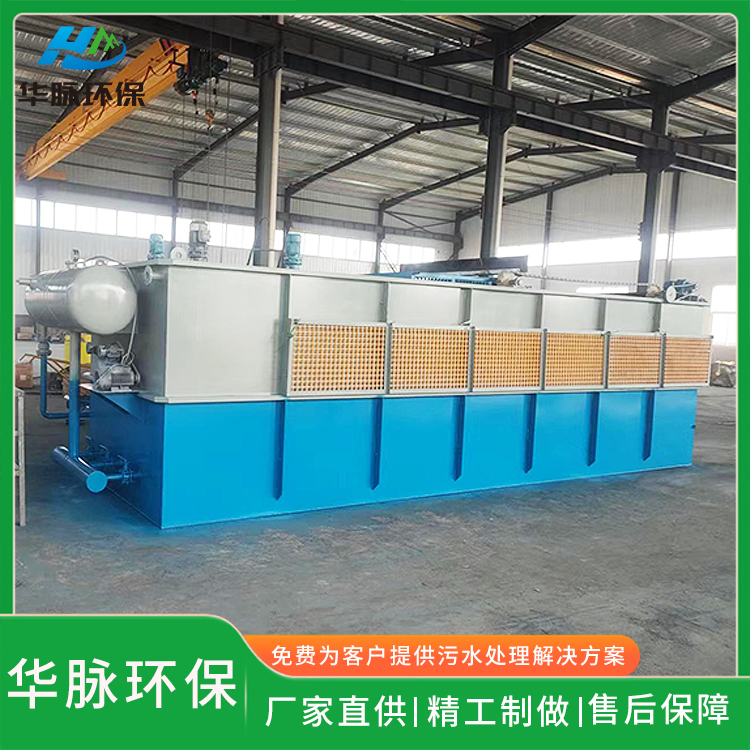
(1) Due to the high concentration of suspended solids and oils in the wastewater, pretreatment is required. This process employs a pretreatment route of: grating + adjustment + oil separation + air flotation.
(2) The biochemical treatment process is divided into two main categories: anaerobic and aerobic.
Currently, the wastewater treatment in the屠宰 industry mainly employs a pure anaerobic + aerobic and anaerobic pre-treatment (hydrolysis and acidification section) + aerobic process. This design utilizes the hydrolysis and acidification process + contact oxidation process.
The hydrolysis and acidification process is the initial stage of the anaerobic process, serving to degrade organic macromolecules such as oil, fats, and proteins into organic low-molecular substances, facilitating the subsequent aerobic treatment.
Aerobic processes include traditional activated sludge process, SBR process, CASS, and contact oxidation method, etc. This plan selects a mature contact oxidation process to further remove suspended biological solids, color, dissolved, and colloidal organic pollutants from the wastewater, ensuring the treated effluent meets stable standards. Due to the relatively small volume of wastewater, an integrated wastewater treatment unit is adopted for the biochemical treatment section.