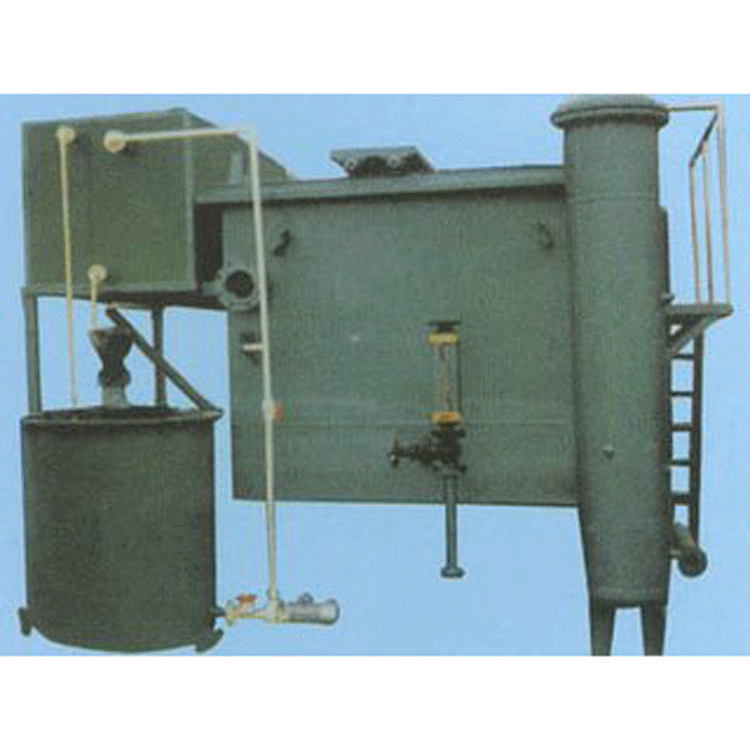

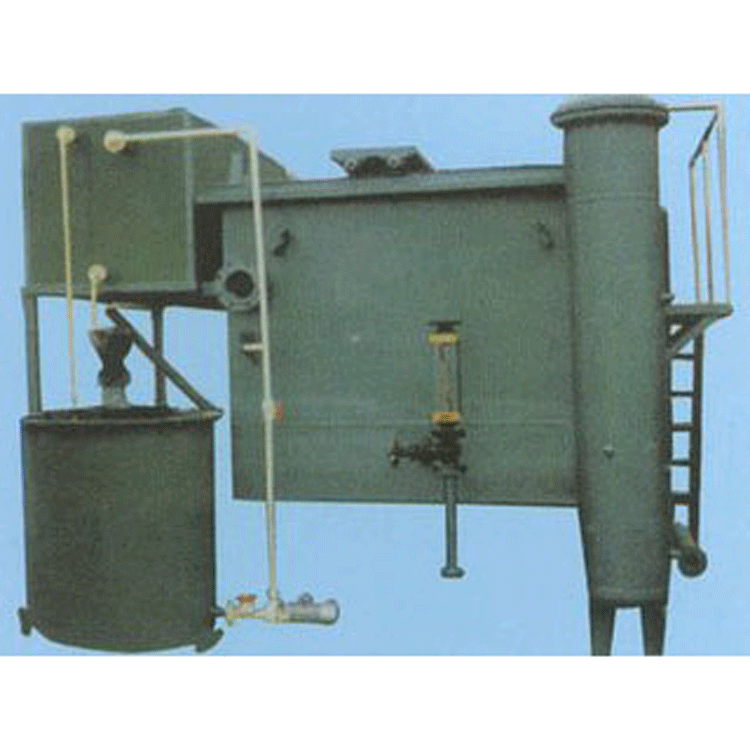
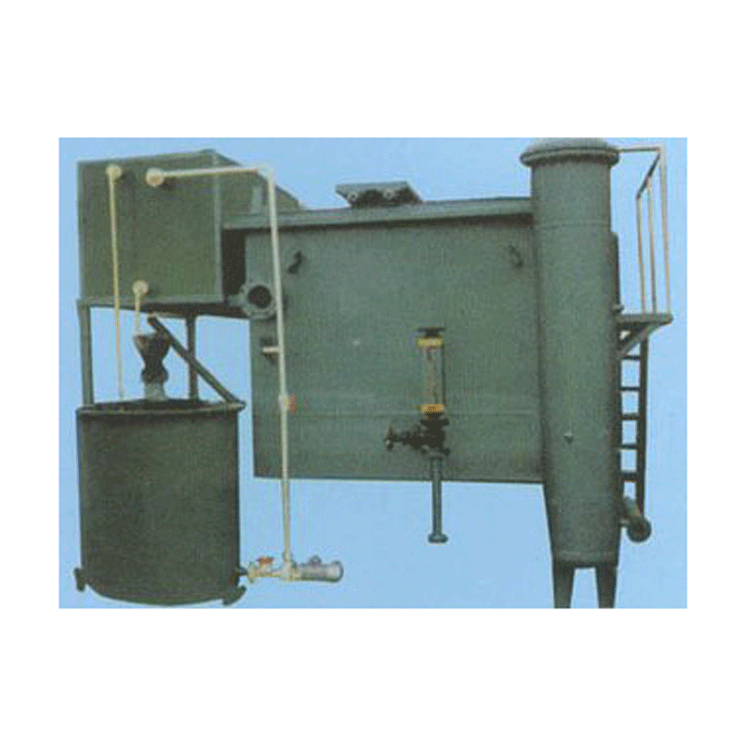
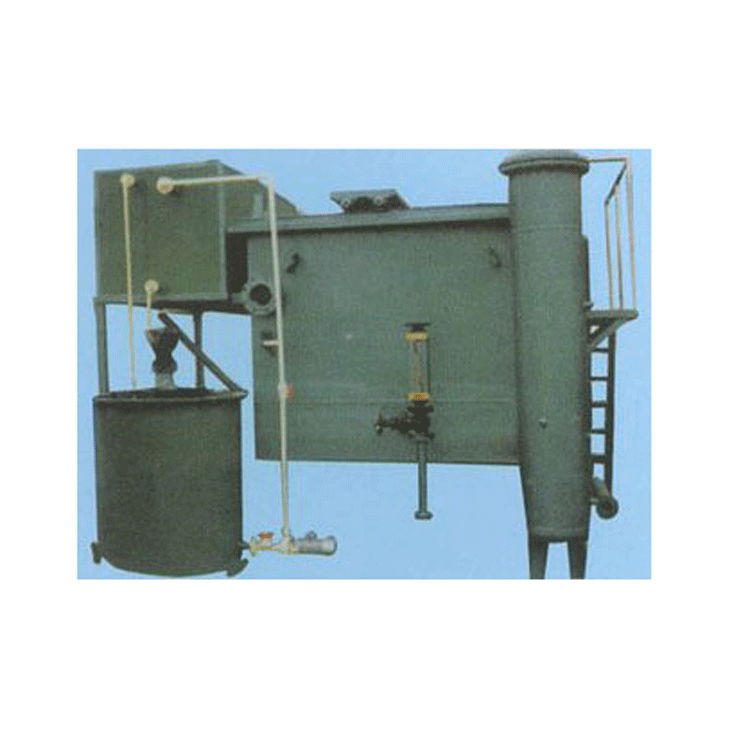









BS Floating Device
Overview
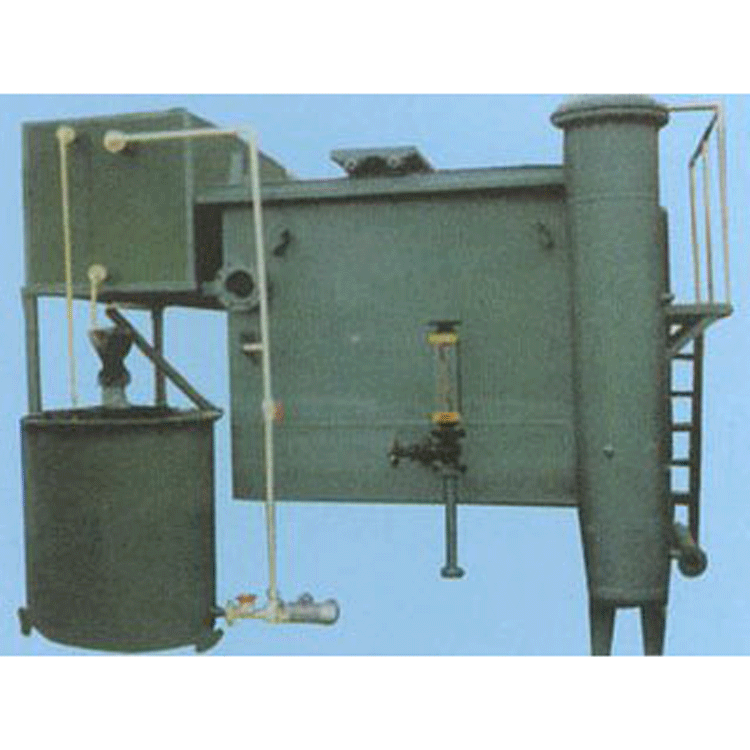
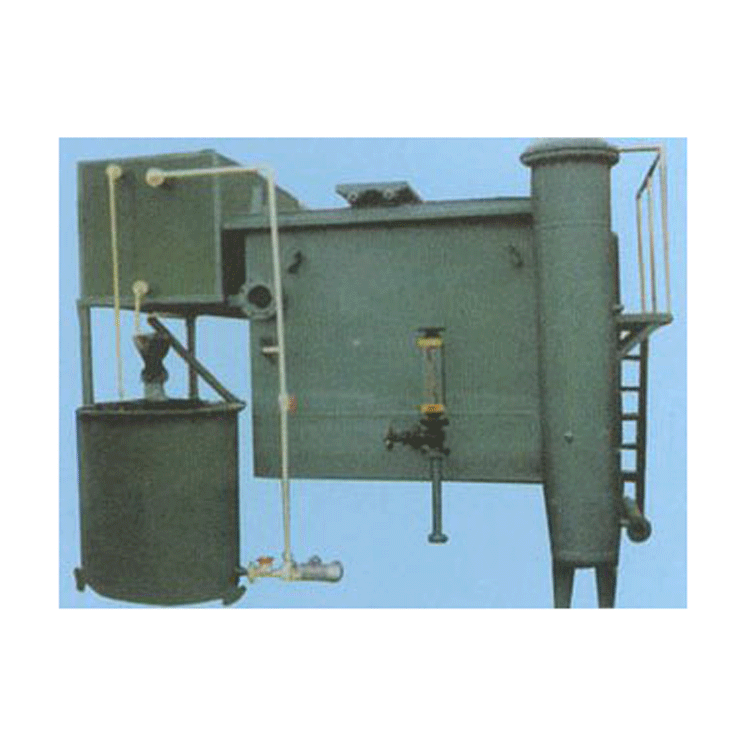
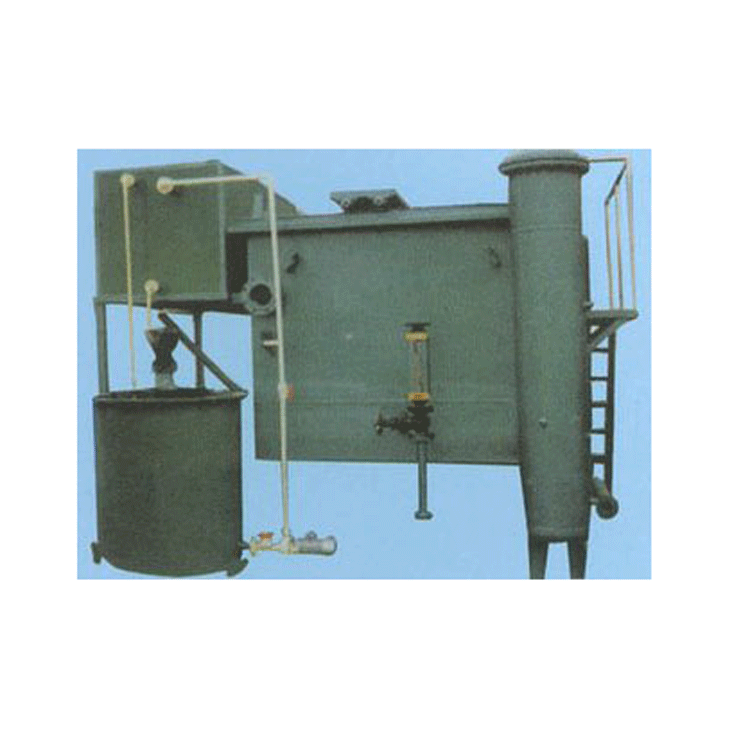
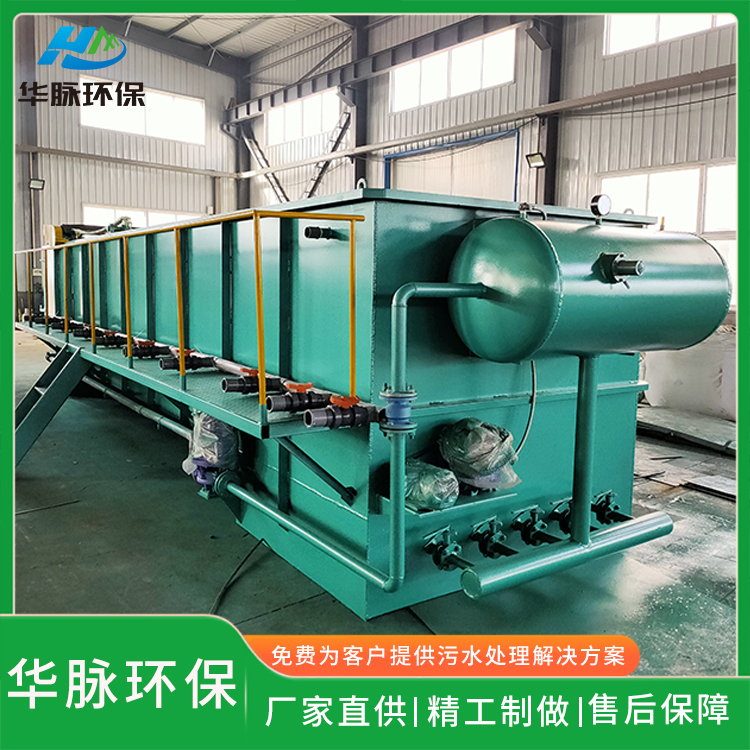
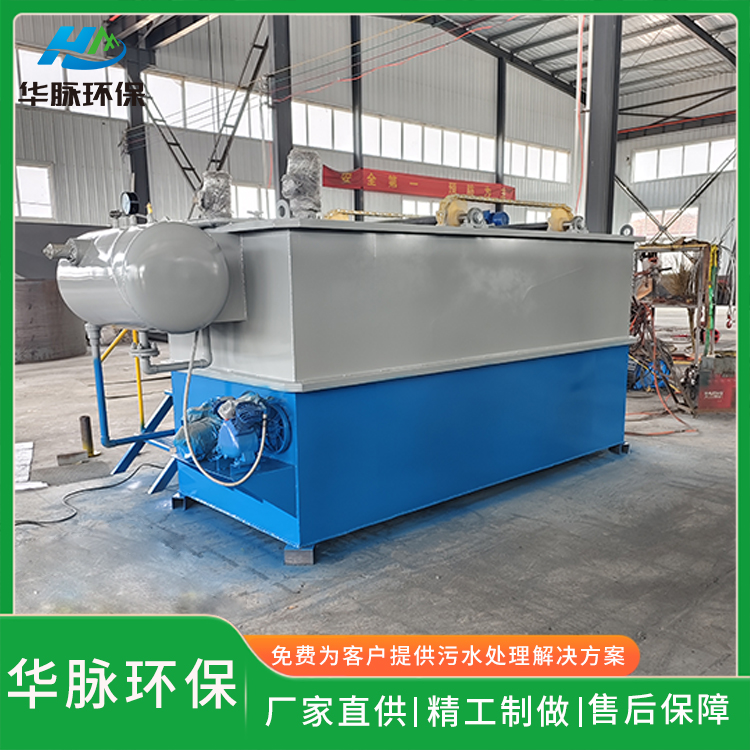
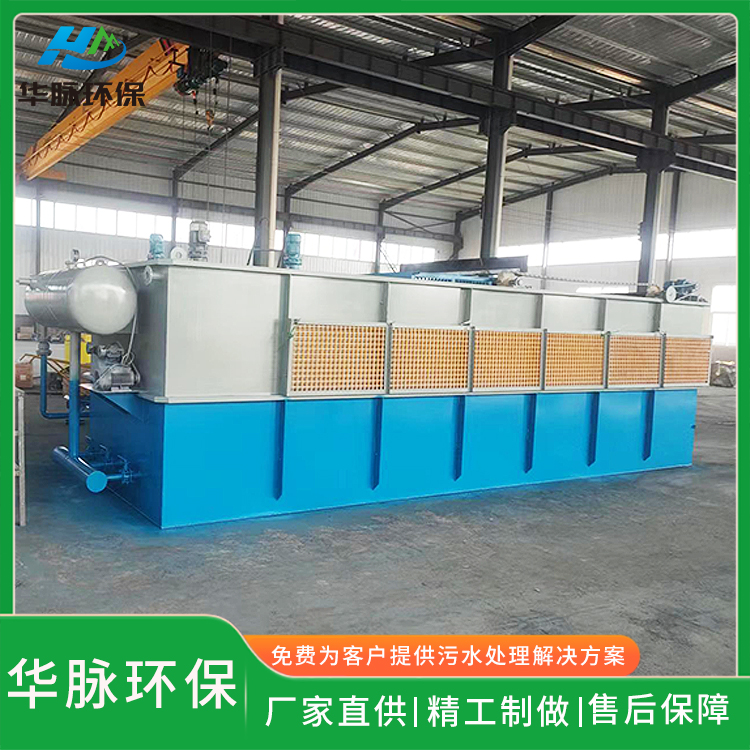
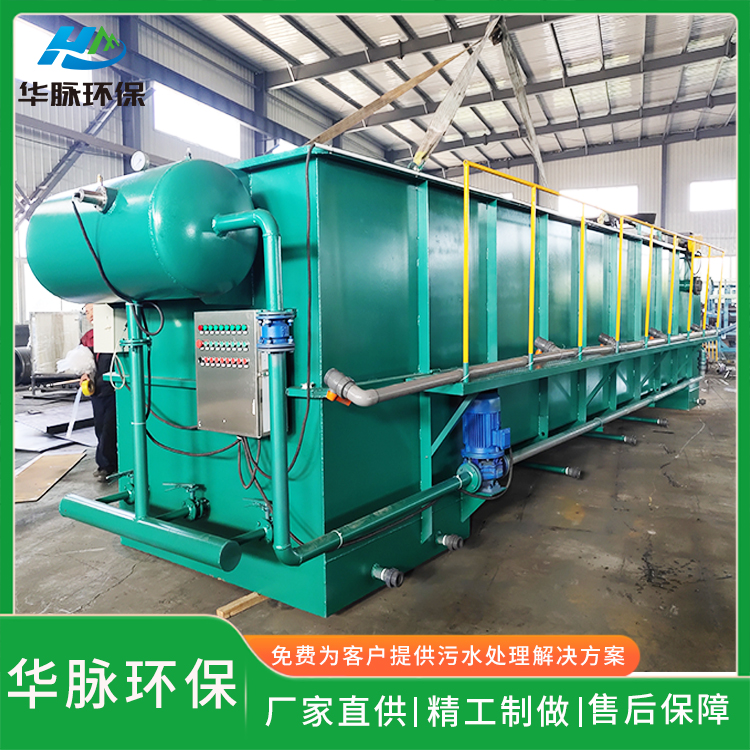
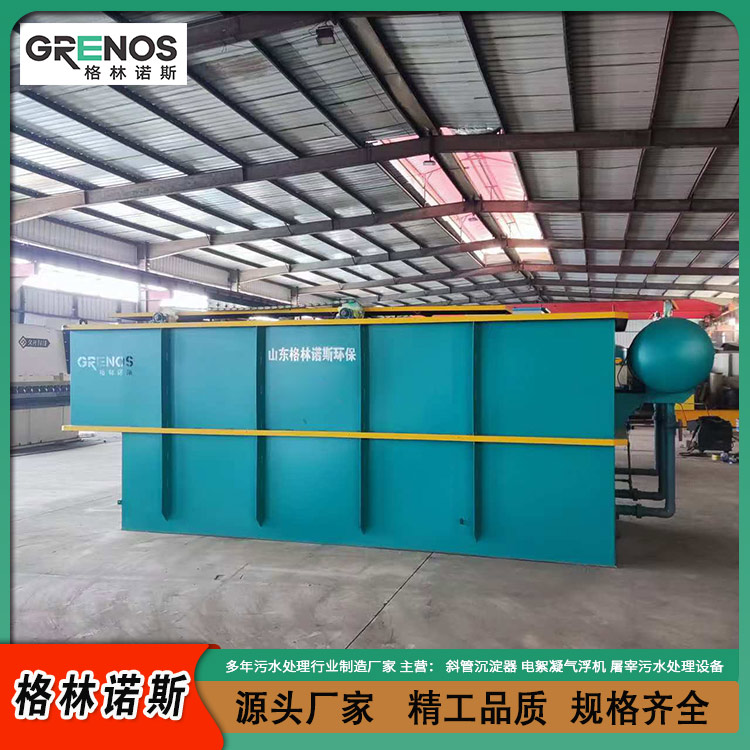
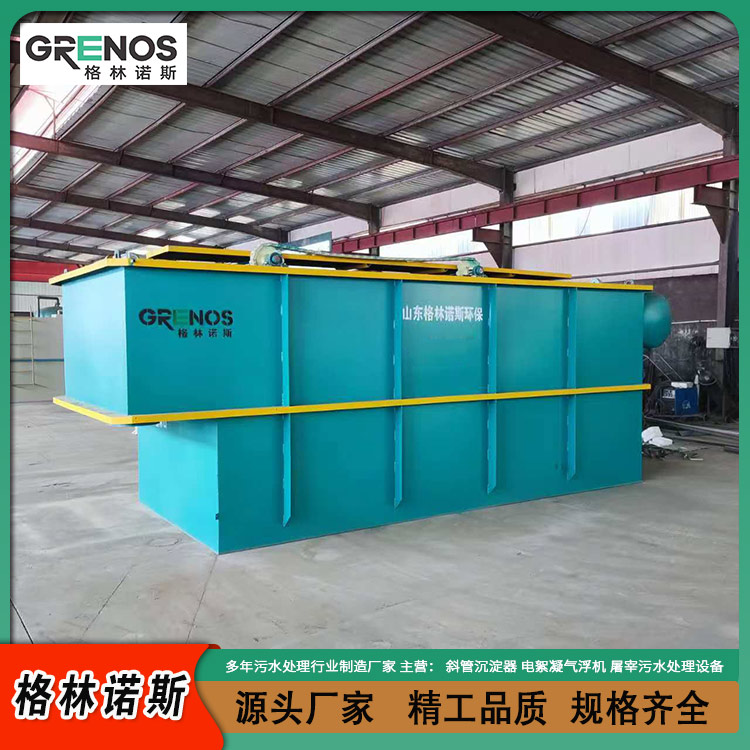
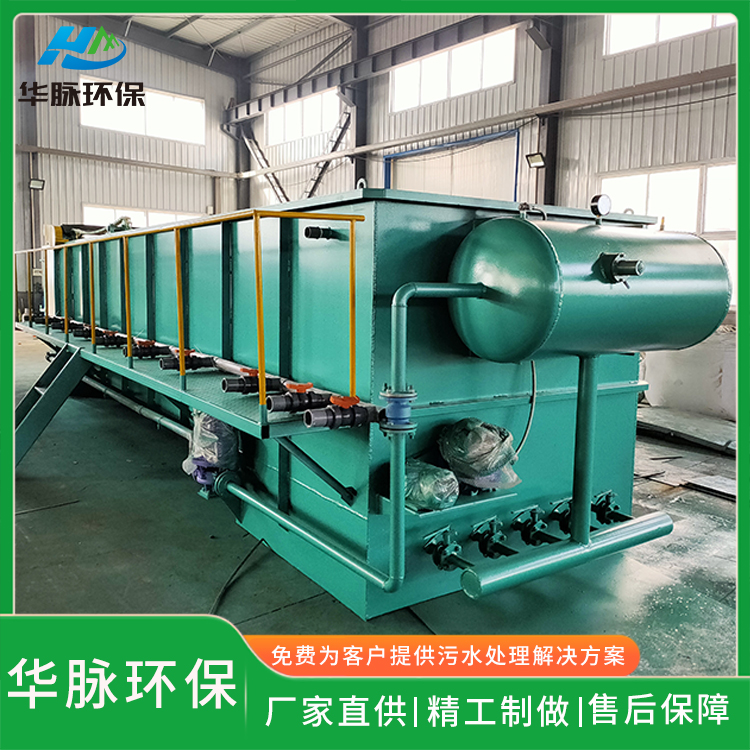
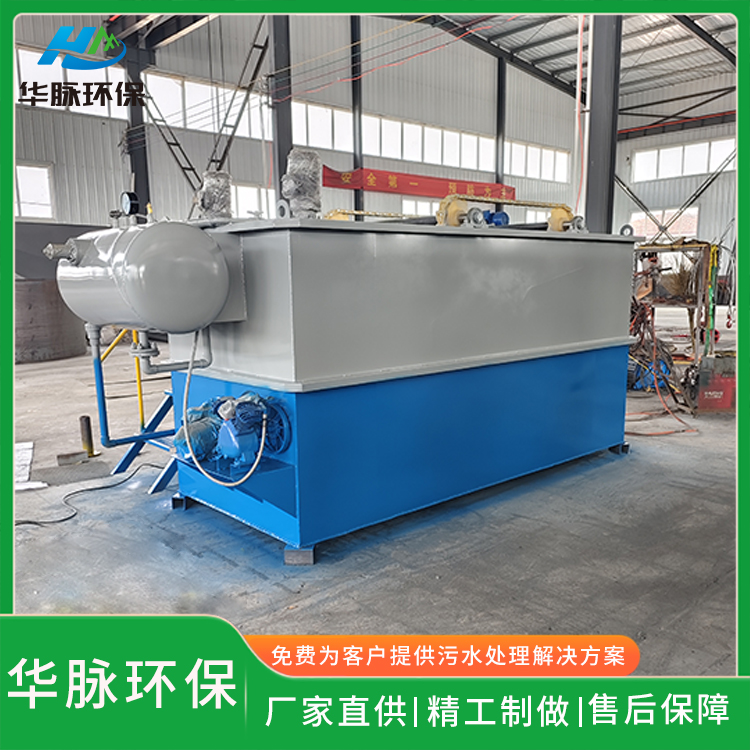
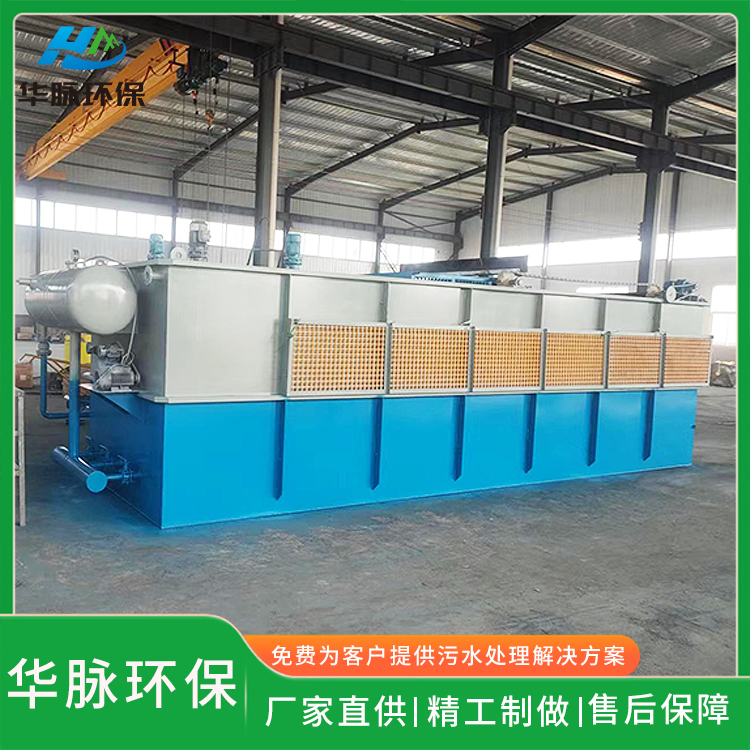
The pressure dissolved air flotation (PAF) water purification technology, widely used today, is primarily employed for separating suspended substances in wastewater. It finds applications in the treatment of industrial wastewater from sectors such as oil, chemical, leather, papermaking, dyeing, and electroplating. This series of equipment is enhanced with horizontal reaction chambers and flow guidance buffer baffles. The improved sludge removal method further enhances the flotation effect, making it highly adaptable, with stable flow, integrated dosing, and reaction capabilities.
Working Principle
The BS series air flotation devices can be used in various wastewater treatment processes. Due to the varying nature of wastewater, the methods and means of treatment differ, but their primary functions in different process flows are essentially the same.
For illustration, let's take the treatment of commonly used oily wastewater and electroplating wastewater as examples.
1. For oil-containing wastewater treatment, the main focus is on removing emulsified oil from the wastewater. Emulsified oil particles carry a negative charge, repelling each other and preventing them from forming large oil globules to separate from the water. During gas flotation treatment of emulsified oil, an emulsifying agent is first added to break down the structure of the emulsified oil, causing the oil particles to coagulate and combine with other impurities to form flocs. These flocs are then floated to the surface quickly under the buoyancy of microbubbles, achieving the goal of removing emulsified oil from the wastewater.
2. In electroplating wastewater treatment, the wastewater primarily contains heavy metal ions such as chromium, nickel, copper, and zinc. When applying the air flotation method to treat wastewater containing hexavalent chromium, ferrous sulfate is added to the water to oxidize the hexavalent chromium into trivalent chromium. Under the pH conditions, trivalent chromium and other heavy metal ions form water-insoluble metal hydroxides. Additionally, newly formed iron hydroxides combine with the metal hydroxides to form floc materials. These flocs are then floated up quickly by the air microbubbles, achieving the purpose of removing them from the wastewater.
Process Flow
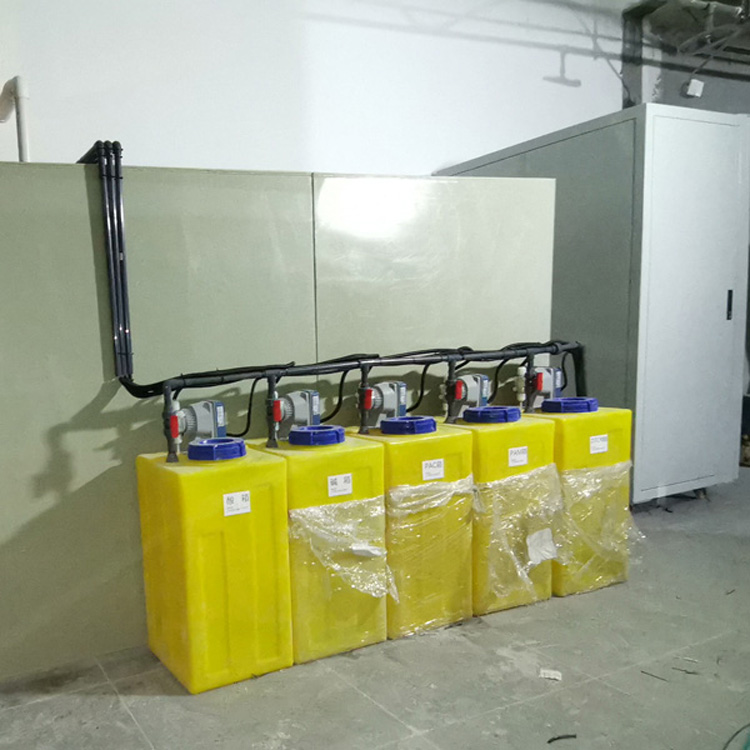
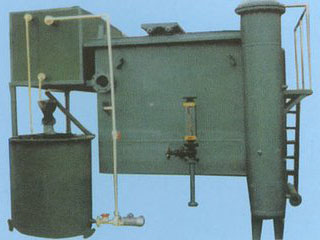
Wastewater and chemicals are mixed in a submersible pump and then enter the horizontal reaction chamber. After thorough reaction, they flow into the contact chamber, which features an aeration release system. Saturated aeration water is released through an aerator, creating a large number of tiny bubbles. These bubbles combine with flocs in the wastewater, and the mixture is then sent to the flotation separation tank. The flocs are floated up by the microbubbles and rise rapidly. The resulting sludge is periodically removed by a scraper, and the separated clean water enters the subsequent system.
Technical Specifications
Model BS-1
Flow Rate (m³/h) 5
Dissolved Air Water Flow Rate (m³/h) 1.5
Surface Hydraulic Load (m3/m2.h) 4.3
Dimensions: Length x Width x Height (mm) 2000x1700x2500
Water Residual Time in Pool (min) 30