








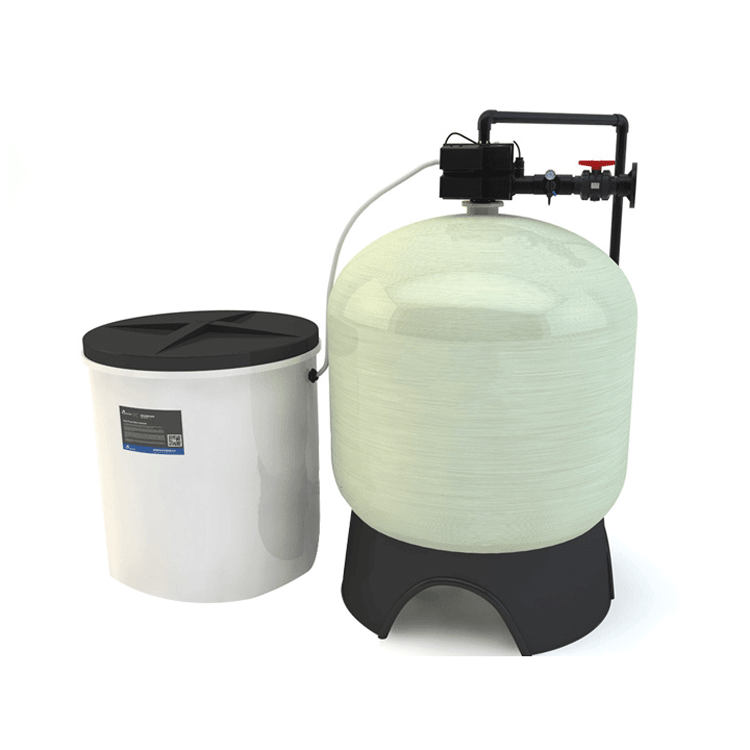

Hydrocyclone
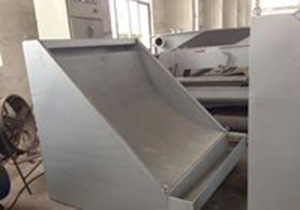
Working Principle and Construction
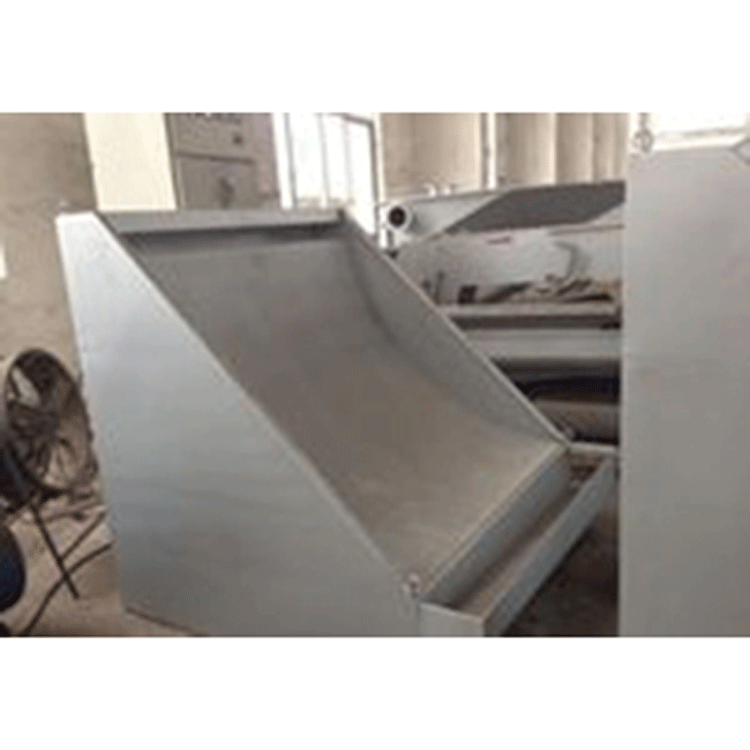
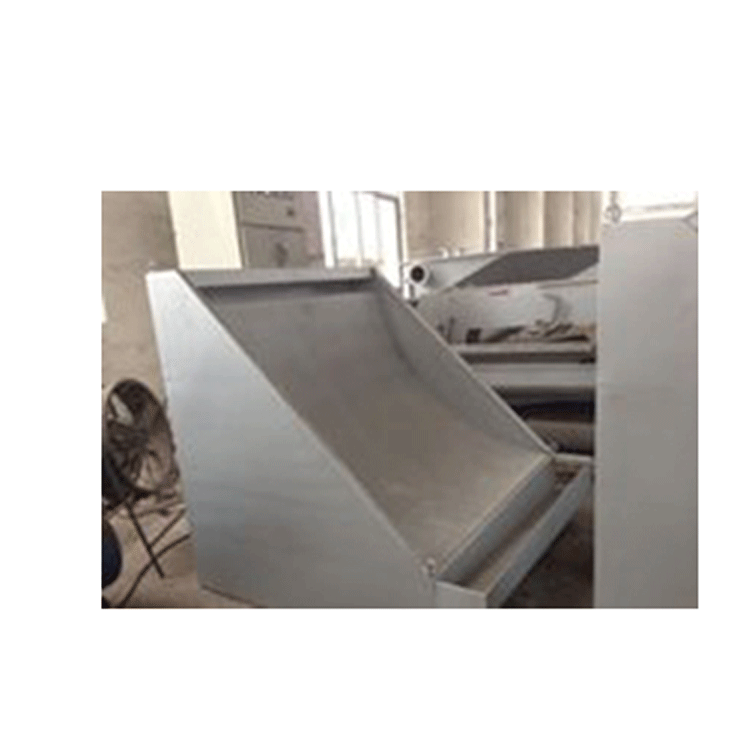
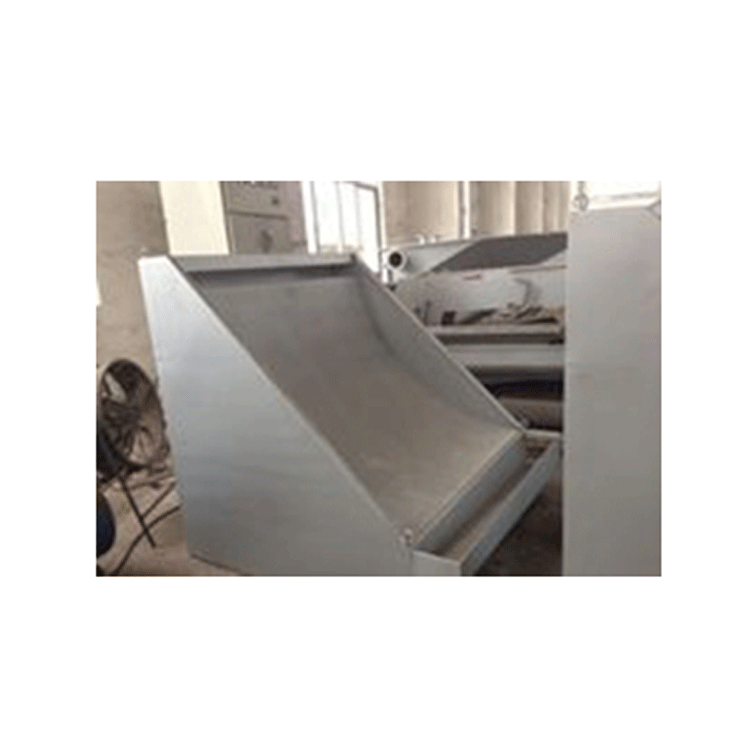
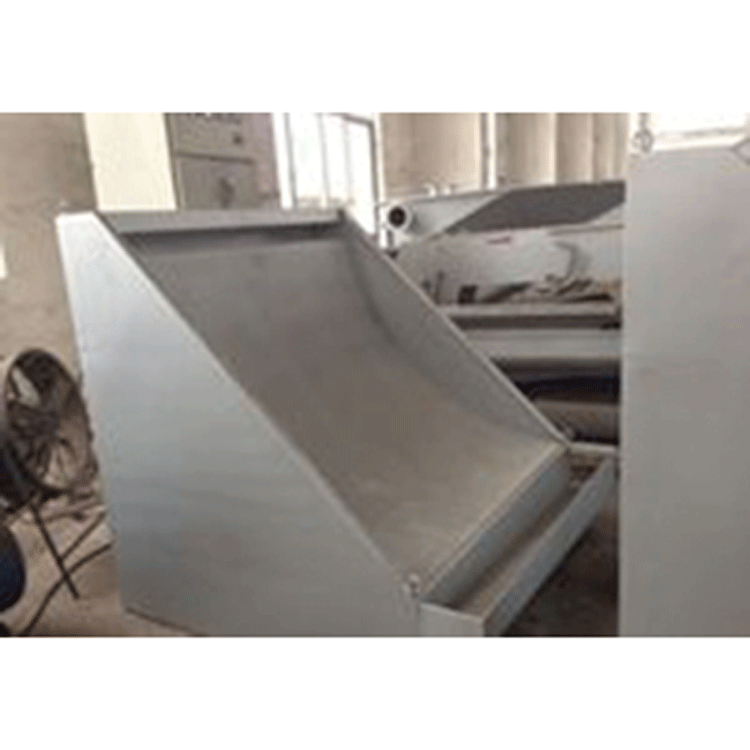
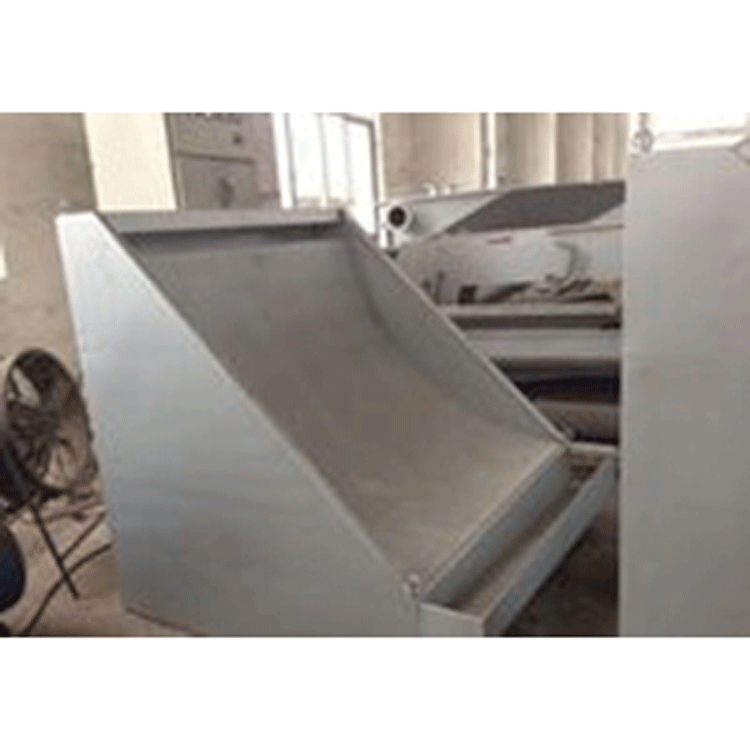
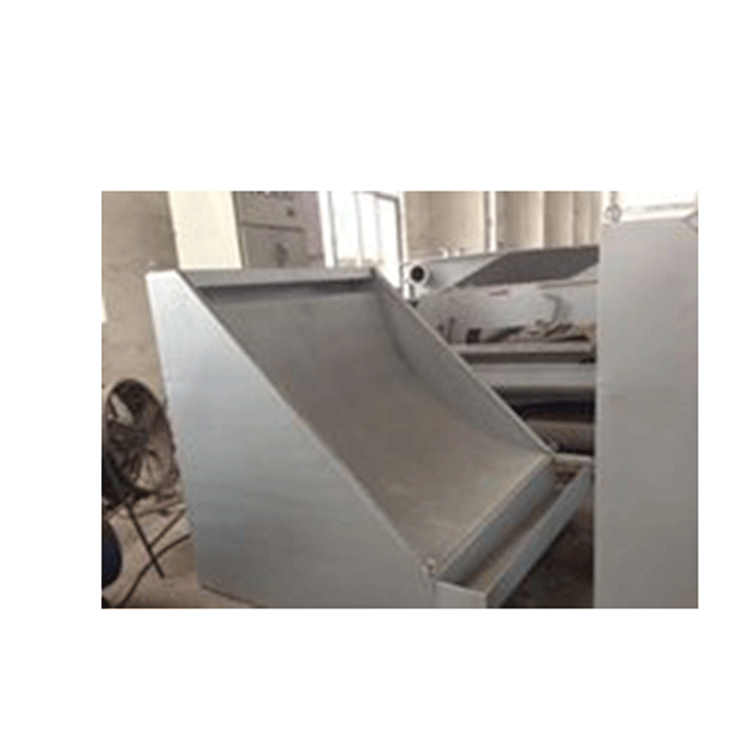
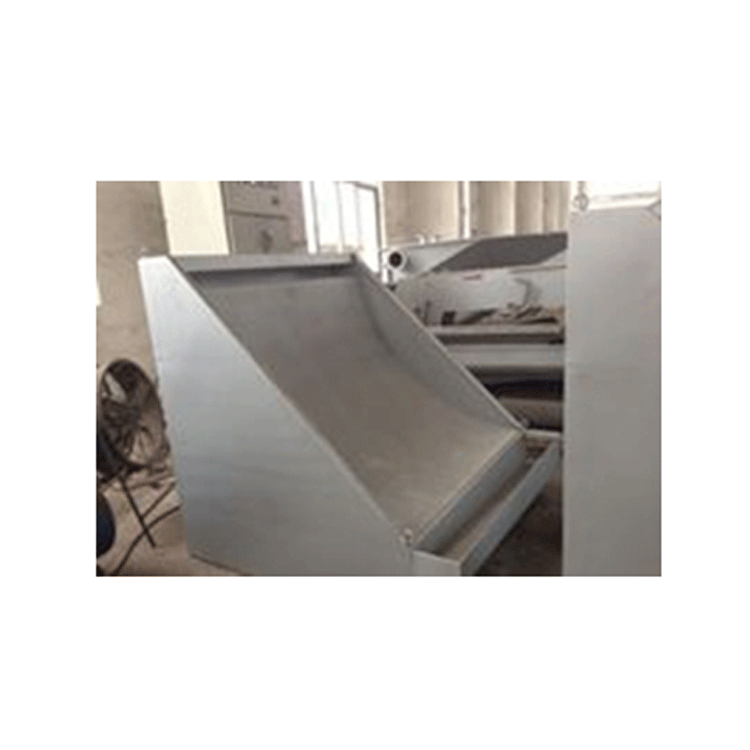
The hydraulic screen consists of a curved or flat stainless steel filtering surface made of wedge-shaped steel rods. The wastewater to be treated is evenly distributed over the inclined screen surface through an overflow weir. Due to the small gaps and smooth surface of the screen, and the larger gaps on the back, drainage is smooth and less prone to clogging. Solid particles are retained, while the filtered water exits through the gaps in the screen plate. Under hydraulic force, the solid particles are pushed to the bottom of the screen plate for discharge, achieving the goal of solid-liquid separation.
The hydraulic screen can reduce the concentration of suspended matter in water, alleviating the treatment load of subsequent processes. It is also used in industrial production for solid-liquid separation and recovery of useful substances. It is an excellent non-powered equipment for filtering or recovering suspended matter, floating matter, sediment, and other solid or colloidal substances.
Product Features
1. Operates using the inherent gravity of water flow, with no energy consumption.
2. High water volume per unit machine.
3. Non-clogging, easy to clean.
4. The entire machine is made of stainless steel, offering high mechanical strength, non-deformation, and long service life.
Application Scope
1. Used in small-scale industrial wastewater treatment for papermaking, slaughtering, leather processing, sugar production, winemaking, food processing, textiles, dyeing and printing, petrochemicals, etc., to remove suspended solids, floating matter, sediments, and other solid substances.
2. Used for recycling fibers and by-products in industries such as papermaking, alcohol production, starch, and food processing.
3. For sludge or riverbed pre-treatment.