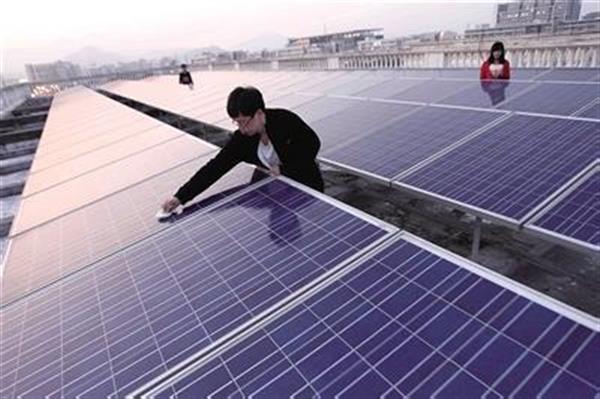












Environmental consciousness is on the rise, clean energy is being used more widely, and today, factory roofs are considered treasures that need to be properly utilized.
Steel structures are generally large in span and occupy a wide area, making them well-suited for photovoltaic panel installation. Therefore, an increasing number of photovoltaic panels are being laid on steel structure roofs.
For photovoltaic installations on building roofs, it is essential to ensure that the roof's load-bearing capacity meets the requirements before installation; otherwise, it may lead to structural collapse.
Major incident.

Roof Photovoltaic Load-bearing Inspection
Prior to the roof load-bearing test, first understand the building's structural type, and determine the equipment's dimensions, weight, operating loads, and layout through on-site surveys.
Understand if the load capacity of the equipment area meets the original design requirements, check if the structural layout is reasonable, if the component transmission is direct, and through extracting parts
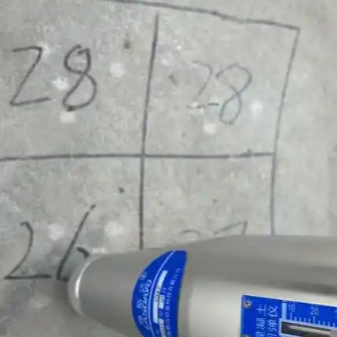
Concrete component core samples sent to a third-party testing facility for concrete strength data, computer modeling to check floor load-bearing capacity, inspection and identification of the area
Are there cracks, and analyze the causes of the cracks and their impact on the structure.

Roof Photovoltaic Load Testing
The roof load design value was originally low; in snowless southern regions, the roof load is generally 0.5 kN/㎡, and in northern areas, snow load should also be considered.
Typically, it is 0.7 kN/㎡. If the weight of the main structure plus the solar photovoltaic equipment is added, it may likely result in insufficient roof load-bearing capacity. If the roof load-bearing capacity
Without testing and identification, the load-bearing capacity of solar photovoltaic equipment can easily lead to safety accidents, so attention should be paid to the roof's load-bearing capacity.