











The crucial role of building safety assessment is in disaster prevention and mitigation. After a building is struck by natural disasters or sudden accidents like fires, or when it bears excessive load, etc.
Excessive weight can cause varying degrees of damage, even destruction, to the structure of a house. A structural assessment of the damaged property is necessary to determine if the house is
Meets safety for use conditions, or may continue to be used after taking risk mitigation measures; on the other hand, strengthening the daily assessment and management of the property can ensure timely maintenance,
Strengthen damaged homes to maintain the预定 location's ability to withstand sudden disasters, thereby reducing the damage caused by natural disasters or fire accidents to the property.
Personnel and property losses can serve as a preventive and mitigating factor in disaster management.
After the house has undergone a property inspection, the relevant administrative authorities can gain a detailed understanding of the house's basic conditions for further action.
Record Management. House inspections greatly facilitate the management work of relevant departments, offering significant convenience in the management process to come.
The management department provides convenience, benefiting the unified management of housing construction for related departments, and whether it is suitable for residential use, etc. Therefore, the ultimate purpose of housing inspections is to
Ensure a safe and worry-free living environment.

Scope of Inspection
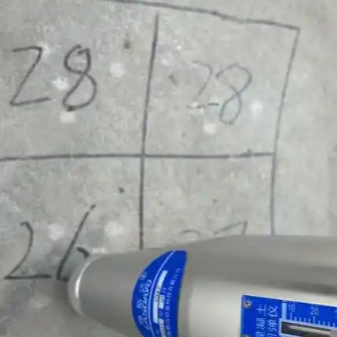
General categories include structural inspection and appraisal of buildings, judicial appraisal of construction projects, post-disaster structural inspection and appraisal, and comprehensive quality protection of buildings.
Testing and evaluation categories.
1. Home Damage and Condition Assessment
2. Home Safety Inspection
3. Trend Detection of Building Damage
4. Detection of Changes in Building Structure and Usage Functions
5. Comprehensive House Quality Inspection
6. Other Types of Residential Inspection
7. Post-disaster (snow, fire, earthquake) quality inspections
8. Construction Engineering Judicial Appraisal
9. Residential Unit Acceptance (One Room, One Acceptance)
10. Building Energy Efficiency Testing
11. Comprehensive Quality Inspection and Assessment of Buildings
12. Outstanding Modern Architectural Preservation Inspection and Appraisal
13. Historical Illegal Construction Evidence Collection and Identification
14. Residential Addition and Renovation Inspection and Appraisal
15. Pre-construction inspection and appraisal prior to resuming work due to a halt
16. Pre-Lease/Sale Property Quality Inspection and Assessment
17. Pre-renovation Inspection and Appraisal
18. Quality Issue Dispute (Litigation) Inspection and Appraisal
19. Industrial Production Transformation Inspection and Appraisal
20. Routine inspection and certification of building usage management
21. Seismic Assessment and Reinforcement of Buildings
22. Industrial Equipment and Pipeline Seismic Resistance and Reliability Assessment

Residential Property Condition Assessment
Inspection Items: Examine the condition of the building structure, decoration, and equipment for completeness and damage, and determine the building's condition grade.
Applicable Range: Properties requiring assessment and management, where the extent of damage or condition needs to be determined.
Home Safety Inspection
Inspection Items: Process of examining the condition of structural damage in a house and analyzing to judge the safety of the house.
Application Range: Houses with Identified Hazardous Signs
Trend Detection of Residential Damage
Inspection Items: Actions resulting from the influence of external factors such as adjacent construction projects or internal factors of the house such as design, construction, and use.
Monitoring process for potential deformations, displacements, and cracks.
Application Range: Homes that may have been or could potentially be damaged, or require monitoring due to various factors.
House Change Detection
Inspection Items: When altering the structure and usage of a building, inspect the original structure to determine its safety level, regarding the building's structure
The process of evaluating the likelihood with the use of feature changes.
Application Range: Structures requiring increased load capacity or structural modifications.
Residential Seismic Resistance Testing
Inspection Items: Evaluate the current quality of the property and ensure its safety under the specified seismic fortification requirements during an earthquake of the designated intensity.
The assessment process.
Applicable Range: Buildings without seismic fortification or with fortification levels below the current regulations, particularly including protected structures, urban lifeline projects, and renovation and addition projects.
House Other Types Inspection
Chemical and High-Temperature/High-Pressure Damage: Detection of structural damage to building components due to侵蚀性化学介质的attack or under high-temperature/high-pressure conditions.