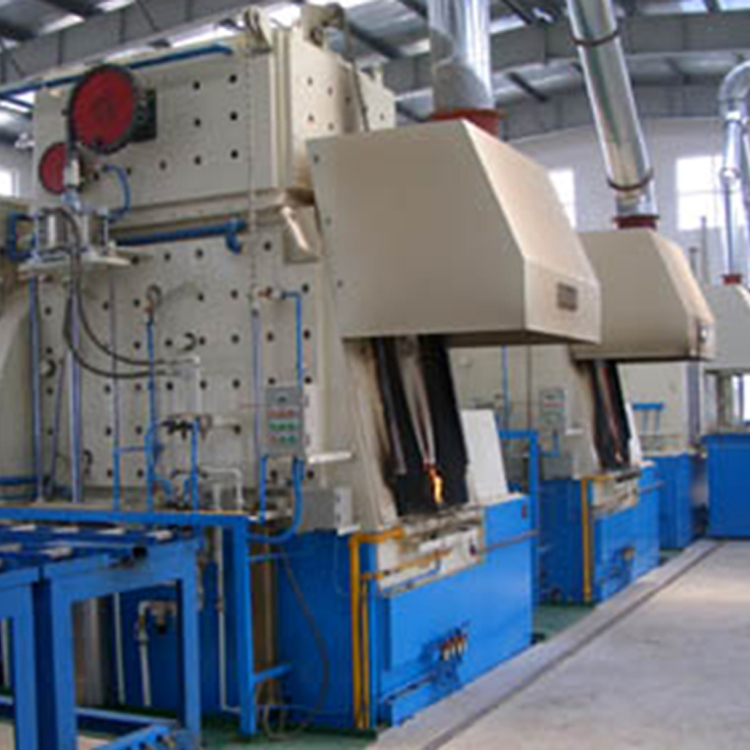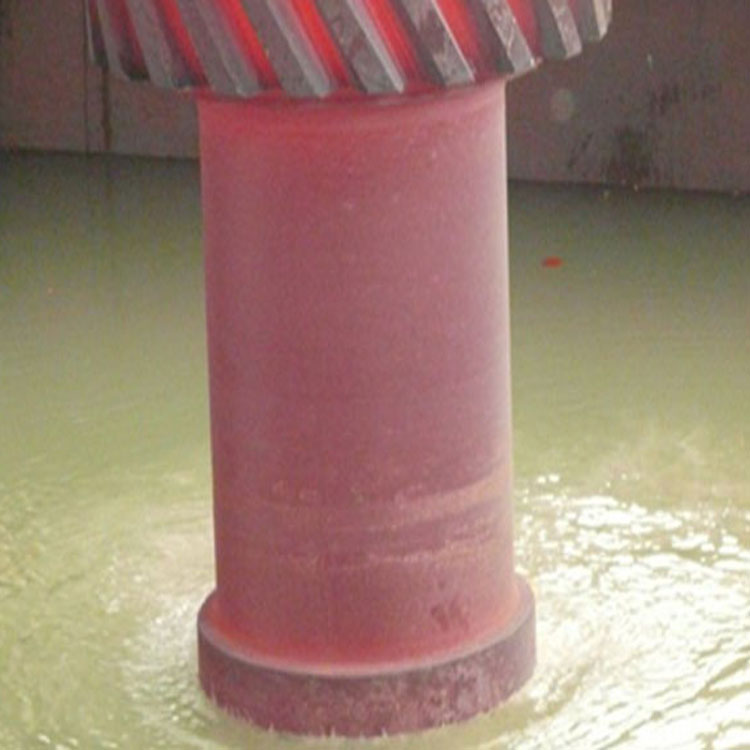





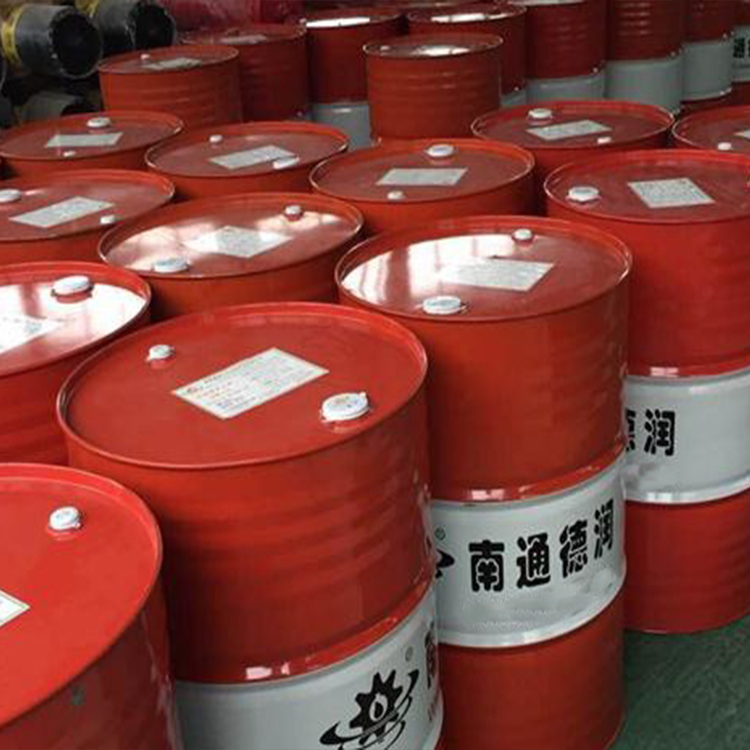






Features of Special Quenching Oil
Special hardening oil is formulated from refined second-hydrogenated base oil with antioxidants, offering good thermal oxidation stability, maintaining long-term stable cooling properties, and a long service life.
Special quenching oil features a short steam film stage, rapid cooling rates at high and medium temperatures, and an appropriate cooling rate at low temperatures.
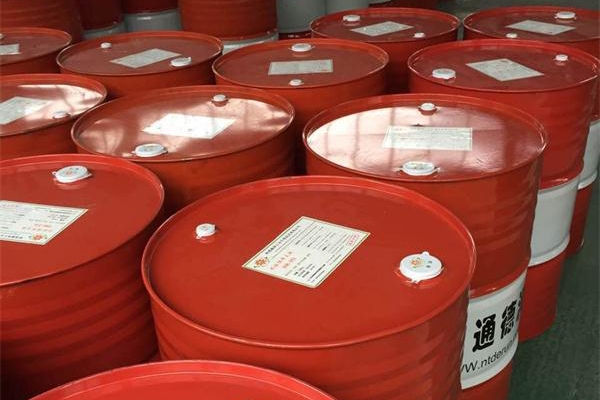
Special Quenching Oil Classification
Special quenching oils include: tempering oil, slow vacuum quenching oil, rapid vacuum quenching oil, etc., as well as customized quenching oils tailored to the customer's products.
| Specialized Oil Series | Model | Open Flash Point (°C) | Highest Cooling Rate (℃/s) | Low Temperature Cooling Rate (300°C, °C/s) | Dynamic Viscosity (mm²/s) | Operating Temperature (°C) | Typical Application Scope |
| Tempering oil | DR-H | ≥300 | --- | --- | ≥200 | 160-260 | Products suitable for low-temperature tempering |
| Vacuum Quenching Oil (Rapid) | DR-B244 | ≥200 | ≥110 | 6-8 | 25-35 | 50-80 | Ideal for large molds in series like Cr12, Cr12MoV, H13, and requires a hardened layer. |
| Vacuum Quenching Oil (Slow Quench) | DR-B648 | ≥220 | ≥95 | 3-5 | 55-70 | 50-100 | Suitable for Cr12, Cr12MoV, H13 series small molds with high deformation requirements. |
Quenching Oil Usage Standards and Maintenance Management
It is recommended to agitate quenching oil using a pump or propeller, but not with compressed air, as it accelerates oil oxidation. The heater power should not exceed 1.5 W/cm² to prevent overheating and premature failure due to the formation of polymer insulating layers on the heater.
Condensers, pumps, mixing components, piping, and quenching tank parts should not use copper or copper alloys to prevent the accelerated oxidation and aging of quenching oil. Steel, stainless steel, or nickel or tin-plated parts can be selected instead.
Oil Temperature Control: Monitor or control the oil temperature using instruments to maintain it within the recommended operating temperature range. For batch or continuous quenching oil tanks, a cooling system should be installed. Copper or copper alloys have an aging effect on oil and should not be used as radiators. When selecting a cooler, it is recommended to choose an air cooler. If a plate heat exchanger is chosen, ensure that the exchanger does not leak. Try to use the lowest possible operating oil temperature to extend the oil's lifespan while meeting quenching requirements.
Pay special attention to avoid water mixing with the oil. Water in the oil can cause quenching soft spots, significant workpiece deformation, and even cracking, and it's also prone to produce foam in the oil, which can lead to fires or even explosions.
Packaging and Storage
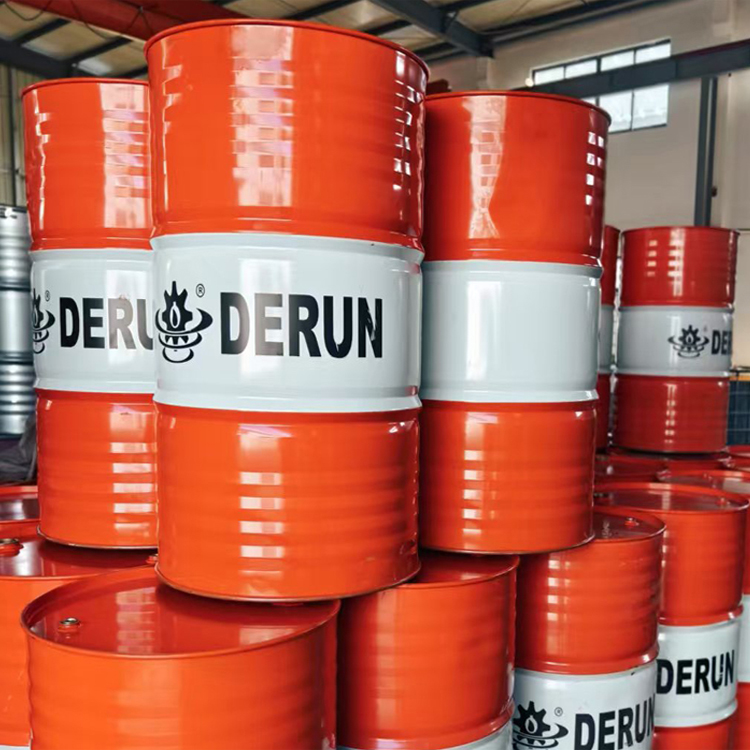
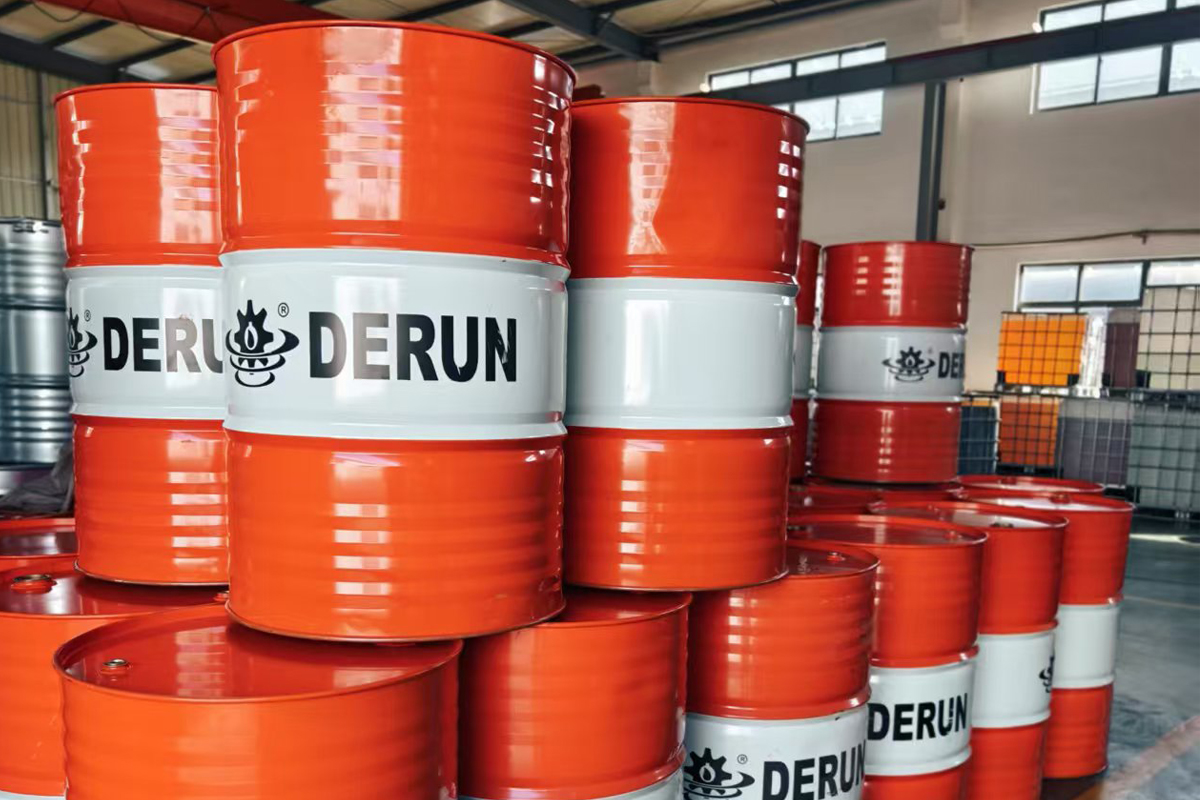
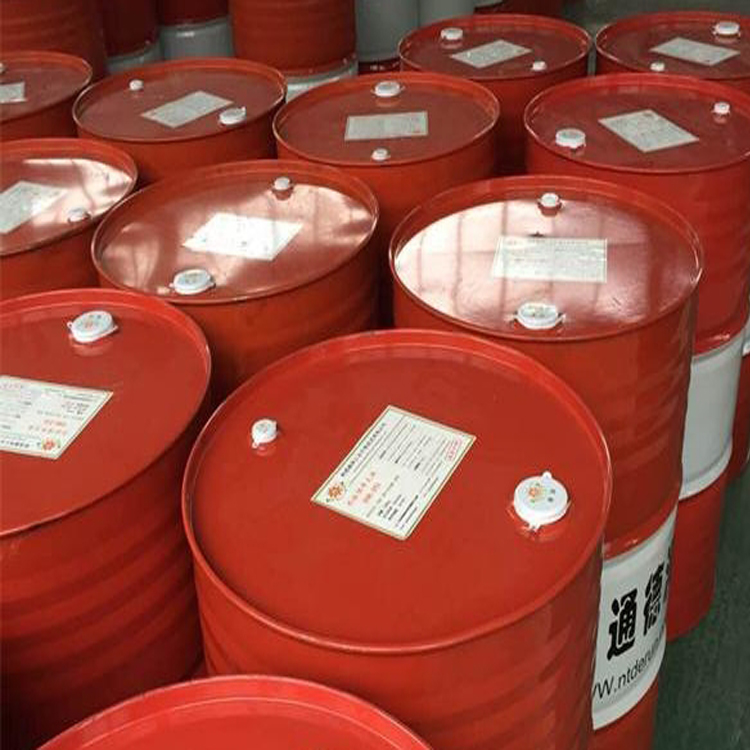
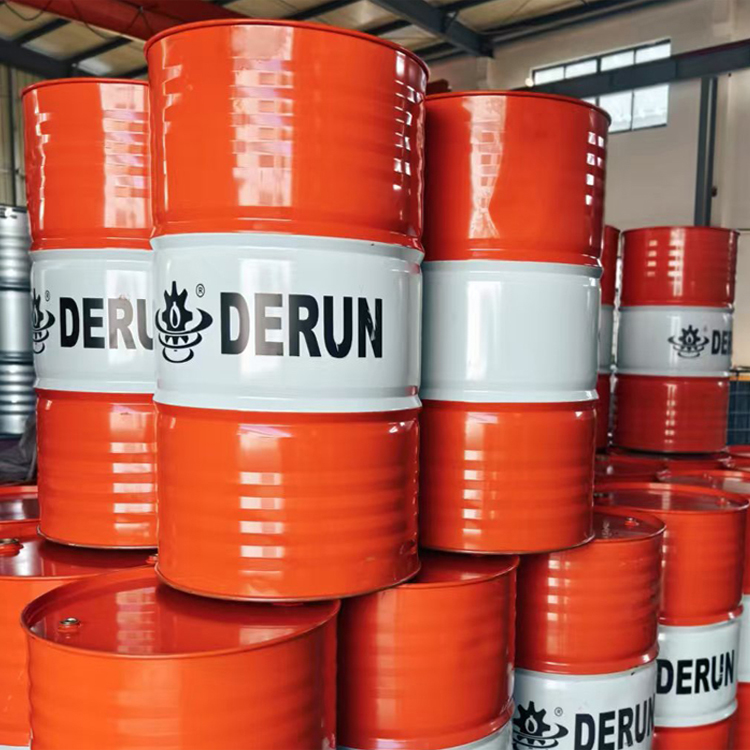
Products that pass the factory inspection should be used within twelve months; if not used within the expiration date, they can only be used after re-inspection and approval. The Quick Oil series comes in 200-liter iron drums or 1000L IBC plastic drums, stored indoors (temperature 5-40℃).