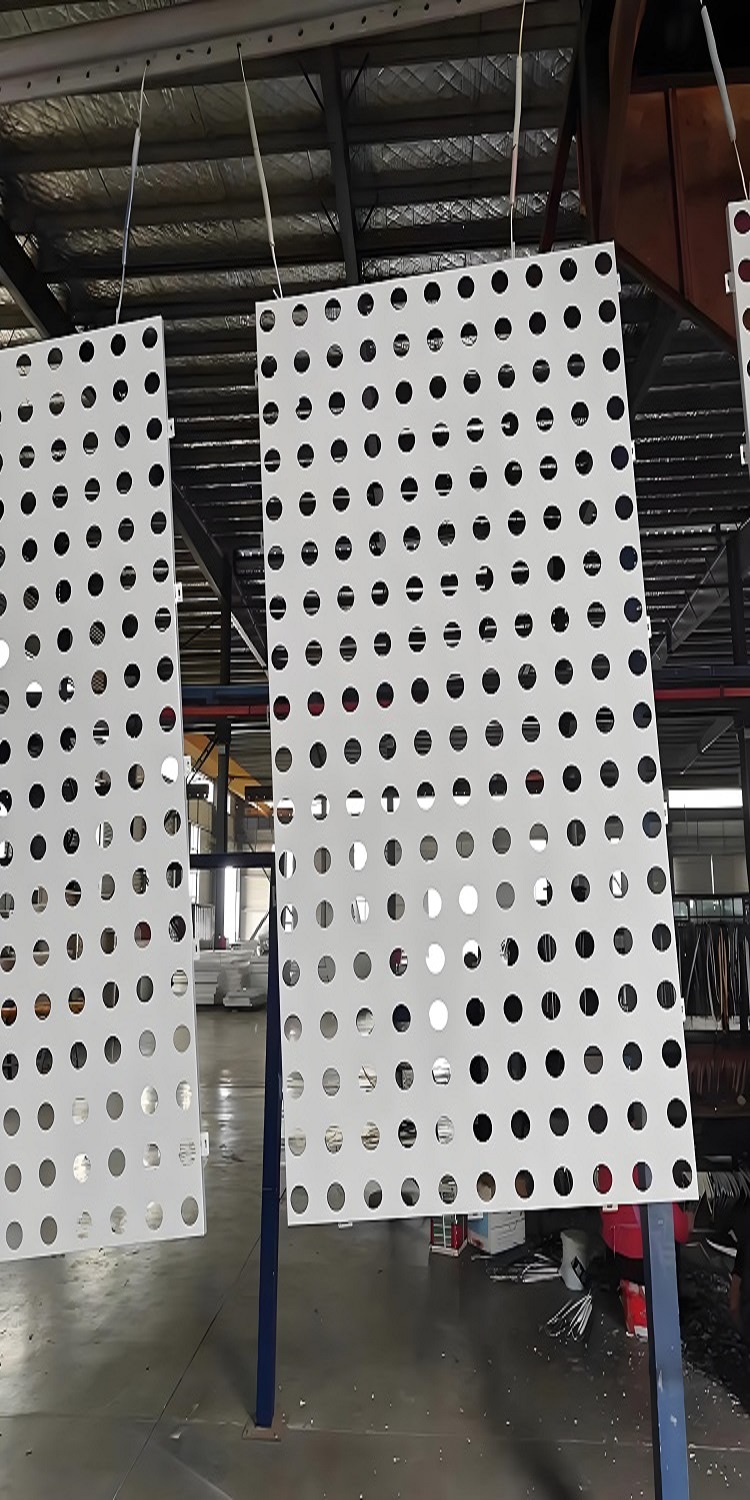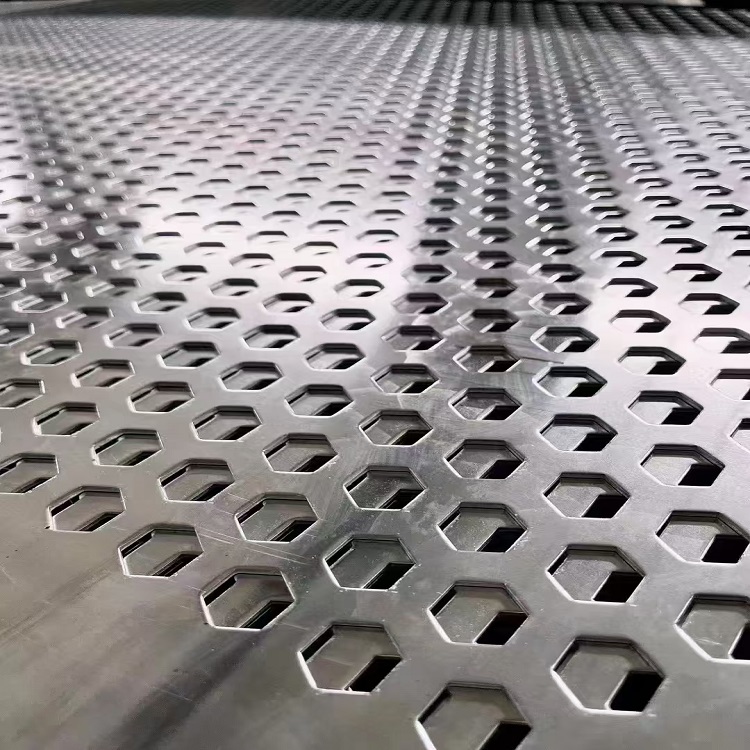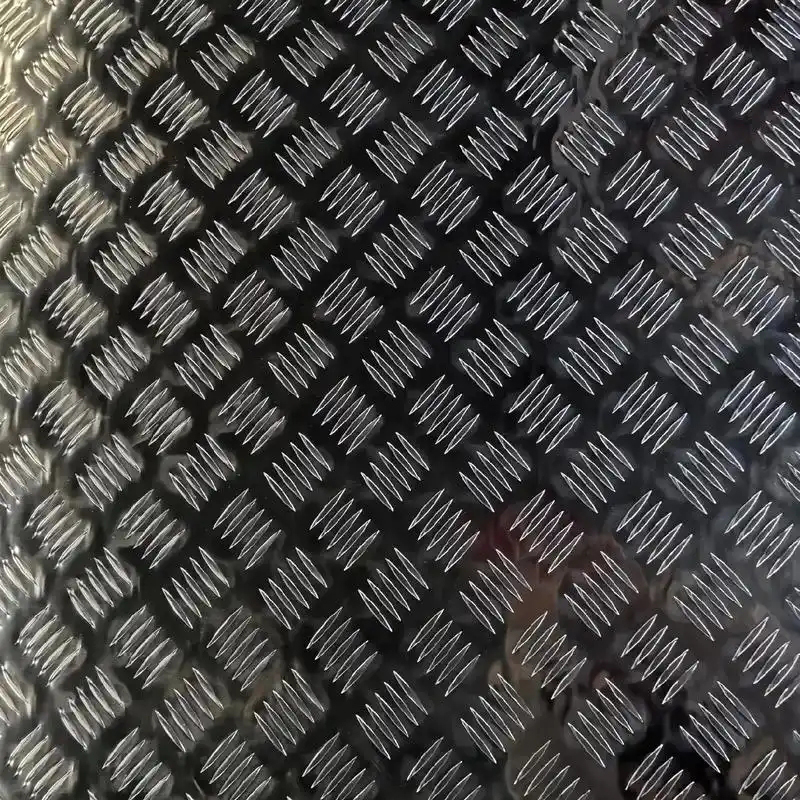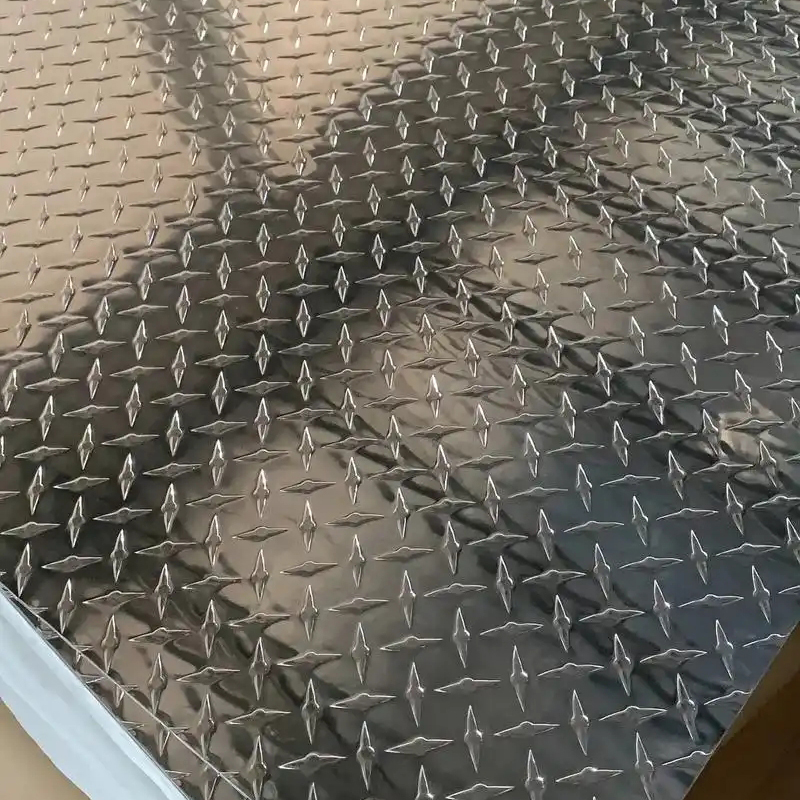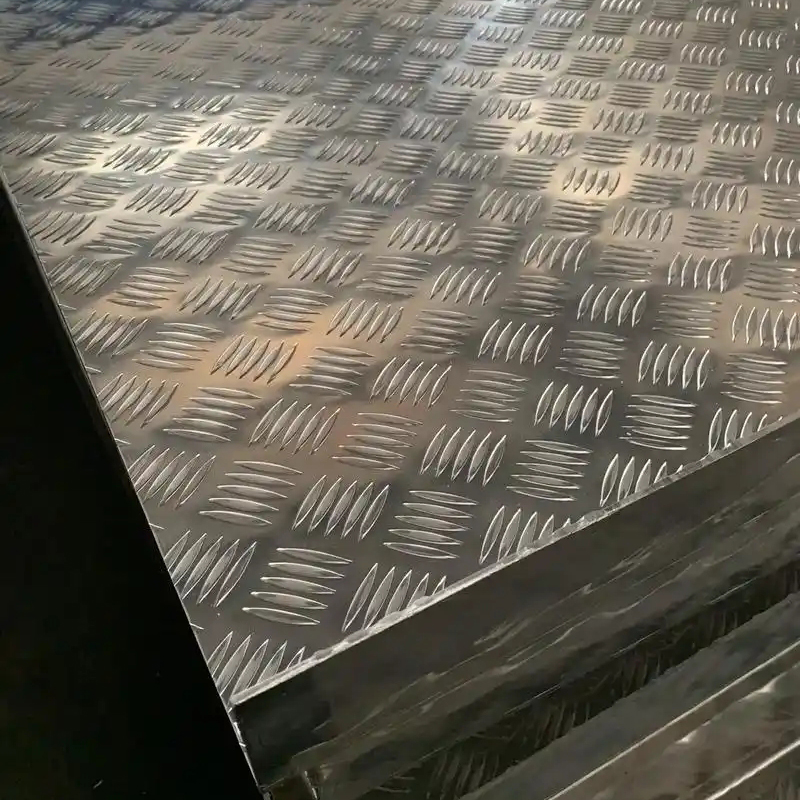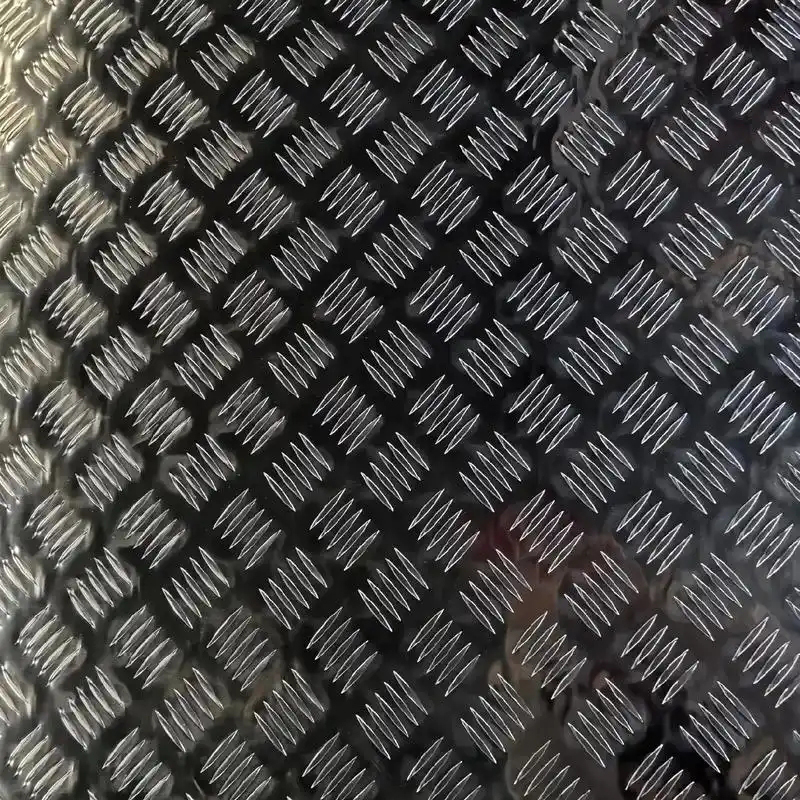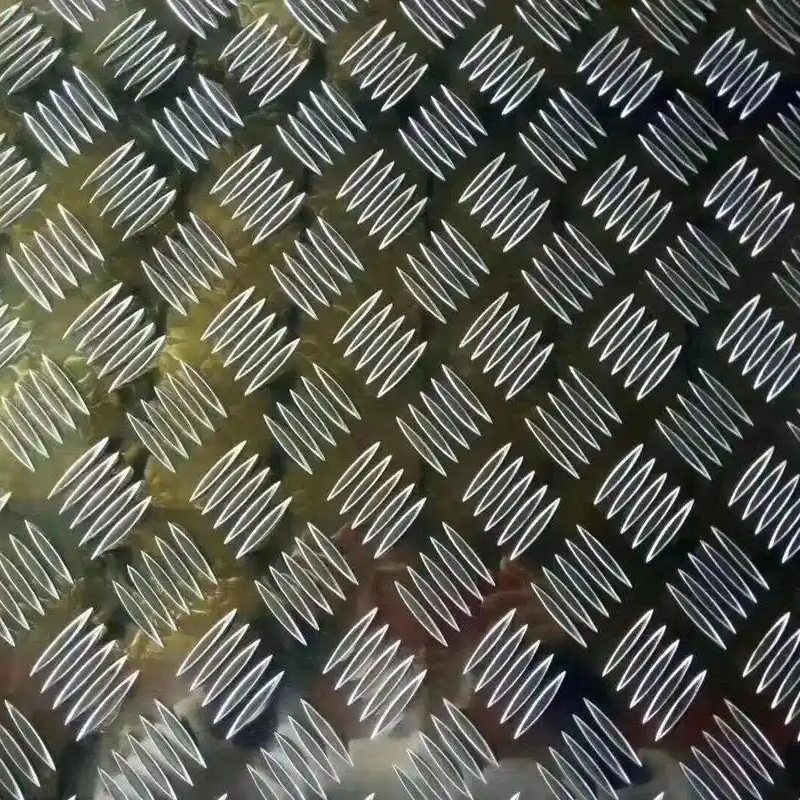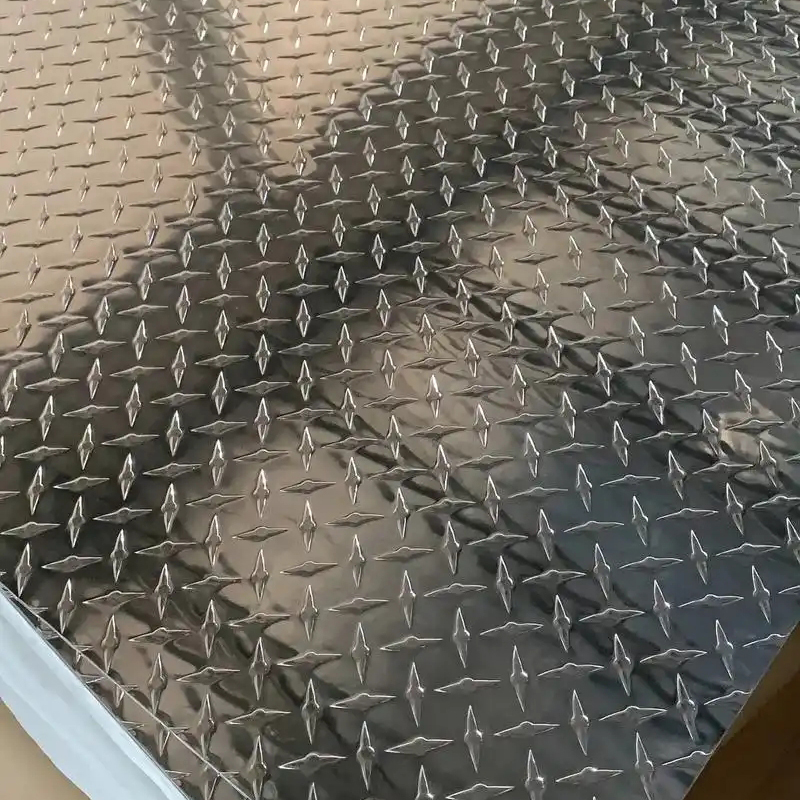


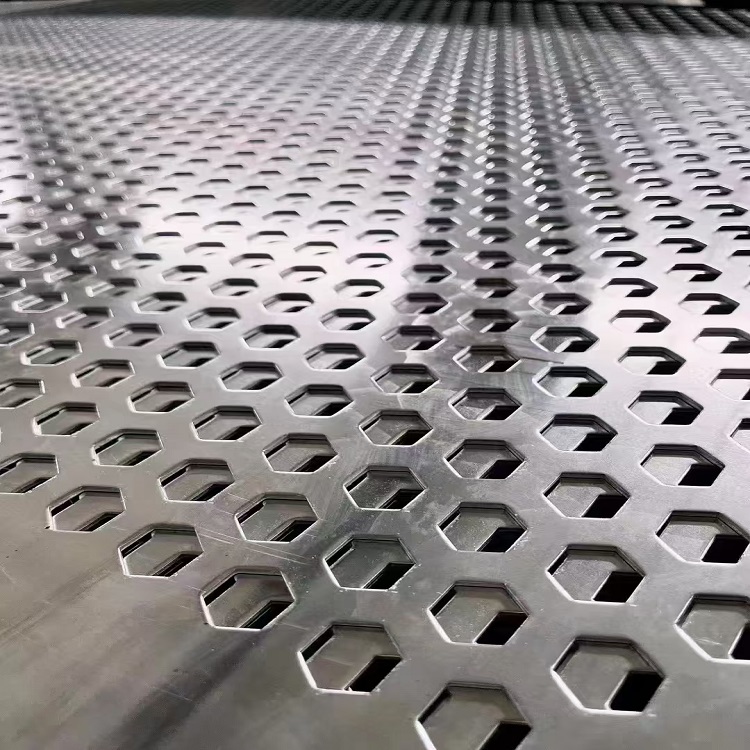


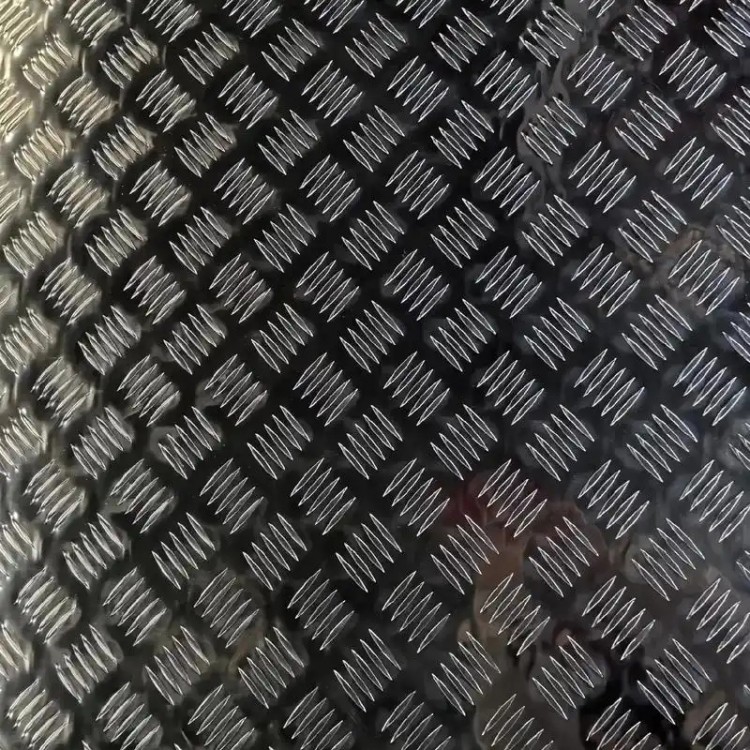
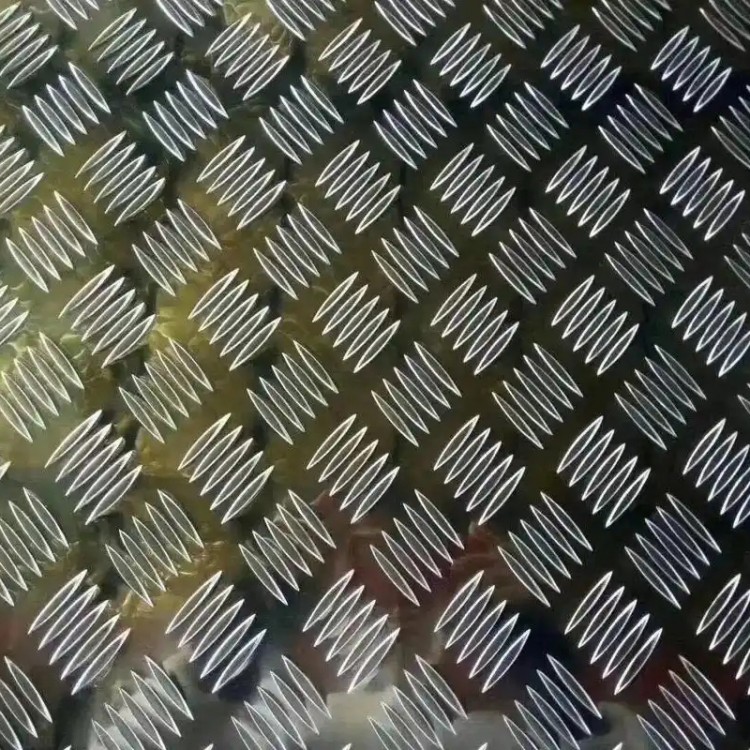







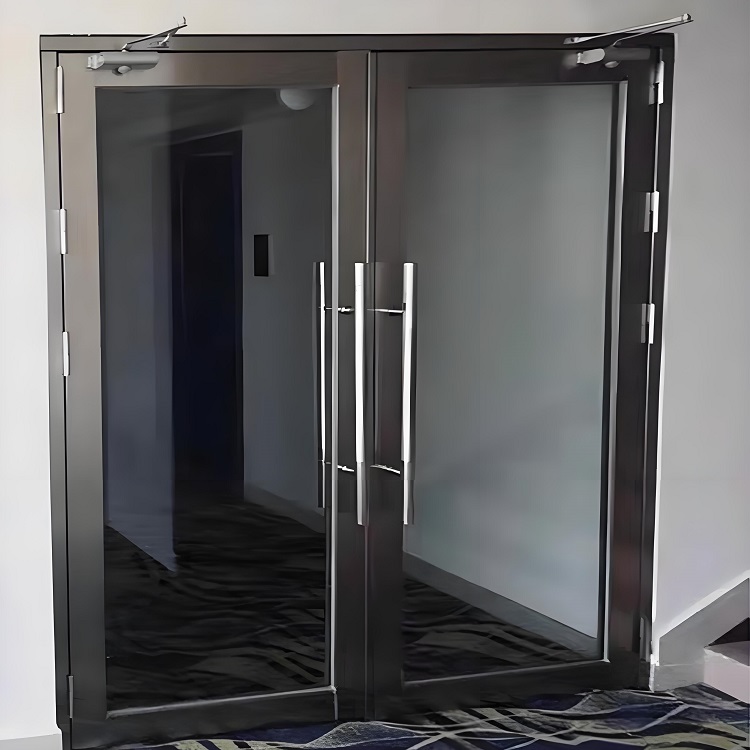
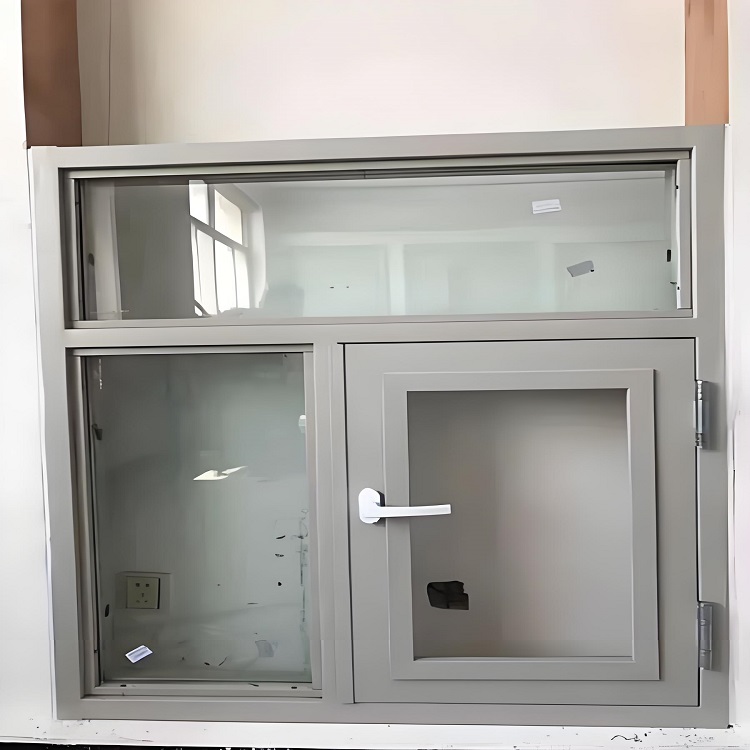
Punched aluminum composite panel, also known as punched aluminum sheet or perforated aluminum plate, is a type of metal material that is made by mechanically punching through aluminum alloy sheets. Below is a detailed introduction to the punched aluminum composite panel:
Punched aluminum veneer, also known as punched aluminum sheet or perforated aluminum sheet, is a metal material made by mechanically punching aluminum alloy sheets. The following is a detailed introduction to punched aluminum veneer:
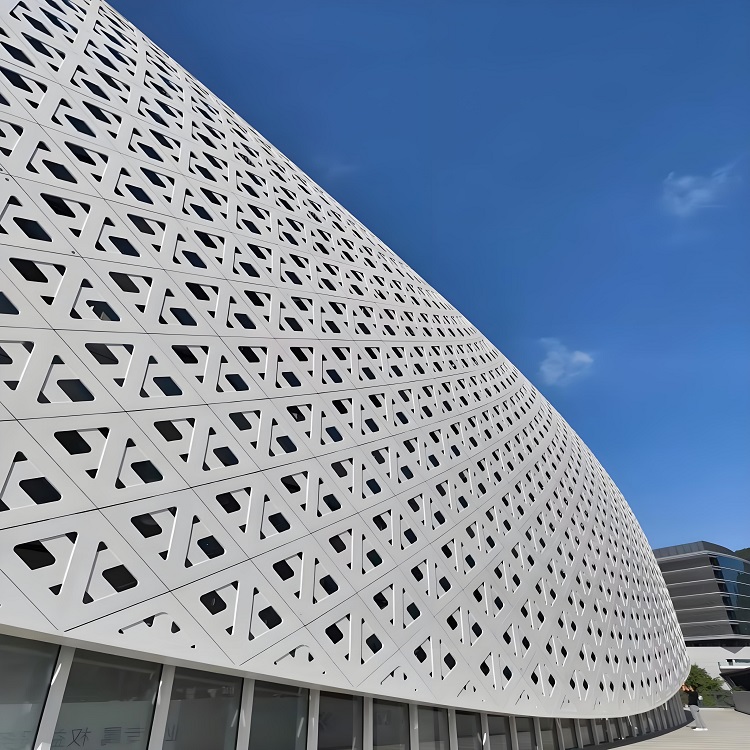
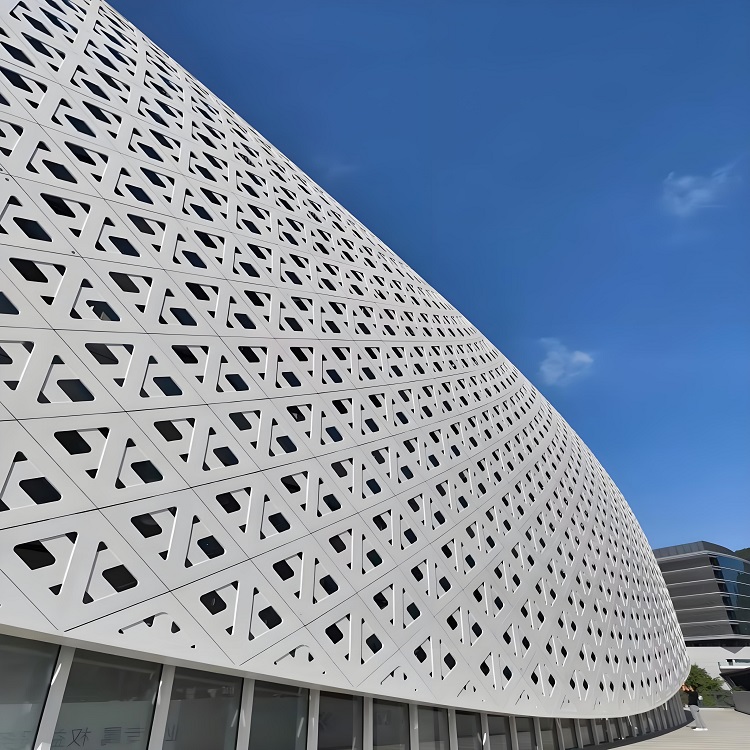
Suited for various application scenarios. Can be custom-processed into flat, curved, or spherical shapes, etc., through a process of pre-processing and then spraying. Enhances the material's safety and durability. Excellent UV resistance and crack resistance, ideal for outdoor environments. With different hole patterns, sizes, and spacing designs, it can present rich light and shadow changes and decorative effects. The ideal choice to elevate spatial quality.
Suitable for various application scenarios. It can be customized into complex shapes such as flat, curved, or spherical through the process of first processing and then spraying. Improved the safety and durability of material usage. Excellent UV resistance and crack resistance, suitable for outdoor environments. By designing different hole patterns, aperture sizes, and spacing, rich light and shadow variations and decorative effects can be presented. It is an ideal choice to improve the quality of space.
The production process of perforated aluminum sheet includes the following main steps:
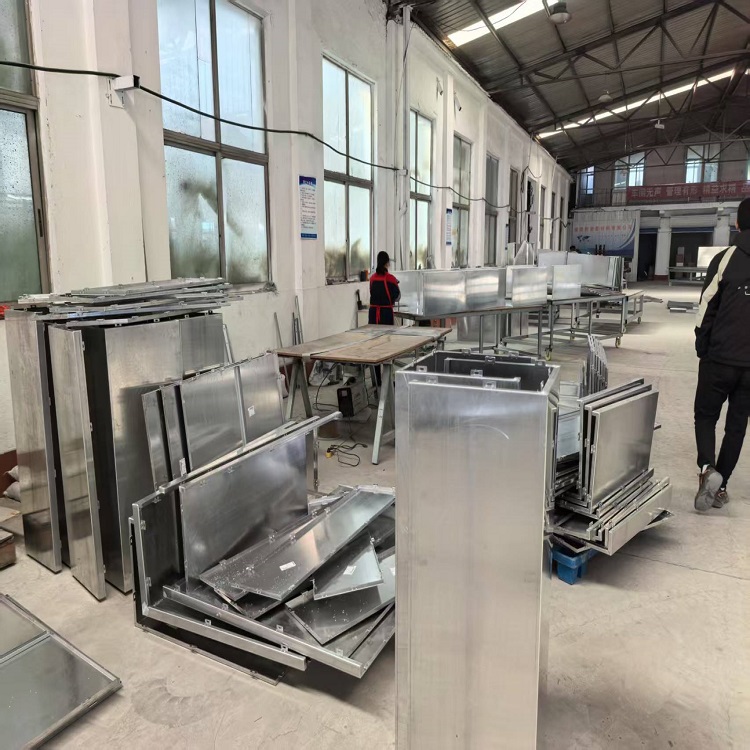
The production process of punched aluminum veneer includes the following main steps:
Select pure aluminum sheets or aluminum alloy sheets, which offer excellent corrosion resistance and plasticity. Anodizing treatment enhances the surface hardness and corrosion resistance of the perforated aluminum panels. The aluminum sheets are punched using die molds to create various hole shapes and sizes. The aluminum panels are coated to enhance both aesthetics and weather resistance. After removing the perforated aluminum panels from the mold, they undergo silicone demolding. According to design specifications, the panels are cut and shaped. Rigorous inspection of the perforated aluminum panels ensures quality and appearance, followed by packaging and dispatch.
Choose pure aluminum plate or aluminum alloy plate, which has good corrosion resistance and plasticity. By anodizing treatment, the surface hardness and corrosion resistance of punched aluminum veneer are improved. Punching aluminum plates through punching molds to form various hole shapes and sizes. Apply coating technology to aluminum veneer to enhance its aesthetic appeal and weather resistance. Remove the punched aluminum veneer from the mold and perform silicon demolding treatment. According to the design requirements, cut and shape the punched aluminum veneer. Strict inspection is carried out on punched aluminum veneer to ensure product quality and appearance, followed by packaging and delivery.
Punched aluminum sheets are widely used in architectural decoration, traffic and municipal engineering facilities, etc. In terms of exterior wall decoration, punched aluminum sheets are commonly used in large buildings, multi-functional restaurants, lecture halls, opera houses, and other venues. Additionally, they can serve as noise reduction and absorption materials in workshops, factory buildings, and civil defense basements. Moreover, they are often employed in the environmental noise control barriers of traffic and municipal engineering facilities, as well as for sound-absorbing materials in building ceilings and panels.
Punched aluminum veneer is widely used in fields such as architectural decoration, transportation and municipal engineering facilities. In terms of exterior wall decoration, perforated aluminum veneer is commonly used in large buildings, multifunctional restaurants, lecture halls, opera houses and other places; At the same time, it can also be used as a noise reducing and sound-absorbing material in places such as workshops, factories, and civil defense basements; In addition, perforated aluminum veneer is commonly used as an environmental noise control barrier in transportation and municipal engineering facilities, as well as as as a sound-absorbing material for building ceilings and wall panels.