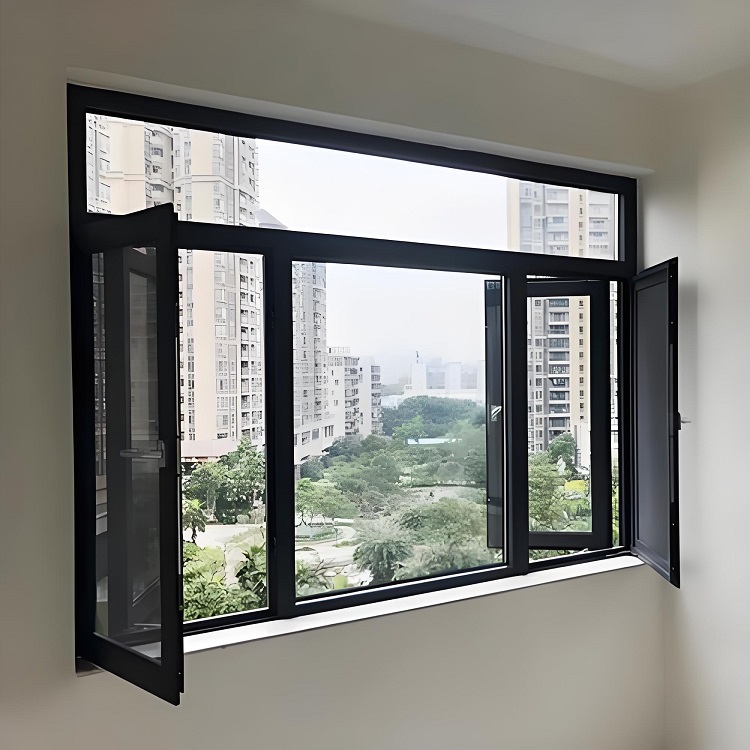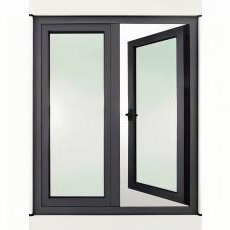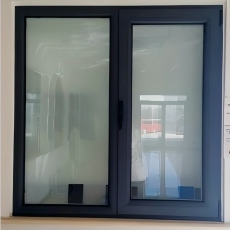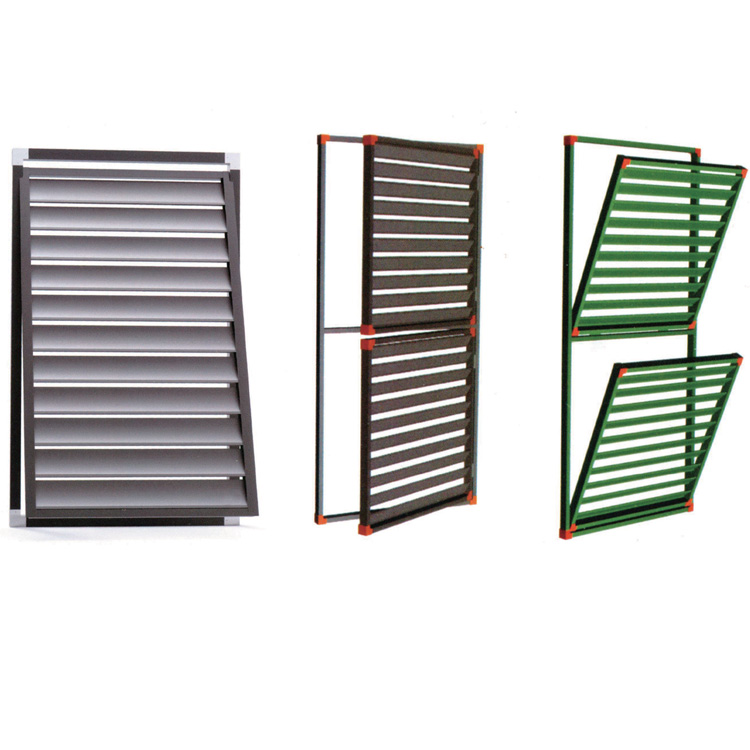


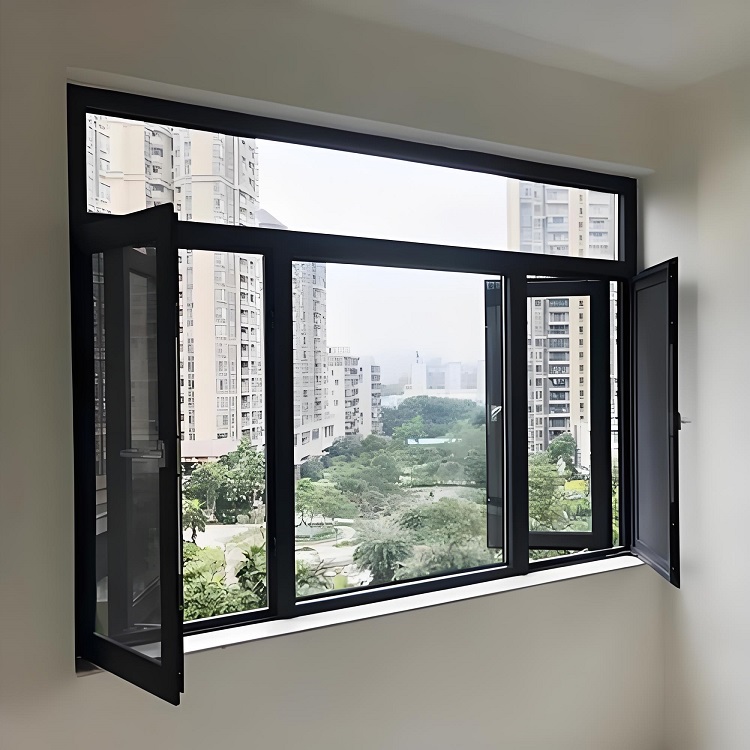
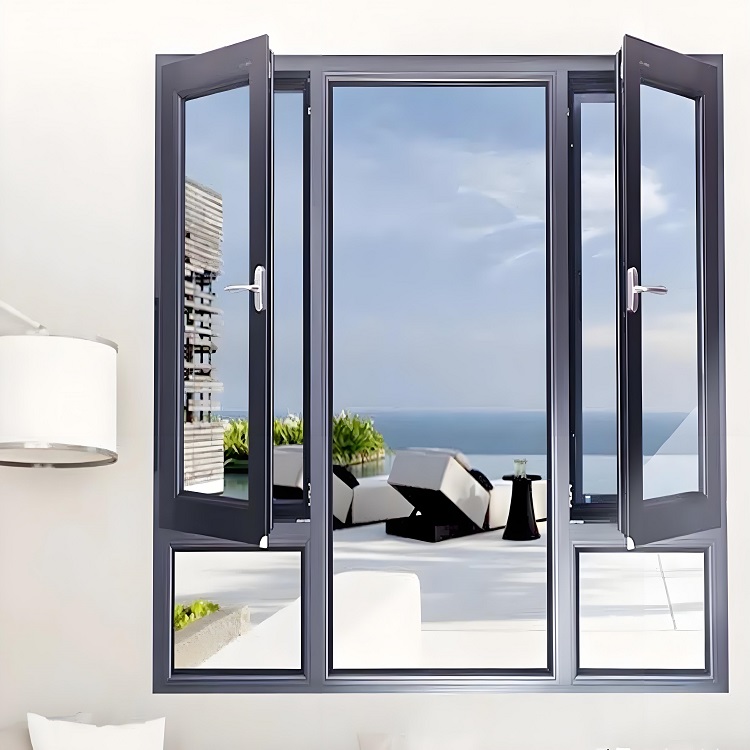









Casement windows with thermal breaks are a widely used, high-performance type of door and window in modern architecture. Below is a detailed introduction to them:
Broken bridge aluminum window is a high-performance door and window type widely used in modern architecture. The following is a detailed introduction to it:
Basic Concepts
Basic concepts
Casement windows are made of aluminum alloy material with thermal break technology. The term "thermal break" refers to the insertion of insulating bars between the aluminum profiles, separating the inner and outer aluminum materials to form a thermal break, effectively preventing heat conduction. This design endows the thermal break aluminum windows with superior thermal insulation, excellent soundproofing, and durability.
Broken bridge aluminum window is a window made of broken bridge aluminum alloy material. The so-called "broken bridge" refers to adding insulation strips in the middle of aluminum alloy profiles to separate the inner and outer aluminum materials, forming a thermal break bridge, effectively preventing heat conduction. This design enables the broken bridge aluminum window to have superior thermal insulation performance, good sound insulation effect, and durability.
Primary Structure
Main structure
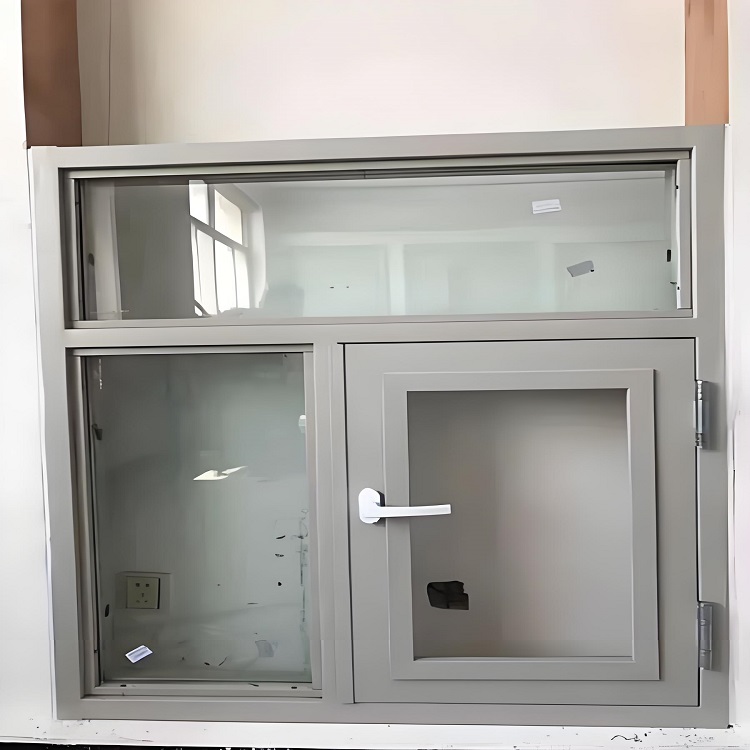
The basic structure of a thermal break aluminum window includes aluminum alloy profiles, thermal break bars, glass, sealing strips, and hardware accessories. Among them, the aluminum alloy profiles are the main load-bearing and supporting parts of the window; the thermal break bars serve the purpose of thermal insulation; the glass typically uses double-glazed units to enhance the window's sound insulation and thermal insulation properties; sealing strips are used to improve the window's sealing performance; hardware accessories include handles, hinges, and other components, which are used for the opening and closing of the window.
The basic structure of a broken bridge aluminum window includes aluminum alloy profiles, insulation strips, glass, sealing strips, and hardware accessories. Among them, aluminum alloy profiles are the main load-bearing and supporting parts of windows; The insulation strip plays a role in thermal insulation; Hollow glass is usually used to improve the sound insulation and thermal insulation performance of windows; Sealing strips are used to enhance the sealing performance of windows; Hardware accessories include handles, hinges, and other parts used for opening and closing windows.
Material and Features
Material and Characteristics
Aluminum alloy profiles: For thermal break aluminum windows, the aluminum alloy profiles are typically made of high-quality primary aluminum, featuring high strength and excellent corrosion resistance. The thickness of the profiles is also a crucial factor in determining the window's performance, with good thermal break aluminum profiles generally having a thickness of 1.4mm or more.
Aluminum alloy profiles: The aluminum alloy profiles for bridge cut aluminum windows are usually made of high-quality primary aluminum, which has the characteristics of high strength and good corrosion resistance. The thickness of the profile is also one of the important factors affecting the performance of the window. Generally, the thickness of excellent broken bridge aluminum profiles should be above 1.4mm.
Insulation Strip: High-quality insulation strips are made of PA66 nylon, offering excellent heat insulation properties, as well as high-temperature resistance and aging resistance. In contrast, poor-quality insulation strips commonly use PVC material, which has poor heat insulation and tends to age quickly.
Heat insulation strip: excellent heat insulation strip is made of PA66 nylon, which not only has good heat insulation effect, but also is resistant to high temperature and aging. Poor quality insulation strips often use PVC material, which has poor insulation effect and is prone to aging.
Glass: Insulated glass is a standard feature of aluminum alloy casement windows. High-quality insulated glass can significantly enhance the sound insulation and thermal insulation performance of windows. When purchasing, it is recommended to choose tempered glass with a thickness of over 5mm, and ensure that the insulating space is filled with an inert gas (such as argon) to improve the thermal insulation effect. Additionally, you can opt for laminated glass or vacuum glass to further enhance the sound insulation of the windows.
Glass: Hollow glass is a standard configuration for bridge cut aluminum windows, and excellent hollow glass can effectively improve the sound insulation and thermal insulation performance of windows. When purchasing, it is recommended to choose tempered glass with a thickness of 5mm or more and ensure that the hollow part is filled with inert gas (such as argon) to enhance the insulation effect. In addition, laminated glass or vacuum glass can also be chosen to further improve the sound insulation effect of the window.
Hardware Components: The quality of hardware components determines the lifespan and safety of aluminum alloy windows. Top-notch hardware components are typically made of stainless steel, copper, or well-known brand products, featuring durability, corrosion resistance, and excellent sealing performance.
Hardware accessories: The quality of hardware accessories determines the service life and safety of bridge aluminum windows. Excellent hardware accessories are usually made of stainless steel, copper, or well-known brand products, which have characteristics such as durability, corrosion resistance, and good sealing performance.
Seal Strips: Good seal strips determine the window's sealing performance and waterproofing. Silicone seal strips are a great choice due to their flexibility and resistance to aging. You can also opt for EPDM material seal strips with foam treatment, which are heat and cold-resistant, less prone to aging, and have good elasticity, ensuring superior sealing effects.
Sealing strip: A good sealing strip determines the sealing performance and waterproofing of the window. Silicone sealing strips are currently a good choice, with good flexibility and aging resistance. Alternatively, a sealing strip made of EPDM material and treated with foam can be chosen. This sealing strip is heat-resistant, low-temperature resistant, not prone to aging, and has good elasticity, ensuring better sealing performance.