



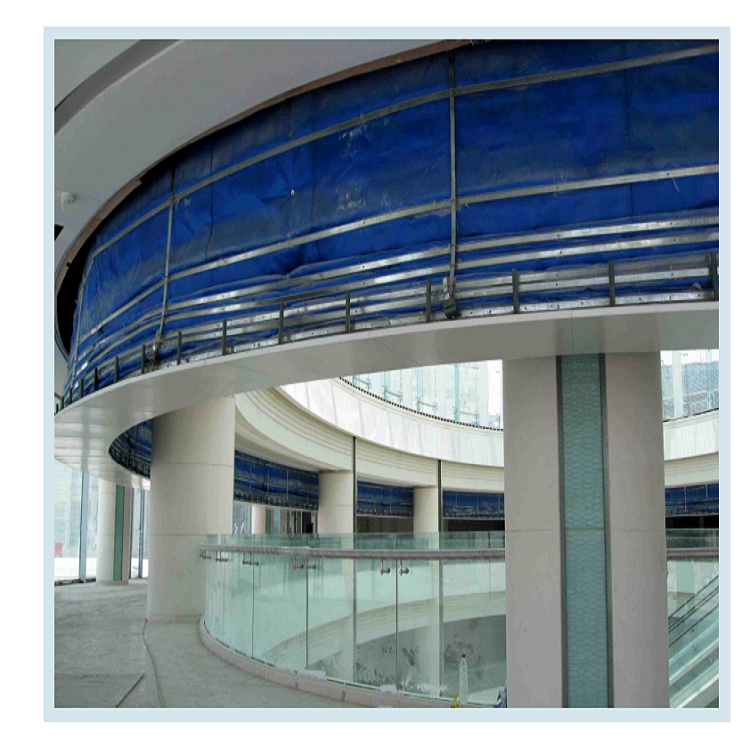
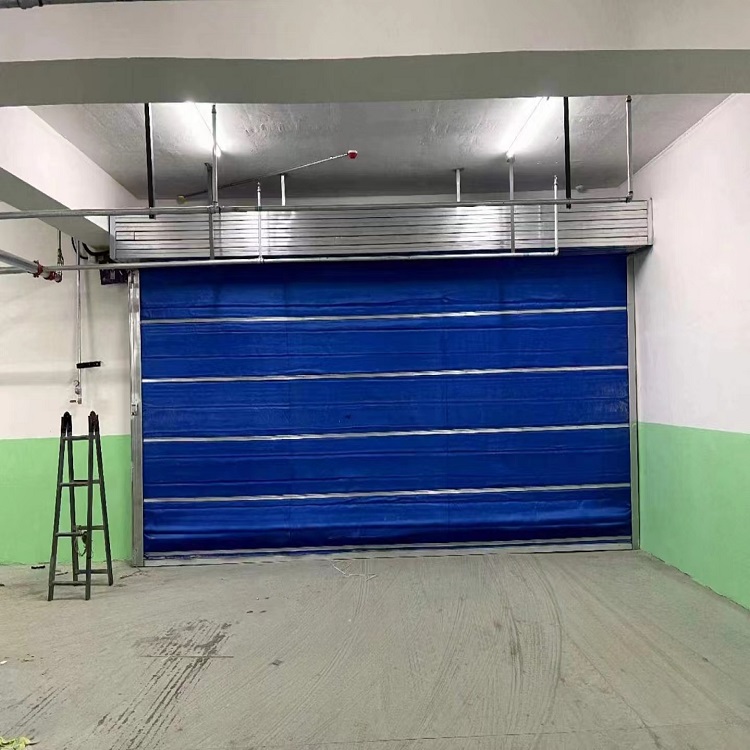







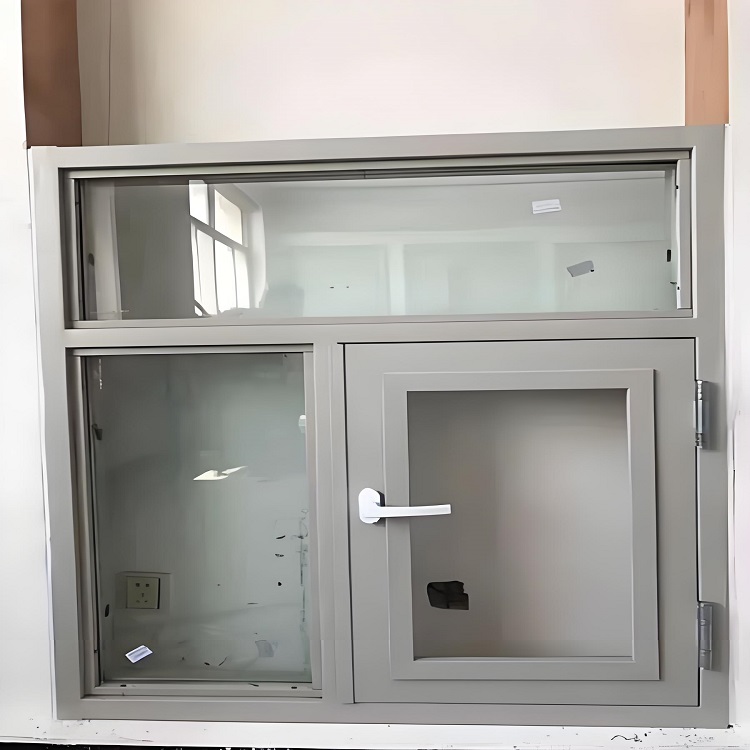
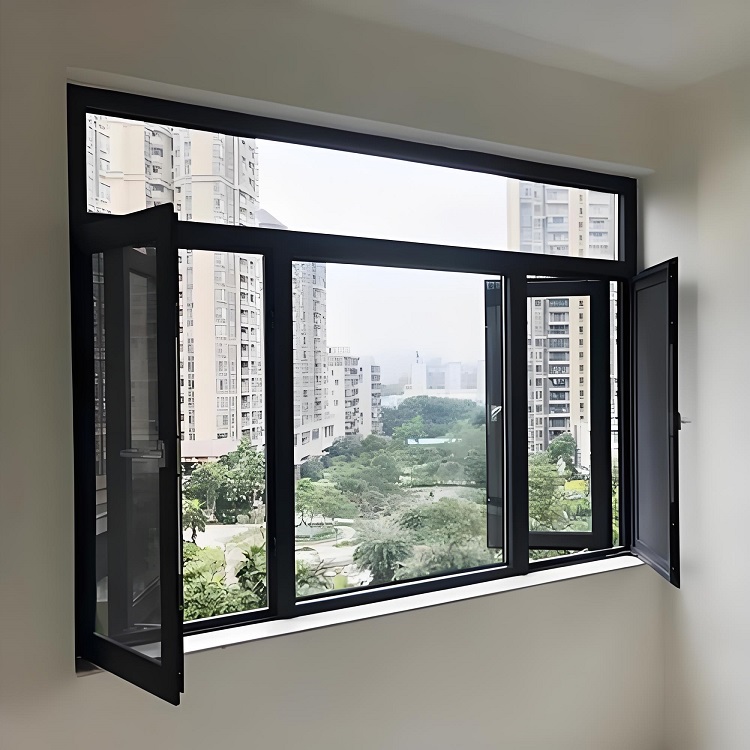
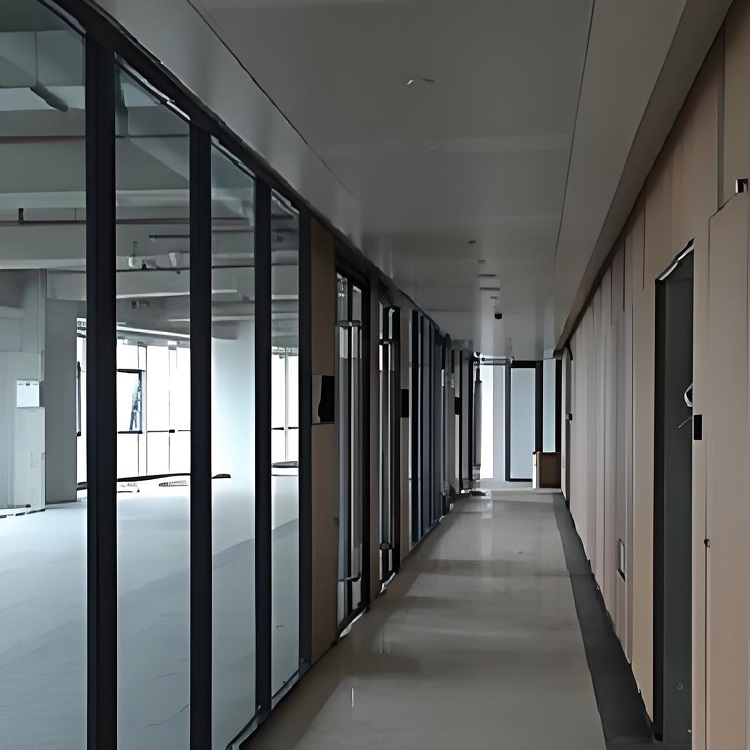
Glass fire doors are a specialized type of fire door that combines the transparency of glass with the fire-resistant properties of fire doors. Below is a detailed description of glass fire doors:
Glass fireproof door is a special type of fireproof door that combines the transparency of glass with the fireproof performance of fireproof doors. The following is a detailed introduction to glass fire doors:
Definition and Composition
Definition and Composition
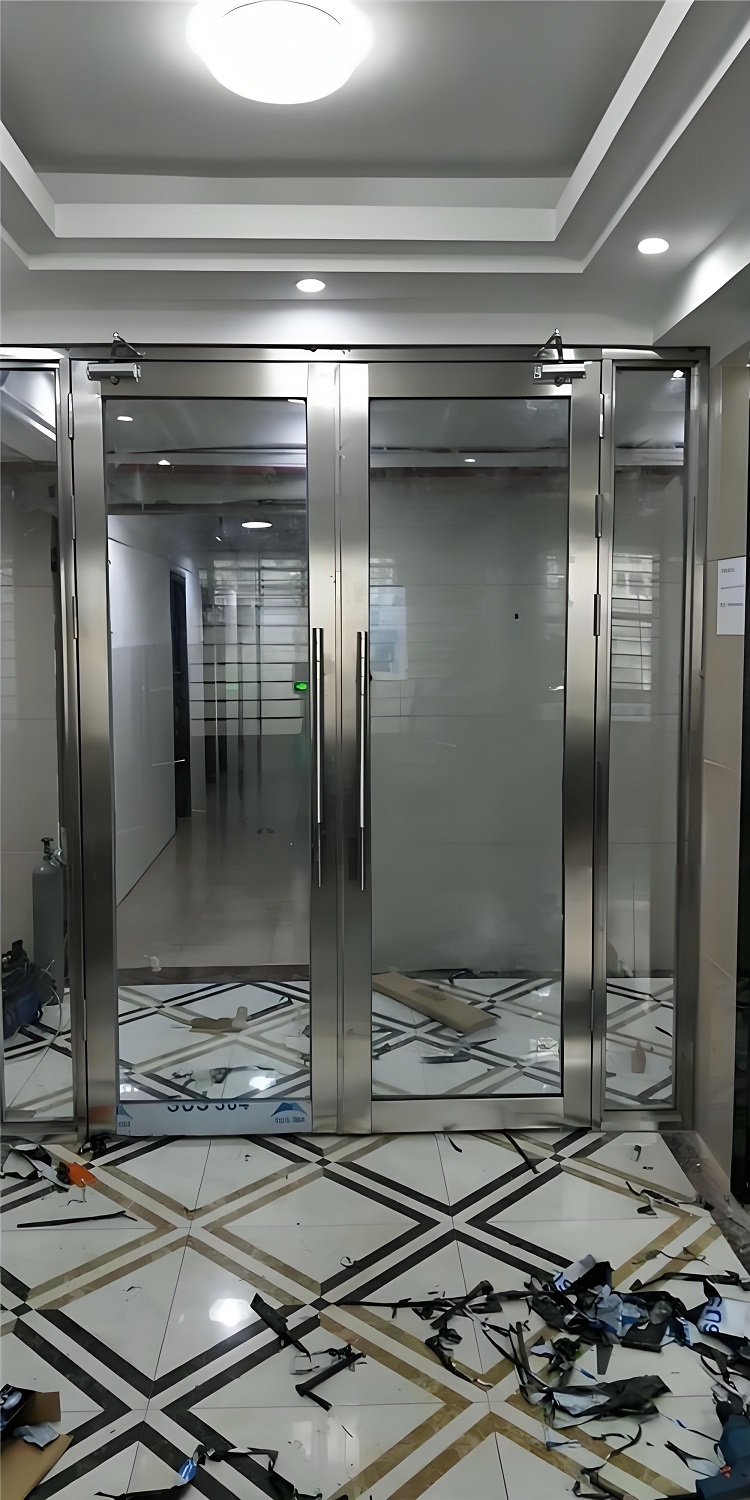
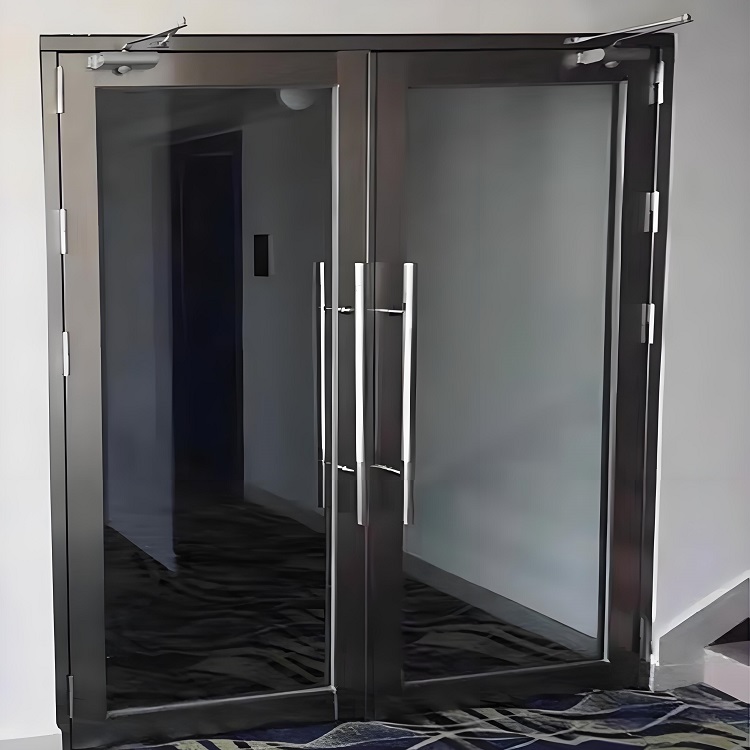
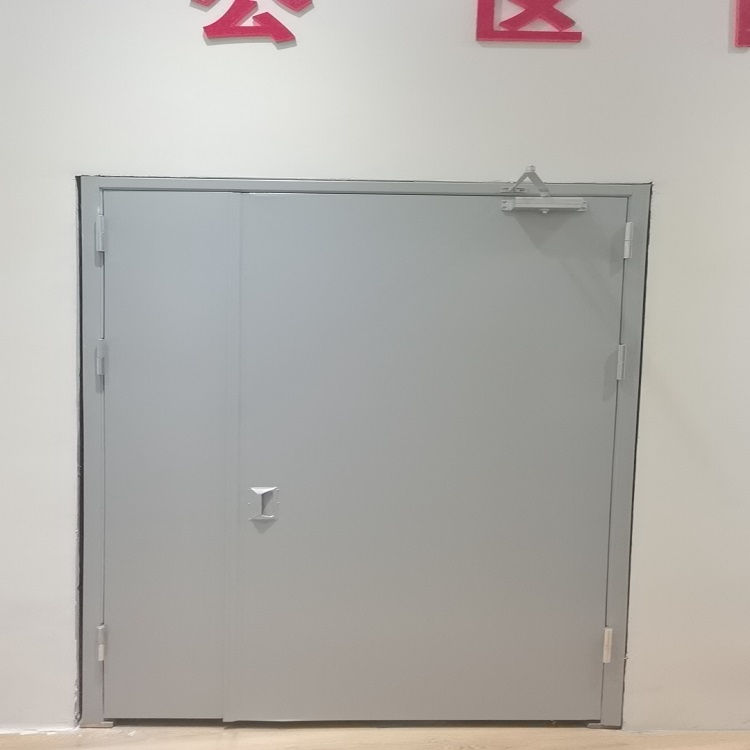
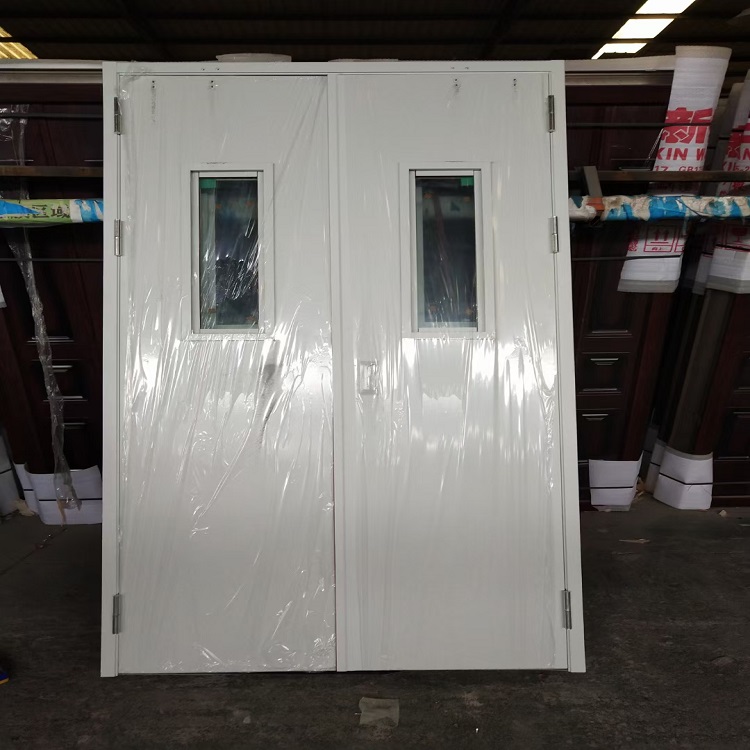
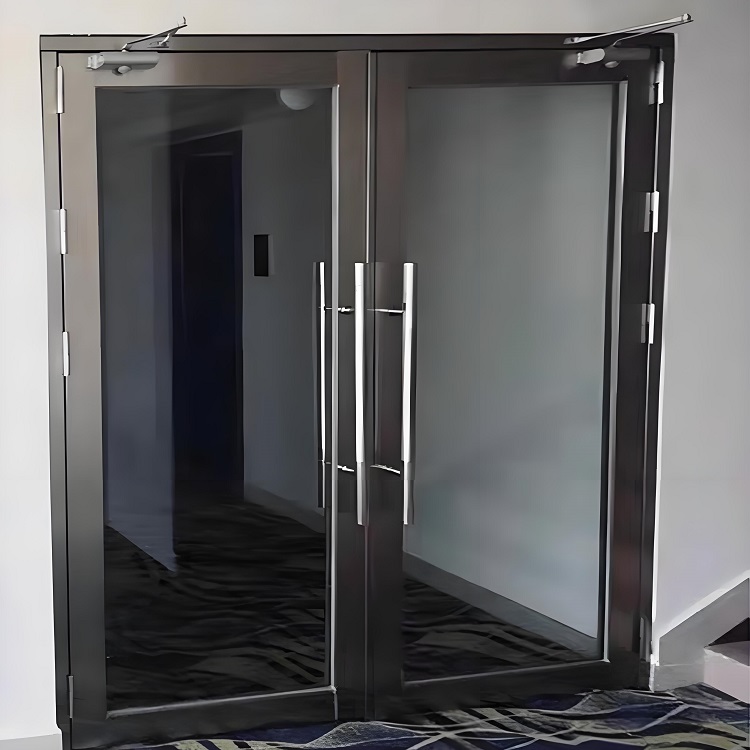
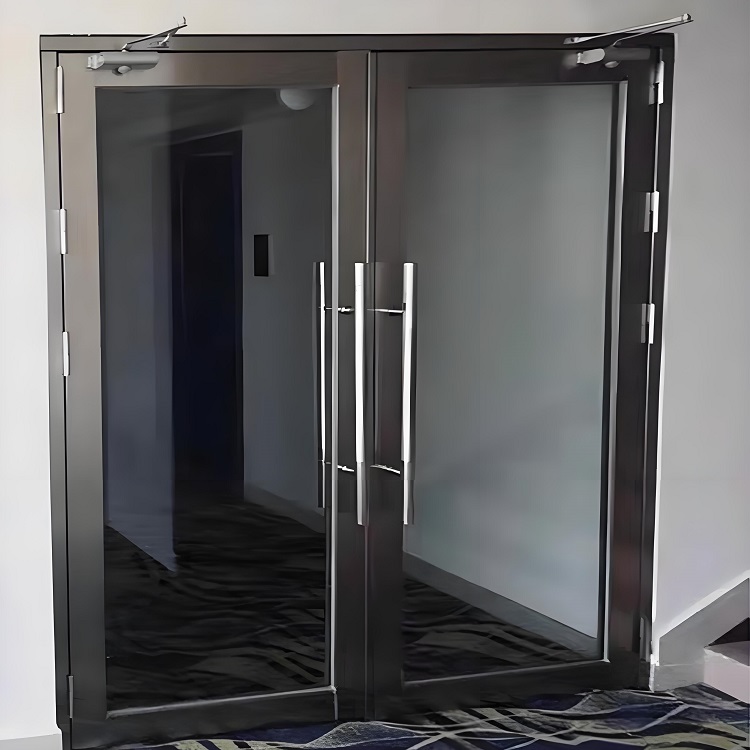
Fire-resistant glass doors refer to a type of fire door where the majority of the door leaf is made of fire-resistant glass. It typically includes door frames, fire-resistant glass, fire-resistant hardware, and insulating materials. The door leaf is connected to the frame via hinges and other connecting parts, and the door is equipped with closers, fire-resistant locks, and other hardware to ensure stability and fire resistance.
Glass fireproof door refers to a type of fireproof door with fireproof glass installed on most of the area above the door leaf. It usually includes components such as door frames, fire-resistant glass, fire-resistant hardware accessories, and insulation materials. The door leaf is connected to the door frame through hinges and other connectors, and hardware accessories such as door closers and fire locks are installed on the door to ensure its stability and fire resistance.
Features and Specifications
function and characteristic
Fire Retardant Performance: The primary function of fire-resistant glass doors is fire prevention, heat insulation, and smoke separation. During a fire, they effectively prevent the spread of flames, allowing for valuable time to be gained for evacuation and fire rescue operations.
Fire resistance: The main functions of glass fire doors are fire prevention, insulation, and smoke isolation. When a fire occurs, it can effectively prevent the spread of the fire and buy valuable time for personnel evacuation and firefighting rescue.
Transparency: With fire-resistant glass used, the fire-rated doors maintain excellent transparency, facilitating observation of the interior and enhancing both the safety and aesthetics of the building.
Transparency: Due to the use of fire-resistant glass, the glass fire-resistant door maintains good transparency, making it easy to observe indoor conditions and improving the safety and aesthetics of the building.
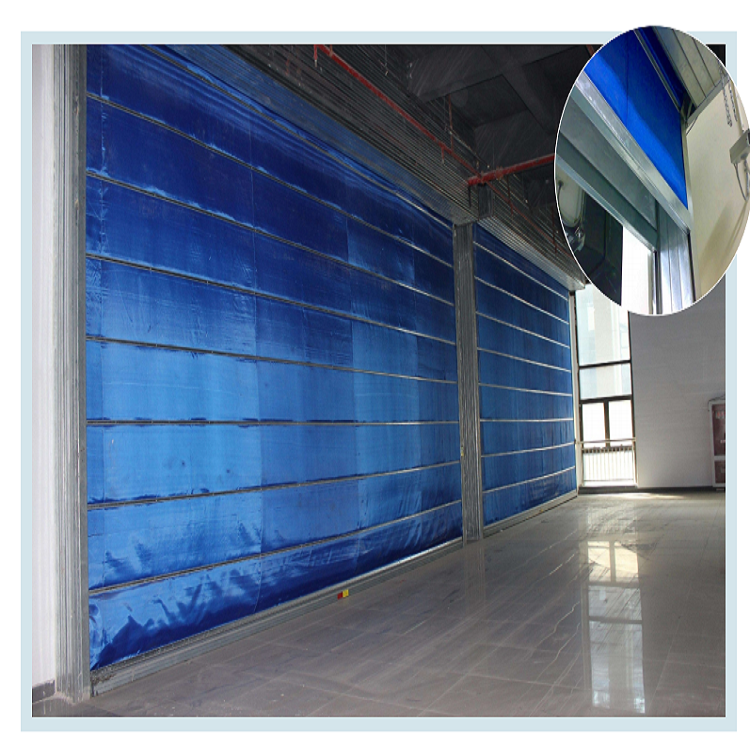
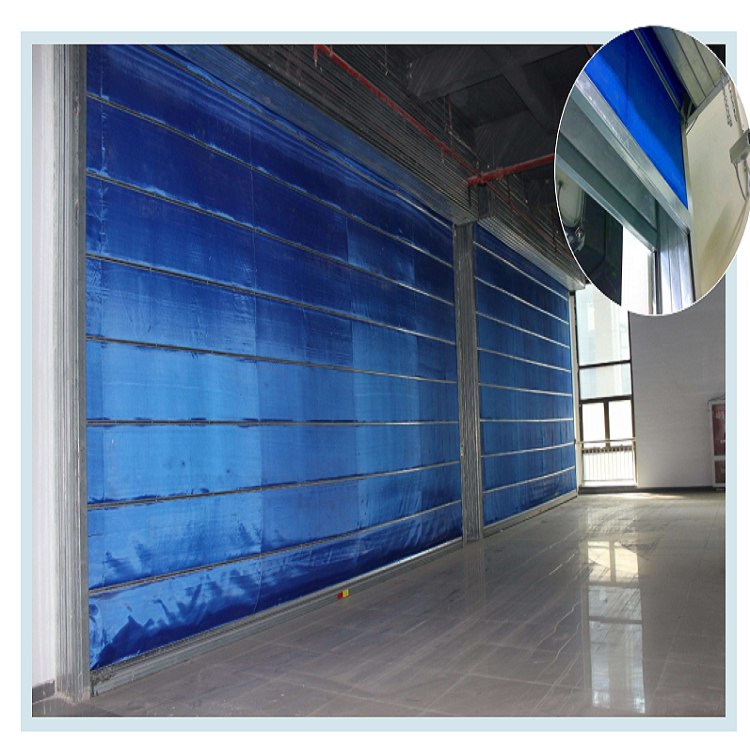
Automatic closure feature: Some fire-resistant glass doors are equipped with an automatic closure system that can close automatically during a fire, further enhancing the fire resistance.
Automatic closing function: Some glass fire doors are also equipped with an automatic closing system, which can automatically close in case of a fire, further improving the fire prevention effect.
Application Scenarios
Application scenarios
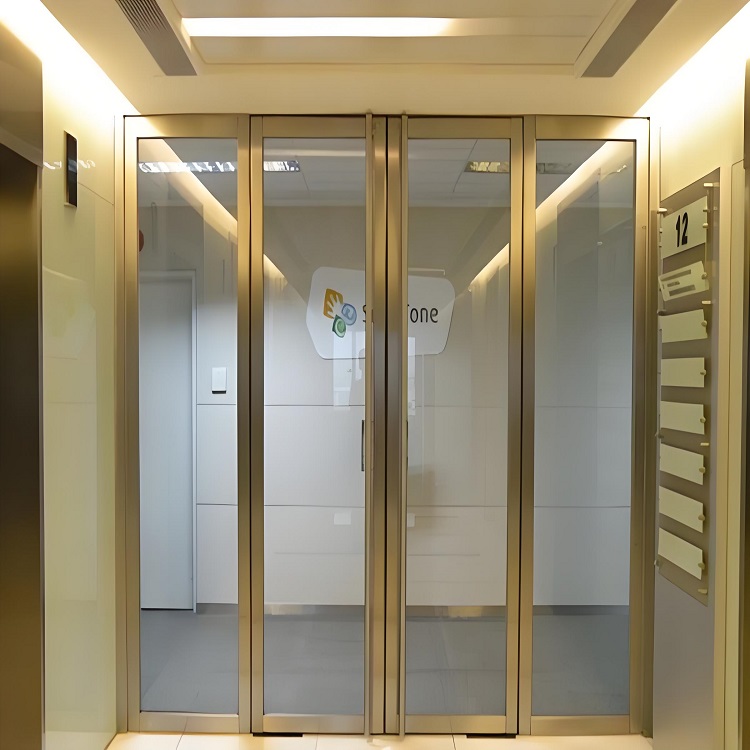
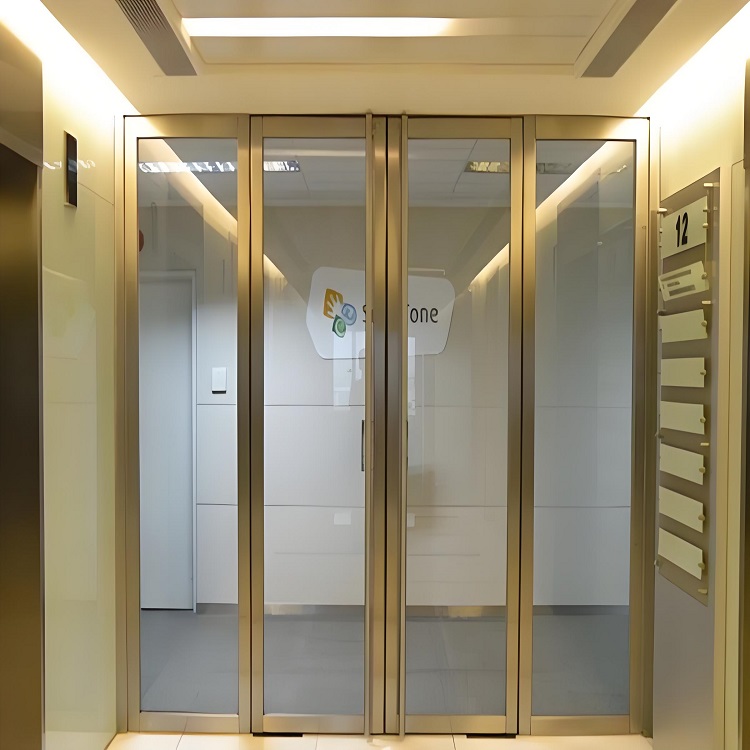
Fire-resistant glass doors are widely used in various locations requiring fire separation and protection, such as hotels, cinemas, exhibition halls, and other public places. They are suitable for fire-resistant doors in elevator lobbies and fire-resistant divisions.
Glass fire doors are widely used in various places that require fire separation and protection, such as hotels, theaters, exhibition halls, and other public places. They can be used as fire doors in elevator lobbies and fire compartments.
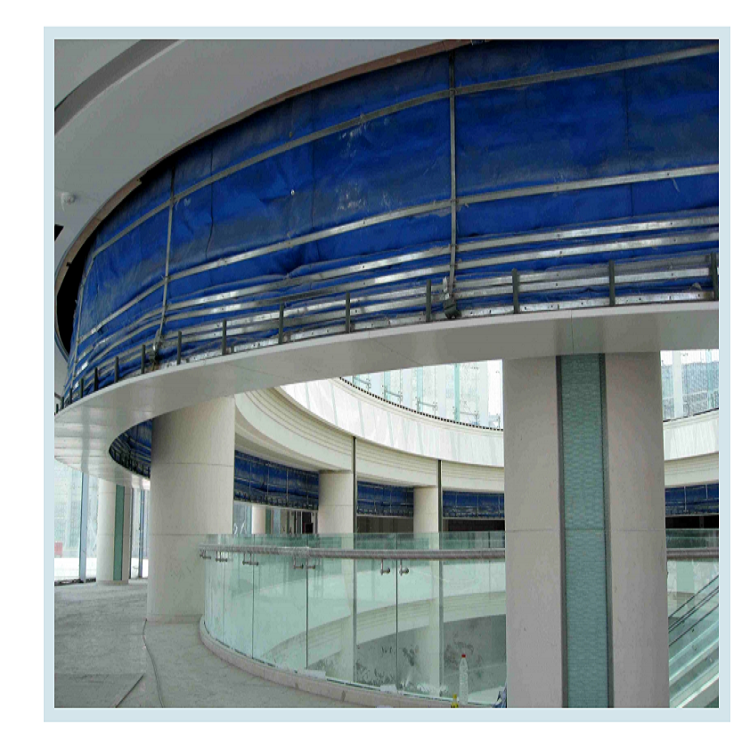
Malls, stores, and other commercial venues: Their elegant and tasteful features blend seamlessly with the business environment, while also offering fire protection.
Shopping malls, shops and other commercial places: Their beautiful and elegant features can be integrated with the commercial environment, while providing fire protection.
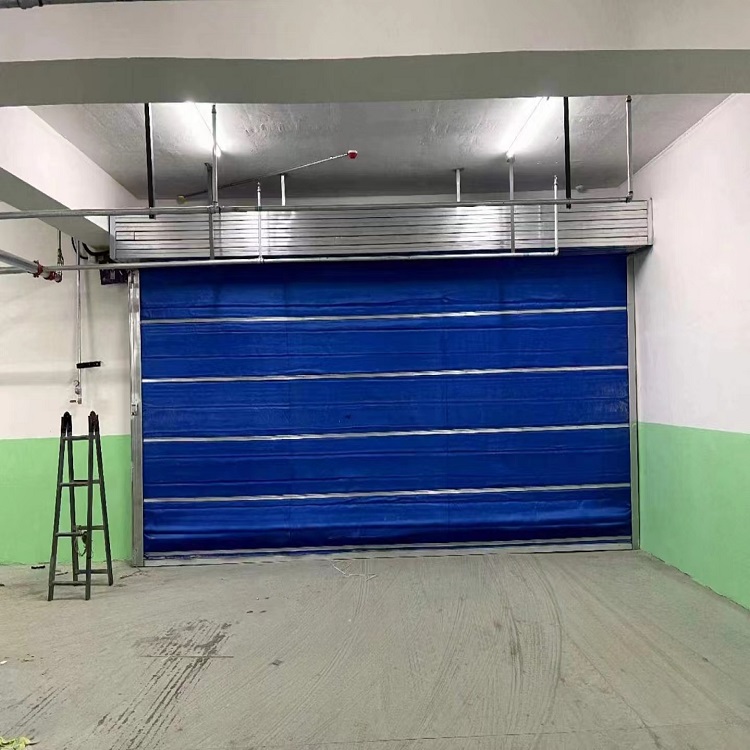
Industrial buildings with fire-resistant requirements, such as workshops and warehouses: Suitable for separating different fire-resistant areas.
Industrial buildings such as workshops and warehouses with fire prevention requirements: can be used to separate different fire prevention areas.
In residential buildings, such as kitchens and balconies: Prevent fire from spreading to other rooms.
Kitchen, balcony and other locations in residential buildings: prevent fire from spreading to other rooms.