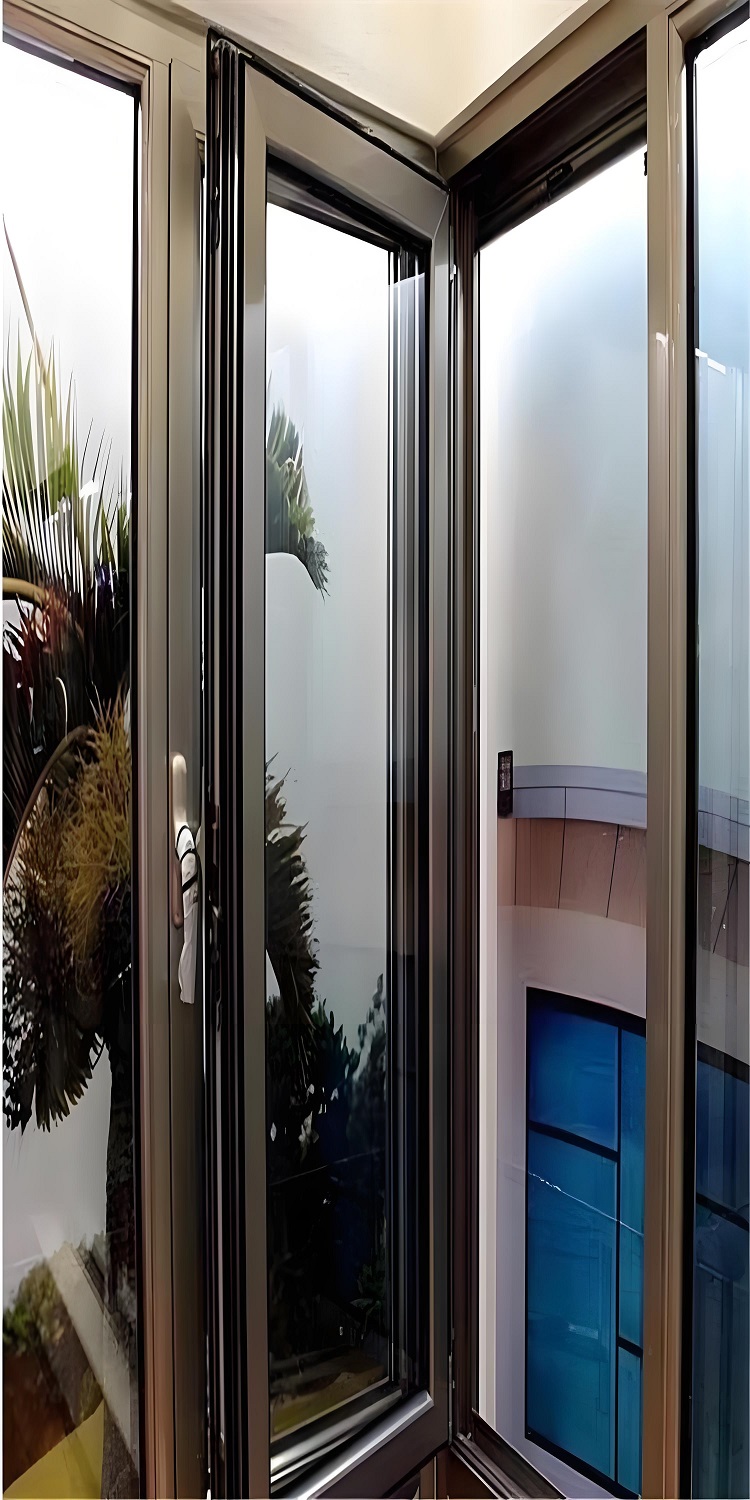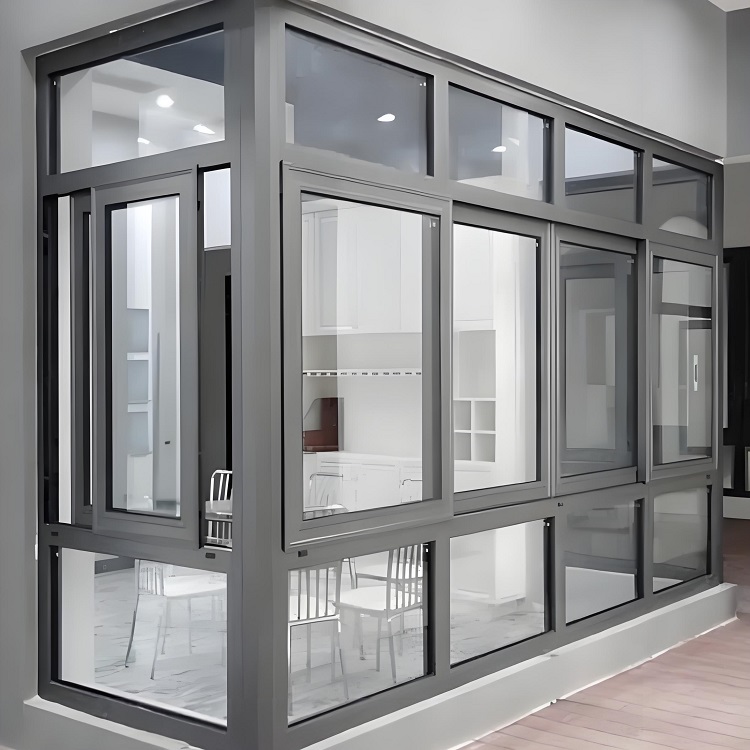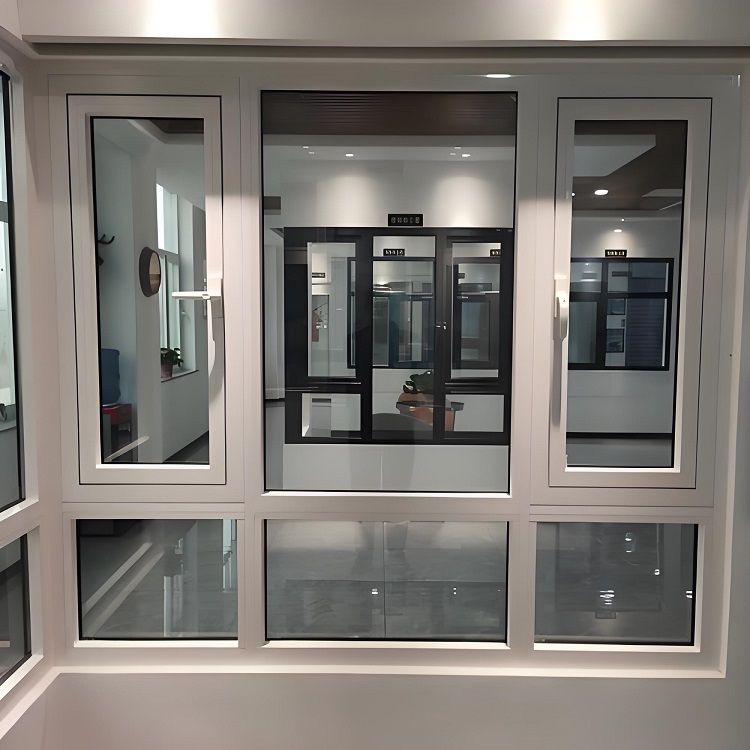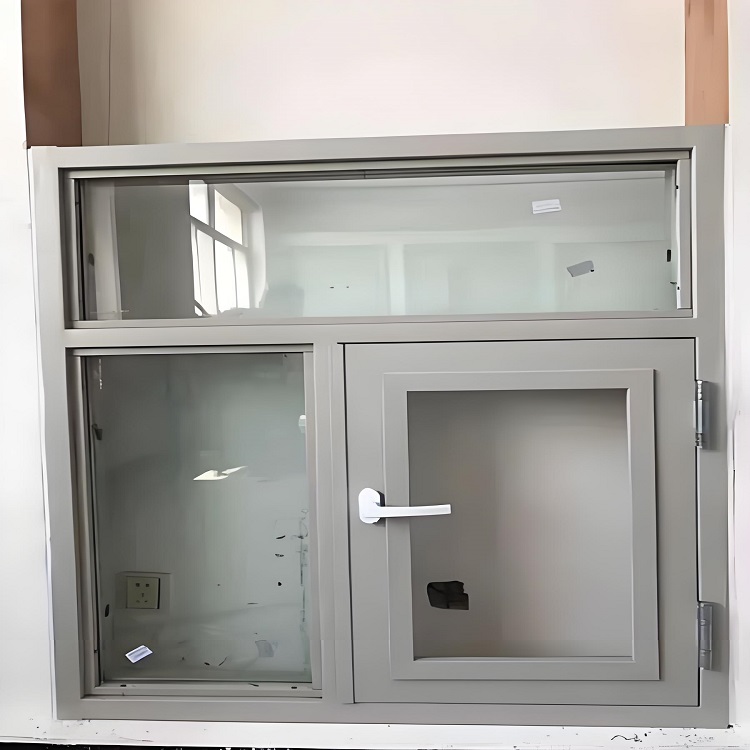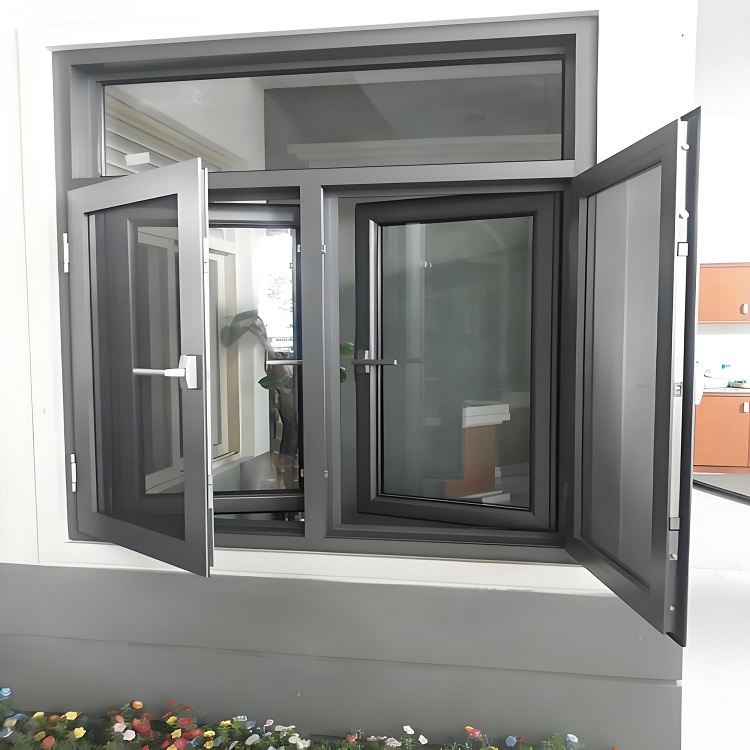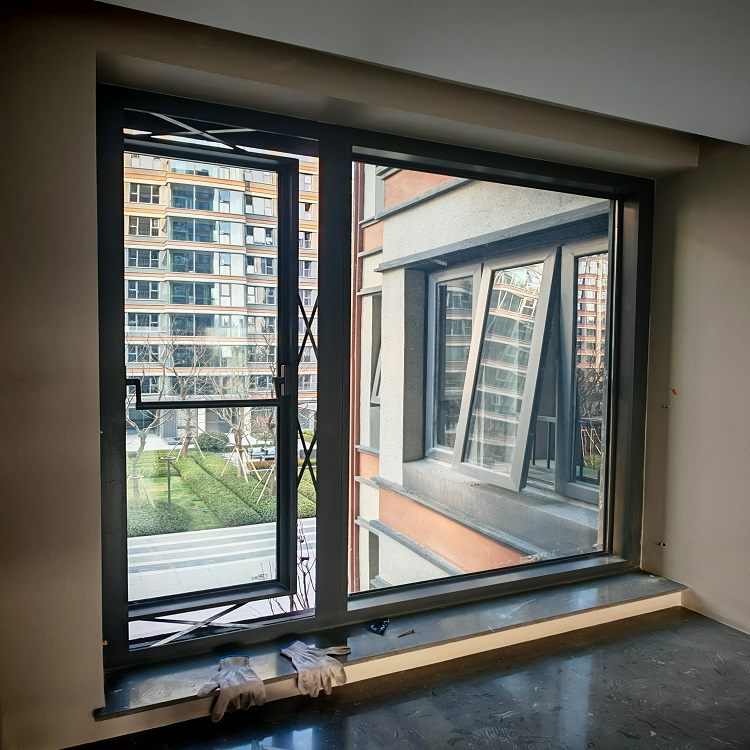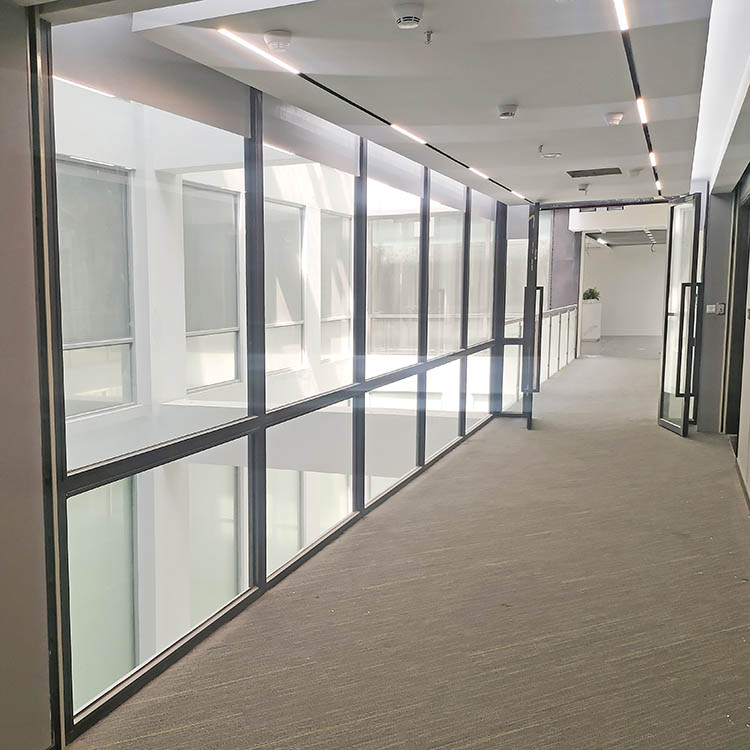


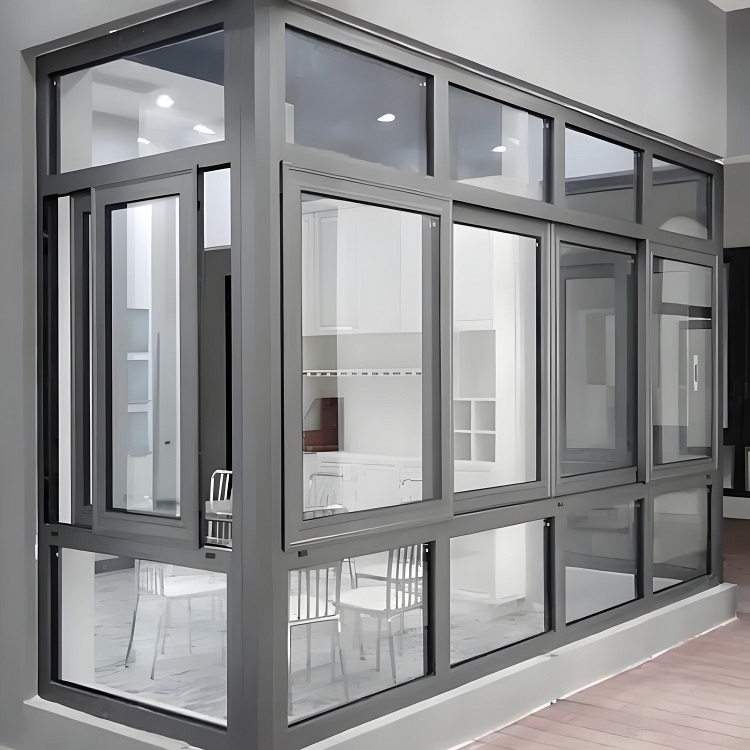
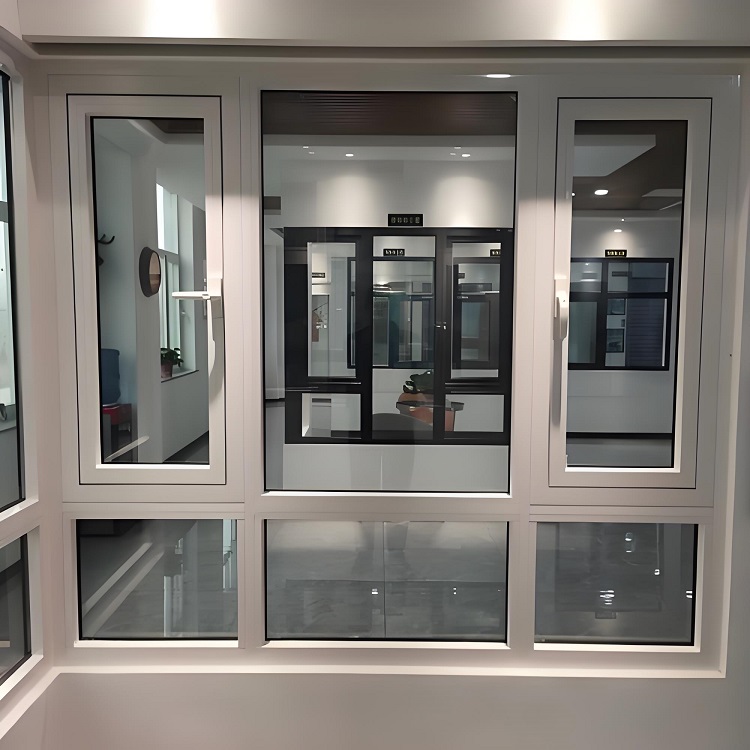


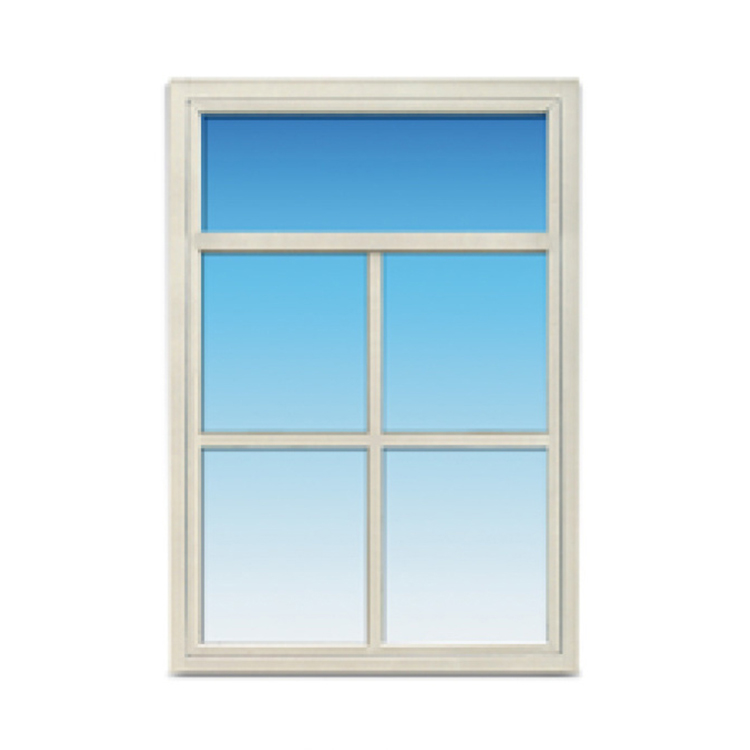
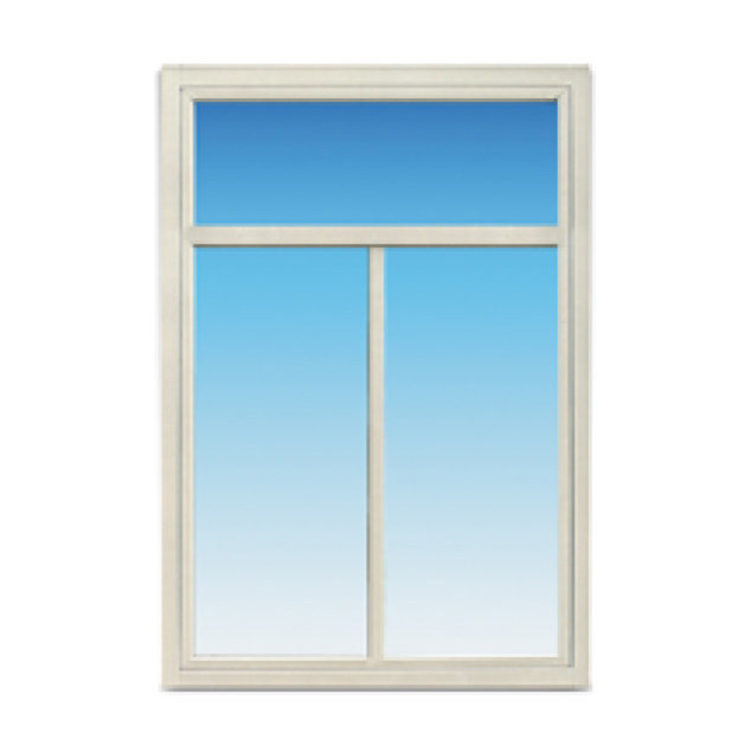







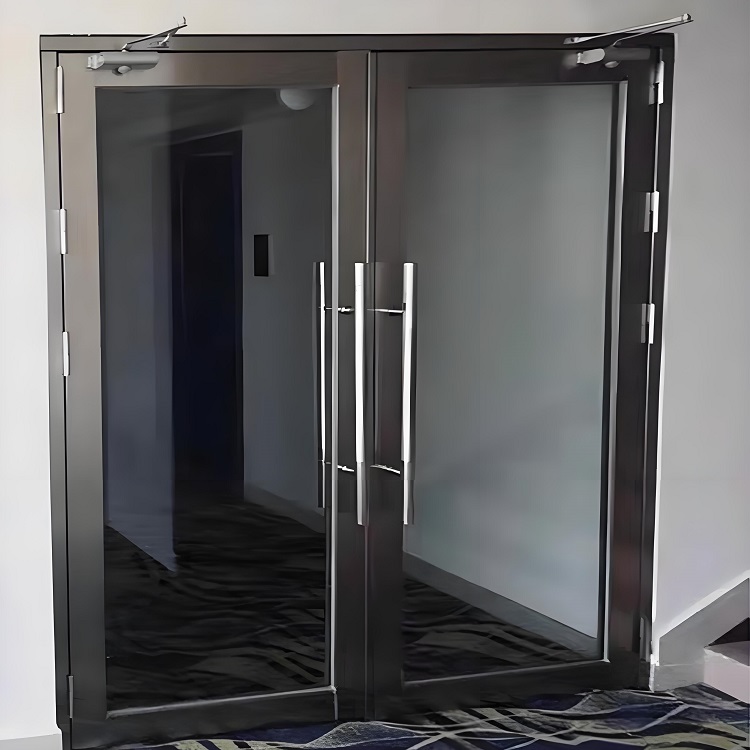
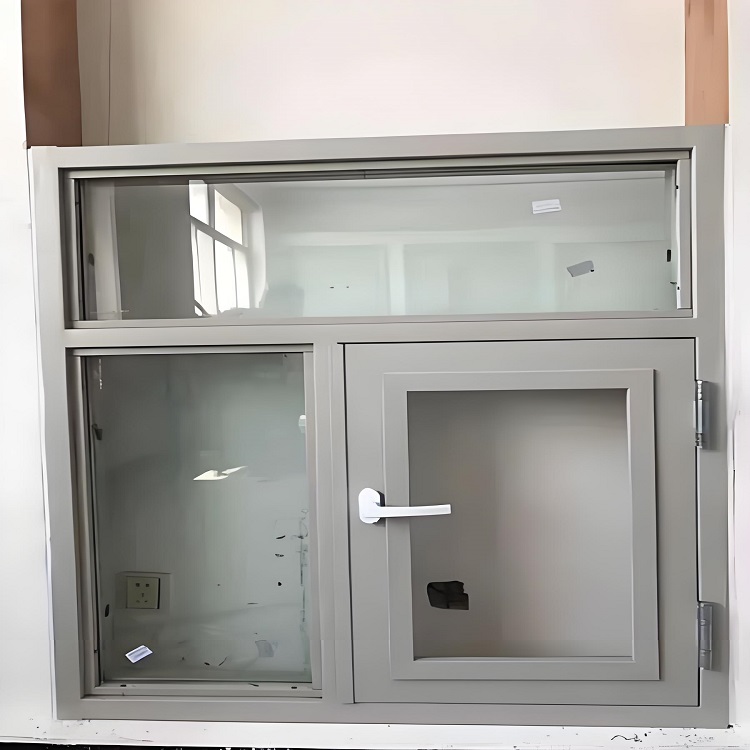
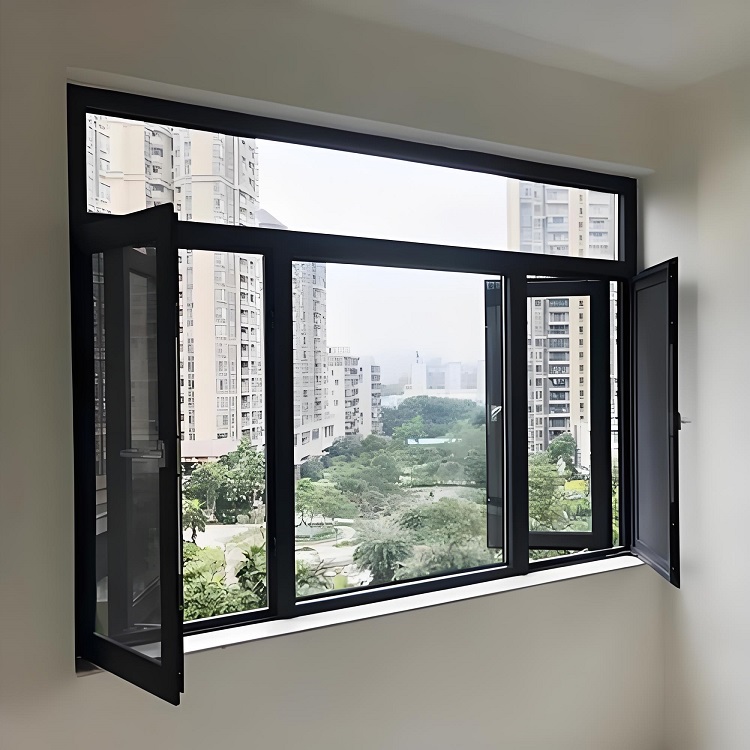
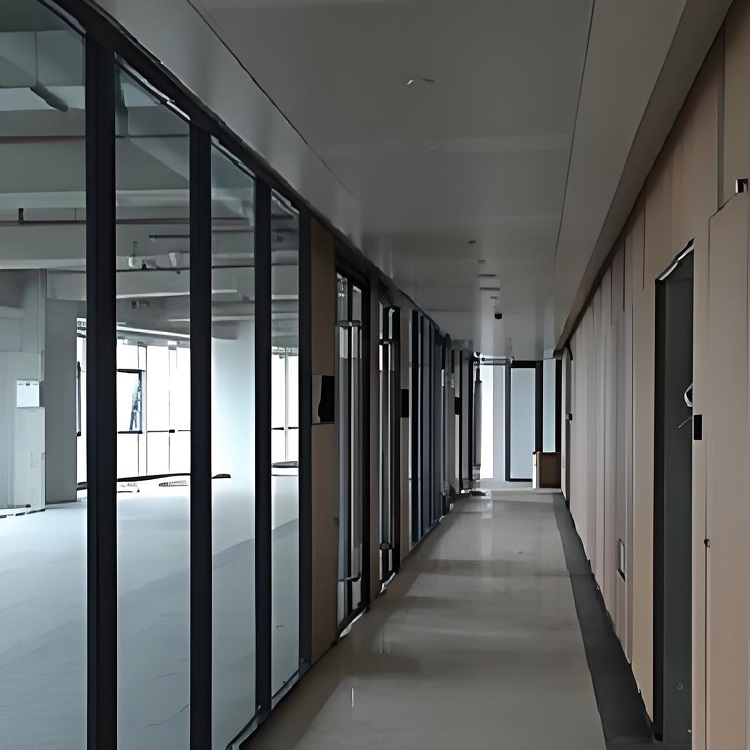
Aluminum-plastic fire-resistant windows are a type of fire-resistant doors and windows that combine the advantages of aluminum alloy and plastic (usually thermoplastic materials like PVC). They offer excellent fire resistance and a variety of practical functions. Below is a detailed introduction to aluminum-plastic fire-resistant windows:
Aluminum plastic fire-resistant window is a type of fire-resistant door and window that combines the advantages of aluminum alloy and plastic (usually referring to thermoplastic materials such as PVC), with excellent fire resistance and multiple practical functions. The following is a detailed introduction to aluminum-plastic fire-resistant windows:
Fire-resistant properties:
Fireproof performance:
Aluminum-plastic fire-resistant windows are made with special materials and design, ensuring their fire-resistant integrity is maintained under specified test conditions.
Aluminum plastic fire-resistant windows are designed with special materials and processes to ensure their fire integrity is maintained under specified test conditions.
Fire-resistant glass is typically installed on the backside (the interior side) to effectively prevent the penetration of flames and heat.
Fireproof glass is usually installed on the back side (indoor side) to effectively prevent the penetration of flames and heat.
For varying fire resistance requirements, different fire-resistant window products with varying耐火 durations are available.
According to different fire rating requirements, fire-resistant window products with different fire resistance times can be selected.
Structural Features:
Structural features:
The window frames are made of aluminum alloy, offering excellent wind resistance, airtightness, and watertightness properties.
The window frame is made of aluminum alloy material, which has good wind pressure resistance, air tightness, and water tightness performance.
The interior of the window sash is filled with insulating material, enhancing the window's thermal insulation performance.
The interior of the window sash is filled with insulation material to improve the thermal insulation performance of the window.
Fire-resistant glass is used, either as a single-layer or composite type, to meet fire safety requirements while ensuring adequate lighting.
Fireproof glass adopts single piece fireproof glass or composite fireproof glass, which meets the requirements of fire prevention while ensuring the lighting effect.
Aesthetics and practicality:
Aesthetics and practicality:
Aluminum-plastic fire-resistant windows boast an aesthetically pleasing and tasteful appearance, easily blending with modern architectural styles.
Aluminum plastic fire-resistant windows have a beautiful and elegant appearance, which can be integrated with modern architectural styles.
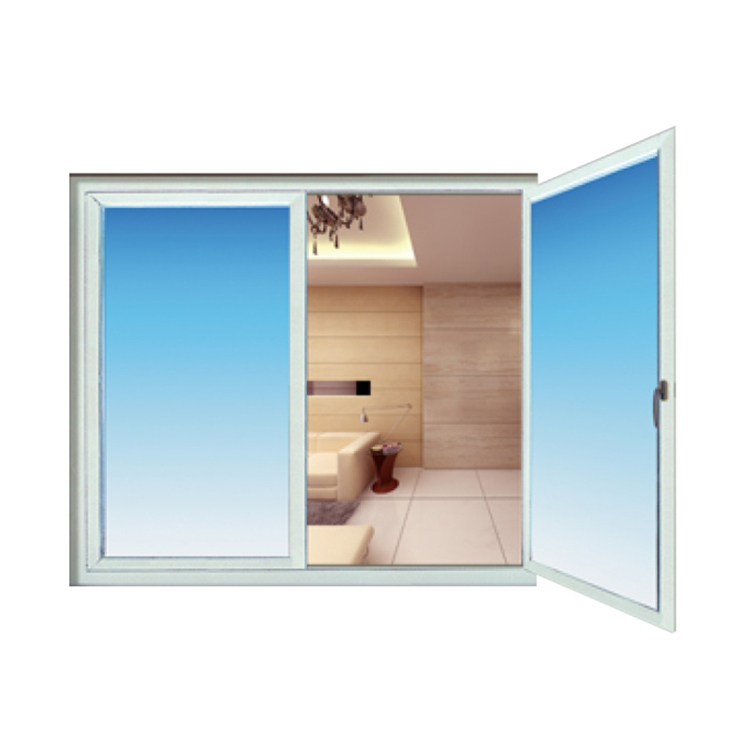
Multiple opening options available, choose from flat open, sliding, etc. based on actual needs.
There are various ways to open it, and you can choose from flat opening, sliding, and other opening methods according to your actual needs.
Easy to clean and maintain, extending its lifespan.
Easy to clean and maintain, extending service life.
Application Scenario
Application scenarios
Aluminum-plastic fire-resistant windows are widely used in places with high fire safety requirements, such as:
Aluminum plastic fire-resistant windows are widely used in places with high requirements for fire safety, such as:
High-rise residential and commercial buildings (such as shopping malls, office buildings, hotels, etc.): High pedestrian traffic, with stringent fire safety requirements.
High rise residential and commercial buildings (such as shopping malls, office buildings, hotels, etc.): With a large flow of people, they have high requirements for fire safety.
Industrial factories and warehouses: Store large quantities of goods and equipment; in the event of a fire, the losses can be substantial.
Industrial plants and warehouses: storing a large amount of materials and equipment, causing huge losses in the event of a fire.
Schools, libraries, and other public buildings: densely populated, with higher requirements for fire safety.
Schools, libraries and other public buildings: densely populated, with higher requirements for fire safety.