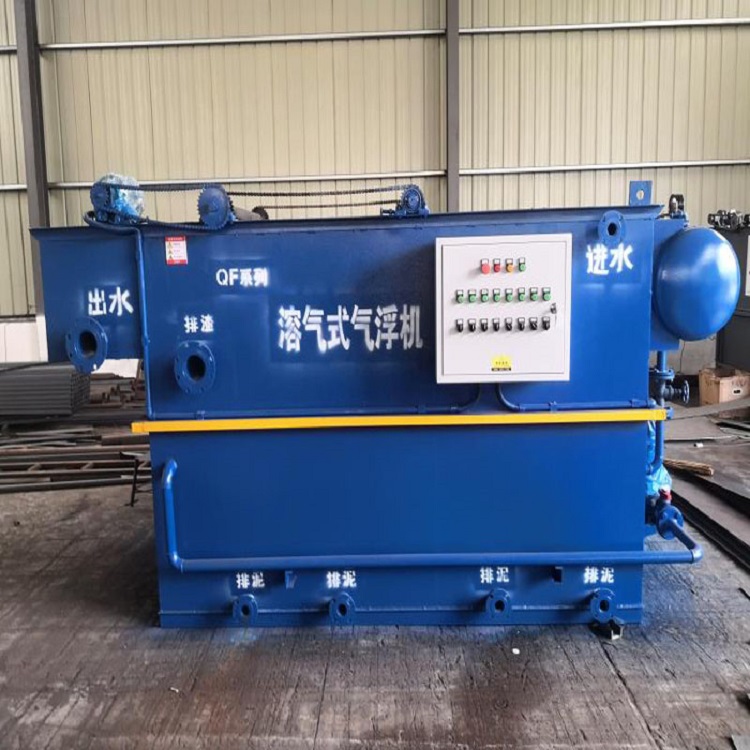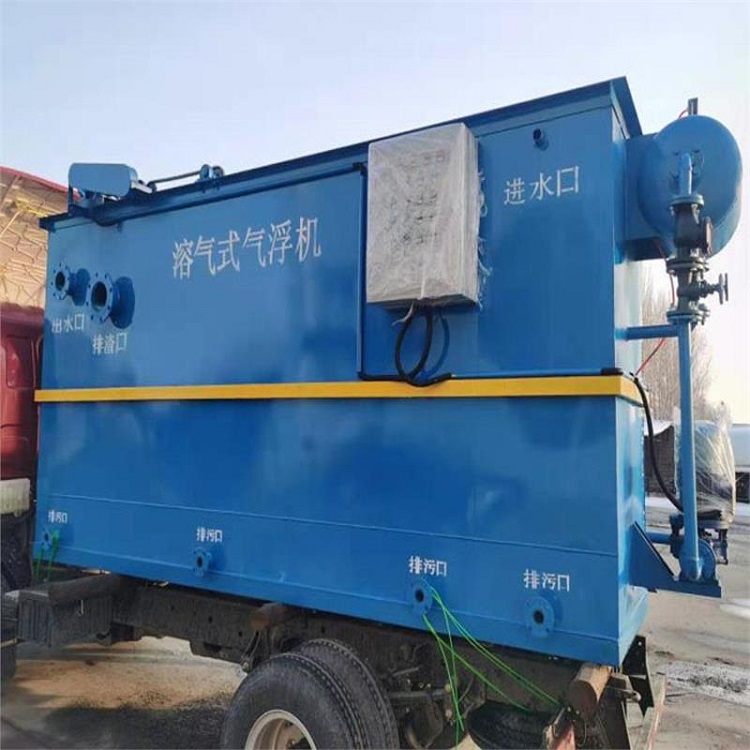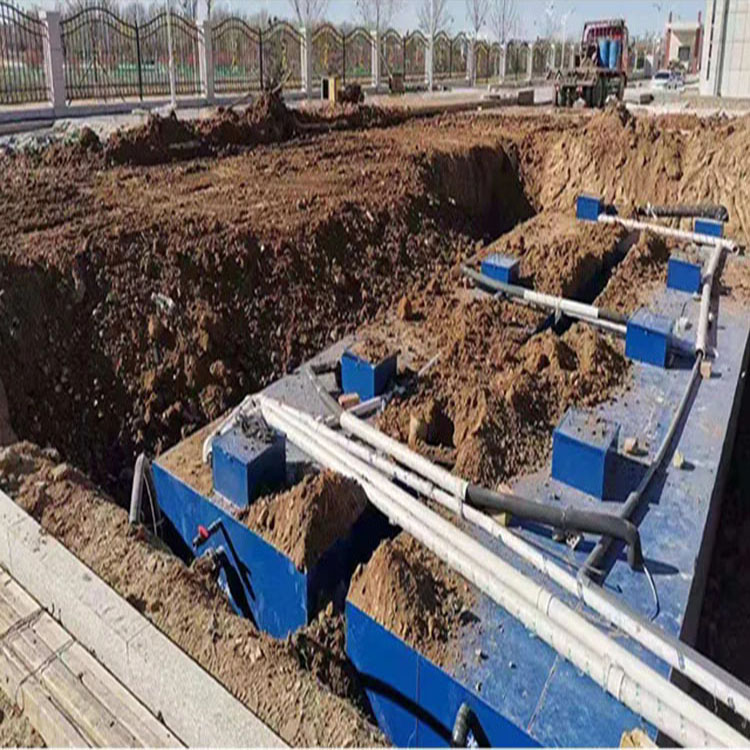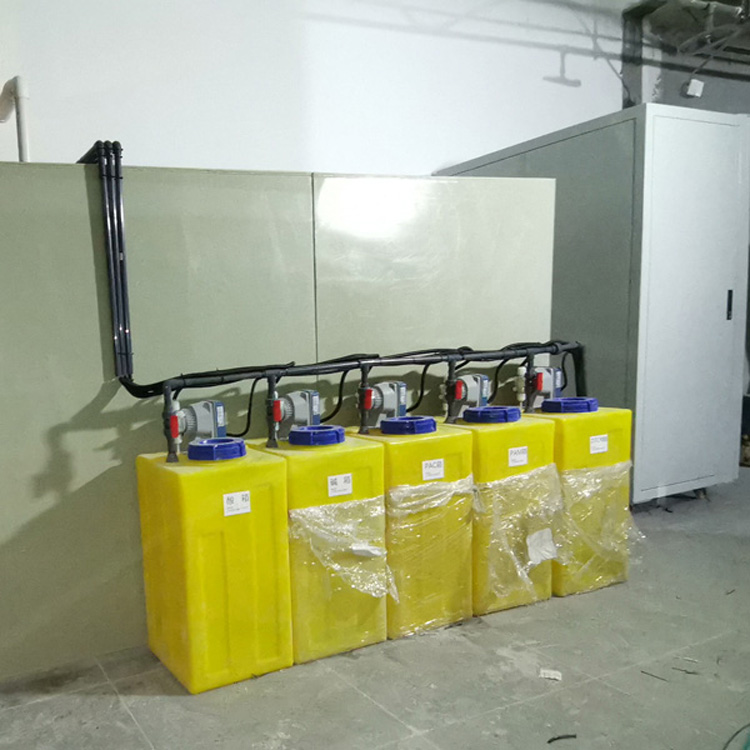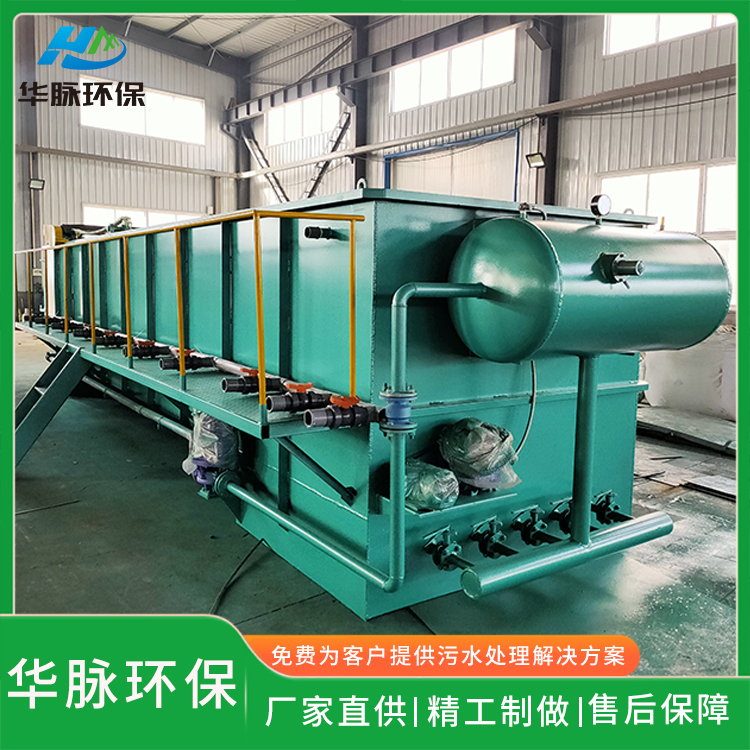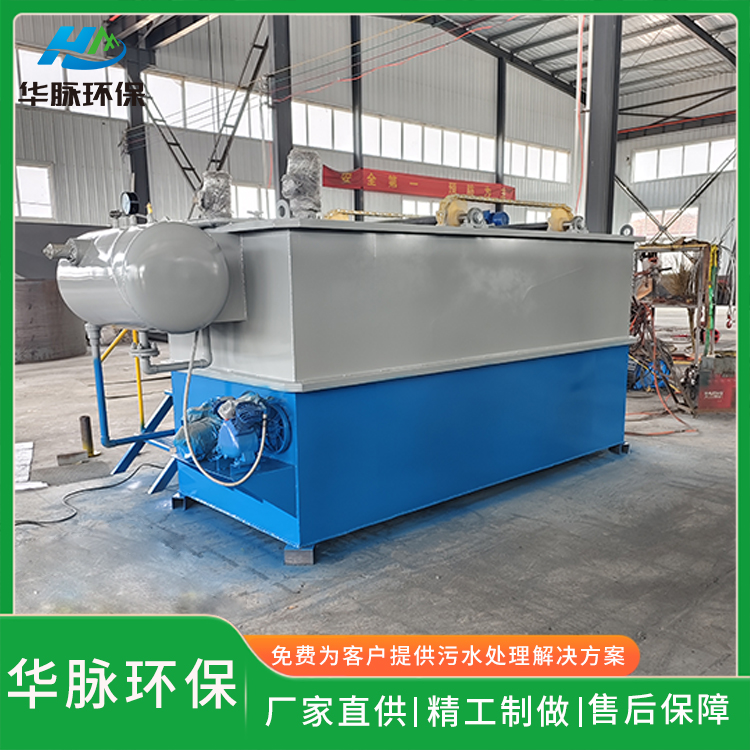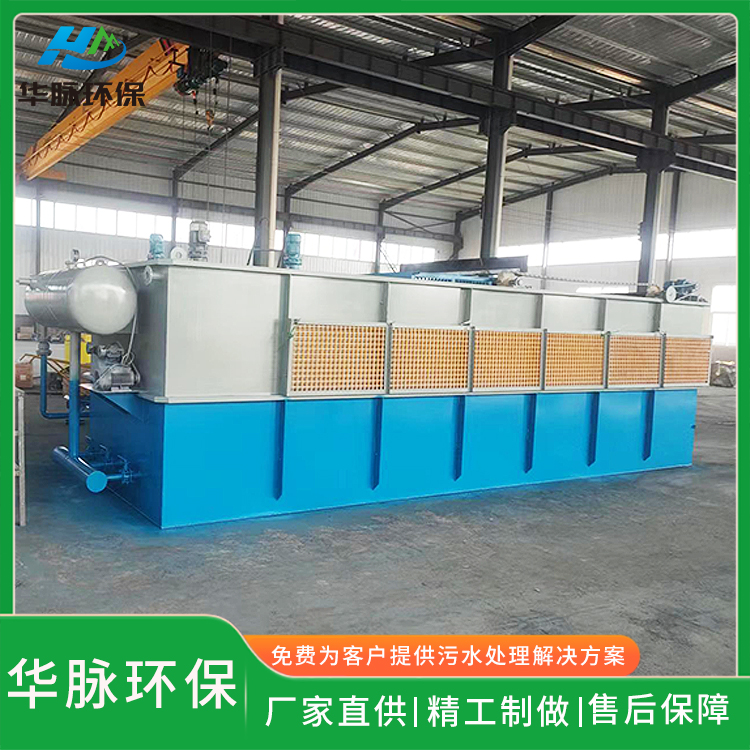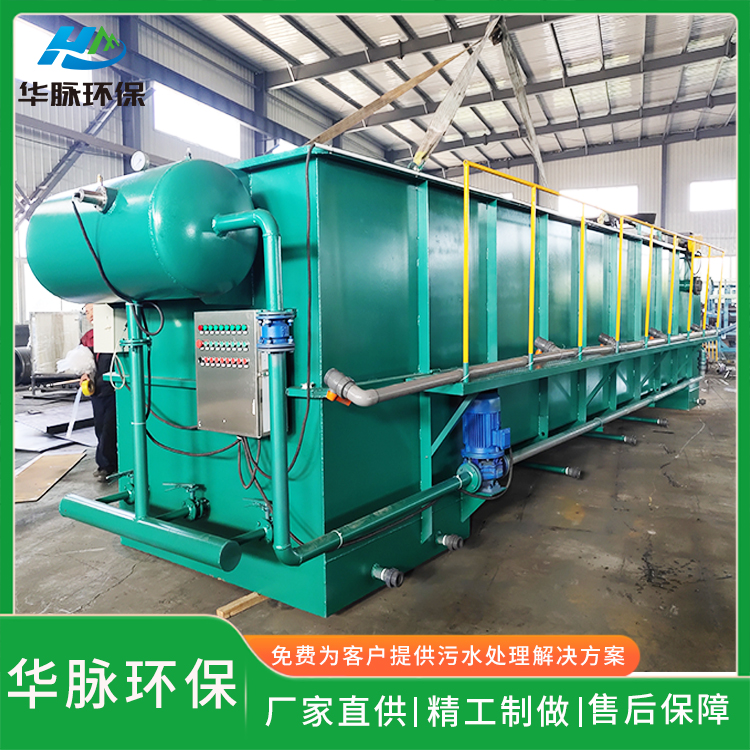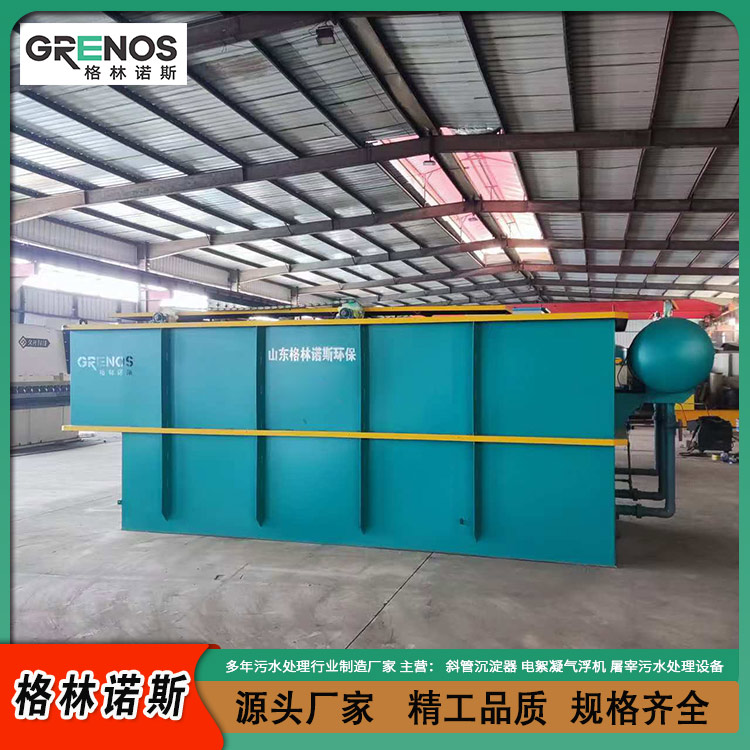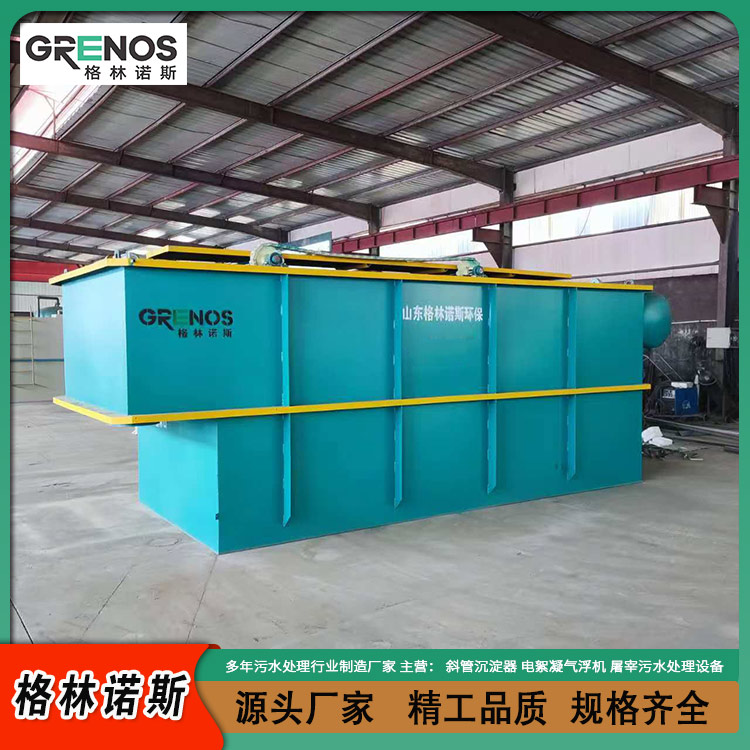

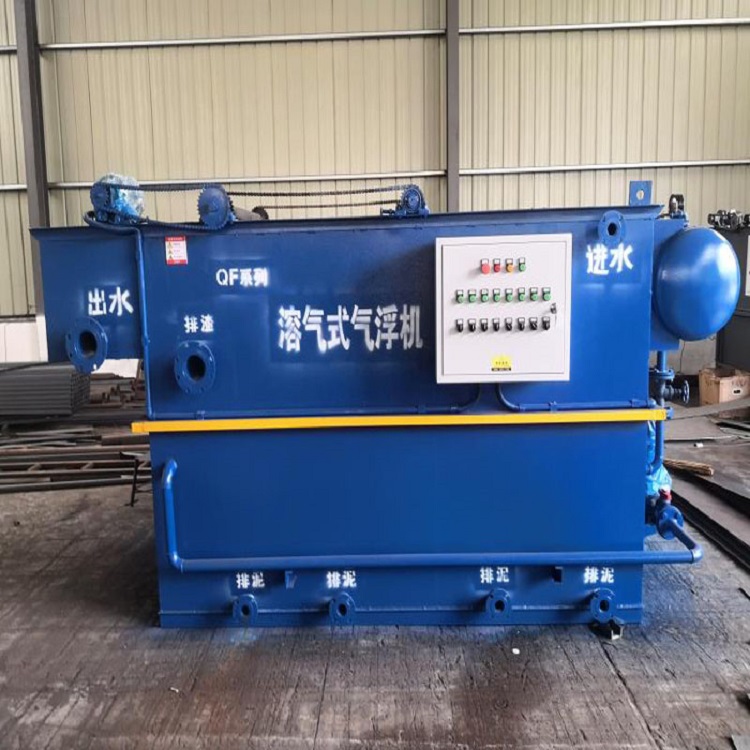

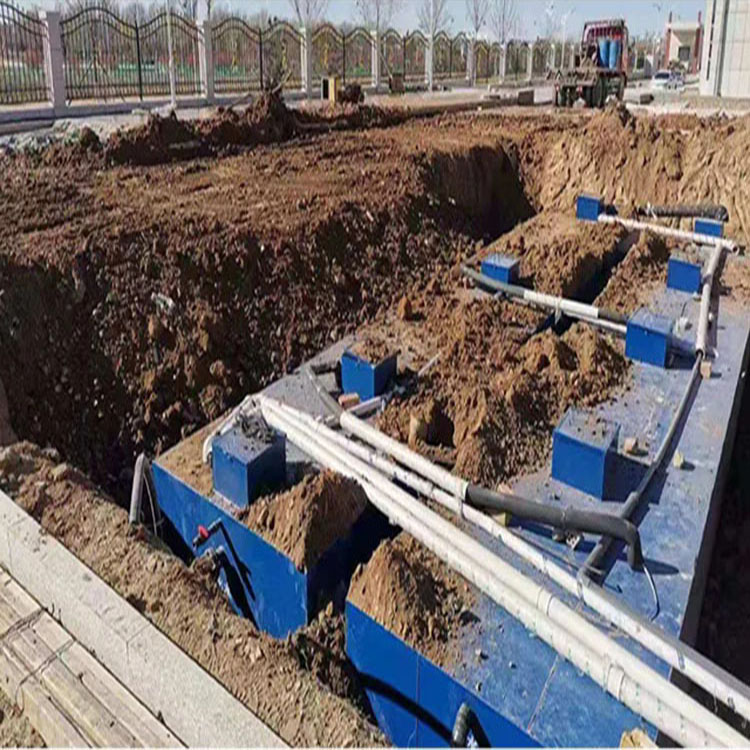


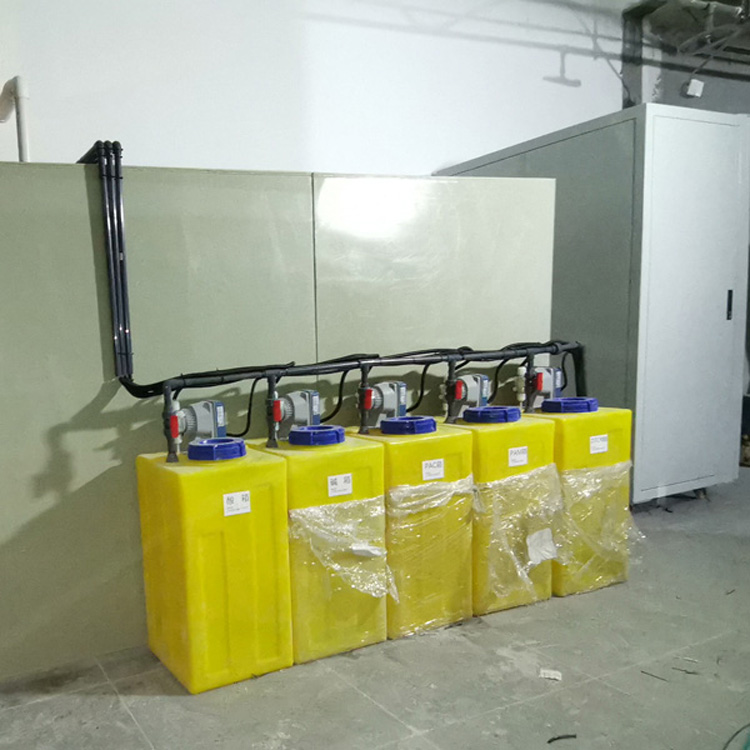
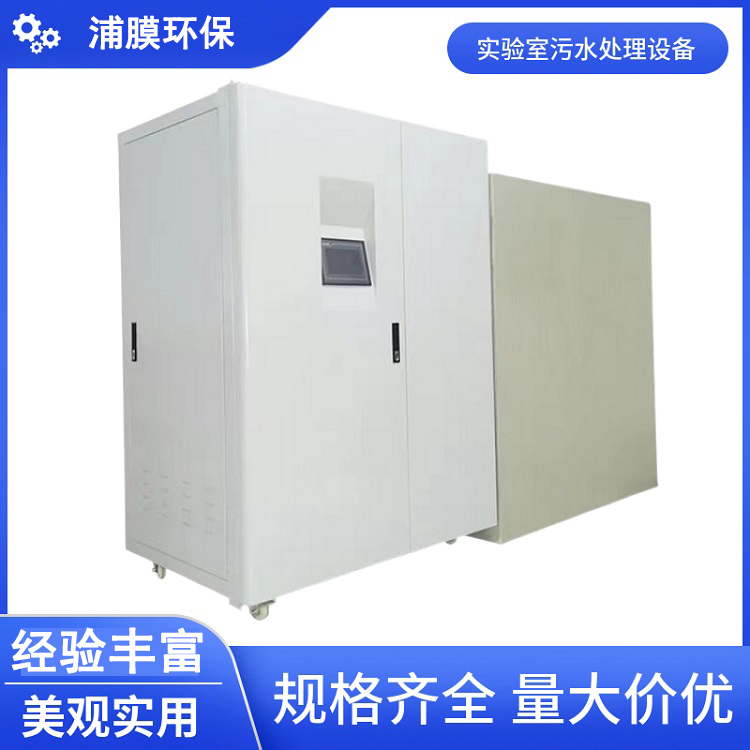
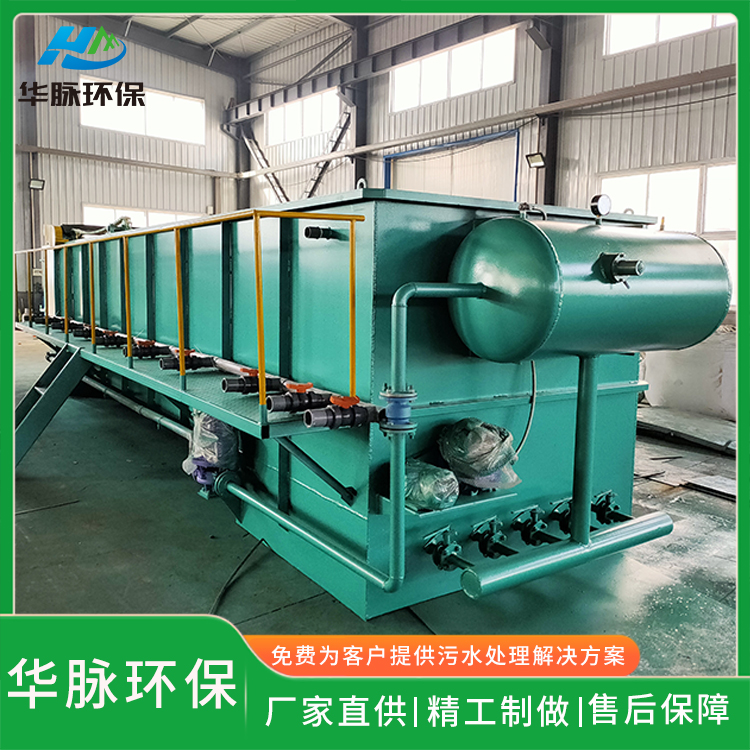
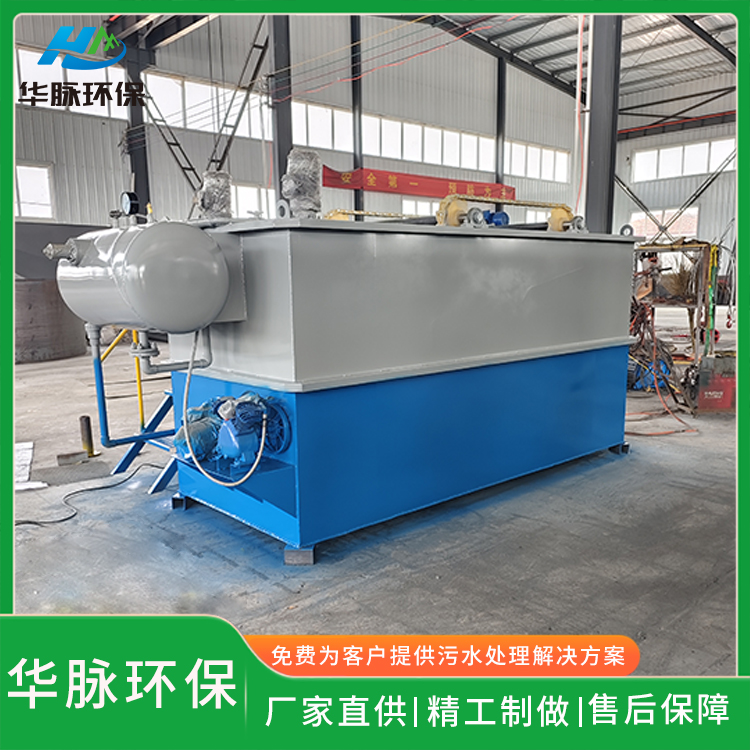
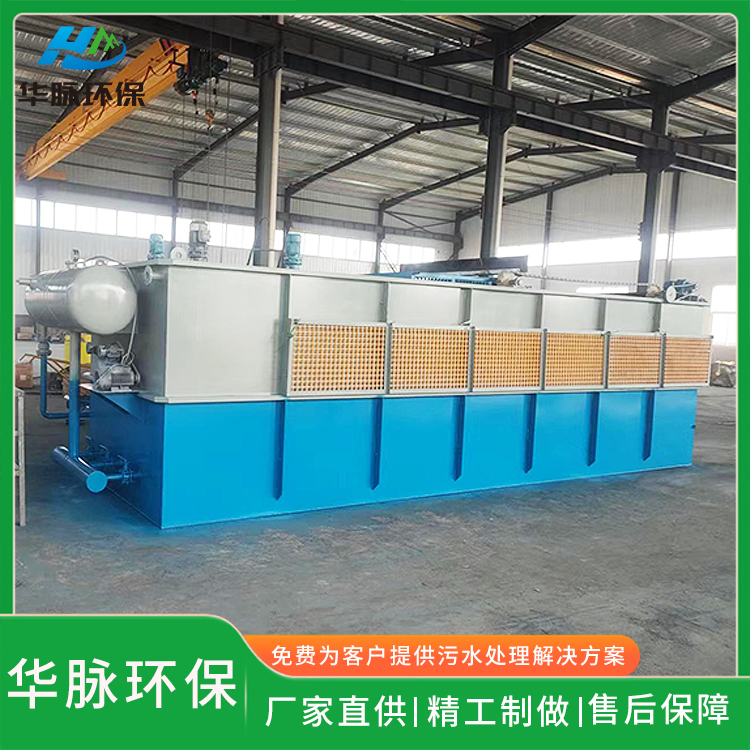





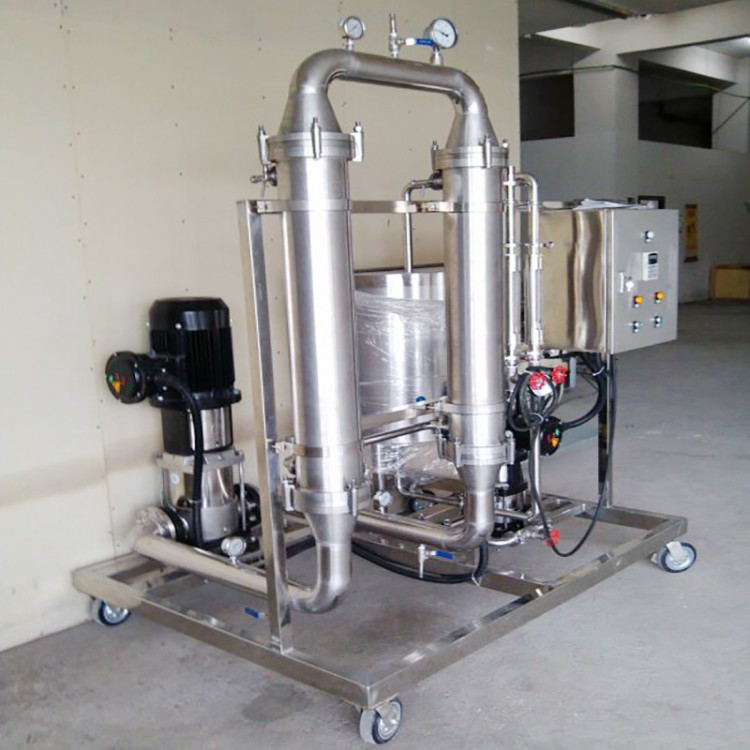
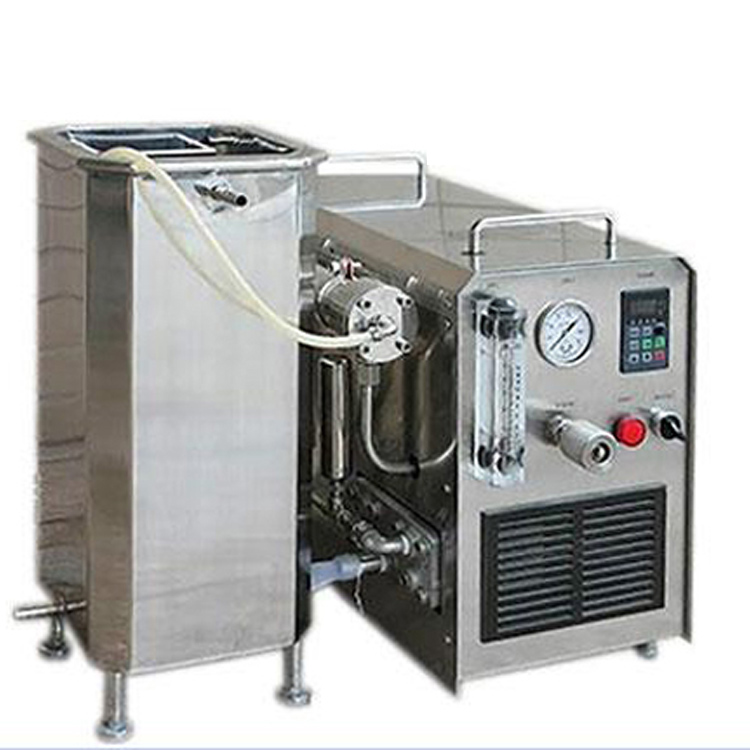
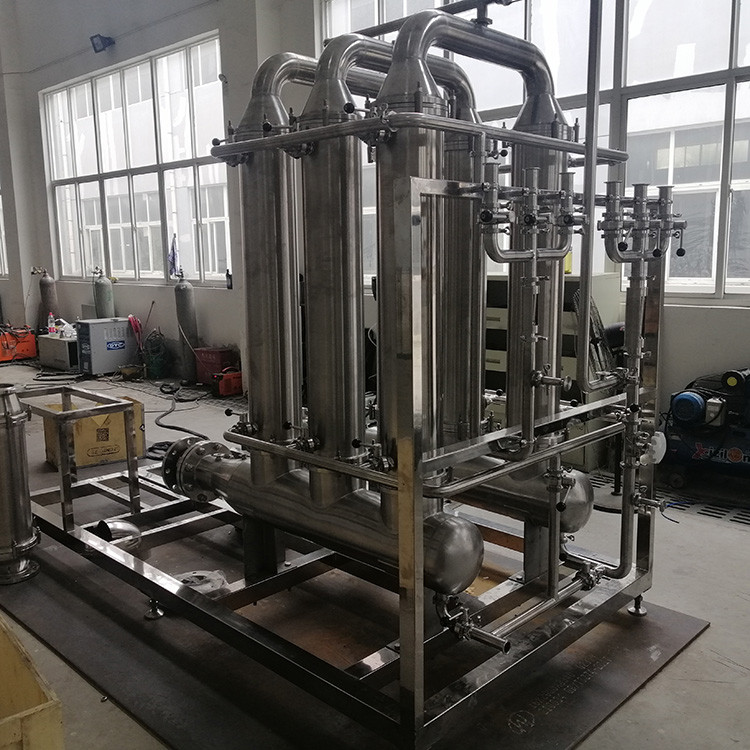
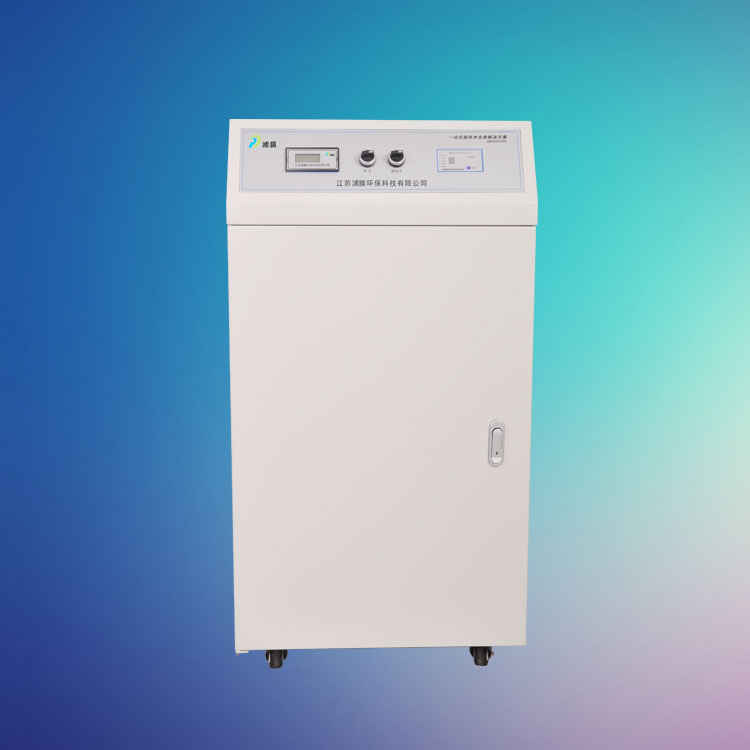
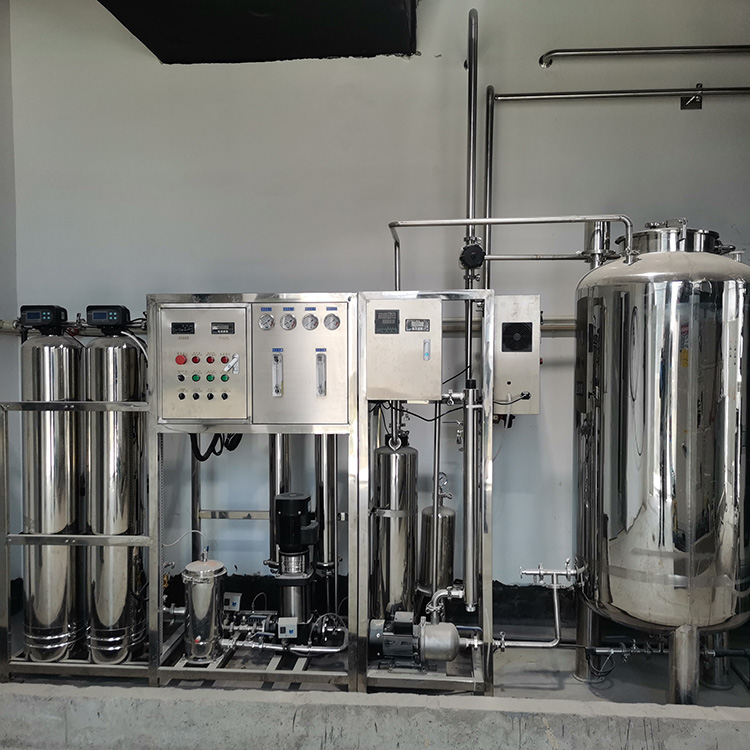
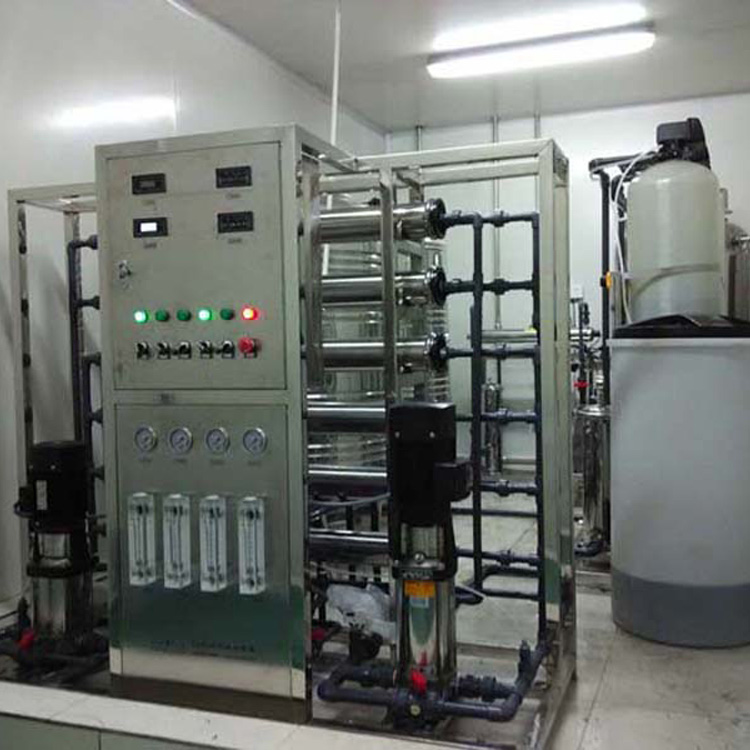
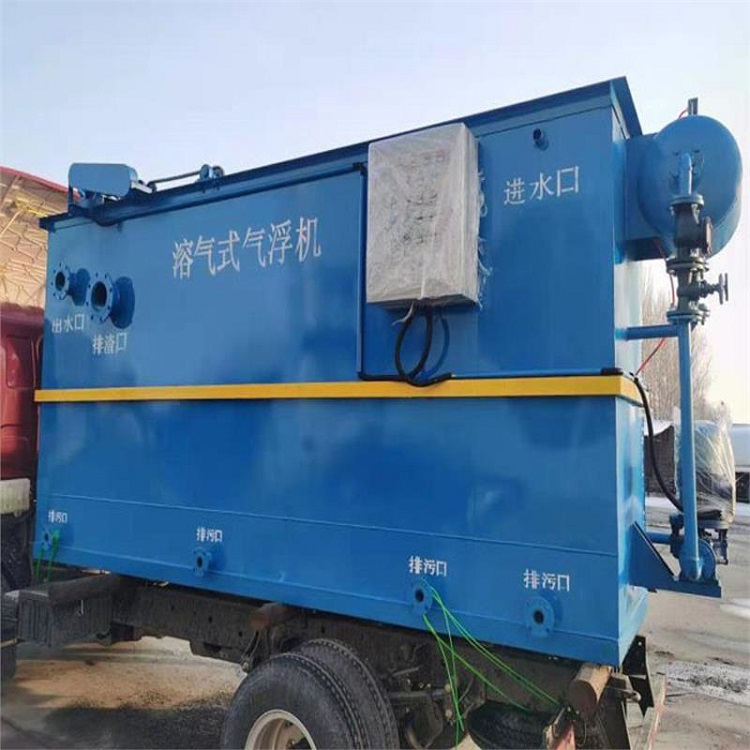
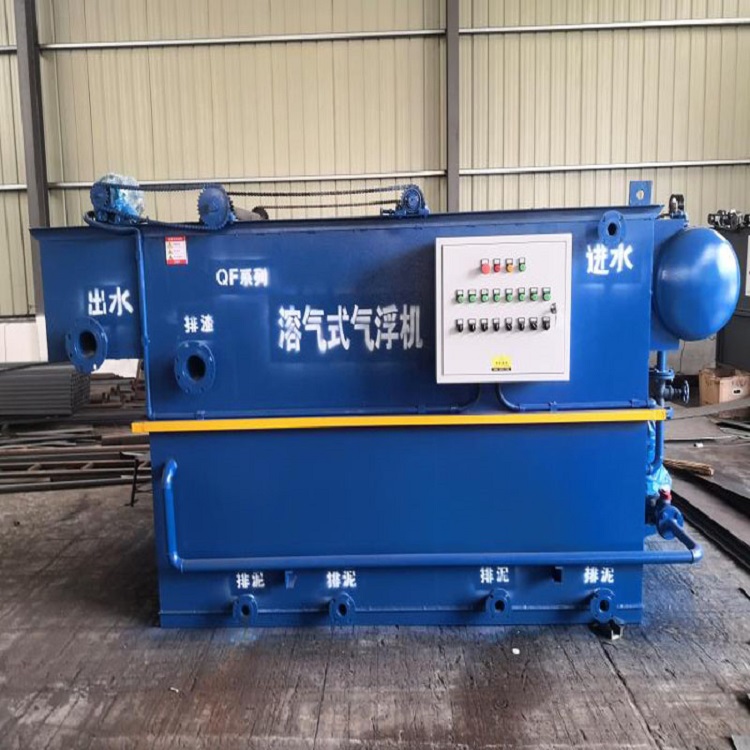
The dissolved air flotation machine's aeration tank produces dissolved air water, which is then depressurized and released into the water to be treated through a release device. The air dissolved in the water is released, forming microbubbles of 20-40 micrometers. These microbubbles combine with suspended solids in the wastewater, making the suspended solids lighter than water. The dissolved air flotation equipment facilitates their gradual floating to the surface to form scum. A scraper system is equipped on the water surface to collect the scum into a sludge pond, with clear water flowing from below through an overflow channel into the clear water tank.
I. Principle and Characteristics of the Air Flotation Equipment:
1High oxygen content:
Due to the high oxygen dissolution in the water, it can reduce the surface tension of the water, allowing fine bubbles to remain at the surface for a longer time, thereby forming a foam layer.
2High Buoyancy:
Due to water's lower density compared to air, bubbles formed on the water surface have greater buoyancy.
3Wide range of processing capabilities:
Within a certain pressure range, almost all industrial water and potable water can be treated as long as the incoming water quality and treatment volume are appropriate.
4User-friendly and easy to control
When water contains a certain amount of gas, it can produce a large number of tiny bubbles; these bubbles, as they rise and encounter resistance, adhere to flocs to form sludge, and gradually grow larger and heavier as the bubbles expand. By introducing compressed air or inert gas into the mixture, the small bubbles can rapidly increase in size, enabling them to separate from the liquid, thus achieving solid-liquid separation.
II. Classification of Air Floatation Equipment:
1By application:
1Wastewater Treatment for Domestic Use.
2Industrial wastewater treatment.
3Agricultural wastewater treatment.
2By working principle:
1Mechanical Stirred Type.
2Mechanical Stirring Type.