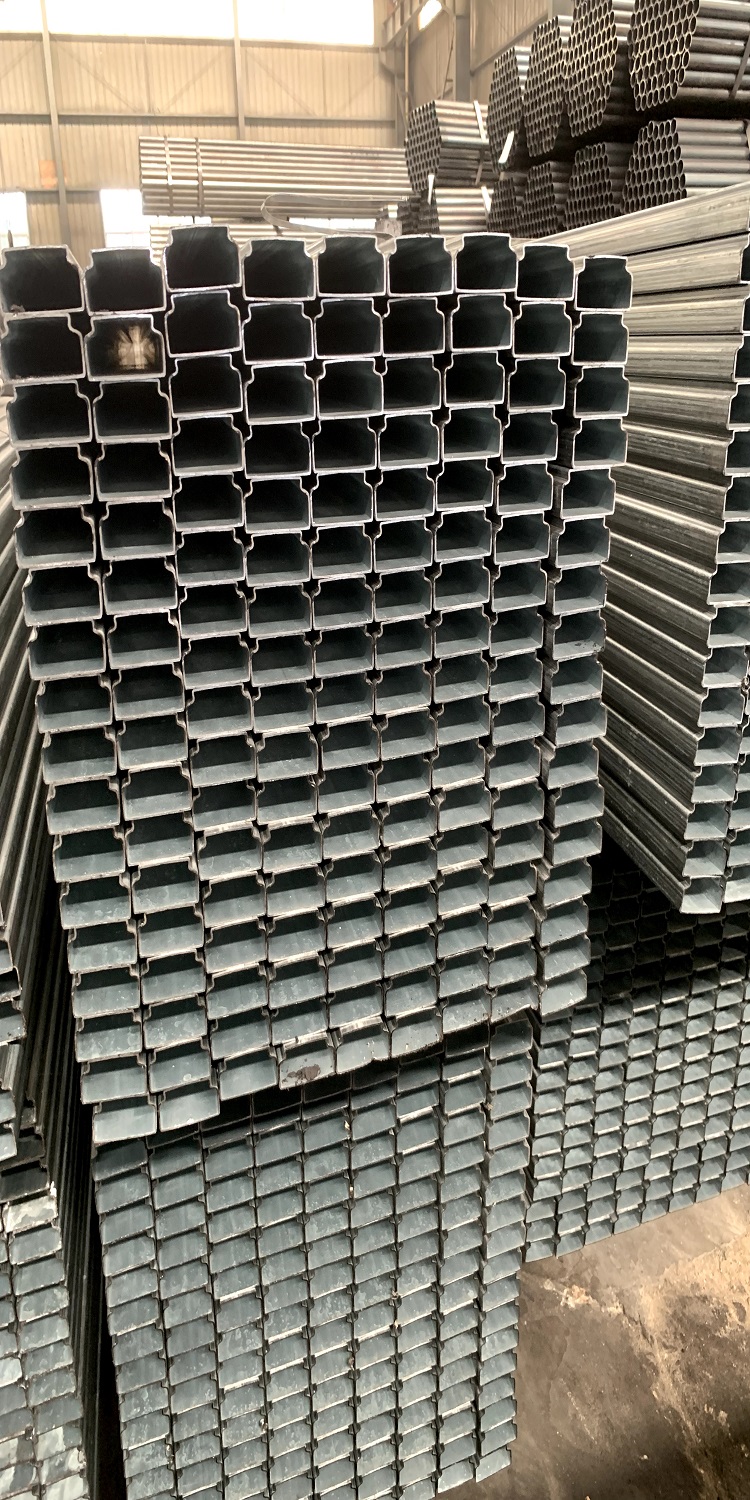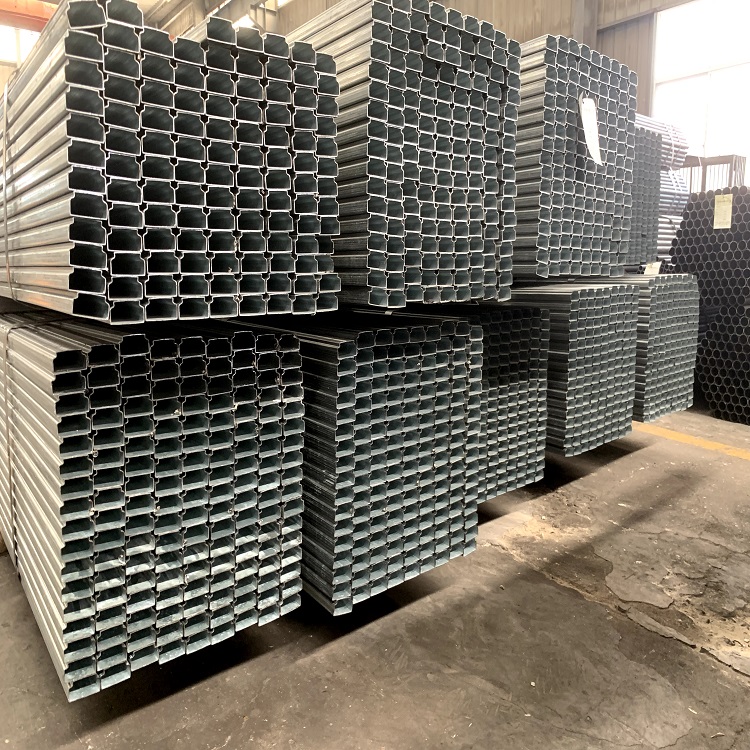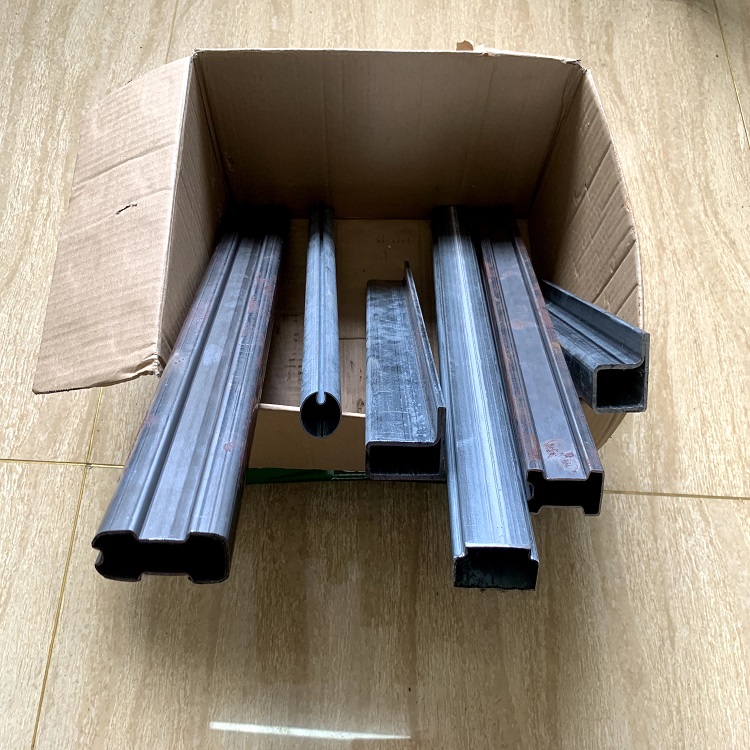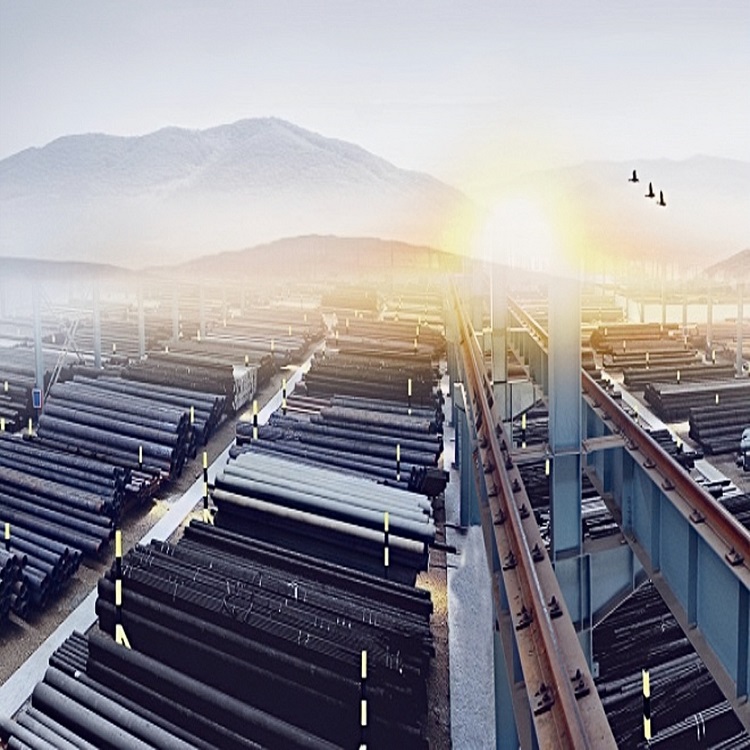

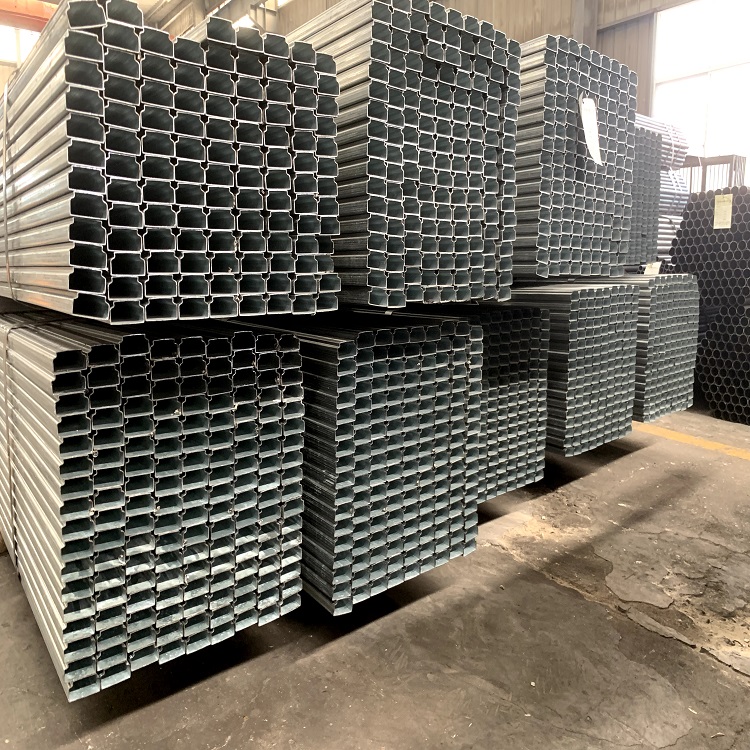


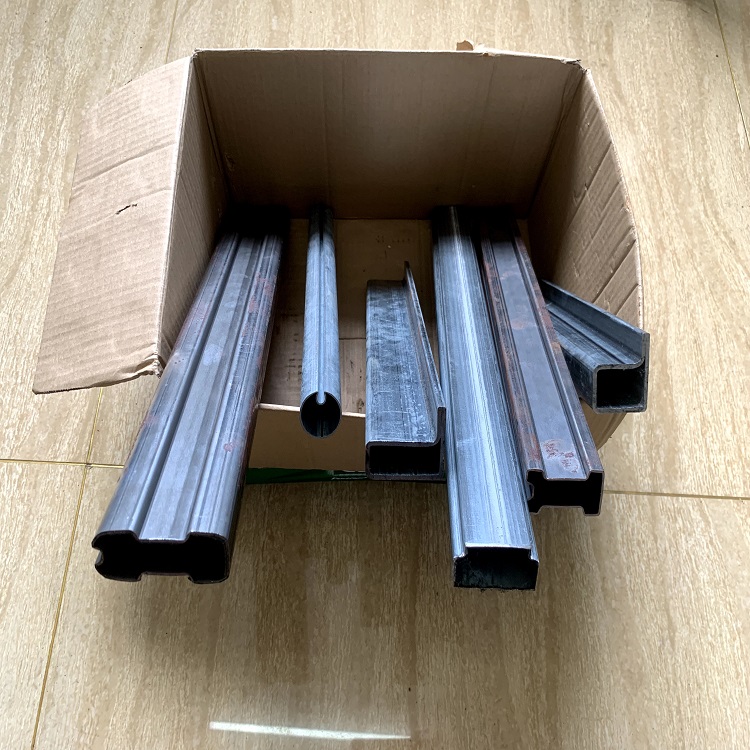













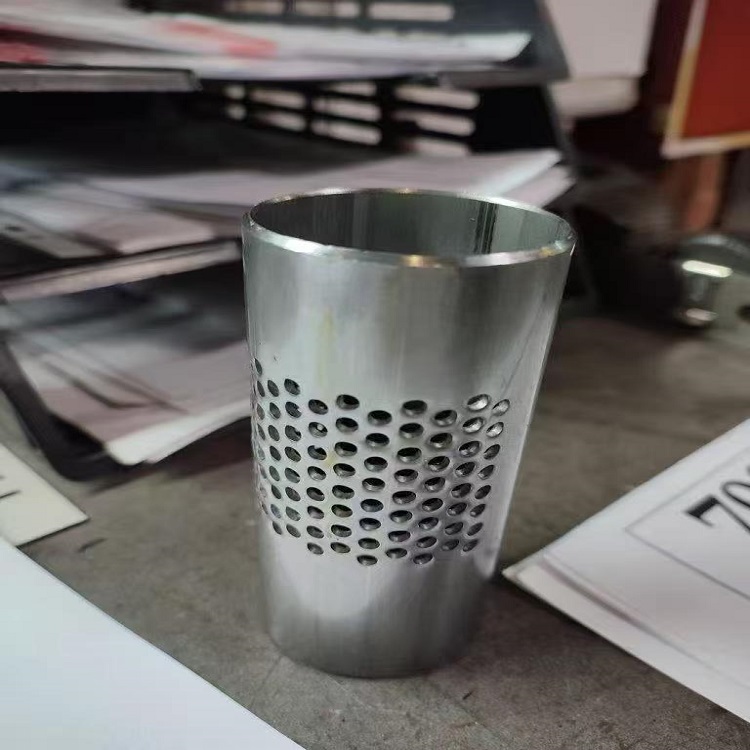
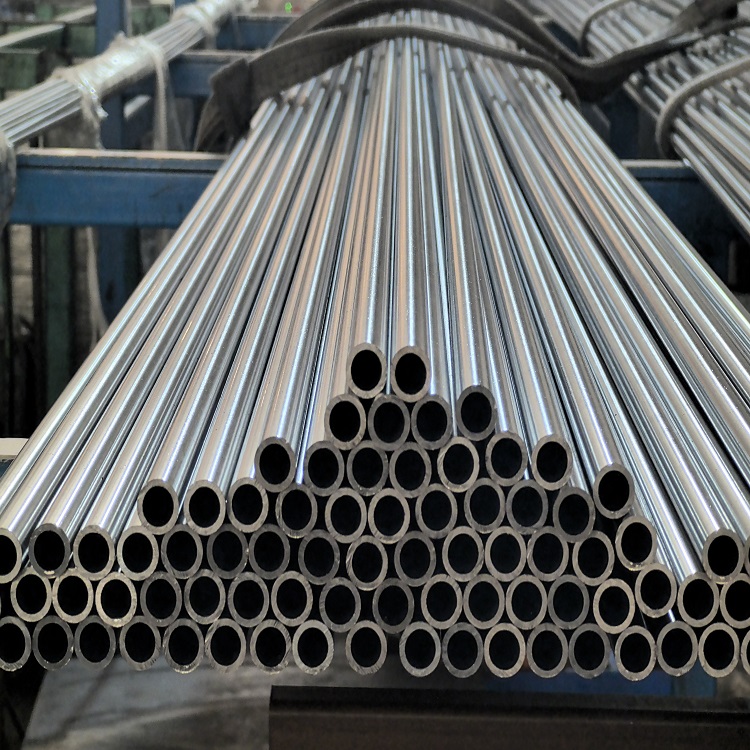
Odd-shaped steel pipes refer to seamless steel pipes with cross-sectional shapes other than circular, widely used in various structural components, tools, and mechanical parts.
Methods for producing non-standard pipes include cold drawing, electric welding, extrusion, hot rolling, etc., with cold drawing being widely applied. Other methods include cold rolling, cold bending, oblique rolling, extrusion, rolling, mandrel drawing, push rolling, continuous rolling, and spinning rolling (spinning or cross rolling) as well as combined forming methods. Different production forming methods are adopted depending on the product shape, tolerance requirements, surface requirements, and hardness requirements.
Special-shaped steel pipes are better suited to the specific requirements of usage conditions, saving metal and enhancing labor productivity in the manufacturing of components, and are widely used in various fields:
Odd-shaped steel tubes are commonly used in building structures, such as beams, columns, and handrails, enhancing both the aesthetics and structural stability. Various odd-shaped steel tubes can be crafted into unique furniture, like coffee tables, desks, and beds. They are also utilized in areas such as frames, windows, and doors, offering both beauty and functionality. In agricultural machinery like tractors and harvesters, they improve production efficiency. Odd-shaped steel tubes are a key application in highway guardrails, effectively preventing vehicle drift and ensuring driving safety. They can also be used to make sports equipment like basketball hoops and badminton rackets, which are durable and aesthetically pleasing.
Additionally, non-standard steel pipes are used in glass channels, decorative pipes, heating pipes, pentagonal pipes, various polygonal non-standard cross-section pipes, and industries such as aviation, shipbuilding, mining machinery, light industry and textiles, as well as boiler manufacturing.