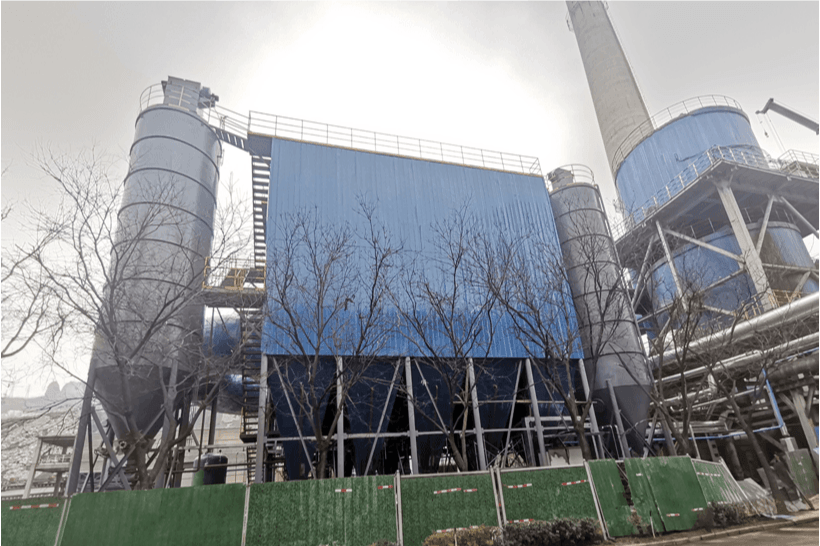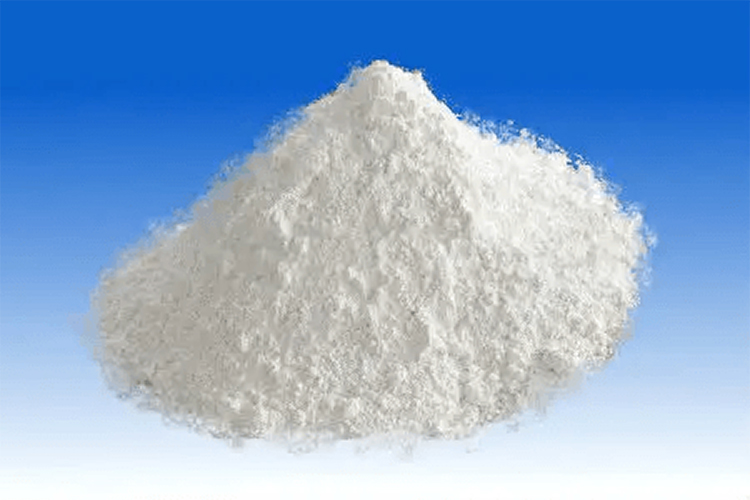


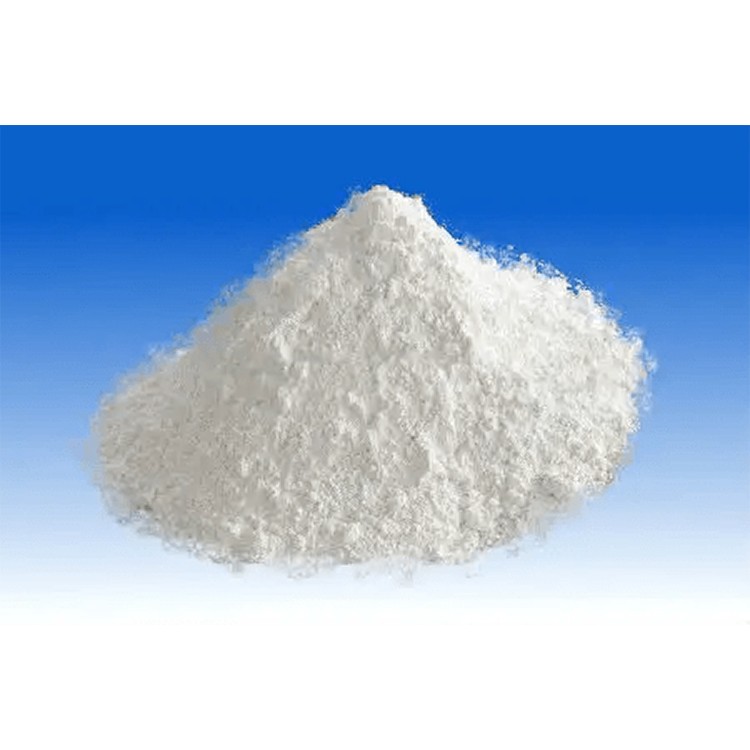
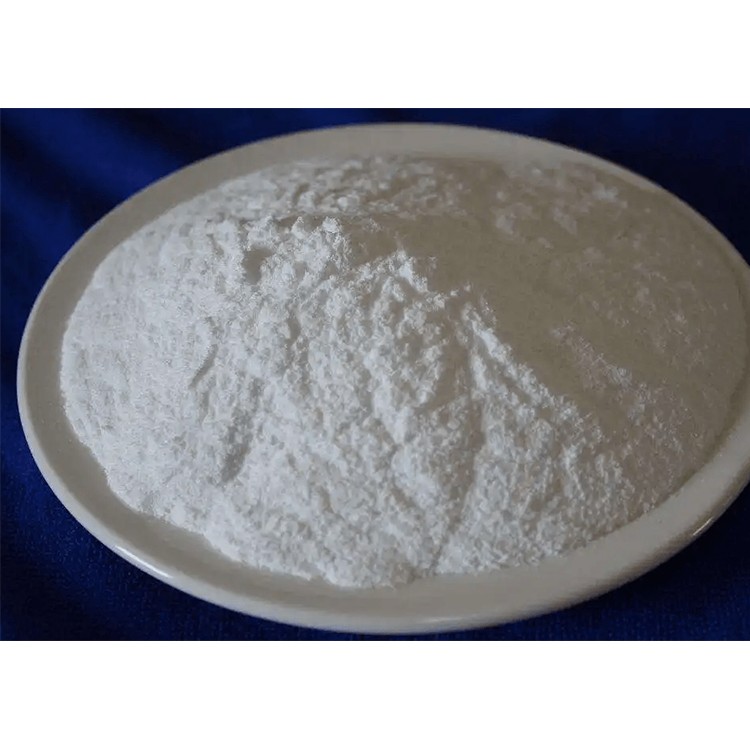







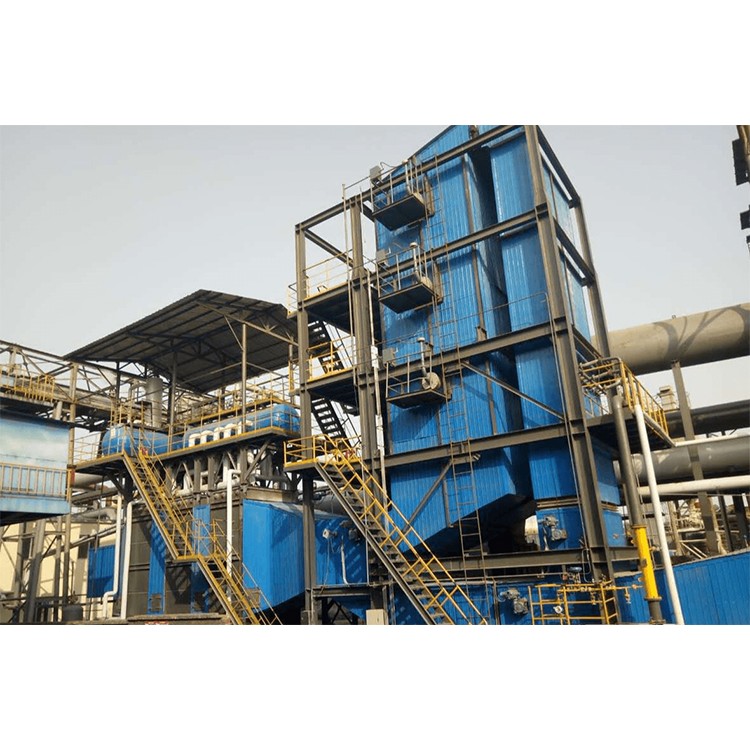
The desulfurization technology of active, high surface area calcium hydroxide (powder) is characterized by desulfurization absorption and product treatment in a dry state. This method boasts advantages such as no wastewater or waste acid discharge, reduced equipment corrosion, no significant temperature drop in烟气 purification, higher smoke temperature post-purification, favorable for chimney exhaust diffusion, and less secondary pollution. It is suitable for flue gas desulfurization in industries such as steel, coking, cement, glass, and ceramics.
Section 1: Desulfurization Technology Introduction
In recent years, the dry desulfurization technology for flue gas has seen increasing application in small and medium-sized flue gas desulfurization systems, thanks to its mature technology and stable operation. Among them, the SDS desulfurization process route using sodium bicarbonate as the alkali source has rapidly expanded its market share due to its high desulfurization efficiency, broad source of desulfurizing agents, and low difficulty in project implementation.
As the number of equipment increases, the drawbacks of this technical route begin to surface, and how to deal with desulfurization ash has become a new environmental challenge. Sodium-based desulfurization ash is a mixture of sodium sulfate, sodium sulfite, and sodium carbonate..The substance has excellent solubility in water and is classified as general solid waste that is difficult to dispose of in compliance with regulations. Authoritative statistics show that the coking industry alone produces up to 300,000 tons of sodium-based desulfurization ash annually. This figure is further increased by the power plants, hot air furnaces, and heating furnaces of steel enterprises, as well as glass and cement kilns. Some companies rent land to build storage warehouses for the ash, while others sell it to qualified institutions for disposal, at a cost of 300-500 yuan per ton, which adds to the burden on businesses.
As of September 1, 2020, the revised "Environmental Protection Law of the People's Republic of China on Solid Waste Pollution" came into effect, introducing new responsibilities for enterprises generating solid waste and imposing severe penalties on illegal acts. The pressure on businesses has surged!
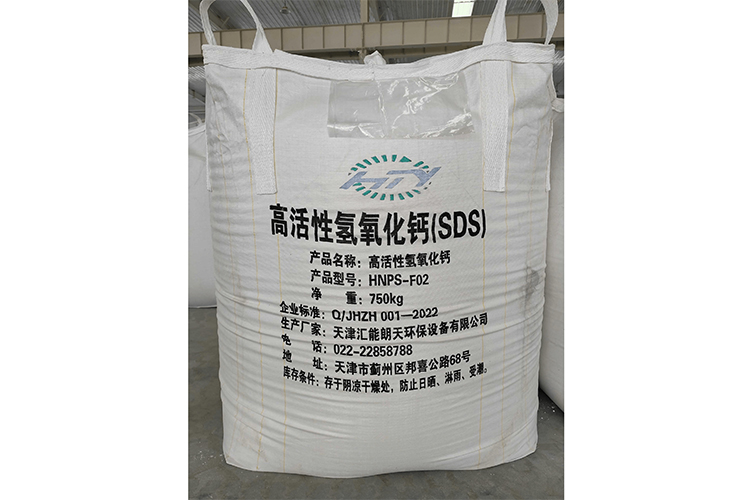
Tianjin Huaneng Langtian Environmental Protection Equipment Co., Ltd. After four years of research and development efforts by our scientific and technical personnel, we have successfully developed calcium hydroxide with a high specific surface area, achieving a specific surface area (BET) of over 45 m2/g. Through independently developed core equipment, we have created a new production process and achieved large-scale production. Our Tianjin production base has a 100,000-ton production capacity, offering products with superior performance!
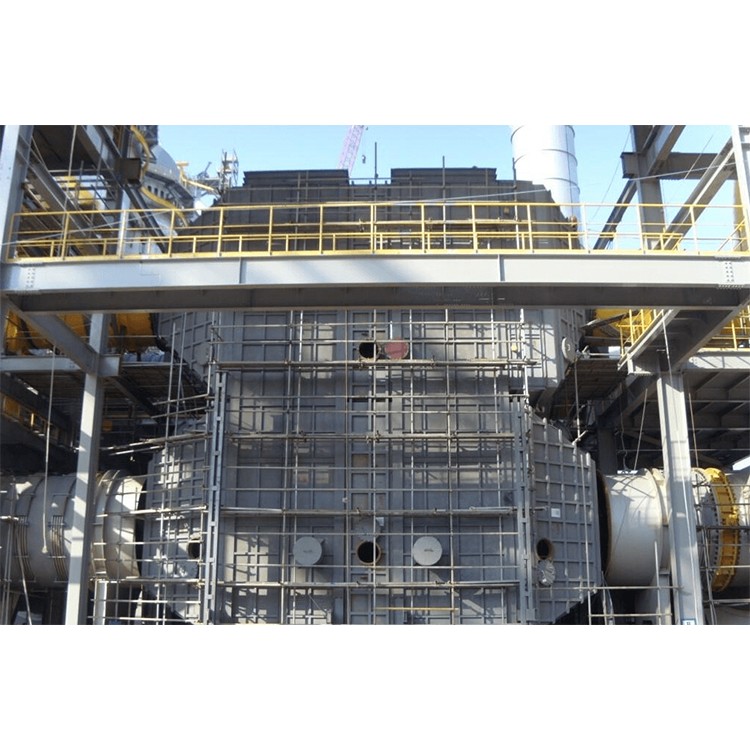
Utilizing the HNPS desulfurization package developed by our company, it has been industrially applied in over 30 sets of units, demonstrating good operational data, low costs, and satisfied customers. Currently, it has been successfully applied for ultra-low emission desulfurization in industrial kilns such as coke oven pusher ground stations, dry quenching coke dust removal, coke oven flue gas, steel heating furnaces, hot blast furnaces, power plant boilers, and waste incineration furnaces.
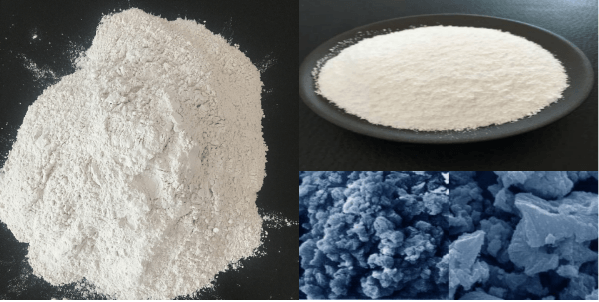
High-activity, high-specific-surface-area calcium hydroxide - microscopic crystal structure under electron microscopy
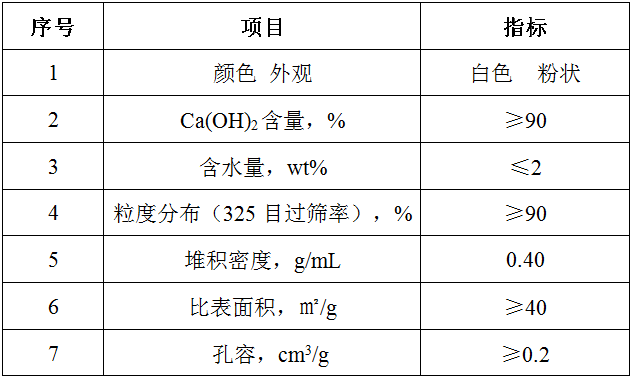
Section 3: High-activity, High-Surface-Area Calcium Hydroxide Desulfurization Agent Specifications
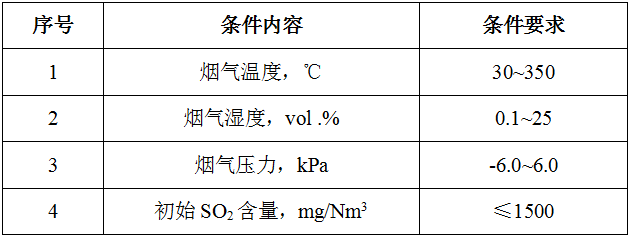
Section 4: High-activity, high-specific-surface-area calcium hydroxide - Recommended usage conditions
V. High Activity and High Surface Area Calcium Hydroxide Characteristics
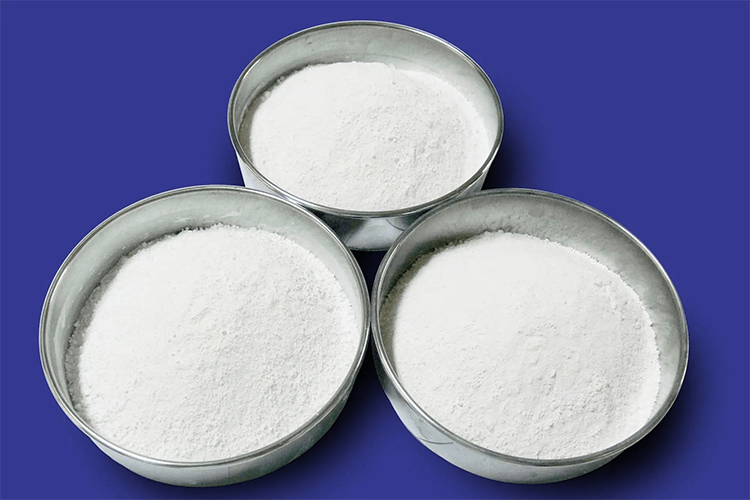
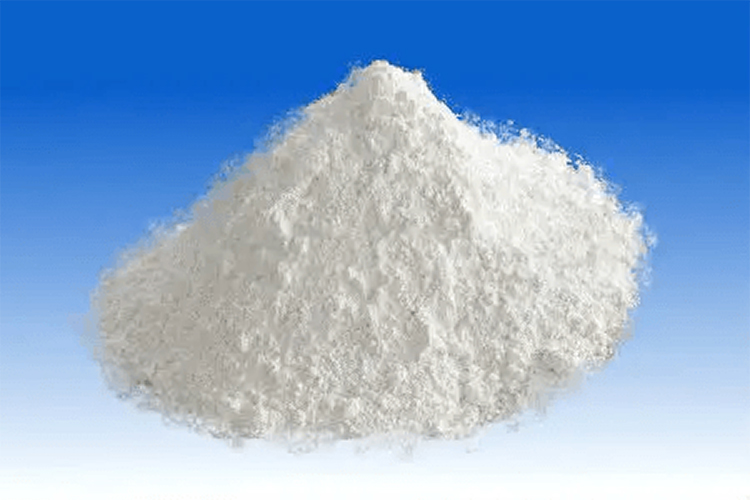
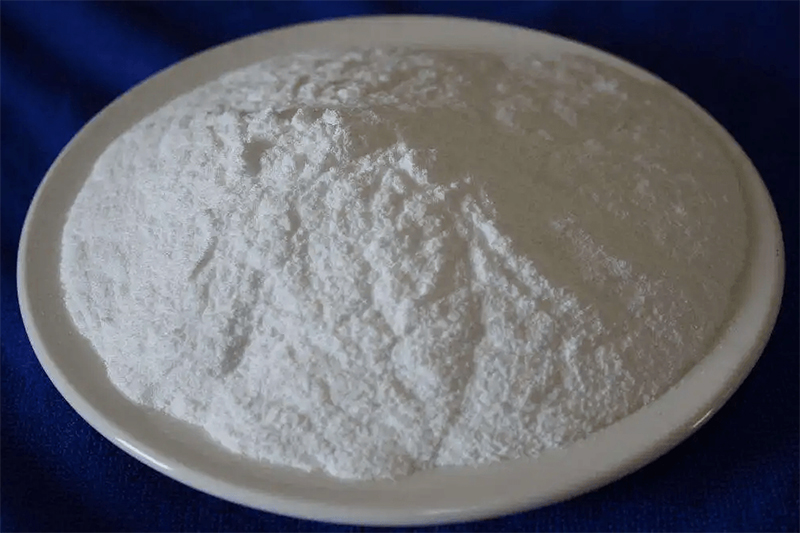
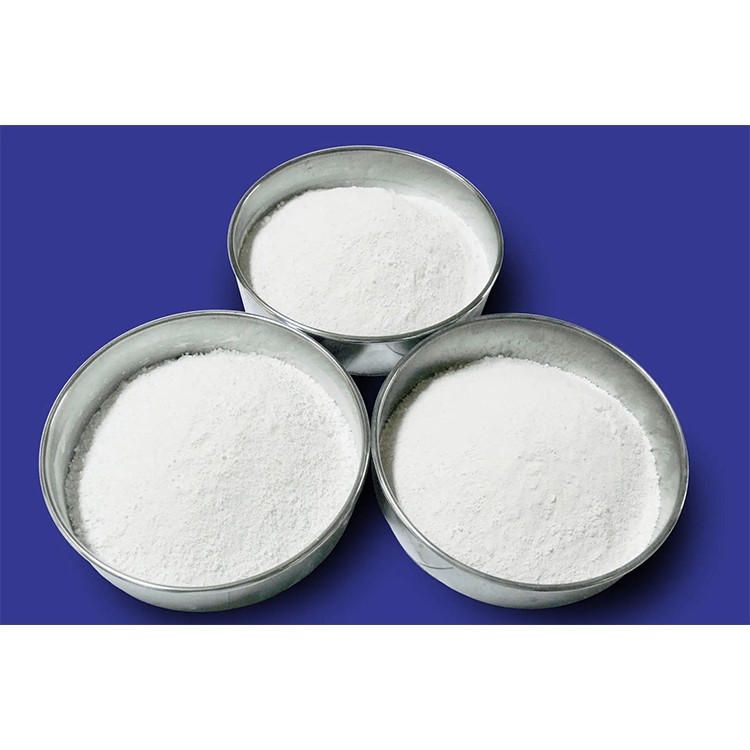
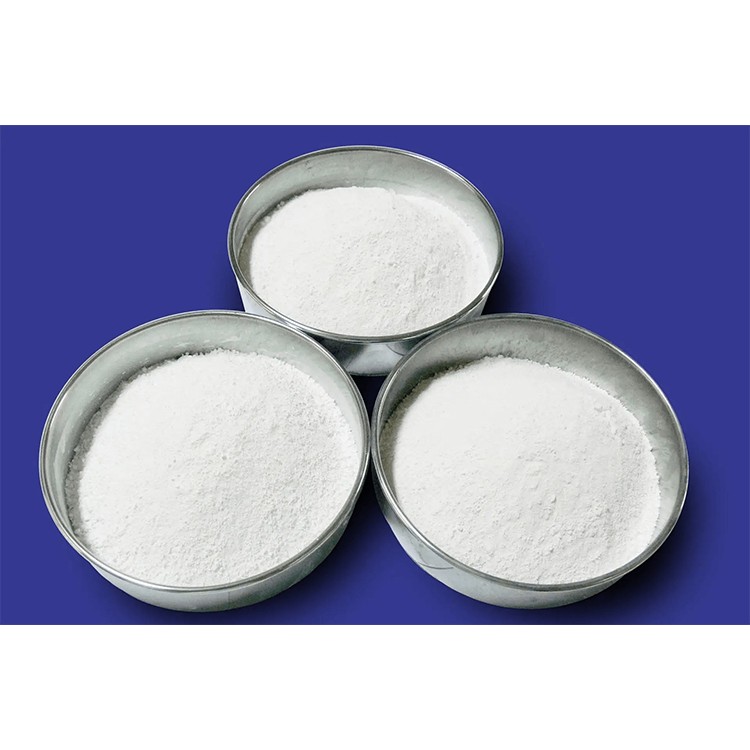
Highly active and high surface area calcium hydroxide boasts features such as porosity, high activity, good dispersion, and high utilization. Its specific surface area is 3-4 times that of common calcium hydroxide and is recognized internationally as an excellent dry desulfurization product. Dry desulfurization agents used in practice are mainly high surface area calcium hydroxide and baking soda. While baking soda reacts quickly, it is relatively expensive and difficult to dispose of waste. By the 1980s, high surface area calcium hydroxide had been widely used in waste-to-energy and thermal power plants in Europe, America, and Japan, successfully replacing baking soda. High surface area calcium hydroxide has well-developed pores, allowing for rapid adsorption and absorption of HCl and SO2 in flue gas, achieving a utilization rate of over 85%.
Section 6: Introduction to HNPS Dry Desulfurization Process
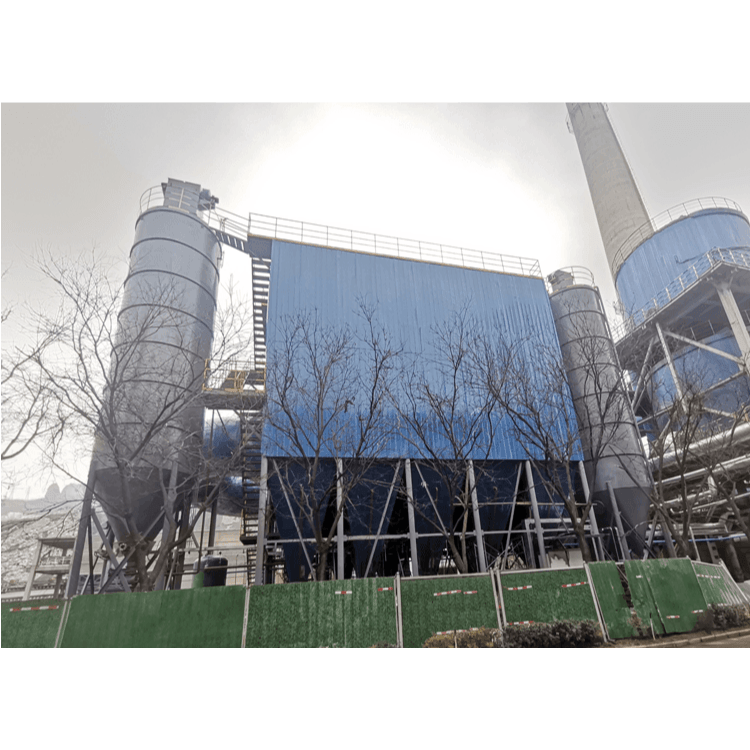
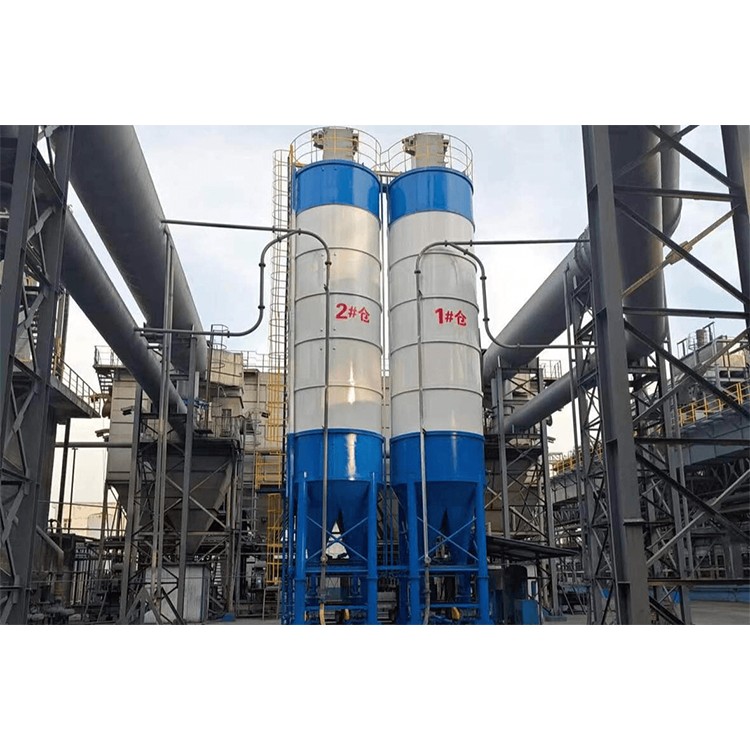
Highly active and high surface area calcium hydroxide dry powder desulfurizing agent, directly喷射 into the flue gas duct via air conveying, rapidly dispersing in the flue gas under the action of an efficient jetting device. It adsorbs and absorbs most of the acidic media such as F-, Cl-, SO2, and SO3 in the flue gas, and is then carried into the bag dust collector along with the flue gas. A small portion of the acidic media continues to react in the bag dust collector, and the烟气 after desulfurization is directly exhausted through an induced draft fan.
This process is unaffected by smoke temperature variations; it can effectively react above room temperature.
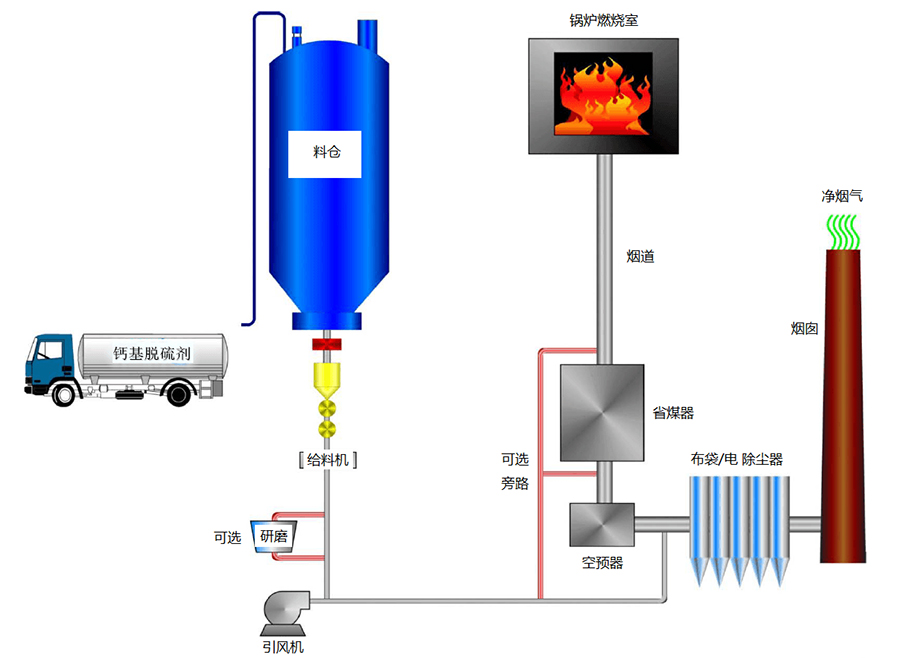
Section 7: Characteristics of High-activity, High-Surface-Area Calcium Hydroxide Desulfurization System
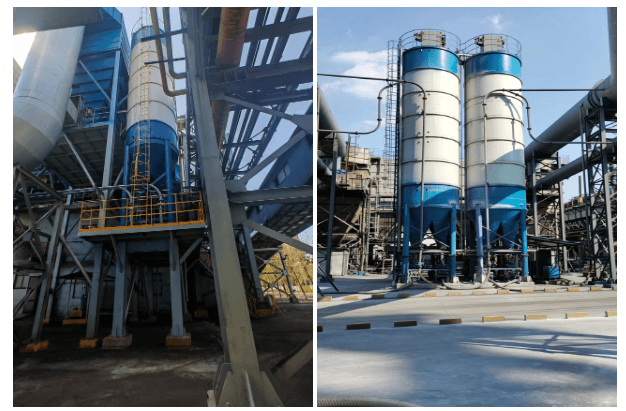
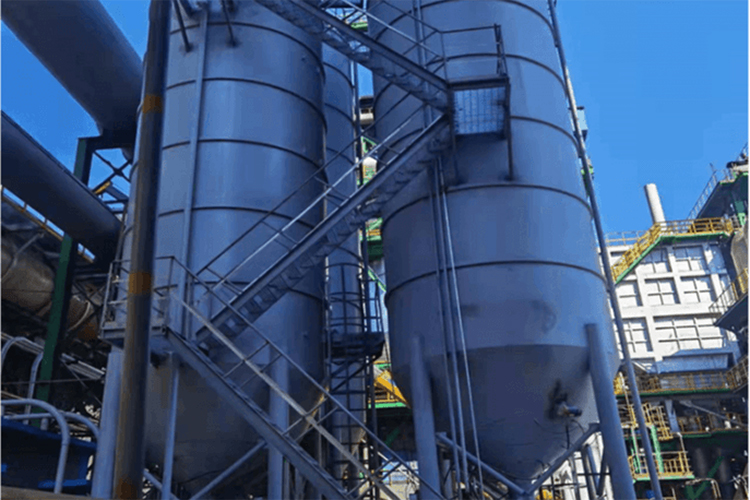
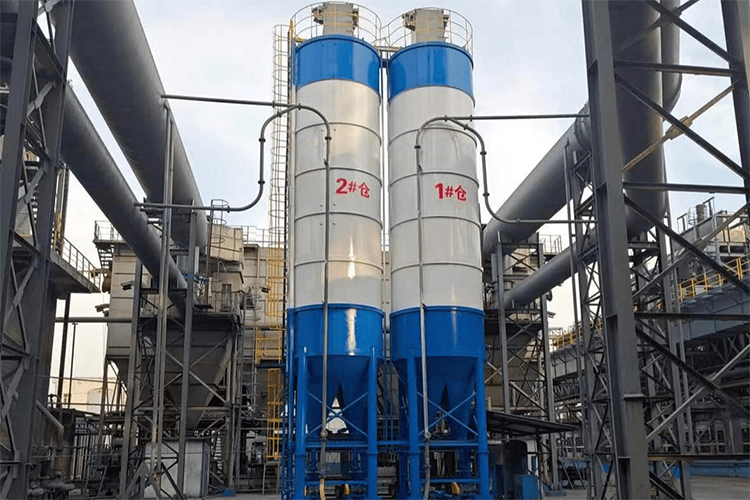
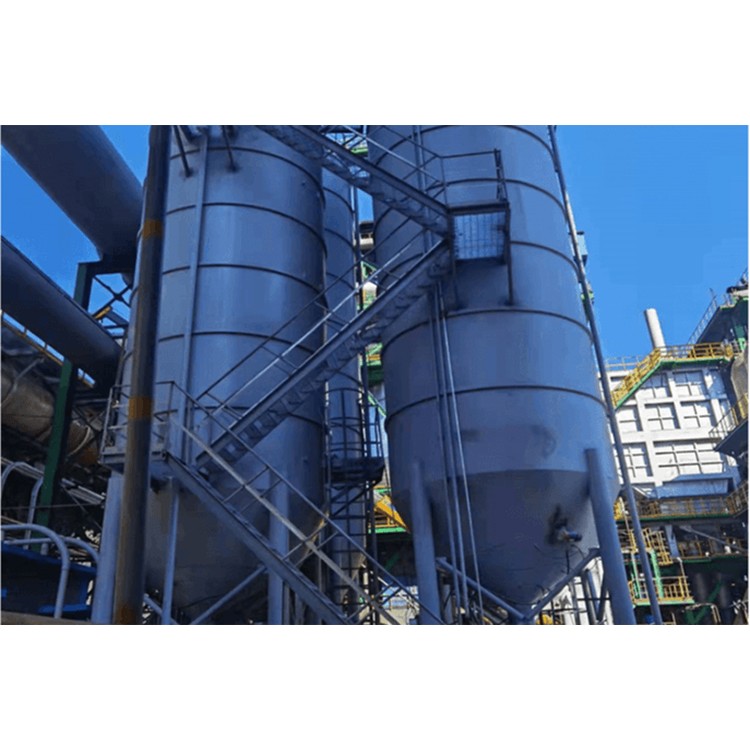
1. Storage System: Equipped with large-capacity powder storage silos, radar and anti-rotation level sensors, safety valves, vibration motors, arch-breaking assist airflow discs, and other accessories.
2. Feeding System: Utilizes a high-precision rotating feeder, measured by frequency conversion through sensors.
3. Power System: Positive pressure conveying with Roots blower or compressed air, one in operation and one in standby.
4. Control System: Centralized control in the control room, with computer screen displaying material level, feeder operating frequency, and other main operating states or parameters. The system is equipped with high and low level alarms, material level display, and status and fault alarms for the Roots blower.
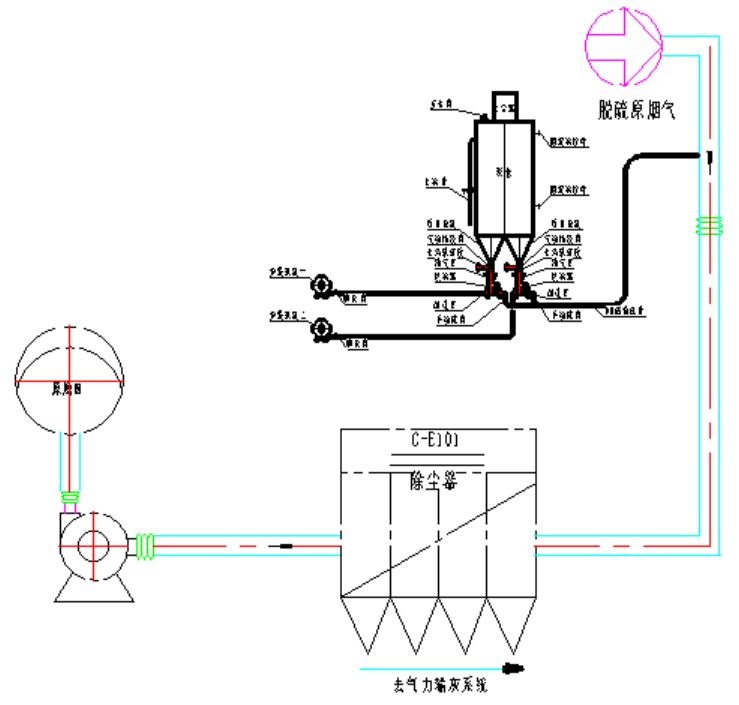
Section 8: Characteristics of High-activity, High-Surface-Area Calcium Hydroxide Dry Desulfurization
1. Meets ultra-low emission requirements with high desulfurization efficiency; export SO2 concentration can reach near-zero emission standards; flue gas SO2 concentration is between 40-300 mg/Nm3, particularly cost-effective.
2. Wide temperature range, utilizing flue gas treatment at 30-350°C, with high desulfurization efficiency.
3. The process is simple, with ultra-fine powder directly sprayed into the flue gas channel through an efficient jet, completing the absorption reaction during the flow of flue gas.
4. Ensure the existing or newly added bag dust collectors meet the ultra-low dust emission requirements of the system.
5. By-products are general solid waste, specifically saturated waste desulfurizing agent, primarily composed of CaSO4, Ca(OH)2, and CaCO3.
6. Centralized control room operation without increasing staff, with minimal footprint for equipment, especially suitable for low-temperature, low-sulfur environments.
7. Replacing the baking soda process with a substitute, it offers cost savings, low energy consumption, and addresses solid waste issues.
Section 9: Typical Performance in Various Industries
Coking Industry - Push Coke StationShougang Qian'an Sinochem Coal Chemical Co., Ltd.'s No.1, No.2, and No.3 coke ovens - Pushing coke surface dedusting with high-activity, high-specific surface area calcium hydroxide desulfurization. The industrial unit was put into operation on June 8, 2021, with stable data below 10mg/m3.
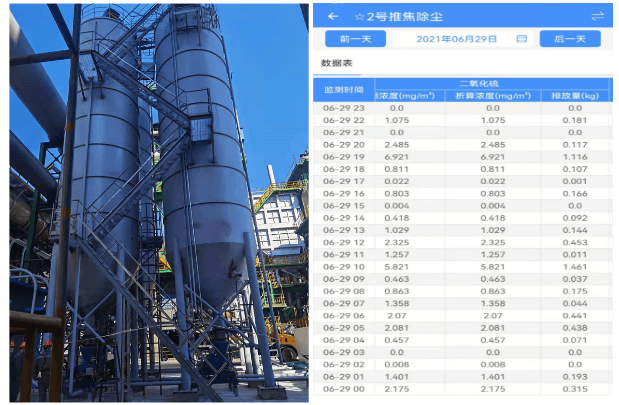
2. Coke Industry - Dry Quenching Gas and Coke Oven Flue Gas - High-activity, High-Surface Area Calcium Hydroxide Desulfurization

3. Steel Industry - Hot Blast Furnace, Heating Furnace - High-activity, High-specific surface area calcium hydroxide desulfurization
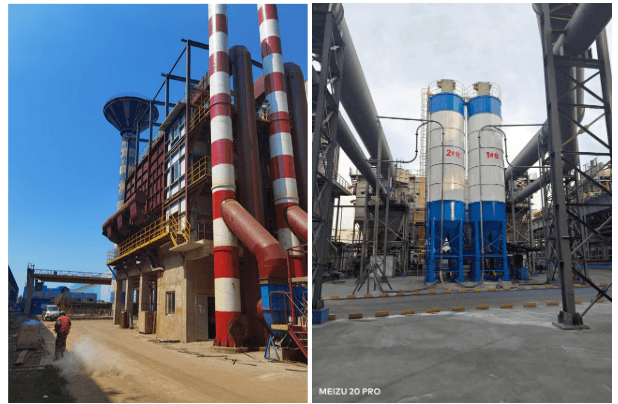
4. Other Industries - Waste-to-Energy Power Plants & Power Station Boilers - High-Activity, High-Surface Area Calcium Hydroxide Desulfurization