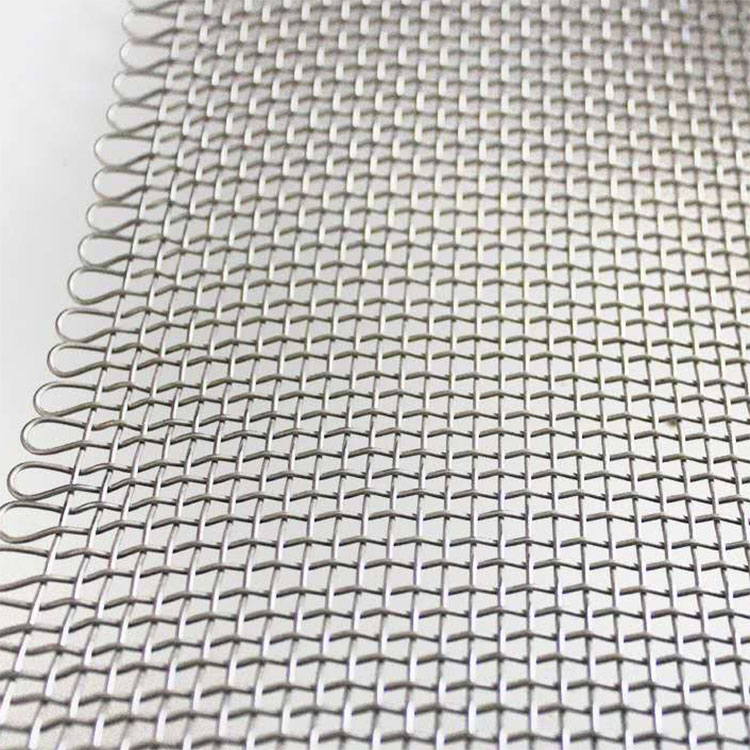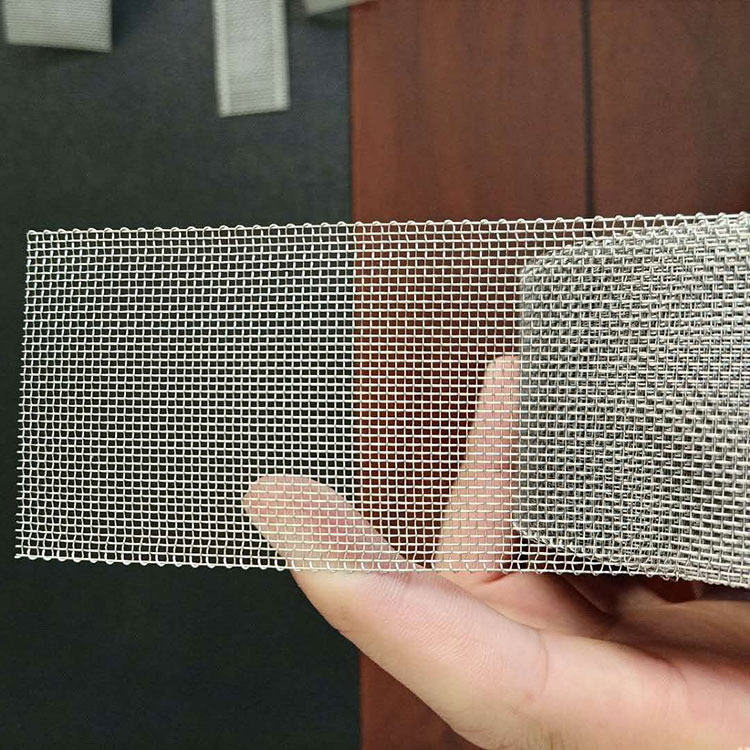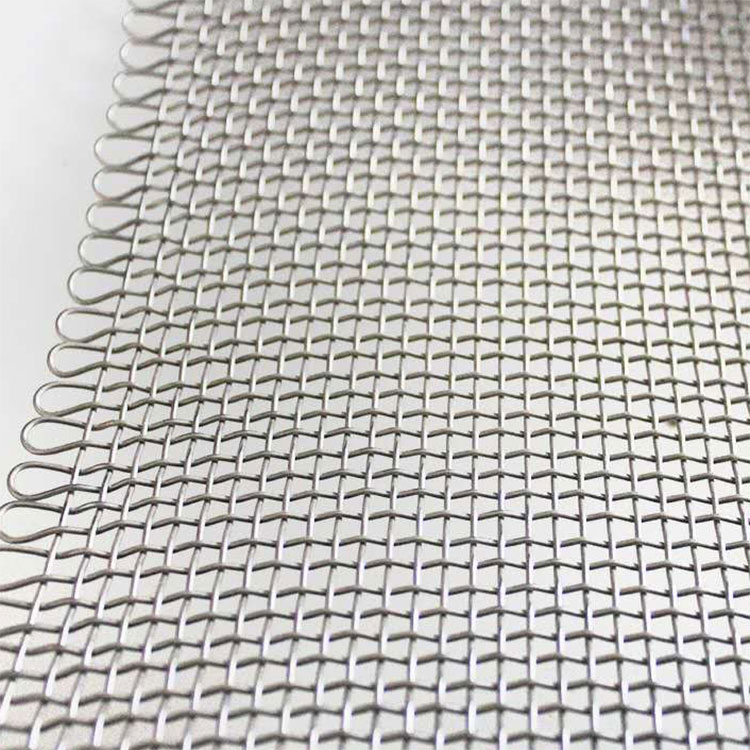

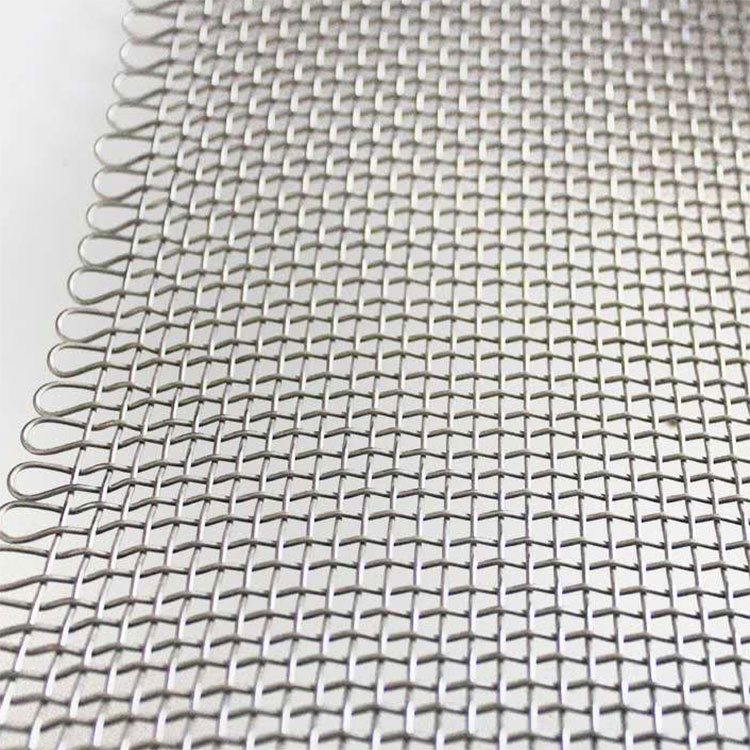

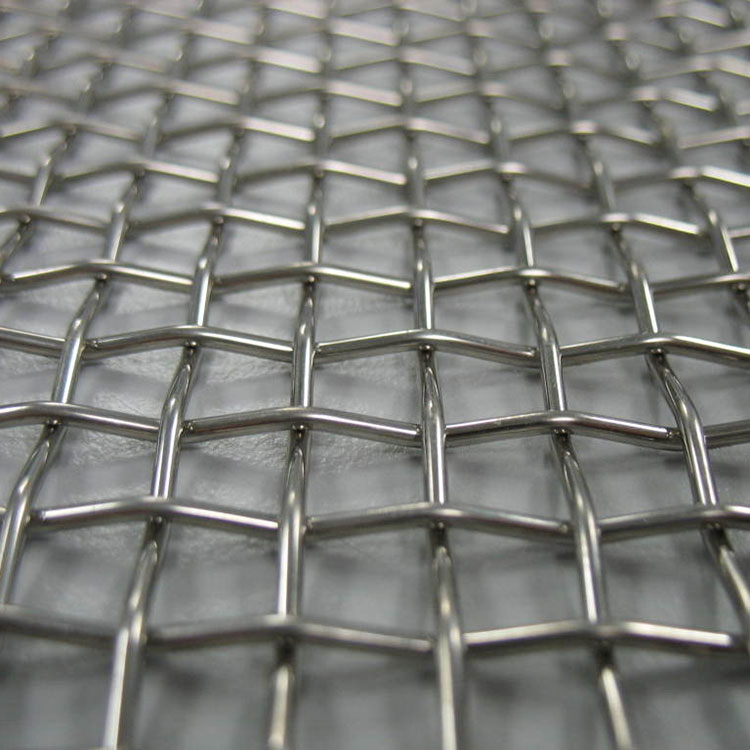











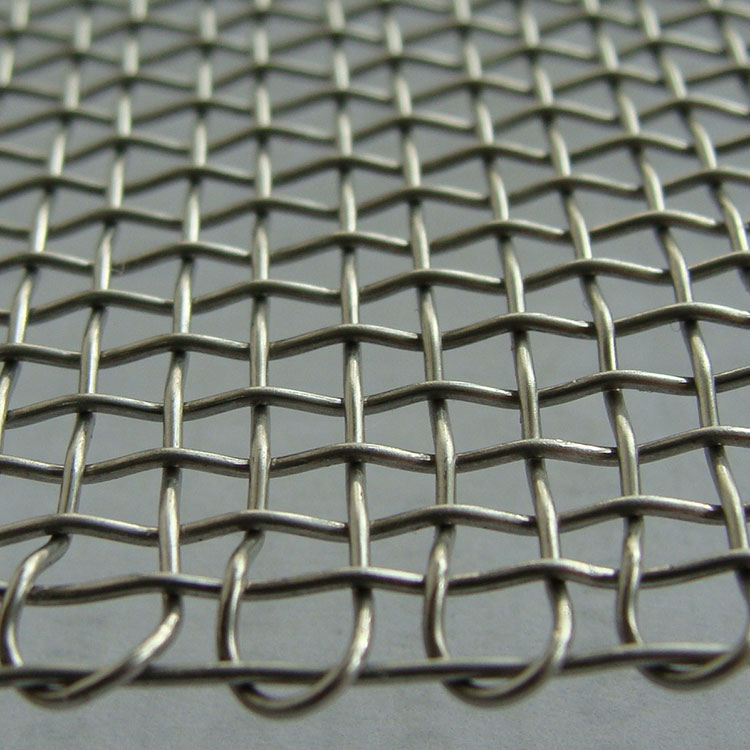
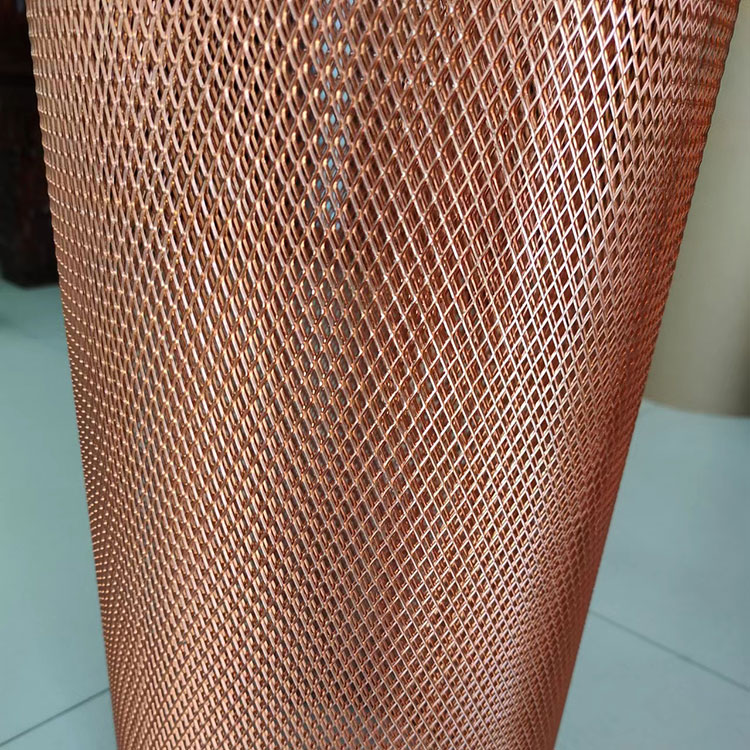
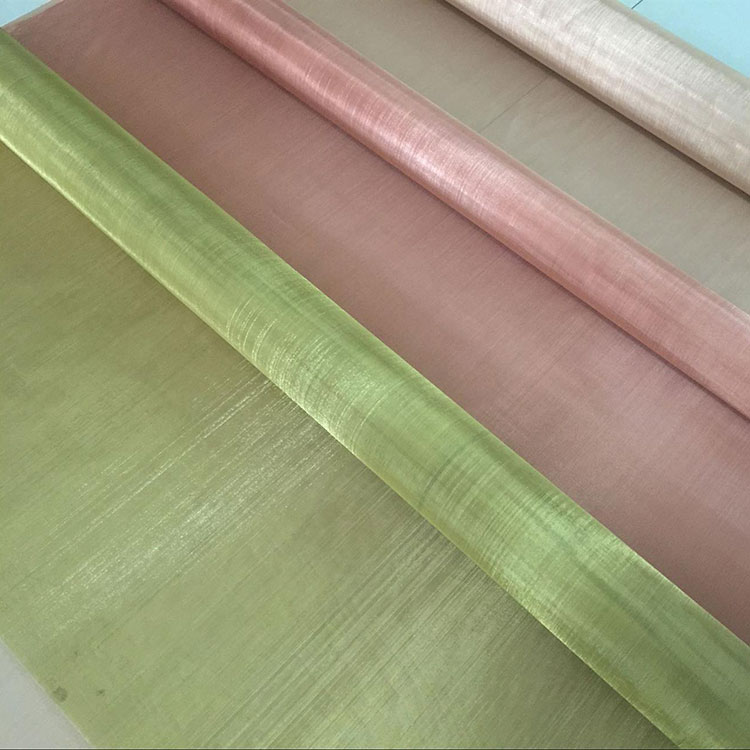
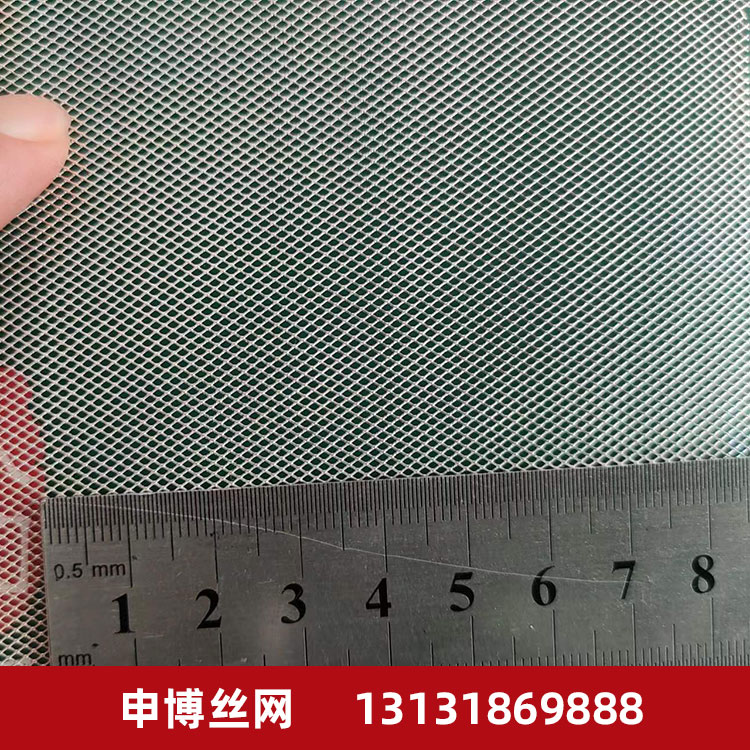

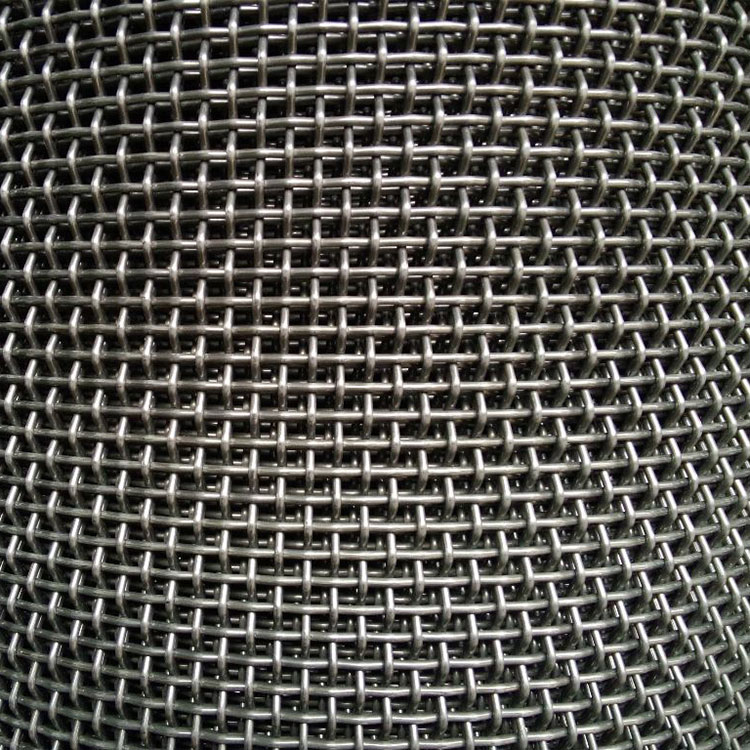
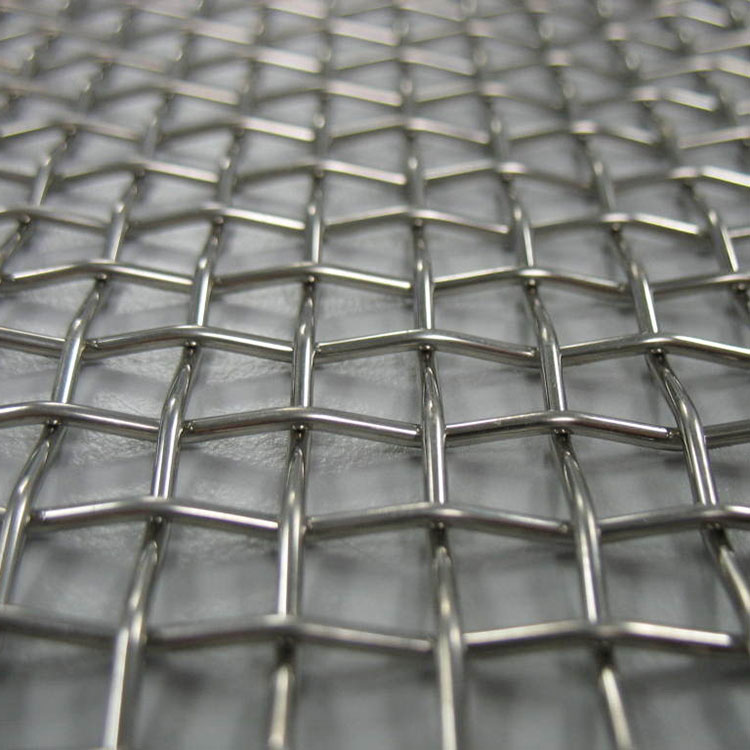
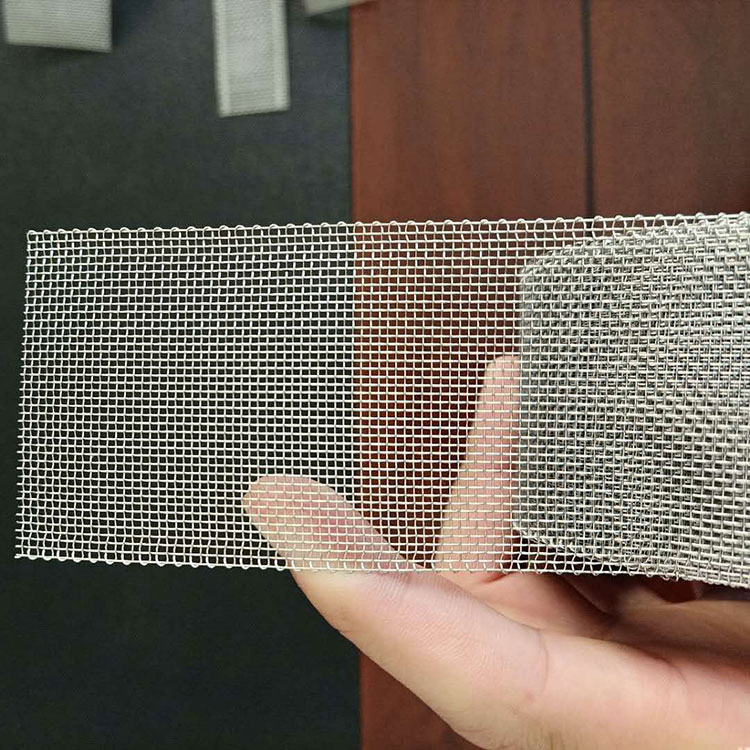

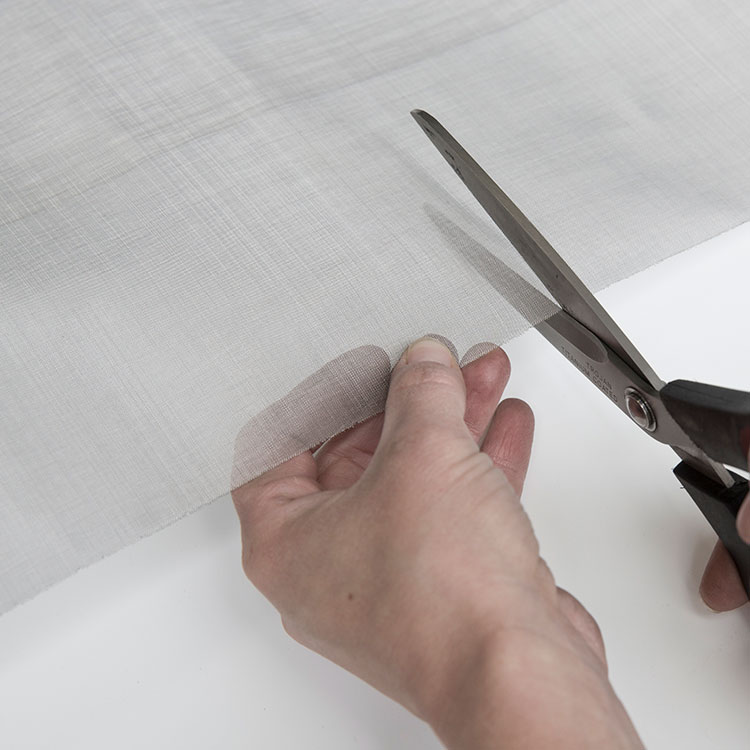
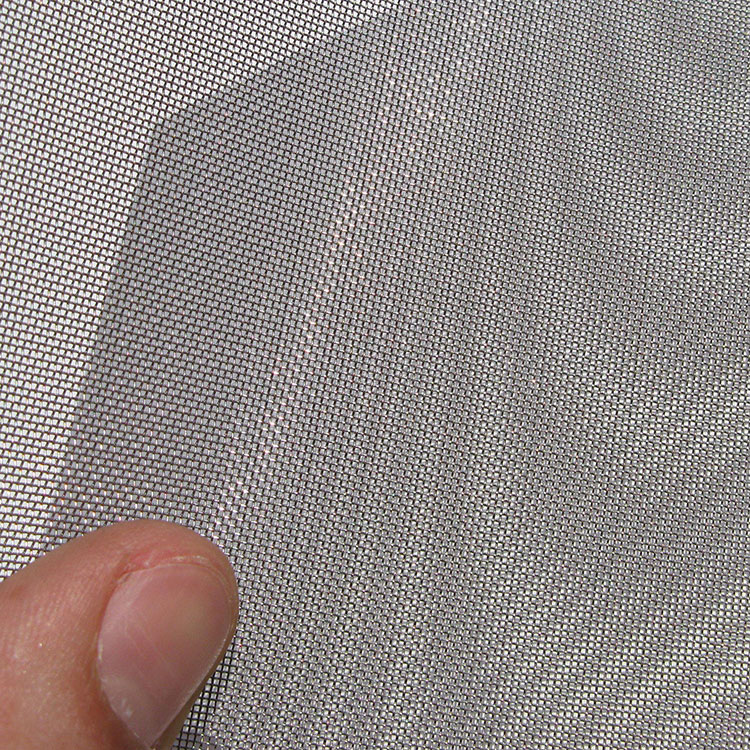

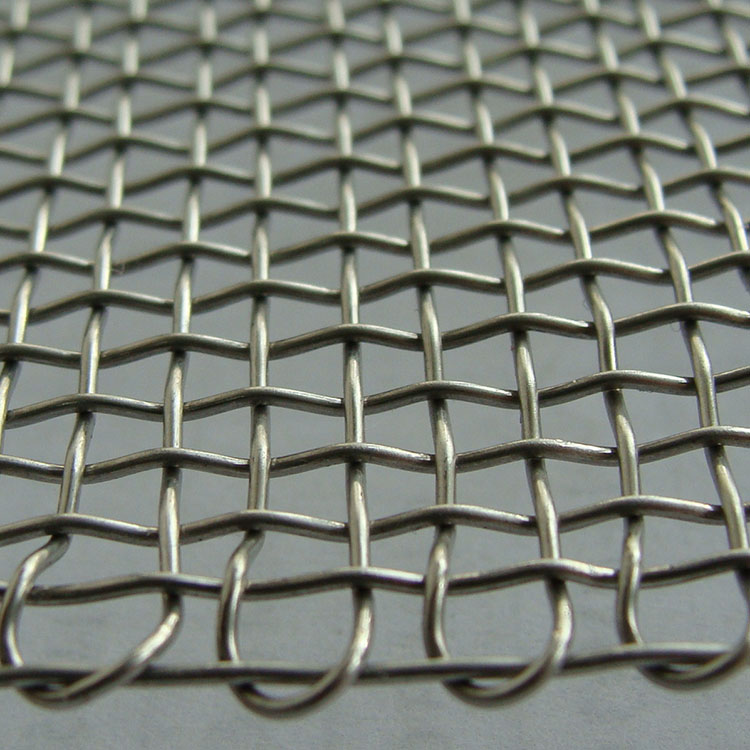
Stainless Steel Wire Mesh: The stainless steel wire mesh is produced by using high-quality stainless steel wire, which is stretched to the specified wire diameter through a drawing machine under specific high-temperature processing conditions. It is then woven into a mesh using a weaving machine in a temperature-controlled, dust-free, and clean factory environment.
Features: Tight structure, even mesh, good filtration accuracy, wear-resistant, high-temperature resistant, strong acid resistance, and corrosion-resistant properties.
Material: Stainless steel wire, common materials for stainless steel wire include: SUS302, 304, 304L, 316, 316L, 430, 430A, etc.
Performance Parameters: High mesh stainless steel wire mesh 325-635 mesh (high density stainless steel filter mesh), standard stainless steel wire mesh 8-300 mesh.
Width: 1 meter to 8 meters (webbing can also be cut to 0.05 to 0.99 meters according to customer requirements).
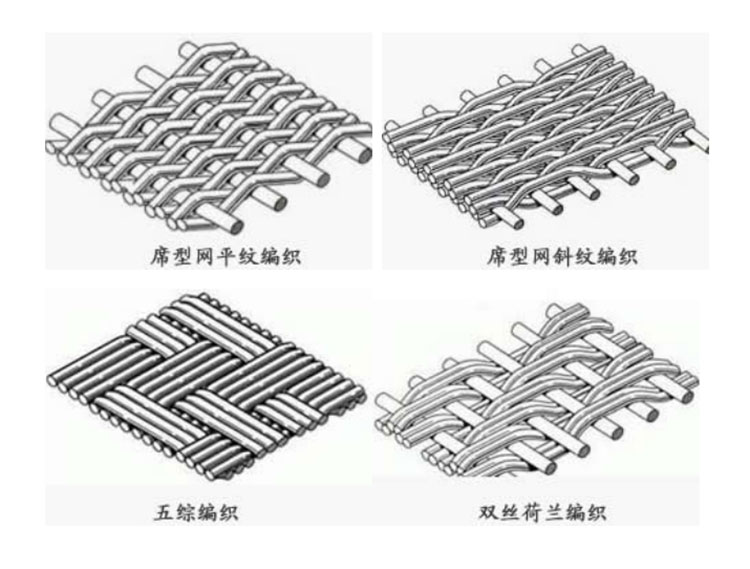
Weaving Techniques: Plain weave, Twill weave, Dense weave, Contrast weave, and Five-end weave. The Dense weave includes Plain-Dense and Twill-Dense.
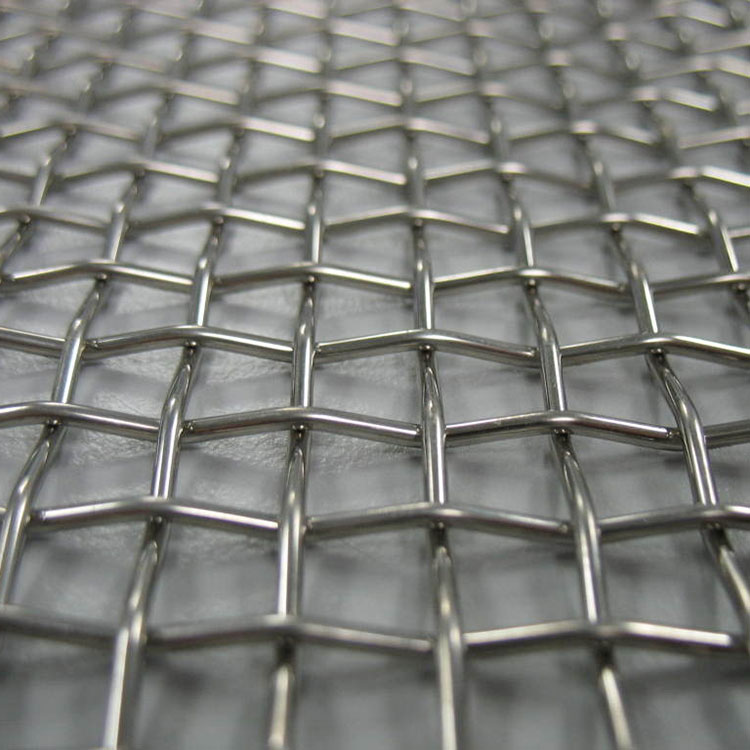
Plain Weave: A weaving technique where each warp thread crosses over and under each weft thread, with both warp and weft threads of equal thickness, forming a 90-degree angle between the warp and weft lines.
Diagonal weaving: A weaving technique where each warp thread crosses over and under every two weft threads, and each weft thread crosses over and under every two weft threads.
Applications of stainless steel wire mesh:
Used for sieving and filtering in acidic and alkaline environments, in the papermaking, printing, chemical fiber industries, as well as in industrial and construction sectors, for sand particle screening, and for filtering liquids and gases.
Stainless Steel Mesh Sheets
Material: SUS302, 304, 304L, 316, 316L, 430, 430A, pure titanium wire, pure nickel wire, Hastelloy wire, Inconel wire, nickel-chromium alloy wire, etc.
Performance: Acid and alkali resistant, high-temperature resistant, strong tensile and abrasion resistance; stable, fine, and high precision filtration performance with special filtration capabilities.
Features: The main features include a significant difference in warp and weft yarn diameter and density, resulting in a noticeable improvement in mesh thickness, filtration accuracy, and service life compared to square hole meshes. Its filtration accuracy is unattainable by square hole meshes.
Weaving Method:
Plain weave in seat-type netting: Each weft thread crosses over and under each warp thread, and each warp thread crosses over and under each weft thread. The warp threads are thicker than the weft threads.
Bias weave with seat weave pattern: Each weft thread crosses over and under two warp threads, and each warp thread crosses over and under two weft threads.
Double-Sleyed Dutch Weave: Similar to the Twill Dutch Weave, this weave has two weft threads that can be tightly overlapped with the warp. This type of fabric is commonly used for filtering micrometer-level particles.
The five-end weft weaving technique does not use single filaments for the warp and weft threads but instead employs several separated threads for weaving. This method, based on the twill weaving, provides a stronger and more robust stainless steel fabric.
Contrast Weaving: The distinguishing feature is the use of more bent wires and less weft yarn than the standard weaving method, with the weft in the contrast weave being significantly thicker than the warp.
Application: The product is mainly used for gas, liquid filtration, and other medium separation; widely used in industries such as precision pressure filters, fuel filters, vacuum filters, filter core raw materials, aerospace, oil refining, sugar production, petroleum, chemical industry, chemical fiber, rubber, tire manufacturing, metallurgy, food, and health science research.
Duplex stainless steel wire mesh
Material: Duplex Stainless Steel Wire 2205, 2507
Weaving Methods: Plain Weave Mesh, Twill Weave Mesh, Mat Weave, Embossed Weave
Count: 1-400 mesh, special specifications available upon customer's request for customization.
Features: Chemical composition technical standard for 2205/F51/S31803 duplex stainless steel. Duplex stainless steel consists of approximately equal amounts of ferrite and austenite phases in its solid solution structure, with the content of the minor phase typically reaching 30%. With a low carbon content, the chromium (Cr) content is between 18% to 28%, and the nickel (Ni) content is between 3% to 10%. Some steels also contain alloying elements such as Mo, Cu, Nb, Ti, and N.
The yield strength of 2205 duplex stainless steel is twice that of austenitic stainless steel, a feature that allows designers to reduce weight in product design, making this alloy more cost-effective than 316 and 317L. Due to these properties, 2205 duplex stainless steel wire mesh is widely used in industries such as mining, chemicals, and food processing.
Use: Duplex stainless steel wire mesh is heat, acid, corrosion, and wear-resistant, suitable for high-temperature filters, corrosion-resistant meshes, acid and alkali-resistant meshes, special alloy wire mesh, and environmental protection filters. It is used in acidic oil and gas well production, featuring high strength, good impact toughness, and excellent overall and local stress corrosion resistance.