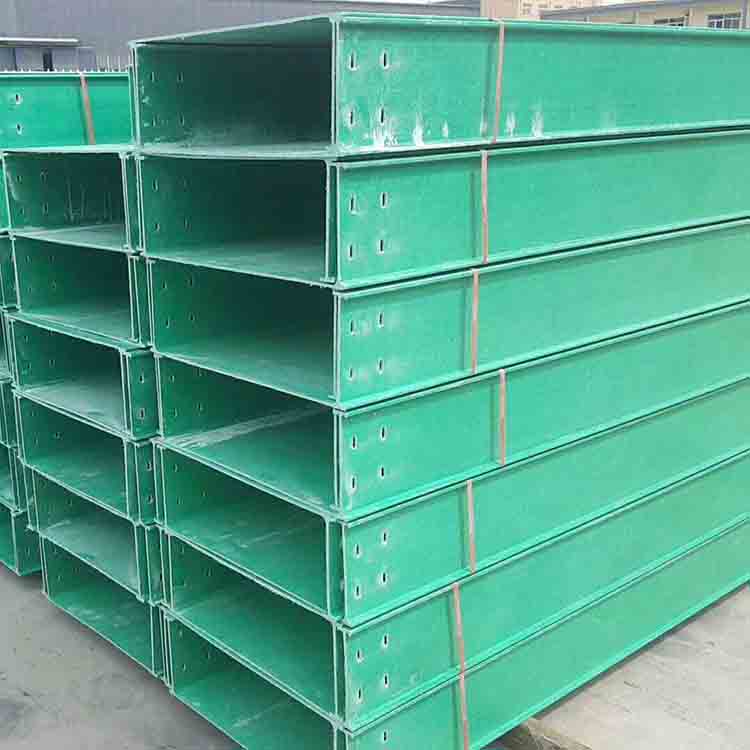

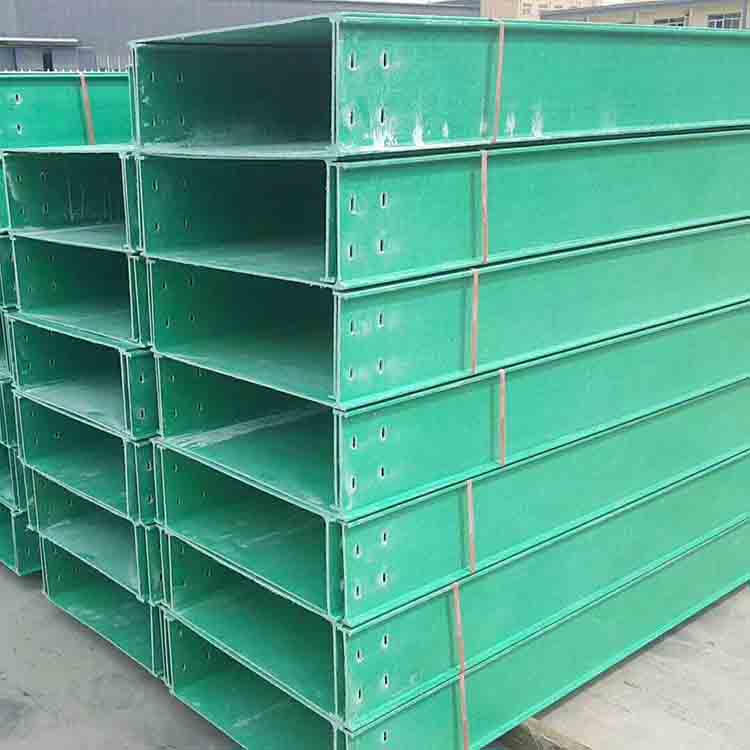
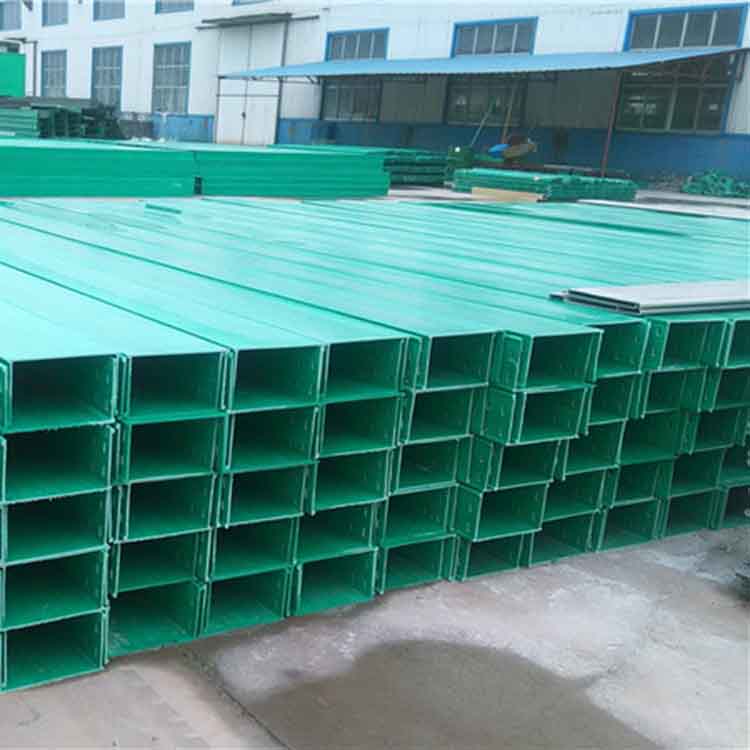










FiberglassBridge supportMolding Process
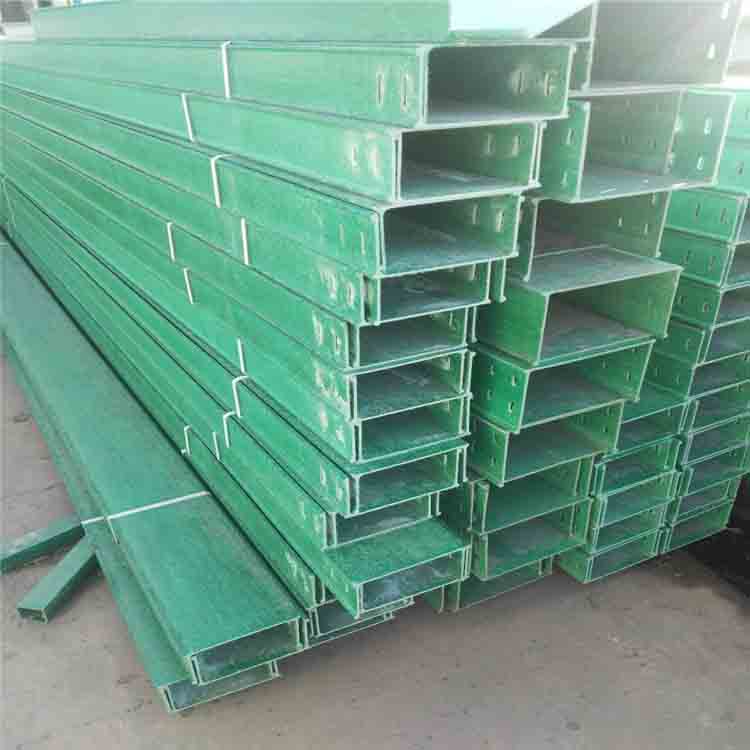
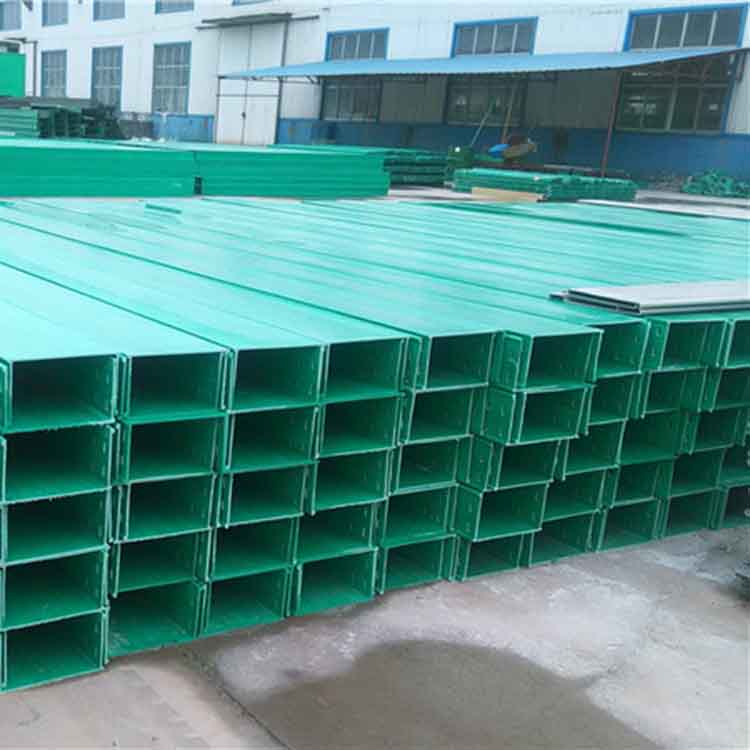
Glass fiber reinforced plastic bridge trays' molding technology is the foundation and condition for the development of the glass fiber reinforced plastic bridge tray industry. With the expansion of the application fields of glass fiber reinforced plastic bridge trays, the industry has seen rapid development, with its old molding technologies becoming increasingly refined and new molding methods continually emerging.
The aforementioned methods are applicable to the production of both thermosetting and thermoplastic fiberglass bridge decks, depending on the matrix material of the glass fiber reinforced plastic chosen, with some processes suitable for both.
Glass Fiber Reinforced Plastic (GFRP) Bridge Truss Forming Process Features: Compared to processing technologies of other materials, the forming process of composite materials has the following characteristics:
(1) Material manufacturing and product shaping are completed simultaneously. Generally, the production process of glass-fiber reinforced plastic bridge trusses is also the shaping process for the products. The material properties must be designed according to the usage requirements of the products, so during the manufacturing of materials, design of mix ratios, determination of fiber layups, and shaping methods, it must meet the physical and chemical properties, structural shapes, and appearance quality requirements of the products.
(2) The molding process is relatively simple. The resin matrix of most thermosetting fiberglass bridge decks is a flowing liquid before molding, and the reinforcing material is soft fibers or fabrics. Therefore, the production of fiberglass bridge decks with these materials requires fewer processes and equipment than other materials, and some products can be produced with just a single mold.