








Grain and oil distribution; grains and oils collectively refer to cereals, legumes, oil crops, and their preliminary processed products. The range of products is quite extensive, including rice, wheat, corn, soybeans, sorghum, millet, and more. After processing, these raw grains are transformed into daily necessities like rice, millet, flour, and edible oils.
What are the components of a food and oil distribution plan?
1. Tailoring Goods to Customer Needs: On the basis of collecting and summarizing various information, the grain and oil distribution company sorts and analyzes order information and supplier details, making timely decisions. Particularly, it is crucial to accurately grasp the product requirements of customers, thoroughly understand the credibility and quality of suppliers, ensuring robust product quality.
2. Rapidly Initiate Goods Storage and Assembly: Grain and oil distribution is not just a "middleman." After receiving the goods, unloading, inspection, and documentation are necessary, and the process of receiving goods into storage is indispensable. Before assembly, for vegetables with a longer shelf life, it is generally possible to incorporate storage procedures after inventory, such as placing them in a cold storage warehouse. If needed, processing and sorting can be carried out, grading the goods, removing roots and old leaves from the vegetables, etc.
3. High-quality Delivery and Service: Deliver goods on time according to customer requirements and conduct on-site acceptance and weighing. In case of substandard goods, return or exchange them within the specified time to ensure customer usage is not affected. Assign a dedicated person to communicate with the customer promptly, to gauge customer satisfaction and improve service.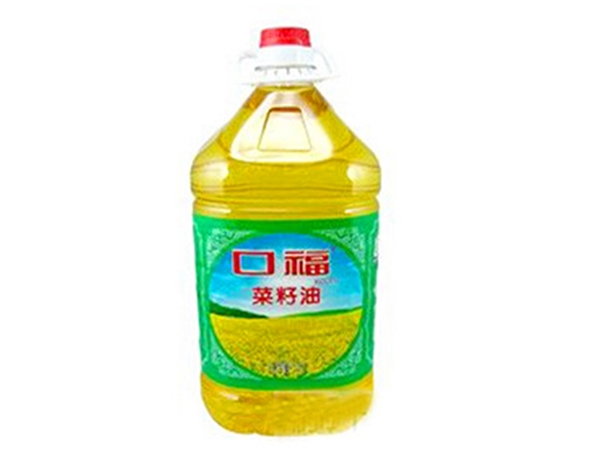
What are the precautions during the delivery process?
1. Product Quality Assurance: Throughout the distribution process of grain and oil, timely quality inspections must be conducted during procurement, inventory, shipment, and delivery stages to ensure that the products delivered to customers are of guaranteed quality. This is the "lifeblood" of the company, which cannot afford any negligence.
2. Order Accuracy and Timeliness: Upon receiving a goods order, immediately understand the client's product requirements. Based on this, contact suppliers for accurate and timely procurement. If the order requirements are not accurately grasped, leading to discrepancies with the client's needs, it not only damages the company's credibility but also requires bearing one's own costs and the client's losses, resulting in serious consequences.
3. Detailed loading and unloading acceptance: The loading and unloading process should be patient and meticulous, especially for fragile food items, handle with care to ensure they remain intact. During the acceptance phase, conduct on-site acceptance at the loading and unloading area to prevent unnecessary disputes.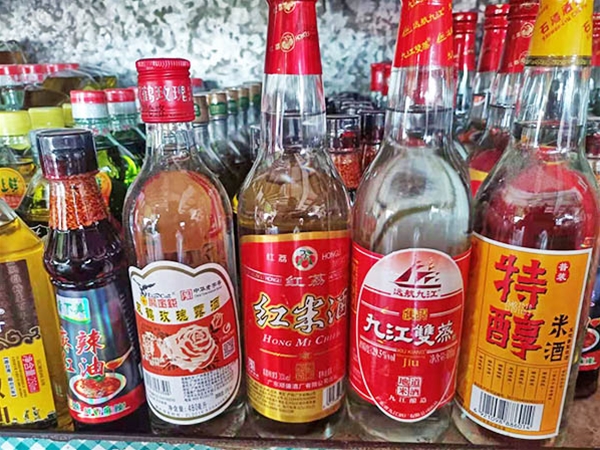
Grain and oil distribution is a comprehensive system, which involves indispensable elements such as ordering, receiving, storing, packaging, and delivering. It's crucial to ensure a complete process, high-quality standards, and timeliness. Only by achieving these can we guarantee a flawless distribution plan.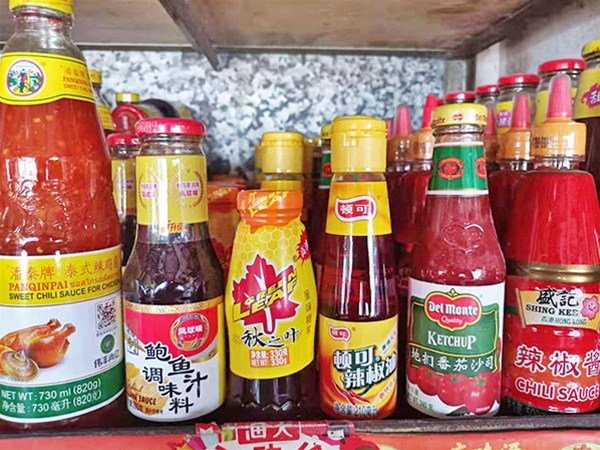
How to choose cooking oil for oil and grain distribution:
1. Look for color; generally, the purer the oil, the lighter its color. Of course, each type of vegetable oil has its unique color, and it's neither possible nor necessary to refine them to be colorless.
2. Look for clarity; opt for clear, transparent oil – the higher the clarity, the better.
3. Odorless; take one or two drops of oil and place them in the palm of your hand. Rub your hands together until warm and there should be no discernible odor (rancid or pungent smell). If there is an odor, do not purchase.
Our company is committed to partnering with a wide range of clients through passionate service and esteemed reputation, advancing with the times, and growing harmoniously. We welcome inquiries and on-site visits for potential cooperation.
WeChat Official Account

Scan to follow Official Account













