







Seasonings are widely used consumer products in food, cooking, and food processing, serving functions such as balancing flavors and aromas, removing fishiness and gameiness, reducing greasiness, enhancing fragrance, and boosting freshness. Generally, they can be categorized into two main types: single-seasoning products and compound-seasoning products.
Seasoning delivery product incoming inventory:
Vehicle entry and registration.
2. Warehouse staff verify that the container number and seal number match the packing list (limited to imported products only).
3. The warehouse manager arranges storage locations and parking spots for vehicles based on the delivery items and quantities listed on the delivery slip.
4. The warehouse supervisor assigns warehouse staff, forklift drivers, and loaders to unload the goods.
5. Forklift operators must place goods of the same specification and delivery date in one storage location, and open a new one once it's full; the last few pallets should be placed outside. After unloading is complete, the warehouse manager must verify that the actual received specifications and quantities match the delivery slip or loading list, and report any discrepancies to the warehouse supervisor for written notification to the customer.
6. Warehouse staff fills out the product incoming report; signs and seals the delivery slip according to the actual receipt specifications and quantity, fills in the product specifications, quantity, storage location, and incoming date on the storage card, signs it, hangs it in the storage location, and hands over all documents to the document clerk.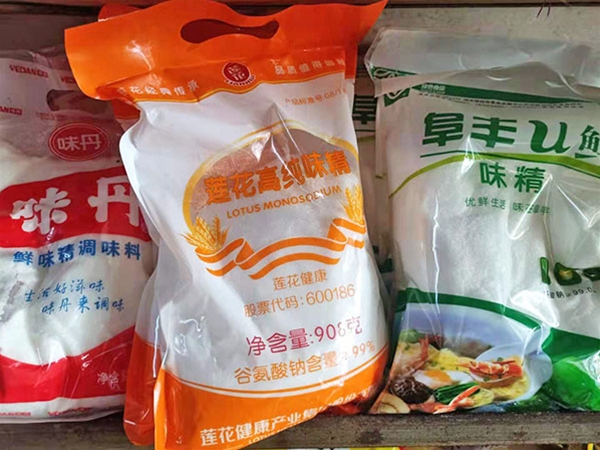
With the thriving food service industry, there's an increasing demand for a variety of condiments and quantities, giving rise to the need for condiment distribution. What should distributors keep in mind to excel in condiment distribution?
1. Distribution companies should be familiar with the local condiment distribution market and potential clients. For instance, restaurants and residents in the Sichuan and Chongqing region prefer spicy condiments, while those in Guangdong tend to favor liquid seasonings like soy sauce and oyster sauce. Different regional food preferences affect the purchase volume of condiments for distribution companies, so it's essential to know which condiments are in high demand locally. For distribution companies with their own brand of condiments, actively seeking partners to promote their products is crucial. Establishing long-term partnerships with restaurants can be a strategy for market expansion.
2. Distribution companies need to manage their warehouse inventory rationally. Although condiments are more durable than fresh produce, an appropriate inventory level and procurement frequency can ensure that the distribution company fulfills orders while also extending the shelf life of the condiments. This can leave customers with a positive impression of the brand and enhance the company's service image.
3. During storage and transportation, distribution companies should manage different condiments categorically. For instance, sauce condiments in glass bottles require reinforced packaging during transit to prevent damage, bulk aromatic spices need to be kept dry during storage, and packaged condiments should not be piled up for storage. Appropriate transportation and warehousing can reduce condiment losses and cut costs.
4. To carve out a niche in the increasingly competitive condiment delivery market, establishing an integrated intelligent fresh produce delivery platform can help distribution companies capture a larger market share. Customers tend to purchase all the seasonings they need from a single supplier at fair and affordable prices. From this perspective, distribution companies need to refine their product management and create a convenient delivery platform.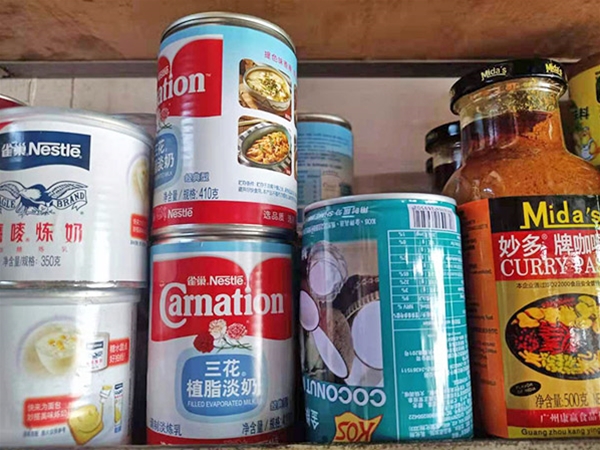
The benefits of distributing seasonings include:
1. The seasonings distributed by the flavoring delivery company are safer.
2. Enhance efficiency of the cafeteria后勤services and reduce procurement costs.
3. A wide variety of condiments, fresh and guaranteed.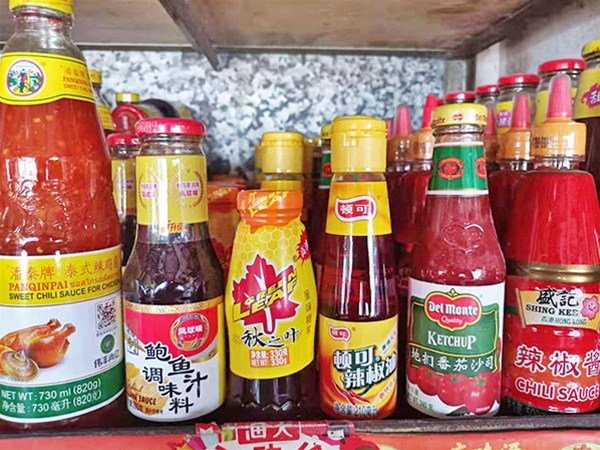
Seasoning products inventory preparation for delivery:
1. Obtain the client's written product warehousing report in advance.
2. Contact the carrier in advance for a more accurate vehicle arrival time.
3. Arrange for sufficient equipment and personnel in advance.
4. Pre-arrange parking and storage spaces, and prepare the pallets.
Our company adheres to the philosophy of "Quality First, Customers Foremost" and synchronizes development to meet customer needs. Warmly welcome domestic and international customers to visit and collaborate, fostering mutual prosperity.
WeChat Official Account

Scan to follow Official Account













