









(2) Adaptable to urgent requirements
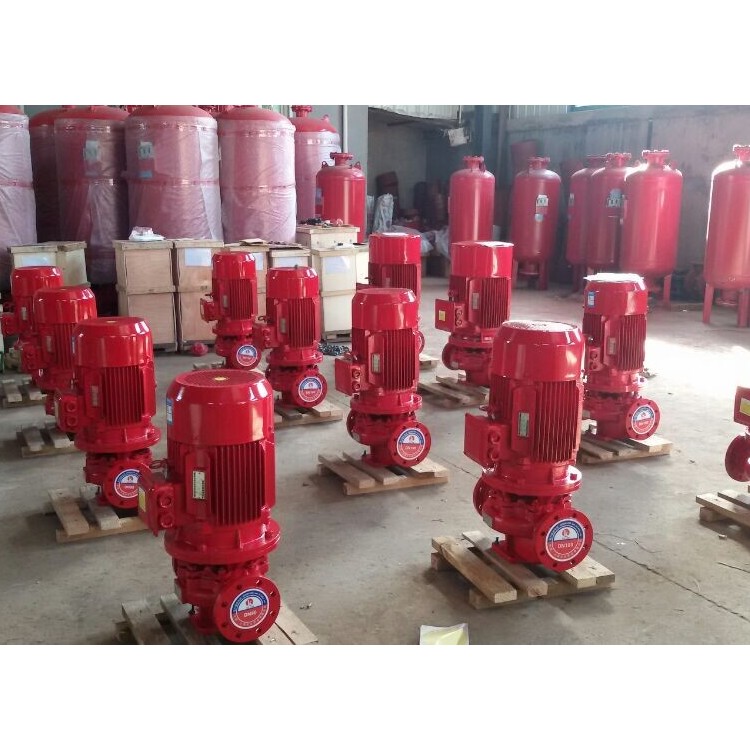
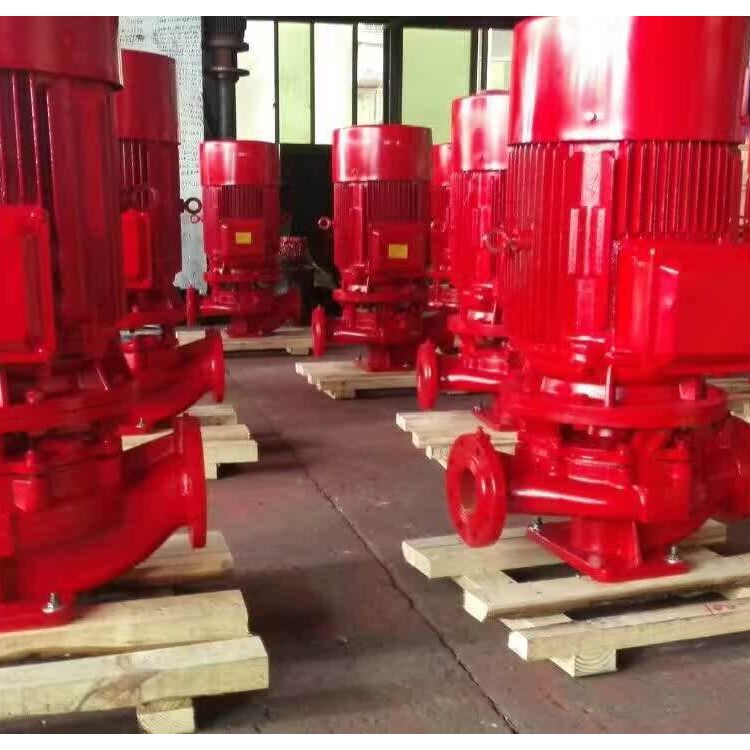
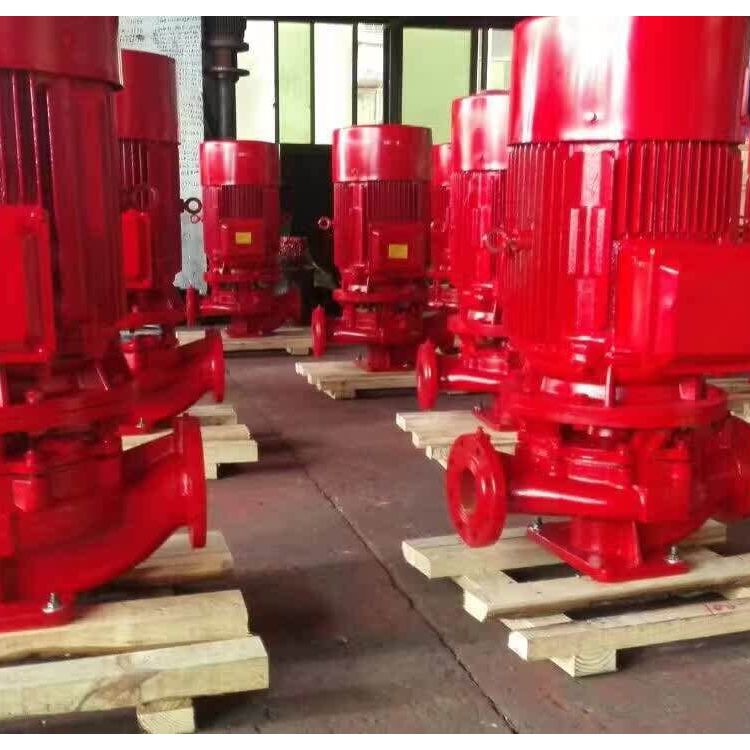
Fire situations in reality can change unpredictably, and there can be no momentary delay during the occurrence. Therefore, vertical fire pumps must meet the adaptability requirements in this aspect. Their adaptability should be specifically reflected in several aspects: Firstly, when a fire occurs, the vertical fire pump must be able to start up promptly; secondly, if the water usage suddenly increases to exceed the required working range, it must be capable of meeting the requirements for appropriate performance adjustments.
The sprinkler pumps used by the fire department are designed with a safety feature. In the event of a fire, when the sprinkler head reaches 68 degrees, it will burst, initiating the sprinkling action. The stored water in the reservoir is sufficient for a ten-minute sprinkling. Simultaneously, due to the change in pressure, the alarm valve is activated, linking the pressure switch and a series of fire protection devices, thereby starting the sprinkler pump to extinguish the fire. Next, the water from the reservoir is transported through pipes to the sprinkler pump head, signifying that the entire fire protection system is officially operational and handling the fire situation.
The sprinkler pumps used by the fire department are designed with a feature that, upon detection of a fire, the sprinkler heads will burst at 68 degrees, initiating sprinkling. The stored water in the tank is sufficient for a ten-minute sprinkling. Simultaneously, due to pressure changes, the alarm valve is activated, linking the pressure switch and a series of fire-fighting devices, thereby starting the sprinkler pump to extinguish the fire. Subsequently, the water from the tank is transported through pipes to the sprinkler pump heads, signifying the official activation of the entire fire protection system to handle the fire situation.
Fire pumps include sprinkler pumps, fire hydrant pumps, and pressure maintaining pumps, etc.
Fire pump: A general term for water pumps that supply water to fire protection systems.
Sprinkler Pump: A pump that supplies water to an automatic sprinkler fire suppression system.
Fire Extinguishing Pump: A pump that supplies water to the fire hydrant extinguishing system.
Pressure-regulating pump: A pump that replenishes water to the fire hydrant fire suppression pipeline system or automatic sprinkler fire suppression pipeline system, maintaining the pressure of the pipeline system.
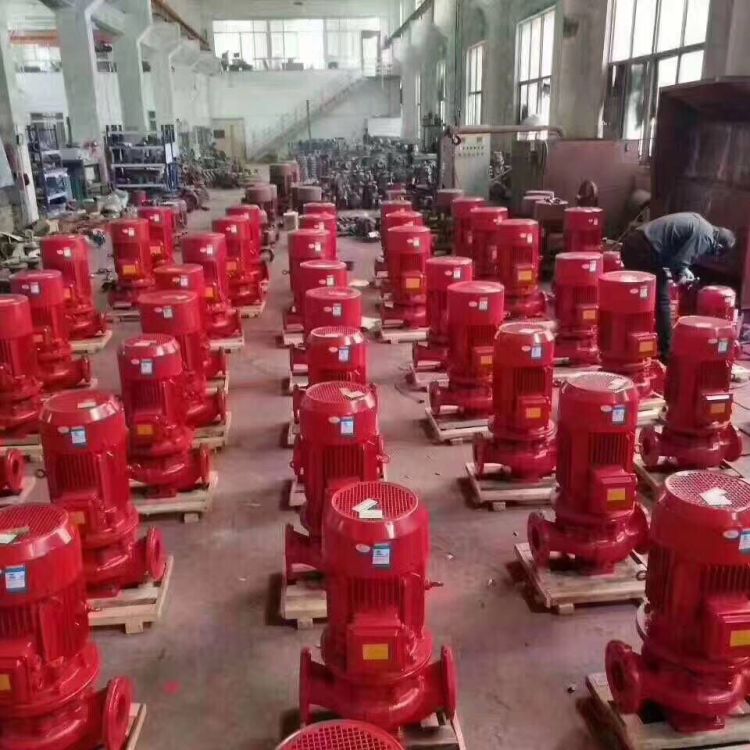
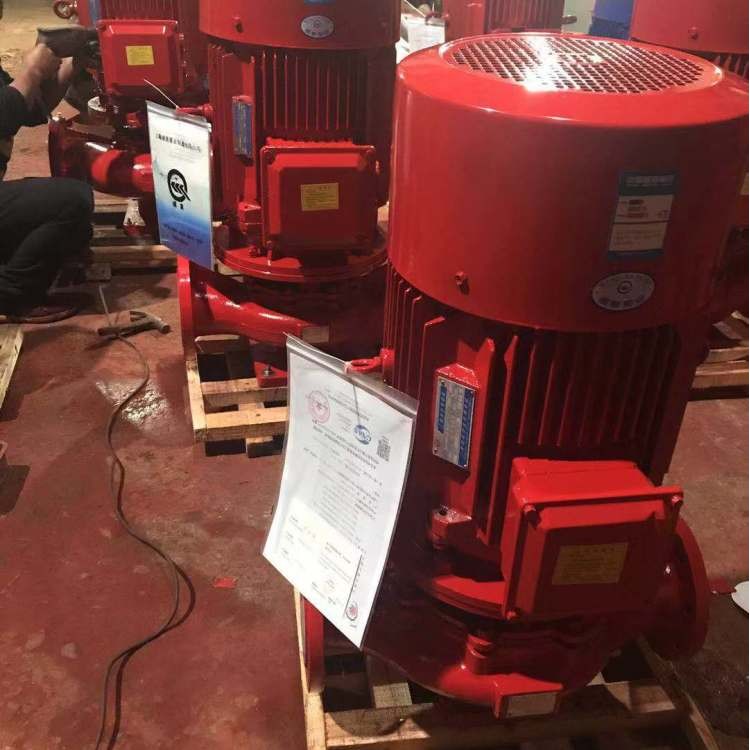
Fire pumps are essentially pumps used in firefighting, and there are many types of fire pumps. Due to their advantages of good sealing performance, no leaks, and corrosion resistance, they are often used to pump various liquids. The fire pumps we refer to are used for transporting fire extinguishing fluids during the firefighting process. How are fire pumps categorized? Generally speaking, fire pumps can be divided into two types. One is by application: depending on their use, they can be categorized as vehicle fire pumps, ship fire pumps, standard fire pumps, deep well fire pumps, submersible fire pumps, pressure-stabilizing fire pumps, and non-powered fire pumps, etc. The other is by the way they are composed, such as standard fire pump sets, deep well fire pump sets, water supply fire pump sets, and so on. Thirdly, precautions for using fire pumps: Since the working principle of fire pumps is almost the same, the precautions during use are generally similar. This means to be attentive to any leaks or similar issues during operation.