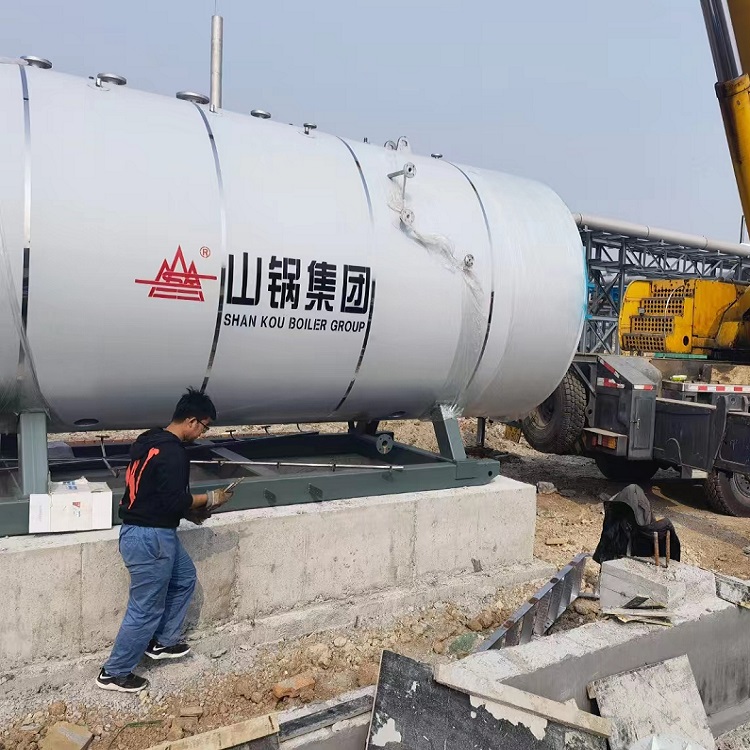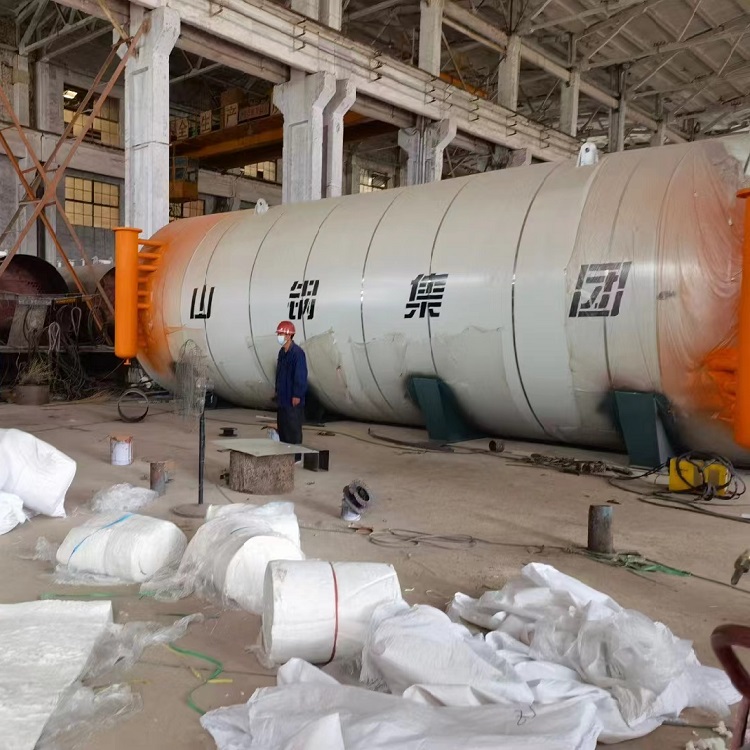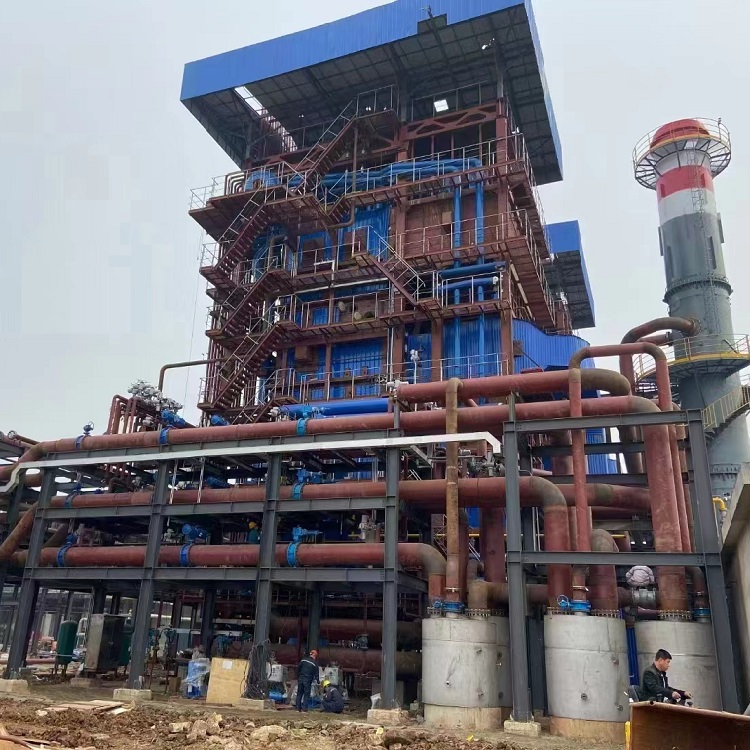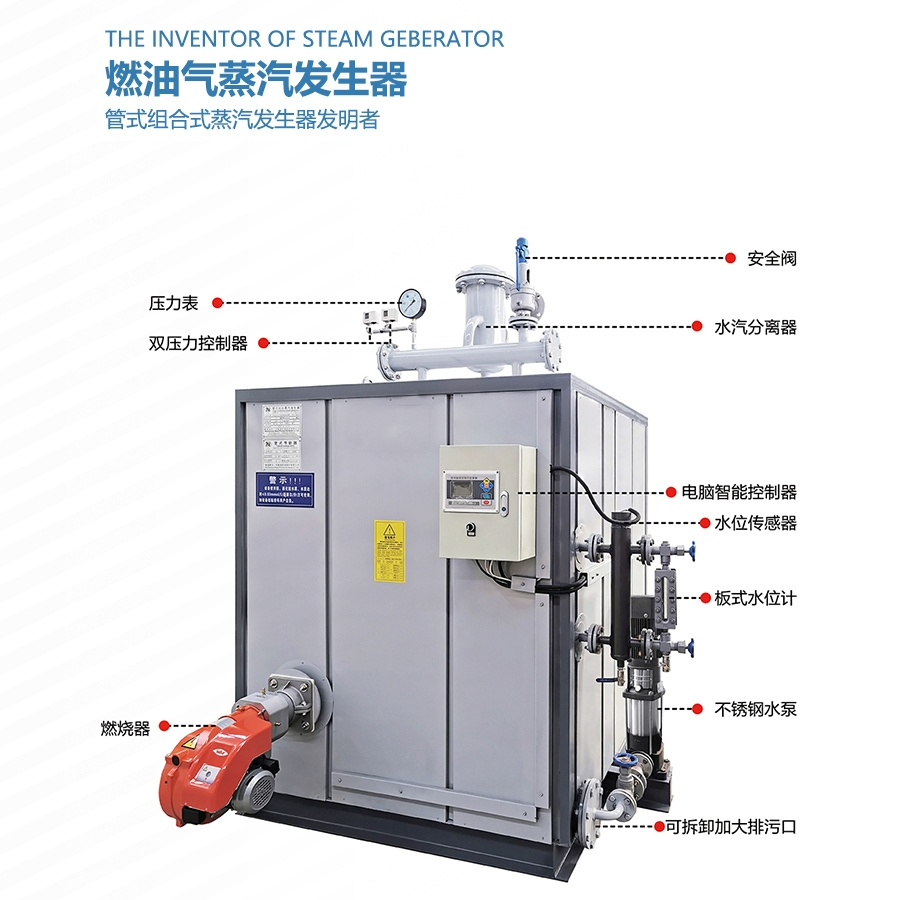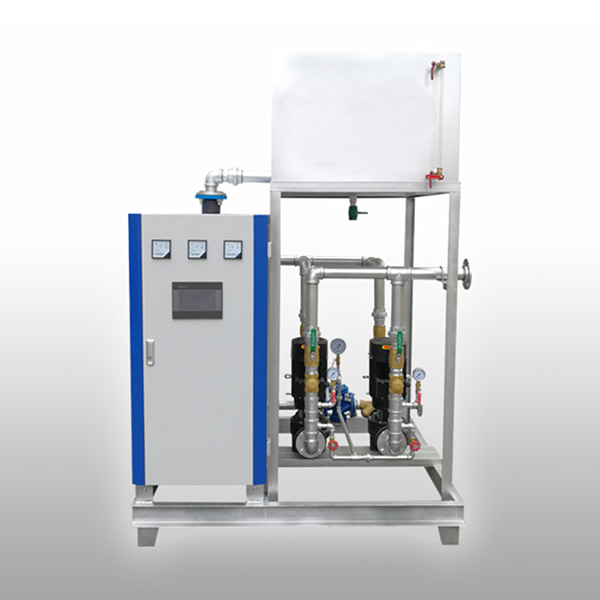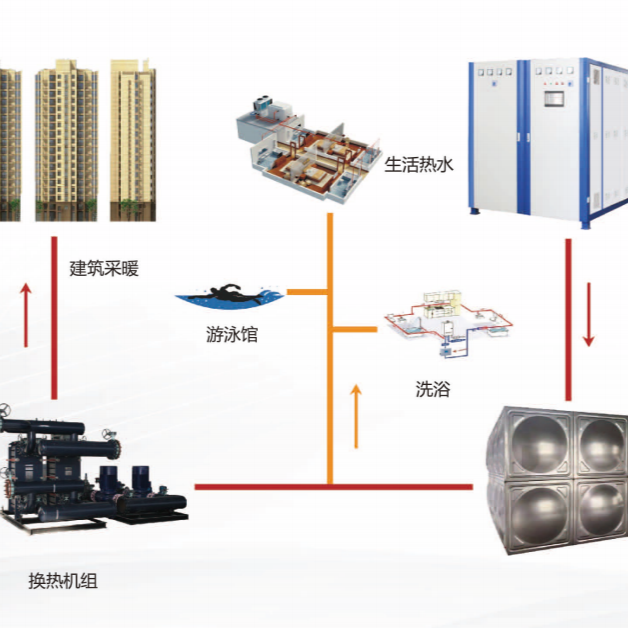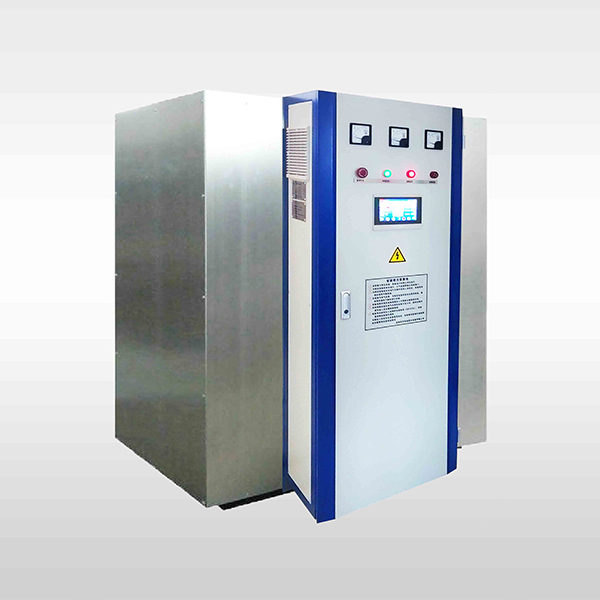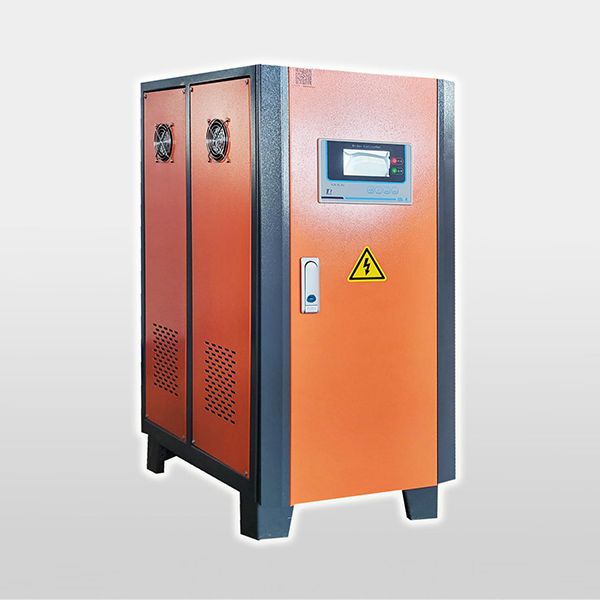

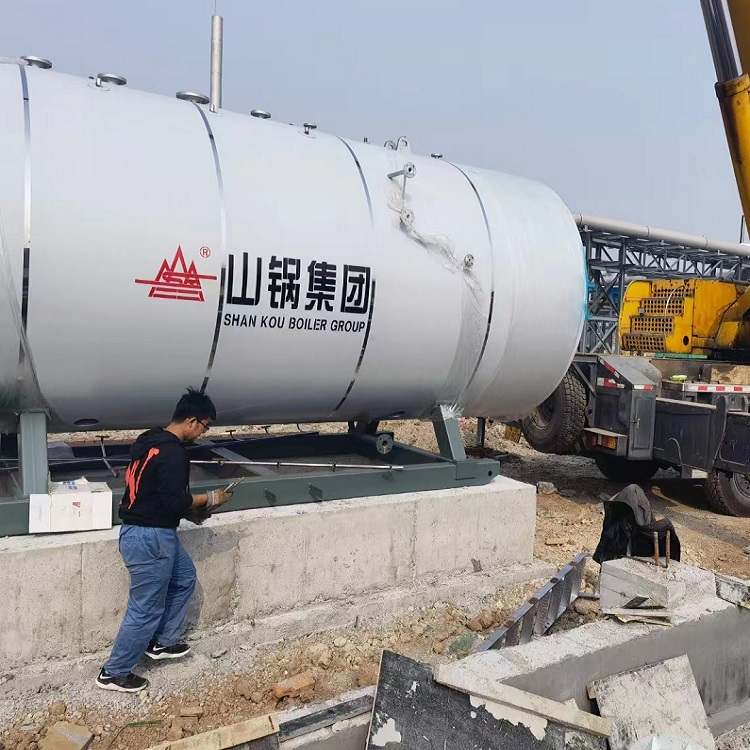


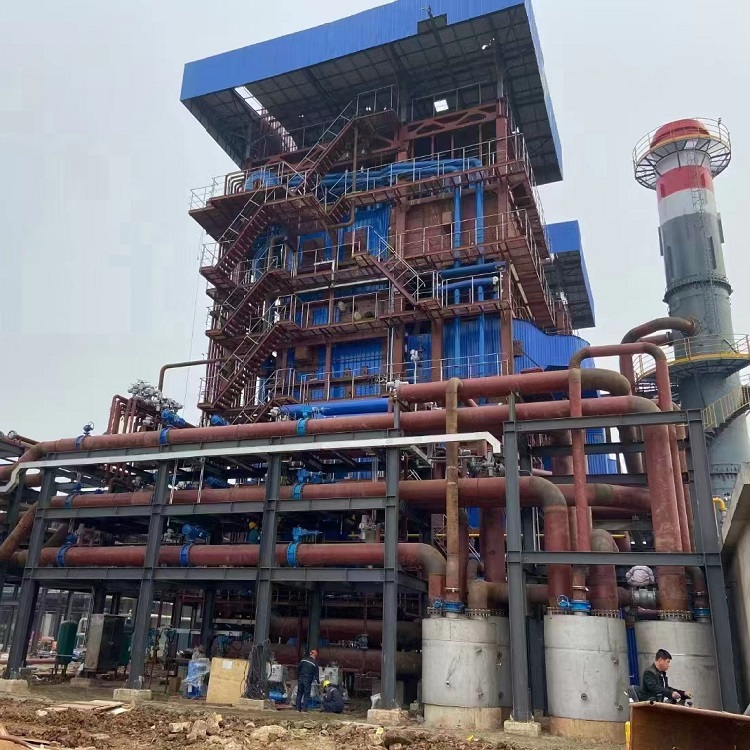


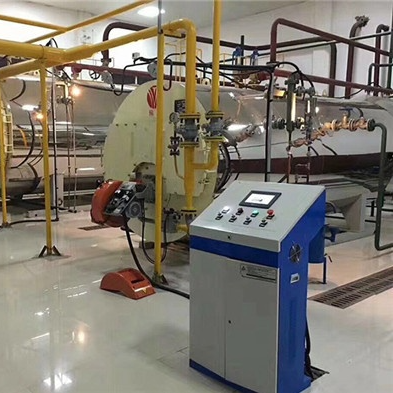
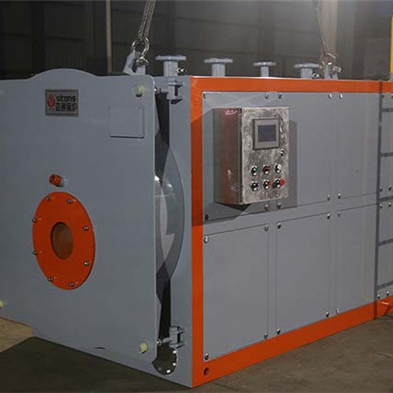
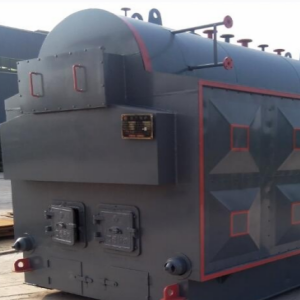
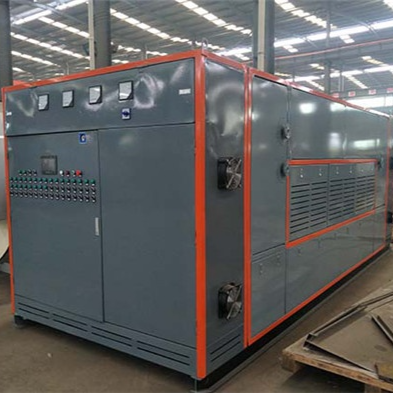
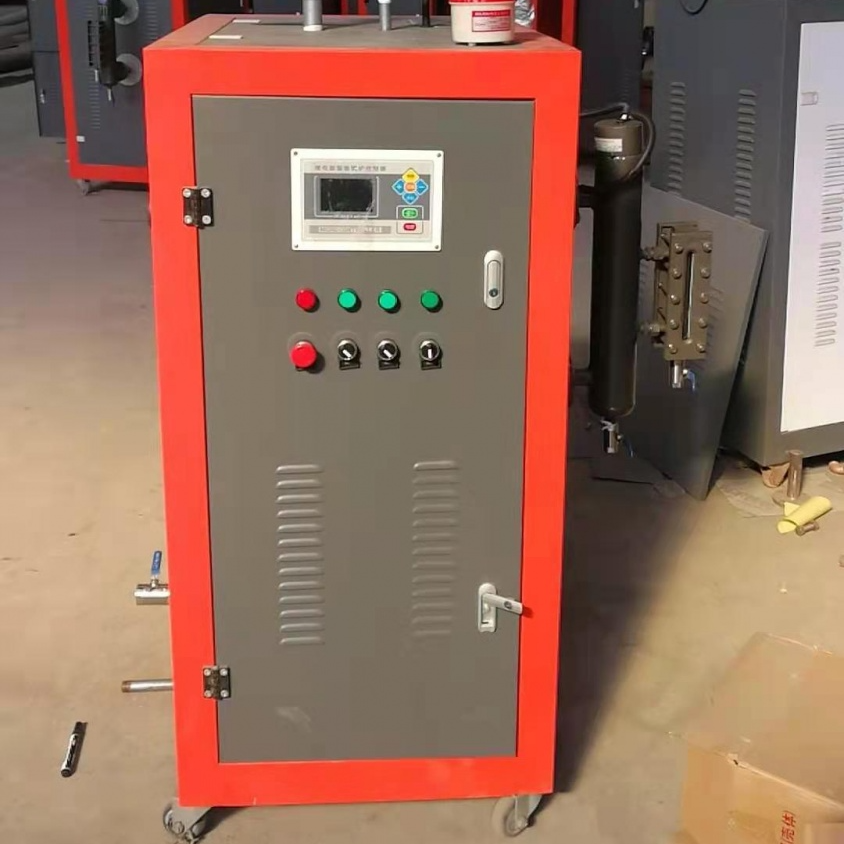





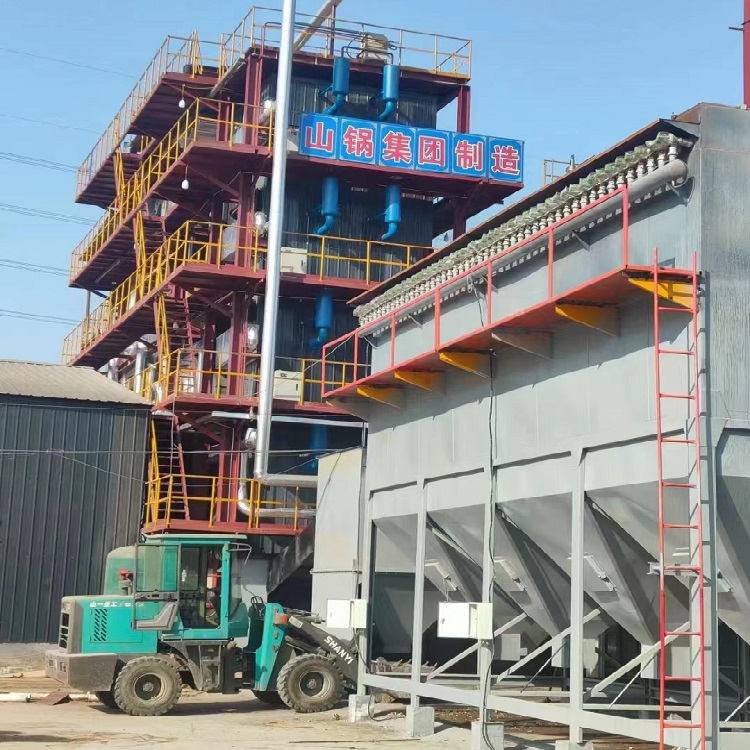
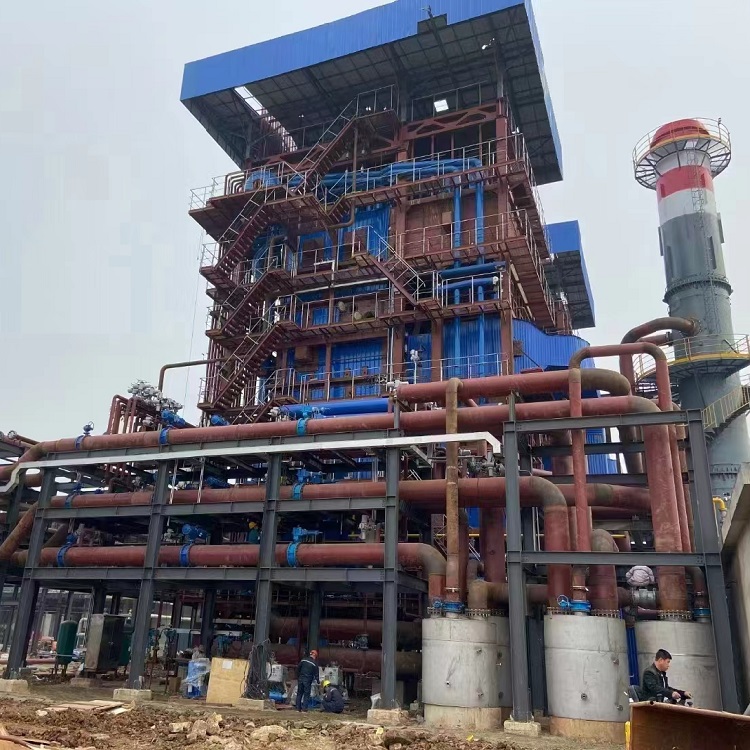
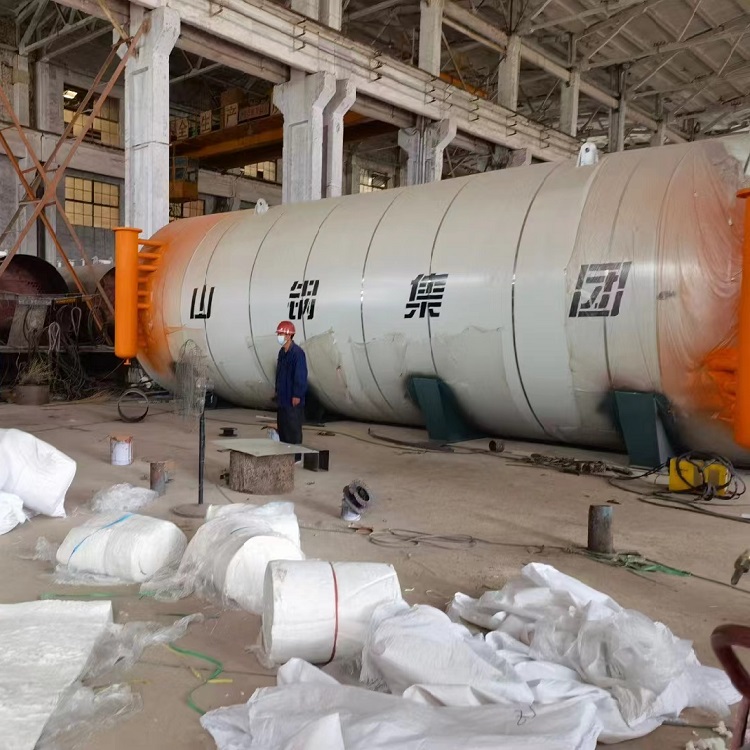
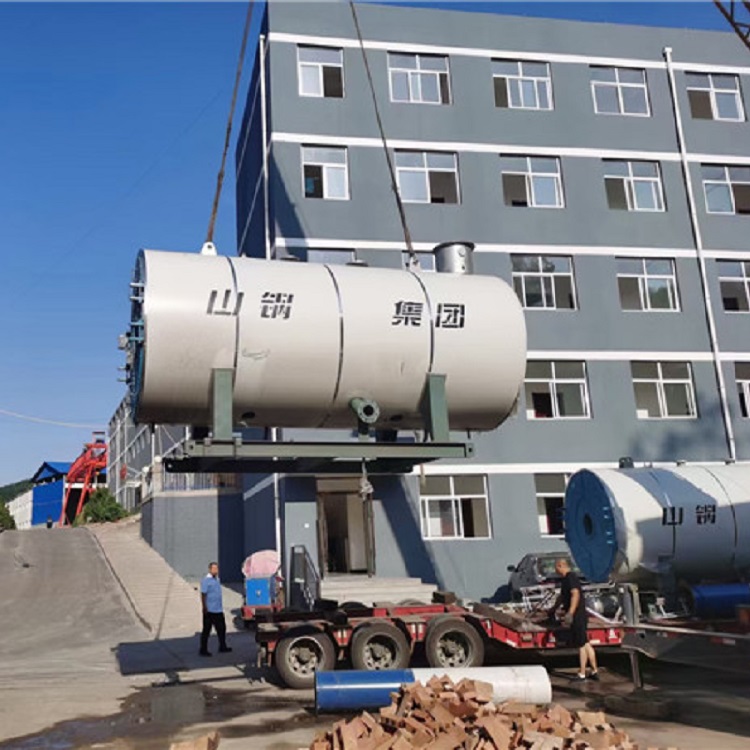
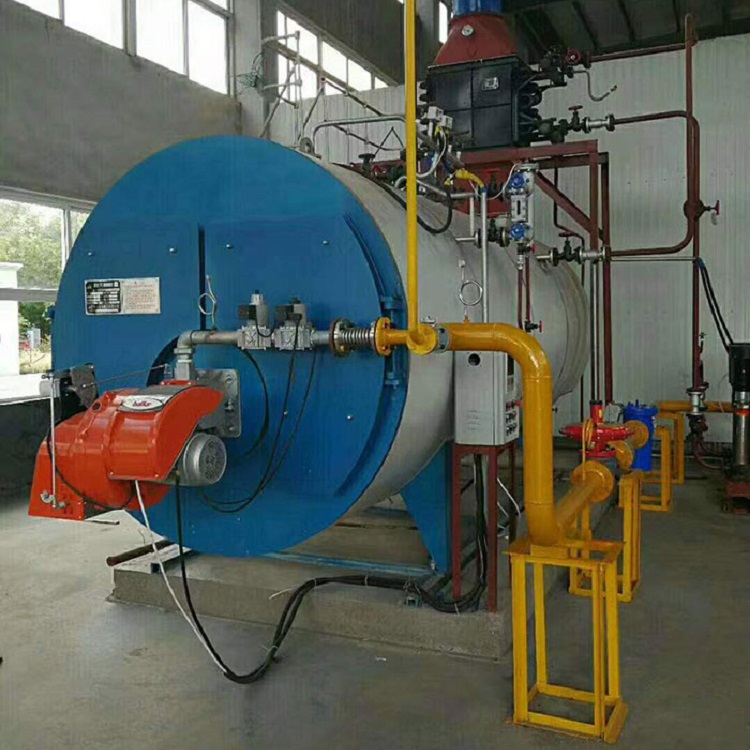
A waste heat boiler is a type of boiler that utilizes the residual heat and combustible substances from industrial waste gases, waste materials, or waste liquids to heat water to a certain temperature. Fuel oil boilers, gas boilers, and coal-fired boilers equipped with flue boxes and flue channels for waste heat recovery are also known as waste heat boilers. Waste heat boilers can produce hot water or steam for use in other sections through waste heat recovery.
Heat recovery boilers are categorized by fuel type into oil-fired, gas-fired, coal-fired, and waste heat recovery boilers. By application, they are divided into waste heat hot water boilers, waste heat steam boilers, and waste heat organic heat carrier boilers.
Operating Principle:Fuel, gas, and coal combustion generates high-temperature flue gases that release heat. These gases first enter the furnace, then the waste heat recovery unit in the front flue box, followed by the flue pipes, and finally the waste heat recovery unit in the rear flue box. The high-temperature flue gases are converted to low-temperature gases and exhausted into the atmosphere through the chimney. Due to the greatly improved efficiency of utilizing the heat released from fuel combustion, this type of boiler is highly energy-saving.