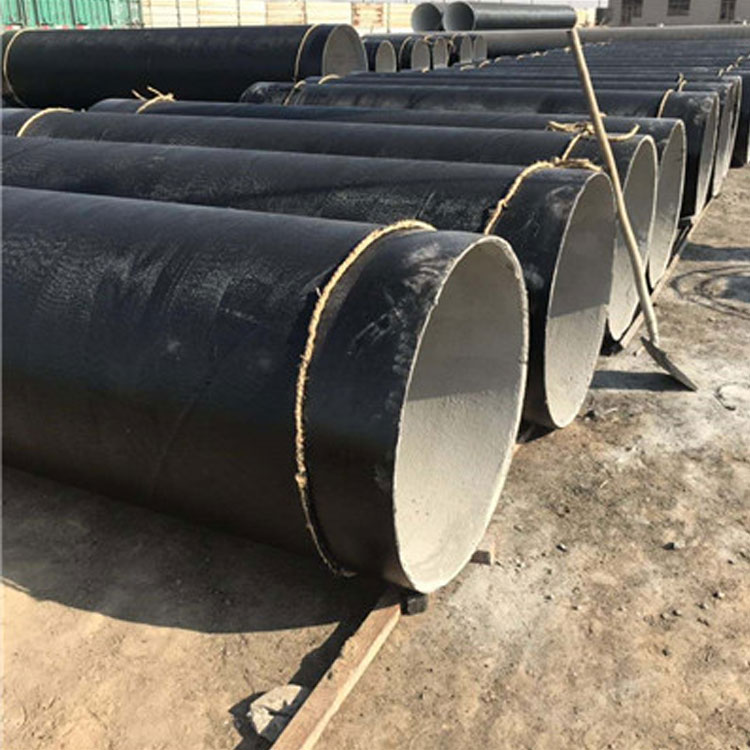

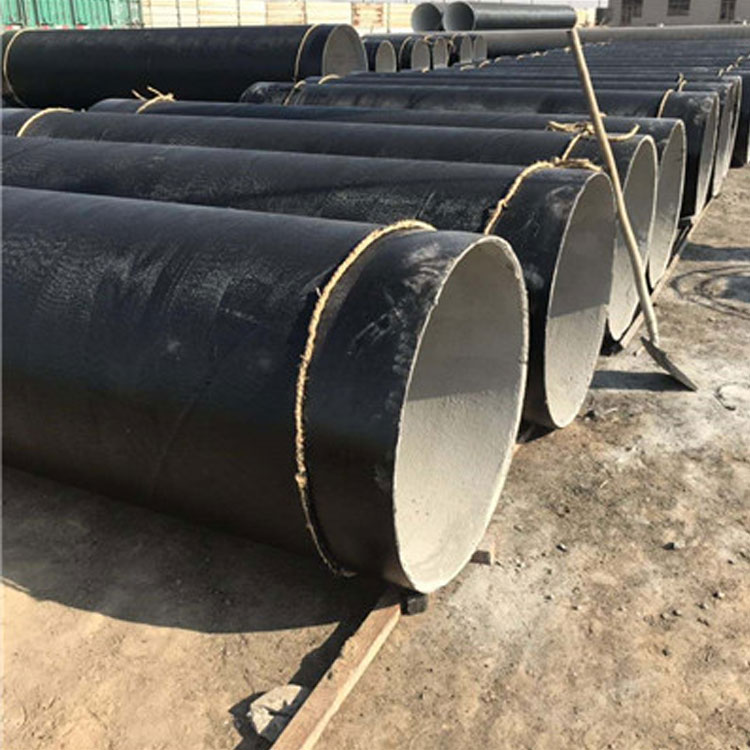
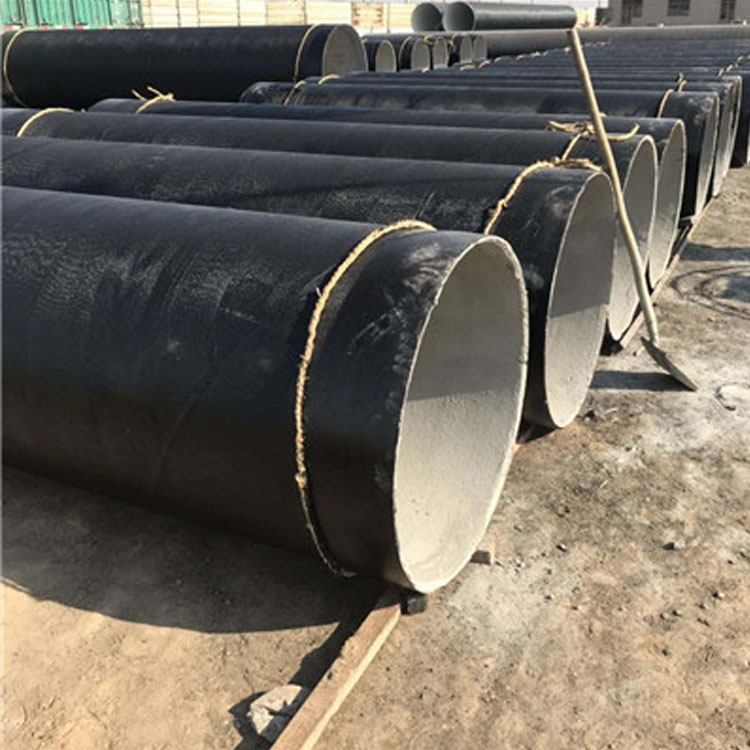
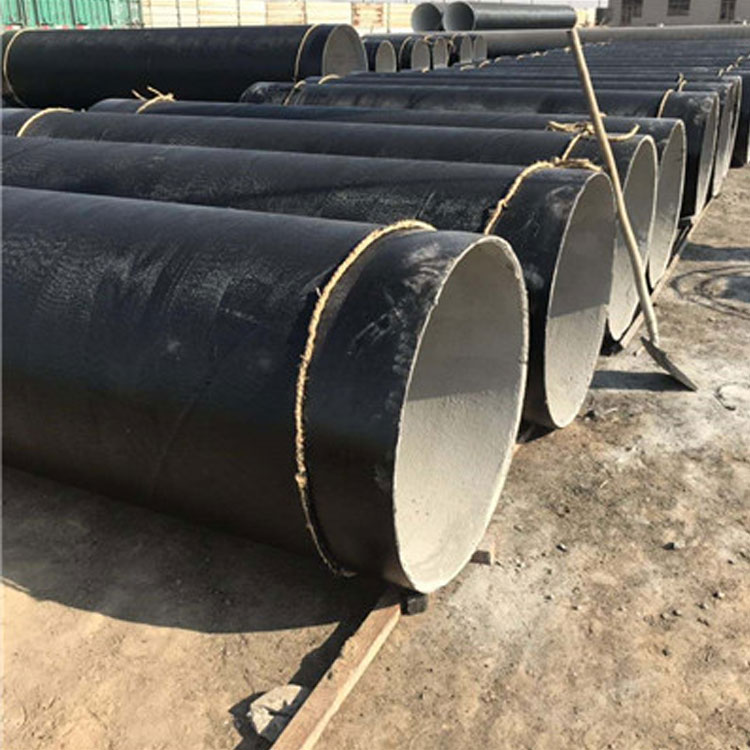








Corrosion-resistant process for cement mortar lining
Cement mortar lining corrosion prevention refers to the commonly used 1:3 cement mortar, which is a mixture of 1 part cement and 3 parts sand, but actually overlooks the water component, which is generally around 0.6 in proportion, meaning it should be 0.6:1:3. Adding stone proportionally to the cement mortar creates concrete. 100-grade cement mortar indicates a strength of 100 kg/cm2, but now it is all converted to MPa, with 100 corresponding to M10. The mix ratio varies depending on the raw materials and the purpose of the mortar. For example, with the commonly used 42.5 ordinary portland cement and medium sand, the mix for 100 (M10) masonry mortar is: 305 kg cement : 1.10 m3 sand : 183 kg water. The grades of mortar include M3, M5, M7.5, M10, M12.5, M15, M20, M25, M30, and M40. Mortar is categorized by use, such as masonry, plastering, and jointing, which is unrelated to the grade.
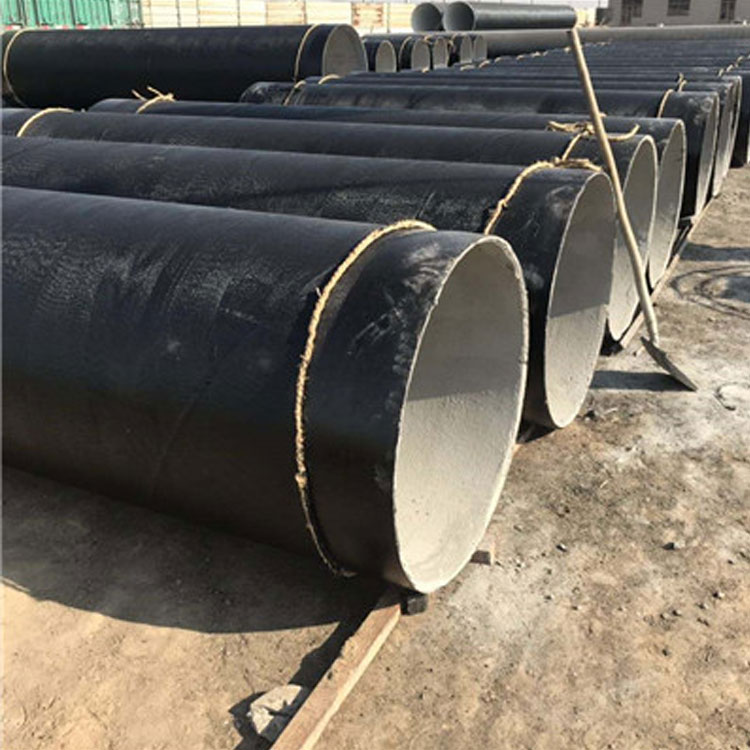
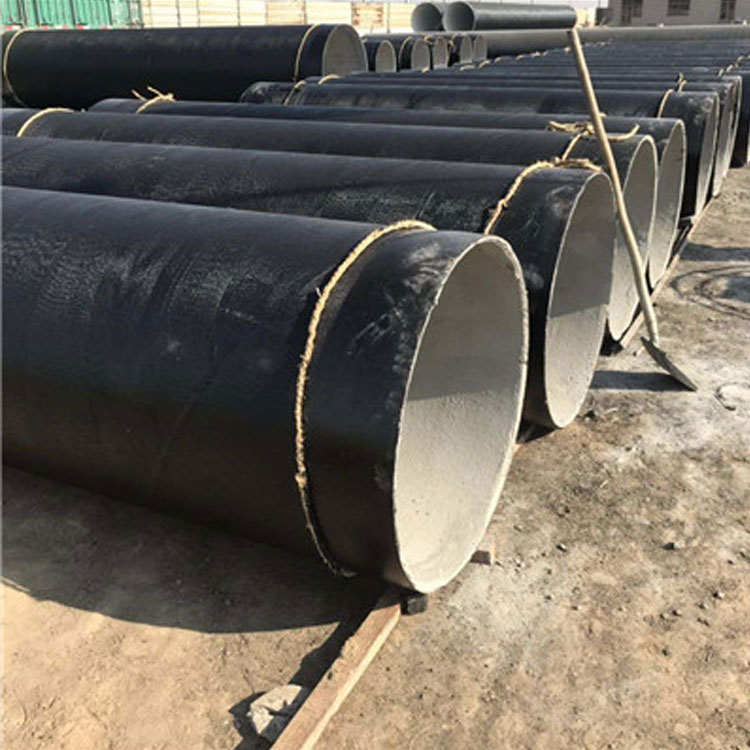
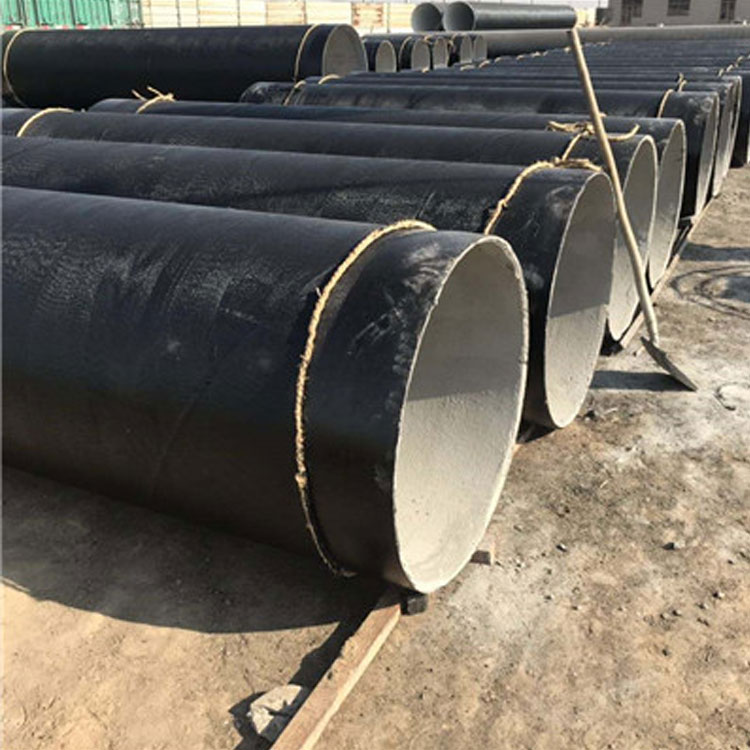
There are two methods for applying cement mortar. The first is the ground centrifugal method, primarily suitable for lining work on pipes with a diameter of DN400 or less. The second is the underground spraying method, mainly used for underground anticorrosion work on pipes with a diameter of DN700 or more.
The cement mortar lining and metal pipes are made of two different materials. How strong is the bonding between the mortar and the pipe? Particularly, will the inner anti-corrosion layer of steel pipes peel off under the forces of transportation and installation? In other words, what is its mechanical strength? Data from overseas experiments can prove its mechanical strength. When steel pipes are subjected to external pressure and flattened, the mortar may develop "hair-like" cracks, but it is extremely difficult to剥落 the mortar from the pipe wall. On a steel pipe with a diameter of DN800 and a wall thickness of 7.1 mm, a one-meter-long section is coated with a 11 mm thick mortar lining. When flattened by 7-8 mm, "hair-like" cracks can be observed. As the flattening increases to 50 mm, the cracks gradually extend to the entire length of the pipe. Experimental results show that "hair-like" cracks appear at a flattening of 1% of the pipe diameter. When the flattening reaches 6-9%, the mortar coating begins to crack, and it peels off when the flattening reaches 30% of the pipe diameter. This is absolutely unacceptable in construction. Measurements indicate that on a DN1100 pipe, the minimum flattening is 15 mm, and on a DN1800 pipe, it is 21 mm. It can be seen that as the pipe diameter increases, the flattening required to produce cracks also increases.