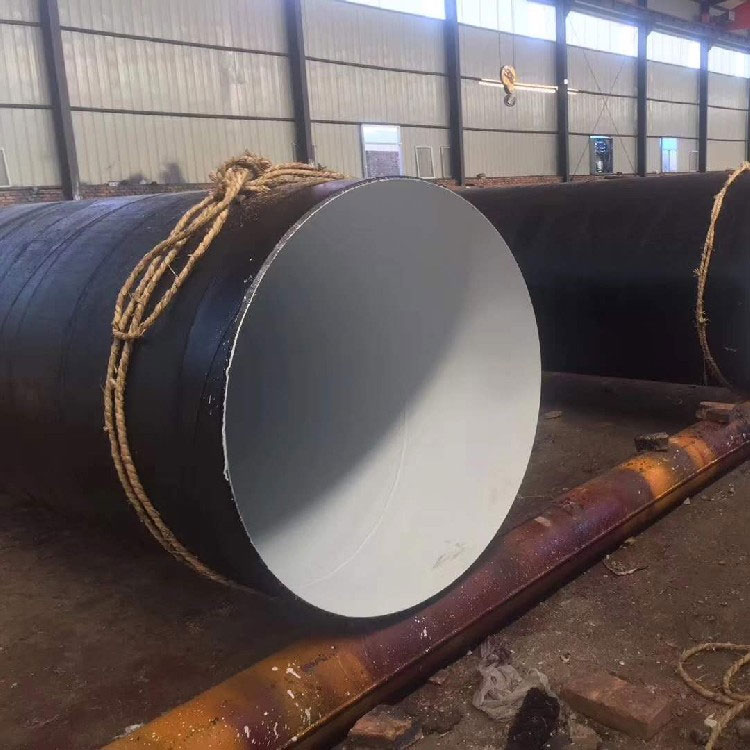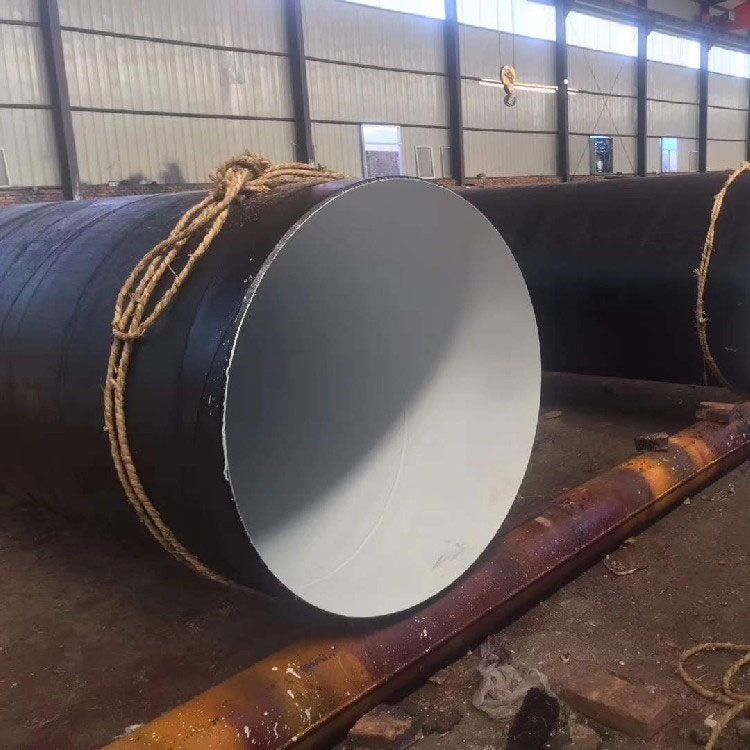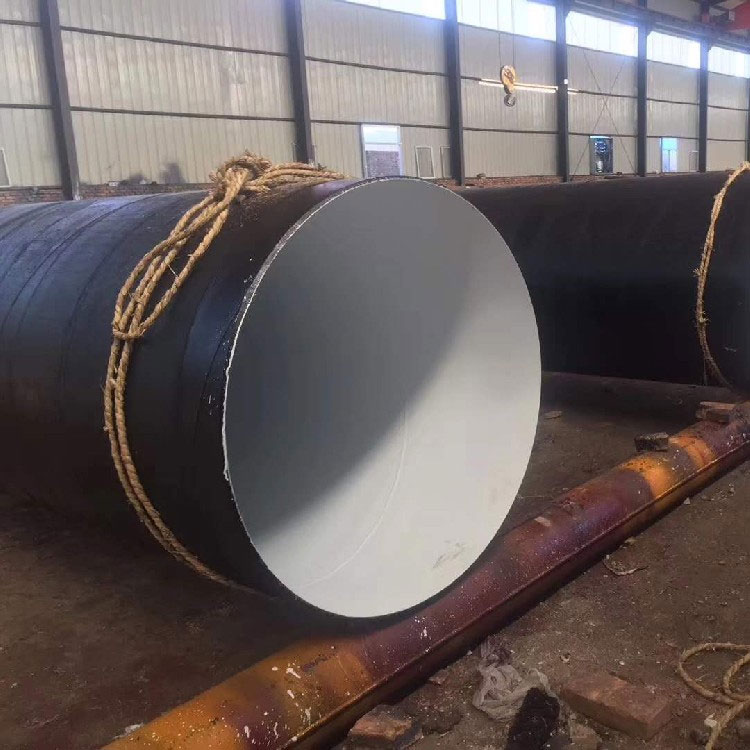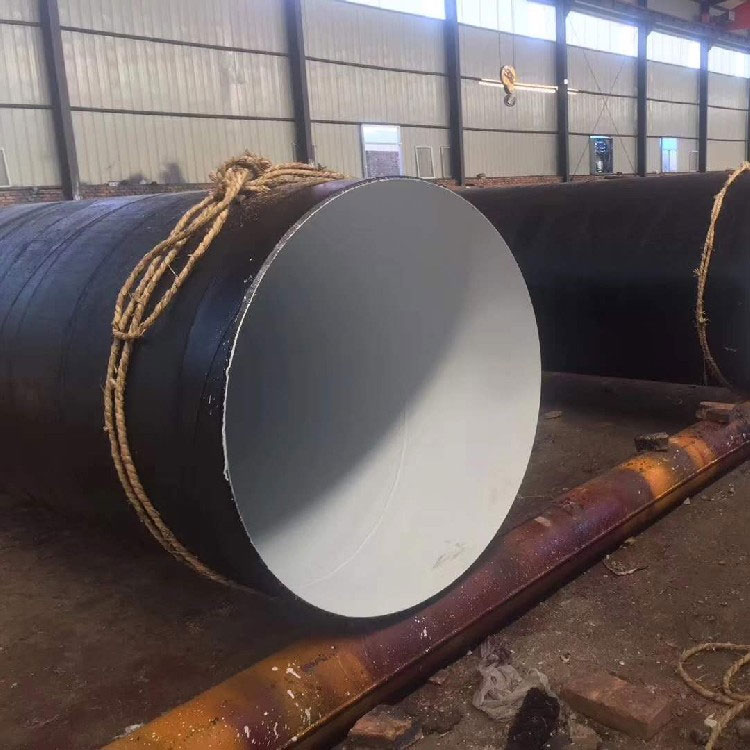

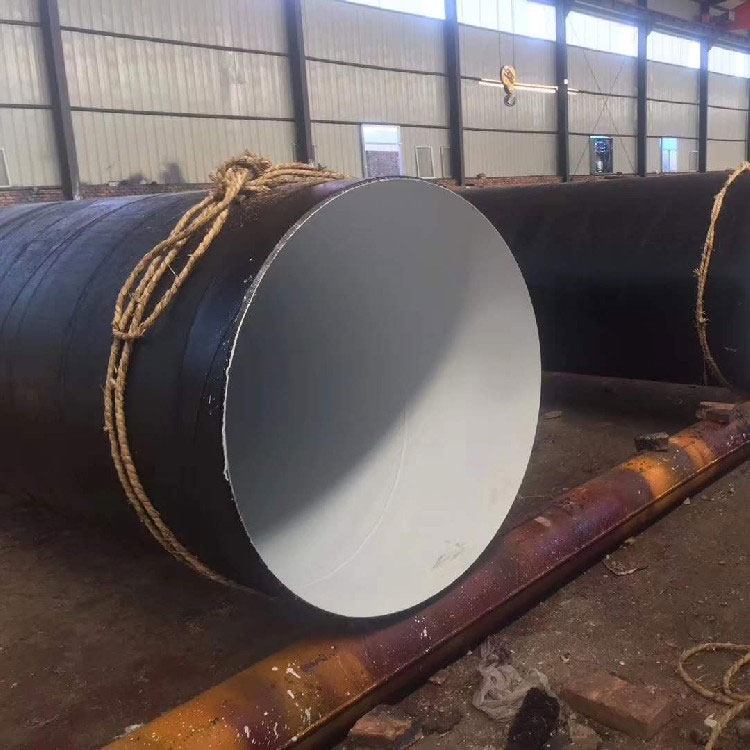












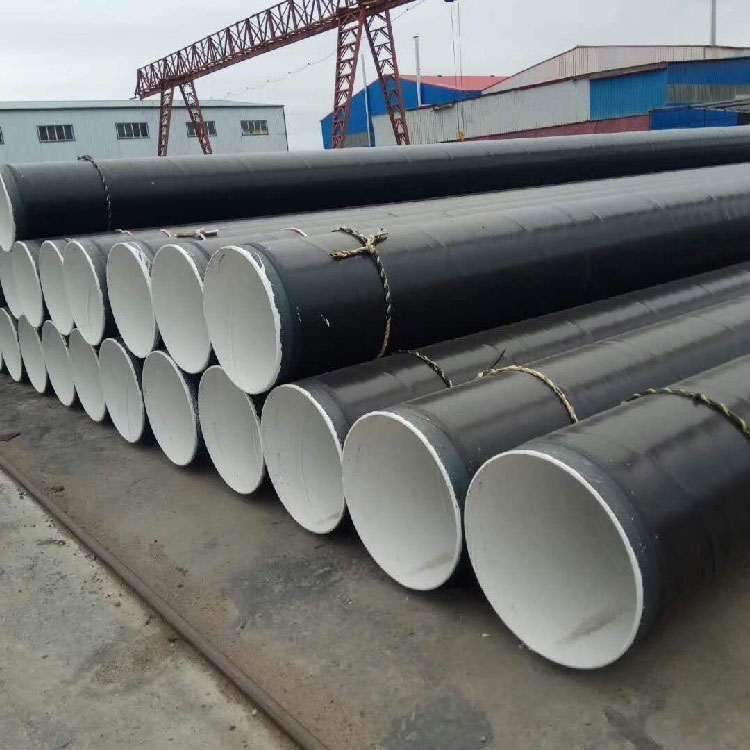

Categorized by manufacturing process
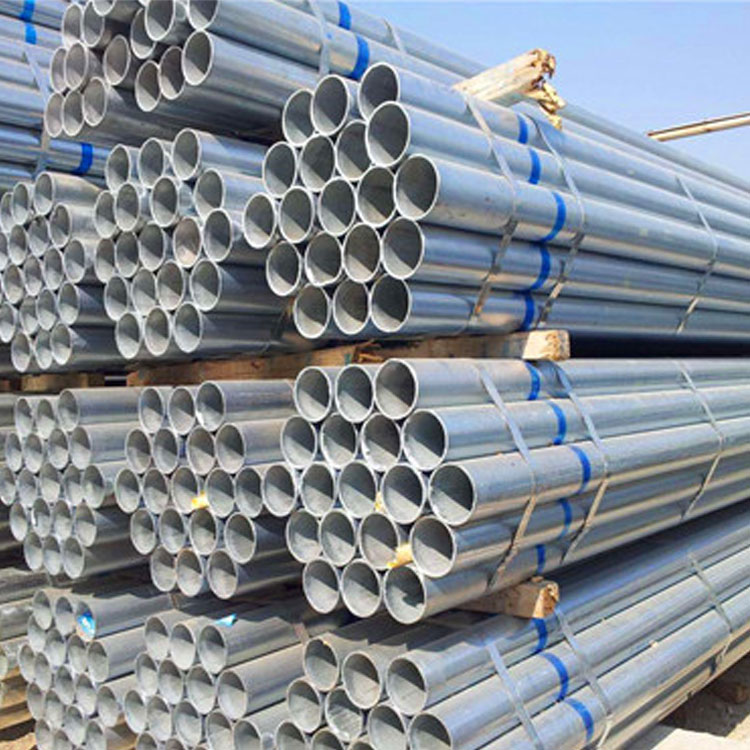
The manufacturing processes of seamless steel pipes can be divided into the following basic categories: hot rolling (extrusion), cold rolling (drawing), and hot expanded pipes.
(2) Welded pipes can be categorized by manufacturing process into: straight seam welded pipes, spiral seam welded pipes, plate and coil seam welded pipes, and hot-expanded welded pipes.
By Shape Category
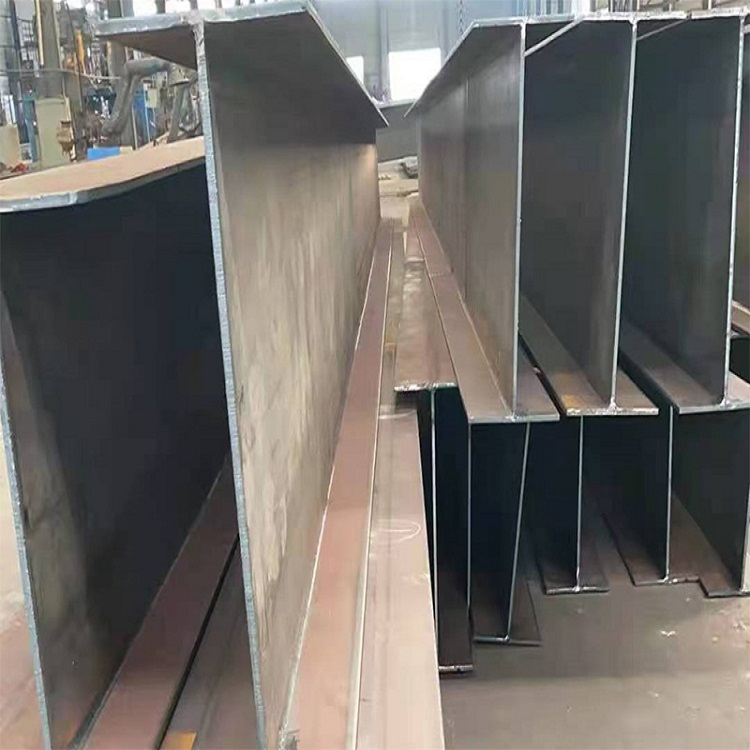
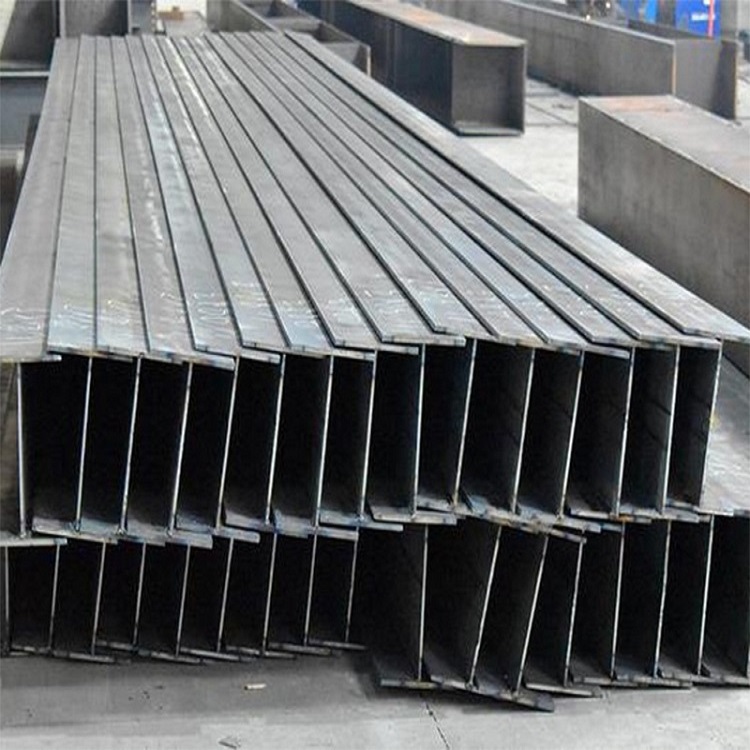
Steel pipes can be categorized by shape into: round pipes, square pipes, rectangular pipes, octagonal pipes, hexagonal pipes, D-shaped pipes, pentagonal pipes, and other special-shaped steel pipes, complex cross-section pipes, double concave pipes, five-petaled plum blossom-shaped pipes, conical pipes, corrugated pipes, melon-shaped pipes, double convex pipes, etc.
Categorized by application
Steel pipes are categorized by application as: pipeline steel pipes, heat exchanger steel pipes, machinery industry steel pipes, oil and geological drilling steel pipes, container steel pipes, chemical industry steel pipes, and special purpose steel pipes, etc.
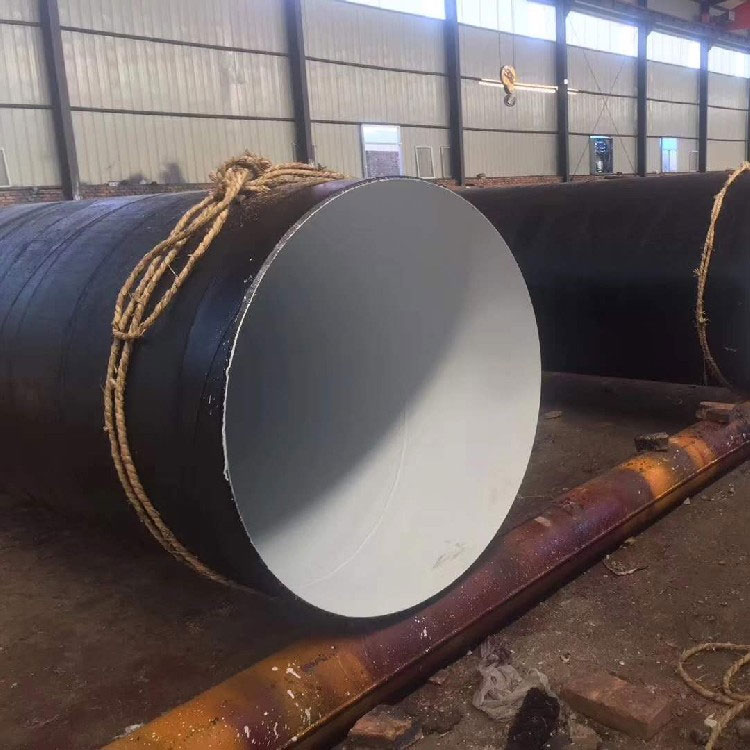
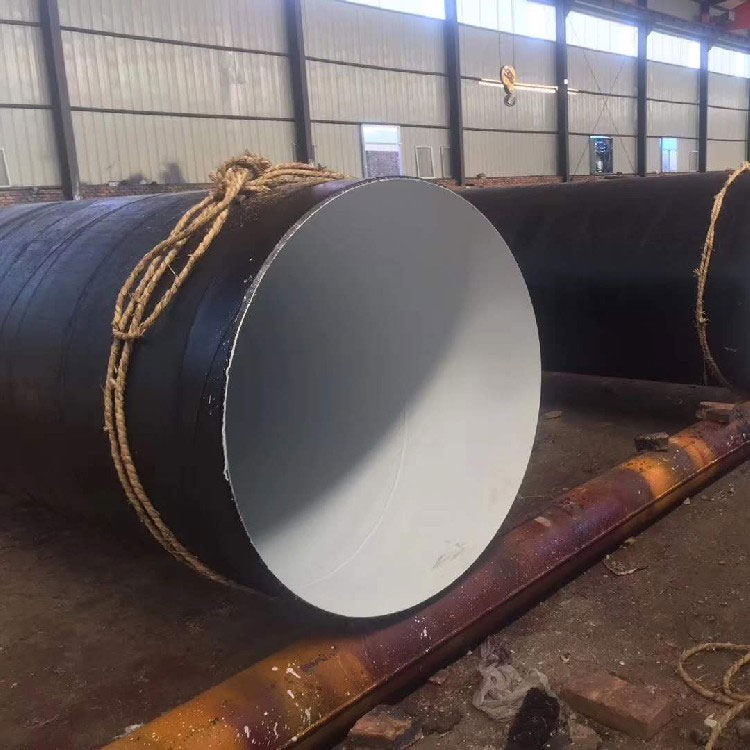
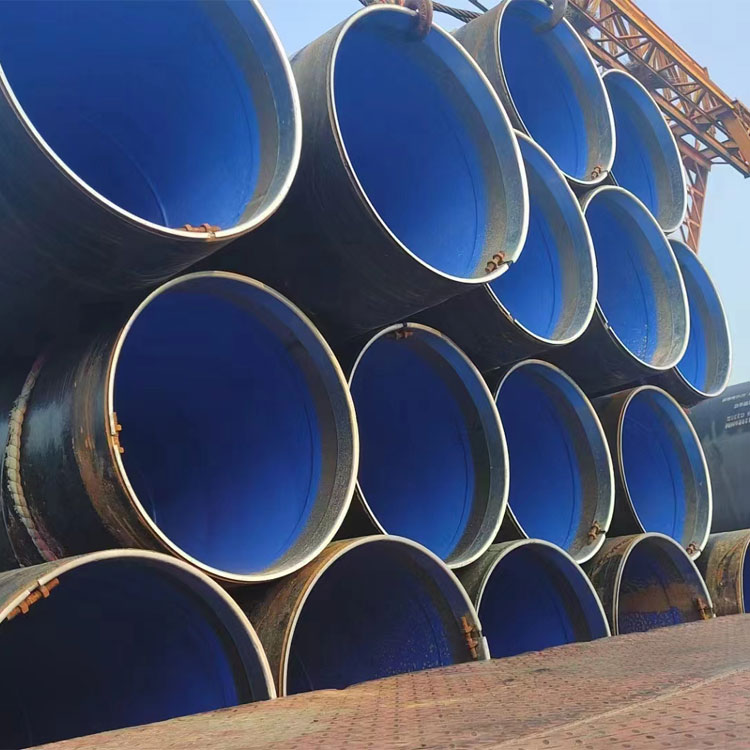
Liquid Epoxy Coating IPN8710 Anti-corrosion
I. Composition
Composed of aliphatic polyurethane prepolymer, epoxy resin, pigments, additives, and solvents. Corrosion prevention for equipment, water distribution pipelines, and the surface of drinking water tanks.
Section II: Performance
This paint is a grafting-type interpenetrating polymer network, which undergoes polymerization at room temperature. The two networks complement each other, creating a synergistic effect. The coating is non-toxic, features high solids and low viscosity, and is a new type of corrosion-resistant paint with strong adhesion, high strength, resistance to impact and abrasion, hydrolysis, corrosion, and excellent water and weather resistance. It also has low requirements for rust removal on steel structures, and can be used within a temperature range of -20 to 120°C.
III. Technical Specifications:
Dry Time: Surface dry in 30 min, fully dry in 6-24 hours
2. Flexibility: 1mm
3. Impact Resistance: 50 cm
4. Adhesion: Grade 1
4. Construction and Storage:
Before painting, the base iron surface must be treated to Sa2.5 grade, and it is strictly prohibited to introduce moisture, dust, or oil during the process to ensure the quality of the coating.
(2) The paint ratio is: A component (base material) to B component (curing agent) = 9kg of paint to 1kg of curing agent (or mixed according to the ratio provided by our factory for application).
(3) The mixing ratio for construction is as follows: Open the A component wide, add the B component to the A component, and mix thoroughly. Allow to mature for 30 minutes before painting.
(4) This material requires immediate use upon mixing. The paint must be used within six hours after mixing. Any remaining, un-mixed material must be sealed for storage.
(5) Stop construction during rainy or cloudy weather or when the relative humidity exceeds 75%. For areas with severe corrosion, it is recommended to apply multiple coats.
(6) Products should be stored in a cool, dry place, away from direct sunlight, fire sources, and heat.
(7) The storage period is twelve months. After expiration, all technical specifications should be inspected. If they meet the requirements, they can be continued to be used.
Fused Epoxy Powder Coating for Corrosion Protection
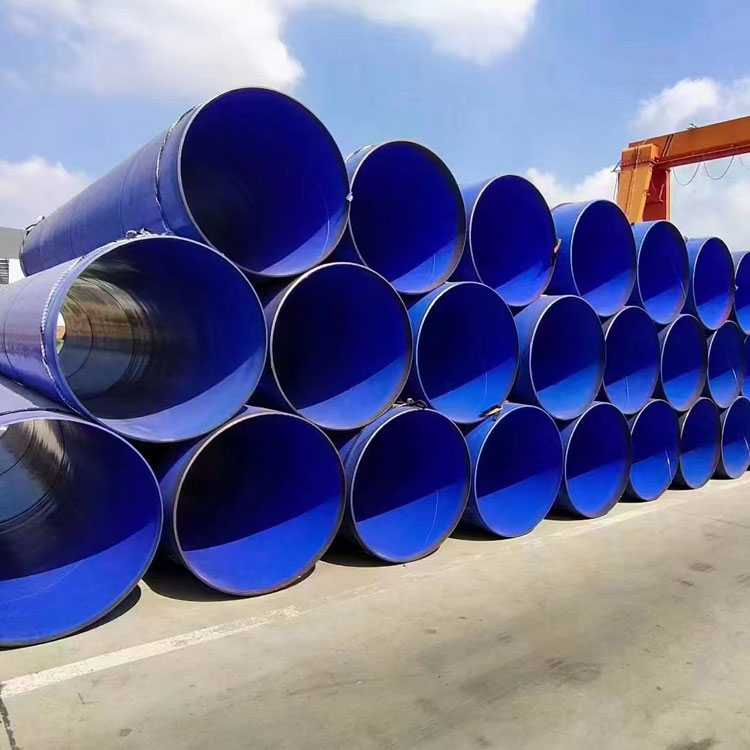
Fused epoxy powder, also known as thermosetting epoxy resin anti-corrosion powder, is a solid material transported and dispersed by air. When applied to the surface of preheated steel products, it melts, levels, and cures to form a uniform coating. This anti-corrosion coating is a heavy-duty coating formed under high temperatures. It boasts advantages such as easy application, non-pollution, excellent impact and bending resistance, and high temperature resistance.
Classification of熔结环氧粉末:
1) Divided by application methods: pipeline internal spray powder, pipeline external spray powder, and universal pipeline internal and external spray powder. The external spray powder is further categorized into: single-layer powder, double-layer powder, and triple-layer structural anti-corrosion powder.
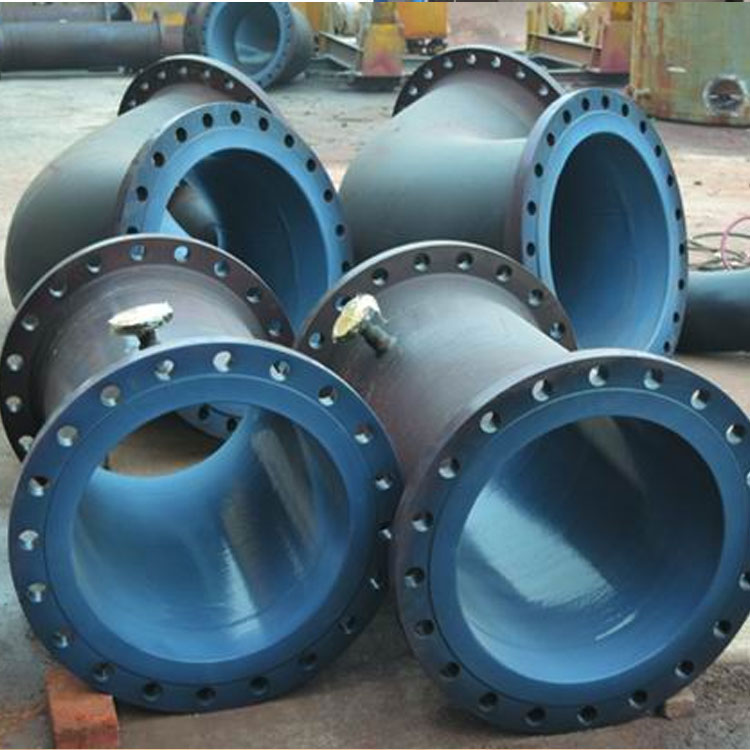
2) Divided by application, they include: pipeline powder for oil and natural gas, drinking water pipeline powder, fire-resistant pipeline powder, anti-static ventilation pipeline powder for coal mines, chemical pipeline powder, drill pipe powder, fitting powder, ship pipeline powder, and high-salinity heavy-duty corrosion-resistant pipeline powder, etc.
3) Curing conditions can be divided into two types: rapid curing and standard curing. Rapid curing powder typically cures at 230℃ for 0.5 to 2 minutes and is mainly used for external pipe coating or three-layer corrosion protection structures. Due to its short curing time and high production efficiency, it is suitable for assembly line operations. Standard curing powder usually cures at 230℃ for more than 5 minutes, as its longer curing time results in better coating leveling, making it suitable for internal pipe coating.
Corrosion prevention methods for fused epoxy powder:
Primarily includes: electrostatic spraying, thermal spraying, suction method, fluidized bed method, and rolling coating. Internal pipe coating usually employs friction electrostatic spraying, suction method, or thermal spraying. These spraying methods share a common characteristic: the workpiece must be preheated to a certain temperature before spraying to allow the powder to melt upon contact. The residual heat should enable the coating to continue flowing and further leveling to cover the entire surface of the steel pipe, especially in concave areas and around welds, where the molten coating fills in to bond with the steel pipe, minimizing pores, and then cures within the specified time frame before being water-cooled to terminate the curing process.