









Additionally, not only the average particle size but also the particle size distribution significantly impacts the rubber properties, particularly for the outer tread rubber compounds of tires requiring high wear resistance. A narrower particle size distribution of the original particles is preferable. Generally, the narrower the particle size distribution of the carbon black with a smaller average particle size, the better. Methods for reducing the original particle size distribution have also been disclosed, such as the waterborne polyurethane dispersion, as revealed in Japanese Patent公报 No. 3-33167, which essentially allows for a complete reaction of the carbon black generation by increasing the length of the throttling section as much as possible to reduce the vortices generated in the expanded section of the throttling section outlet, i.e., the so-called "backmixing" effect on the carbon black generation reaction. This is achieved through the use of waterborne polyurethane curing agents, thereby obtaining carbon black with a narrower particle size distribution.
Aggregates are the factors that affect the original particle size and carbon black characteristics. The size of the aggregates significantly influences the tensile stress or extrusion properties when mixed into rubber, and also greatly affects the dispersibility or darkness, viscosity, etc., when mixed into ink or paint colorants or resins. Carbon black is ultimately composed of a collection of agglomerates, which are aggregates connected by multiple primary particles. Controlling the size and shape of these agglomerates is related to controlling the properties of carbon black, and is more important than controlling the original particle size. Shanghai waterborne polyurethane, its importance exceeds controlling the original particle size.
3) Depilation: Methods include alkali depilation, enzyme depilation, and oxidation depilation.
The distribution of agglomerate diameter significantly affects rubber properties, particularly for the tread rubber compounds of tires that require high wear resistance, with a narrower distribution being preferable. For instance, Japanese public bulletin No. 6-179774 disclosed that carbon black powder obtained by separation had a uniform agglomerate diameter distribution with D1/2/Dmod values of 0.36, 0.40, 0.47, and 0.63. As mentioned above, for the application characteristics of carbon black, particle size and agglomeration are two particularly important factors.
2. Adhesives (Adhesive)
Water-based polyurethane adhesives, like solvent-based ones, offer excellent bonding performance. Manufacturers of water-based polyurethane can adjust the film properties over a wide range, making them suitable for numerous application fields. They can be used not only as coating adhesives for various substrates but also for bonding and sealing across multiple materials.
(1)Manufacturing of various laminates, including: plywood, food packaging composite plastic film, fabric laminates, and laminates of various thin materials such as soft PVC plastic film or plastic sheets with other materials (such as wood, fabric, paper, leather, metal).
(2)绒面胶粘剂,人造革胶粘剂,玻璃纤维及其他纤维束胶粘剂,油墨胶粘剂.
(3) Adhesives for general materials, such as for automotive interior trim.
Waterborne polyurethane, when used for adhesive purposes, generally requires blending to suit application conditions and base materials. Based on waterborne polyurethane, it can be mixed with cross-linking agents, thickeners, fillers, plasticizers, pigments, other additives, other types of waterborne resins, and water. It is essential to mix the slurry thoroughly before applying the adhesive, and consideration must be given to the potential impact of each additive on the short-term stability of the waterborne polyurethane. To achieve higher water resistance, heat resistance, and bonding strength, many waterborne polyurethane systems now commonly use cross-linking agents to form a two-component system, which is somewhat similar to single-component solvent-based (volatile) polyurethane adhesive systems. Pigments are generally pre-dispersed in water before being added to the waterborne polyurethane. Thickeners are usually added later. In spray applications, surfactants (such as Bayer's Emulgator FD) can be added to improve the rheological properties and wettability of the base material. However, thickeners and surfactants, among other additives, are hydrophilic and may affect the water resistance and湿热 resistance of the adhesive film.
The application methods of waterborne polyurethane adhesive are essentially the same as those of solvent-based types, including manual brushing, mechanical roller coating, and spraying. During spraying, attention must be given to the particle size and viscosity of the resin, which should not be too high.
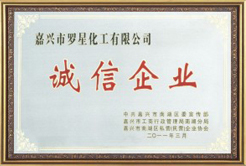
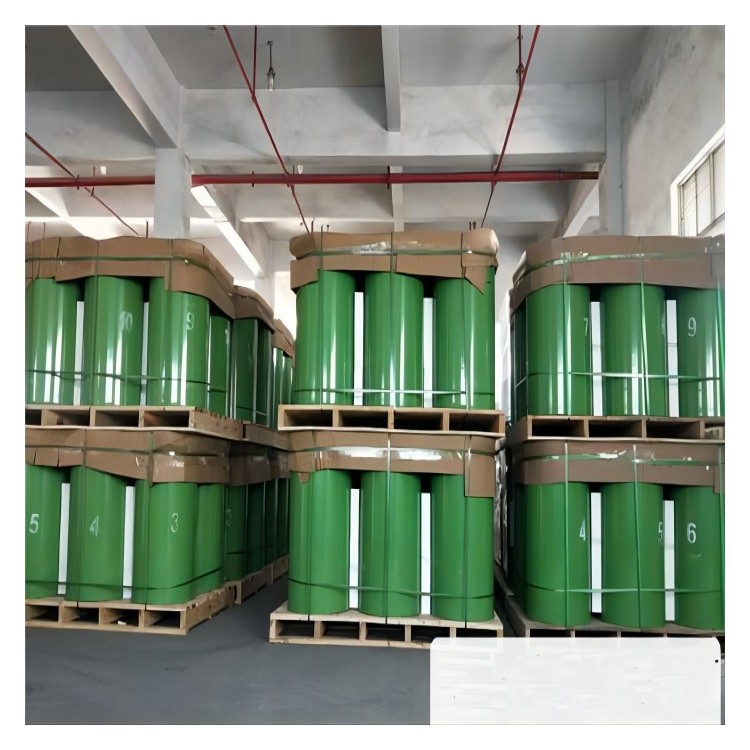
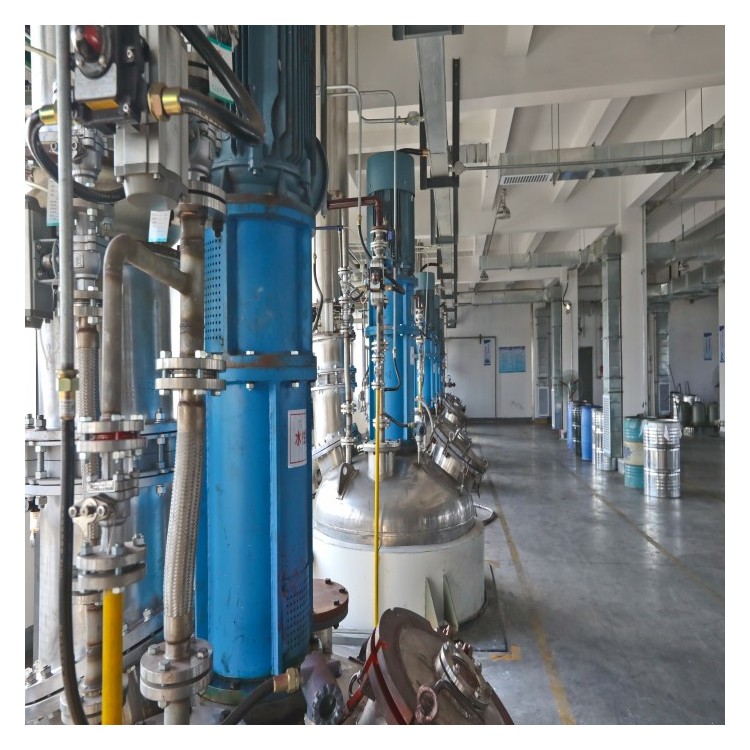
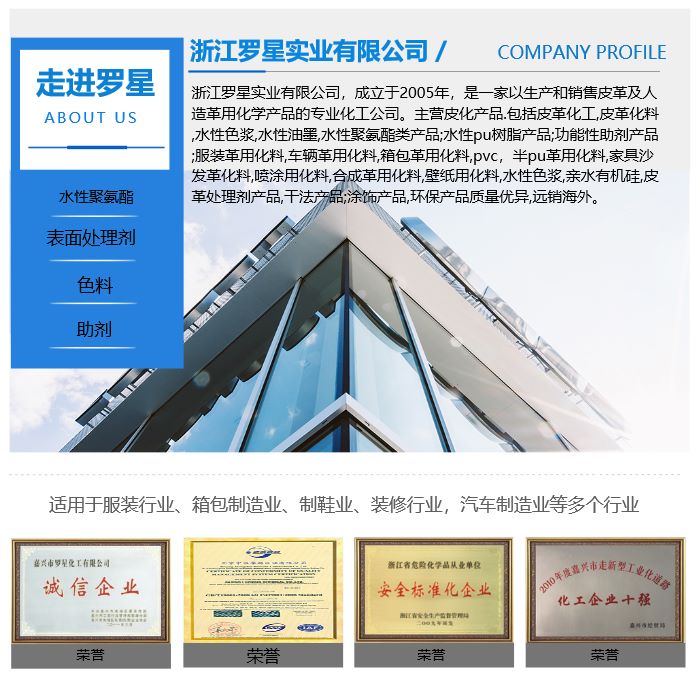
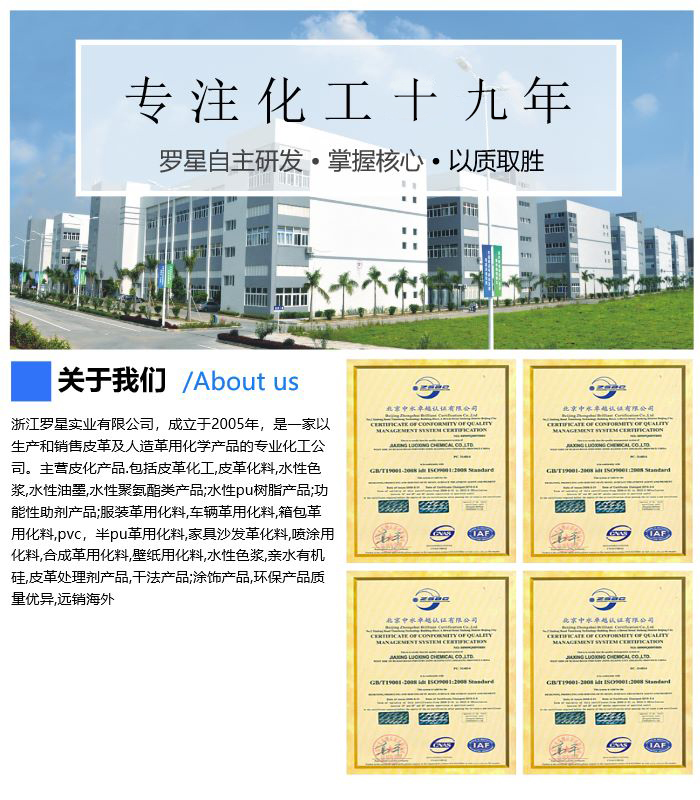
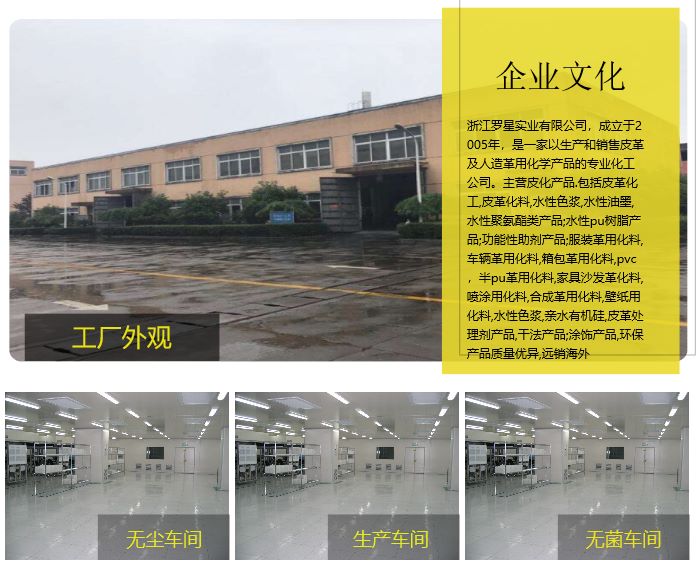
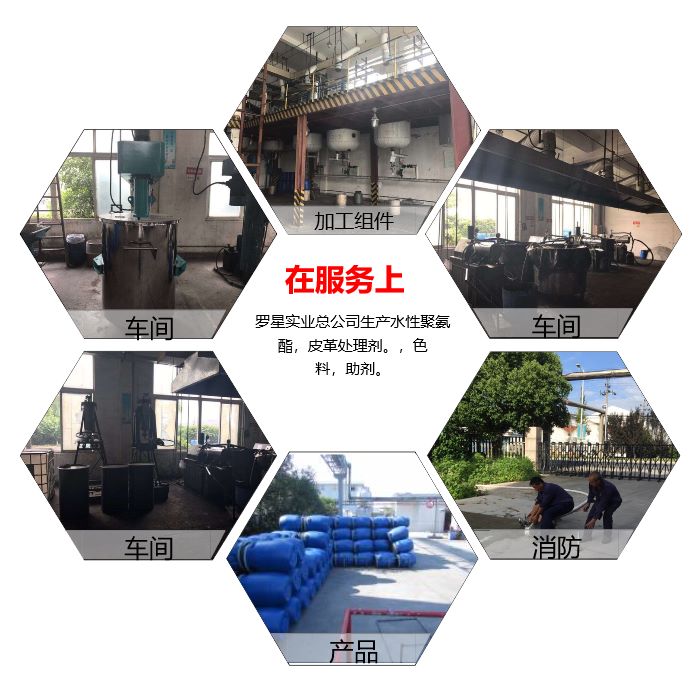
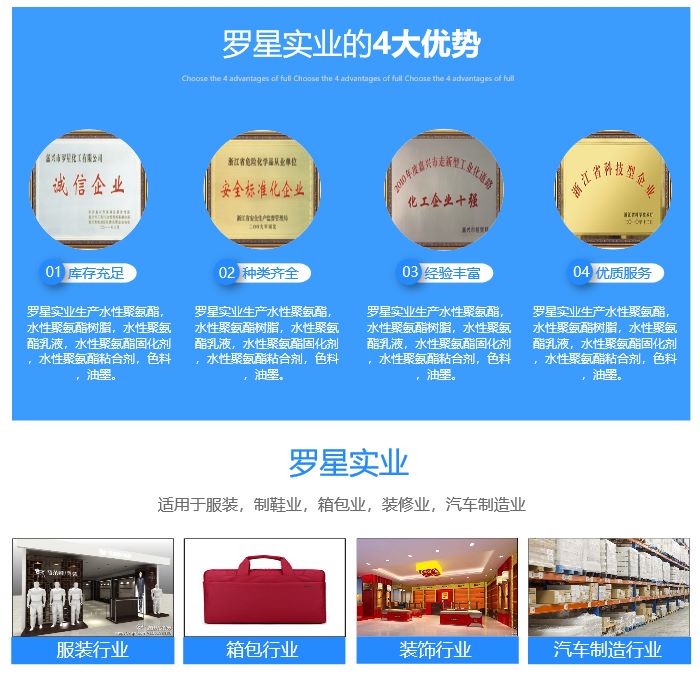
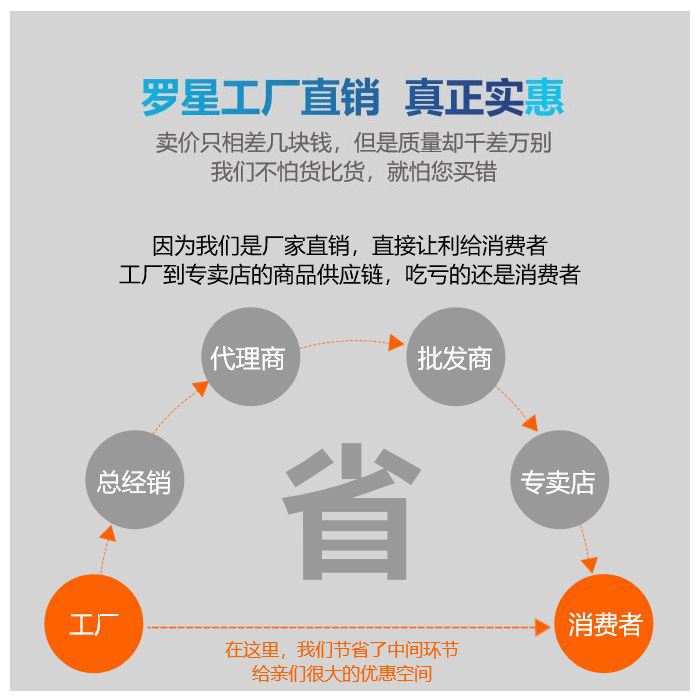
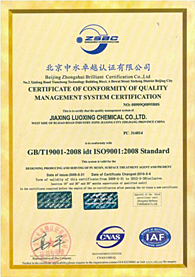
Shanghai Waterborne Polyurethane - Amino Silicone Resin - Waterborne Polyurethane Dispersions are supplied by Zhejiang Luoxing Chemical Co., Ltd. Zhejiang Luoxing Chemical Co., Ltd. is a company specializing in "Waterborne Polyurethane, Leather Chemicals, Leather Chemicals, Waterborne Resins, Waterborne Adhesives." Since its establishment, we have adhered to the principle of "Integrity as the Foundation, Steadfast Operation," actively participating in healthy market competition, and have earned a good reputation for the "Luoxing, Dongjing" brand. We uphold the principle of "Service First, Customer First," which has helped Luoxing gain customers' trust in polyurethane raw materials and establish a positive corporate image. Special Note: The images and materials provided in this information are for reference only. Please contact us for accurate information. Thank you! Additionally, our company is also engaged in the wholesale of Zhejiang Waterborne Polyurethane Resins, Jiangsu Waterborne Polyurethane Adhesives, and Anhui Waterborne Polyurethane Curing Agents. Welcome to call for inquiries.