








Reporter: What are the main products of your company? What fields are they mainly applied in?
Mr. Yao: Luo Xing Chemicals' main products include surface treatment agents for synthetic leather, wet-dry process auxiliaries, color paste, materials for fabric coatings, and materials for genuine leather finishing. Primarily used in the production of synthetic leather, surface finishing of genuine leather, and fabric coating applications.
Reporter: Could you introduce the main products of your company in the synthetic leather field and their advantages?
Yao Manager: Our company's products originated in the synthetic leather field, so we are experts in this area. From standard wet-dry process color pastes, additives, to surface special resins, surface treatment agents, spray oils, dyeing water, water-based polyurethane manufacturers, water-based polyurethane, carbon black mist washing brighteners, and more, our product range is extensive. Our products ensure that if someone has it, we definitely do, and if they don't, we strive to have it. In the synthetic leather field, our products hold significant advantages, with our development efforts being substantial and our quality management being top-notch.
Reporter: How is your company's production capacity and foreign business performance?
Yao General Manager: This year, we've added many production facilities to expand our production capacity, which should meet the market's needs. Our export momentum is improving, and we have a dedicated international trade department handling external business. We have long-term clients in cooperation in countries like India, Turkey, and South Korea.
Reporter: Currently, there's a surge in investment in super fiber production domestically. It's inevitable that the competition among super fiber producers will be extremely fierce in the future. What are your company's development plans?
Yes,姚总, the development of microfiber synthetic leather as a high-end synthetic leather is rapid, and its applications are increasingly widespread. In response to this trend, our company has also developed and produced additives that meet the requirements for microfiber production, environmentally friendly weak solvent surface treatment agents, acid and alkali-resistant color paste, and hydrolysis-resistant and yellowing-resistant resins.

Adhesives (Adhesive)
Waterborne polyurethane adhesives, like solvent-based ones, offer excellent bonding properties and a wide range of adjustable film physical properties, suitable for numerous application fields. Besides serving as coating adhesives for various substrates, they can also be used for bonding and joining multiple types of materials.
(1)Manufacturing of various laminates, including: plywood, food packaging composite plastic films, fabric laminates, waterborne polyurethane curing agents, and laminates of various thin materials such as soft PVC plastic films or sheets with other materials (e.g., wood, fabric, paper, leather, metal).
(2) Velvet Adhesives, Leather Adhesives, Glass Fiber and Other Fiber Bundles Adhesives, Ink Adhesives.
(3) Adhesives for general materials, such as bonding for automotive interior trim materials.
Water-based polyurethane, when used for adhesive purposes, generally requires blending to suit application conditions and base materials. Based on water-based polyurethane, you can add cross-linking agents, thickeners, fillers, plasticizers, pigments, other additives, other types of water-based resins, and water. The slurry must be well-mixed before application, and consideration must be given to the potential impact of additives on the short-term stability of the water-based polyurethane. To achieve high water resistance, heat resistance, and adhesion strength, many water-based polyurethane systems now commonly use cross-linking agents, forming a two-component system, which is somewhat similar to single-component solvent-based (volatile) polyurethane adhesive systems. Pigments are usually pre-dispersed in water before being added to the water-based polyurethane. Thickeners are generally added later. In spray applications, to improve adhesion flow and wetting of the base material, surfactants (such as Bayer's Emulgator FD) can be added. However, thickeners and surfactants, among other additives, are hydrophilic and may affect the water resistance and heat resistance of the adhesive film.
The application methods for water-based polyurethane adhesive are essentially the same as those for solvent-based types, such as brush coating, roller coating, and spraying. During spraying, attention must be given to ensure that the resin particles and viscosity are not too high.

The distribution of agglomerate size has a significant impact on rubber properties, particularly for the rubber compound used in tire tread surfaces that require high wear resistance. A narrower distribution of agglomerate size is preferable. For instance, Japanese Patent公报 No. 6-179774 disclosed a carbon black powder obtained through separation, along with Zhejiang waterborne polyurethane, which yielded a uniform distribution of agglomerate sizes of 0.36, 0.40, 0.47, and 0.63, respectively. As mentioned above, for the application characteristics of carbon black, particle size and agglomeration are two particularly important factors.
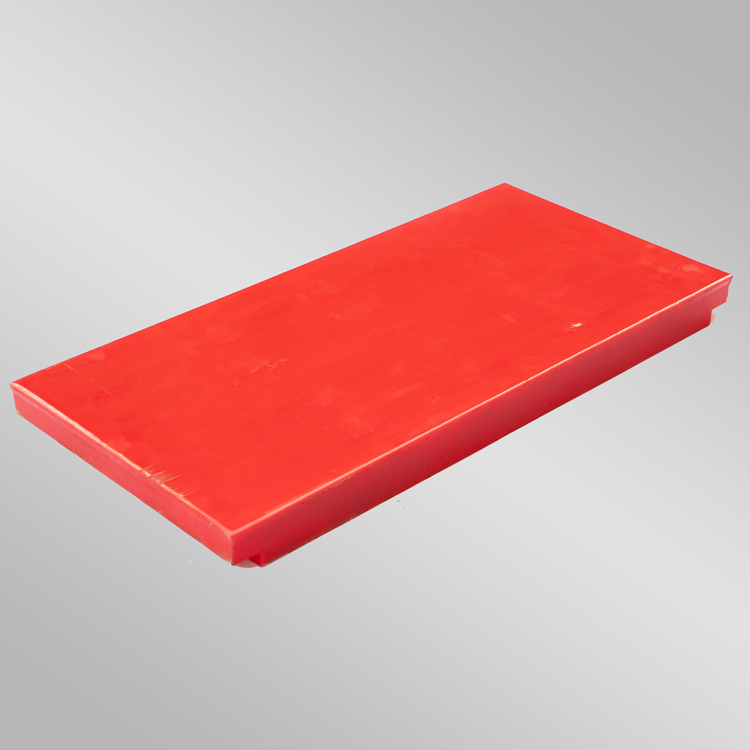
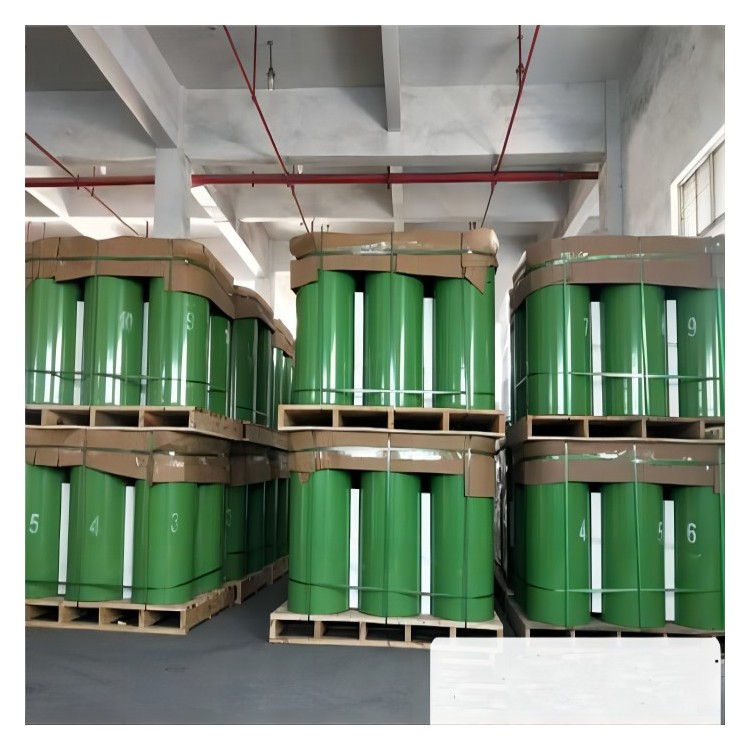
Zhejiang Waterborne Polyurethane - Block Silicone Oil - Waterborne Polyurethane Curing Agent is provided by Zhejiang Luoxing Chemical Co., Ltd. This Zhejiang Waterborne Polyurethane - Block Silicone Oil - Waterborne Polyurethane Curing Agent is a new upgrade launched by Zhejiang Luoxing Chemical Co., Ltd. this year. The images above are for reference only. Please call the contact number on this page or the image to request the contact person: Manager Yao. Meanwhile, our company also deals in Anhui Waterborne PU Resin, Jiangsu Waterborne Polyurethane Wholesale, and Sichuan Aliphatic Waterborne Polyurethane Manufacturing. Welcome to call for inquiries.