










Principle:
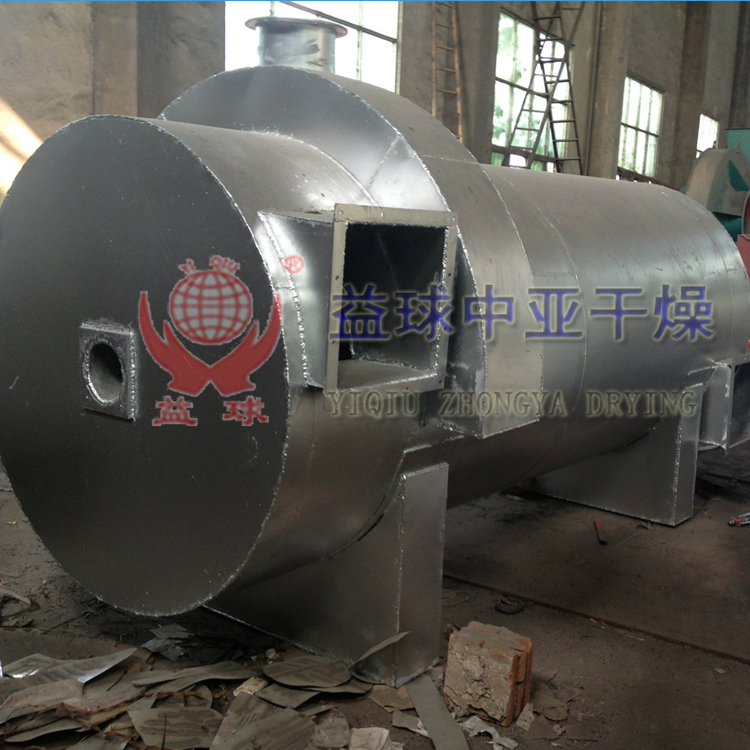
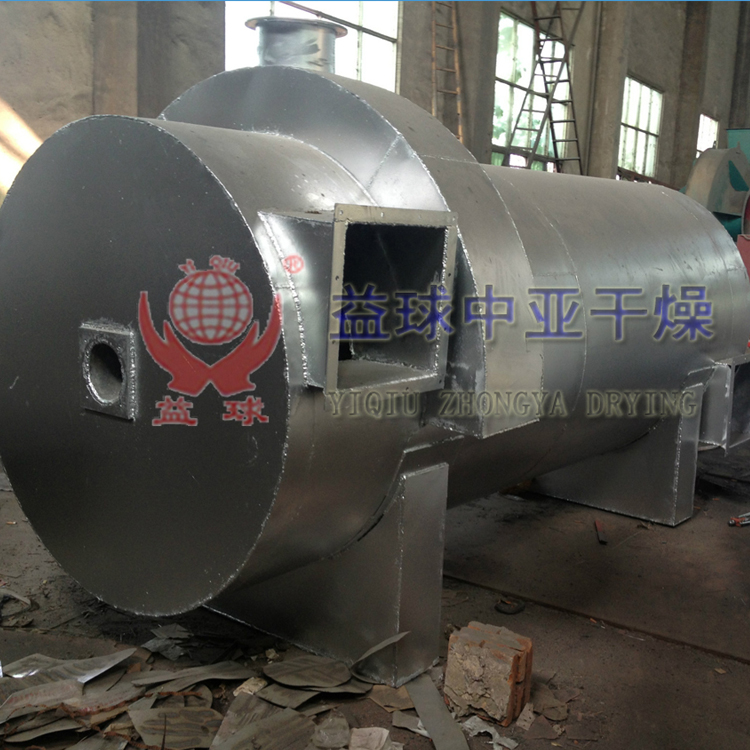
Fuel is burned through a burner, producing high-temperature flue gas. The heat from the high-temperature flue gas is then transferred to the air being heated by a hot air furnace equipped with enhanced heat exchange measures. After the heat is dissipated, the high-temperature flue gas cools down toAt 250°C, the exhaust is released into the atmosphere. Air requiring heating is forcefully sent into the hot air furnace through an optional blower, where it absorbs heat and reaches the set temperature before being emitted from the hot air outlet. When the hot air temperature reaches the upper limit of the set temperature, the burner automatically stops combustion or switches to a low flame. When the hot air temperature drops to the lower limit of the set temperature, the burner reignites and resumes operation or switches to a high flame. The rate of temperature increase can be adjusted by regulating the opening of the air inlet valve.
Features:
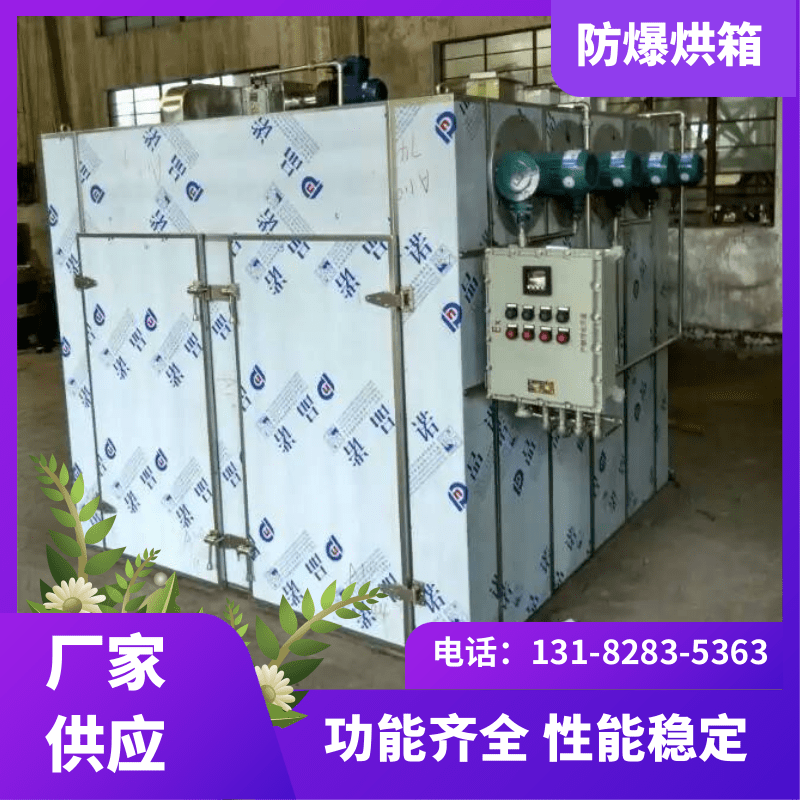
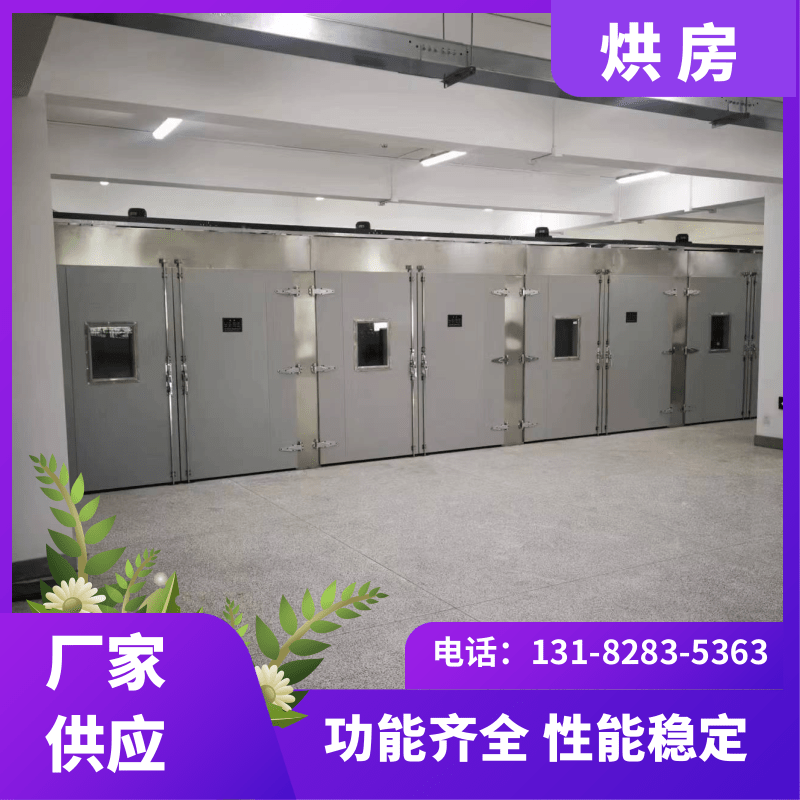
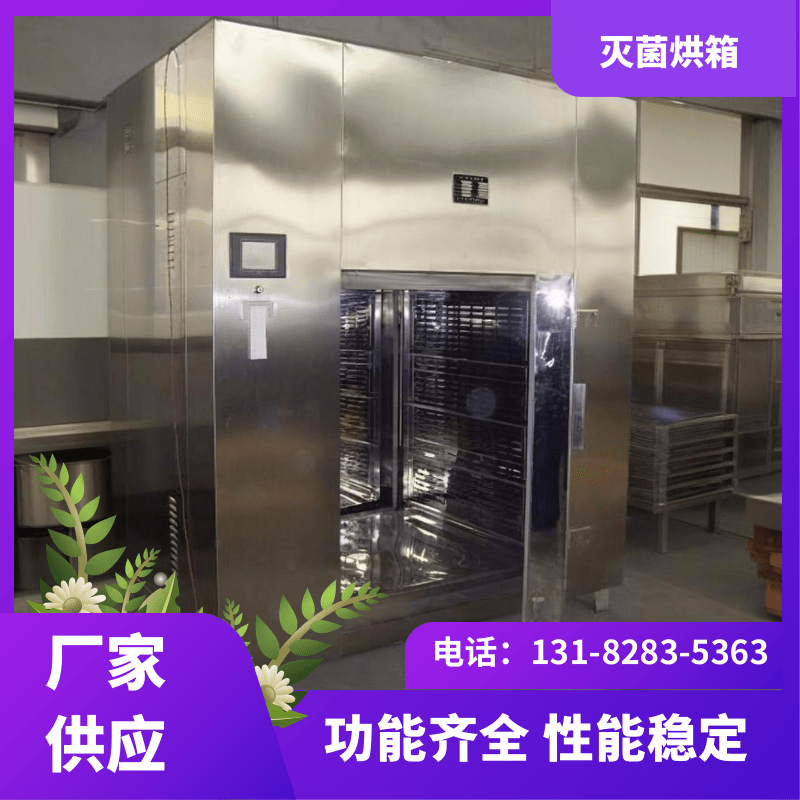
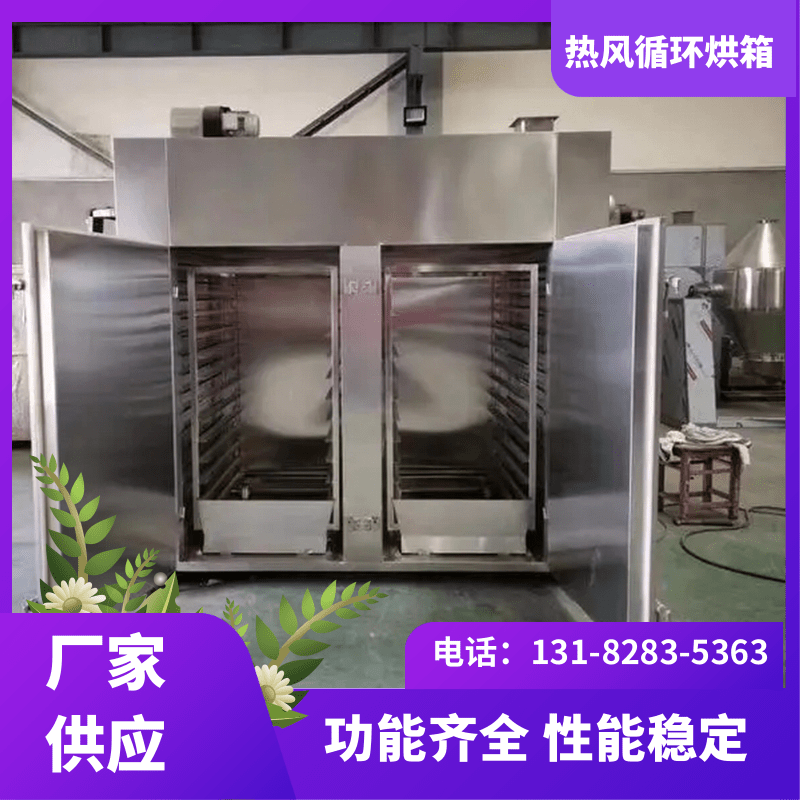
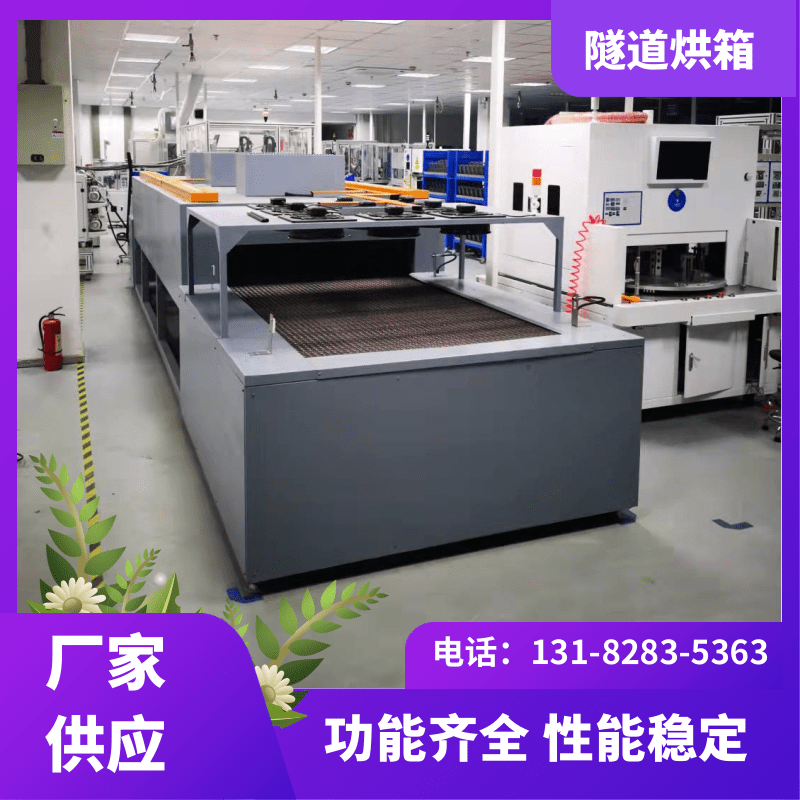
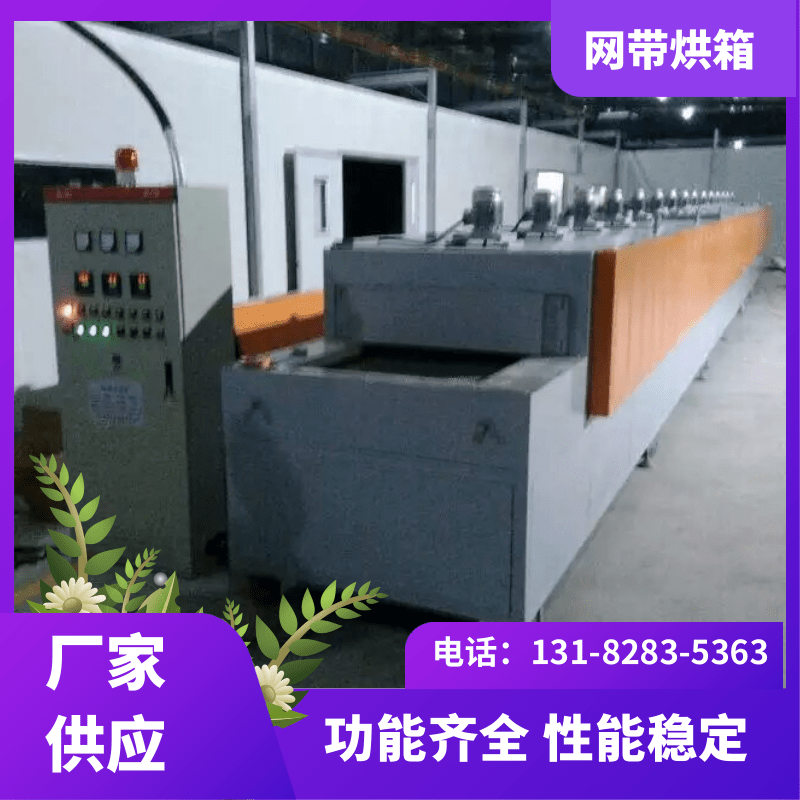
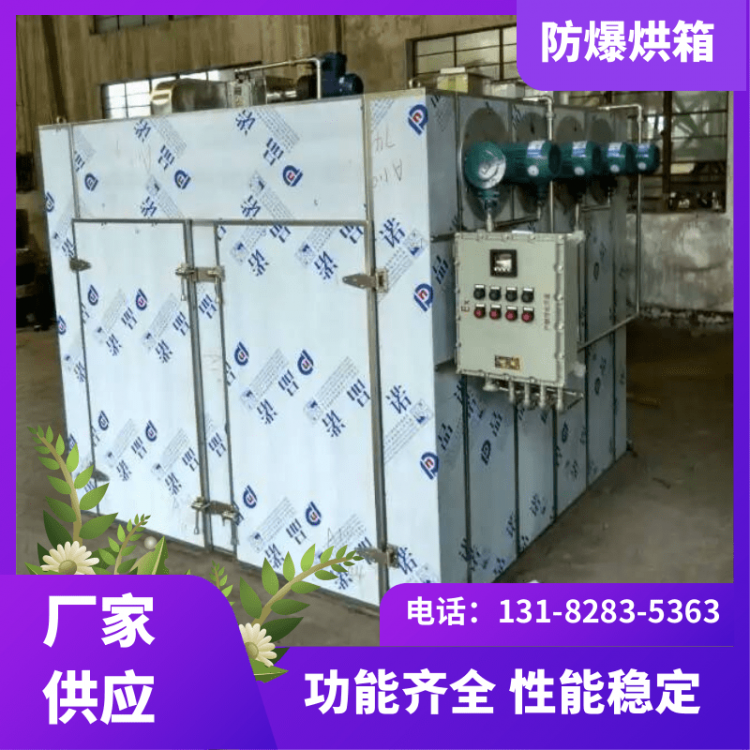
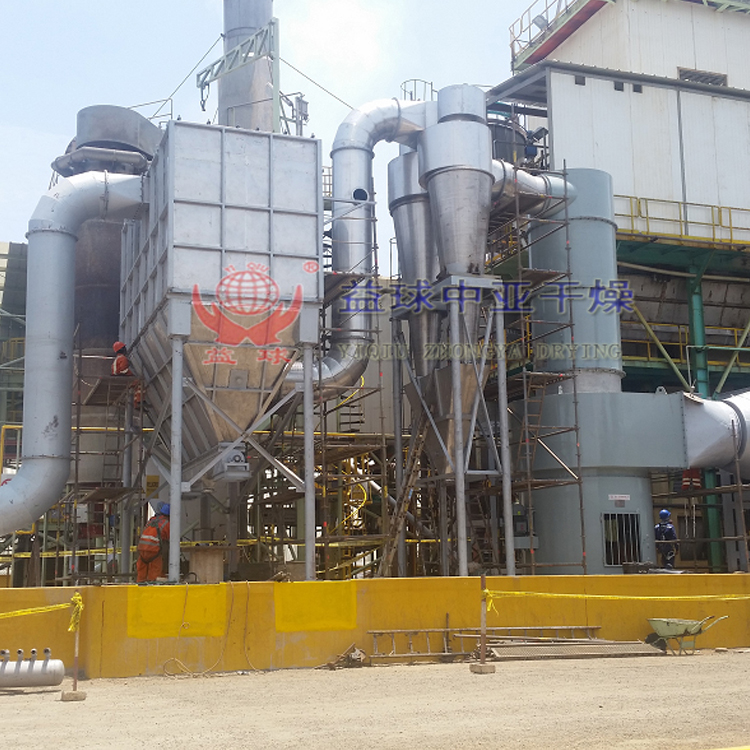
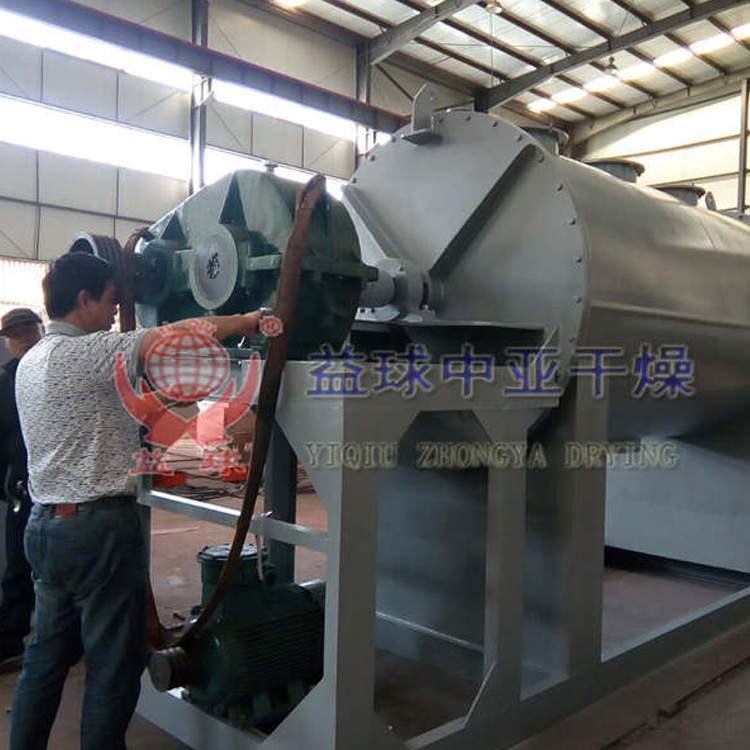
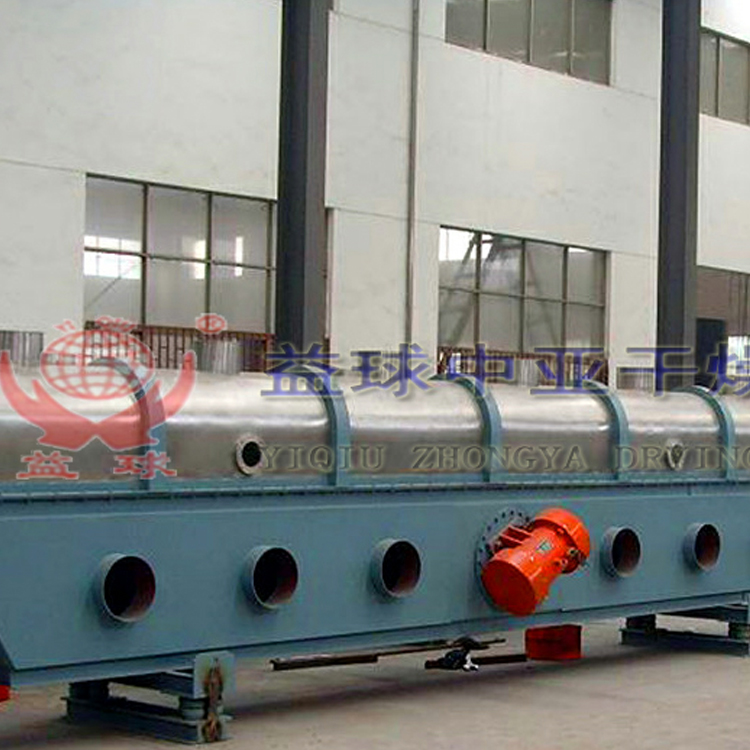
Widely used in various industrial fields such as chemicals, food, textile dyeing and finishing, grain processing, wood processing, and automotive industries for drying, curing, heat setting, and other operations.