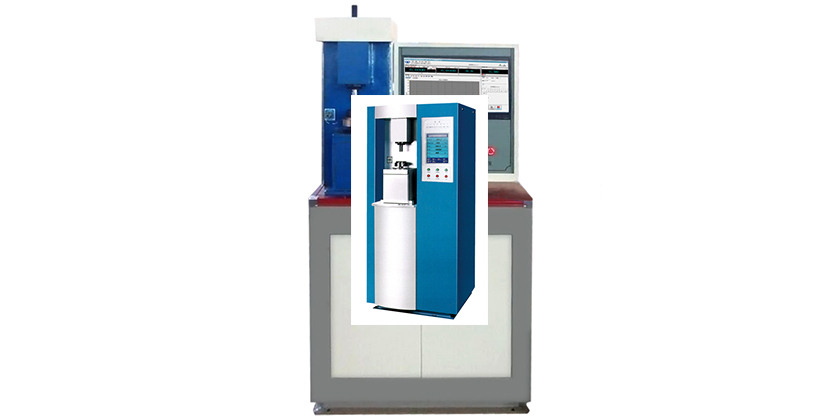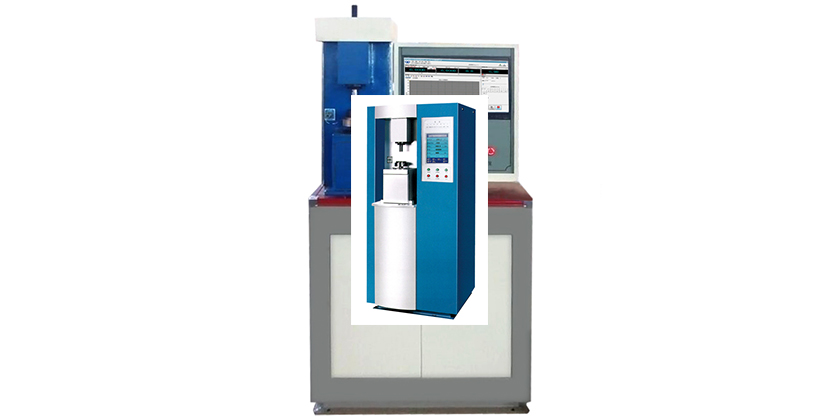








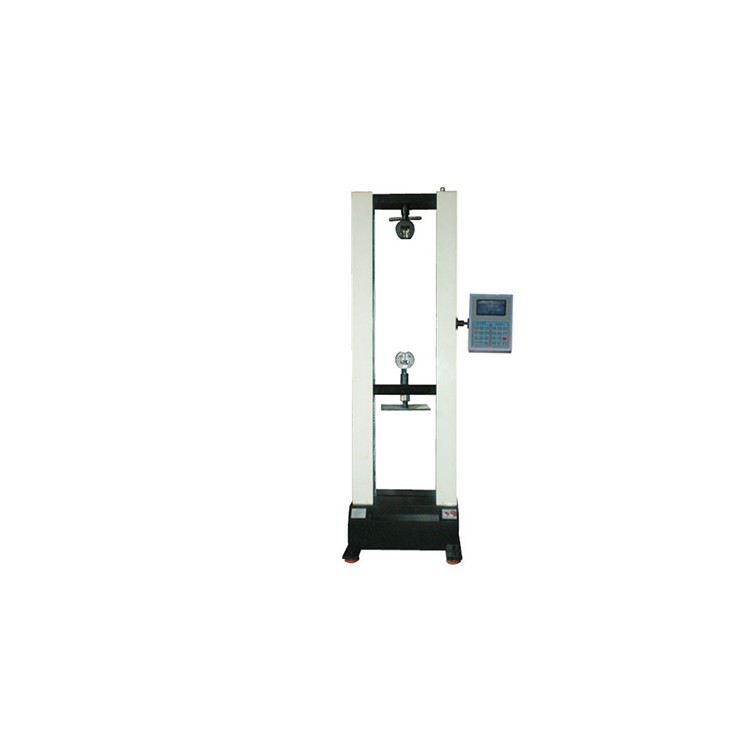
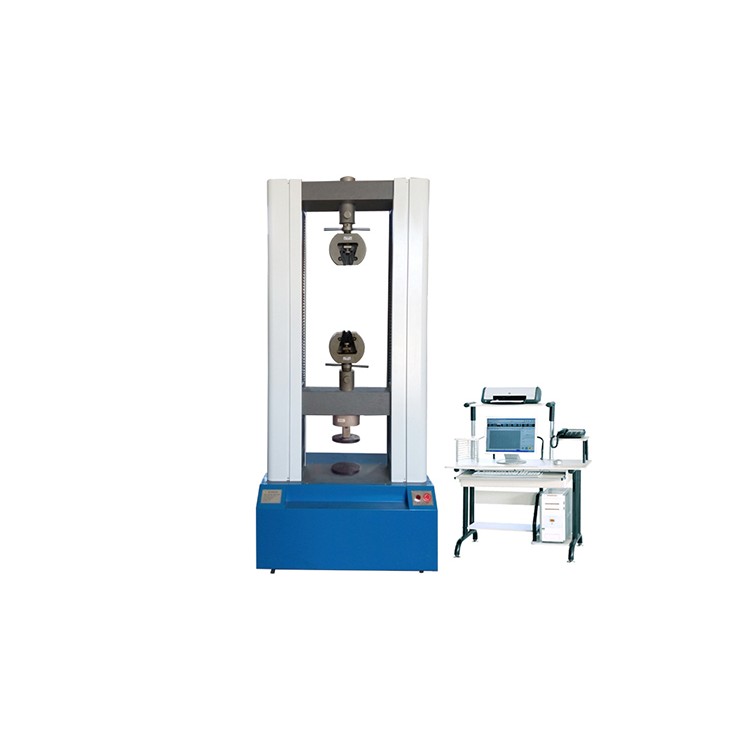
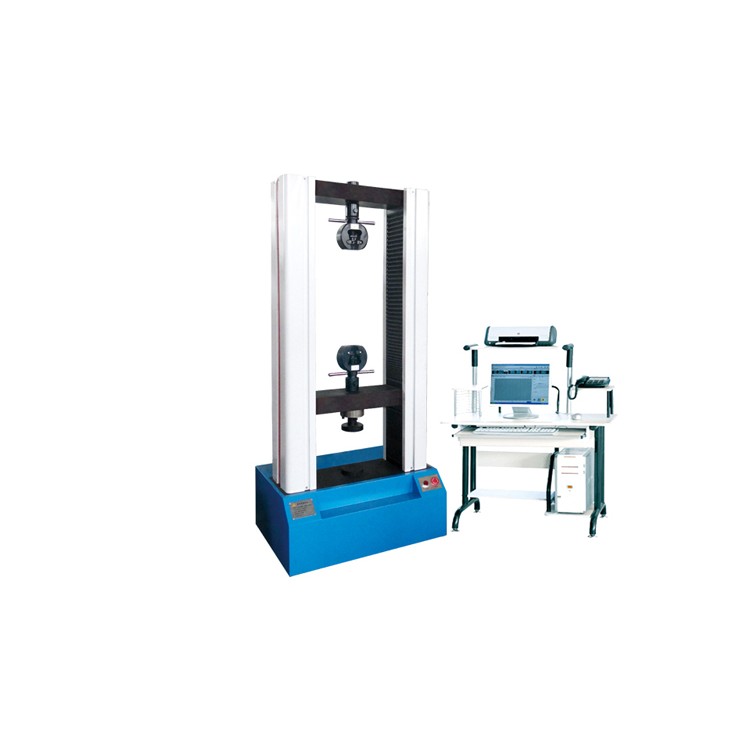
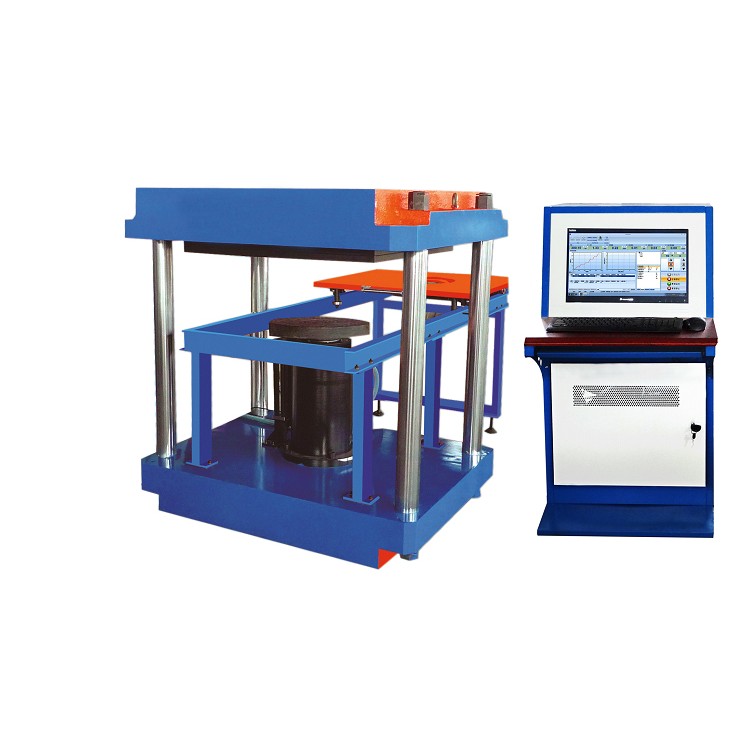
Product Features:
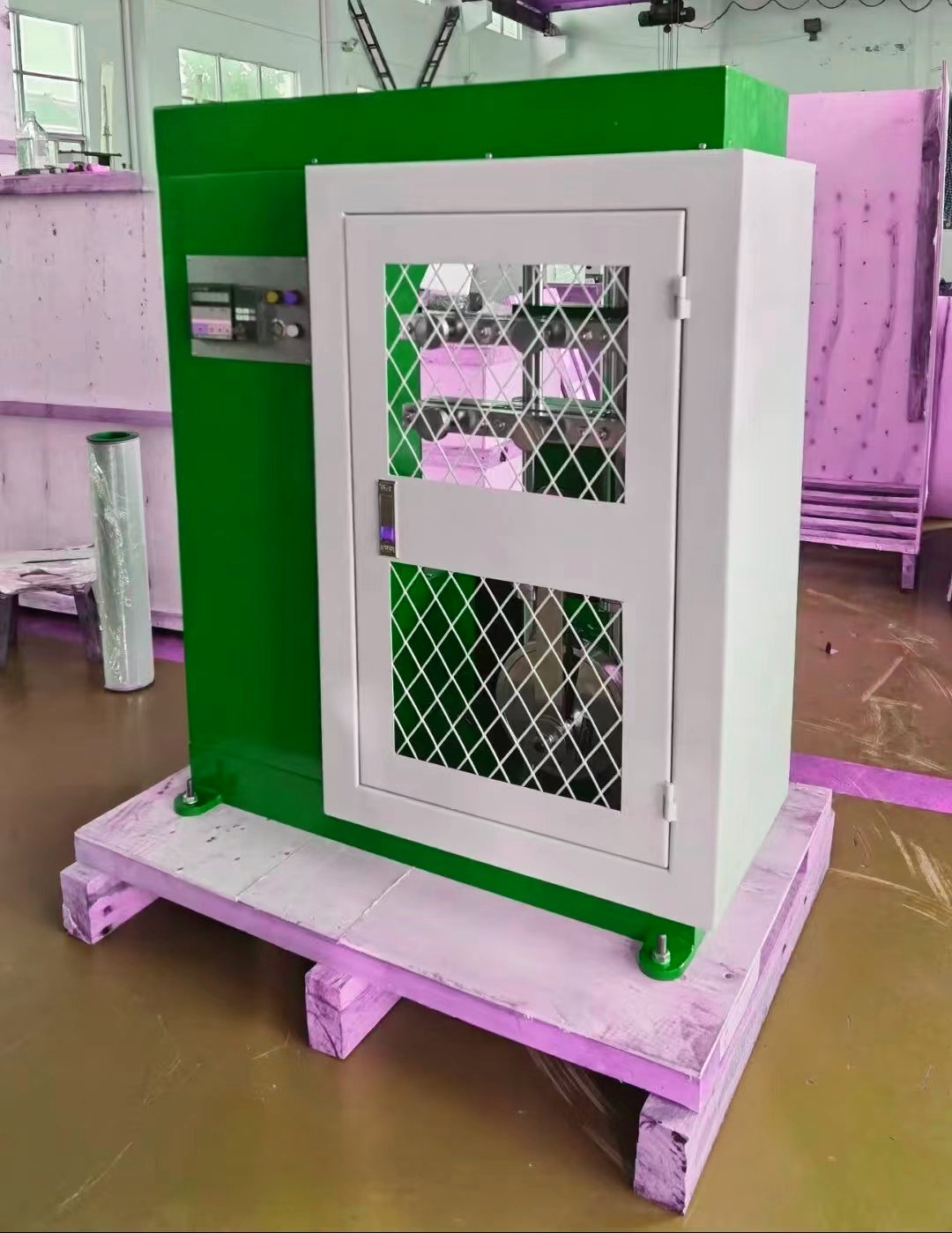
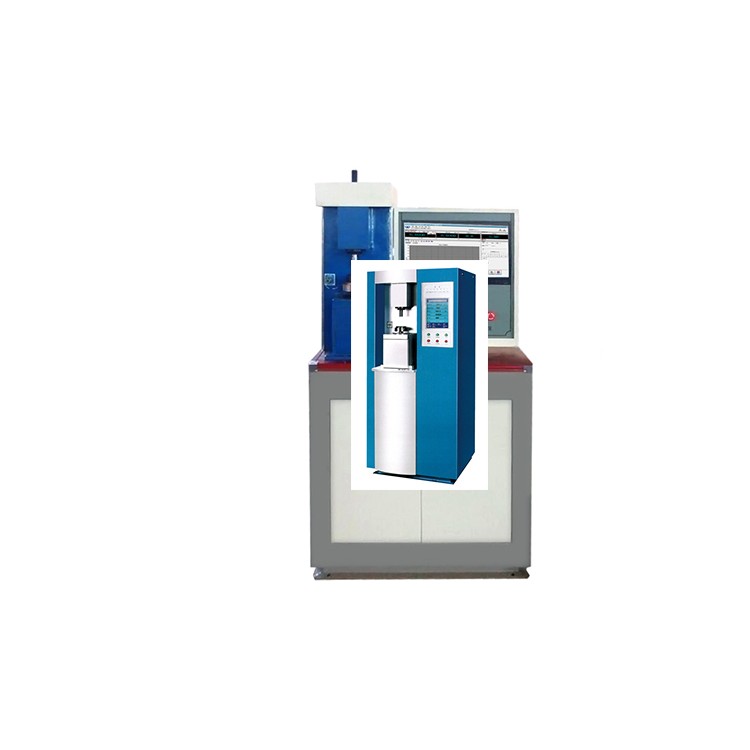
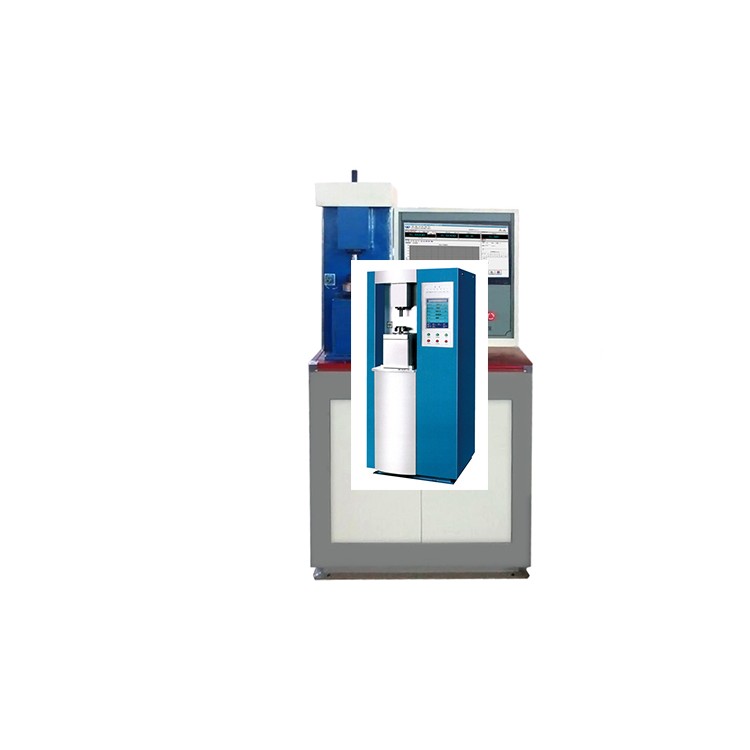
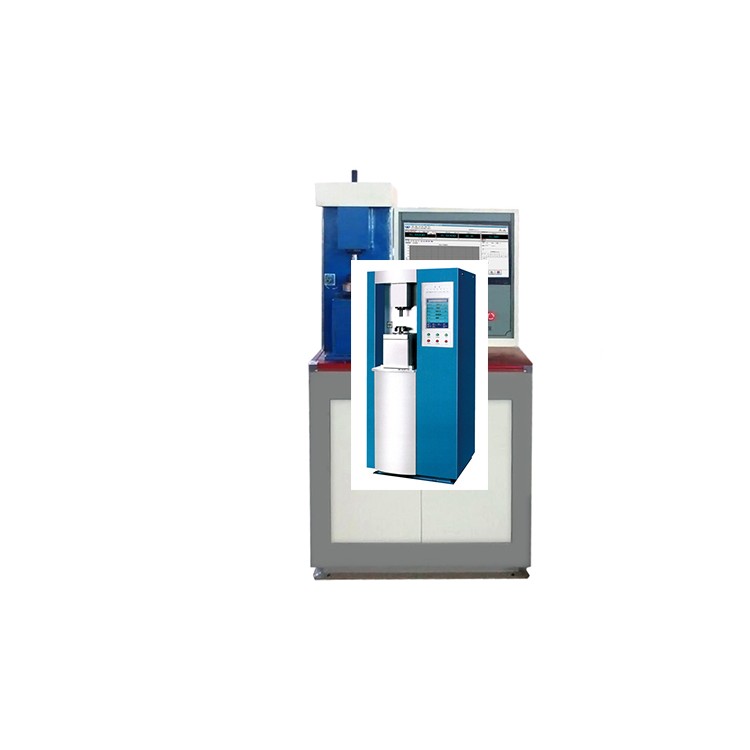
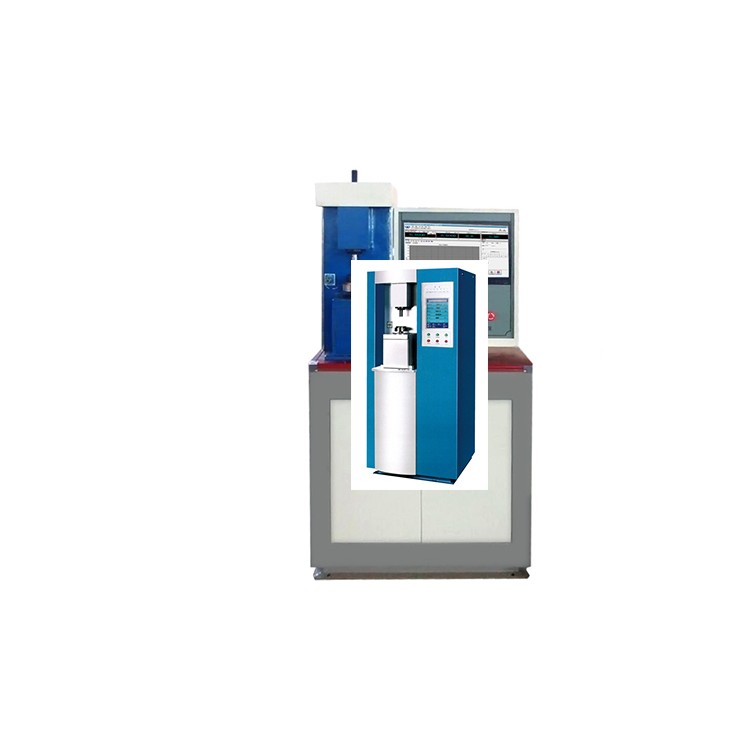
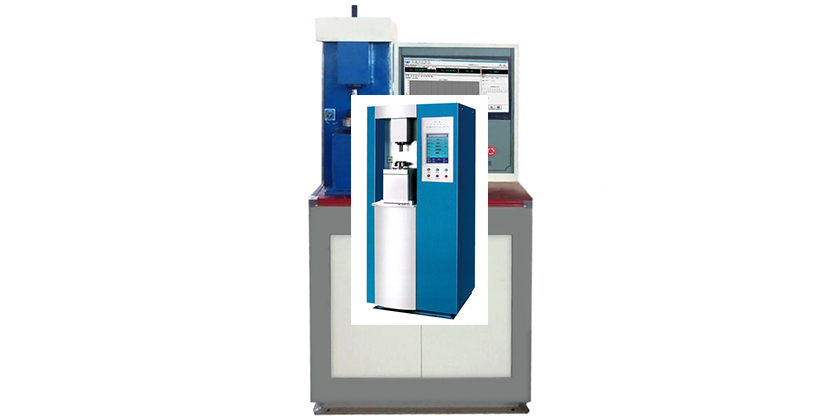
1. The complete machine boasts an aesthetically pleasing appearance, a compact structure, and the main part with an arched design adheres to ergonomic requirements.
2. The entire machine is coated with gray-blue metallic paint, distinguishing the testing and operation sections from the control section. The metallic paint is wear and corrosion-resistant, offering excellent protection during wet friction tests.
3. The loading motor is equipped with an imported AC servo motor, ensuring balanced loading with minimal noise.
4. The machine is controlled by a computer, achieving automatic control of test conditions, data collection, and curve plotting.
5. The electrical measurement and control section has been upgraded with new integrated circuits, offering high accuracy, reliability, and ease of maintenance.
Product Details:
1. This machine exhibits frictional forms with sliding, rolling, or a combination of sliding and rolling motions under certain contact pressures. It is equipped with a variable speed system that allows for evaluation of the friction and wear properties of materials such as lubricants, metals, plastics, coatings, rubbers, ceramics, etc., at both low and high speeds. Examples include tests for frictional functions of low-speed pin disks (with large and small disks, single and triple needles), long-term wear resistance of the four-ball test, rolling contact fatigue, and thrust ring friction performance. It can replace the American FALEX 6 multi-functional testing machine, which is widely used by many friction research units for testing tribological properties of materials or coatings. The four-ball friction tester is used to determine the wear resistance of lubricating oils, meeting the requirements of SH/T 0189-1992 "Method for Determining the Wear Resistance of Lubricating Oils (Four-Ball Method)". This method has been widely applied in the development of anti-wear hydraulic oil products.
2. This machine has broad application prospects in various technical fields of tribology, petrochemicals, machinery, energy, metallurgy, aerospace, as well as in universities, colleges, and research institutes (institutes).
Standard of Use:
SH/T0189-92 Method for Determining Lubricating Oil Wear Resistance (Four-Ball Method)
2. SH/T0204-92 Test Method for Wear Resistance of Lubricating Grease (Four-Ball Method)
3. SH/T0762-2005 Method for Determining Friction Coefficient of Lubricating Oils (Four-Ball Method)
Product Images:
Key Technical Performance Indicators:
1. Test Force: 1 kN
2. Test Force Operating Range: 0.4% ~ 100% of Test Force
3. The relative error of the test force indication is not greater than: ±1%.
Below 200N, the indication error does not exceed ±2N.
4. The test force maintains an indication relative error of no more than ±1%FN over a long period.
5. Measure the friction torque: 2.5 N.m
6. The relative error of the friction torque indication is not greater than: ±2%
Friction Force Sensor: 50N
8. Friction arm distance: 50mm
9. Main shaft stepless speed control system: 1r/min to 2000r/min
Spindle speed error not exceeding ±5r/min for speeds above 100r/min
Spindle speed accuracy below 100 rpm is no more than: ±1 rpm
10. Special Reduction System: 0.05 r/min ~ 20 r/min
11. Test Medium: Oil, water, mud, abrasive materials, etc.
12. Heater operating range: Room temperature to 200℃ (260℃)
13. Temperature measurement and control accuracy: ±2℃
14. Test Machine spindle taper: 1:7
15. Main shaft to lower sub-plate distance: ≥75mm
16. Test Machine Spindle Control Methods: Manual Control, Time Control, Rpm Control, Friction Torque Control
17. Test Machine Time Display and Control Range: 0s~9999min
18. Test RPM Display and Control Range: 0-9999999
19. Rated Power of Main shaft Motor: 1kW
20. Test Machine Dimensions (L×B×H): 700mm×680mm×1560mm
21. Net weight of the testing machine is approximately: 400kg