










Daily maintenance and inspection of the unloader
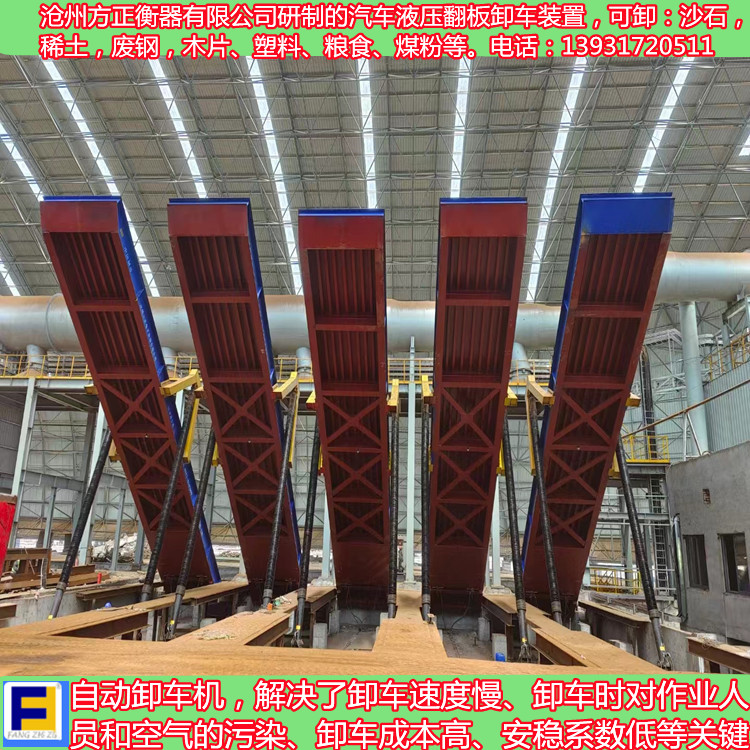
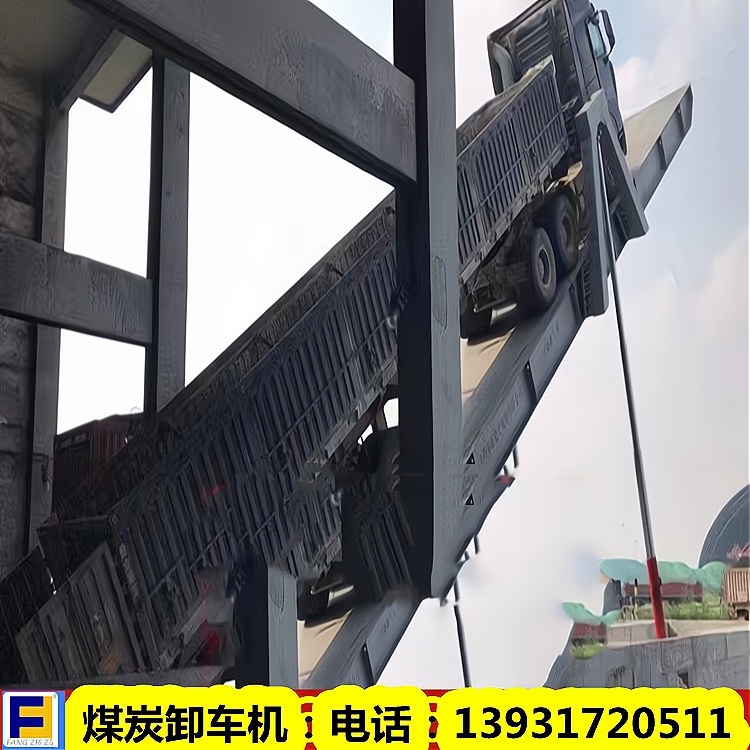
With the advancement of technology, the unloading machine has emerged, addressing key issues such as slow unloading speed, pollution to operators and air during unloading, high unloading costs, and low safety coefficients. It also reduces transportation costs. Widely used in industries like coal, electricity, cement, chemicals, metallurgy, and grain, the characteristics of the unloading machine are:
1. Operation is stable and reliable, capable of unloading vehicles of various tonnages.
2. Saves labor, reduces unloading time, enhances production efficiency, and lowers unloading costs.
3. Fully automated operation with simple handling, reliable performance, and equipped with various control and display instruments.
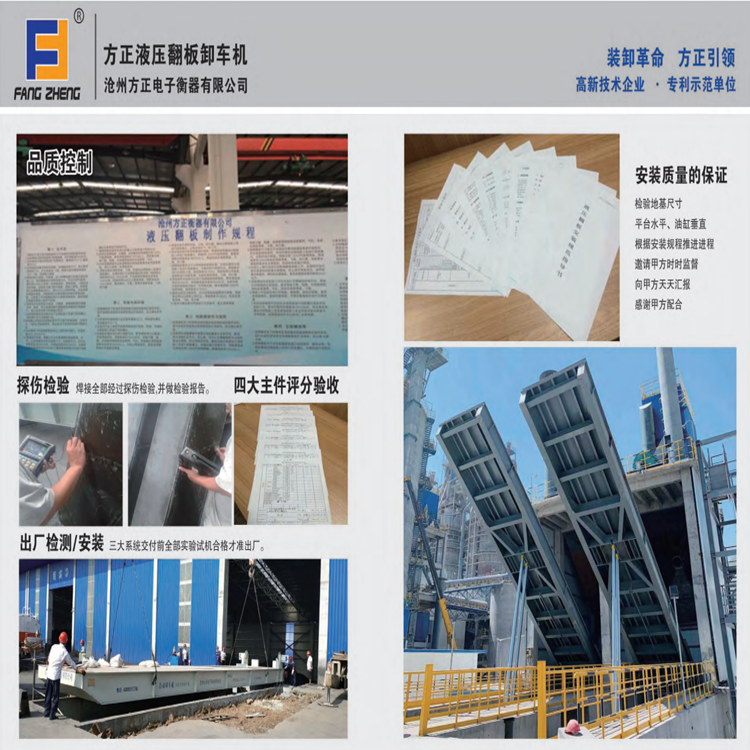
4. The equipment structure is scientifically and reasonably designed, utilizing finite element analysis for calculations, ensuring a long operational cycle without failure and minimizing the need for maintenance.
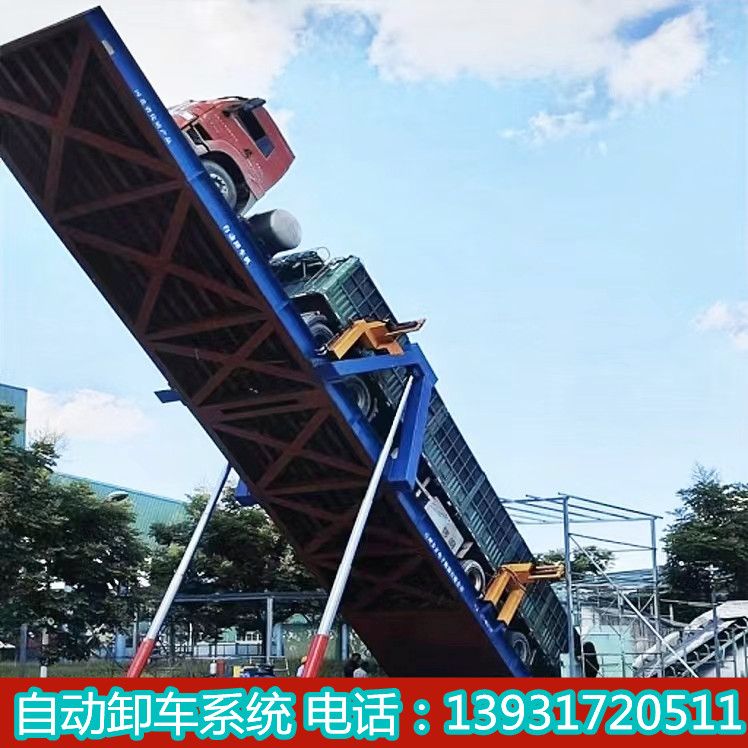
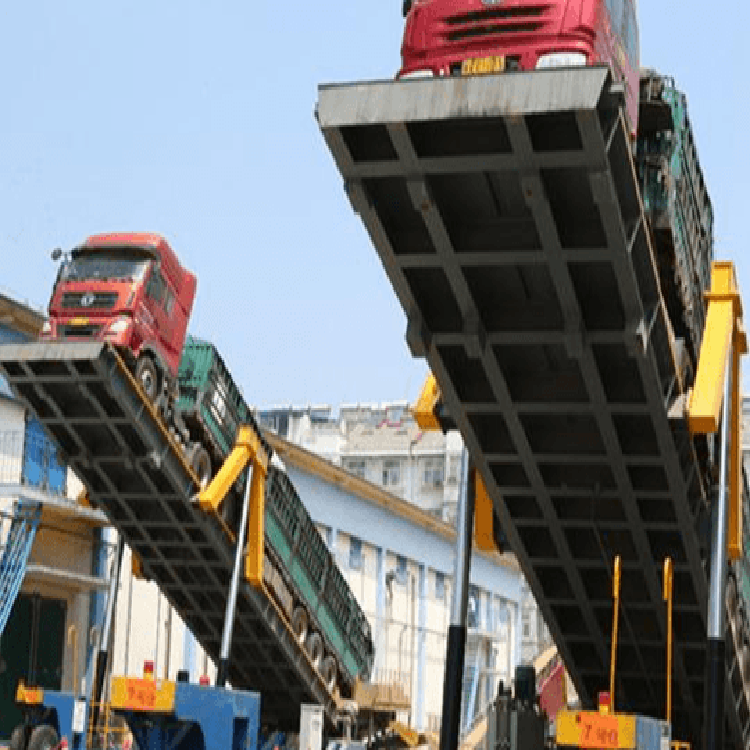
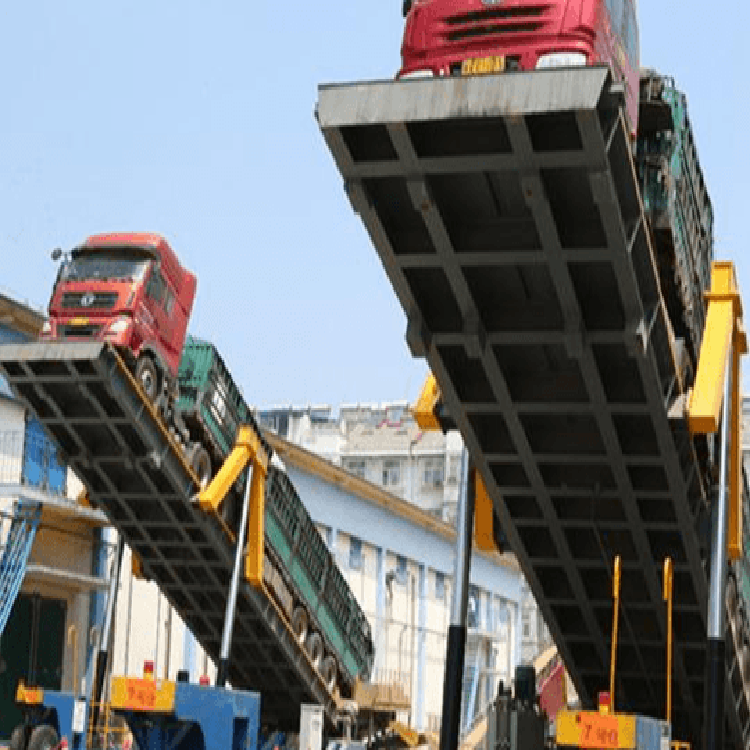
5. Multiple vehicle fixation, unloading angle up to 60 degrees.
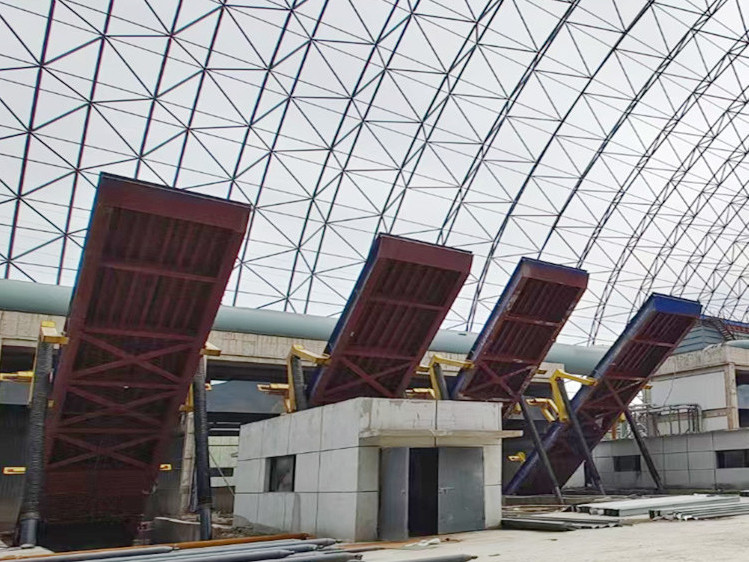
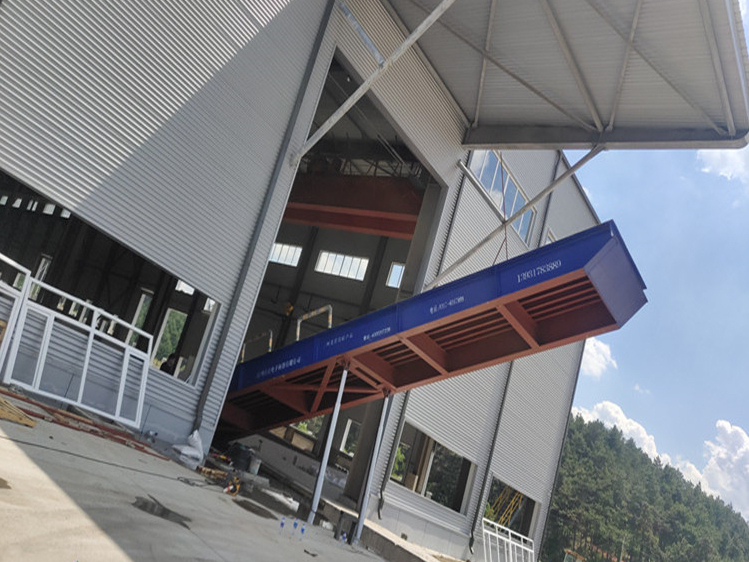
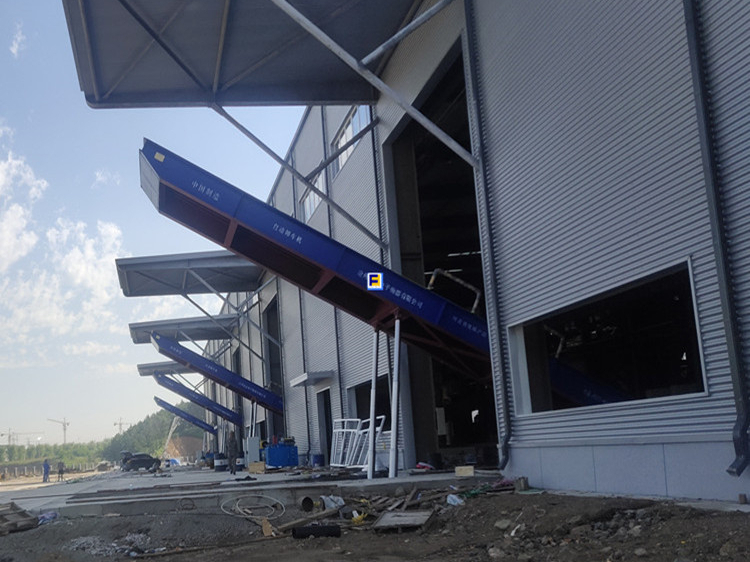
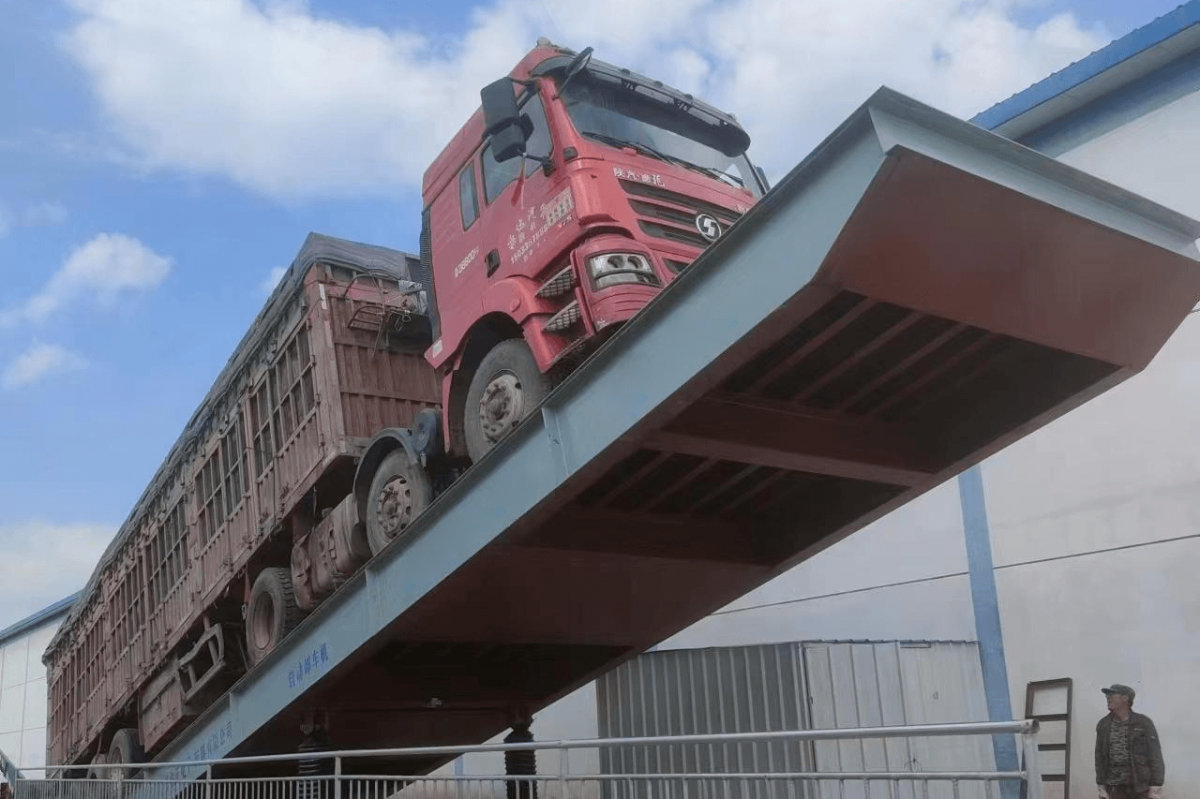
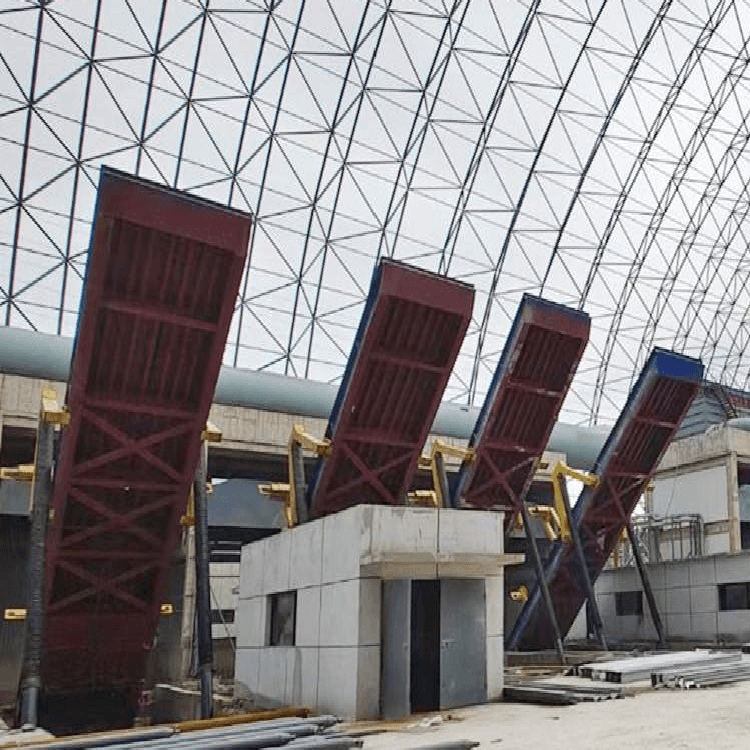
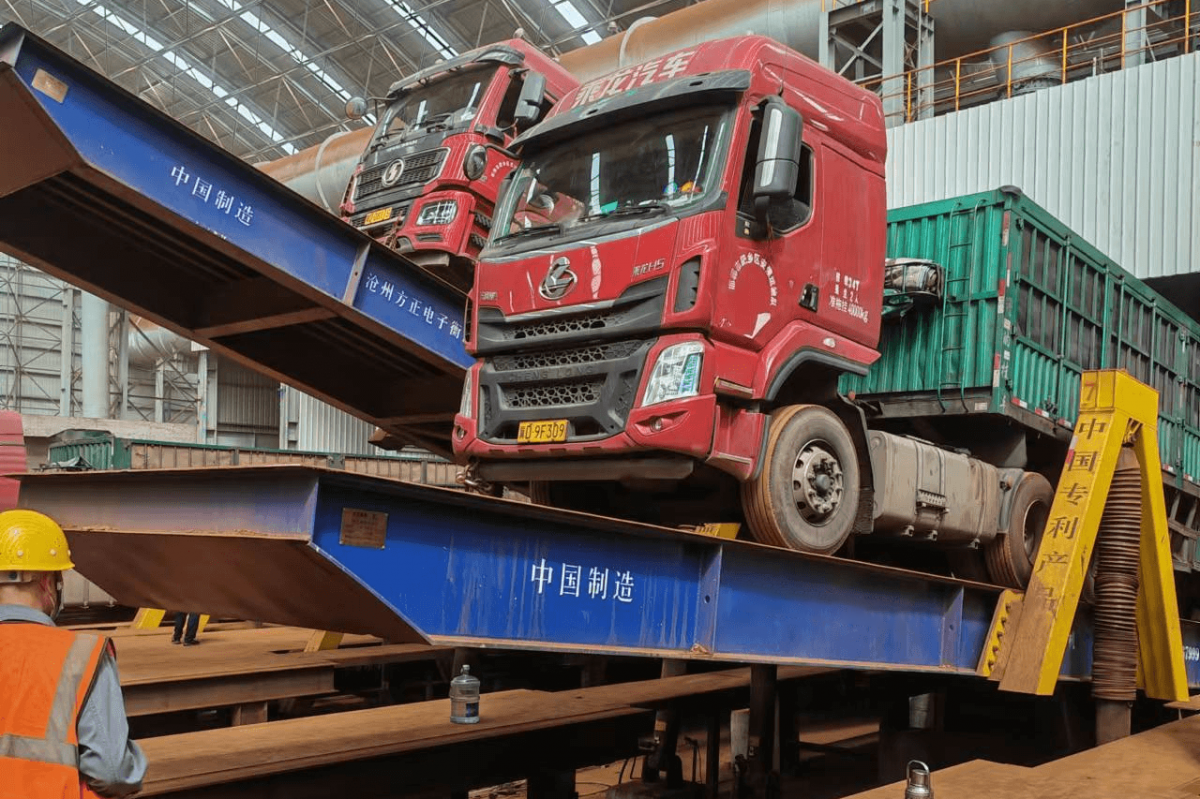
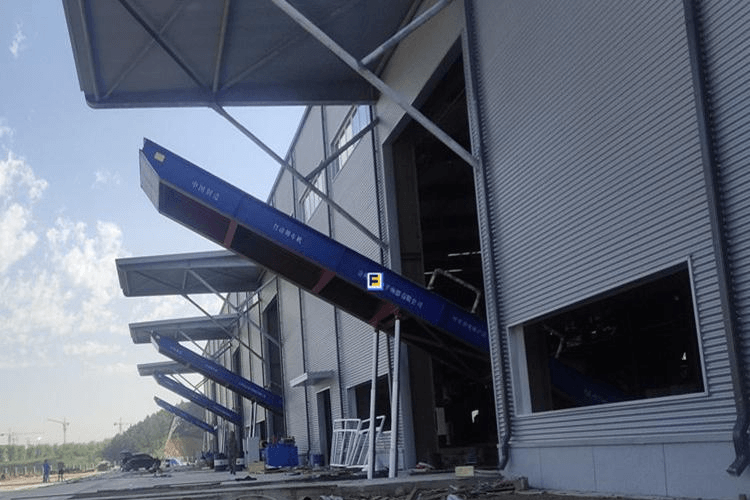
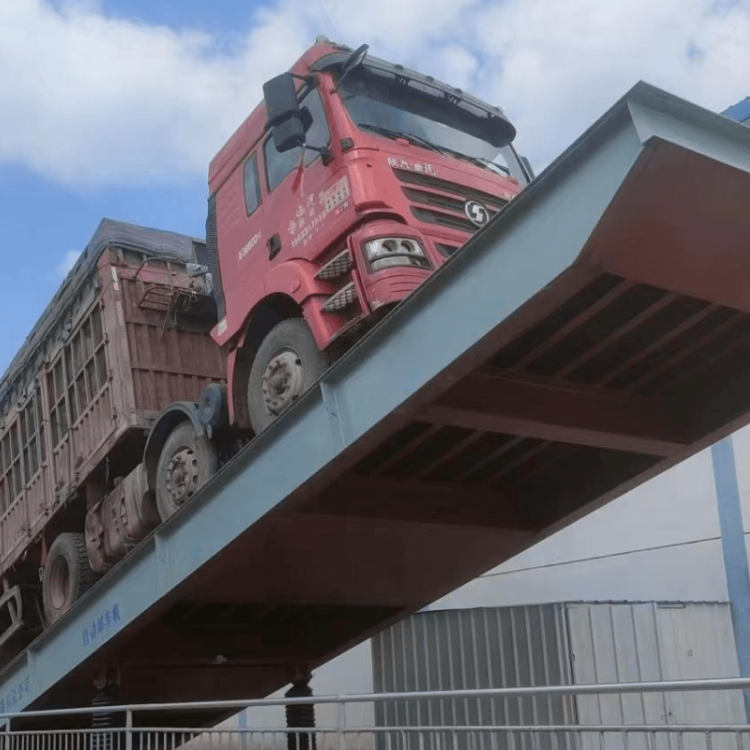
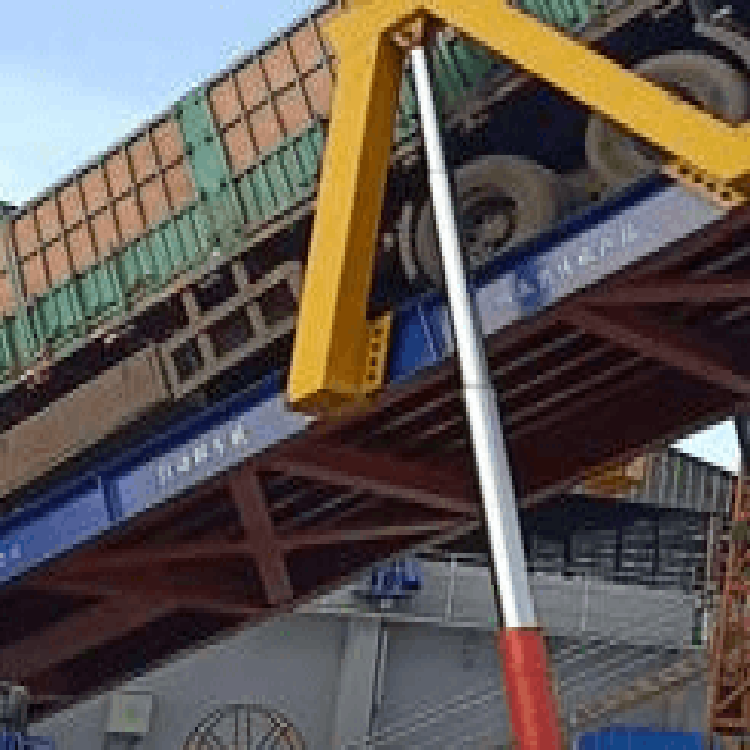
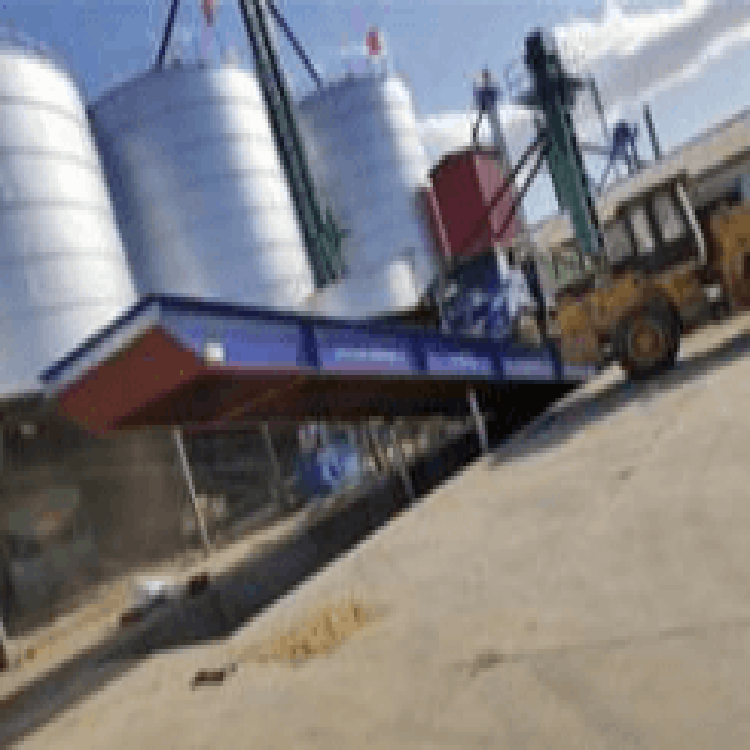
Unloading Machine: As the name implies, it is a vehicle unloading device designed for heavy-duty trucks. It features multiple hydraulic cylinders for support, offering low pressure, smooth operation, low failure rate, and a level platform with no obstructions upon reset, making it easier for vehicles to enter the platform. When not in use, it can serve as a passage for other vehicles. This equipment is widely applicable to industries such as flour, starch, feed, and alcohol. For long-term stable operation, regular maintenance and inspections are crucial. Here are the inspection steps we have summarized for you.
Check for any leakage on the hydraulic flip valve oil pipeline.
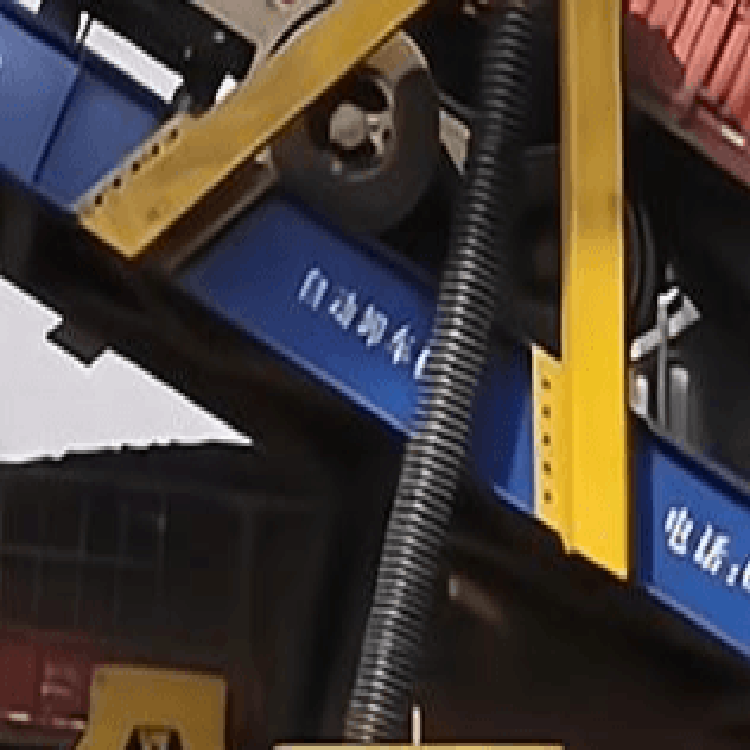
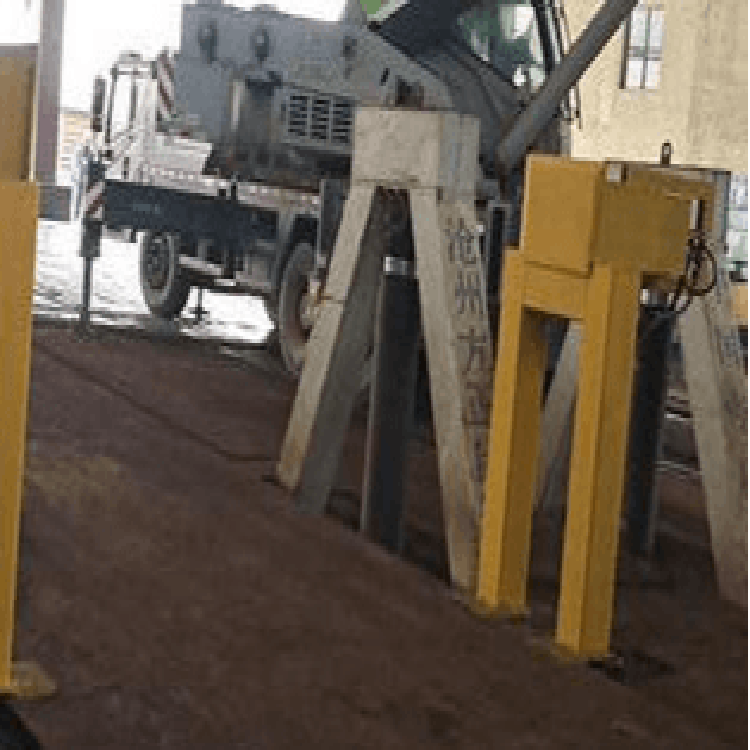
Check if the nuts at all cross points "f" on the hydraulic unloading machine arm frame are tight and if lubricant has been applied before use.
During the movement process and when in the elevated position, do not move the hydraulic flip plate.
Do not alter the hydraulic flip plate electrical control system at will.
Five, after operation, keep all parts of the hydraulic flip plate clean and lower the workbench to the stop height. Avoid direct sunlight and rain when not in use, and slightly raise the support legs to prevent tire damage from prolonged disuse. Check the hydraulic oil quality and level monthly; during the full lifting and lowering of the lift, the hydraulic oil level should be 40-50MM above the bottom of the box. If the hydraulic oil appears dark, sticky, or contains sand, it should be replaced promptly.
Six, when entering the undercarriage of the hydraulic unloader for maintenance, the work platform of the hydraulic unloader must be suspended to prevent sudden descent of the hydraulic flap causing injury; before dismantling the hydraulic system, it is necessary to relieve the pressure first to prevent oil from being sprayed out and to avoid the sudden sliding of the hydraulic flap.
7. Sales Hotline: 13931720511