
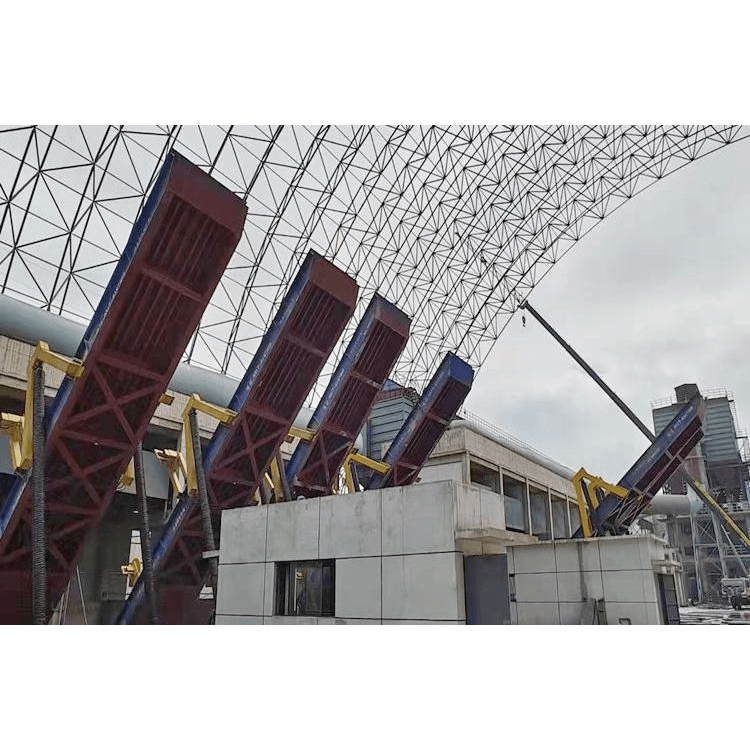
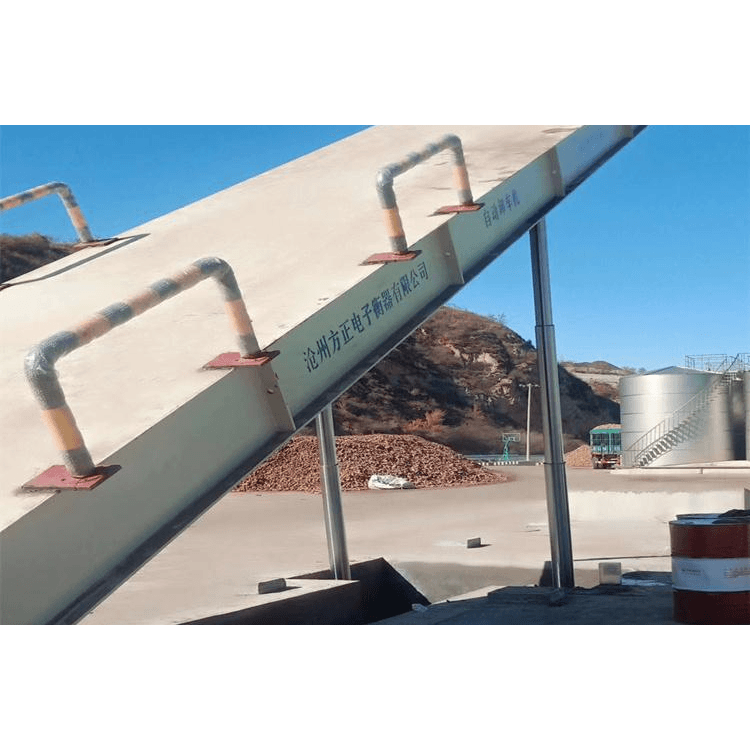
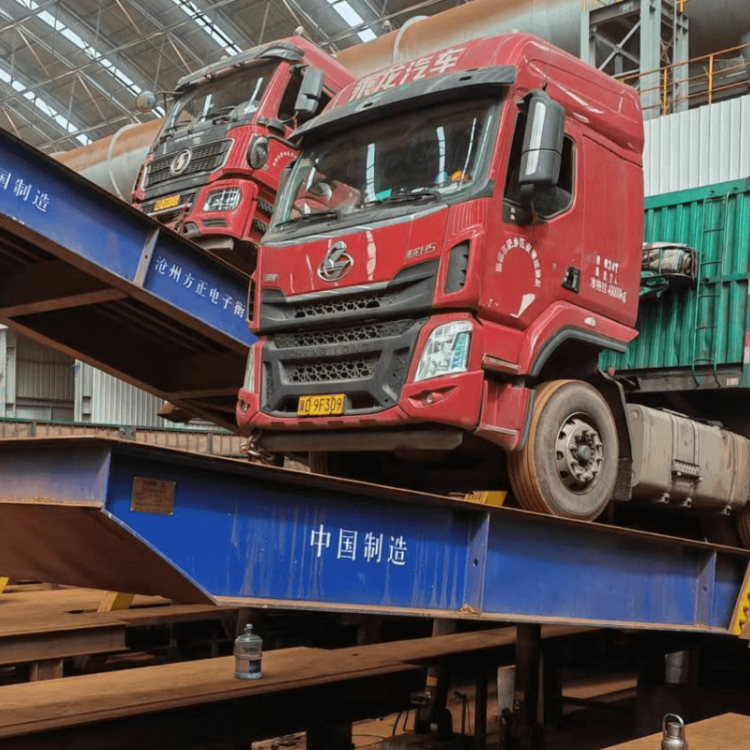







Operation and Maintenance
The principle of "prevention first" should be implemented in equipment maintenance work, and equipment failures should be eliminated in their early stages. The main task is to prevent loose connections and abnormal wear, and to supervise operators to use equipment correctly according to the equipment usage regulations. Prevent equipment accidents, extend the service life and maintenance cycle of equipment, ensure the safe operation of equipment, and provide production equipment with status for production.
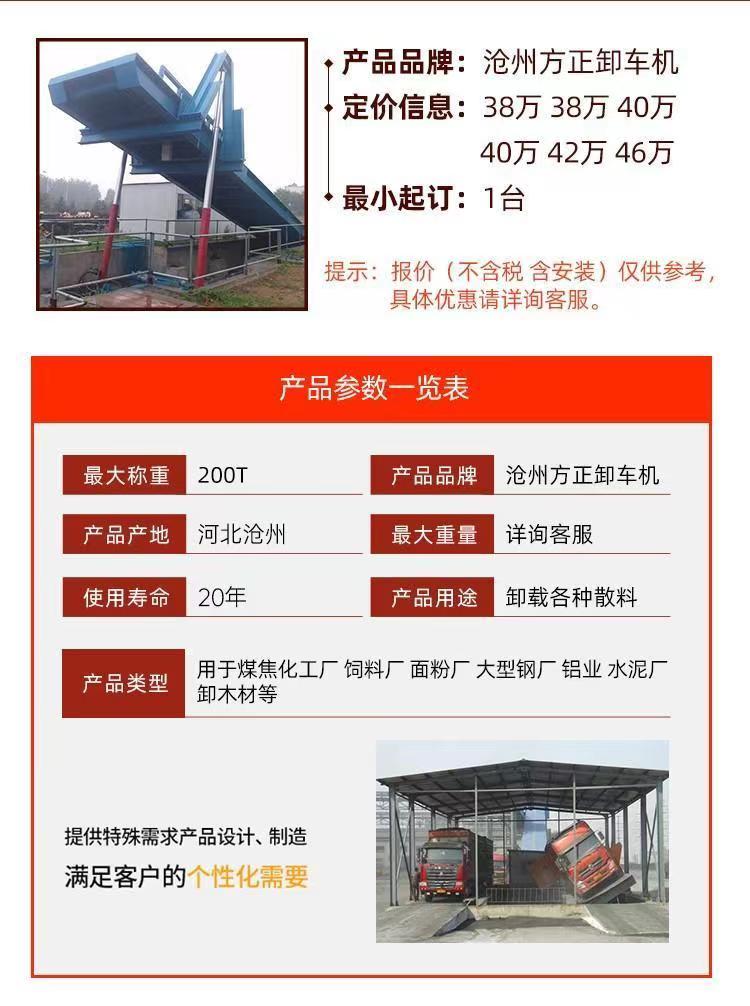
Equipment operation process:
1、Before starting work, the staff should check the equipment and turn on the main power supply if there are no problems.
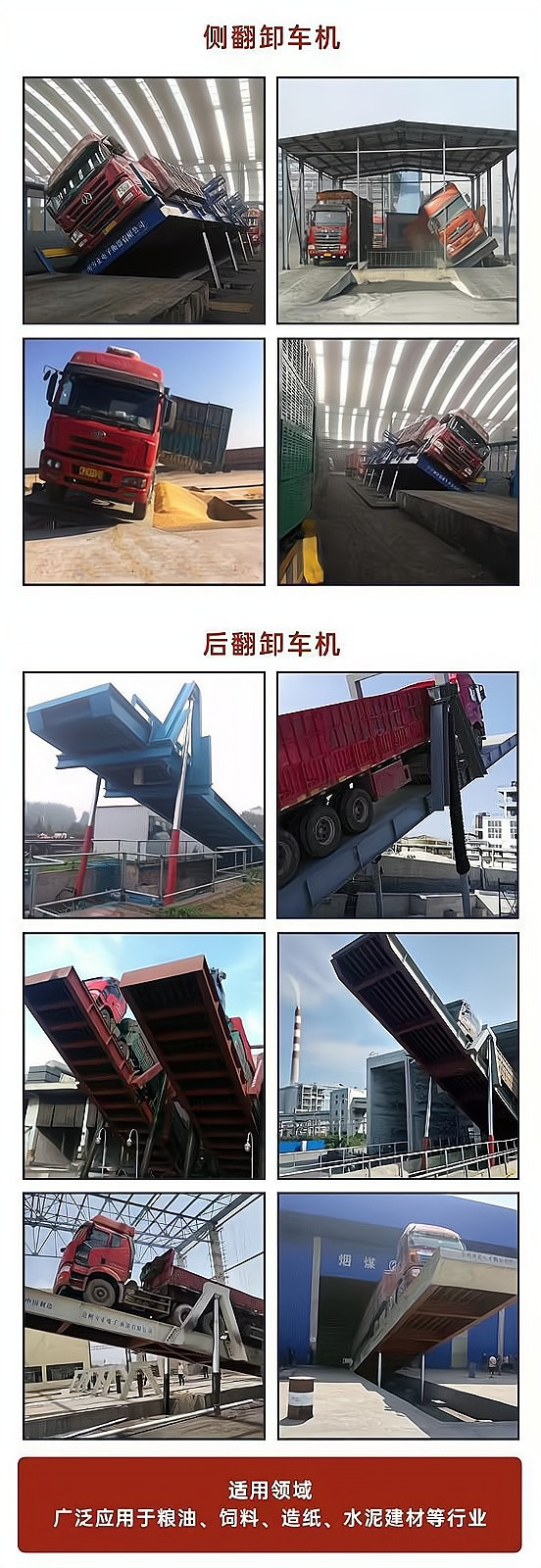
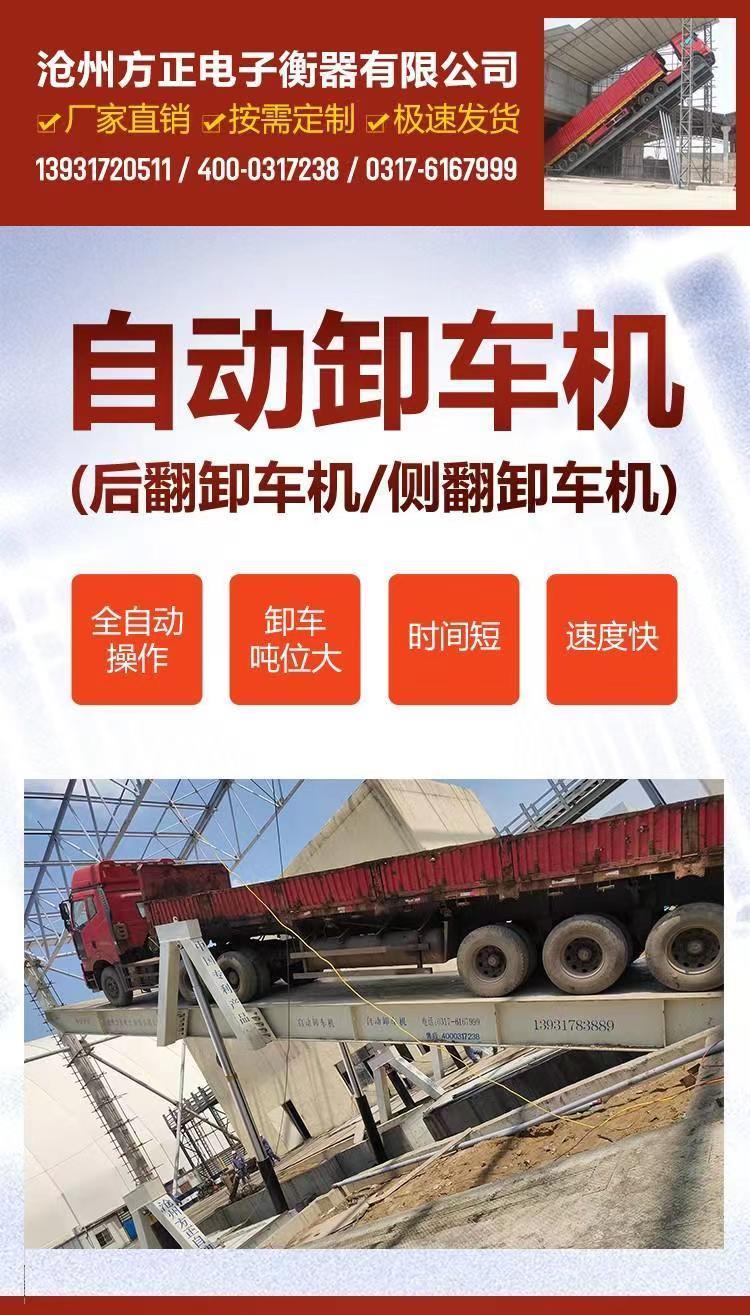
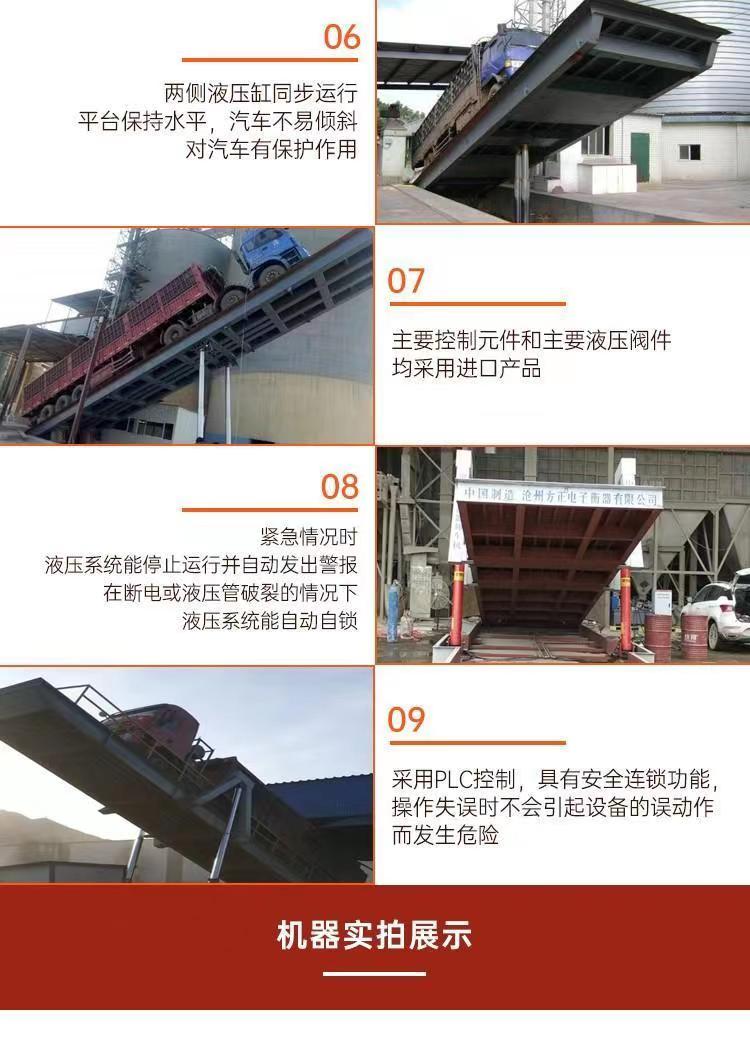
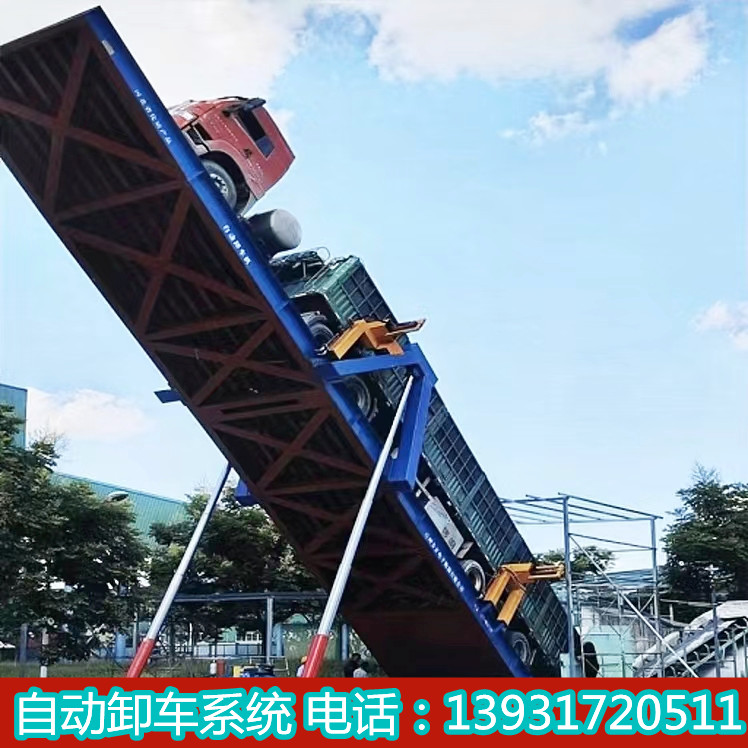
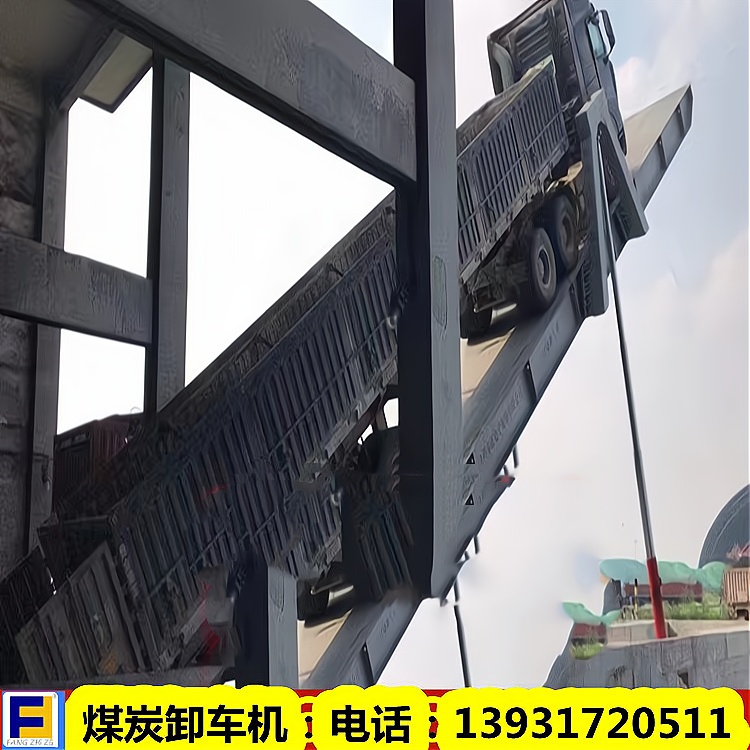
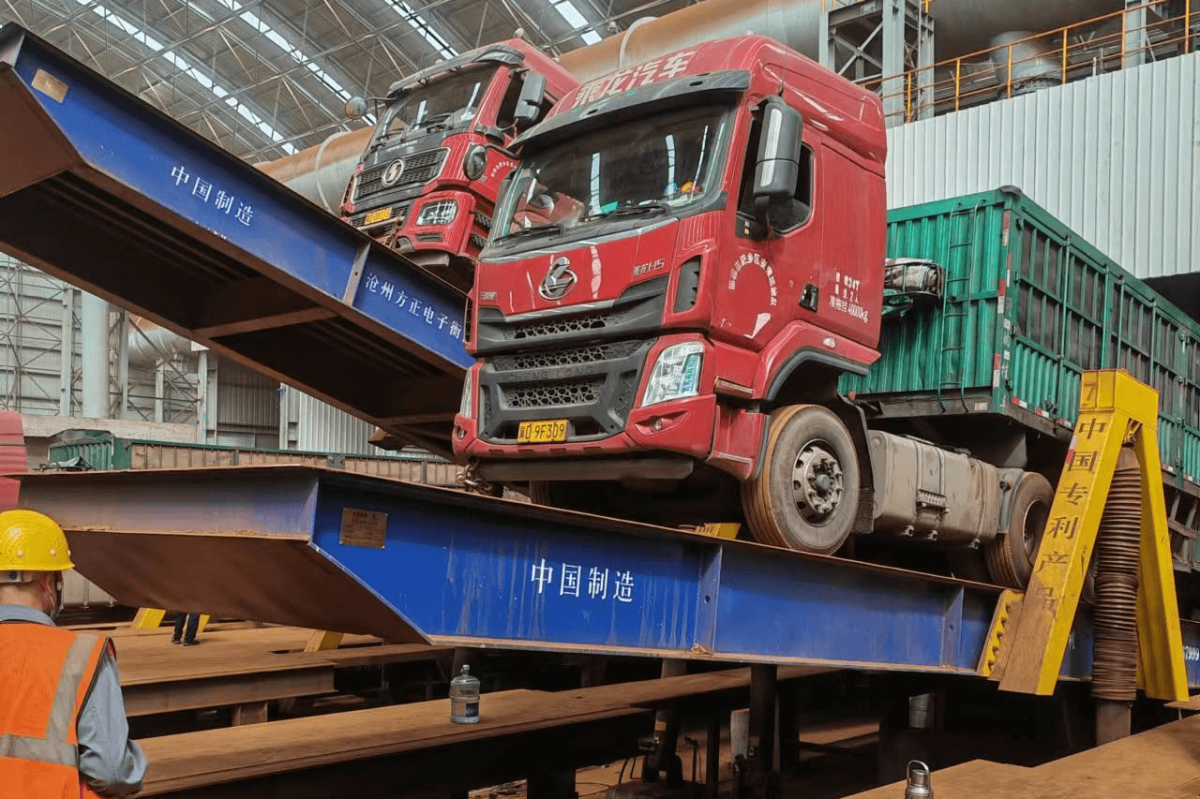
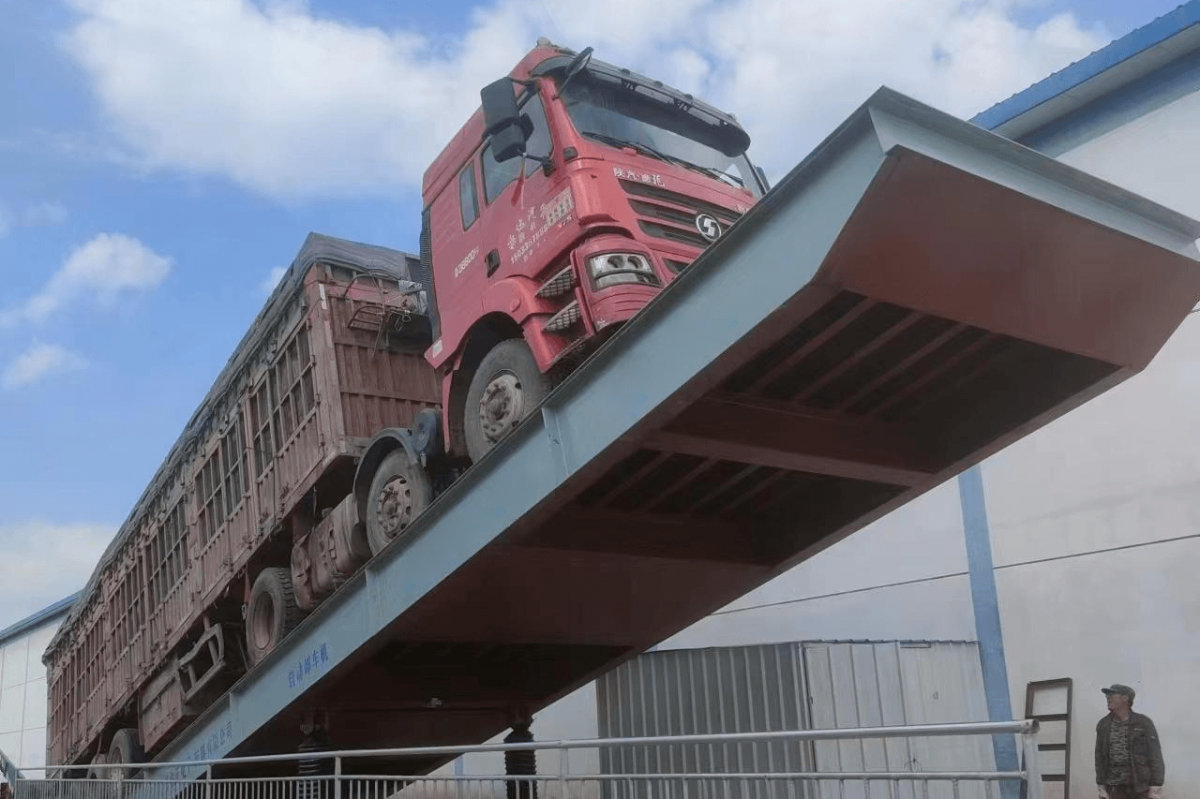
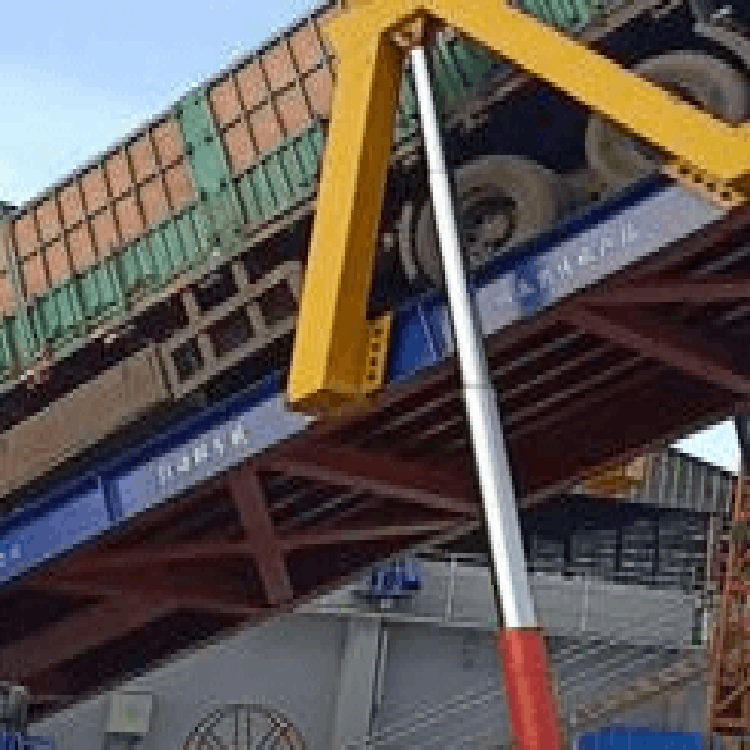
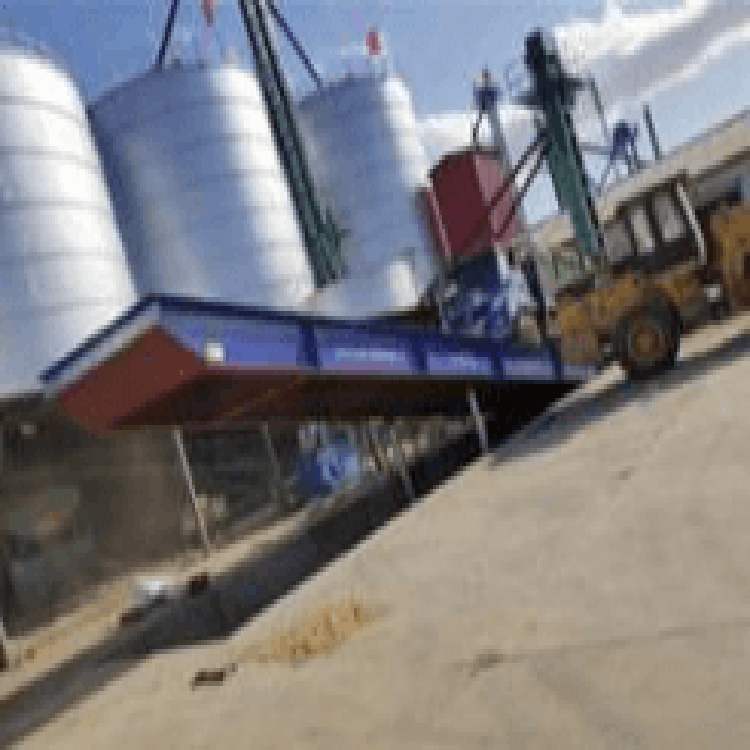
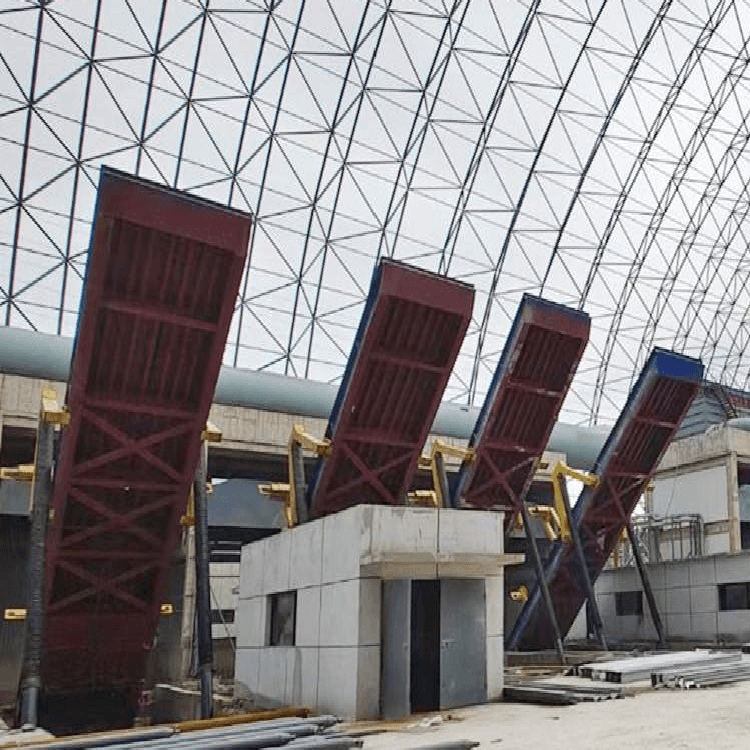
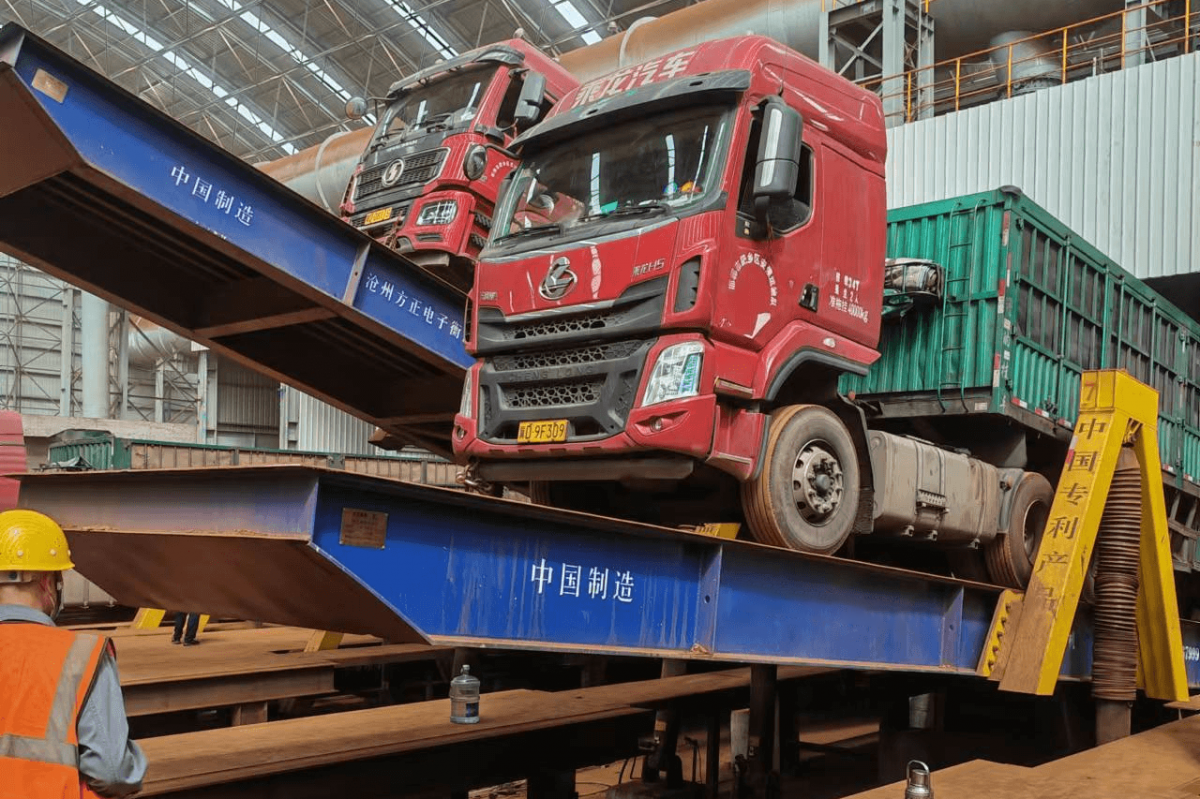
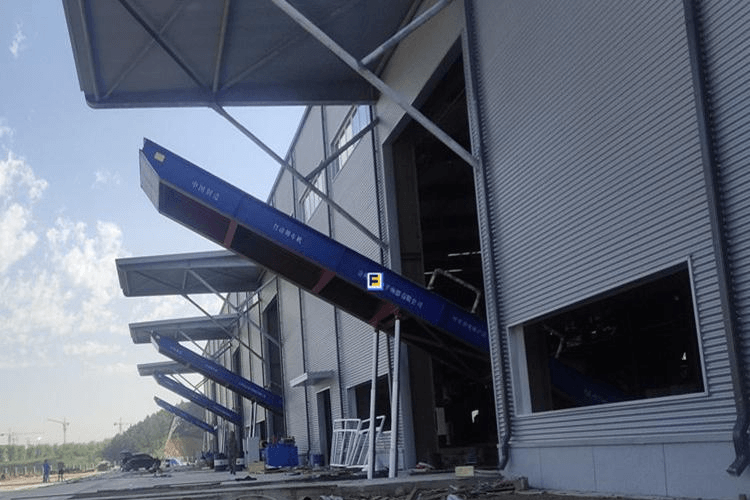
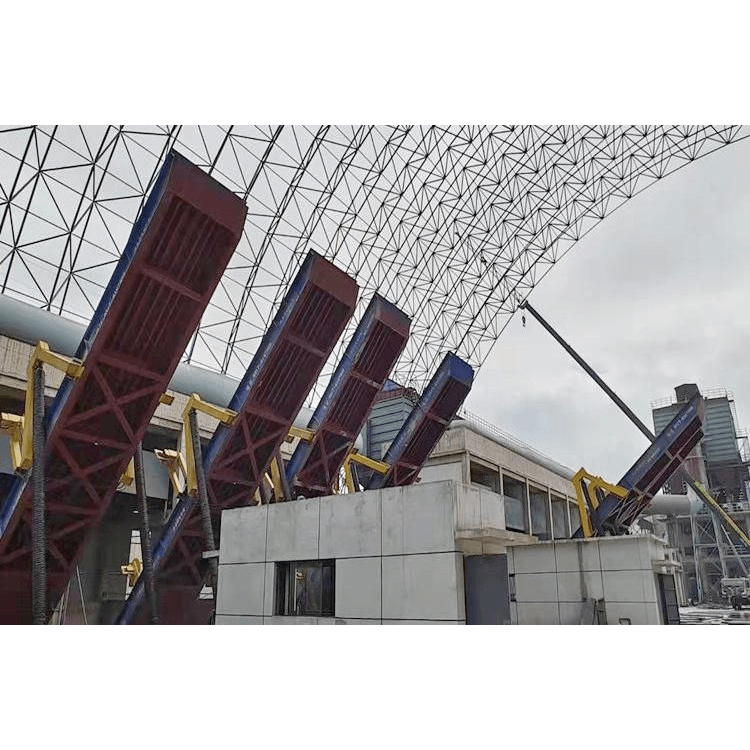
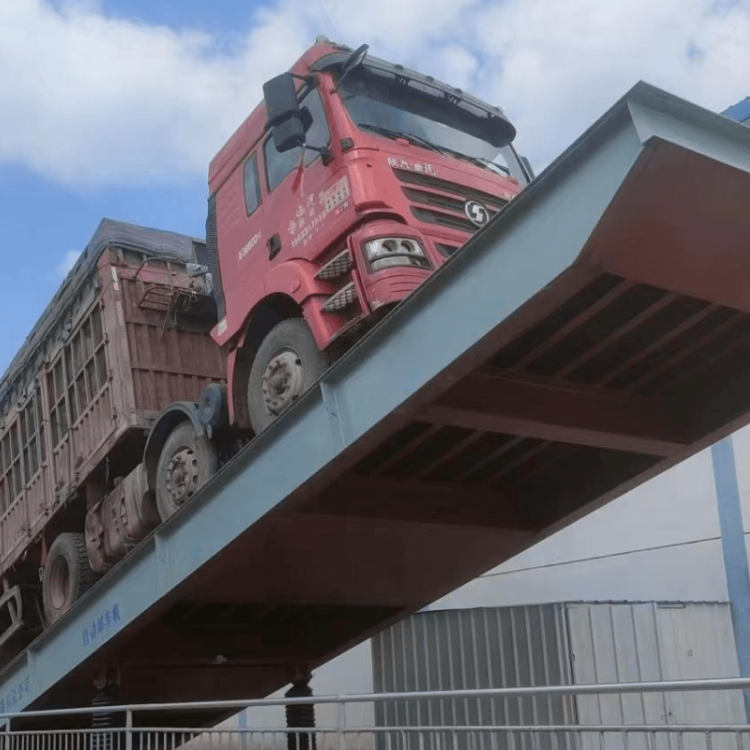
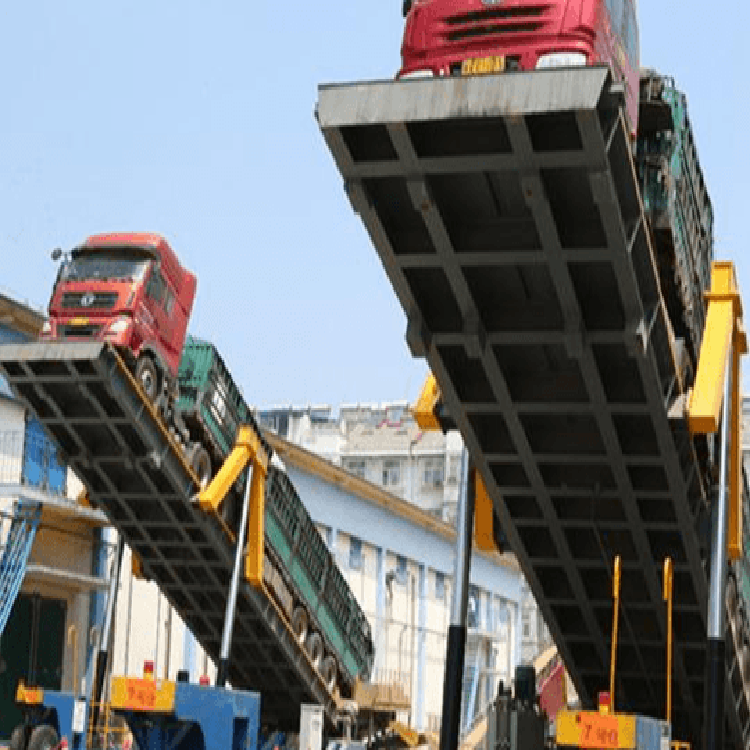
2、The staff commands the vehicles to carry out work, and the staff can operate the hydraulic unloading machine through a remote control. The unloading work of the hydraulic unloading machine can also be carried out through PLC and manual operation.
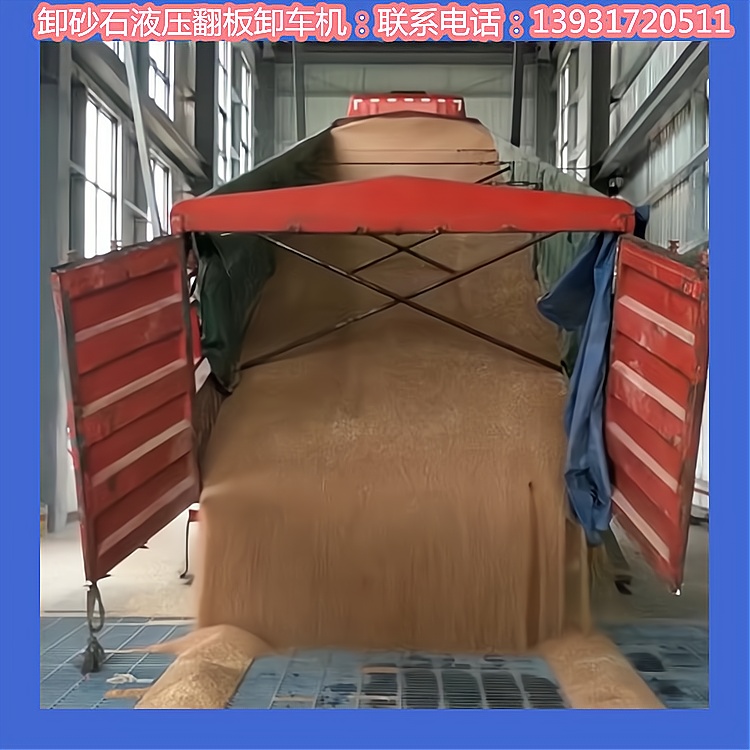
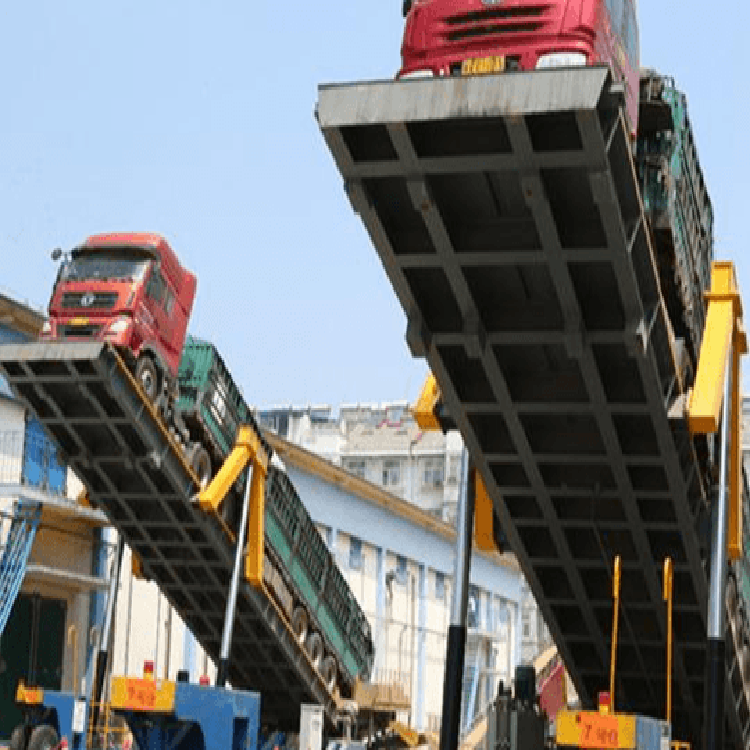
3、After the vehicle is in place, the hydraulic unloading machine's gear wheel and unloading platform can be operated through the above three methods to complete unloading. After unloading, the hydraulic unloading platform can be lowered through the above three methods. After the gear wheel is lowered, the vehicle will drive out and the next vehicle will continue.
During the use and maintenance of the equipment, the following points should be followed:
1. Strictly follow the operating procedures of the equipment and operate the equipment normally.
2. In daily work, it is necessary to regularly check the loose parts and protective devices of equipment, and adjust them in a timely manner if there are any problems.
3. Before driving, carefully inspect the equipment, first check the necessary maintenance parts, and then check the lubrication status of the lubrication parts. If loose connecting bolts are found, they should be tightened in a timely manner. Identify the cause.
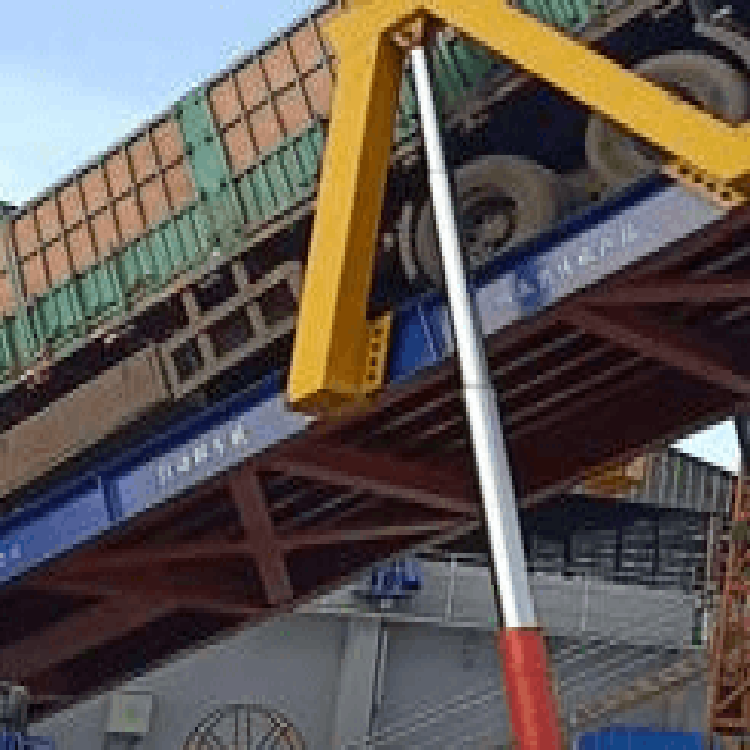
4. Regularly check the wear of the hinge shaft of each hydraulic cylinder and maintain and replace it in a timely manner.
5. Regularly check the tightening status of the screws on the spindle seat. Discover problems and handle them promptly.
6. After each shift shutdown, wipe and clean the equipment and working areas to keep them clean, free of oil and dirt.
7. Regularly remove equipment rust, spray anti-corrosion paint, and extend equipment life.
8. Regularly inspect the welding seams of each welding point of the equipment, and take immediate measures if any open welding is found.