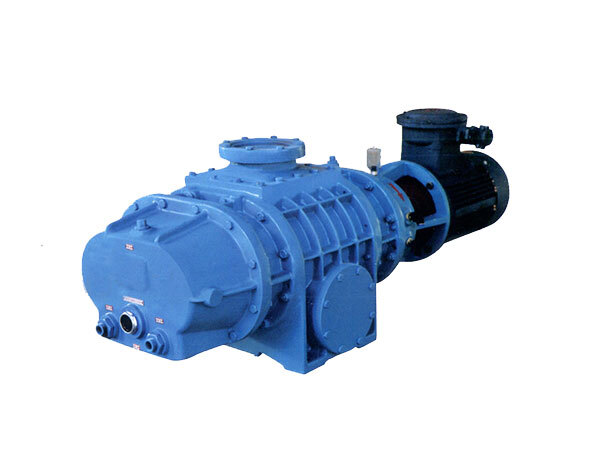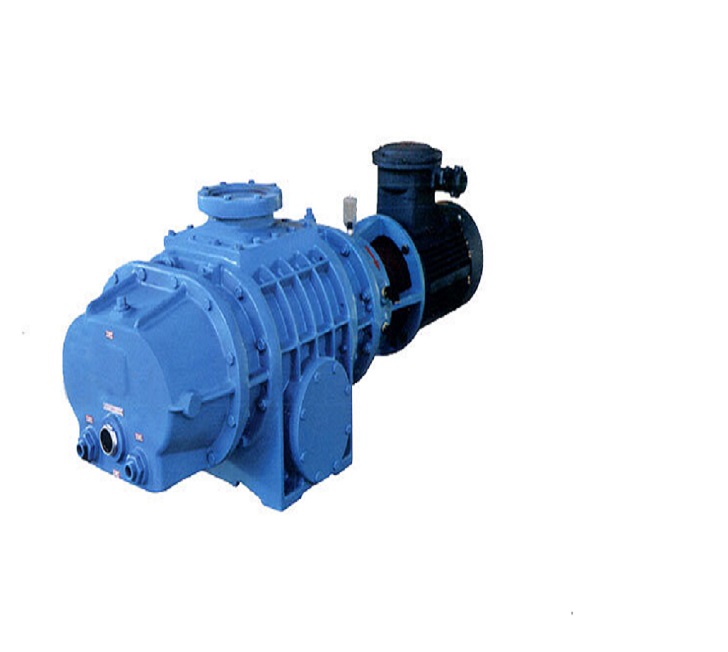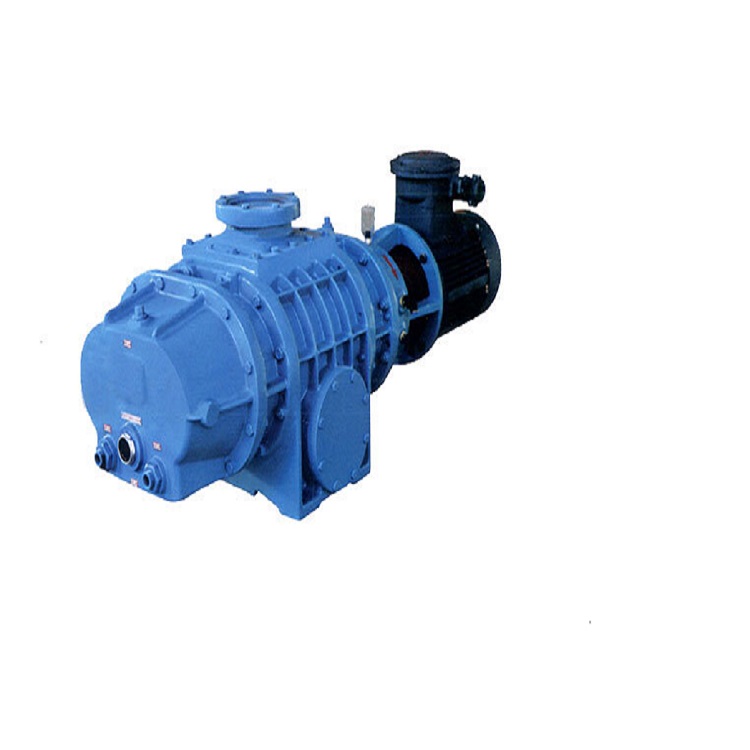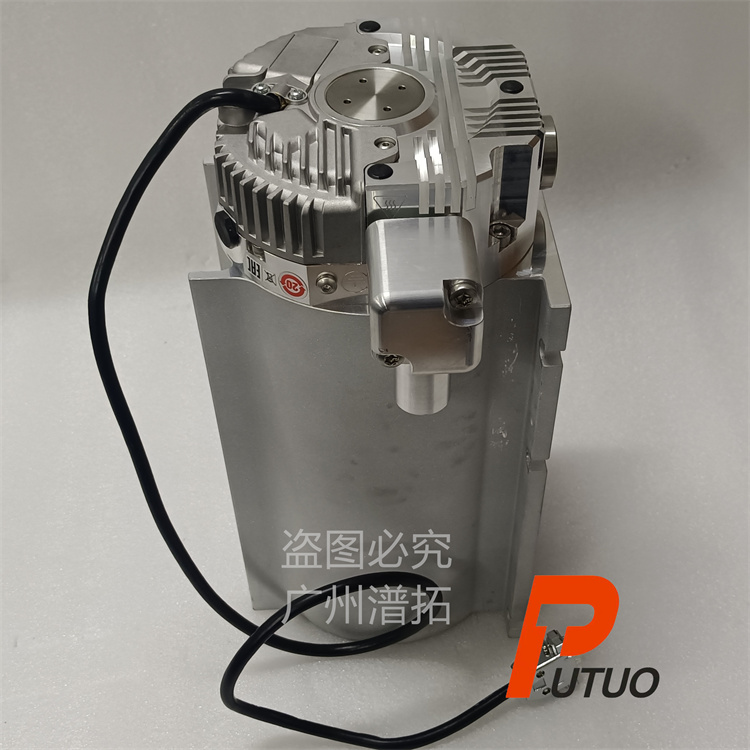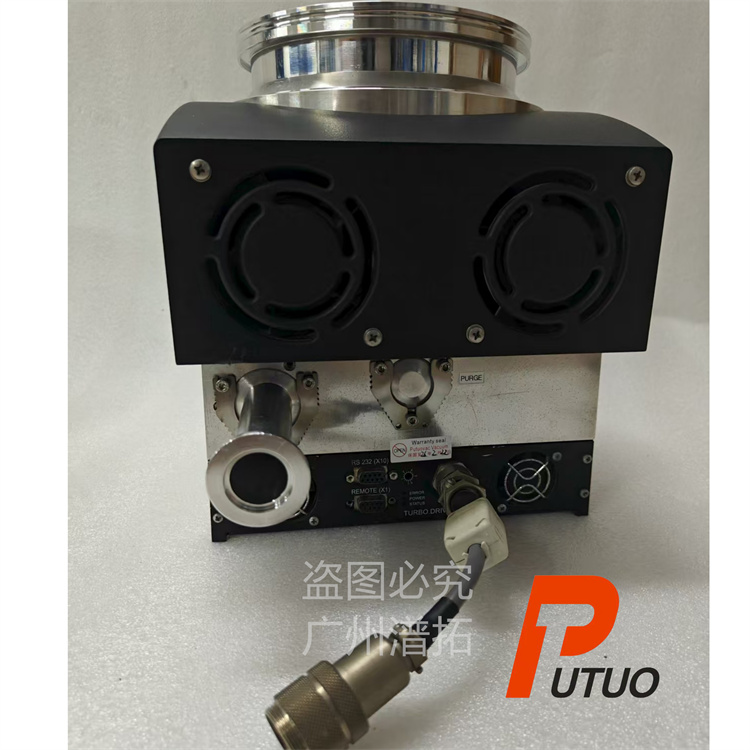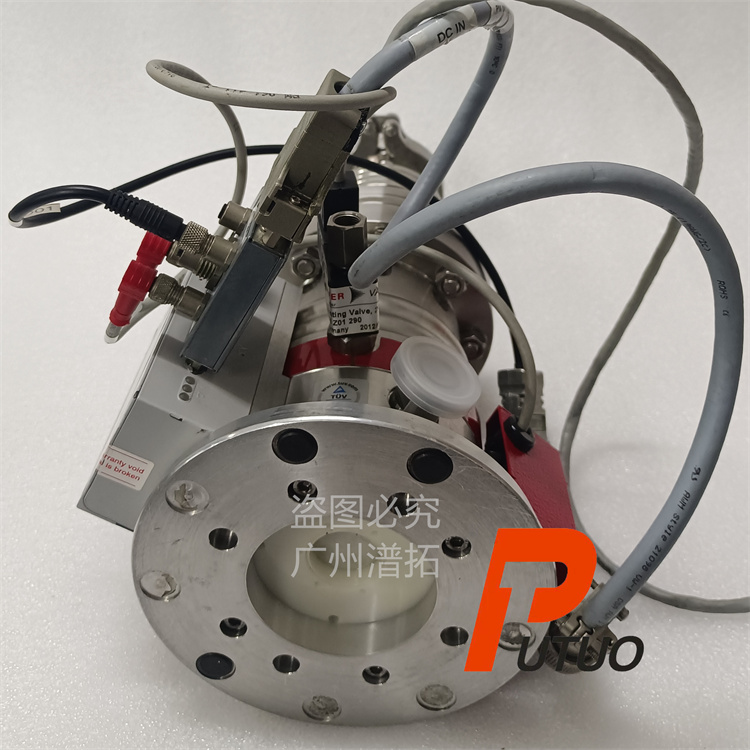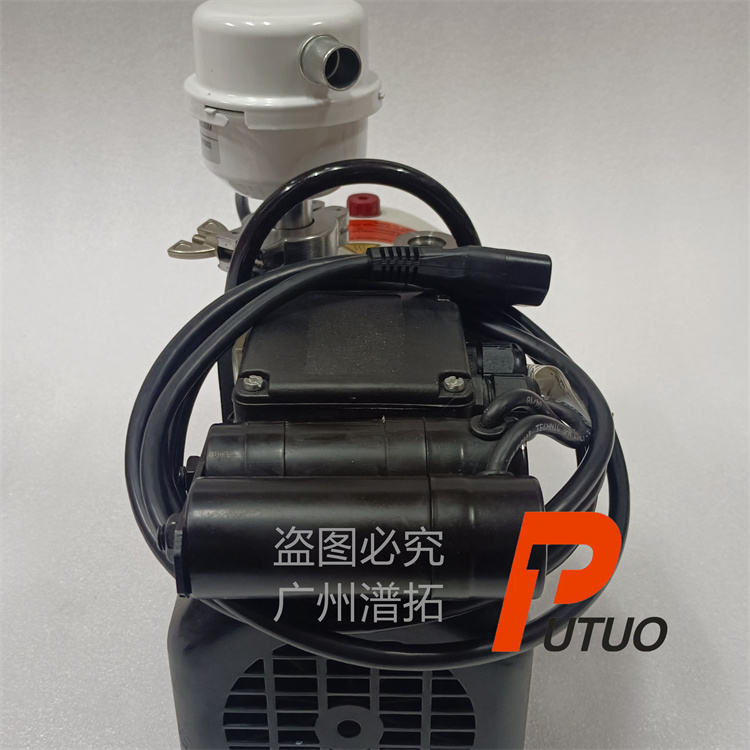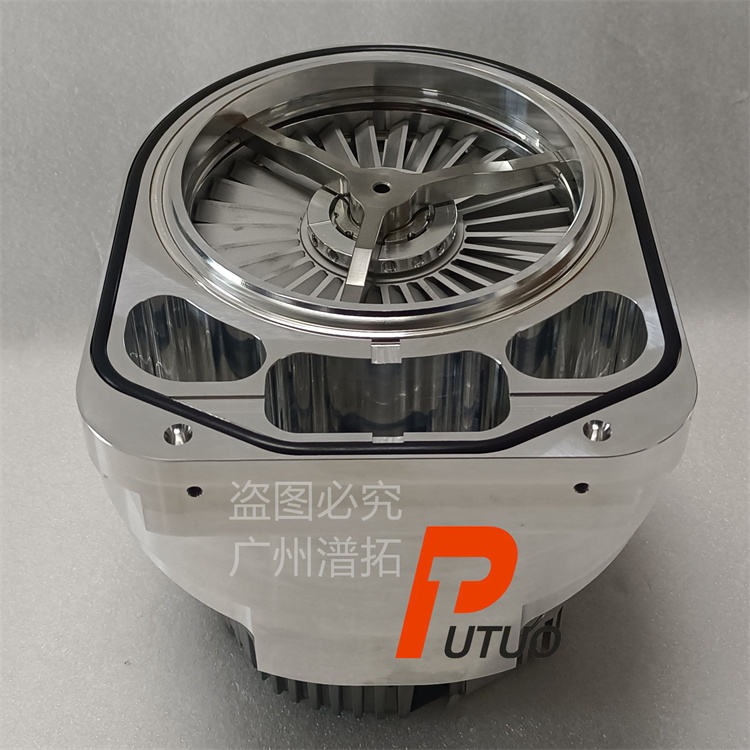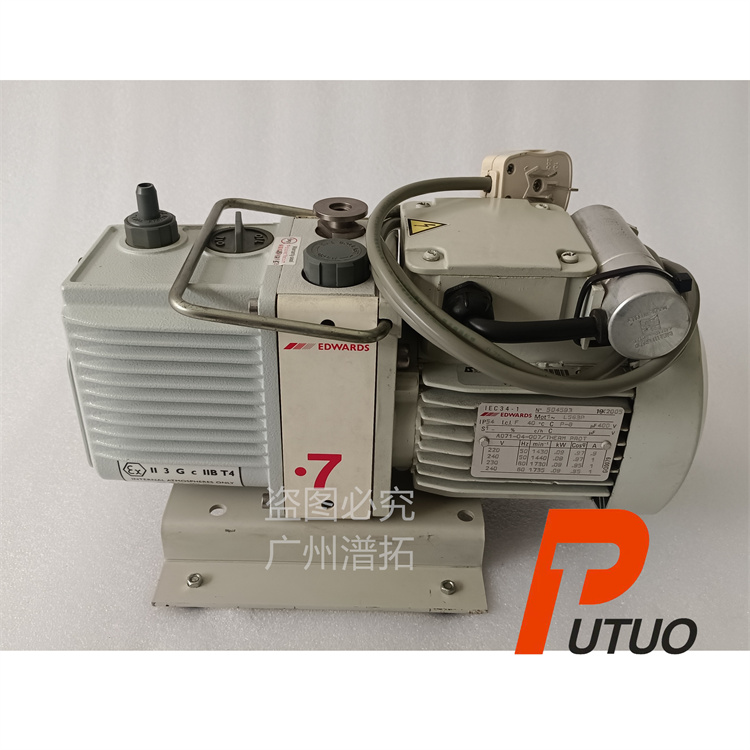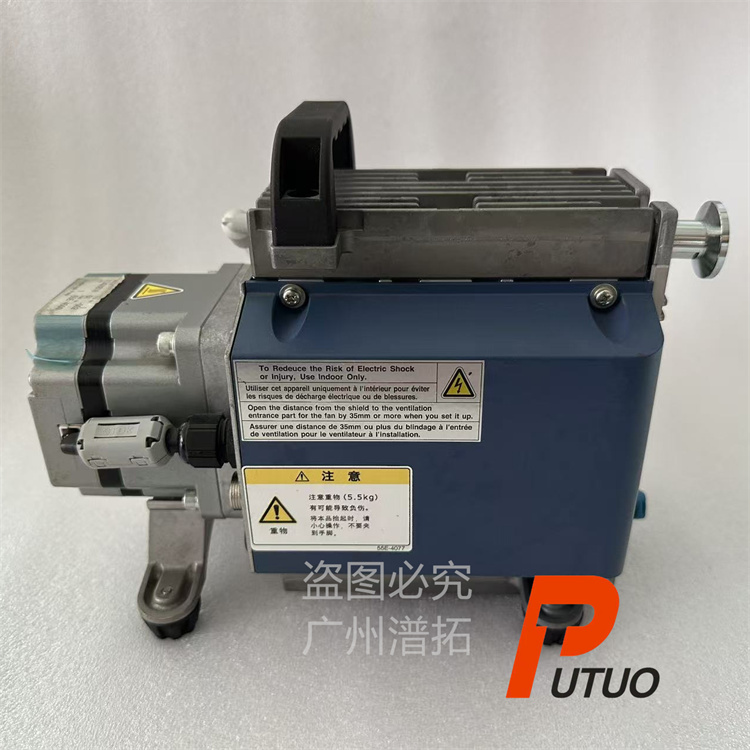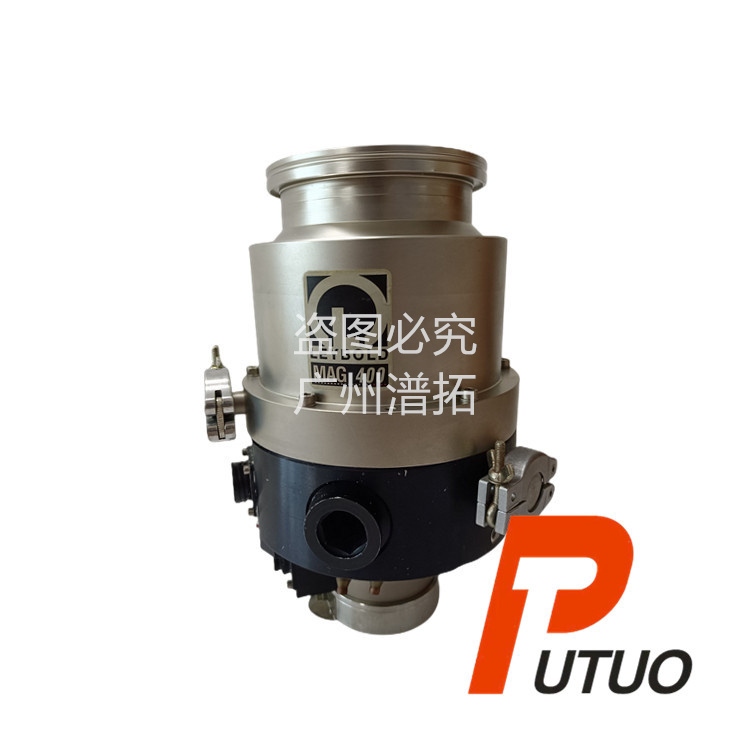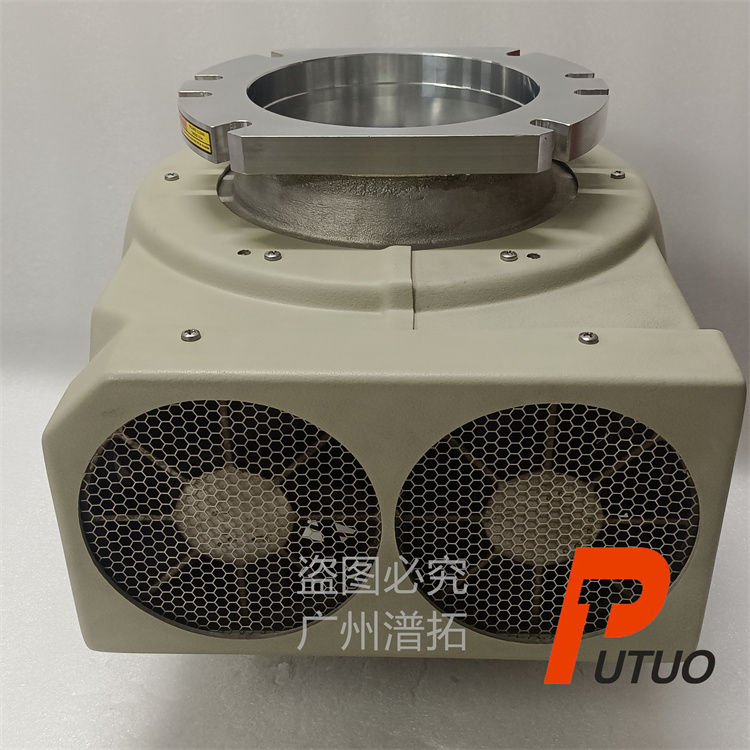

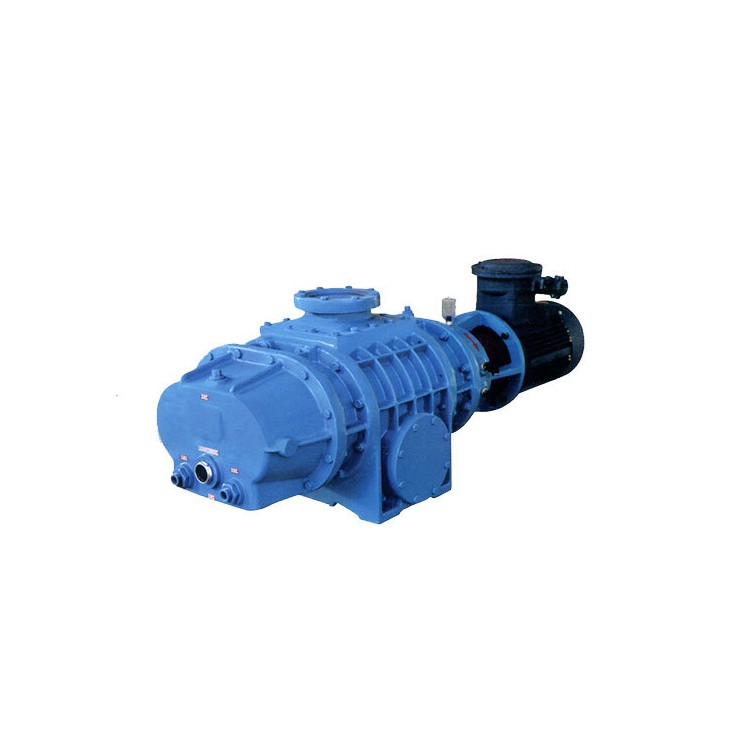

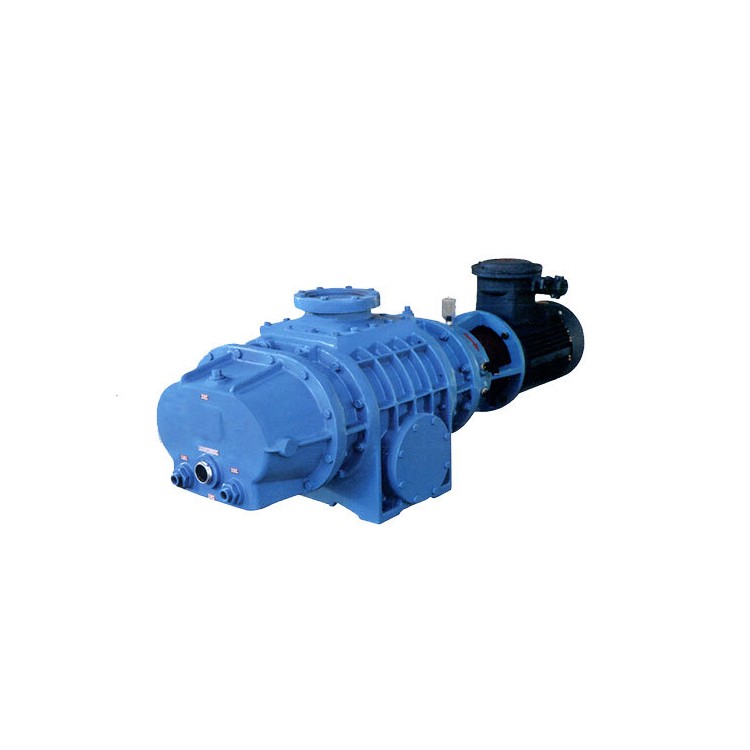
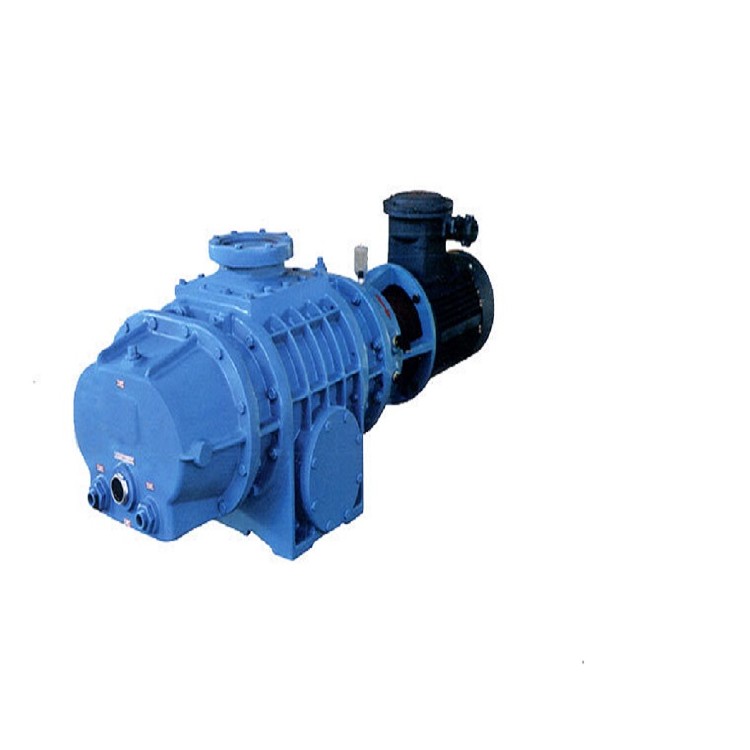


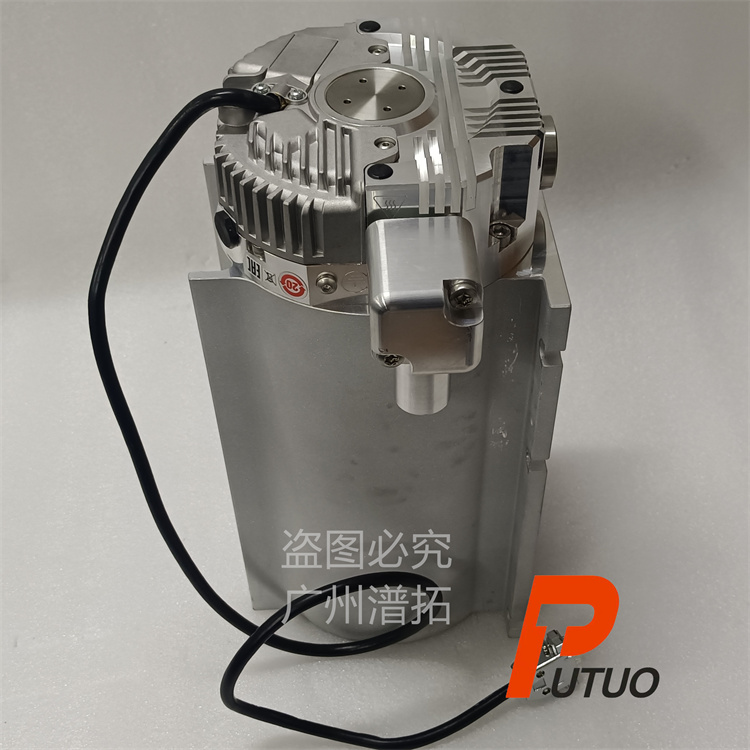
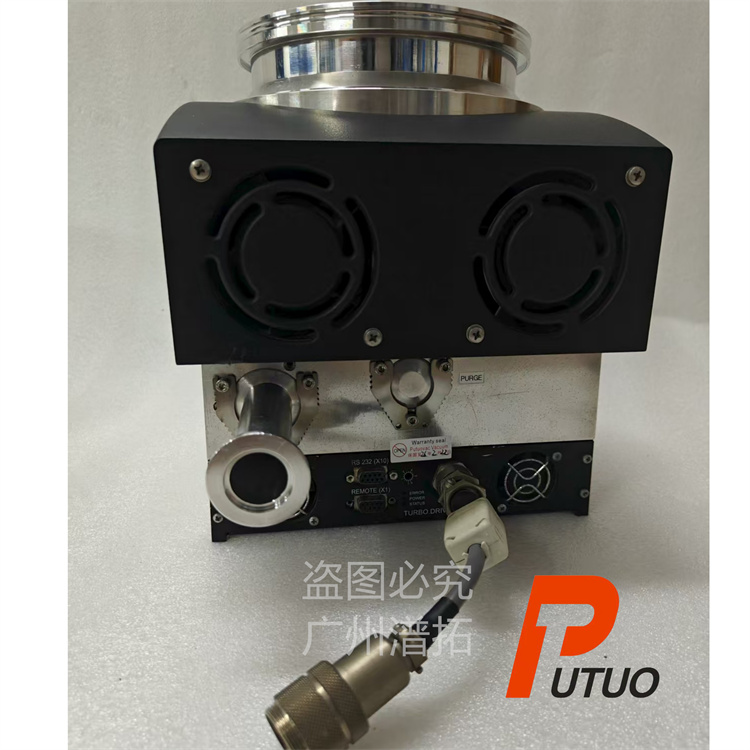
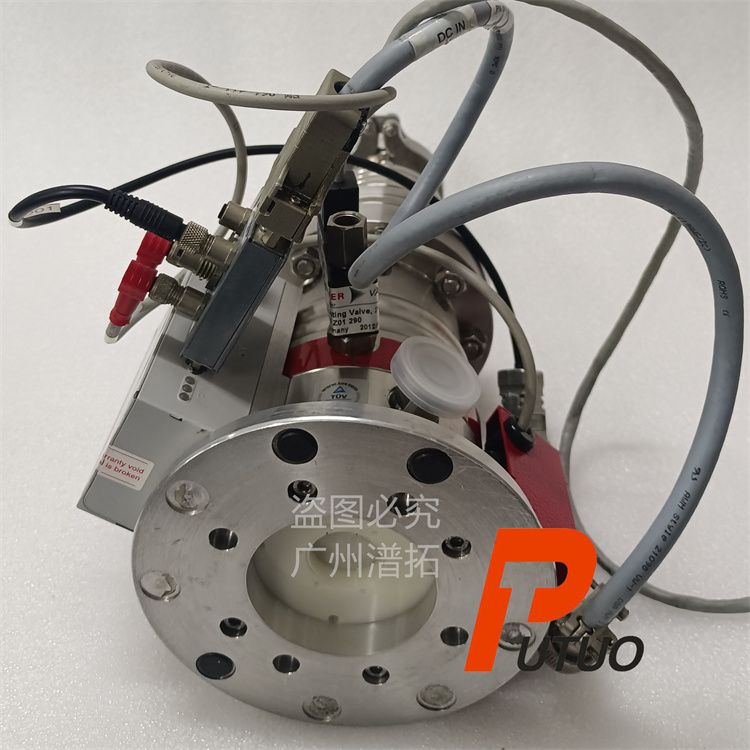
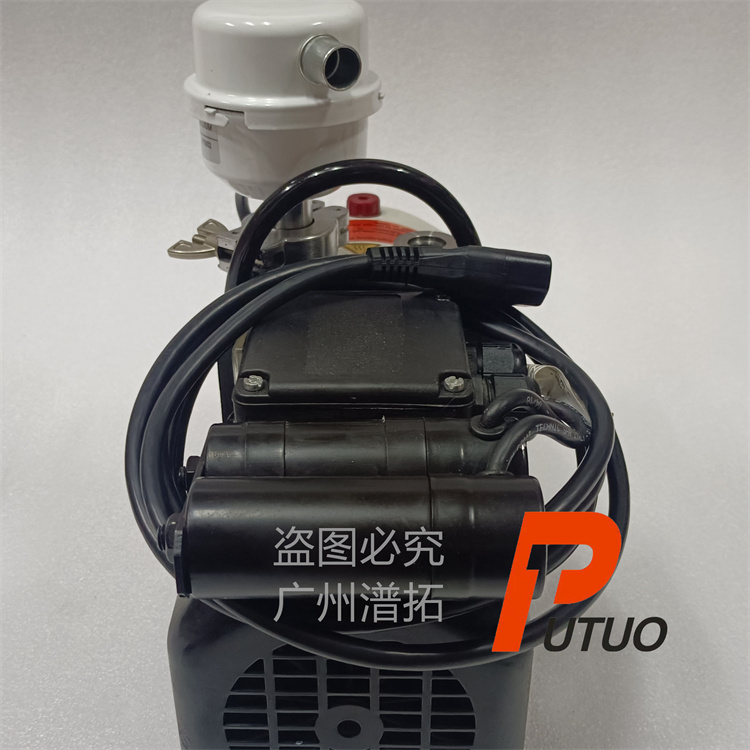





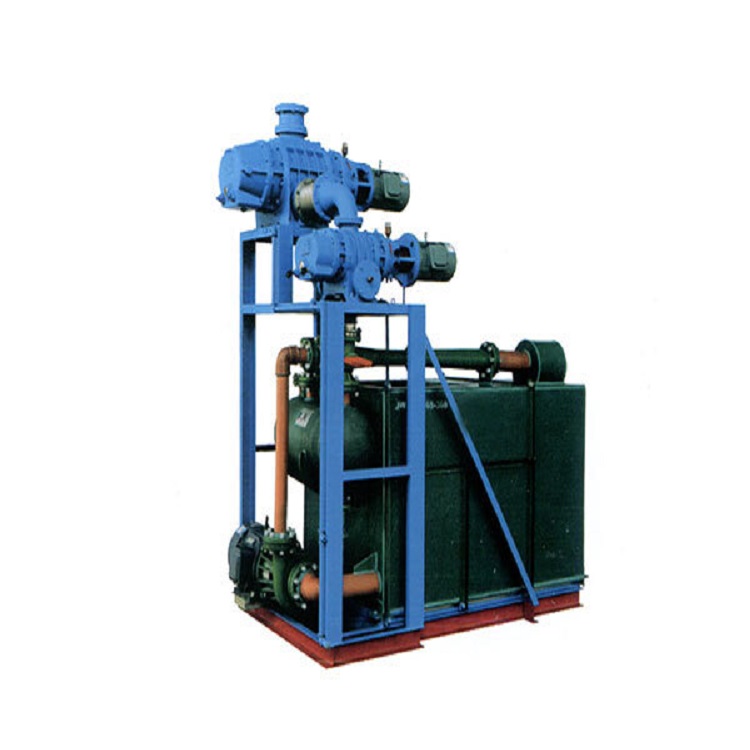
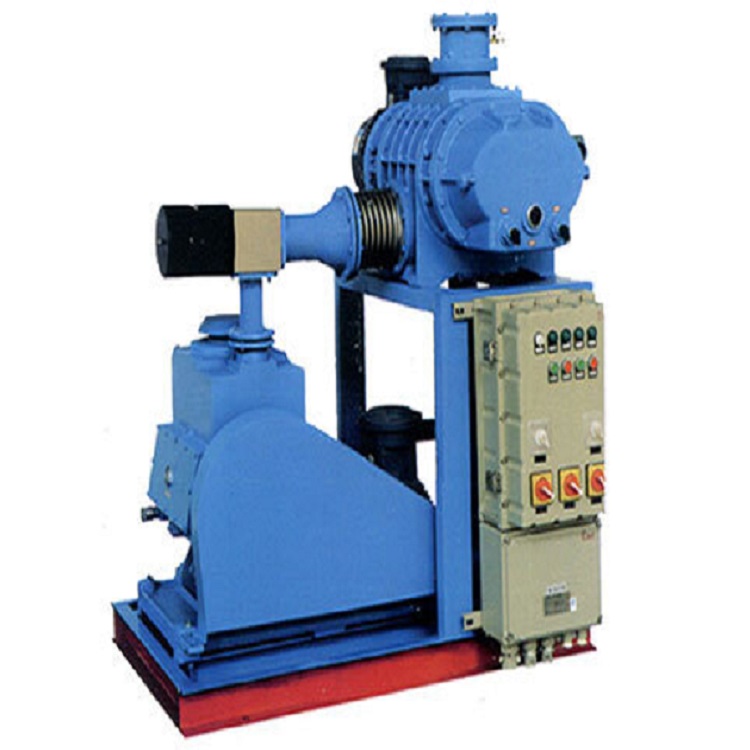
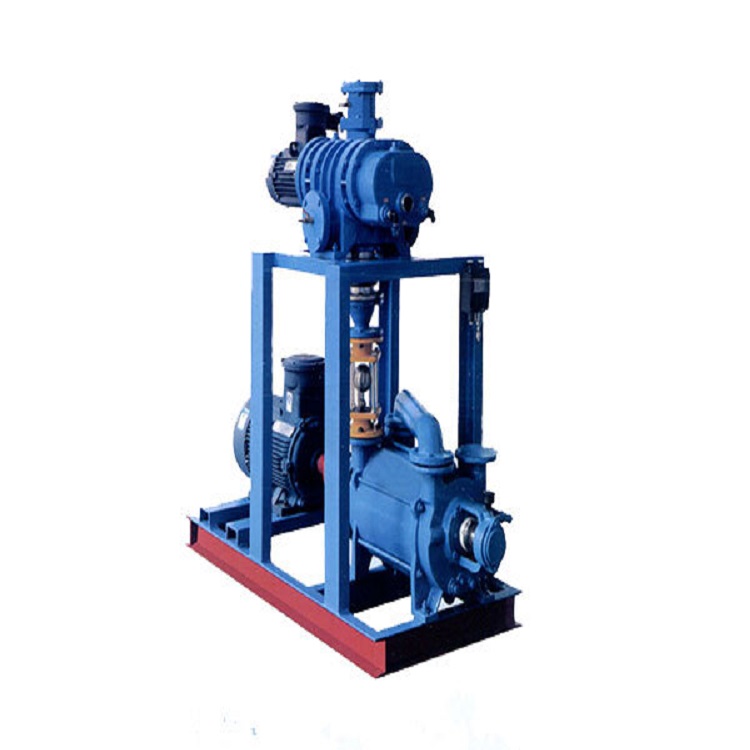
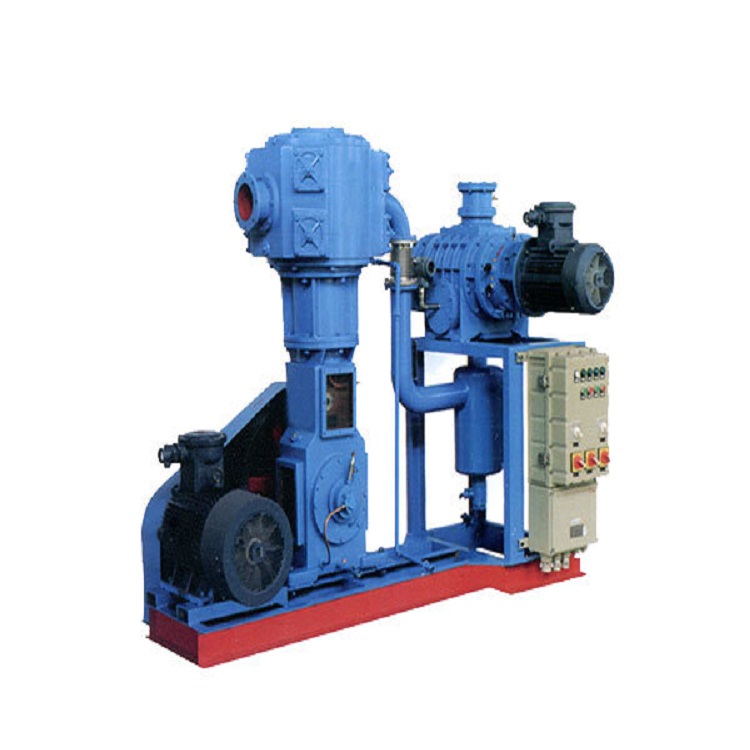
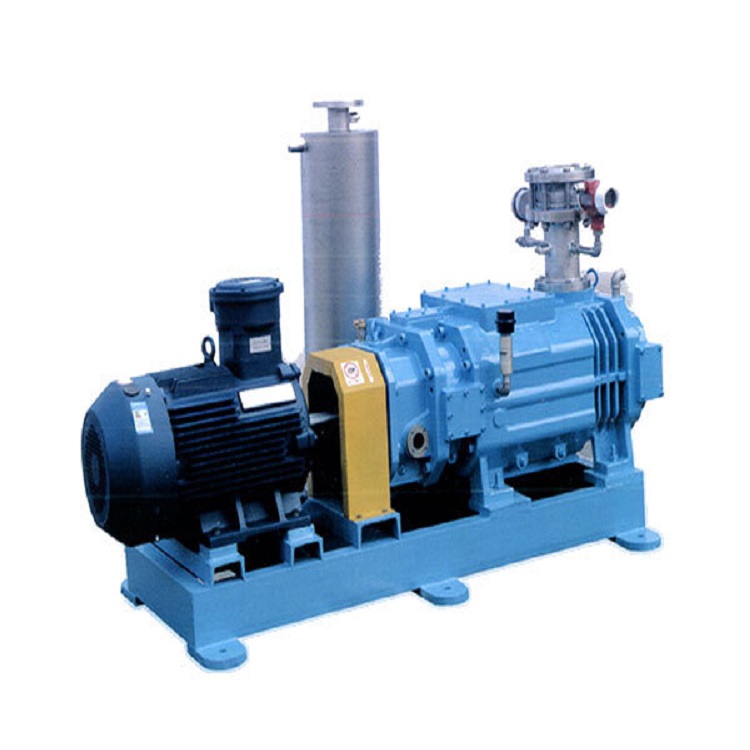
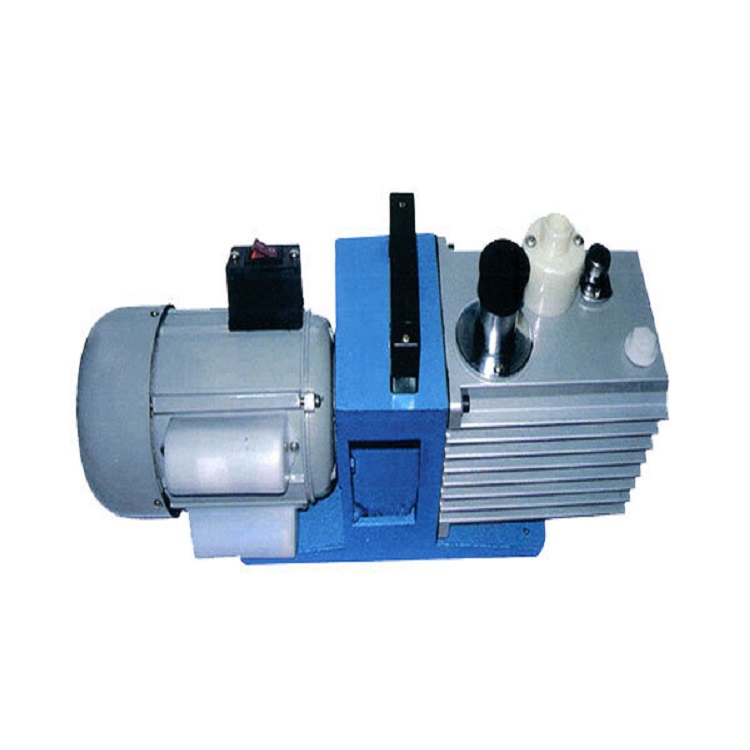
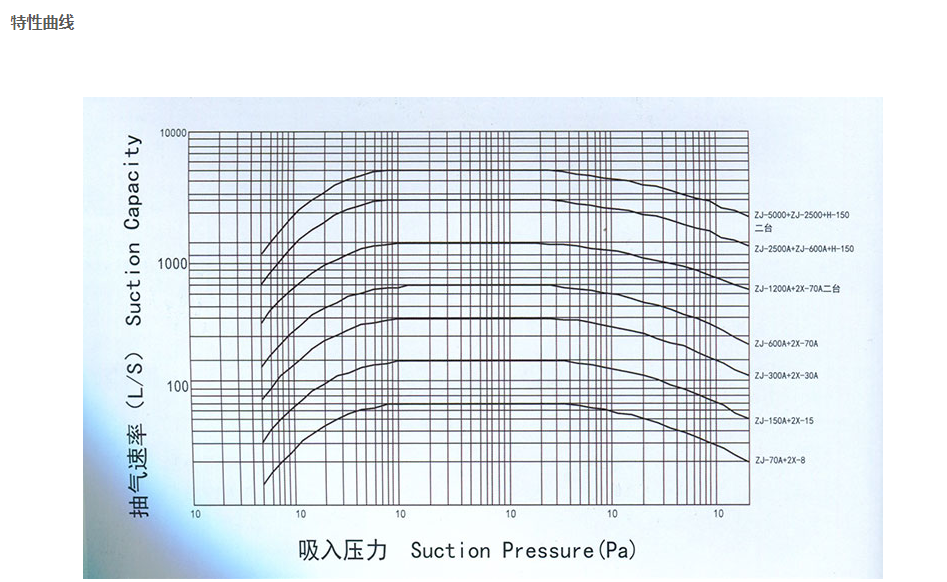
The ZJ series Roots vacuum pump is a rotary variable-volume vacuum pump that requires a primary pump to be used. It offers high suction capacity over a wide pressure range and is insensitive to dust and water vapor in the pumped gas. It is widely used in industries such as metallurgy, chemical engineering, food, and electronic coating.

Note: 1. The exhaust rate refers to the maximum exhaust rate measured at the inlet pressure of the Roots vacuum pump within the range of 6650Pa to 2.66Pa, under the condition of using the recommended preliminary pump.
2. Limiting pressure refers to the minimum stable partial pressure of air measured at the pump inlet using a compressed vacuum gauge, after thorough evacuation, under the conditions of the recommended preliminary pump, with no additional containers and the pump outlet sealed to prevent air entry.
3. The performance levels listed in the table are obtained under the condition of using the recommended booster pump. Users can choose different booster vacuum pumps based on different situations; however, their main performance indicators may vary.
4. Weight refers to the total weight when matching with Y series electric motors.
Roots vacuum pumps (abbreviated as Roots pumps) are a type of variable-volume vacuum pump featuring two impellers rotating in opposite directions synchronously within the pump, with small gaps between the impellers and the inner wall of the pump casing, ensuring no contact.
Root vacuum pumps have undergone long-term operation in equipment such as oil, chemical, plastic, pesticide, steam turbine rotor dynamic balancing, aerospace space simulation, and should be vigorously promoted and applied domestically. They are also widely used in industries such as oil, chemical, metallurgy, and textile. Vacuum pump accessories, acting as noise dampers, are used for noise control in vacuum pumps.
The arrangement of the two rotors in a Roots vacuum pump within the pump body determines its overall structure. Generally, there are three common layout schemes for the overall structure of Roots vacuum pumps, both domestically and internationally:
1. Vertical: The axes of the two rotors are horizontally installed, but the plane formed by the axes of the two rotors is perpendicular to the horizontal plane. This structure features a horizontal arrangement of the pump's intake and exhaust ports, making assembly and pipeline connection relatively convenient. However, its drawback is that the pump's center of gravity is too high, resulting in poor stability at high speeds. Therefore, this structural type is not commonly used, except for small-sized pumps.
2. Horizontal Type: The axes of the two rotors are horizontally installed, and the plane formed by the axes of the two rotors is horizontal. In this structure, the pump's intake is at the top and the exhaust at the bottom (or vice versa). The exhaust outlet below is usually horizontally connected, so the intake and exhaust directions are perpendicular to each other. The exhaust outlet is connected to a T-pipe, which opens in two directions; one end is connected to the exhaust pipe, and the other end is used when dead-ended or connected to a bypass valve. This structure features a low center of gravity and good stability at high speeds. This type of structure is widely used in medium and large-sized pumps both domestically and internationally.
3. Vertical Axis: Some foreignRoots-type vacuum pumps have two rotors with their axes perpendicular to the horizontal plane. This structure allows for easy control of assembly gaps, simple rotor assembly, and a small footprint. However, the installation and removal of gear and other transmission mechanisms are not convenient, and the lubrication system is also relatively complex.
Keyword:
Roots vacuum pump