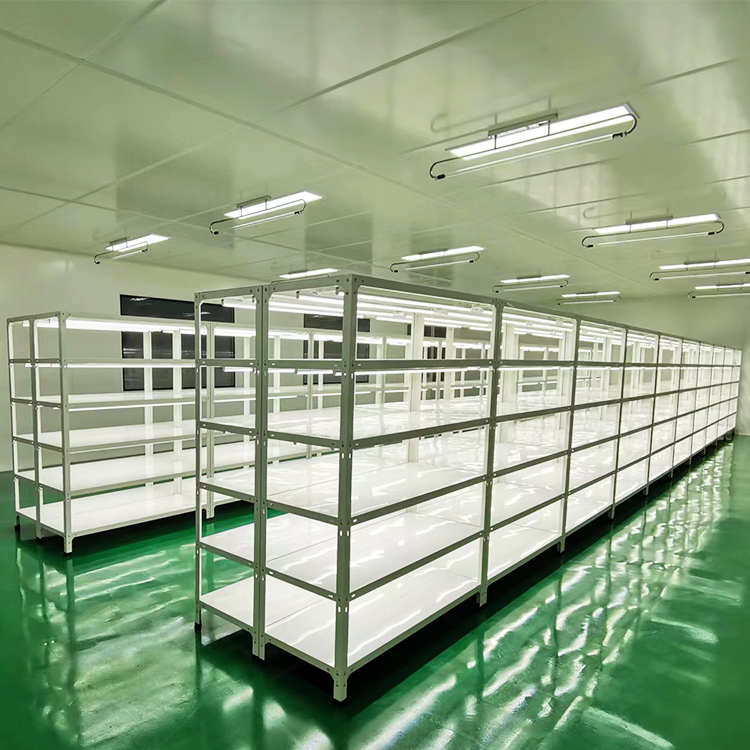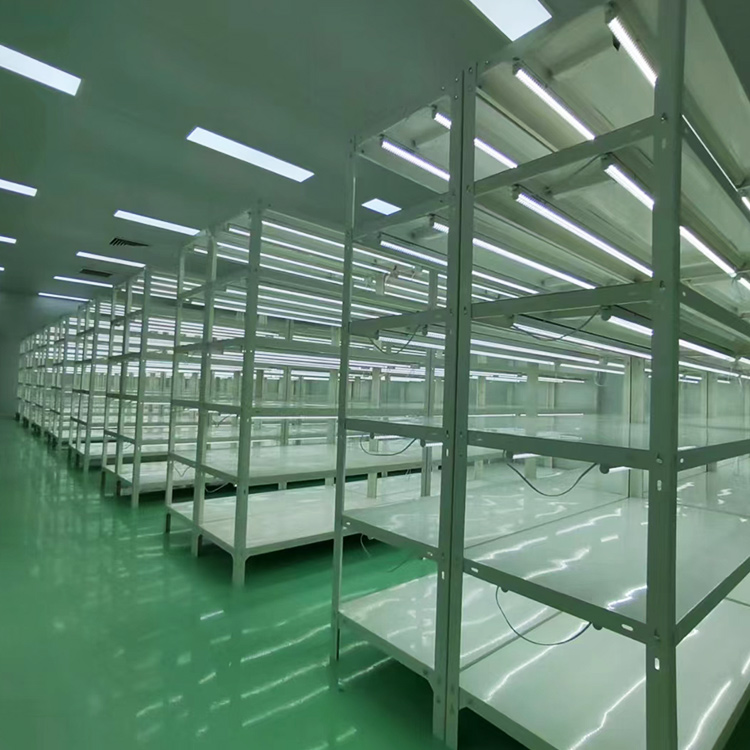











A framed propagation rack is a specialized piece of equipment, primarily used to enhance teamwork and communication, as well as in applications such as laboratories, greenhouses, and industrial seedling nurseries. Below is a detailed explanation of its features and applications:
In team applications, the tissue culture shelf serves as a tool to help team members better understand each other's roles and responsibilities, and coordinate work among departments. By jointly setting goals, planning tasks, and monitoring progress, it enhances the team's efficiency and cohesion. Additionally, the tissue culture shelf provides a common communication platform for the team, fostering communication and understanding among members, and strengthening the relationships between team players.
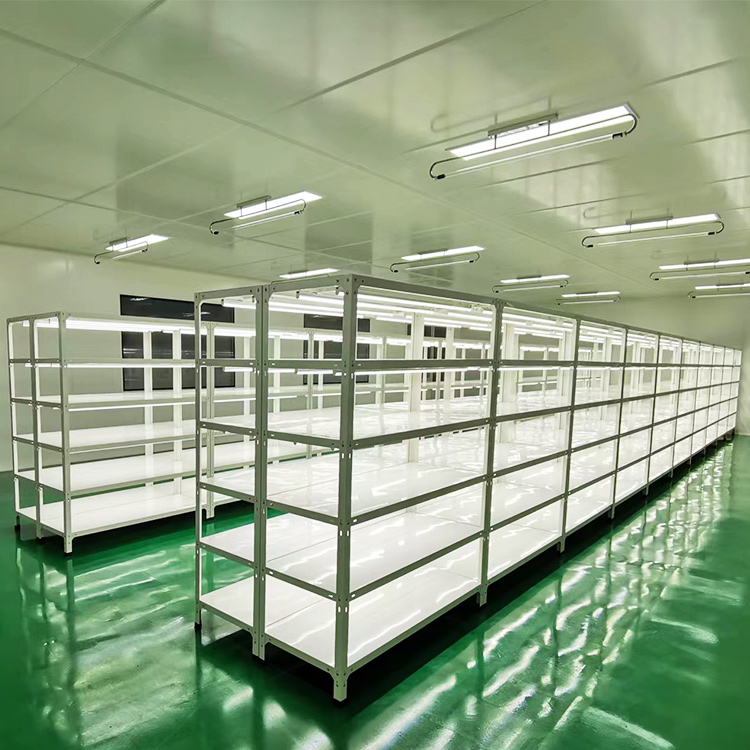
In terms of structure, the frame-style culture racks feature easy assembly, robustness, and durability. The columns and beams are connected with snap-fit mechanisms, allowing for manual installation with ease, ensuring stability and reliability. Each layer boasts strong load-bearing capacity. Additionally, the design is scientifically rational, utilizing diagonal tension triangle welding methods, enhancing load-bearing capacity and stability further.
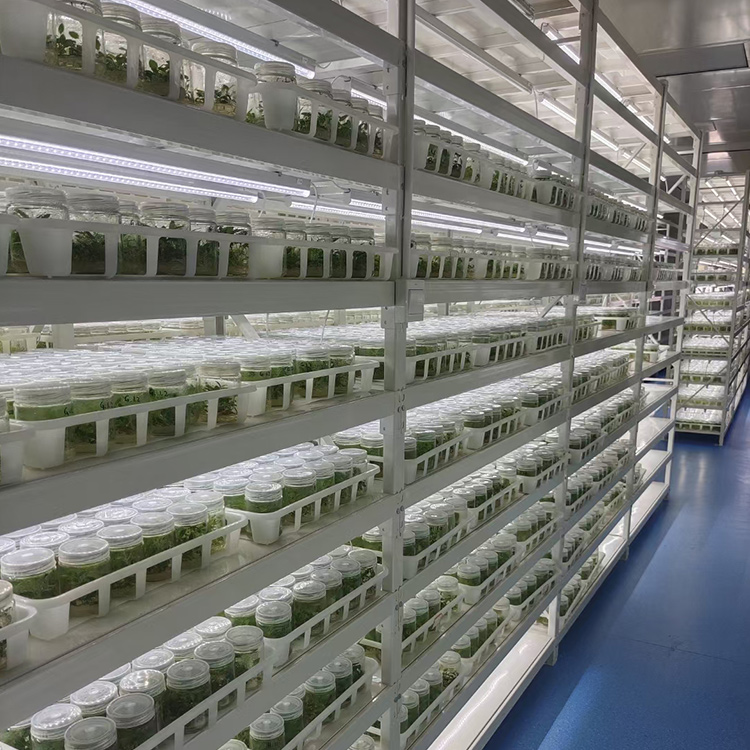
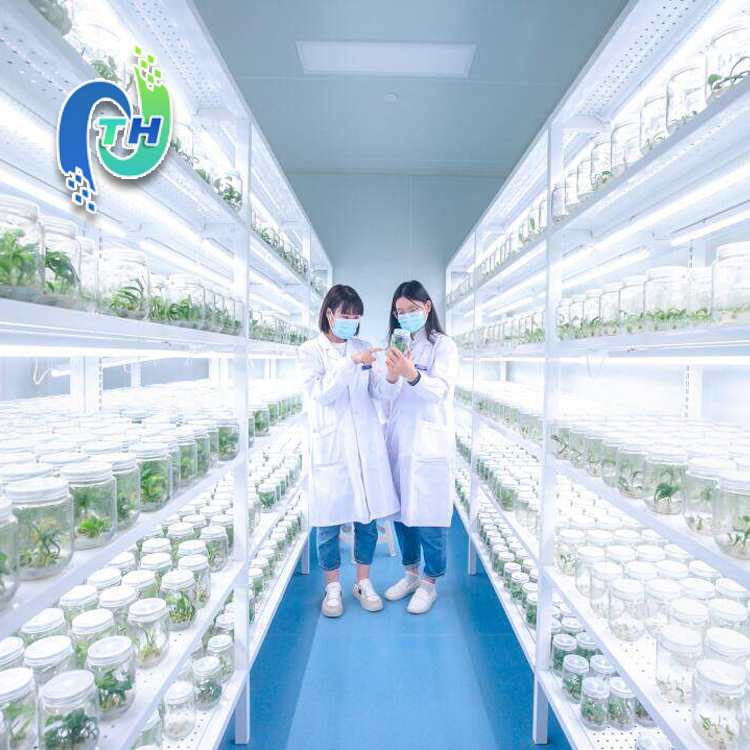
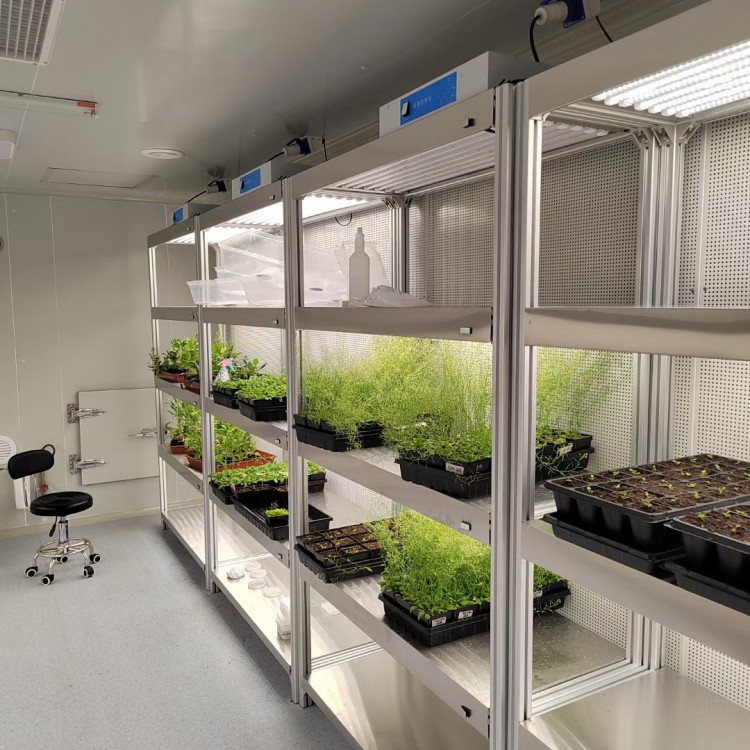
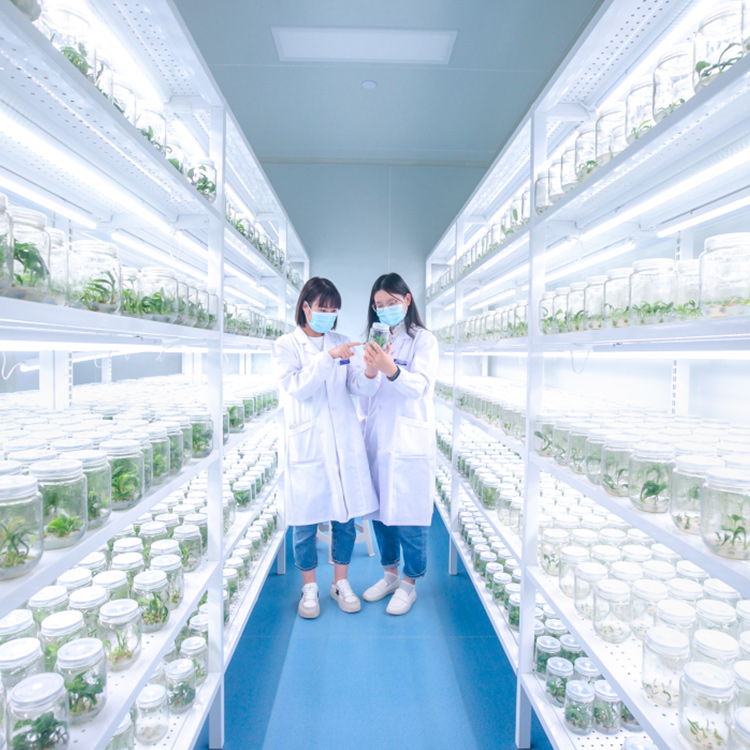
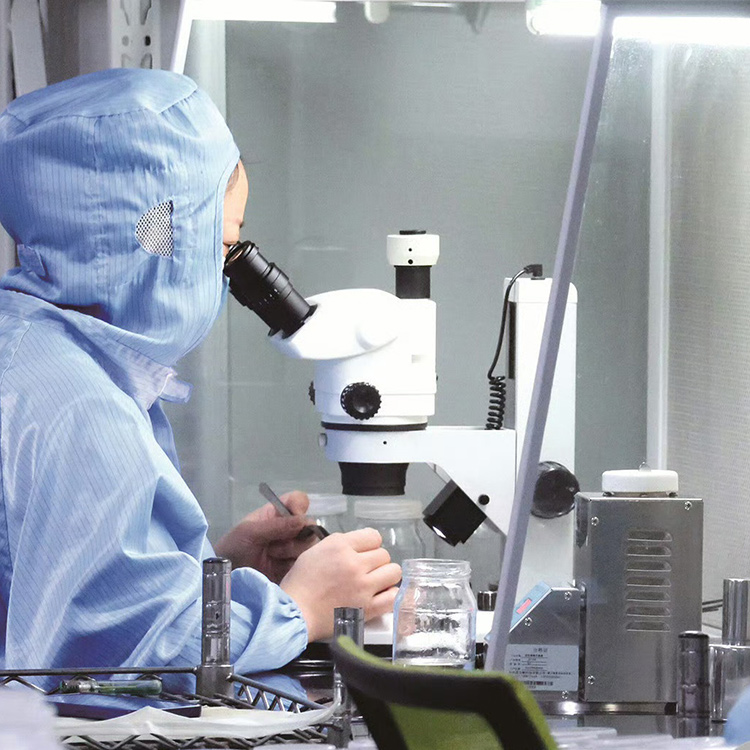
In laboratory applications, tissue culture racks are primarily used for placing plant tissue culture bottles and other necessary experimental equipment. They are typically made of rust-resistant materials such as stainless steel or aluminum alloy to ensure the accuracy and reliability of experimental results. Additionally, the mobility and adjustability of the tissue culture racks allow experimenters to make adjustments and operations as needed.
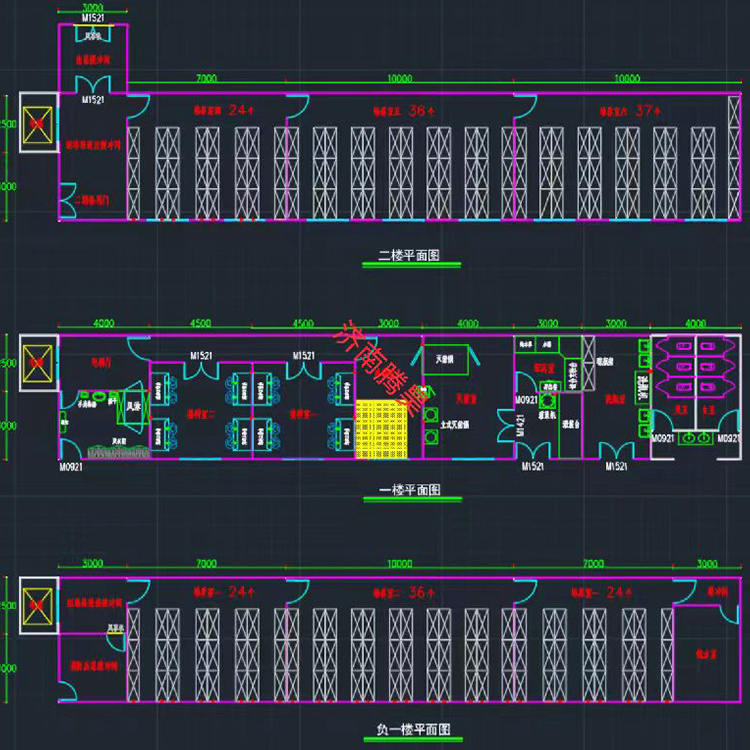
In greenhouses or factory-style seedling facilities, tissue culture racks are primarily used for placing seedlings and other plants requiring special environmental conditions. They can be customized in various shapes and sizes to cater to the growth needs of different plants. Furthermore, lighting, humidification, and ventilation equipment can be added as needed to provide a more suitable environment.
In addition, some advanced frame-type tissue culture racks are equipped with microcomputer controllers, enabling automatic timing on/off, with each layer independently controllable, saving time and effort. The supplementary lighting uses rare earth phosphorescent materials, increasing light intensity with the same wattage, and the spectrum can be adjusted according to different uses, providing plants with precise lighting solutions.
Overall, frame-style tissue culture racks are widely used in various fields due to their reasonable design and comprehensive functions, catering to different environments and usage requirements.