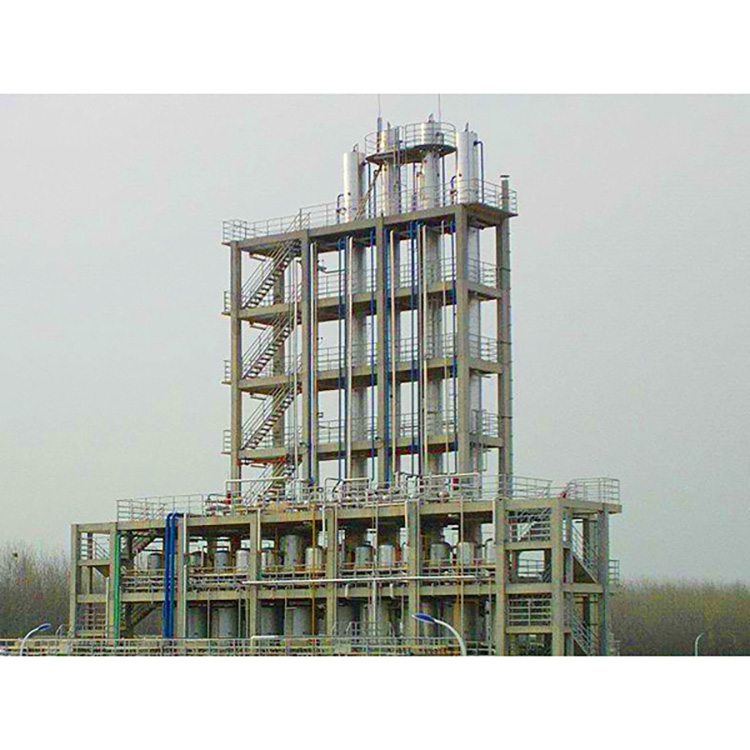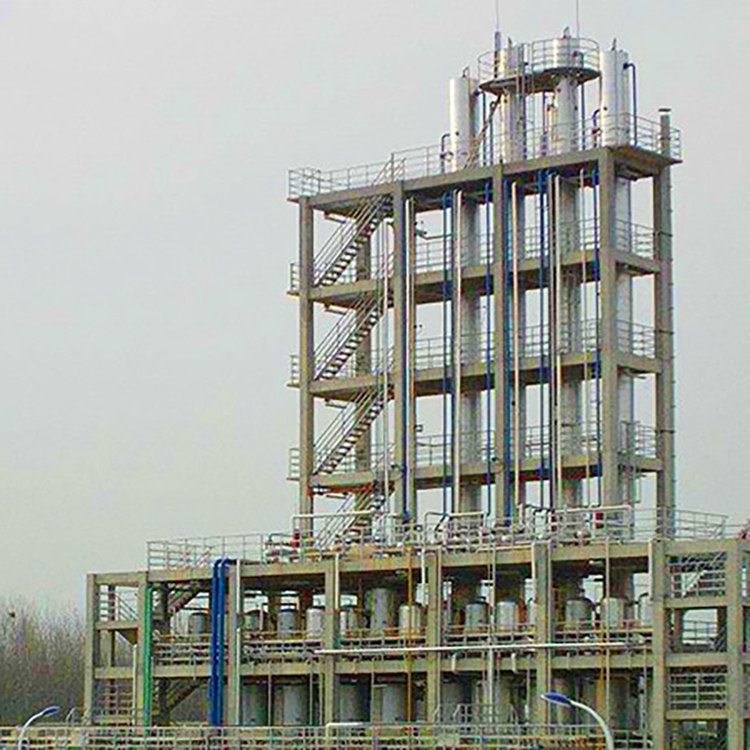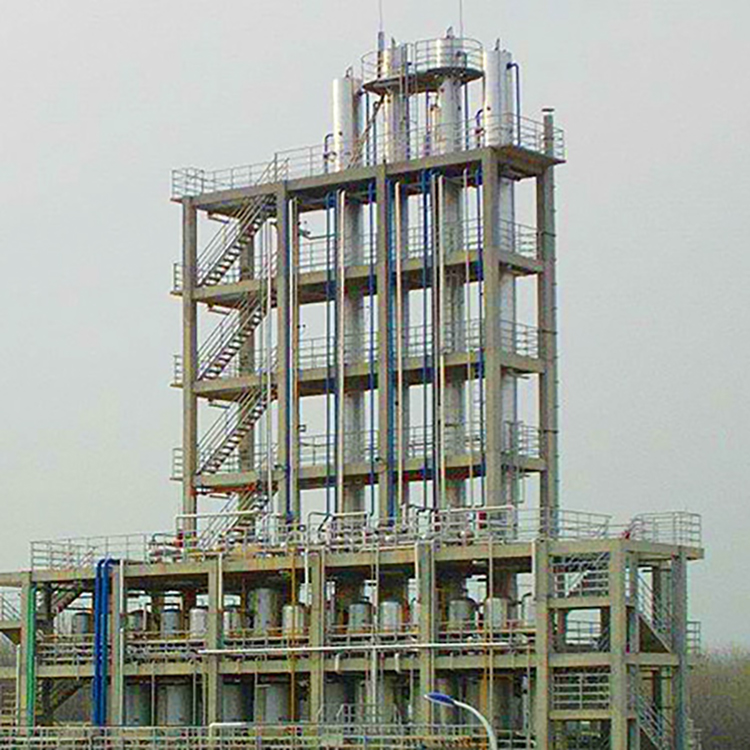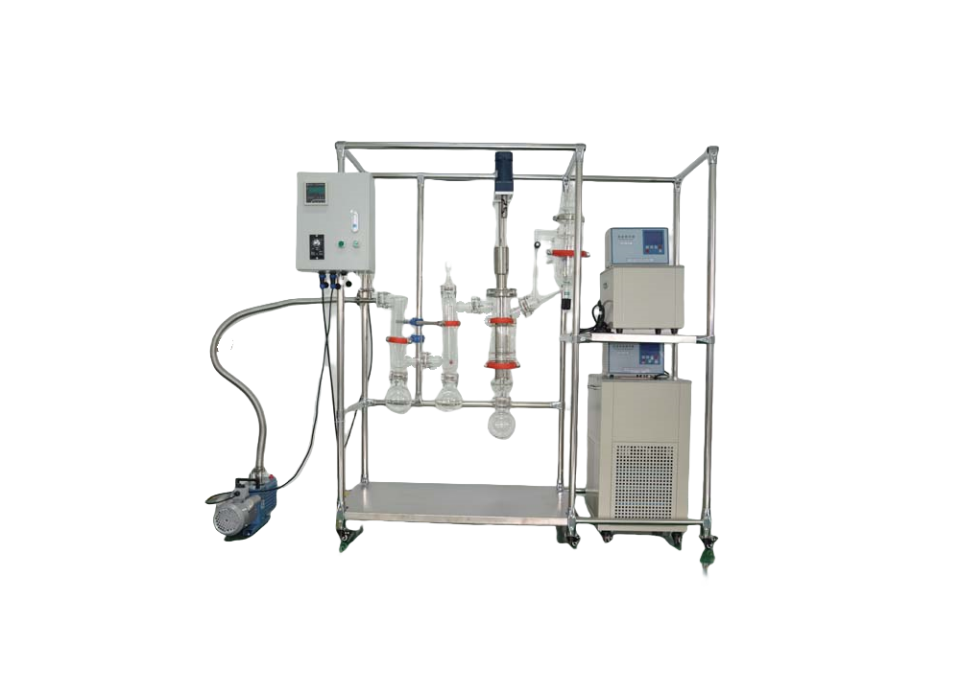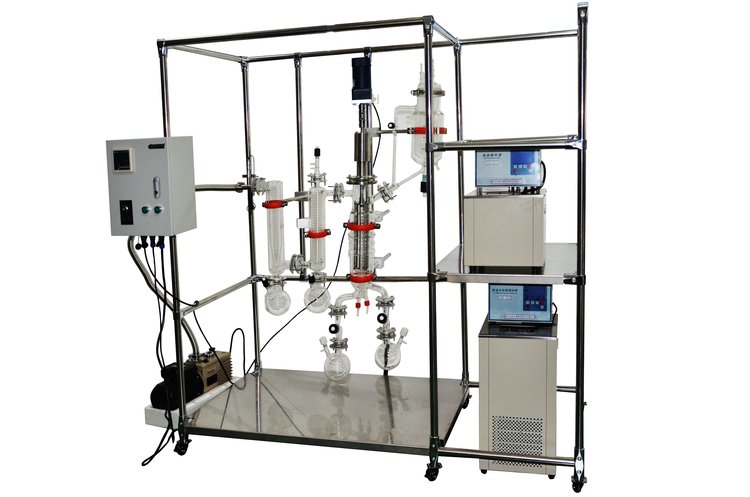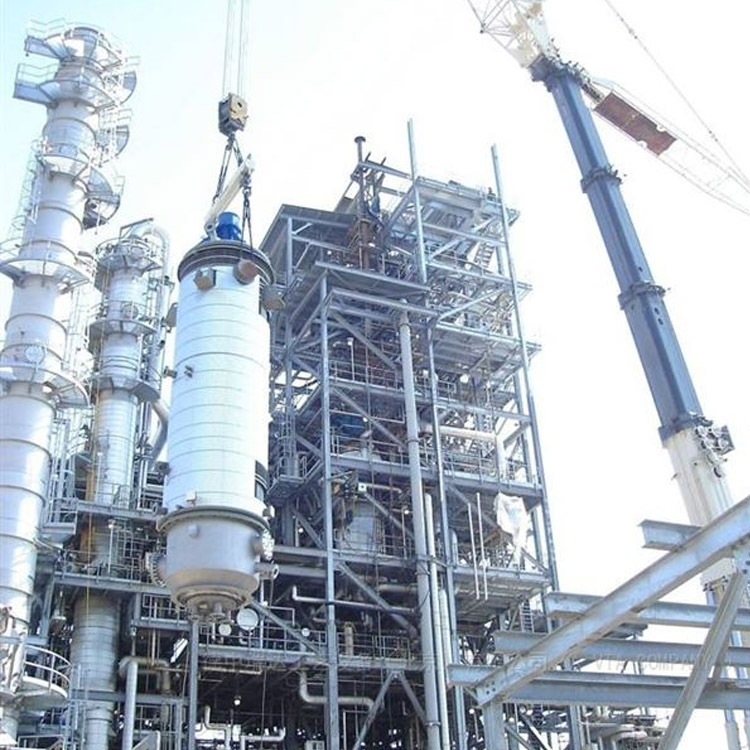

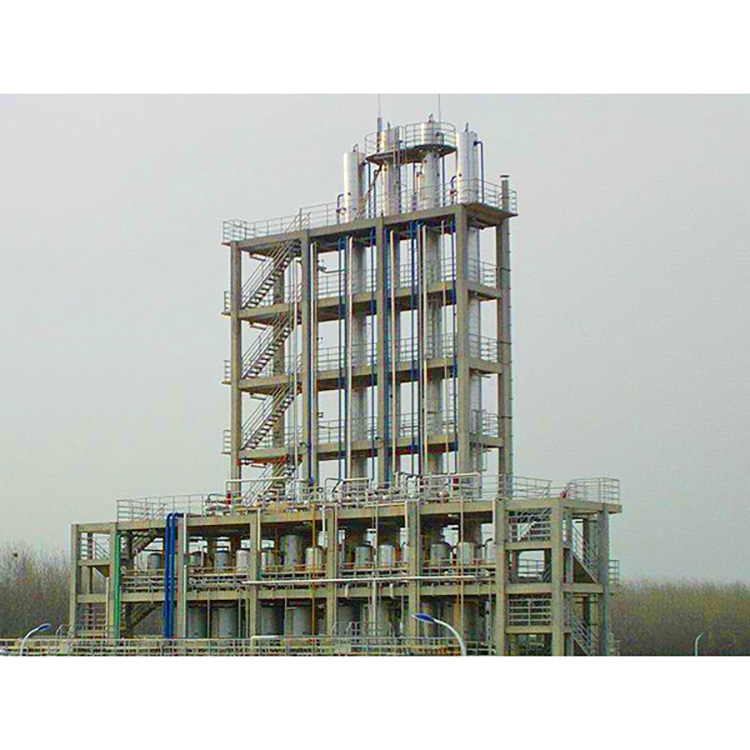

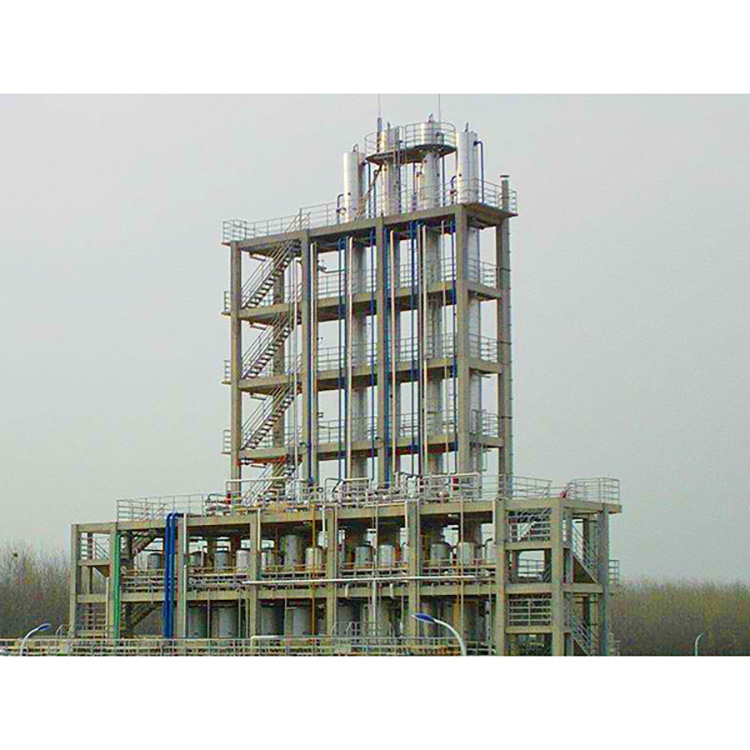

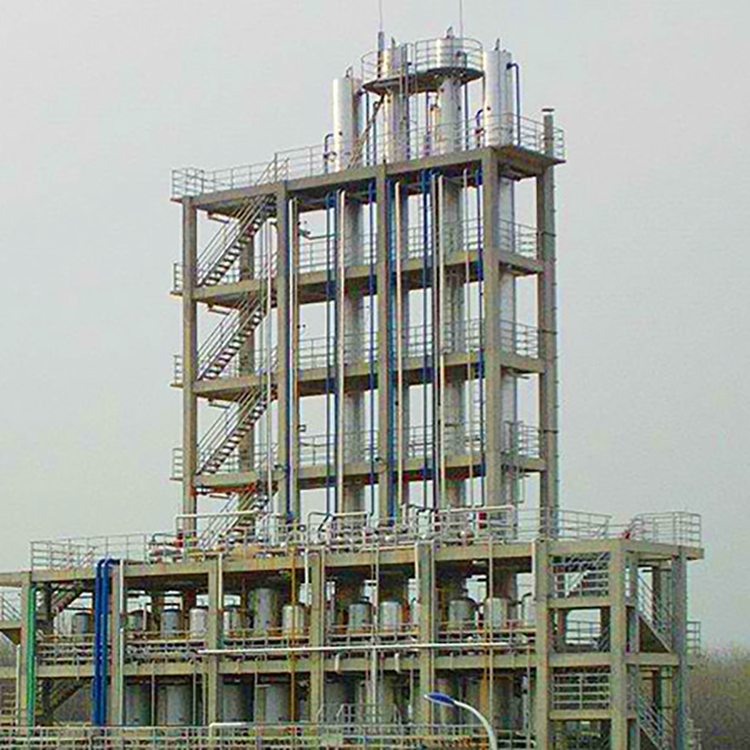









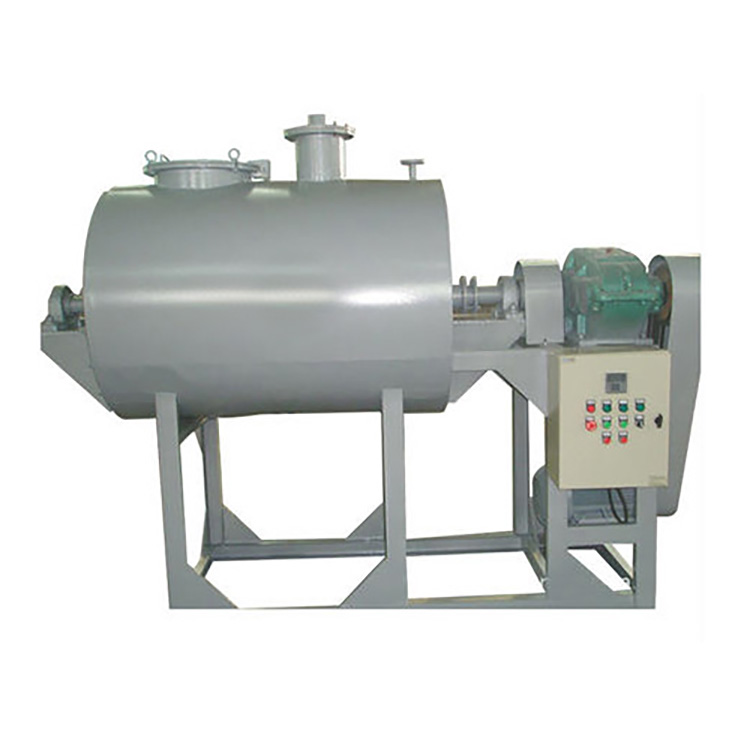
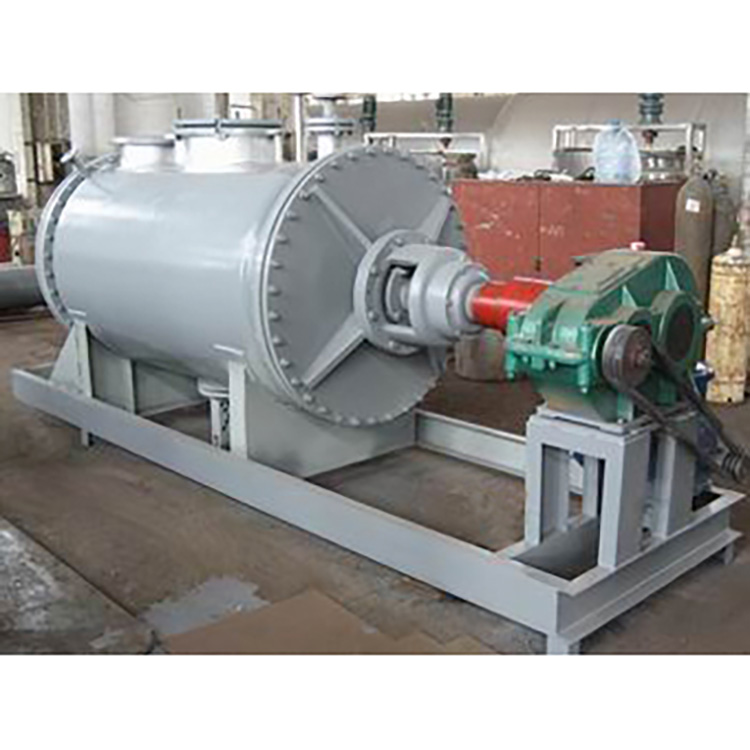
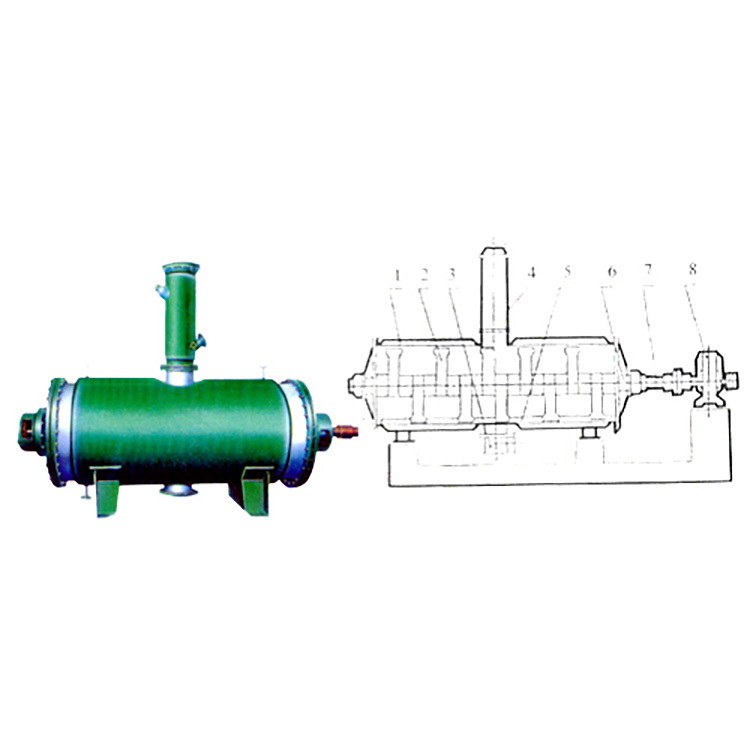
Distillation Tower

Distillation towers, made from rare metals like titanium and their alloys, are chemical equipment characterized by high strength, great toughness, high-temperature resistance, corrosion resistance, and light weight. Consequently, they are widely used in industries such as chemicals, petrochemicals, metallurgy, light industry, textiles, soda production, pesticides, electroplating, and electronics.
Principle and Classification of Distillation Towers
Tower equipment varies widely, with distillation towers being a type of tower for gas-liquid contact used in distillation. There are mainly two types: tray towers and packed towers. The comparison between tray towers and packed towers is a complex issue involving many factors. Selection should consider material properties, operating conditions, performance of the tower equipment, as well as the manufacturing, installation, operation, and maintenance of the tower equipment. The distillation principle of a distillation tower involves part of the liquid being vaporized, taking advantage of the different volatility characteristics of its components to achieve separation. The tower bottom is liquid, while the top馏出gas.
The working principle of a distillation tower is not limited to purifying alcohol. Its primary function is to separate mixed liquids, utilizing the principle that different liquids have different volatilities (boiling points) under varying conditions, such as temperature differences, to achieve liquid separation and purification. Distillation towers are mainly categorized into plate towers and membrane towers. Plate towers are more common, and their structure can be divided into three parts: plates, a reboiler, and a condenser.