









Usage Brief
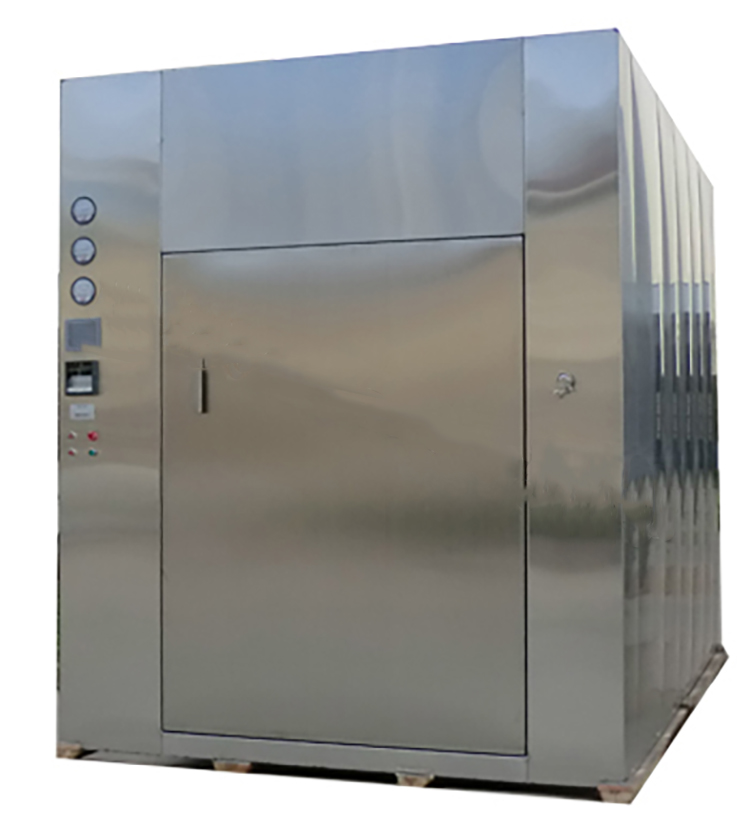
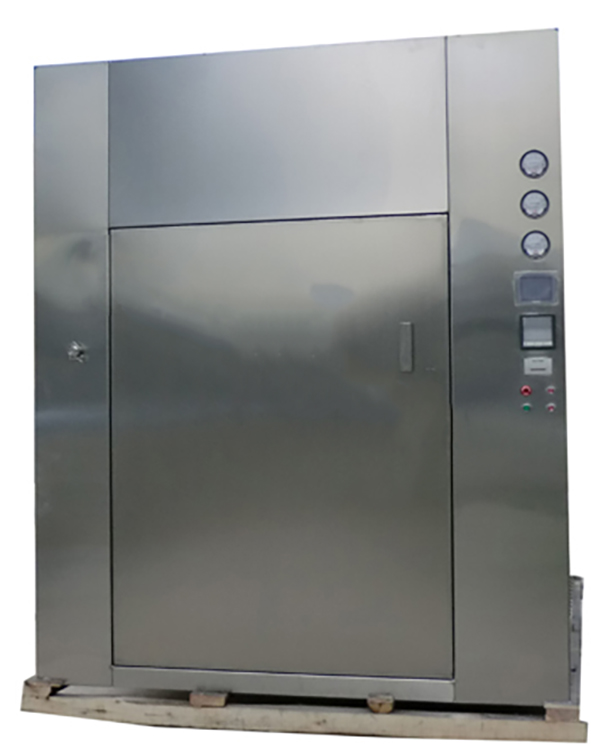
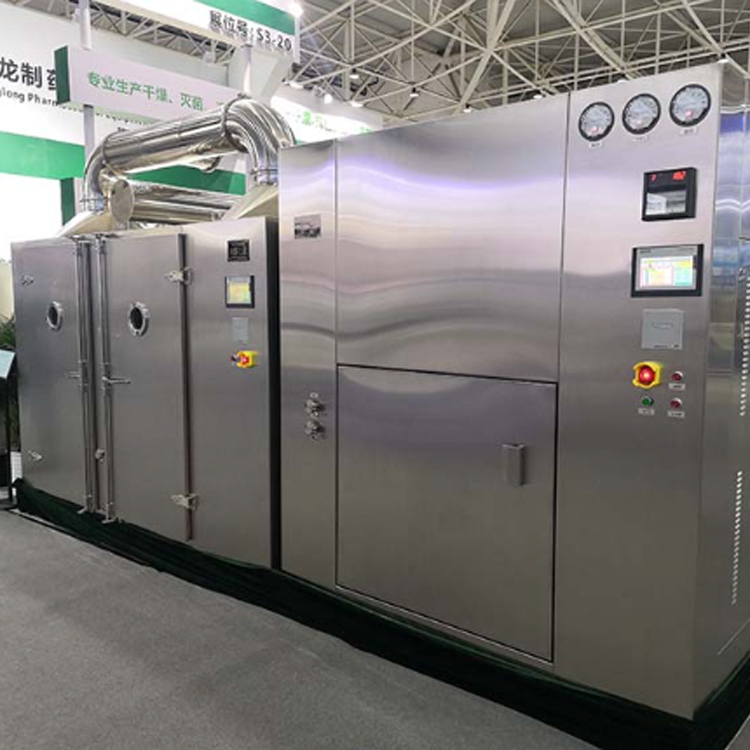
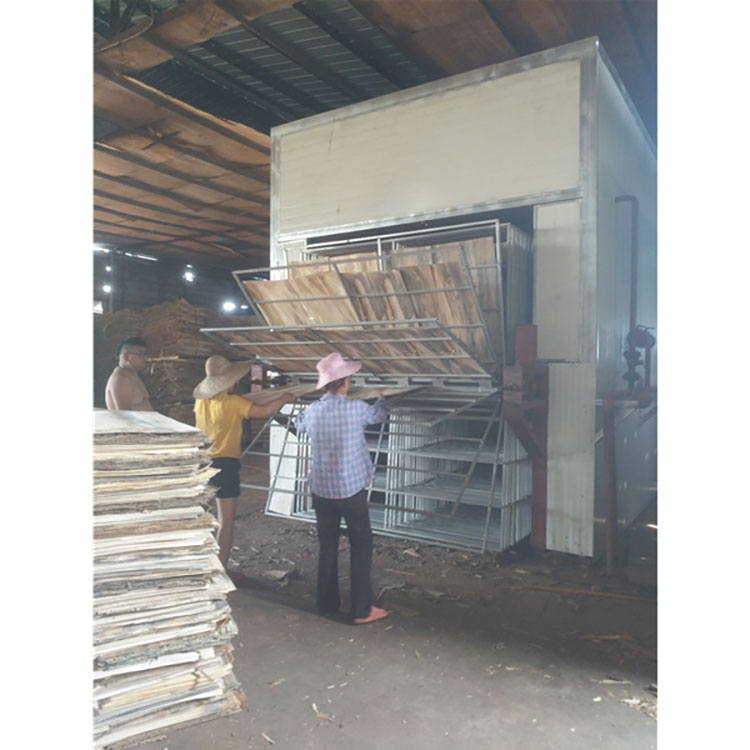
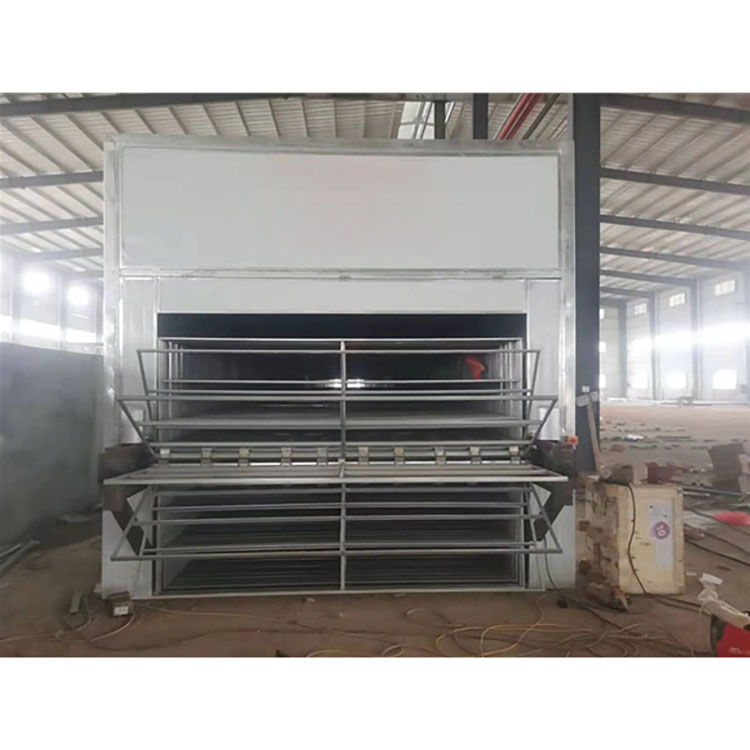
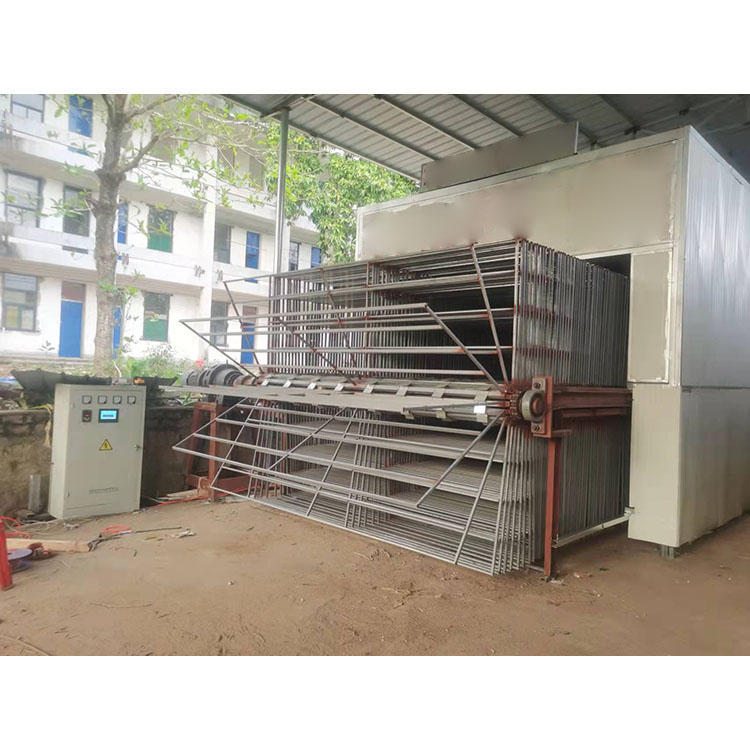
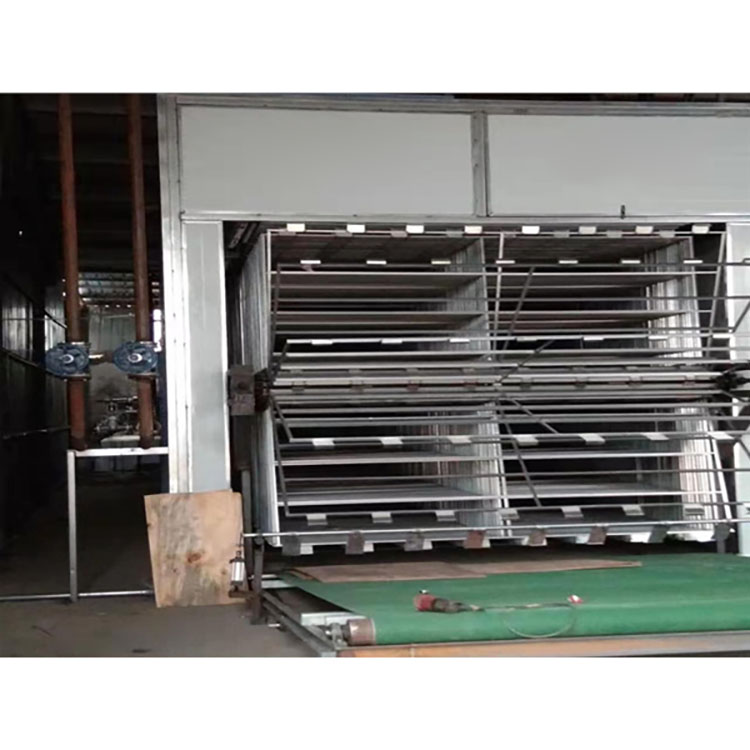
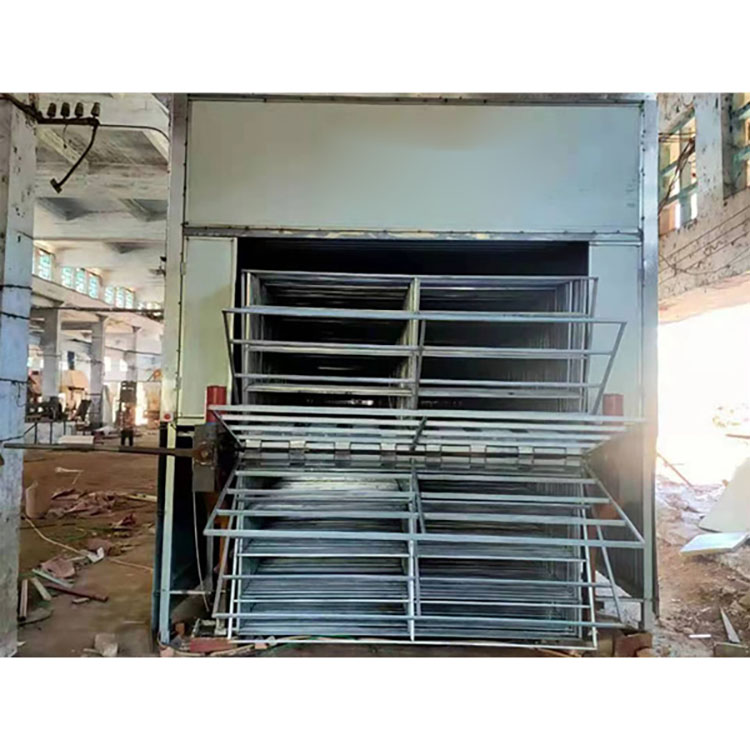
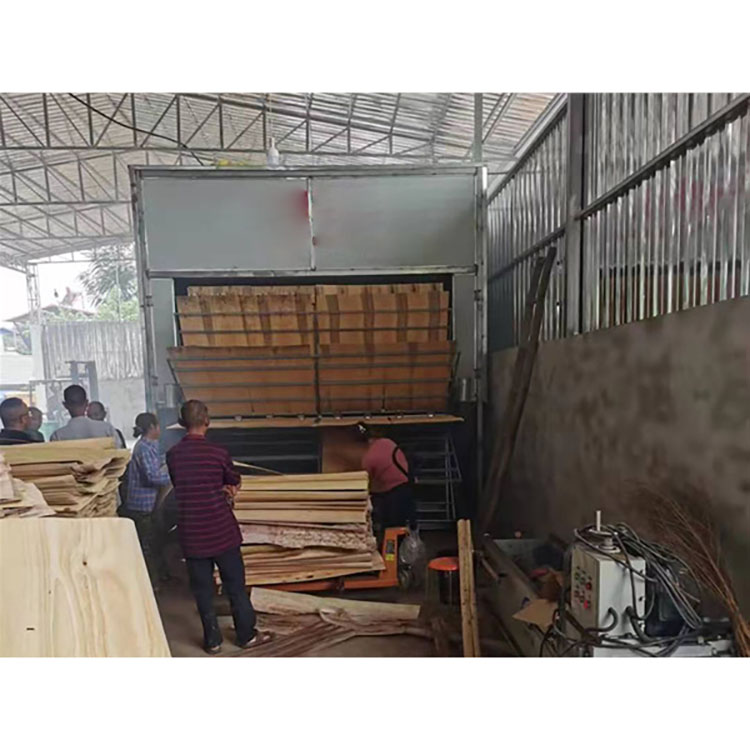
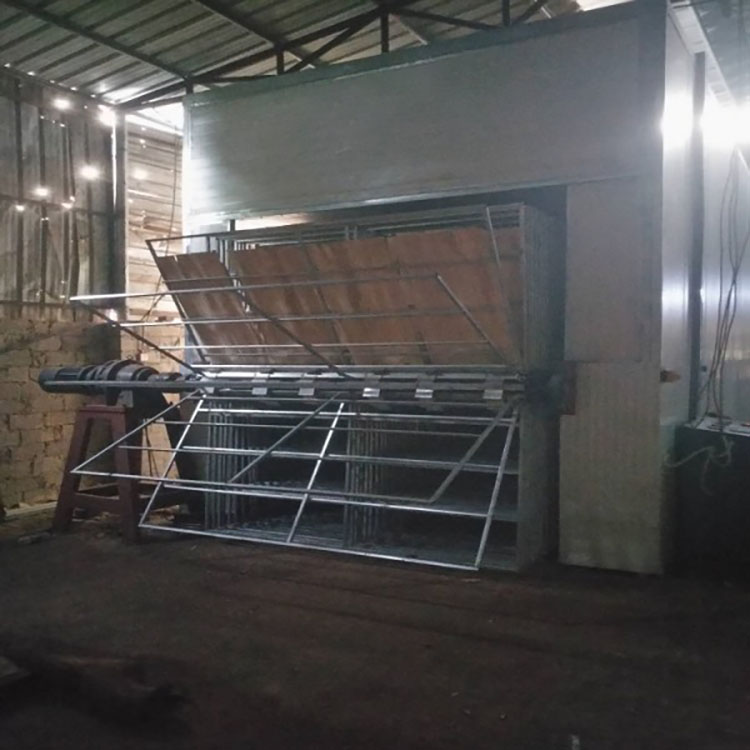
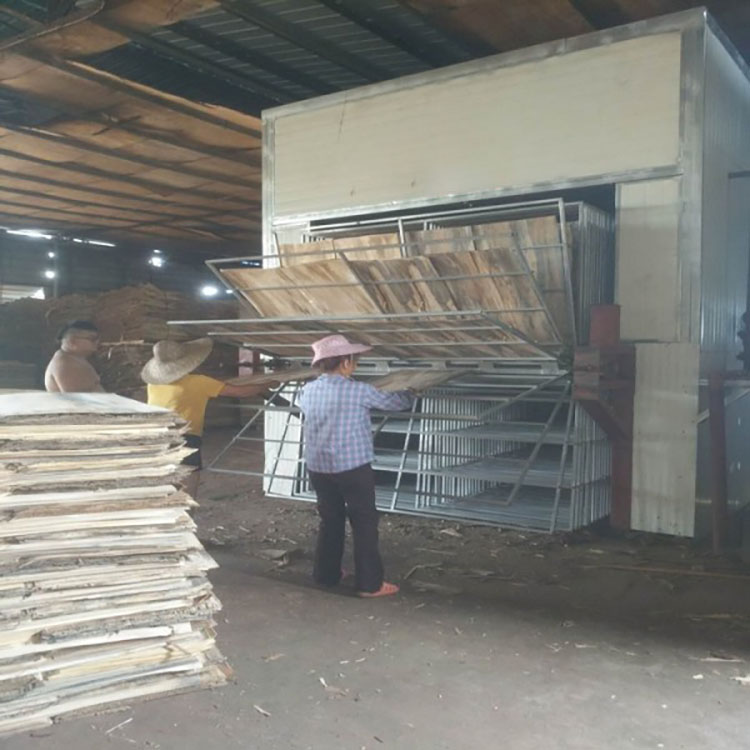
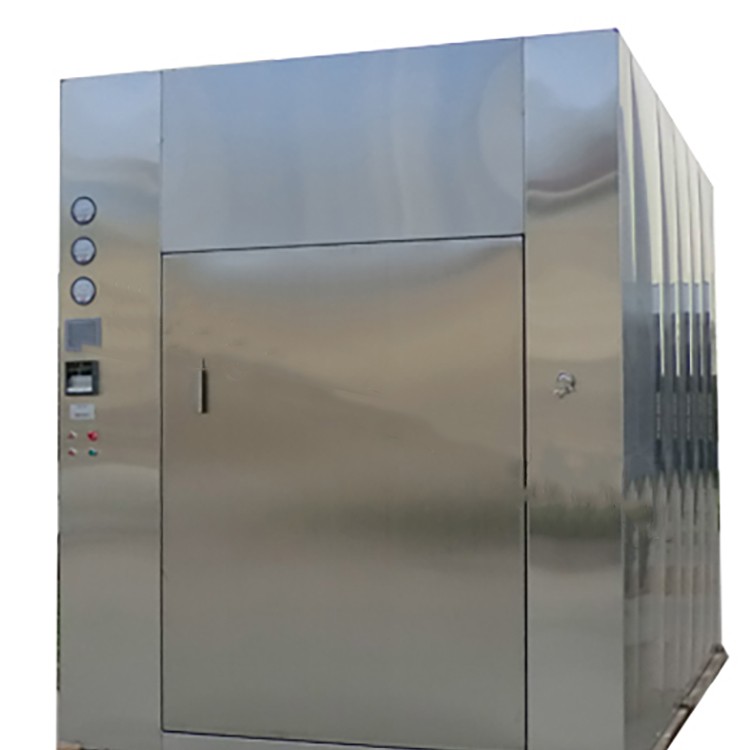
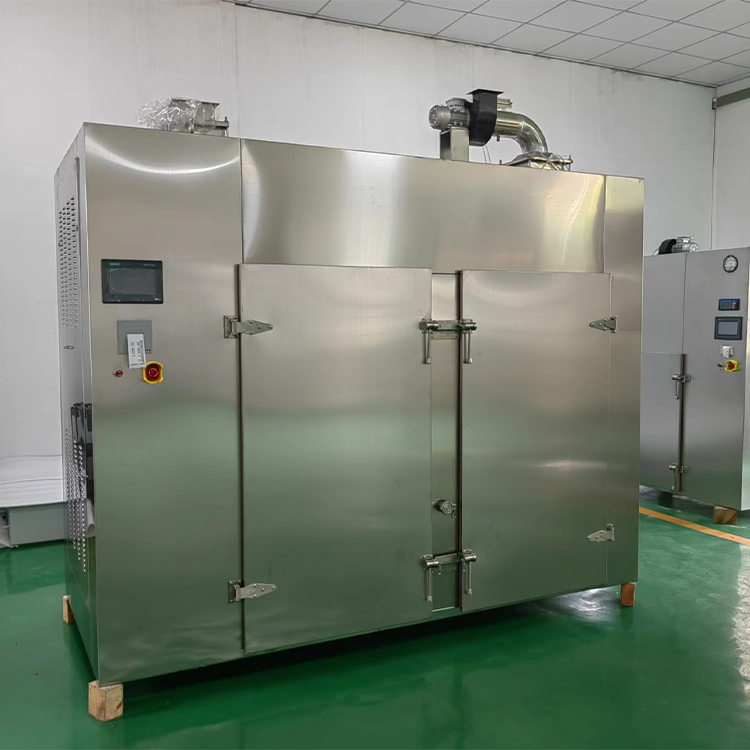
The DMH series sterilization door-to-door sterilization and drying oven is suitable for sterilization and heat source removal of vials, ampoules, aluminum caps, tools, and glassware in the pharmaceutical, food, and chemical industries, as well as for sterilization and drying of solid materials.
2. The DMH series of sterilization ovens with double doors for purification is our company's latest generation product developed in recent years. It has passed GMP certification in hundreds of domestic pharmaceutical and food enterprises. The control system of this equipment uses imported components, offering precise and sensitive control, and stable operation.
3. Touchscreen and PLC operating systems use Japanese or German (Siemens) technology; internal cabinet pressure monitoring employs U.S. (Dwyer) instruments.
Principles and Features:
1. DMH series dry heat sterilization ovens, combining the advantages of overseas manufacturing and carefully designed and developed, are adopted by pharmaceutical companies both domestically and internationally, meeting the requirements of the new GMP, EU certification, and US FDA certification manufacturing standards.
2. The dry heat sterilization oven is equipped with PLC control, featuring manual/automatic operation, a touch screen human-machine interface, and dual heating protection functions.
3. The design allows for a maximum temperature of 350°C, with an efficient thermal distribution ±3°C under no-load conditions, achieving a cleanroom environment of Class 100 inside the chamber.
4. The dry heat sterilization oven features a full-welded structure, internally polished to Ra≦0.4, ensuring no dead corners or sharp edges.
5. The device features temperature verification and DOP detection interfaces.
6. The DMH series is available for selection, and configurations and dimensions can also be customized according to the user's application, site, yield, etc.
Dry Heat Sterilization Oven Process Description
Ⅰ. Program Startup and Process Control
Preparation Phase (Point 0 in Figure ①)
2. Heating Stage (points 0-1 in Figure ①)
3. Dewatering Stage (points 0-1 in Figure ①)
4. Sterilization Stage (points 1-2 in Figure ①)
5. Cooling Stage (Points 2-3 in Figure ①)
6. Termination Phase (Points 3-4 in Figure 1)
Technical Specifications:

Cleanliness Level: The outer dimensions are as listed below:


The working curve of the drying sterilization program is shown in Figure ①, with each stage of the process described as follows:
Preparation Phase (Point 0 in Figure ①)
1.1 Stage Description
During the preparation stage, set the sterilization parameters such as: sterilization temperature of 250°C, sterilization time of 45 minutes, alarm temperature value, and moisture removal, which can be set in stages based on the material's humidity, including moisture removal temperature and time. Then, the following conditions must be met before initiating the program.
1) The program is in the automatic state.
2) All other programs are in the "Preparation" state.
3) Both doors are in the closed position.
4) All temperature sensors are functioning normally.
1.2 Alarm during this phase
If the conditions in section 1.1 are not met, pressing the program start button will trigger an alarm and display an alert message on the touchscreen.
1.3 Termination Conditions for This Phase
Operators initiate the "Sterilization Phase"
2. Heating Stage (points 0-1 in Figure ①)
2.1 Description of Heating Phase
1) Activate the auto button.
2) Circulation fan activation
3) Heat start-up
4) Moisture exhaust valves activate and close with the rise in temperature.
5) Start the recorder and printer until the end stage.
2.2 Alarm during this phase
Recirculating fan protection alarm, over-temperature alarm, internal box pressure alarm.
2.3 Termination Conditions for This Phase
T1 ≤ Set Value
3 Moisture Removal Stage (points 0-1 in Figure ①)
3.1 Description of Moisture Removal Stage
1) Circulating fan start-up.
2) Heat start-up;
3) There are 5 stages of moisture removal, with the moisture valves automatically opening and closing based on predefined time intervals.
4) Recorder and printer powered on.
3.2 Alarm during this phase
Recirculating fan protection alarm, over-temperature alarm, internal cabinet pressure alarm.
3.3 End Conditions for This Stage
T1 is greater than or equal to the set value.
4 Sterilization Stage (points 1-2 in Figure ①)
4.1 Sterilization Stage Description
1) Circulation fan activation.
2) Heat-up Start
3) Heating tubes automatically turn on and off based on PID control from the temperature controller.
4) Recorder and printer activation;
4.2 Alarm during this phase
Recirculating fan protection alarm, over-temperature alarm, internal box pressure alarm.
4.3 End Condition of This Phase
Sterilization time reaches the set value (≥45 min)
4.4 Notes
Sterilization temperature set at 250°C, during the sterilization phase, the temperature is maintained between 250°C-251°C through the circulation of air within the inner chamber.
5 Cooling Stage (points 2-3 in Figure ①)
5.1 Description of Cooling Stage
1) Circulating fan starts up.
2) Heat cessation
3) Cooling fan activation;
4) Moisture-removing fan activation
5) Moisture drainage valve activation
6) Recorder and printer boot up;
5.2 Alarm during this phase
Recirculating fan protection alarm, internal box pressure alarm
5.3 End Condition for This Phase
T1≤60℃
6 Completion Stage (points in Figures 1-3-4)
6.1 Description of Completion Phase
1) Supplement fan startup.
2) Internal pressure ≥ 20 Pa
3) Recorder and printer stopped.
4) The printed report should include the following content:
a) Real-time printing of production batches;
b) Heating, Fungus Control, and Cooling Processes
c) Case pressure differential data;
d) FH Value
5) Notify program completion.
Test results: Pass or fail.