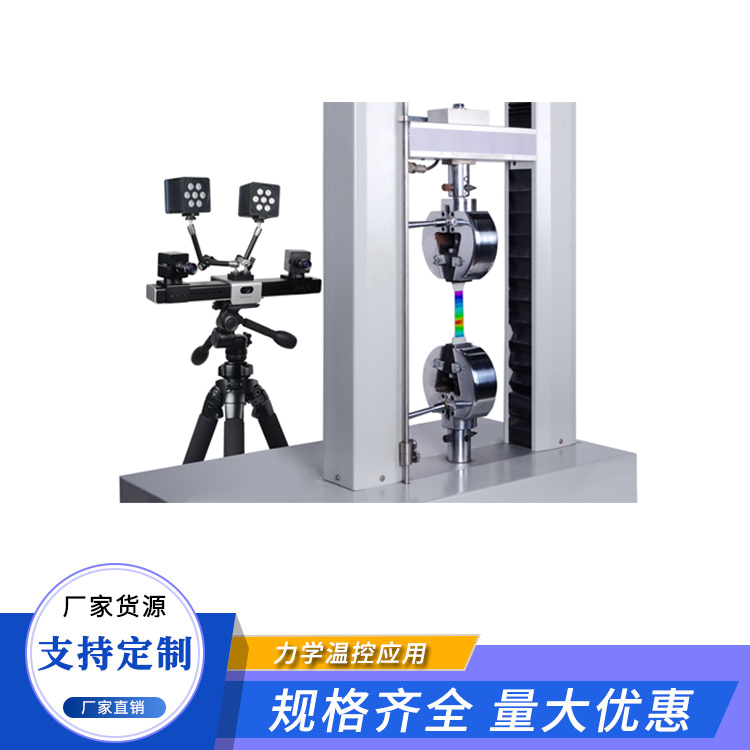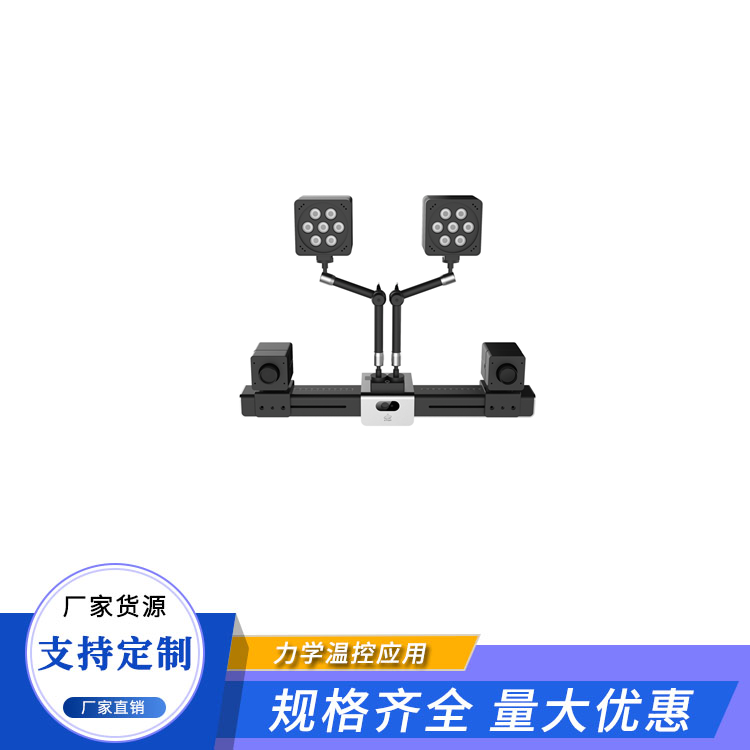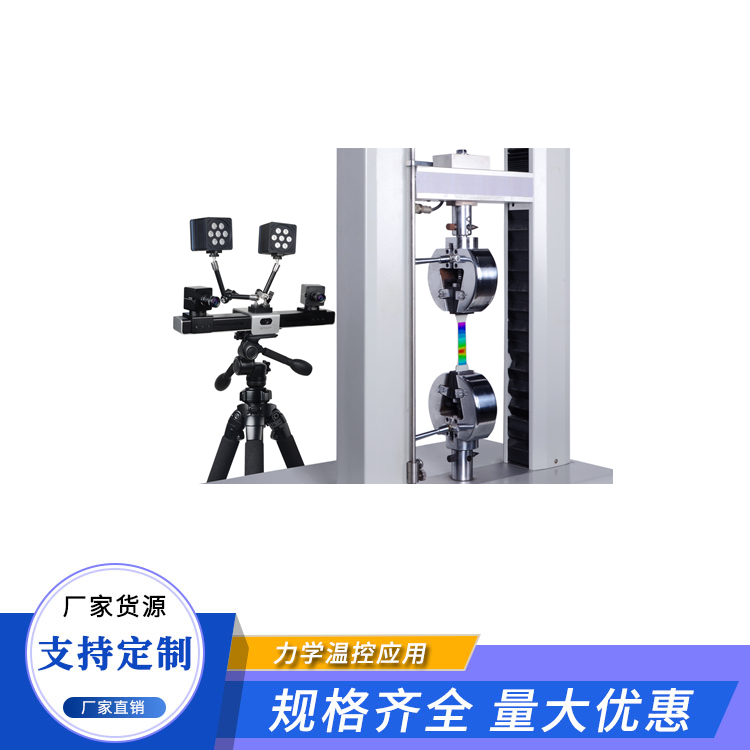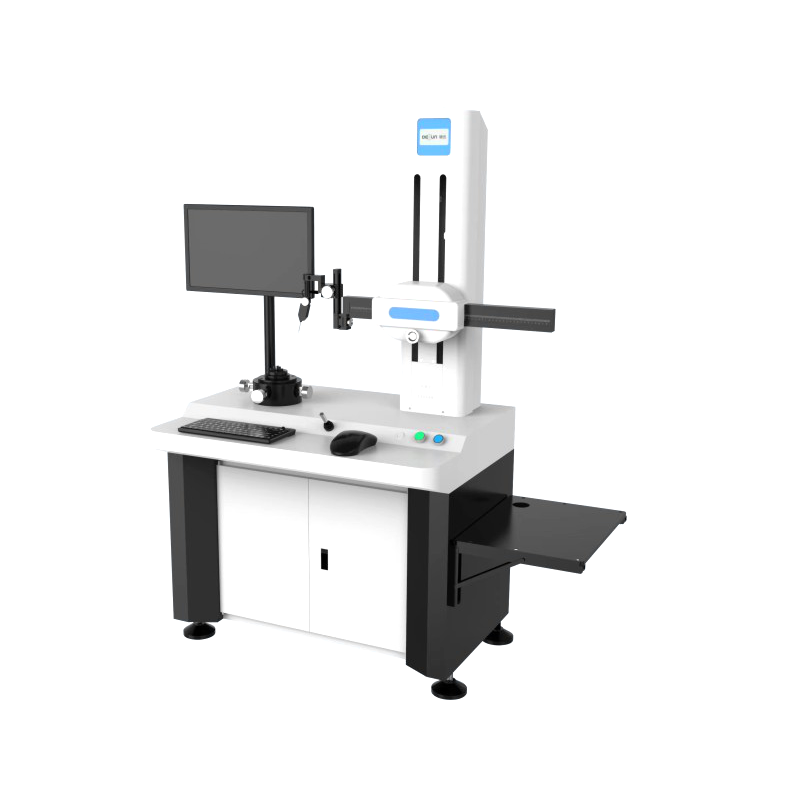

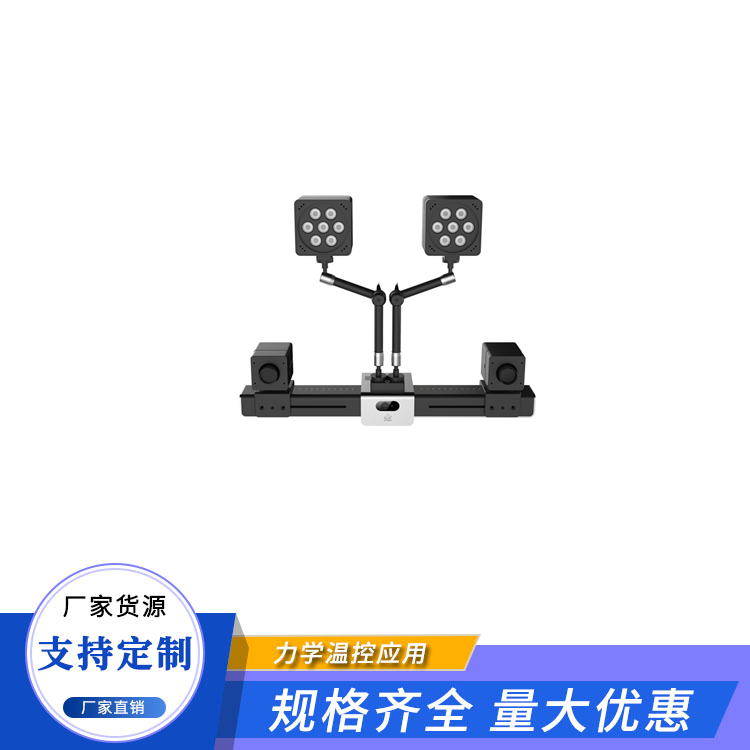








3D Full Field Strain Measurement System
System Introduction
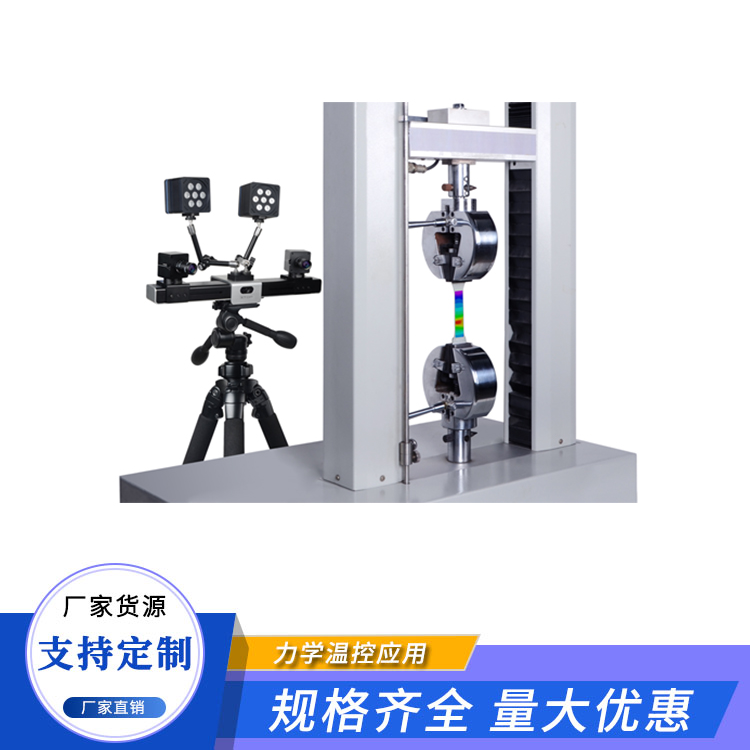
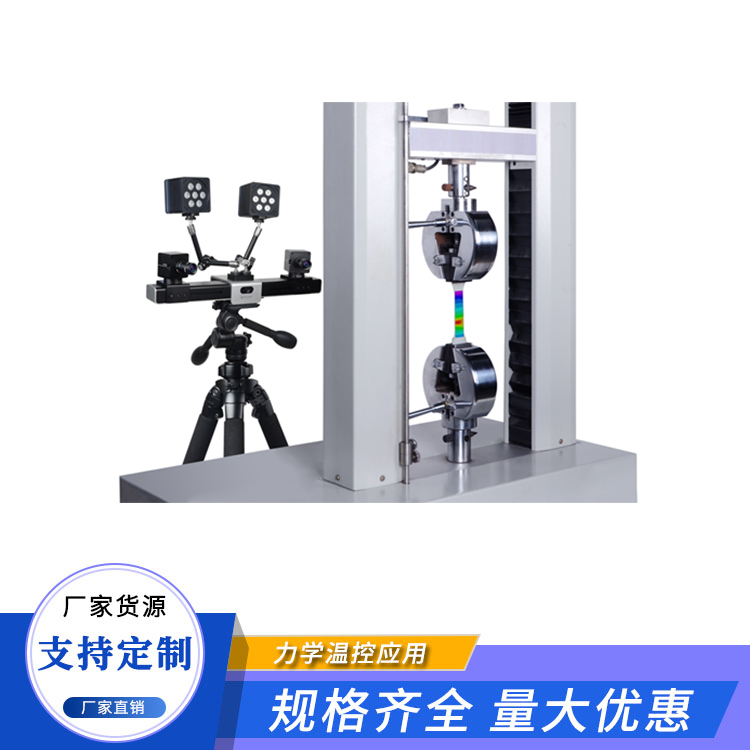
In recent years, as a component in the complex process chain, optical measurement systems have gradually become an essential tool in industrial production processes. Full-field strain measurement systems utilize non-contact measurement methods, offering various operating modes to meet requirements for different test speeds, resolutions, and measurement ranges. They are unaffected by materials and suitable for both static and dynamic experiments on various materials.
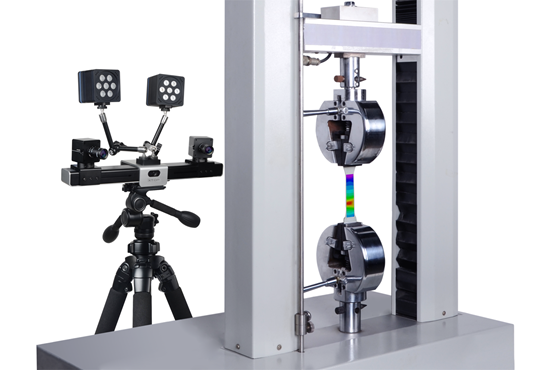
In-store measurement
Measurement is not limited to single points; it can observe deformation over the full range.
Enhanced ease in identifying critical failure points
No further testing is required to extract hotspots from the previously obtained images.
For large-sized or circular objects, multi-system displays can be used.
Non-contact measurement
No need for film, painting, or the use of lattices.
No need to locate for effective results.
Sample vibration can also be measured
Samples can be prepared and measured in just a few minutes.
Simple and easy to use
Safe single white light illumination; no laser or special lighting required.
Accurate measurement without optical isolation required
The system can be calibrated at any time during the test.
Automated data processing saves time
Technical Advantages
Advanced system technical level: core algorithm with independent intellectual property rights, technical indicators reaching the advanced level internationally.
- Wide Application Range of System: Suitable for scientific research and engineering measurements in various disciplines such as mechanics, materials, mechanics, architecture, civil engineering, etc., and applicable to most materials
- Flexible system configuration: supports measurement ranges from a few millimeters to several meters; supports cameras with up to tens of millions of pixels
High System Compatibility: Compatible with both single-camera 2D measurement and multi-camera 3D measurement
- Powerful auxiliary functions: Equipped with dynamic deformation measurement of circular marker points; Capable of measuring rigid body motion trajectory and posture
Expanded Interface Rich: Equipped with various types of interfaces, including universal testing machine interface and cupping test machine interface.
Technical Specifications

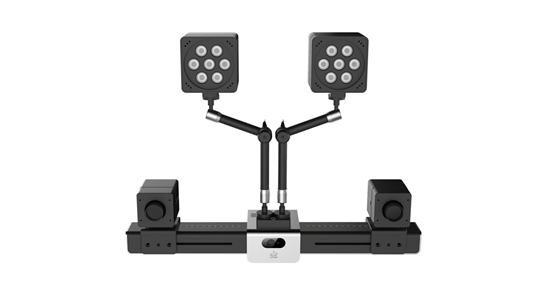
Material research and component measurement
Material Research
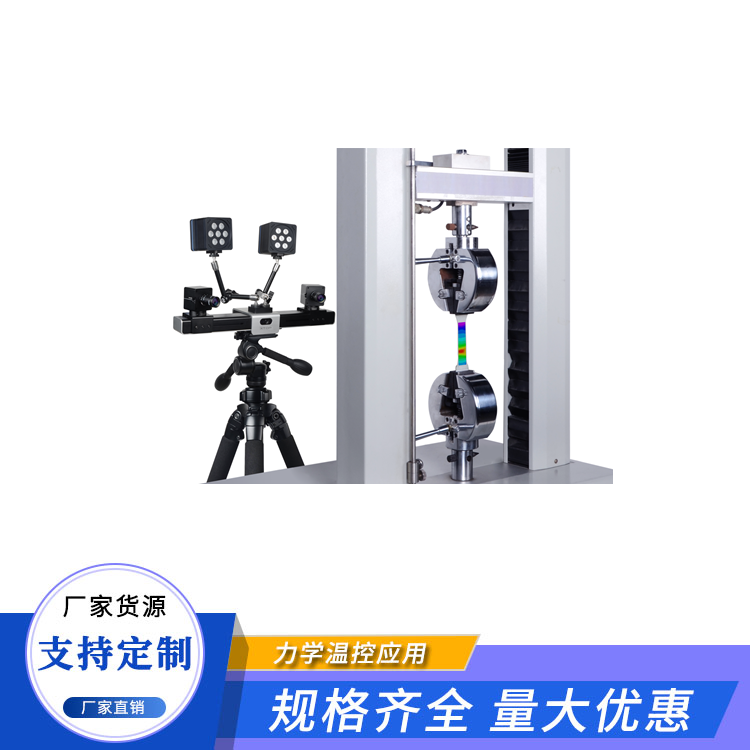
The full-field strain measurement system can analyze the mechanical properties and behavior of materials in various test environments, and can be seamlessly integrated into existing measurement systems, test benches, and testing machines. Utilizing non-contact measurement heads, it can measure the full-field three-dimensional strain and deformation of both soft and hard materials under mechanical and thermal loading conditions. It can replace traditional extensometers and strain gauges, enabling real-time three-dimensional surface deformation analysis.
Currently, it is widely used in material mechanical property measurement and has been highly recognized and praised in the industry as a measurement solution.
All-weather distribution
Stress-strain curve
Young's Modulus
Poisson's ratio
N-value & R-value
Tensile Test
Shear test
Three-point bend/ Four-point bend
Fatigue testing...
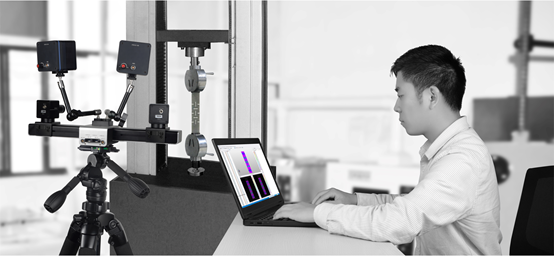
Parts testing and analysis
TENSILE is a tool for analyzing the mechanical properties of components,不受the geometrical shapes and sizes of components and materials限制, even when components are in operation, optical measurements are not affected.
TENSILE analyzes the safety risks, component lifespan, creep, aging, and appearance changes during use by evaluating factors such as distortion, bending, displacement, speed, and acceleration, providing designers with tested verification and effective feedback for optimizing product design.
In both static and dynamic tests, or under high-speed test conditions, TENSILE can obtain complete test results through optical measurement and provide a comprehensive data analysis report.
Strength Analysis
Vibration Analysis
Durability Analysis
Impact Test
Finite element analysis and simulation validation
During the design and manufacturing process of new products, manufacturers increasingly utilize finite element analysis software for simulation analysis, optimizing and improving product performance and manufacturing processes. TENSILE allows for a comparison and analysis of actual test results with theoretical data from finite element simulation software, effectively enhancing the simulation tools and processes. This accumulation of data aids in accelerating the product launch timeline.
Compare simulated data with actual measurement results (strain, displacement, etc.)
After determining the material characteristics, input them as real simulation parameters into the software.
Grid optimization feature with CAD conversion for finite element analysis
Digital Simulation Verification