











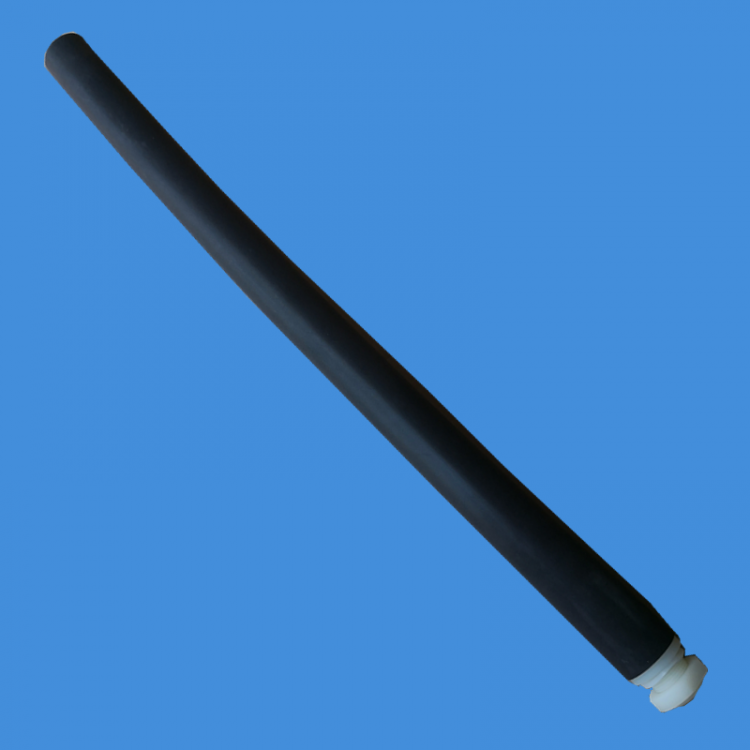
1. Not suitable for halogenated hydrocarbons, aromatic hydrocarbons, or gasoline
2. Operating Temperature: ☆General Type: <50℃ (Pressure Difference: 0.3MPa)
High Temperature Type: <100℃ (Pressure Difference: 0.2MPa)
121℃ steam sterilization, 30 minutes per cycle, up to 7 cycles.
3. Withstanding significant pressure differences (at 25°C): Forward: 0.42 MPa
Reversed: 0.21 MPa
As the operating temperature increases, the tolerance for pressure differences relatively decreases.
4. Applicable pH Range: 1-14
5. Filter elements are consumables; however, during cleaning and disassembly, care should be taken to avoid scratching, bumping, dropping, or other damage. Prevent artificial damage by strictly prohibiting the use of tools to apply force to the surface of the filter elements.
6. When filtering, gradually increase the pressure to the required operating pressure. Absolutely avoid fully opening the valve to rapidly increase pressure instantly.
7. During backblowing and backflushing of the filter element, pure gas is typically used first for backblowing, with the pressure being 1.2-1.5 times the working pressure. The backblowing duration is 3-5 seconds per cycle, repeated 4-6 times. Then, use clean liquid for backflushing, which takes 3-5 minutes per cycle, and perform this 2-3 times.
8. If the pressure loss remains significant after the filter element has been online backblowing and backflushed, it should be promptly removed for cleaning.
Washing instructions
Filter elements can be regenerated and cleaned by either physical or chemical methods, depending on the type of contamination and the chemical properties of the contaminants, as well as the physical and chemical properties of the metal. Physical methods primarily include: clean liquid backflushing, clean gas backblowing, and ultrasonic cleaning. Chemical methods mainly involve the use of dilute acids, dilutes alkalis, oxidizers, surfactants, enzymes, and other cleaning agents. These methods can also be used alternately. According to several common application scenarios, the cleaning methods are as follows:
1. For decarbonization filtration in the chemical industry, it is advisable to frequently use backblowing, backwashing methods, and combine them with ultrasonic cleaning for better results.
2. In the water treatment industry, due to the retention of non-water-soluble salts and oxides on the surface of the filtering elements, a 5% nitric acid soak is typically used to achieve cleaning, without the need for ultrasonic cleaning.
3. Filter the stock solution, and clean using the following methods in accordance with the chemical properties of the pollutants:
(1) Alkaline washing: Soak in a 3-5% sodium hydroxide analytical purity solution for 30-60 minutes at around 40 degrees Celsius, best in an ultrasonic cleaner. After soaking, rinse internally and externally with filtered deionized water or injection用水 to neutralize, then measure conductivity. Dry with pure air at a pressure of ≥ 0.4 MPa.
(2) Pickling: Soak in a 5% nitric acid solution for over 8 hours at a temperature of around 40 degrees. Optimal in an ultrasonic cleaner. After soaking, rinse internally and externally with filtered deionized water or injection用水 to neutralize, achieving side conductivity. Dry with pure air at a pressure of ≥0.4MPa.
(3) Organic contamination can be addressed with surfactant cleaning, while the system for cellular debris contamination is ideally suited to enzymatic cleaning (high concentration citric acid cleaning can be used for food and beverage).
(4) The above methods can be used individually or in combination with each other. If possible, using an ultrasonic cleaner in conjunction with these methods yields better results.
Note: Regular online backflushing (using pure compressed air or filtered stock or clean water to backflush during online cleaning) can reduce the frequency of cleaning with the above methods.