











3
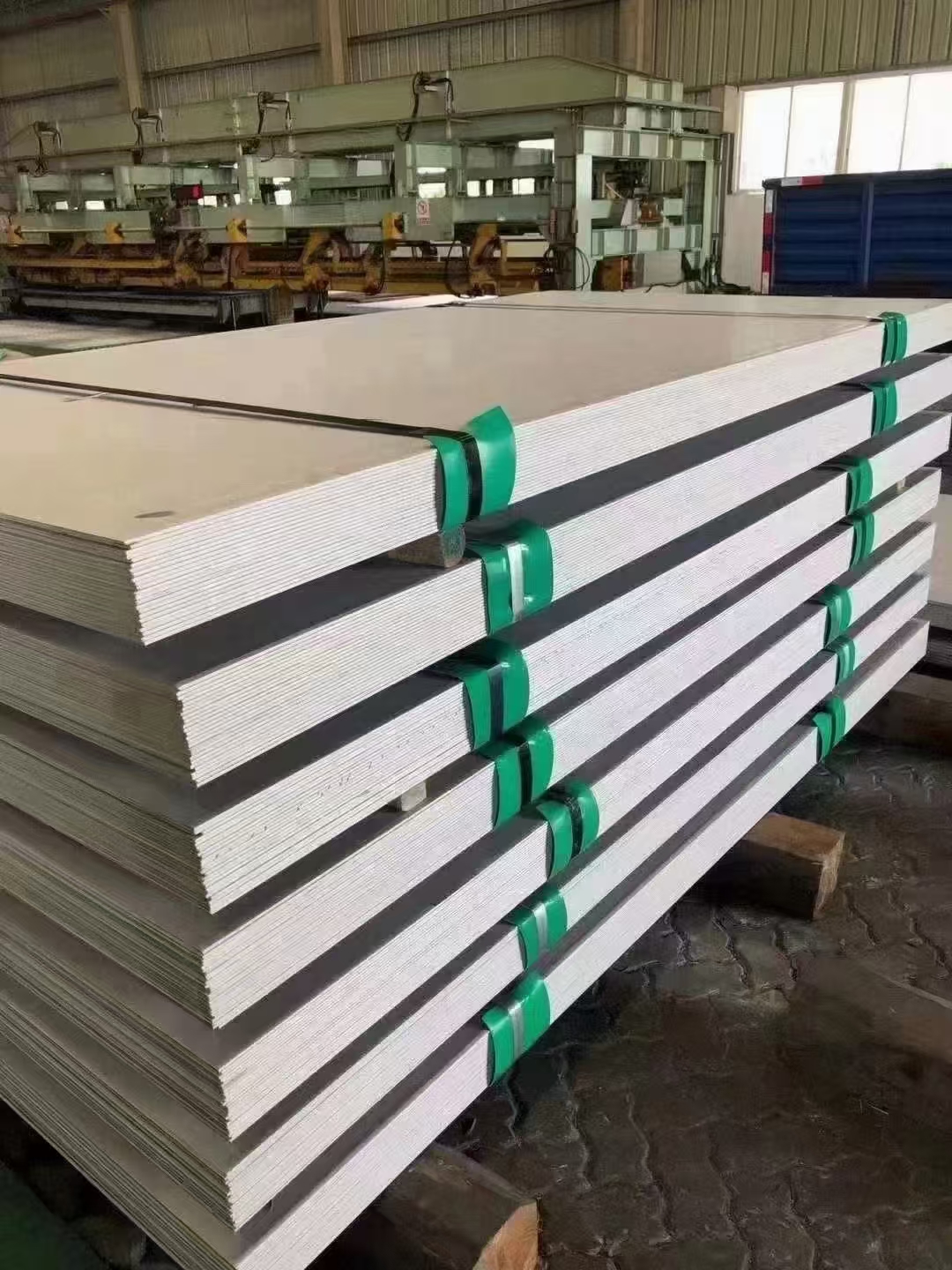
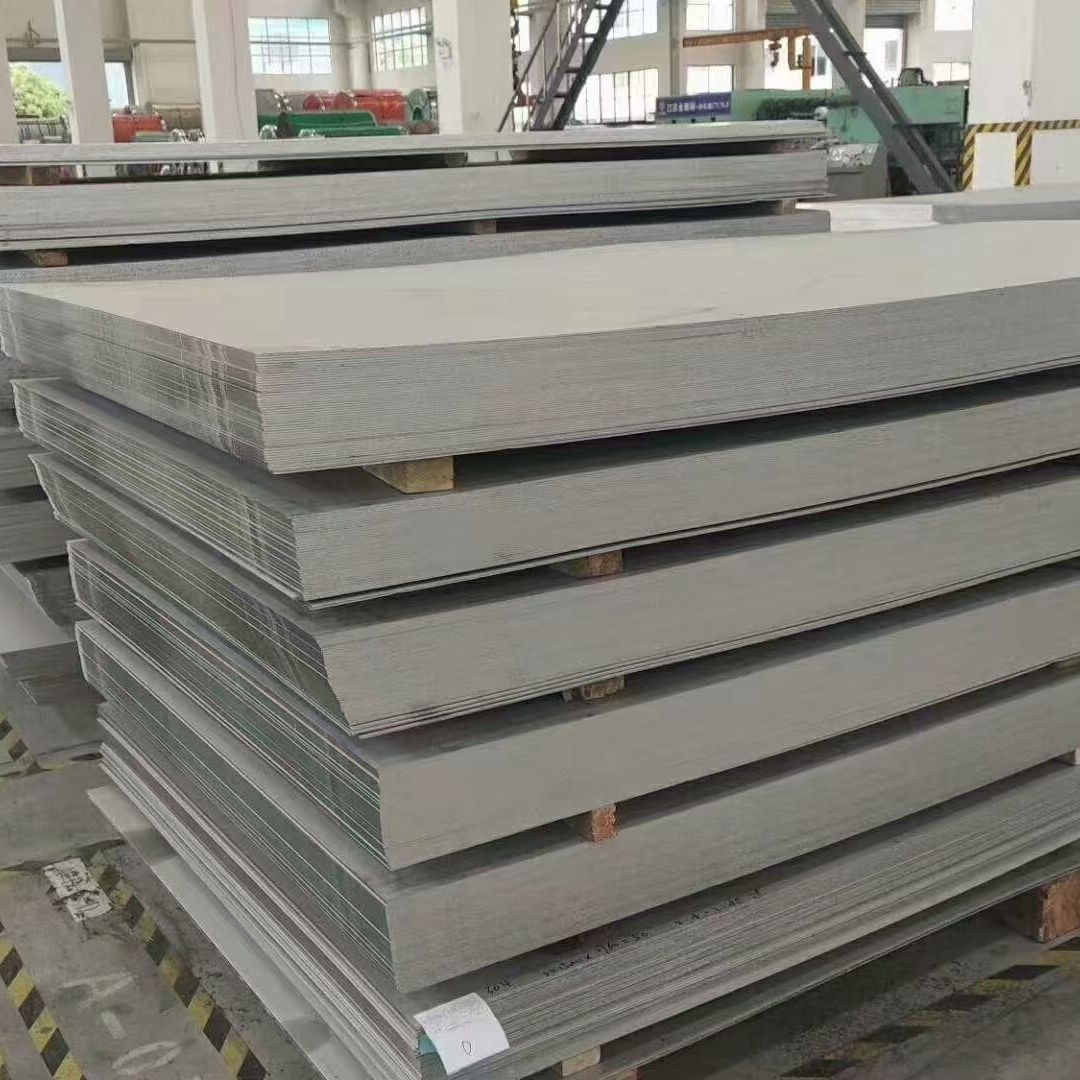
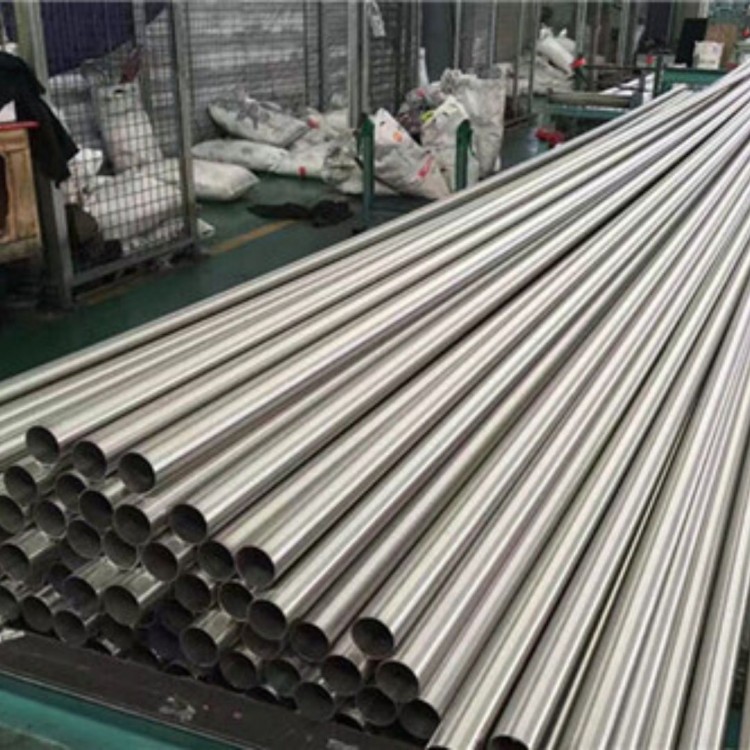
304 is widely used for its excellent corrosion resistance, heat resistance, low-temperature strength, and mechanical properties; it has good hot working properties such as stamping and bending, and no hardening after heat treatment (non-magnetic, usable temperature range -196°C to 800°C).
After welding or stress relief, 304L maintains its ability to resist intergranular corrosion; it also retains excellent corrosion resistance without heat treatment, with a service temperature range of -196°C to 800°C.
Basic Information
Two types by process: hot rolling and cold rolling; divided into 5 categories by the organizational features of the steel: Austenitic, Austenitic-Ferritic, Ferritic, Martensitic, and Precipitation Hardening. Requires resistance to corrosion from various acids such as oxalic acid, sulfuric acid-sulfate iron, nitric acid, etc., widely used in industries such as chemicals, food, papermaking, petroleum, atomic energy, and in construction, kitchenware, tableware, vehicles, and various home appliance components.
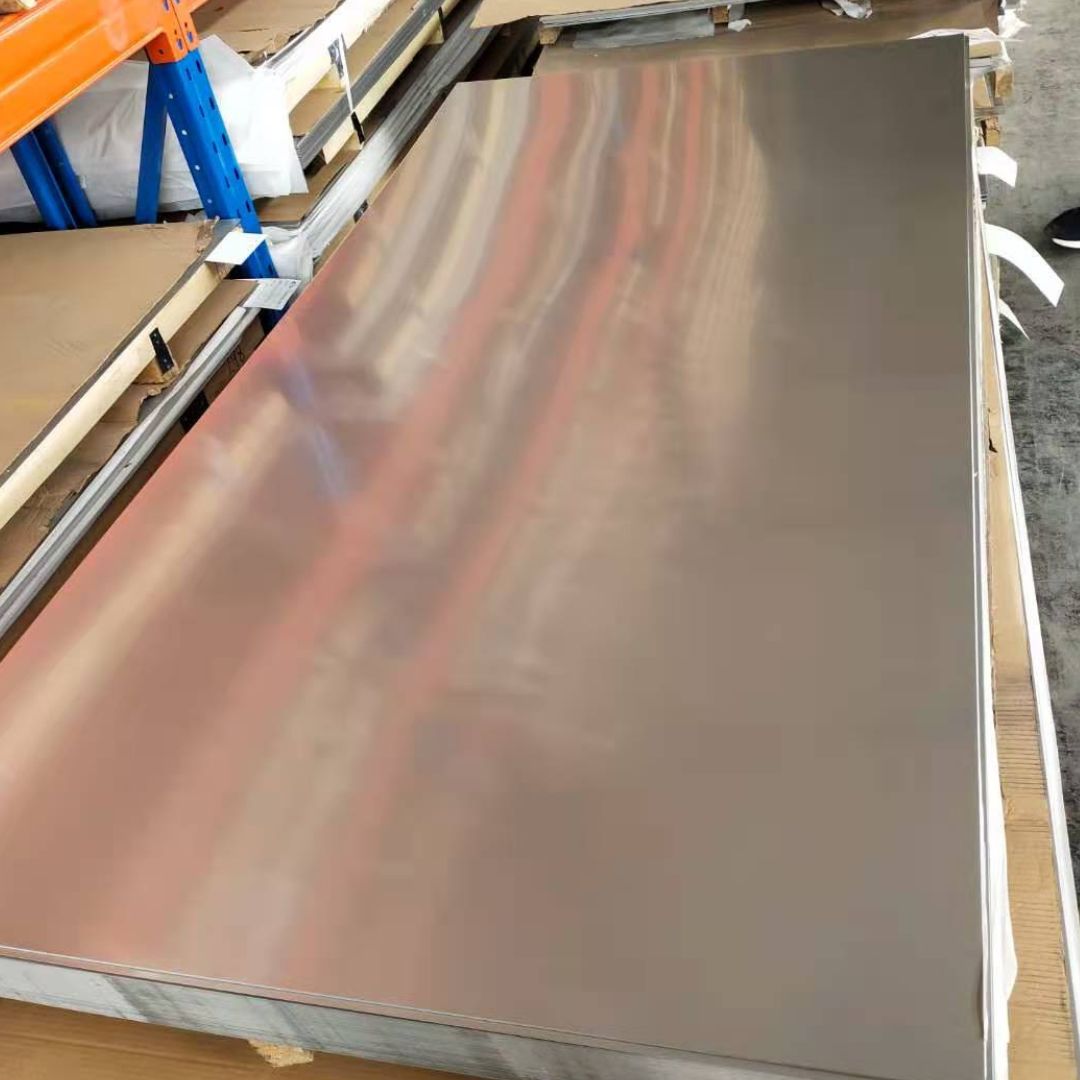
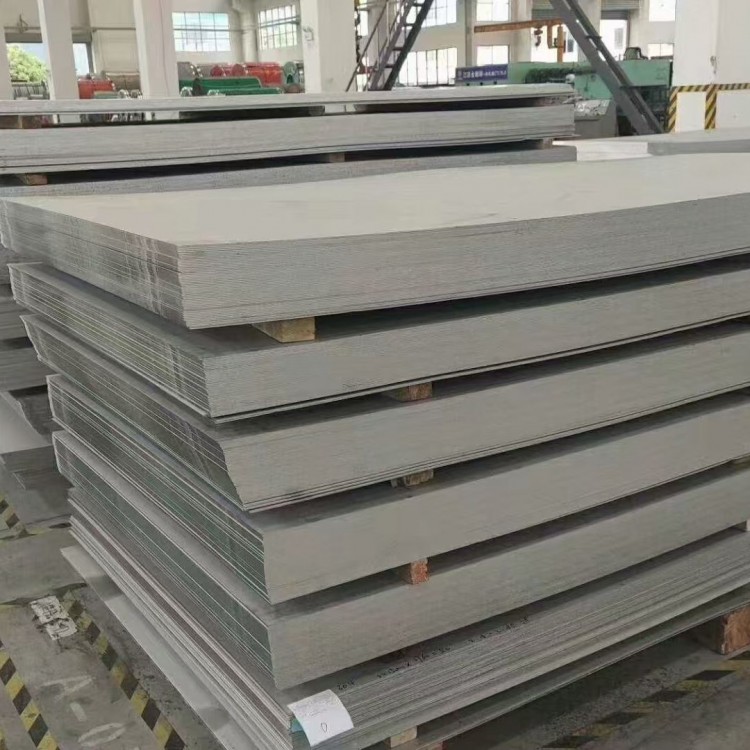
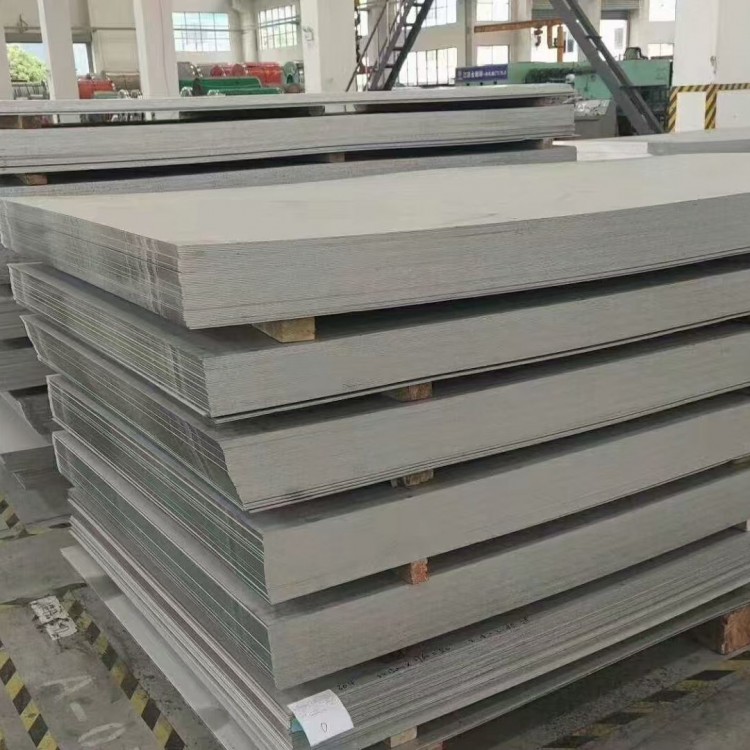
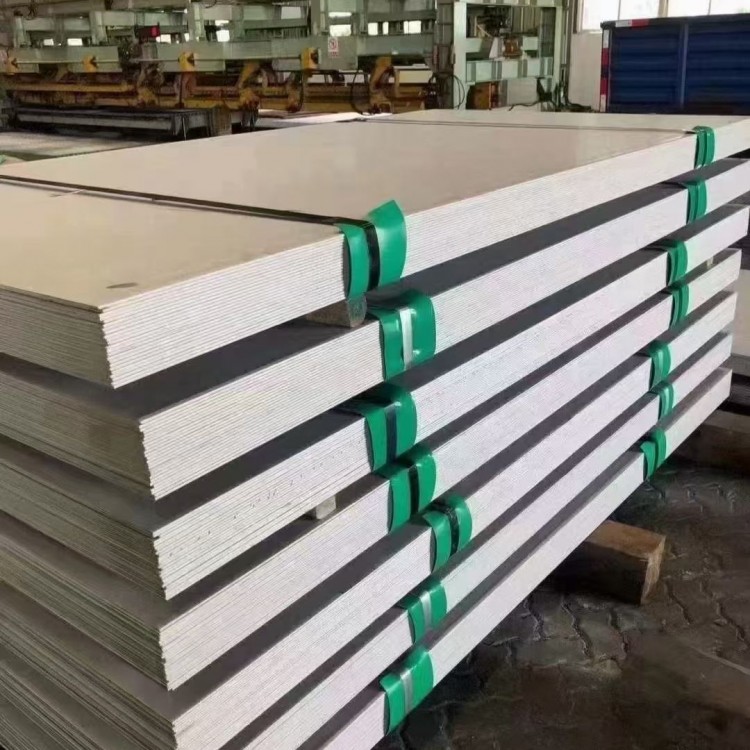
The surface of the stainless steel sheet is smooth, with high plasticity, toughness, and mechanical strength, and is resistant to corrosion by acidic, alkaline gases, solutions, and other media. It is an alloy steel that is not prone to rust, but it is not rustproof.
Stainless steel sheets are categorized into two types based on manufacturing process: hot rolled and cold rolled. This includes thin cold sheets with thickness ranging from 0.02 to 4 millimeters and medium to thick plates from 4.5 to 100 millimeters.