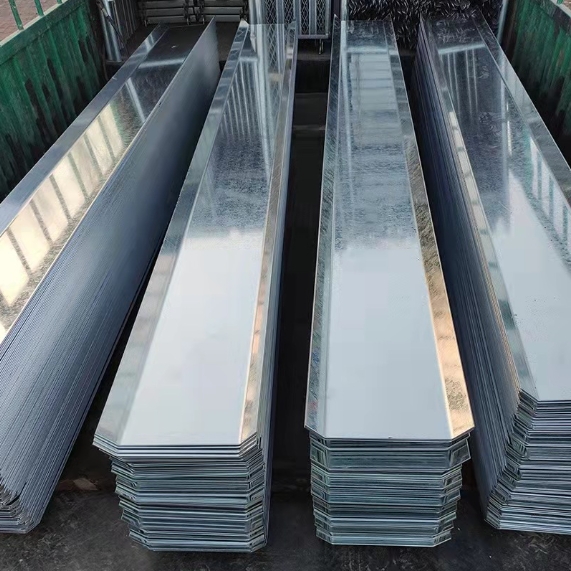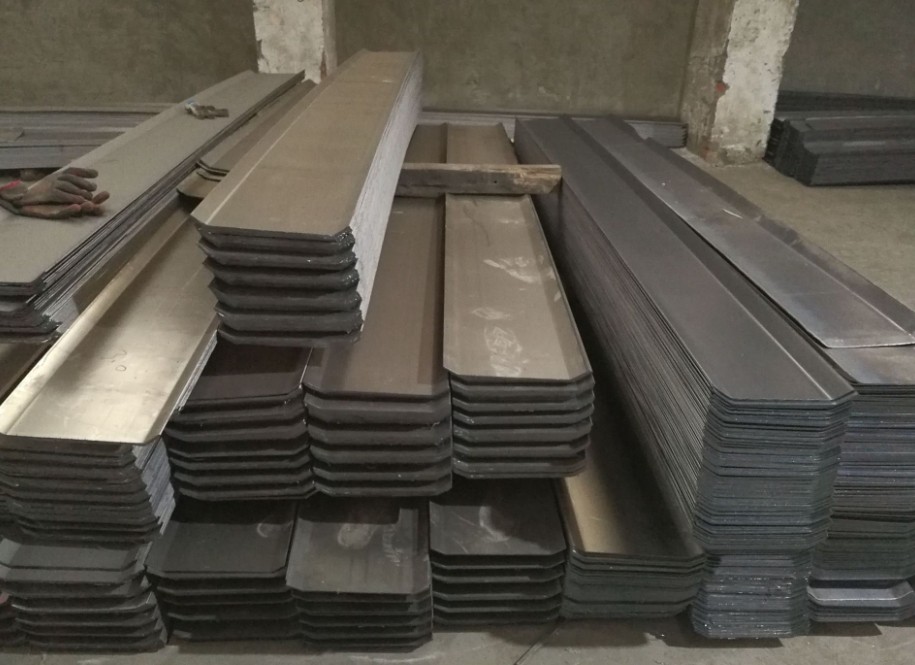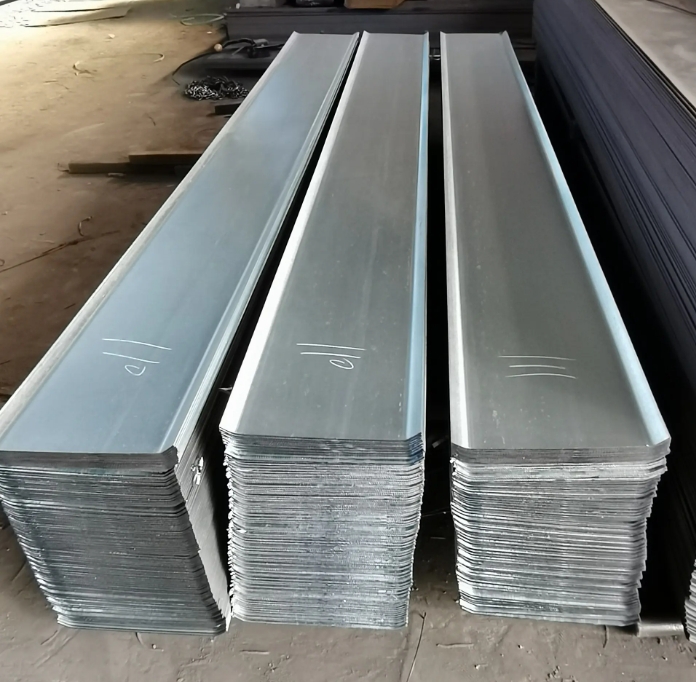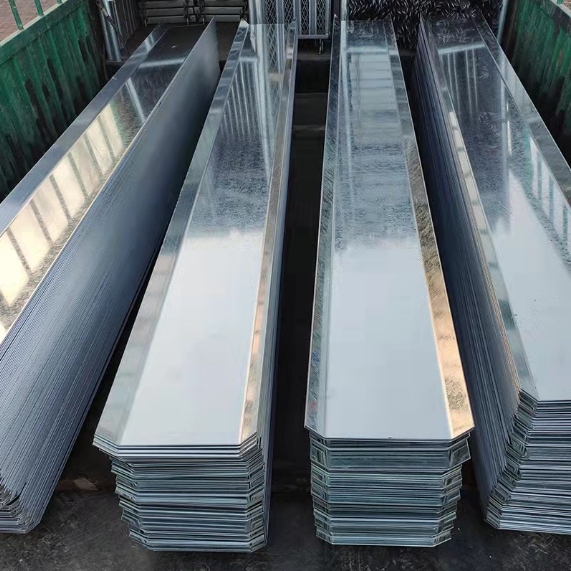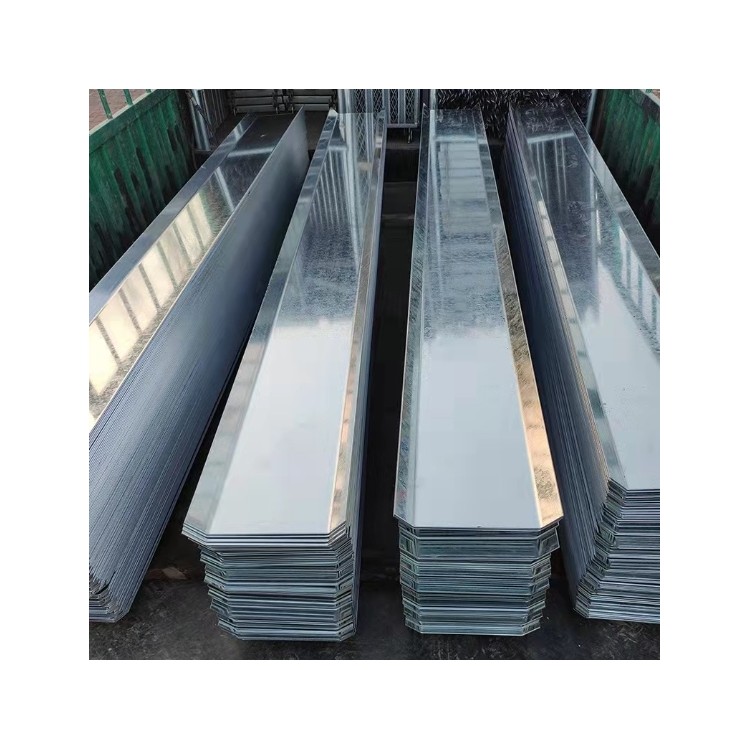

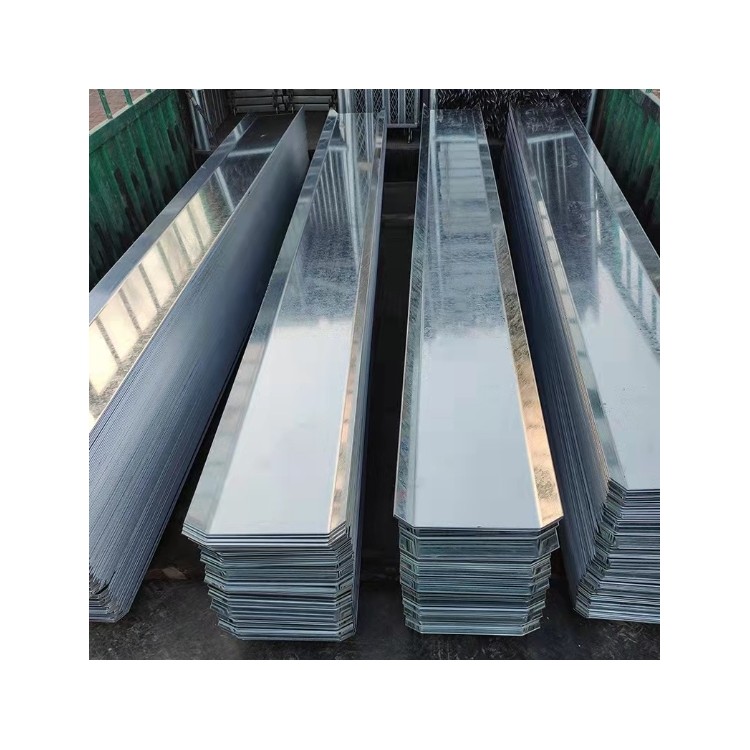
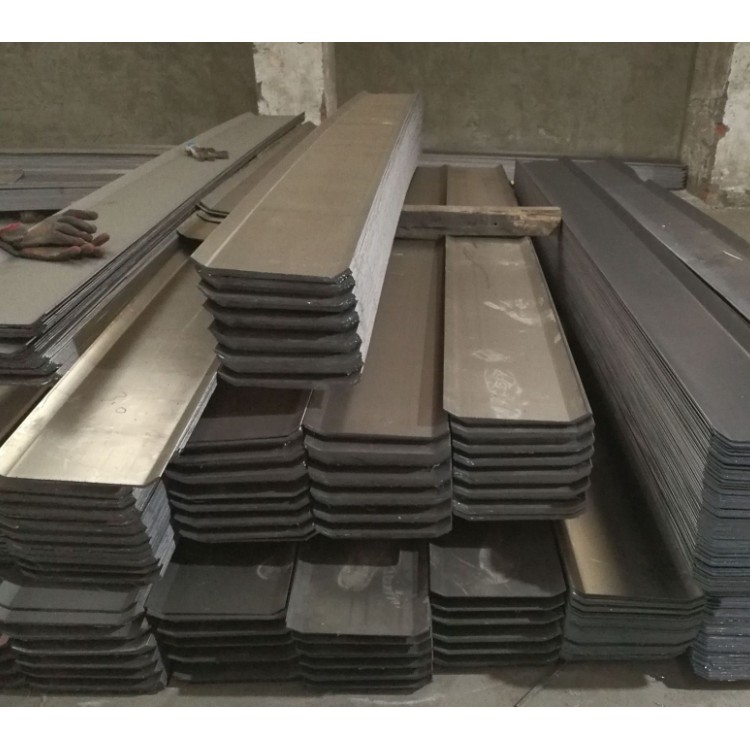
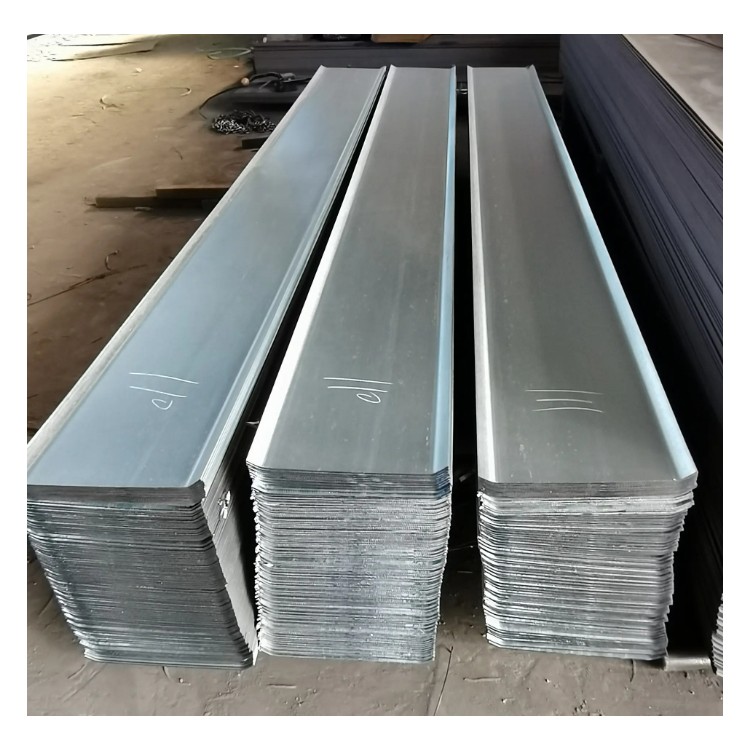













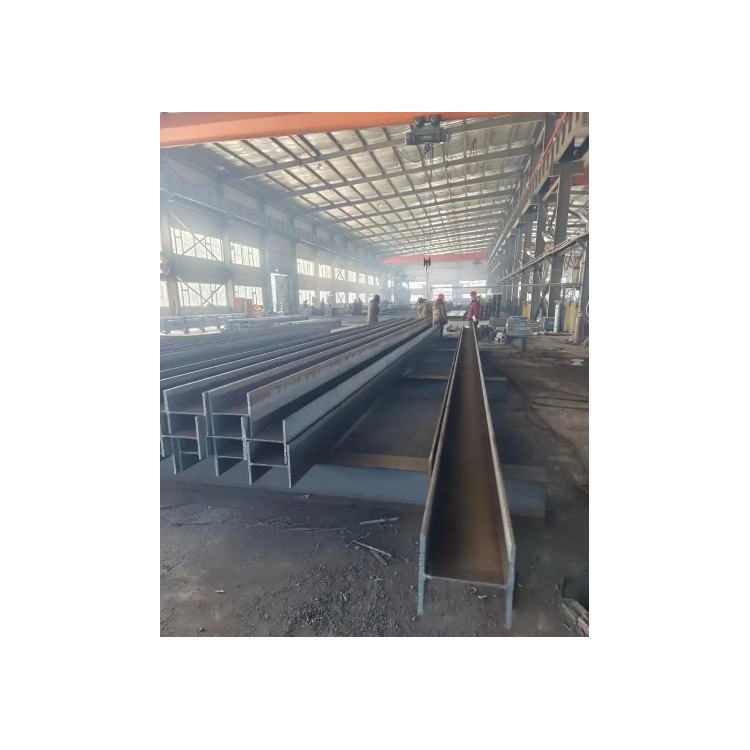
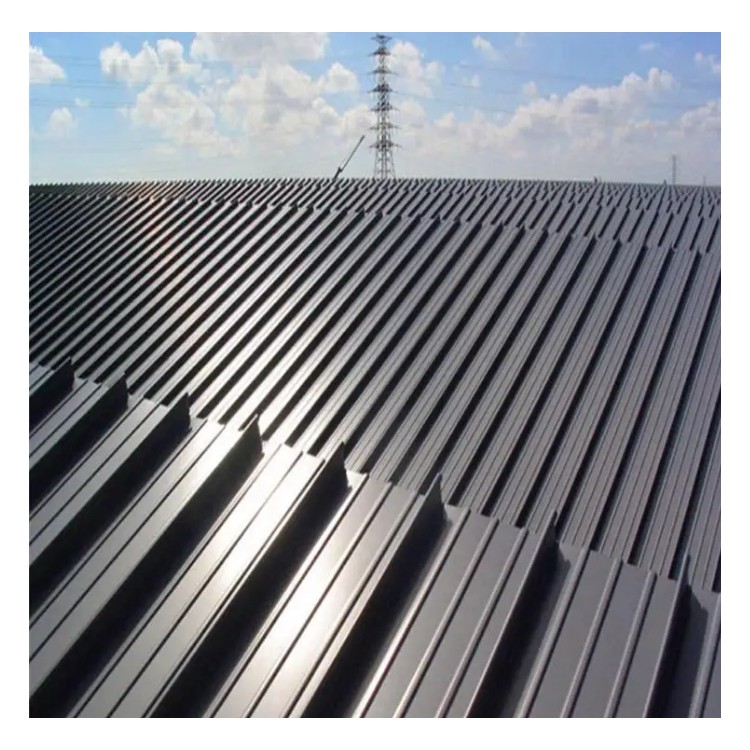
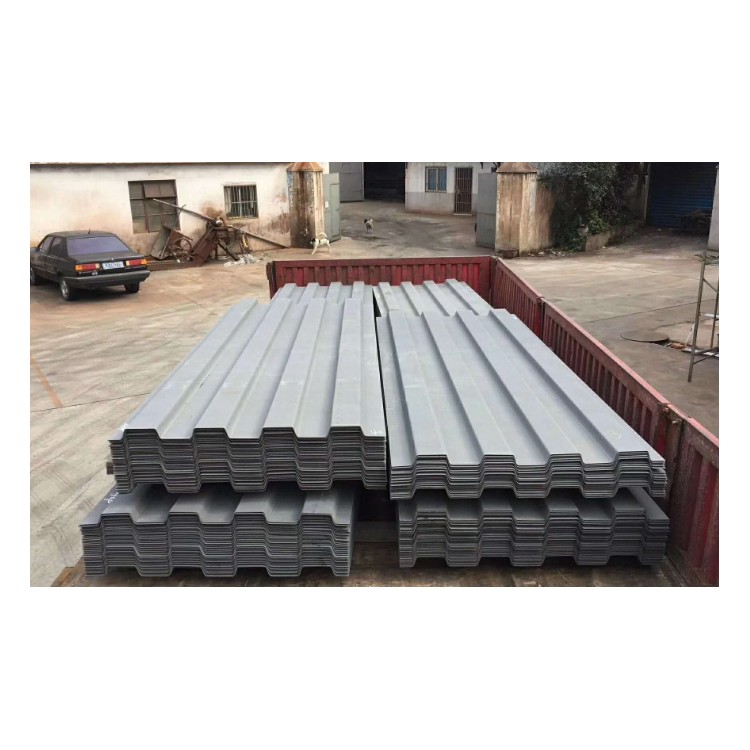
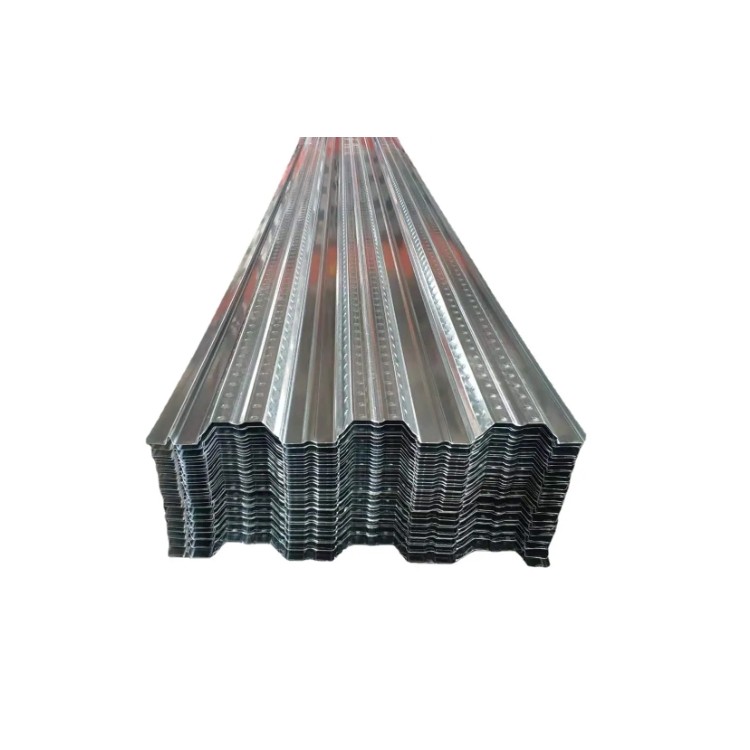
Waterstop steel plate, also known as steel waterstop, is a widely used waterproofing material in construction projects. It is primarily made from Q235 steel plate, but can also be made from other materials like copper plate, alloy steel, and stainless steel, depending on construction requirements. Some steel plates also require galvanizing to enhance their corrosion resistance. The main function of waterstop steel plate is to prevent water seepage, ensuring the stability and safety of buildings or structural projects.
The principle of action of the waterstop steel plate
The principle of action for the water stop steel plate lies in altering the water渗透 path. At the junction of new and old concrete, where the waterproofing is relatively weak, the installation of a water stop steel plate blocks the water from penetrating along the construction joints, thereby preventing further seepage and achieving waterproofing. Even with significant amounts of seepage, the water stop steel plate can greatly extend the seepage path, reducing the impact of seepage on the structure.
Section 2: Application Scenarios for Water-Stop Steel Plates
Waterstop steel plates are widely used in various engineering fields such as construction, water conservancy, and municipal works, including:
Construction IndustryUsed in basements, reservoirs, water towers, tunnels, bridges, highways, high-speed railways, and other constructions and engineering projects, it serves the purposes of waterproofing, leakage prevention, sealing, and corrosion resistance.
Hydroengineering fieldUsed in reservoirs, dams, canals, waterways, locks, pumping stations, and other hydraulic facilities as a crucial waterproofing material.
Municipal Engineering Field主要用于 sewers, wastewater treatment plants, and landfills, to prevent water infiltration from damaging municipal infrastructure.
Section 3: Common Types of Waterstop Steel Plates
Waterstop steel plates are categorized into various types based on their applications and shapes, such as:
General waterstop steel plateCommon types, suitable for general waterproofing requirements.
L-shaped waterstop steel plateFor specific shapes of construction joints or areas requiring folded edge treatment.
W-shaped waterstop steel plateSpecial shape, suitable for specific waterproofing applications.
Section 4: Specifications and Parameters of Waterstop Steel Plates
The specifications and parameters of waterstop steel plates vary depending on the manufacturer and project requirements, but generally possess the following features:
LengthStandard lengths are 3 meters or 6 meters, but custom sizes are available upon request.
WidthTypically 300mm wide, but also available in other widths such as 200mm and 400mm.
ThicknessTypically between 2-3mm, the specific thickness depends on engineering requirements and the material of the waterstop steel plate.
Finished Edge Size and AngleAccording to the varying standards at construction sites, the dimensions and angles of the folded edges will also differ.
Five: Construction Steps for Water-Stop Steel Plates
The construction steps for waterstop steel plates generally include the following stages:
Preparation workIncluding measurement, layout, and positioning, to ensure the waterstop steel plate is accurately installed at the construction joint location.
Waterstop steel plate installationPlace the waterstop steel plate between the two reinforced rebars and secure it by welding or other methods.
Interface handlingFor the interfaces between waterstop steel plates, connection welding or similar methods should be used to ensure a tight seal at the joint.
Subsequent constructionAfter the waterstop steel plate installation is completed, proceed with subsequent construction activities such as concrete pouring.
Section 6: Advantages and Precautions of Waterstop Steel Plates
Waterstop steel plates have the following advantages compared to other waterstop materials:
Waterproofing effect is goodEffectively alters the water penetration path, achieving excellent water stopping effects.
Excellent durabilityExcellent corrosion resistance, ensuring long-term use without failure.
Easy to installCustomization and processing according to engineering requirements; relatively simple construction and installation.
However, it is also important to note the following points when using waterstop steel plates:
Choose the appropriate material and specificationsSelect the appropriate waterstop steel material and specifications based on engineering requirements.
Ensure construction qualityDuring construction, operations must be strictly carried out in accordance with the construction specifications to ensure the quality of the waterstop steel plate installation and the integrity of the joint sealing.
Enhanced post-maintenanceRegularly inspect and maintain the waterstop steel plates to ensure their long-term effective use.